Top 6 Mountain Passes around Lamanère
Best mountain passes around Lamanère are found in the Pyrénées-Orientales department of southern France, a region known for its mountainous landscapes. Lamanère, as the southernmost village of continental France, provides access to several passes. These locations are valued for their hiking opportunities, views, and historical significance. The area offers diverse terrain for outdoor exploration.
Best mountain passes around Lamanère
- The most popular mountain pass is Coll d'Arès, a mountain pass that marks the border between France and Spain at…
Last updated: October 9, 2026
Coll d'Arès
Highlight • Mountain Pass
Translated by Google •
Tip by

Col d'Ares
Highlight • Mountain Pass
Translated by Google •
Tip by

Sign up now to discover places like this
Get recommendations on the best single tracks, peaks, & plenty of other exciting outdoor places.
Sagué Pass
Highlight (Segment) • Mountain Pass
Translated by Google •
Tip by

Coll de Bucs (773 m)
Highlight • Mountain Pass
Translated by Google •
Tip by

Ascent to Col d'Ares from Camprodon
Highlight (Segment) • Mountain Pass
Good road surface, light traffic, and beautiful views.
Translated by Google •
Tip by

Sign up for free to discover even more mountain passes around Lamanère.
Already have an account?
Start today with a free account
Your next adventure awaits.
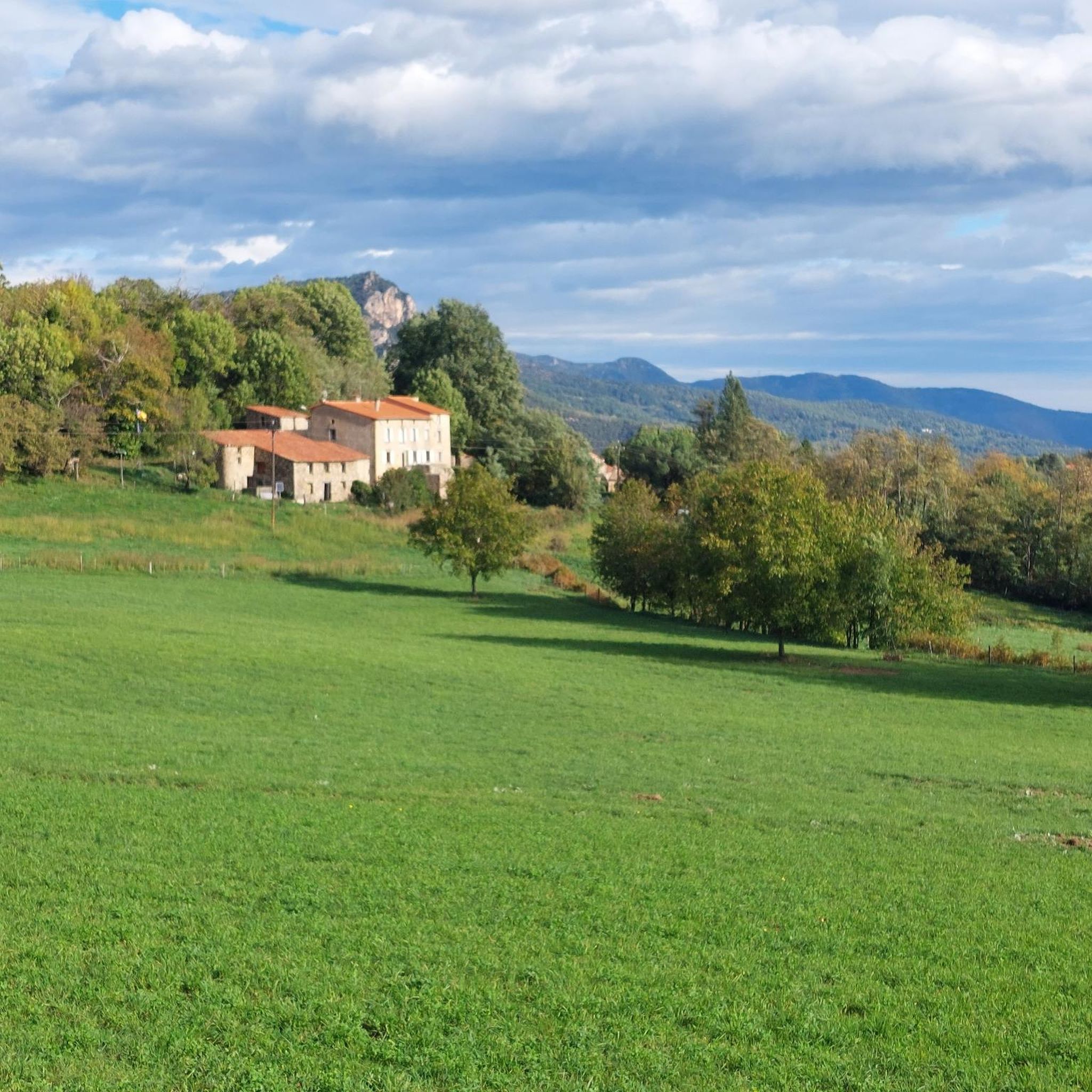
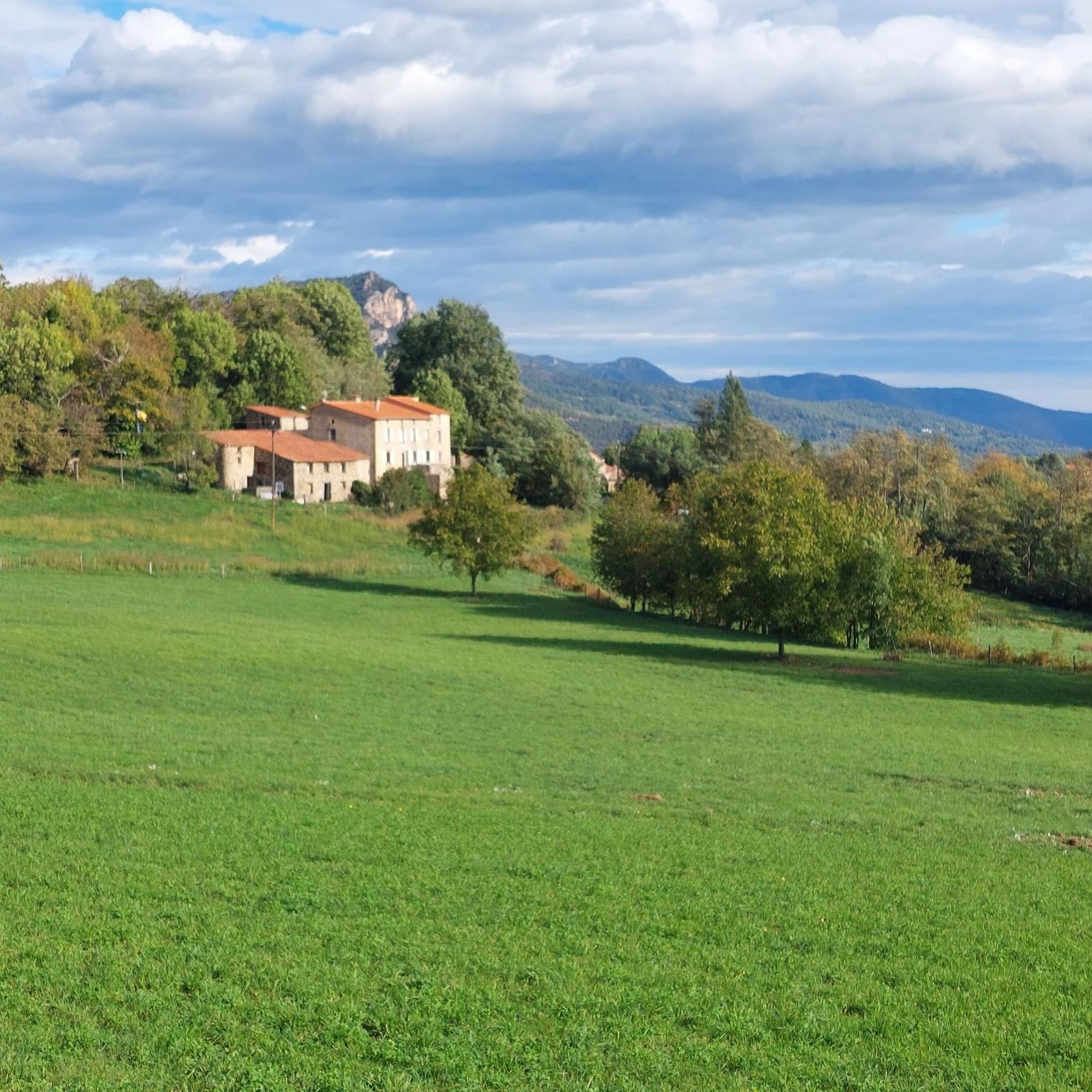
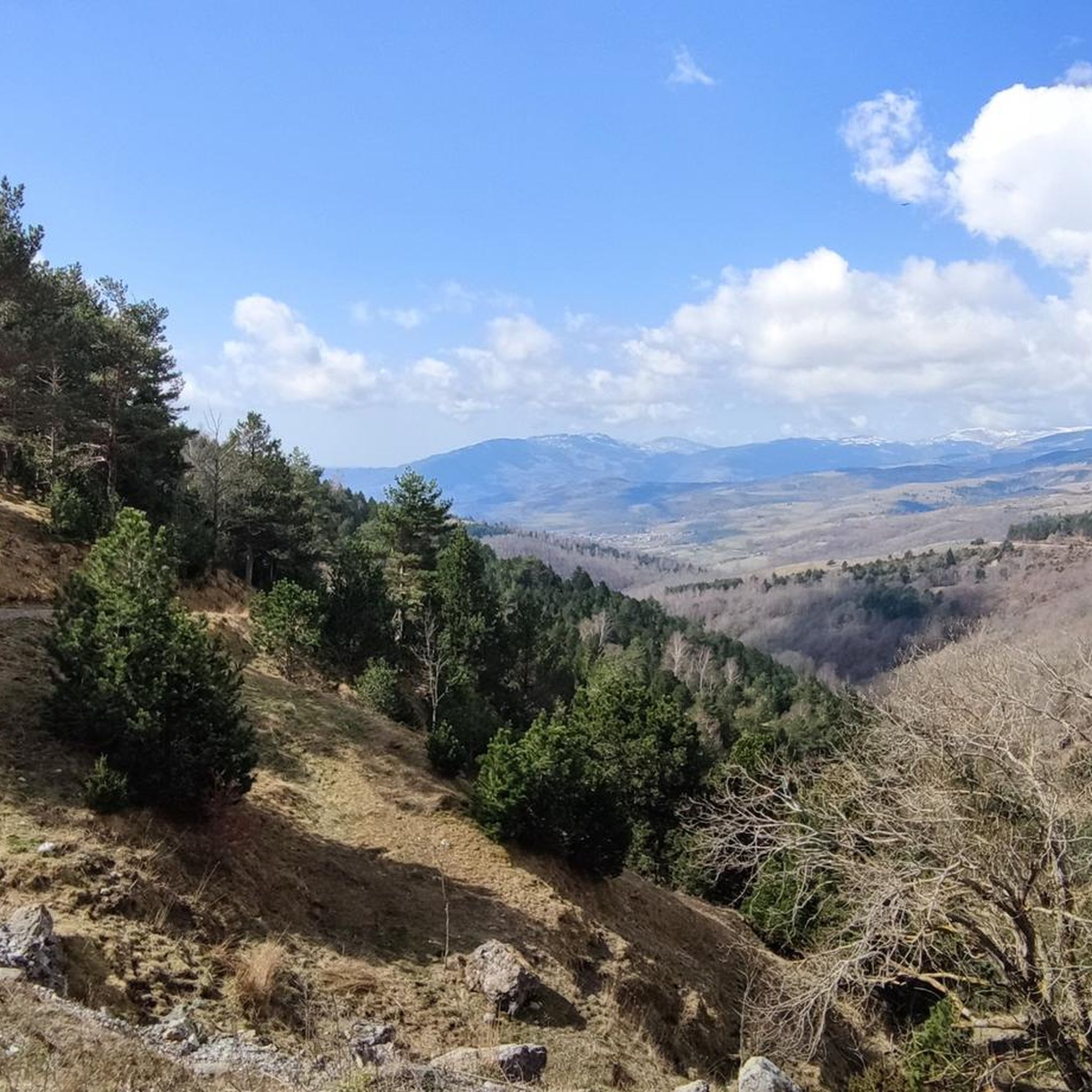
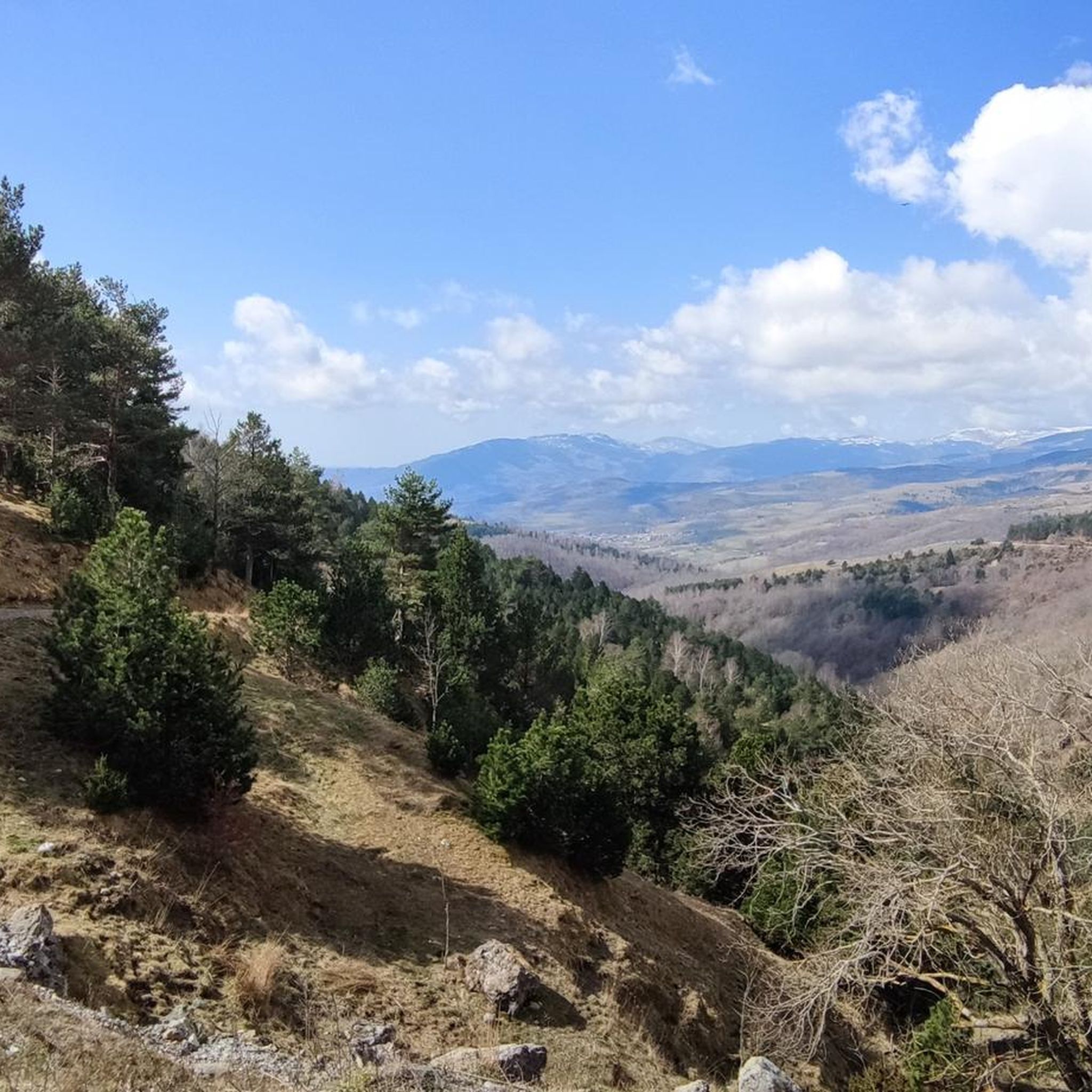

Tips from the Community

Beautiful climb, good percentages leaving Prat de Mollo, climbed in 36/28, steep at the end.
0
0

from the French side a regular ascent to the pass
0
0

This is a beautiful and accessible 18-kilometer climb with 612 meters of elevation gain at an average of 3.4%. Good road surface, light traffic, and beautiful views.
0
0

Passageway between Vila de Beget and Vila d'Oix, along a narrow and quiet road and surrounded by beautiful scenery, some ponds from the Beget stream where you can take a swim.
0
0

A pass that is not too difficult to climb and offers a magnificent landscape when crossing the border at the summit.
0
0

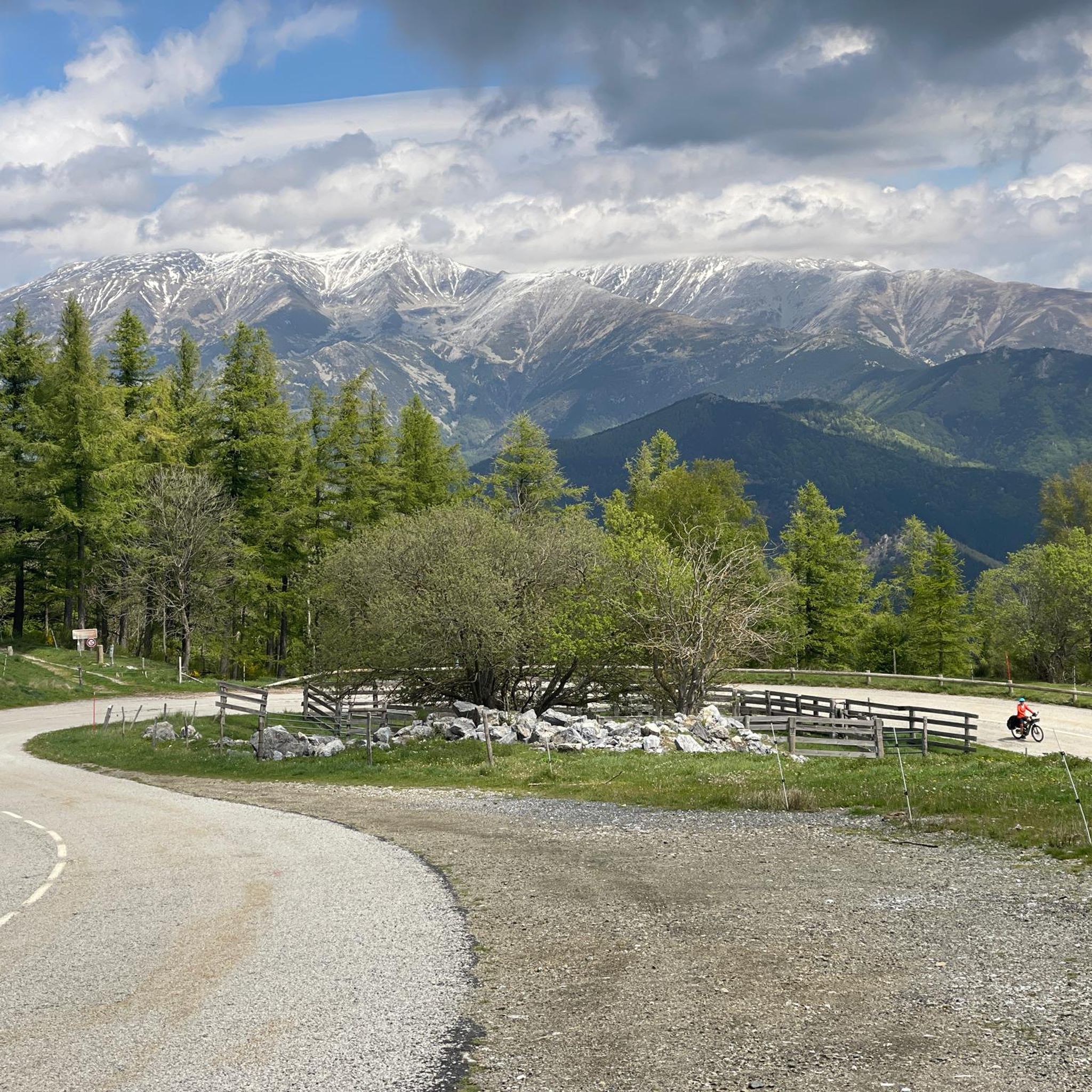
It is a mountain pass located at an altitude of 1,513 metres, on the border between France and Spain, connecting Vallespir (France) with Ripollès (Catalonia, Spain). It is a historic and strategic place, used for centuries as a trade route and also during the Retirada (1939), when thousands of refugees crossed the pass fleeing the Spanish Civil War. Today, it is a popular hiking spot and offers spectacular panoramic views of the Pyrenees.
6
0

The Coll d'Ares is a mountain pass in the Pyrenees that joins the counties of Ripollès and Vallespir, between the municipal terms of Molló and the communal areas of Prats de Molló and la Presta. If we are lucky the views are spectacular. In my case I went up with a Gravel Bike along the road from Camprodon.
1
0
One of the most beautiful ports I've done by bike, in my case twice with the Gravel bike doing the Pirinexus route from Girona. Asphalted port with little traffic, like most ports in the Pyrenees the prize is spectacular views. I did the port already coming from Girona and it was hard. The descent towards Prats de Molló is spectacular.
0
1
Frequently Asked Questions
What are the most popular mountain passes around Lamanère?
The most popular mountain pass is Coll d'Arès, which marks the border between France and Spain at 1513 meters. Other highly regarded passes include Sagué Pass, known for its winding path through undergrowth, and Coll de Bucs (773 m), which offers beautiful scenery and is ideal for road biking.
What kind of natural features can I expect to see at the mountain passes near Lamanère?
The region is characterized by stunning mountainous landscapes. At passes like Col de Malrens and Col de les Moles, you can expect panoramic views of the Spanish Pyrenees and the majestic Canigou massif. The areas feature diverse natural environments with forests of beech, birch, gorse, and boxwood.
Are there historical sites or points of interest related to the mountain passes?
Yes, several passes hold historical significance. Col de Malrens, for instance, played a crucial role as a crossing point for Spanish Republican refugees during "La Retirada" in 1939. The Path of Exile: Molló–Espinavell–Coll Pregon–La Presta is another significant route that follows the path of these refugees, offering a reflective experience through history and nature.
What outdoor activities can I do near these mountain passes?
The area around Lamanère is excellent for various outdoor activities. You can find numerous trails for hiking, mountain biking, and road cycling. For specific routes, explore the MTB Trails around Lamanère, Road Cycling Routes around Lamanère, and Running Trails around Lamanère guides.
Are there hiking trails suitable for families or beginners near Lamanère's mountain passes?
While some routes can be challenging, the region offers varied terrain. Many marked trails are suitable for different skill levels. For specific family-friendly or beginner routes, it's best to consult detailed trail descriptions within the hiking guides for the area, such as those linked in the previous answer.
What is the best time of year to visit the mountain passes around Lamanère?
The region is beautiful throughout the year. Spring and autumn offer pleasant temperatures for hiking and cycling. During winter, passes like Col de Malrens and Col de les Moles are suitable for experienced snowshoers, providing a different perspective of their beauty amidst snow-covered landscapes.
What are the altitudes of the prominent mountain passes in the Lamanère area?
The Coll d'Arès reaches 1513 meters above sea level. Col de Malrens is at 1131 meters, and Col de les Moles is higher at 1436 meters. The Sagué Pass is at 713 meters, and Coll de Bucs is at 773 meters.
What are the difficulty levels of the mountain passes and trails?
The difficulty varies. For example, the ascent to Coll d'Arès from Camprodon is considered intermediate, with a good road surface and light traffic. The hike between Col de Malrens and Col de les Moles is noted for its superb scenery but can be rigorous. Some routes, especially along the border ridge, may require good knowledge of orienteering.
Are there any specific tips for road cycling on these mountain passes?
Yes, passes like Coll de Bucs (773 m) are perfect for road biking due to very little vehicle traffic and beautiful scenery. The Camprodon slope of Coll d'Arès is also less difficult for cyclists, offering good views.
What do visitors enjoy most about the mountain passes around Lamanère?
Visitors frequently praise the stunning panoramic views, especially of the Spanish side of the Pyrenees and the Canigou massif. The diverse natural environment, including forests of beech and birch, and the historical significance of certain passes, also contribute to a rewarding experience. Many appreciate the quiet roads and varied terrain for hiking and cycling.
Is public transport available to reach Lamanère or the mountain passes?
The provided information focuses on the natural and historical aspects of the passes and the village of Lamanère. While Lamanère is the southernmost village of continental France, specific details about public transport directly to the mountain passes are not readily available. It is generally recommended to plan for personal transportation or check local transport options for the Pyrénées-Orientales department.
Are there any specific permits required for hiking in the Lamanère mountain pass areas?
The provided information does not mention any specific permits required for general hiking in the Lamanère mountain pass areas. However, for more challenging or protected routes, it's always advisable to check with local tourism offices or park authorities for any updated regulations before your visit.
Most popular attractions around Lamanère

Get inspired with the komoot mobile app


Explore more
See even more epic mountain passes by checking out these guides around Lamanère:
