The best cycling routes around Lamanère
4.3
(20)
507
riders
32
rides
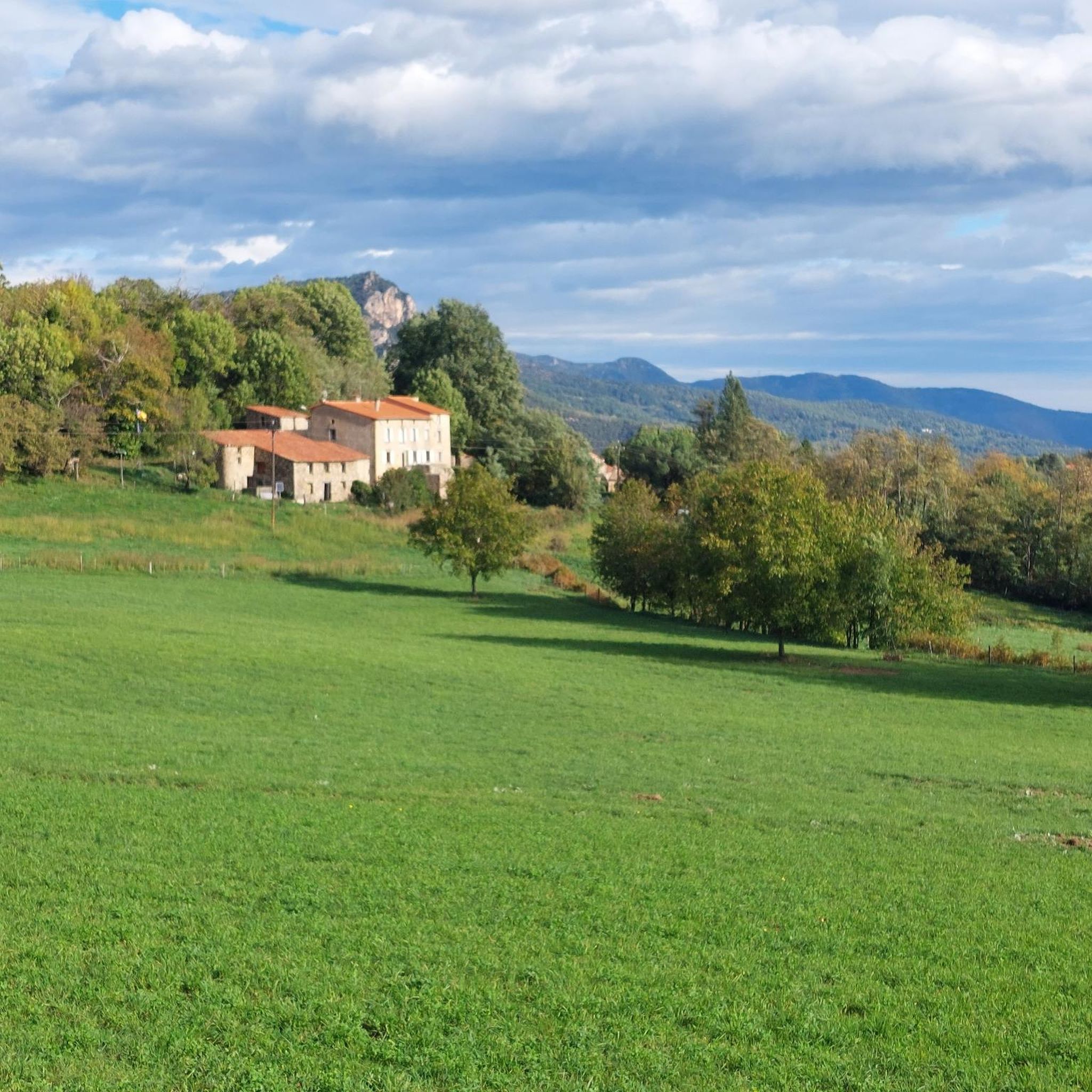
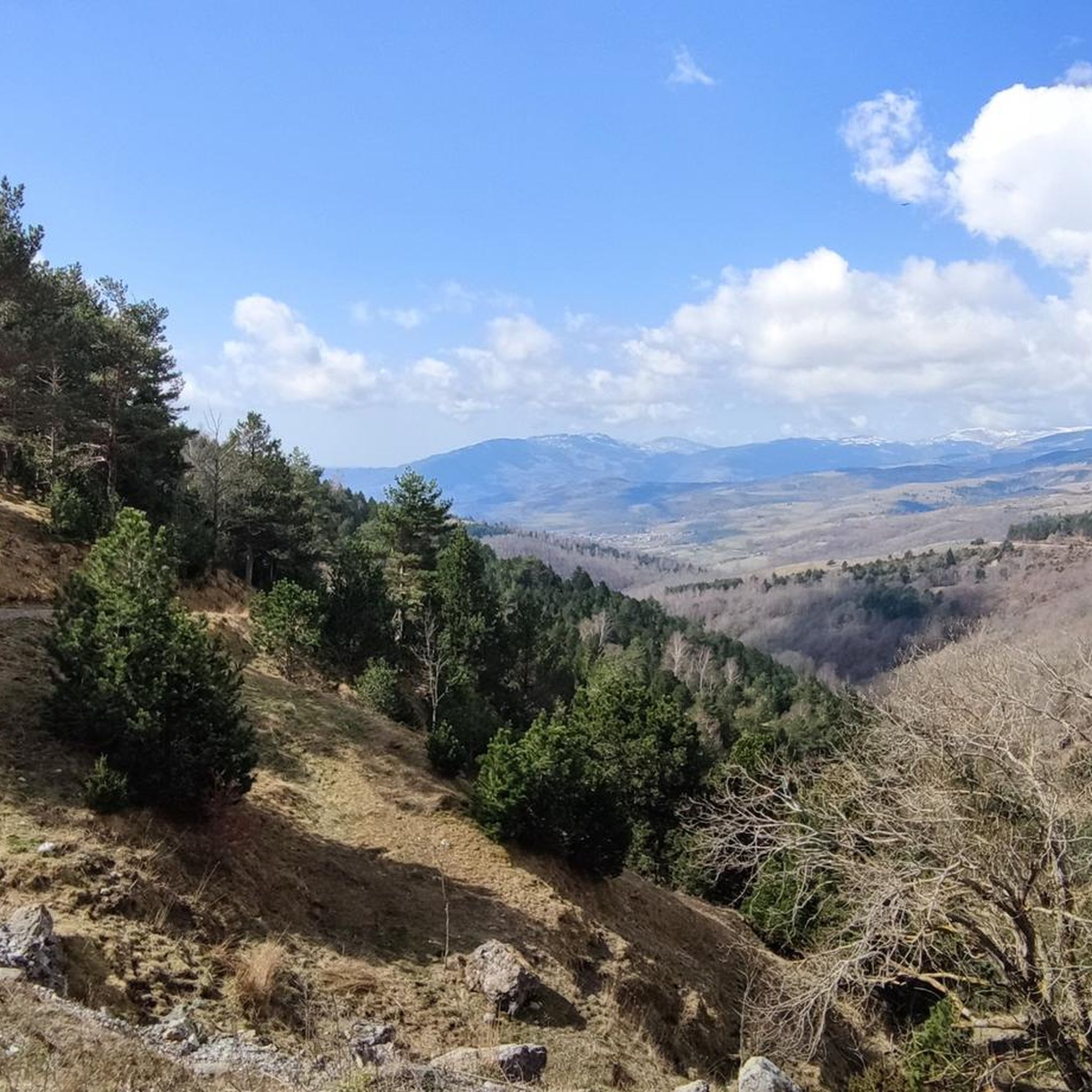
Touring cycling routes around Lamanère are situated in the Haut-Vallespir region of the Pyrénées-Orientales, the southernmost village in mainland France. The terrain is characterized by diverse landscapes, including significant elevation changes, mountains, and vast forest areas composed of chestnut and beech trees. Rivers like the Lamanère and Taix drain the area, contributing to the lush green environment.
Best touring cycling routes around Lamanère
- The most popular touring cycling route is Going down from Molló – Prats de Molló loop from…
Last updated: October 15, 2026
15
riders
37.1km
03:12
1,020m
1,020m
Hard bike ride. Very good fitness required. Mostly paved surfaces. Suitable for all skill levels.
9
riders
Hard bike ride. Very good fitness required. Mostly paved surfaces. Suitable for all skill levels.

8
riders
59.4km
04:10
1,160m
1,160m
Hard bike ride. Very good fitness required. Mostly paved surfaces. Suitable for all skill levels.
8
riders
50.2km
05:48
2,040m
2,050m
Hard bike ride. Very good fitness required. You may need to push your bike for some segments of this route.
5.0
(1)
4
riders
69.1km
05:34
1,790m
1,790m
Hard bike ride. Very good fitness required. Mostly paved surfaces. Suitable for all skill levels.
Get access to more routes and recommendations from other explorers.
Already have an account?
Our route recommendations are based on thousands of hikes, rides, and runs completed by other people on komoot.
Start today with a free account
Your next adventure awaits.

Tips from the Community

Beautiful climb, good percentages leaving Prat de Mollo, climbed in 36/28, steep at the end.
0
0

from the French side a regular ascent to the pass
0
0


Motorhome campsite and also start and finish of cycle route.
0
0

A pass that is not too difficult to climb and offers a magnificent landscape when crossing the border at the summit.
0
0

It is a mountain pass located at an altitude of 1,513 metres, on the border between France and Spain, connecting Vallespir (France) with Ripollès (Catalonia, Spain). It is a historic and strategic place, used for centuries as a trade route and also during the Retirada (1939), when thousands of refugees crossed the pass fleeing the Spanish Civil War. Today, it is a popular hiking spot and offers spectacular panoramic views of the Pyrenees.
6
0
https://www.youtube.com/watch?v=dLKV5Y7mv40 The town keeps alive many Catalan traditions, such as the Bear Festival (La Fête de l'Ours), which is celebrated every year in February. This festival is one of the oldest and most representative of Pyrenean folklore, symbolizing the struggle between man and nature.
1
0
The village has a strong medieval character, with well-preserved walls and a citadel, Fort Lagarde, which dominates the town from above. This fort was built in the 17th century and is an important symbol of border defence during that period.
1
0
Frequently Asked Questions
How many touring cycling routes are available around Lamanère?
There are over 25 touring cycling routes available around Lamanère, offering a diverse range of experiences for cyclists. The komoot community has explored more than 400 of these routes.
What is the general difficulty level of touring cycling routes in Lamanère?
Touring cycling in Lamanère is characterized by significant elevation changes and challenging terrain. Most routes are classified as difficult, with 23 out of 29 routes falling into this category. There are also 6 moderate routes, but no easy routes, making it a destination best suited for cyclists seeking a challenge.
Are there any easier touring cycling options for beginners in Lamanère?
While Lamanère is known for its challenging terrain, there are 6 routes classified as moderate. These routes still feature varied terrain and elevation changes but may be more manageable for those with some cycling experience looking for a less demanding ride than the difficult options.
What natural features can I expect to see while cycling around Lamanère?
The region boasts a lush green landscape with vast forest areas, primarily composed of chestnut and beech trees. You'll also encounter rivers like the Lamanère and Taix. For impressive natural sights, consider routes that pass near highlights such as the Riera de Sant Aniol Waterfalls or the Salt de la Núvia.
Can I find routes with panoramic views of the Pyrenees?
Absolutely. Lamanère is nestled in the Pyrenees, offering exceptional panoramic views. Many routes provide stunning vistas of the mountain range. Look for routes that include viewpoints like Views of the Pyrenees or View from Serre de la Garsa for expansive scenery.
Are there any historical or cultural landmarks along the touring cycling routes near Lamanère?
Yes, the area is rich in cultural heritage. You can explore charming historic villages with traditional architecture. While cycling, you might encounter highlights such as the Santa Bàrbara de Pruneres or the Hermitage of Sant Antoni, offering glimpses into the region's past.
Are there any circular touring cycling routes available in Lamanère?
Yes, many of the touring cycling routes around Lamanère are designed as loops, allowing you to start and finish in the same location. An example is the challenging Prats de Molló – Prats de Mollo loop from Barrage de l'Abeillanouse, which offers varied terrain through the Pyrenean foothills.
What do other touring cyclists enjoy the most about touring cycling in Lamanère?
The touring cycling routes in Lamanère are highly rated by the komoot community, with an average score of 4.4 stars from more than 9 reviews. Cyclists often praise the challenging climbs, rewarding descents, and the breathtaking Pyrenean panorama. The diverse terrain and lush forest areas also contribute to a memorable cycling experience.
What is the best time of year for touring cycling in Lamanère?
Given the significant elevation changes and mountainous terrain, the spring and autumn months generally offer the most pleasant conditions for touring cycling in Lamanère. Summers can be hot, especially on climbs, while winters may bring colder temperatures and potential snow at higher elevations, making some routes less accessible.
Are there any routes that include notable mountain passes?
Yes, the region is known for its mountain passes. The Coll d'Arès – Prats de Molló loop from Col d'Ares is a challenging route that incorporates the Coll d'Arès, a notable pass offering hard but accessible ascents and good views.
Can I find routes that offer a good workout with significant elevation gain?
Lamanère is an excellent destination for cyclists seeking significant elevation gain. Routes like the Going down from Molló – Prats de Molló loop from Prats-de-Mollo-la-Preste feature over 1600 meters of ascent, providing a substantial challenge and rewarding descents.
What kind of landscapes will I encounter on a typical touring cycling route here?
You will encounter a blend of landscapes, from dense forest areas dominated by chestnut and beech trees to open sections offering expansive views of the Pyrenees. Routes often follow rivers like the Lamanère and Taix, and you'll experience the characteristic Pyrenean foothills with their rolling hills and valleys.
Most popular attractions around Lamanère

Get inspired with the komoot mobile app


Explore more
Browse the best Cycling routes in other regions.
