Top 6 Natural Monuments around Plagne
Natural monuments around Plagne, located in the French Alps, present diverse landscapes and unique geological formations. This region, often associated with the La Plagne ski resort, features several natural sites. These areas offer opportunities to explore rich biodiversity and varied ecosystems.
Best natural monuments around Plagne
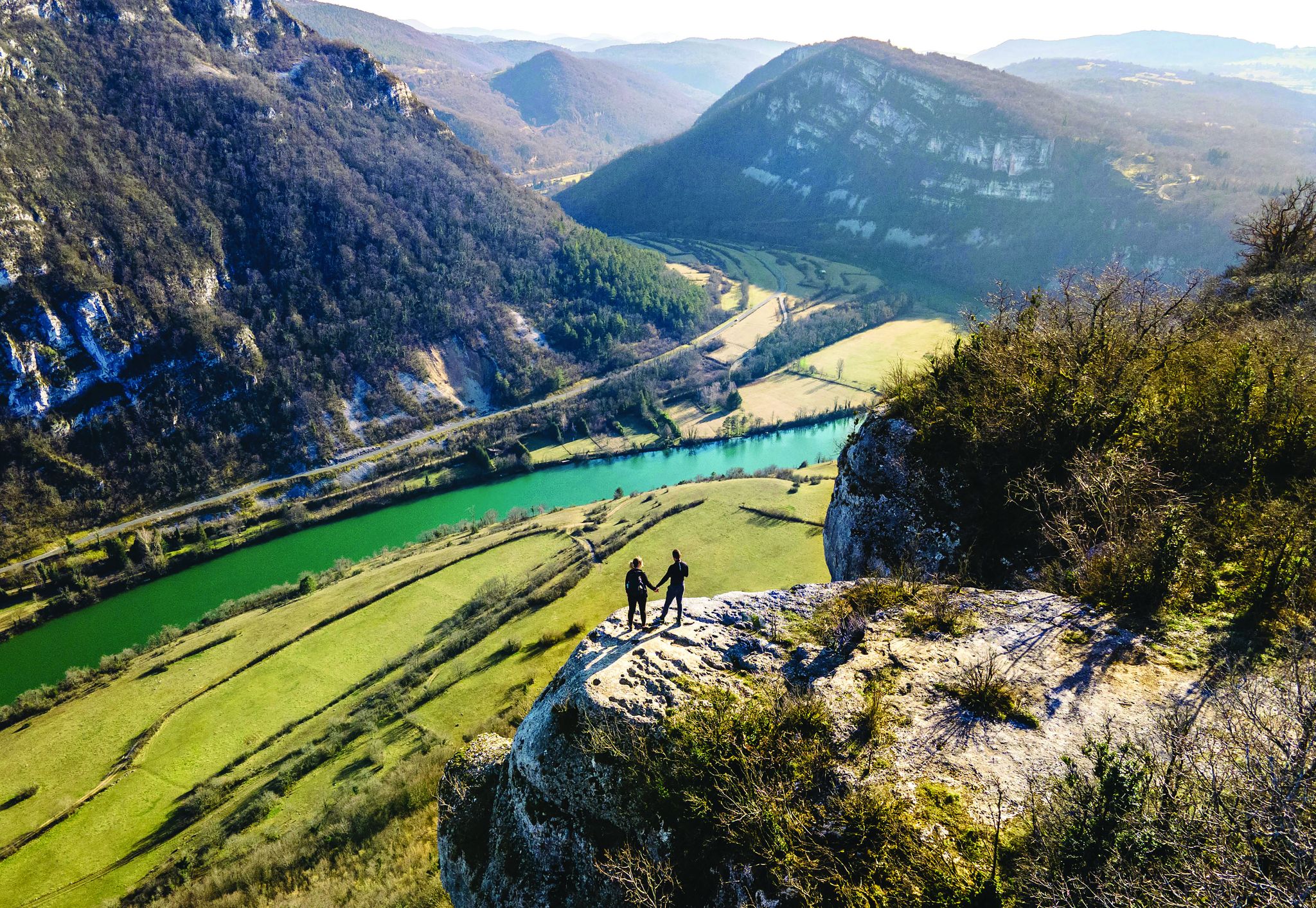
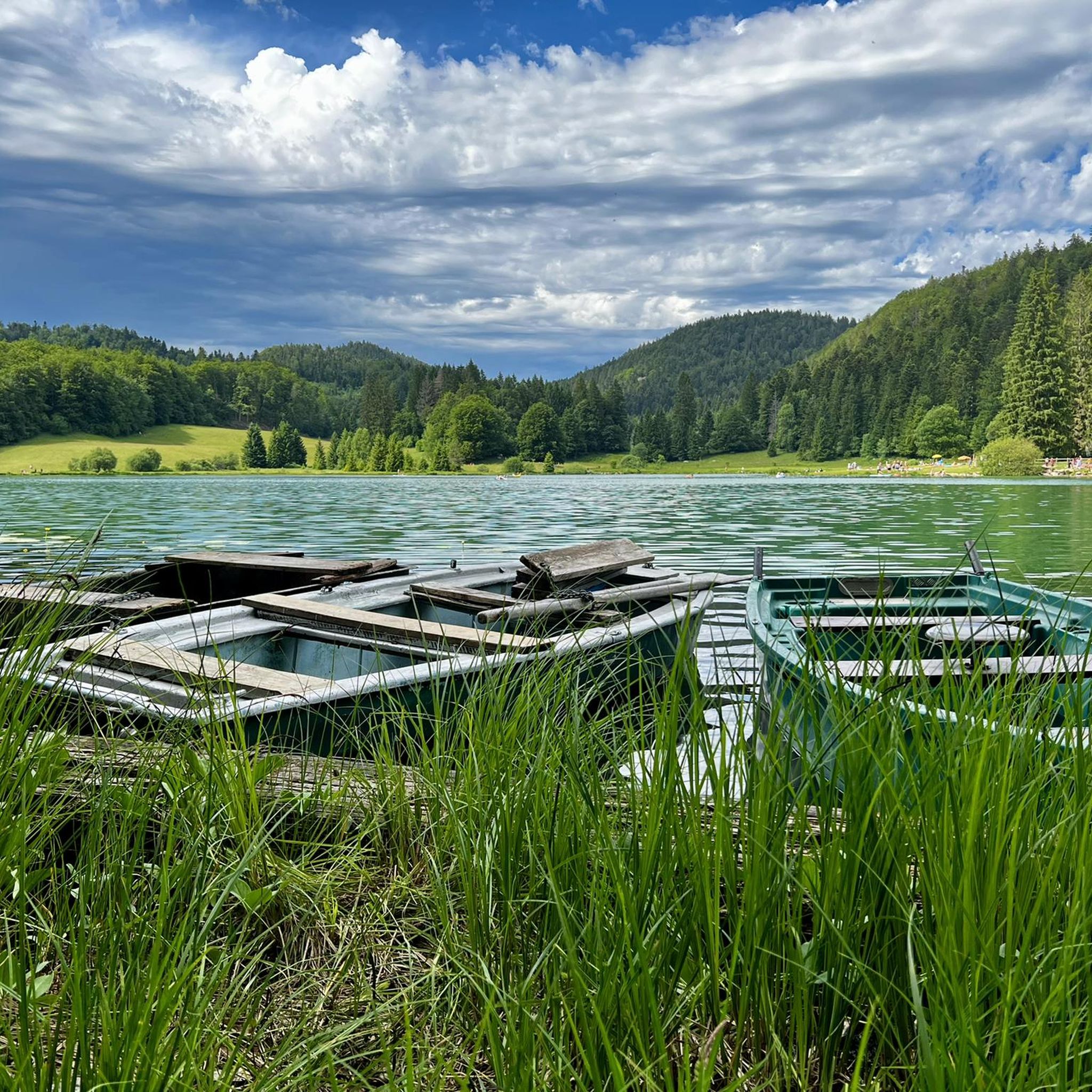
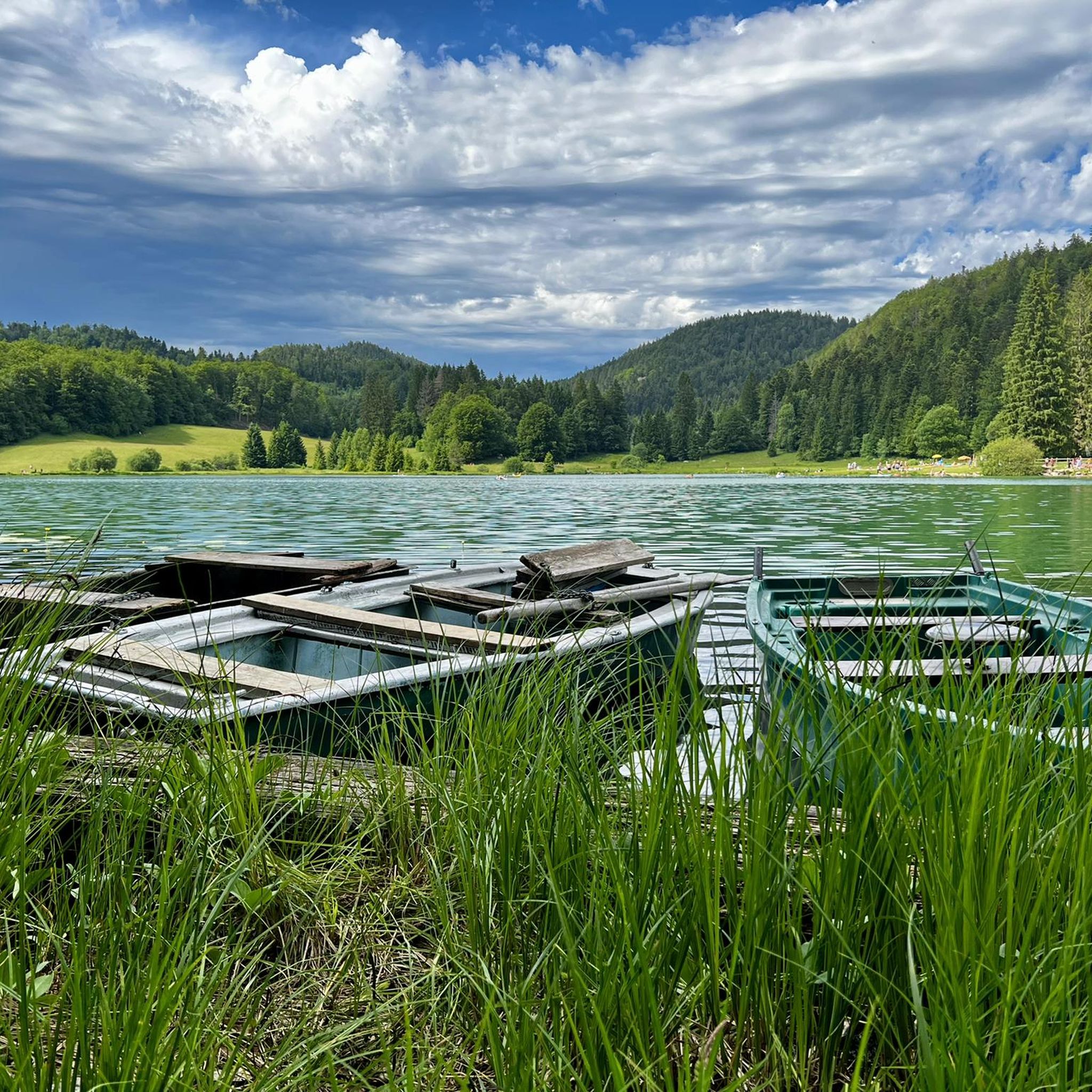
- The most popular natural monument is Lake Nantua, a lake known for its glacial origins and waters ranging from sapphire to emerald. This lake is highly regarded for its scenic beauty and is a popular location for walks.
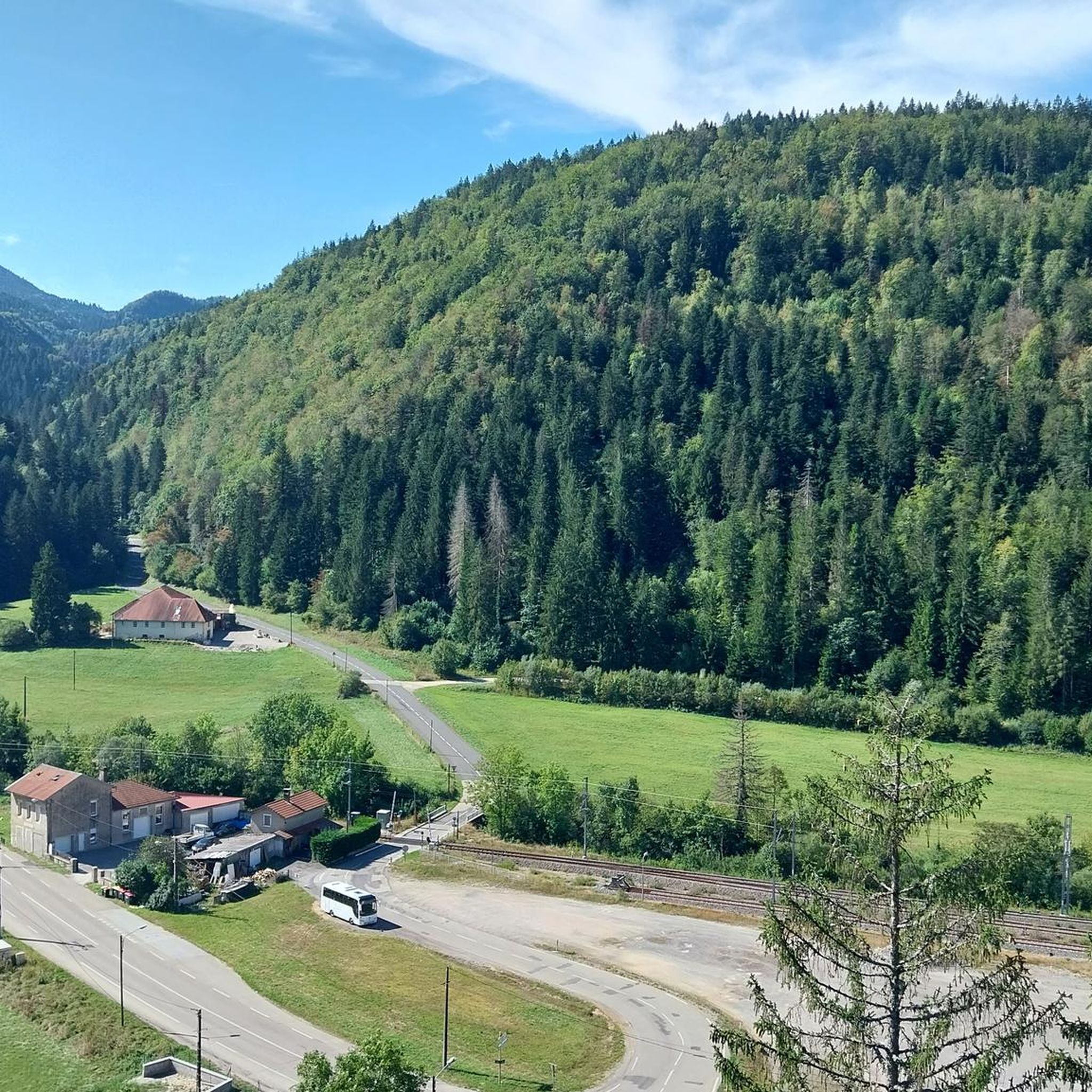
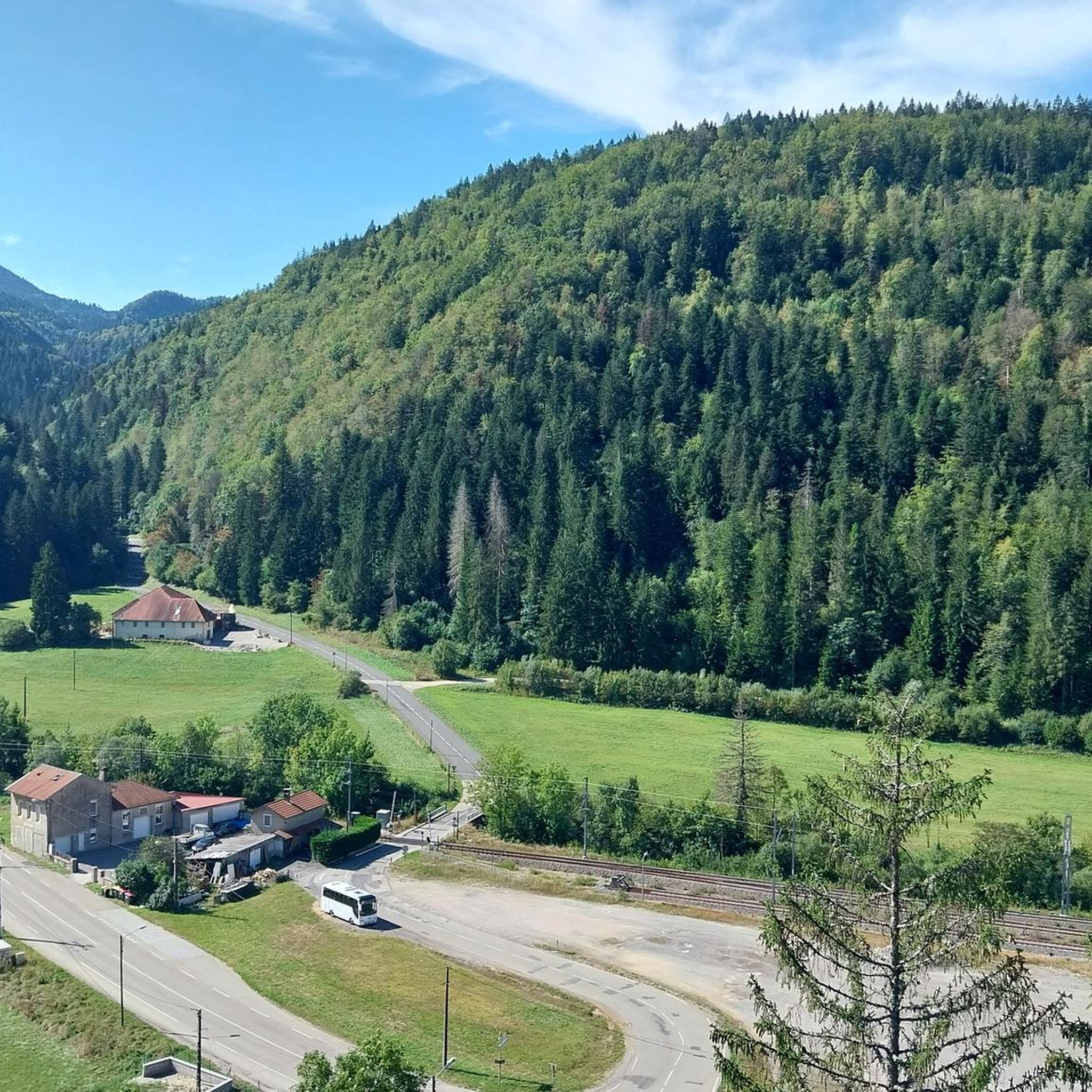
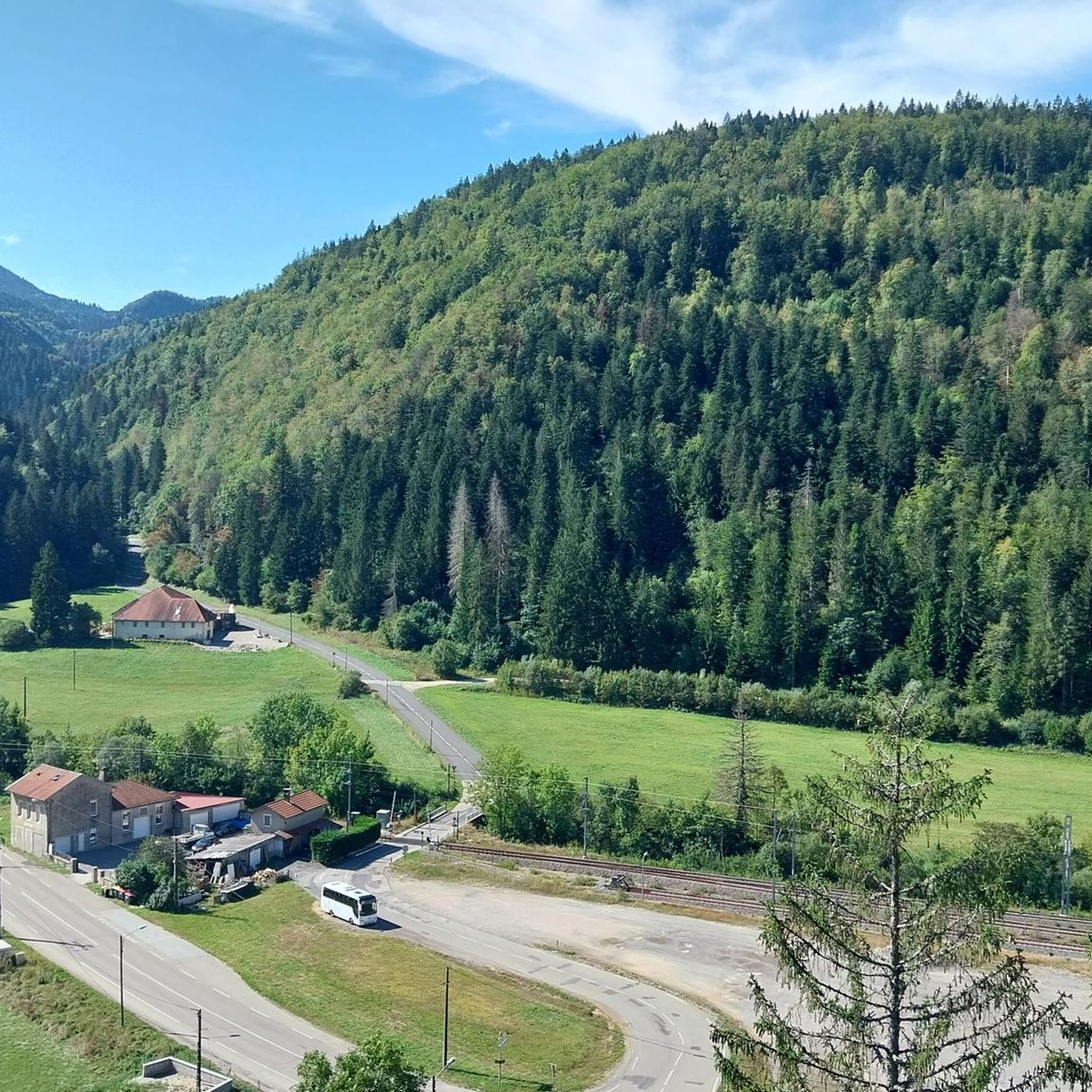
- Another must-see spot is Lake Genin, a mountain lake with alpine fir trees and turquoise waters. It is nicknamed "the little Canada of Haut-Bugey" and provides a picturesque break.
- Visitors also love Valserine Gorges, a gorge where the Valserine river has carved deep ravines into limestone rock. This site offers a dramatic example of geological erosion and the force of flowing water.
- Plagne is known for its lakes, gorges, and rivers. The region offers a variety of natural monuments to see and explore, from serene waters to dramatic geological features.
- The natural monuments around Plagne are appreciated by the komoot community. More than 100 upvotes and 30 photos highlight the appeal of these natural attractions.
Last updated: May 20, 2026
Lake Nantua
Highlight • Lake
Translated by Google •
Tip by

Lake Genin
Highlight • Lake
Translated by Google •
Tip by
Sign up now to discover places like this
Get recommendations on the best single tracks, peaks, & plenty of other exciting outdoor places.
Sign up for free
Lac de Nantua
Highlight • Lake
Bathing enthusiasts, this will be your favorite site in the region!
Translated by Google •
Tip by

Valserine Gorges
Highlight • Gorge
Translated by Google •
Tip by

View of Lake Nantua
Highlight • Viewpoint
Translated by Google •
Tip by

Sign up for free to discover even more natural monuments around Plagne.
Sign up for free
Already have an account?
Start today with a free account
Your next adventure awaits.
Login or Signup

Other adventures around Plagne

Tips from the Community

Beautiful, simple, easy walk; lots of traffic noise on the "road" section, a bit of a shame, but the color of the water is magical
1
0


Magnificent viewpoint, not to be missed under any circumstances.
1
0


Natural jewel, sapphire blue or emerald green waters, nautical activities.
1
0


The northern part of the lake borders the village of Port.
2
1
Frequently Asked Questions
What are some highly-rated natural monuments around Plagne?
Visitors frequently praise Lake Nantua for its stunning sapphire to emerald waters and scenic walks. Lake Genin, often called 'the little Canada of Haut-Bugey', is also a favorite for its picturesque setting with alpine fir trees. The dramatic Valserine Gorges, where the river has carved deep ravines, is another popular spot.
Are there family-friendly natural monuments around Plagne?
Yes, several natural monuments are suitable for families. Lake Nantua and Lake Genin are both excellent choices for walks and picnics. The Fish Pass in Parc naturel régional du Haut-Jura offers an interesting educational experience for all ages, allowing you to observe devices that help fish migrate past obstacles.
What unique natural features can I discover in the Plagne region?
The region boasts several unique features. Within the La Plagne ski area, there's a rare stone pine forest thriving on gypsum soil, a delicate ecosystem supported by the spotted nutcracker bird. The Valserine Gorges showcase remarkable geological erosion, with the Valserine river carving potholes and deep ravines where it sometimes disappears. The Isère River is also known for its luminous Centron gorges and rapids.
What outdoor activities can I do near these natural monuments?
The area around Plagne offers a variety of outdoor activities. You can find numerous routes for mountain biking, road cycling, and gravel biking. For example, there are challenging MTB loops like the 'Plateau de Retord – Terments Cross loop' and scenic road cycling routes such as the 'Lake Nantua – View of Lake Nantua loop'. You can explore more options on the MTB Trails around Plagne, Road Cycling Routes around Plagne, and Gravel biking around Plagne guide pages.
Are there hiking opportunities around Plagne's natural monuments?
Absolutely. A significant portion of La Plagne Champagny-en-Vanoise lies within the Vanoise National Park, which is a haven for hiking with diverse ecosystems and trails. You can also hike to alpine lakes like Lac de La Plagne, which is more easily accessed from Champagny-en-Vanoise, or Lac d'altitude des Blanchets, reachable via a gondola and hiking trail from La Roche de Mio.
Can I spot wildlife near Plagne's natural monuments?
Yes, especially within the Vanoise National Park, which is renowned for its rich fauna. You might spot chamois, marmots, ibex, and eagles. The park is also home to a third of all flower species found in France, including gentians and martagon lilies, making it excellent for flora observation.
What lakes are worth visiting in the Plagne area?
Beyond the popular Lake Nantua and Lake Genin, you can explore Lac de La Plagne, a wild alpine lake at 2143 meters within Vanoise National Park. Another stunning option is Lac d'altitude des Blanchets, located at 2350 meters, offering impressive panoramic views after a hike from the Live 3000 viewpoint.
Where can I find panoramic views of the natural landscape?
For breathtaking vistas, head to La Roche Fauconnière, which offers a sublime panorama of the Roche Fauconnière cirque and the Semine and Orvaz valleys. The Valserine Gorges also provide magnificent viewpoints of the river carving through limestone. Additionally, the Lac d'altitude des Blanchets, accessible from La Roche de Mio, offers impressive high-altitude views.
What is the best time to visit Plagne's natural monuments?
The best time largely depends on the activities you plan. For hiking and enjoying alpine flora and fauna, late spring to early autumn (June to September) offers pleasant weather and accessible trails. Vanoise National Park is open year-round, but higher altitude lakes and trails might be snow-covered outside of summer. Water activities on the Isère River are typically best in warmer months.
Are there any less-known natural monuments to explore near Plagne?
While not a hidden gem in the traditional sense, the unique stone pine forest on gypsum soil within the La Plagne ski area is a fragile and specialized ecosystem that offers a fascinating glimpse into nature's adaptability. The Fish Pass in Parc naturel régional du Haut-Jura is also a less conventional natural monument that highlights human interaction with natural processes.
What kind of flora and fauna can I expect to see?
The Vanoise National Park is particularly rich in biodiversity. At subalpine levels (1,500-2,000m), you'll find rhododendrons, blueberries, juniper, and coniferous forests. The alpine level (2,000-3,000m) hosts colorful plants like arnica and black vanilla orchid, and the iconic edelweiss. Wildlife includes chamois, marmots, ibex, and various bird species like eagles and the spotted nutcracker.
Can I engage in water sports near Plagne's natural monuments?
Yes, the Isère River is a popular spot for various water activities. Its rapids and the luminous Centron gorges make it ideal for rafting, canoeing, and hydrospeed, allowing visitors to enjoy the cool water and magnificent natural scenery.
Most popular attractions around Plagne

Get inspired with the komoot mobile app


Explore more
Extend your search for the best caves by checking out these guides of the top ones around Plagne:
