Top 12 Mountain Passes around Ingenio
Best mountain passes around Ingenio are found within a municipality situated between mountains and the Atlantic Ocean on Gran Canaria. This region offers challenging climbs and scenic routes for exploration. The terrain provides significant natural beauty and opportunities for hiking and cycling. Elevated routes and areas around Ingenio provide opportunities for physical activities and scenic beauty.
Best mountain passes around Ingenio
- The most popular mountain passes is Alto de Fataga, a mountain pass that offers a descent south through…
Last updated: July 1, 2026
Cruz de Tejeda
Highlight • Mountain Pass
Showing Translation
Tip by

Alto de Fataga
Highlight • Mountain Pass
Translated by Google •
Tip by

Sign up now to discover places like this
Get recommendations on the best single tracks, peaks, & plenty of other exciting outdoor places.
Sign up for free
San Bartolomé–Ayacata Road
Highlight (Segment) • Cycleway
Tip by

GC-130 Scenic Road
Highlight (Segment) • Mountain Pass
Translated by Google •
Tip by

Degollada de la Cruz Grande Viewpoint
Highlight • Viewpoint
Translated by Google •
Tip by

Sign up for free to discover even more mountain passes around Ingenio.
Sign up for free
Already have an account?
Start today with a free account
Your next adventure awaits.
Login or Signup


Tips from the Community

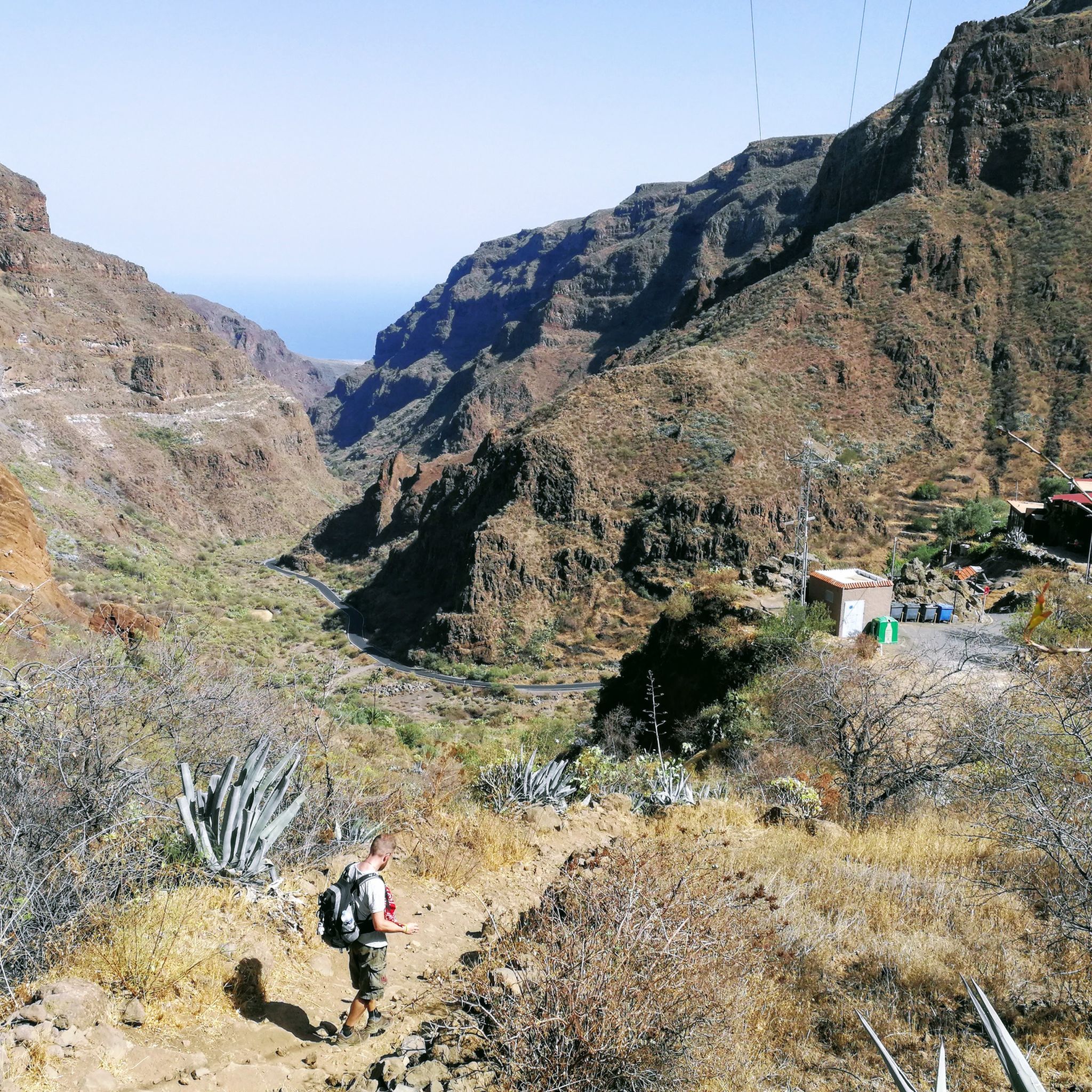
The Valley of Tears must be attempted, but be left in no doubt that it is super difficult.
0
0

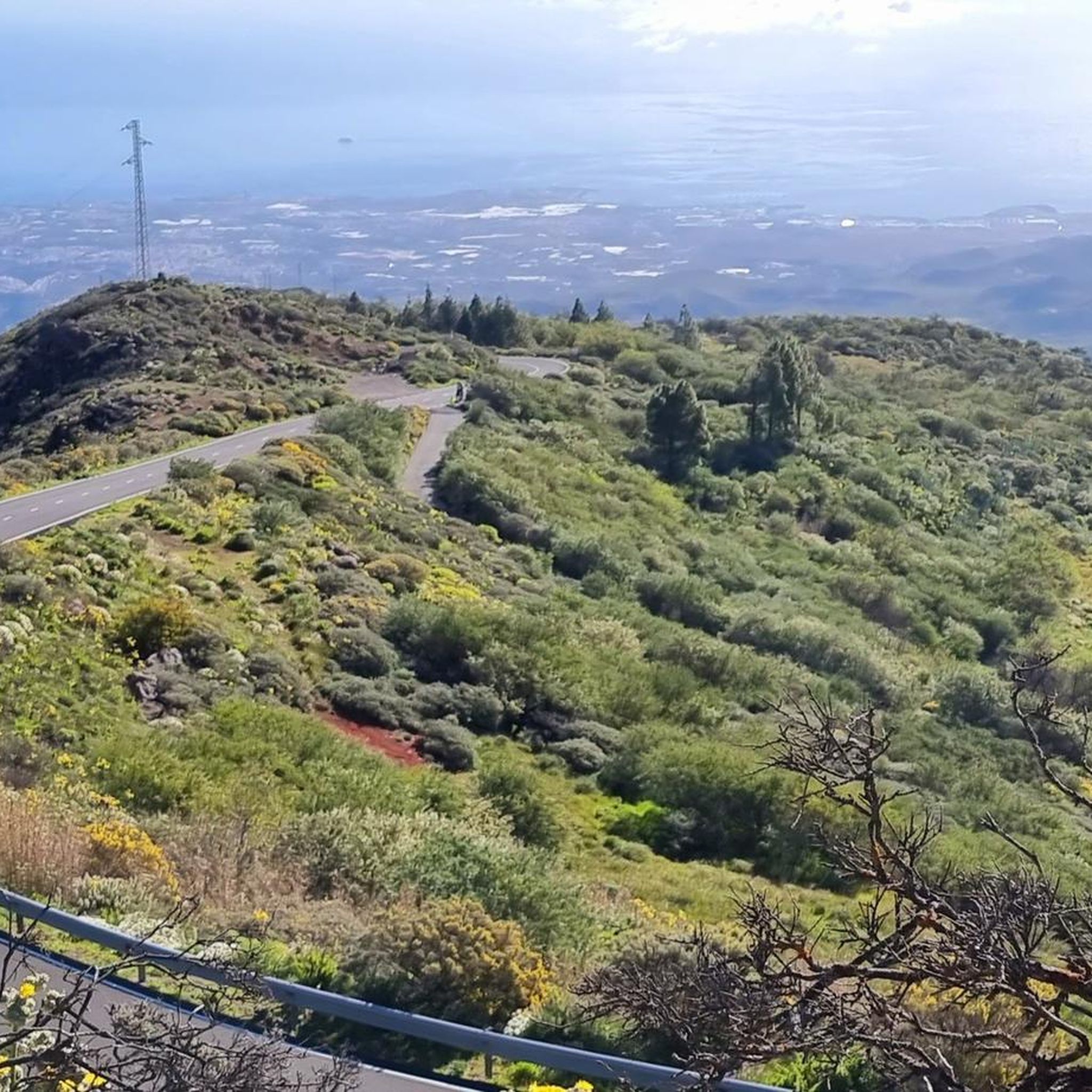
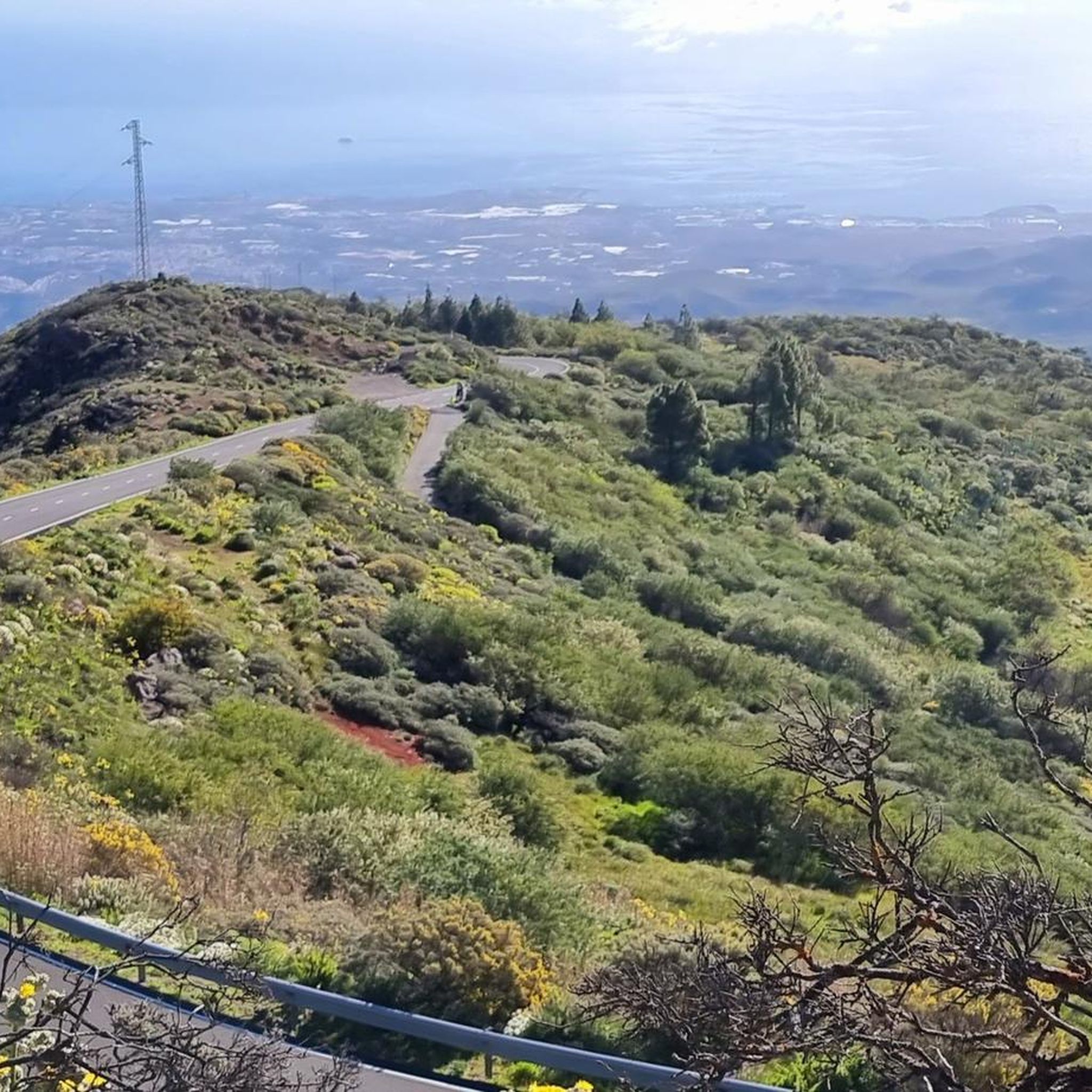
The entire route is freshly paved. A dream.
1
0

If you're planning to explore this area by bike, on a run, or while hiking, make sure to bring your own Merlot. The region is known for its stunning views and outdoor activities, but finding a good spot to enjoy a glass of wine can be a challenge. Packing your favorite Merlot ensures you can savor a well-deserved drink after your adventure!
0
1

From here you can go hiking, there is a public car park nearby. Locals offer various delicacies😊
1
0
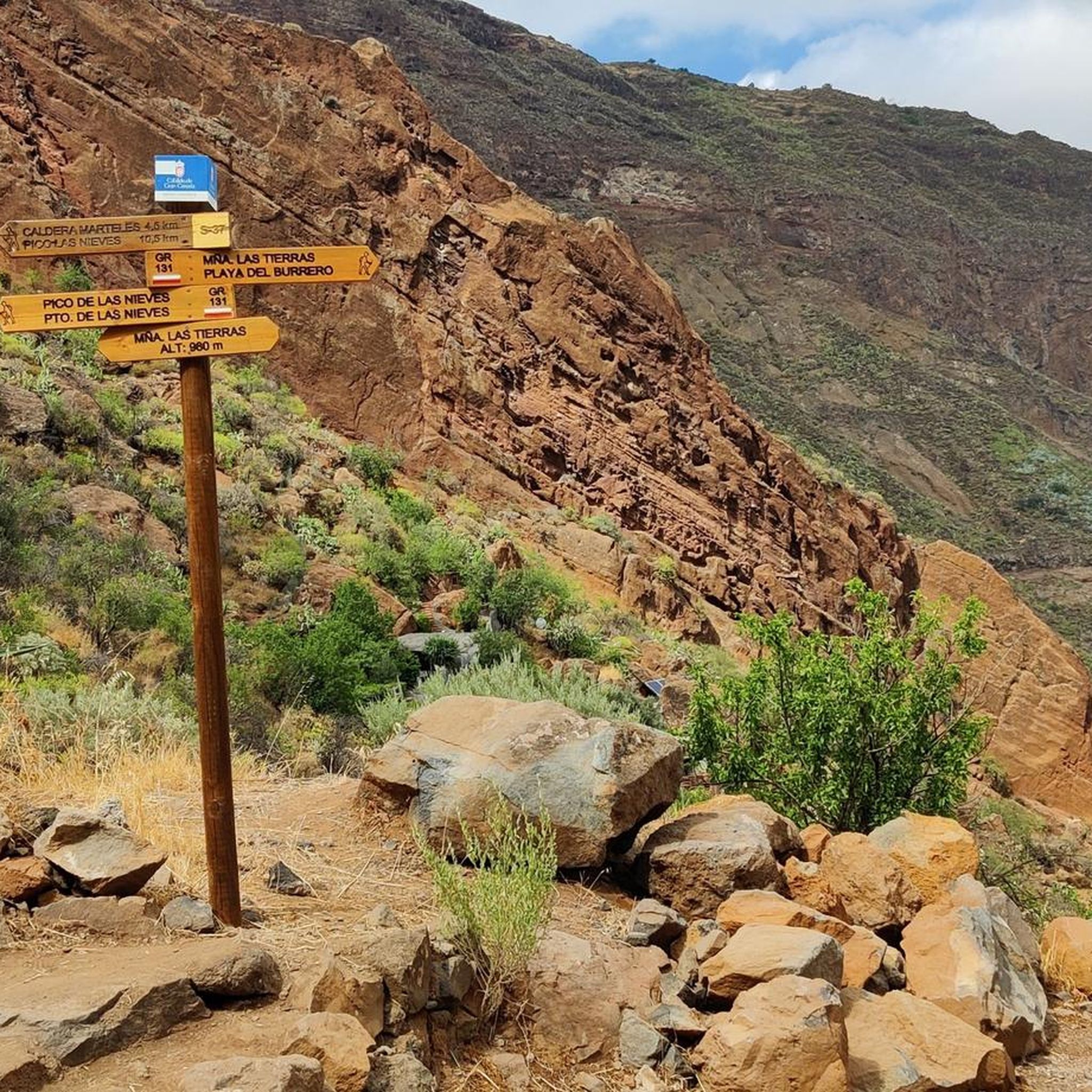
Cruz Grande is an excellent starting point for many hikes.
1
0

The Degollada (valley) of the Cruz Grande offers views of two different valleys. On one side you can see the Caldera de Tirajana, and on the other the Chira basin and the pine forest of Pilancones. This is where the paths from north to south cross. The main route is known as the Ruta de la Plata, and was formerly part of a cattle route for transhumance, as well as part of the Way of St. James in Gran Canaria. The oldest volcanic materials are clearly visible in the Caldera de Tirajana due to the effect of erosion, such as the vent "Risco Blanco" and the volcanic layers "Rompeserones" and "Sepultura del Gigante". The plateaus "El Sequero", "El Sitio" and "Los Llanos de Madrid" were formed by the sliding of volcanic materials. In the ravines are the archaeological sites of. "Rosiana", "Los Sitios" and "La Fortaleza de Ansite". In the fertile and cultivated valley you can see the remains of the former palm groves that originally grew here. The Canary Island pine is common in the upper region of the caldera and the slopes are a habitat for some native botanical rarities. In the upper region of Ayagaures is the natural park and pine grove, Parque Natural de Pilancones, which has a great geological and botanical landscape value. As for the flora of the area, the Canary Island pine plays a major role. A species of rockrose and a viper's bugloss are particularly noteworthy. The area is also a bird sanctuary for the native great spotted woodpecker and the finch. The area was declared a World Biosphere Reserve by UNESCO on 29 June 2005.
3
0

The Cruz Grande is a pass that lies at an altitude of 1249 meters. The saddle is also called Degollada de la Cruz Grande. From up there you can enjoy views of two different valleys. On one side you can see the Caldera de Tirajana and on the other side the Chira basin. Many old paths meet at the Cruz Grande, such as the Ruta de la Plata, which is also part of the Way of St. James in Gran Canaria. During your hike you will also come to the Cruz Grande. From there you descend on the Camino Real to San Bartolomé.
2
0
The Degollada (valley) of the Cruz Grande offers views of two different valleys. On one side you can see the Caldera de Tirajana, and on the other the Chira basin and the pine forest of Pilancones. This is where the paths from north to south cross. The main route is known as the Ruta de la Plata, and was formerly part of a cattle route for transhumance, as well as part of the Way of St. James in Gran Canaria. The oldest volcanic materials are clearly visible in the Caldera de Tirajana due to the effect of erosion, such as the vent "Risco Blanco" and the volcanic layers "Rompeserones" and "Sepultura del Gigante". The plateaus "El Sequero", "El Sitio" and "Los Llanos de Madrid" were formed by the sliding of volcanic materials. In the ravines are the archaeological sites of. "Rosiana", "Los Sitios" and "La Fortaleza de Ansite". In the fertile and cultivated valley you can see the remains of the former palm groves that originally grew here. The Canary Island pine is common in the upper region of the caldera and the slopes are a habitat for some native botanical rarities. In the upper region of Ayagaures is the natural park and pine grove, Parque Natural de Pilancones, which has a great geological and botanical landscape value. As for the flora of the area, the Canary Island pine plays a major role. A species of rockrose and a viper's bugloss are particularly noteworthy. The area is also a bird sanctuary for the native great spotted woodpecker and the finch. The area was declared a World Biosphere Reserve by UNESCO on 29 June 2005.
6
1
Frequently Asked Questions
What are some of the most scenic viewpoints along the mountain routes near Ingenio?
The region offers several breathtaking viewpoints. From the summit of Pico de las Nieves, accessible from Ingenio, you can enjoy panoramic views across much of Gran Canaria. Along the descent from Pico de las Nieves, the Mirador Caldera de los Marteles provides excellent photo opportunities. Another significant spot is Cruz de Tejeda, a popular tourist hotspot offering fantastic views. The Degollada de la Cruz Grande Viewpoint offers views of two distinct valleys: the Caldera de Tirajana and the Chira basin, and is a UNESCO World Biosphere Reserve.
Are there challenging cycling routes in the mountains around Ingenio?
Yes, Ingenio is known for challenging climbs. The route from Ingenio to Pico de las Nieves is a renowned and demanding climb, spanning 23.1 km with a substantial vertical ascent of 1652 meters and an average gradient of 7.1%. Another route popular with cyclists is the San Bartolomé–Ayacata Road, which features nice climbs with scenic views, though the surface can be quite rough in parts. The GC-130 Scenic Road also offers quite steep climbs and amazing views.
What kind of hiking opportunities are available near Ingenio's mountain areas?
The area around Ingenio, particularly the Barranco de Guayadeque (Guayadeque Ravine), offers significant natural beauty and numerous hiking opportunities. A recommended circular hiking route starts from the El Sequero neighborhood in Ingenio, traversing the Ingenio ravine and offering unique views of the Guayadeque Ravine. The Degollada de la Cruz Grande Viewpoint is also an important starting point for various hikes, including trails to the Chira reservoir and Cruz de Tejeda. For more options, you can explore the hiking guide for Ingenio.
What natural features and flora can I expect to see in the mountain regions near Ingenio?
As you ascend towards Pico de las Nieves, you'll pass through diverse scenery, including forested areas. The Barranco de Guayadeque is rich in unique flora, such as prickly pear trees, cardones, and tabaibas. The area around Alto de Fataga is surrounded by a dense pine forest. The Degollada de la Cruz Grande Viewpoint area, part of a World Biosphere Reserve, features the Canary Island pine, a species of rockrose, and a viper's bugloss, and is a bird sanctuary for the native great spotted woodpecker and finch.
Are there any family-friendly spots or activities in the mountain passes around Ingenio?
While many routes involve challenging terrain, Cruz de Tejeda is noted as family-friendly, offering local stalls and a lively atmosphere where mountain roads and hiking trails intersect. The general area of the Guayadeque Ravine, with its cave houses and local cuisine, can also be an interesting cultural experience for families, though some hiking trails might be more challenging.
What is the best time of year to visit the mountain passes around Ingenio?
Gran Canaria generally enjoys a mild climate year-round. However, for mountain passes, it's worth noting that higher elevations, such as the GC-130 Scenic Road, can be quite cold in winter, especially during descents. Spring and autumn often offer pleasant temperatures for outdoor activities. Always be prepared for varying weather conditions at altitude.
What historical or cultural insights can be found in the mountain areas near Ingenio?
The Barranco de Guayadeque is celebrated for its rich culture and historical significance, allowing visitors to explore ancient cave houses and savor local Canarian cuisine. The area around the Degollada de la Cruz Grande Viewpoint has historical significance, with the main route known as the Ruta de la Plata, formerly a cattle route and part of the Way of St. James in Gran Canaria. Archaeological sites like "Rosiana," "Los Sitios," and "La Fortaleza de Ansite" are also found in the ravines.
Are there any places to eat or stay near the mountain passes?
Yes, at Cruz de Tejeda, you'll find a few restaurants and craft stalls, as well as the Hotel Parador de Cruz de Tejeda, which has a spa and a pool overlooking the valley. In the Barranco de Guayadeque, you can find local Canarian cuisine, often in unique cave restaurants. The village of Ayacata, accessible via the San Bartolomé–Ayacata Road, also has quaint pubs to refuel.
What are the options for parking or public transport to access these mountain areas?
The Degollada de la Cruz Grande Viewpoint has parking available and is served by bus line 18 (Maspalomas <-> Tejeda), though service is infrequent. For other areas, especially starting points for hikes or cycling routes, it's advisable to check local transport schedules or plan for car access and parking in nearby towns or designated areas.
What do visitors particularly enjoy about the mountain passes and routes around Ingenio?
Visitors frequently praise the breathtaking panoramic views, especially from high points like Pico de las Nieves and Cruz de Tejeda. Cyclists appreciate the challenging climbs and scenic routes, while hikers enjoy the immersive experience into Gran Canaria's unique flora and dramatic ravine landscapes, particularly in the Guayadeque Ravine. The local culture, cave houses, and Canarian cuisine also add to the appeal.
Are there specific routes for running or trail running in the Ingenio mountain region?
Yes, the mountainous terrain around Ingenio offers several routes suitable for running and trail running. For example, you can find challenging routes like the "View of Roque Bentayga – Tunte Trail 25 km loop from Montaña de las Tierras" or the "Pico de las Nieves summit – View of Roque Nublo loop from Montaña de las Tierras." You can explore more options in the running trails guide for Ingenio.
What is the elevation of the highest points or passes near Ingenio?
The summit of Pico de las Nieves, directly accessible from Ingenio, is the highest point on Gran Canaria at 1922 meters above sea level. Alto de Fataga reaches an elevation of 930 meters above sea level.
Most popular attractions around Ingenio

Get inspired with the komoot mobile app


Explore more
See even more epic mountain passes by checking out these guides around Ingenio:
