Top 20 Natural Monuments around Huesa
Best natural monuments around Huesa are found within the Sierras de Cazorla, Segura and Las Villas National Park, a protected area known for its diverse terrain including valleys, gorges, and mountains. This region is significant for its hydrological and botanical features, supporting a rich variety of plant species and wildlife. Huesa serves as a gateway to these natural landscapes, offering access to numerous natural landmarks.
Best natural monuments around Huesa
- The most popular natural monuments is Gorafe Desert Canyons,…
Last updated: June 18, 2026
Los Coloraos Badlands
Highlight • Canyon
Translated by Google •
Tip by

Source of the Guadalquivir River
Highlight • River
Translated by Google •
Tip by

Sign up now to discover places like this
Get recommendations on the best single tracks, peaks, & plenty of other exciting outdoor places.
Sign up for free
Gorafe Desert
Highlight • Canyon
Los Coloraos is one of its most popular areas, owing its …
Tip by

Gorafe Desert Canyons
Highlight • Canyon
Translated by Google •
Tip by

Cave of the Virgin of Tíscar and Waterfall
Highlight • Cave
Translated by Google •
Tip by

Sign up for free to discover even more natural monuments around Huesa.
Sign up for free
Already have an account?
Start today with a free account
Your next adventure awaits.
Login or Signup
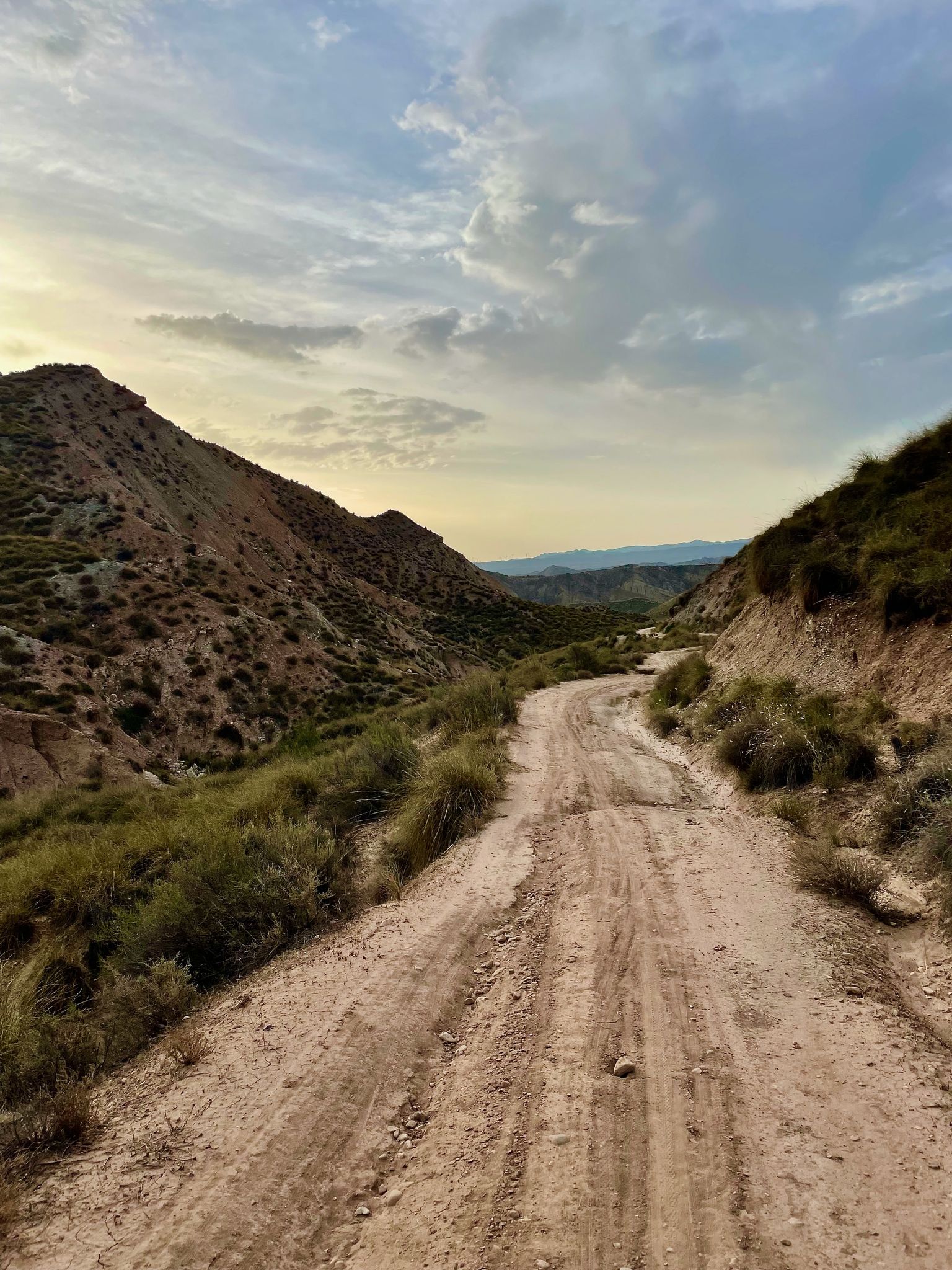
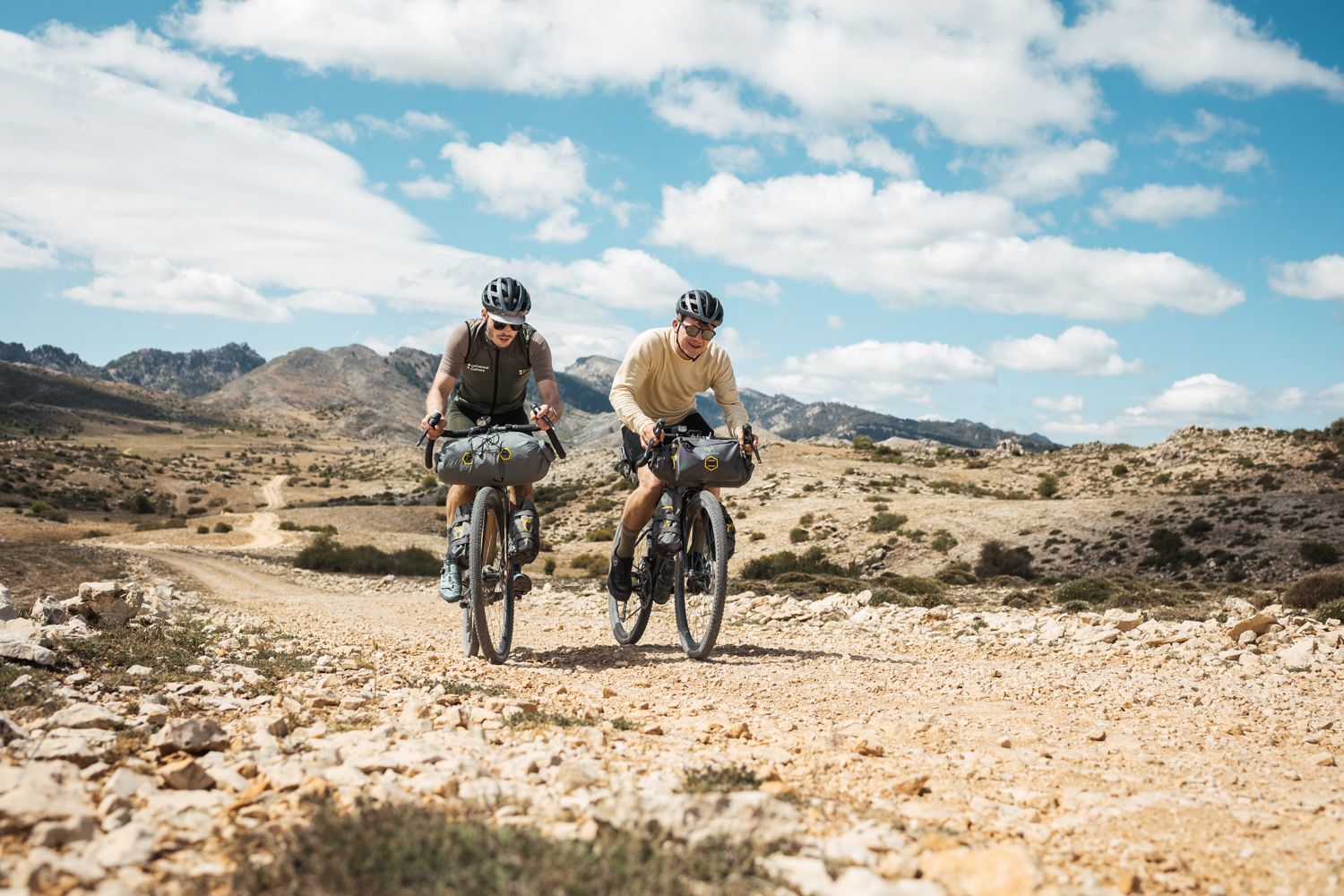
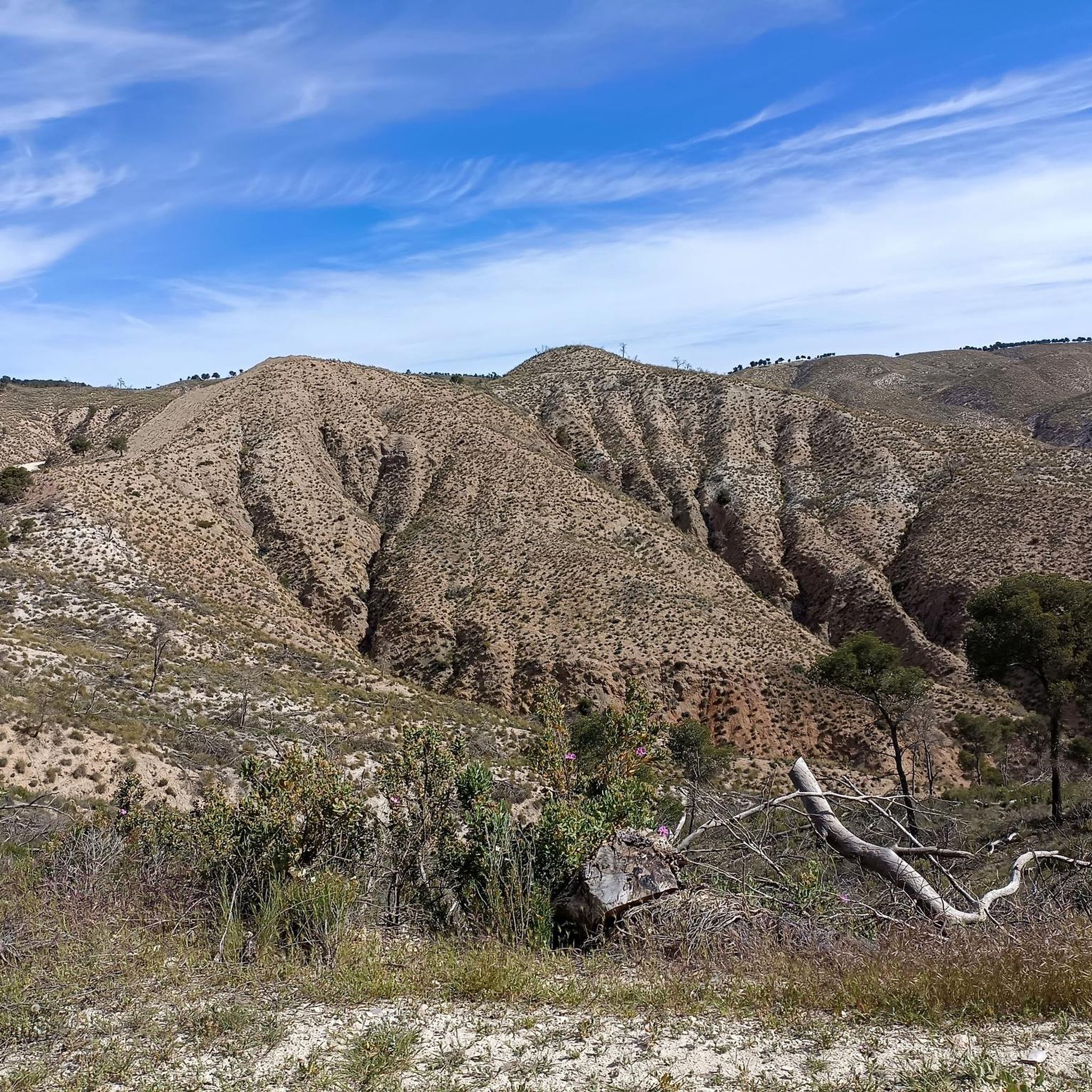
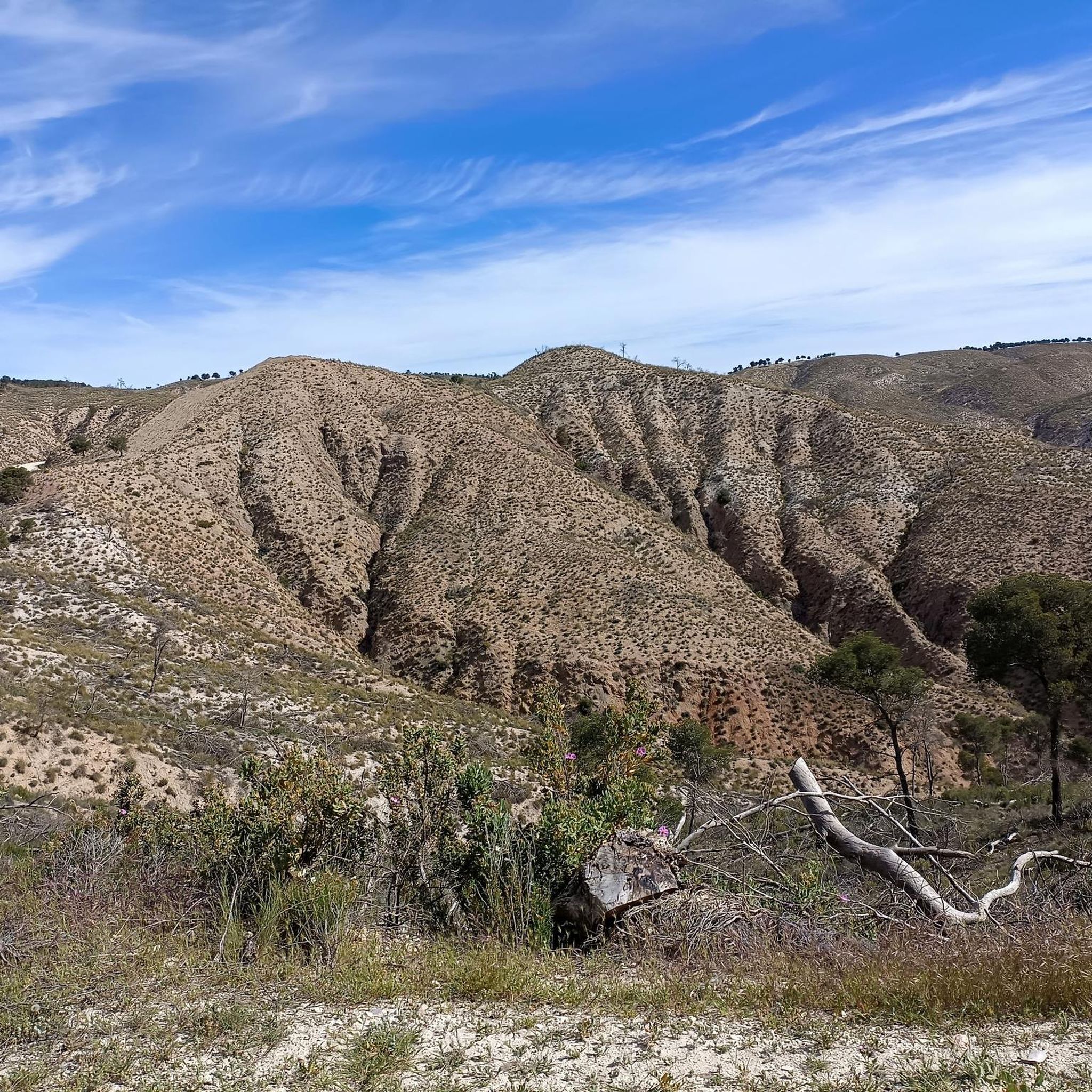



Tips from the Community

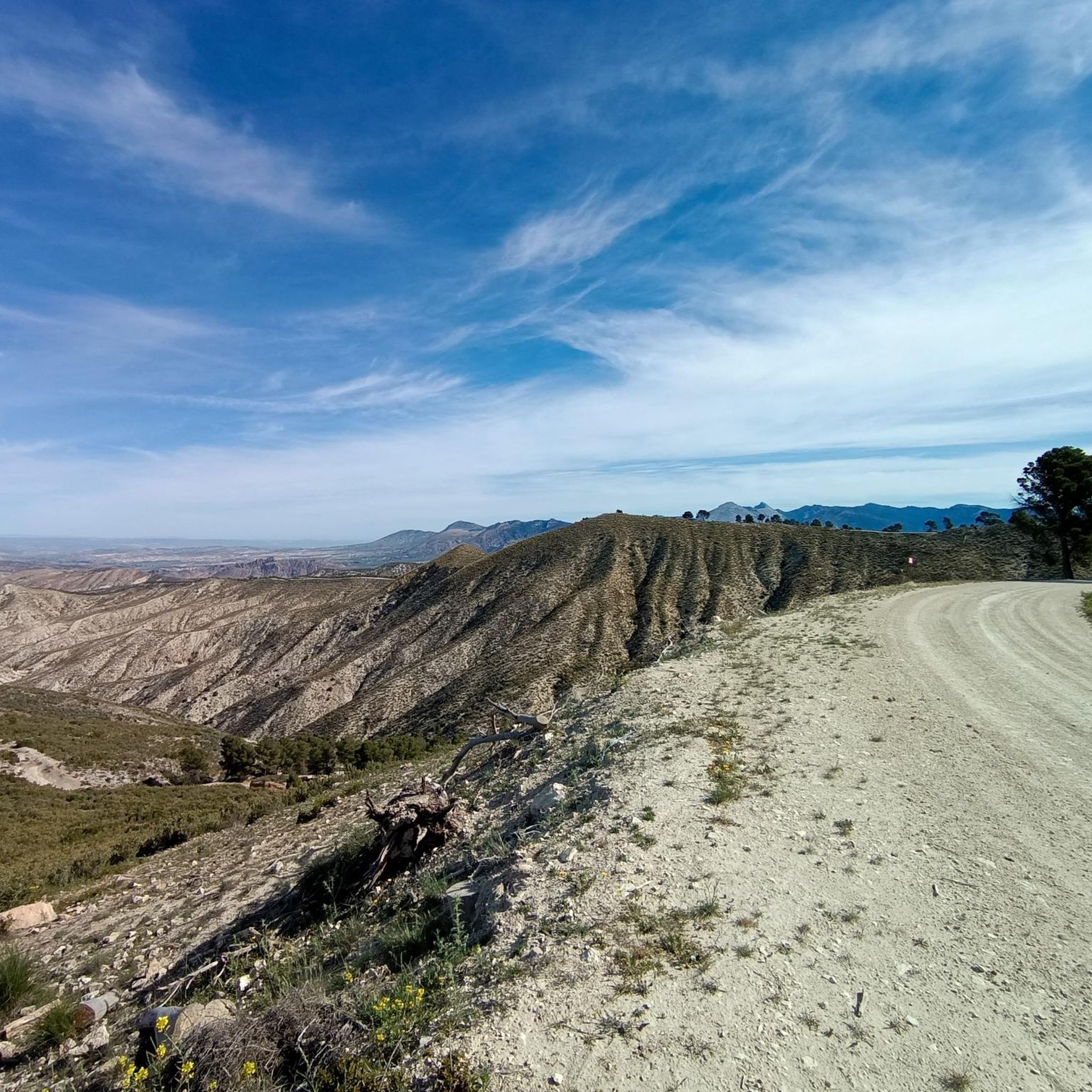
The 47 km loop is breathtaking for about half of the tour: mind-blowing views as far as the eye can see over 360°. Then in the second part, lots of roads that climb constantly... you have to be in good shape for this loop. The little extra: the tapas bar in the city center after that.
1
0

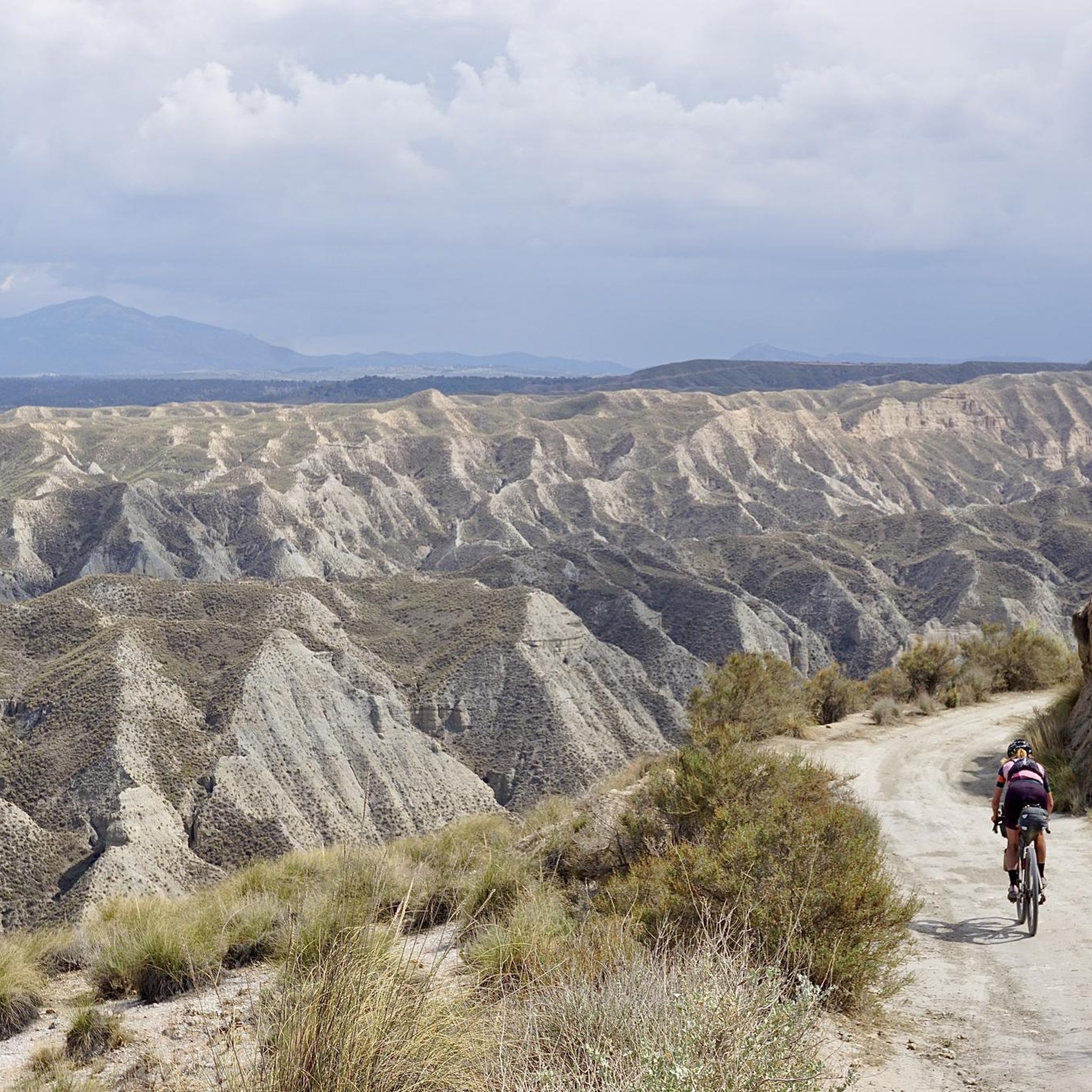
The Gorafe Desert is a natural gem located in the province of Granada. This desert is characterized by its impressive geological formations, known as “badlands”, which create a landscape of canyons, ravines and fairy chimneys. The desert is located in the Guadix-Baza Depression, a sedimentary basin that once housed a lake. Today, it is famous for its changing colors throughout the day, ranging from ochres and reds to yellows. In addition, the area is rich in paleontological and archaeological sites, including more than 240 dolmens in the Gorafe Megalithic Park.
1
0

It is really difficult to locate the source of the most important river in Andalusia and although the technicians have located it at this point, it is still surprising that it hardly has any water, as well as that it is exactly this precise place, because in the same way It could have been located in any other of the many tributaries with greater flow that pour their waters into the river bed, such as the Aguasmulas River or the Borosa River. For whatever reason, this source is dry for much of the year, but nevertheless it has better access than other places, perhaps this is the explanation.
13
0

Cave that is located at the foot of Cerro de los Carboneras and to the south of the Sierra de Quesada we find this cave that gave rise to the Santuario de Tiscar to the north of the cave.
1
0

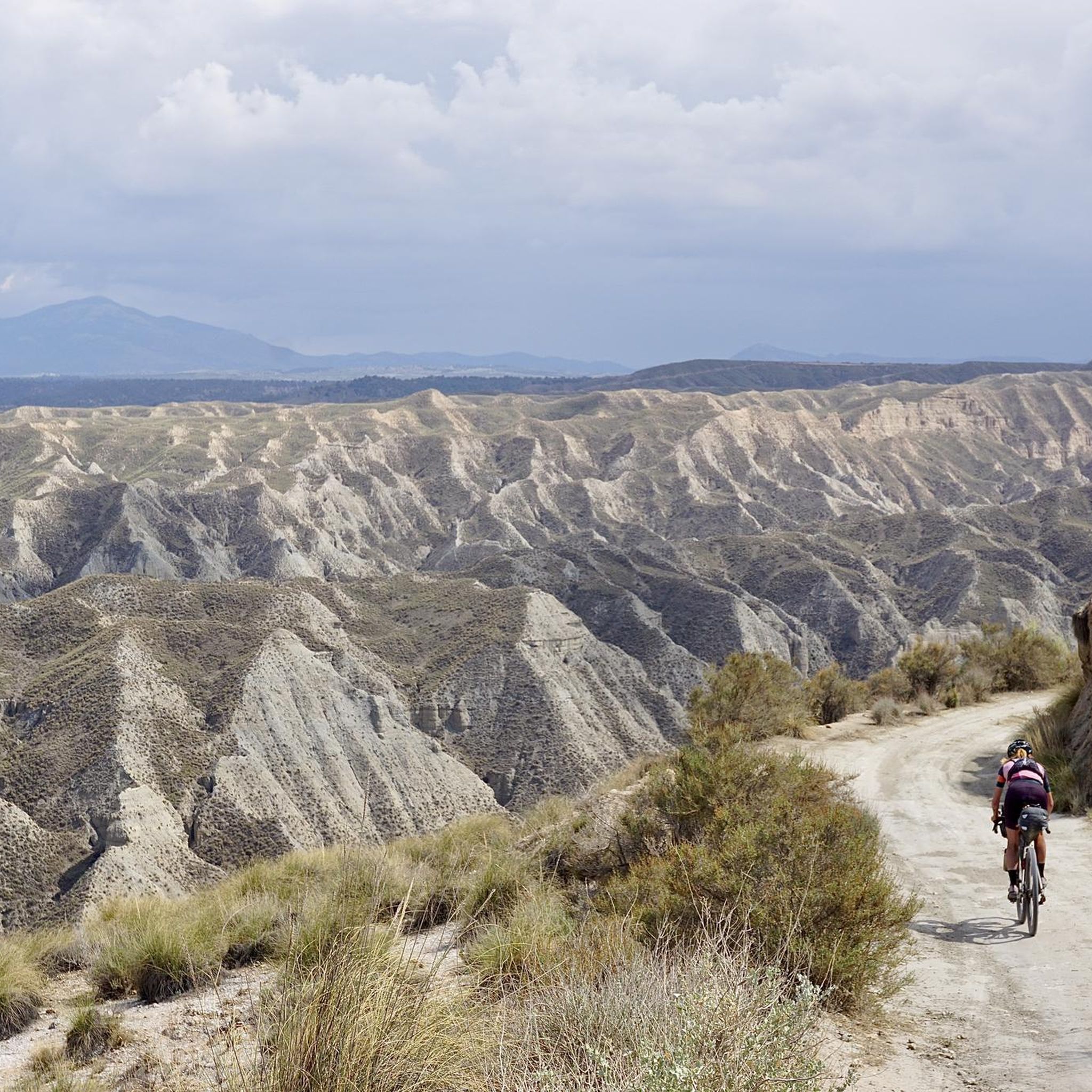
The view is just mind-blowing! This is truly gravel riding paradise.
2
0

The source of the most emblematic river in Andalusia and one of the most important rivers in Spain. The gateway to the highest area of the Sierra del Pozo, to the south of Cazorla and Segura.
1
0

Beautiful area of clayey soil located in Gorafe. It receives the name of Los Coloraos due to the color of the geological formations. Sunrise and sunset are especially ideal to enjoy this natural wonder in all its splendor.
4
0

Source of the most important river in Andalusia located in a very pleasant and cool location where ash trees, maples and hawthorns accompany the "Río Grande", as the Arabs called it.
0
0
Frequently Asked Questions
What are some of the most popular natural monuments around Huesa?
The region around Huesa, particularly within the Sierras de Cazorla, Segura and Las Villas National Park, offers several remarkable natural monuments. Among the most appreciated are Los Coloraos Badlands, known for its striking red geological formations, and the Source of the Guadalquivir River, a significant hydrological site. Another popular spot is the Gorafe Desert Canyons, which provides unique landscapes for outdoor enthusiasts.
What kind of natural features can I expect to see near Huesa?
The natural monuments around Huesa showcase a diverse range of features. You can explore dramatic canyons and badlands, such as those found in the Gorafe Desert, and significant river sources like the Source of the Guadalquivir River. The area also features impressive caves and waterfalls, exemplified by the Cave of the Virgin of Tíscar and Waterfall, with its limestone formations and flowing water.
Are there any historical natural sites near Huesa?
Yes, Huesa's landscape is intertwined with its history. The 'Calle de los Moros' (Street of the Moors) is a natural area where the remains of the Huesa fortress, protected by high natural rocks, date back to the Islamic period. Additionally, 'Cerro Negor' (Black Hill) is a settlement from the late Bronze Age, featuring stepped terraces that integrate with the natural topography, offering insights into ancient human settlements.
What is the best time of year to visit the natural monuments around Huesa?
The best time to visit depends on the specific monument and activity. For sites like Los Coloraos Badlands and the Gorafe Desert, sunrise and sunset are ideal for experiencing the vibrant colors. The Source of the Guadalquivir River is often cool and pleasant. Generally, spring and autumn offer milder temperatures for exploring. It's advisable to avoid visiting canyon areas like the Gorafe Desert Canyons during or immediately after heavy rain, as conditions can become very muddy.
Are there family-friendly natural monuments around Huesa?
Yes, some natural monuments are suitable for families. The Source of the Guadalquivir River is considered family-friendly, offering a pleasant and accessible location to visit. The Cave of the Virgin of Tíscar and Waterfall also features walkways and railings, making it a safe and engaging experience for visitors of various ages.
What outdoor activities can I do near these natural monuments?
The area around Huesa, especially within the Sierras de Cazorla, Segura and Las Villas National Park, is excellent for outdoor activities. You can find numerous routes for road cycling, such as those detailed in the Road Cycling Routes around Huesa guide, and touring bicycle adventures, available in the Cycling around Huesa guide. There are also running trails, including the 'Enchanted Forest of Las Higueras Trail', which you can explore through the Running Trails around Huesa guide.
Can I spot wildlife near Huesa's natural monuments?
Yes, the Sierras de Cazorla, Segura and Las Villas National Park, which encompasses much of the area around Huesa, is renowned for its rich diversity of wildlife. The park's varied terrain, including valleys, gorges, and mountains, provides habitats for numerous animal species, making it an excellent location for wildlife observation.
Are there any unique geological formations to see?
Absolutely. The region is characterized by impressive geological formations. The Los Coloraos Badlands are famous for their predominant red clay soils, creating a landscape reminiscent of the Grand Canyon. The Gorafe Desert features large gullies, colorful sandstone formations, and 'fairy chimneys', all products of ancient geological processes.
Are there hiking trails near Huesa's natural monuments?
While specific hiking trails directly linked to individual natural monuments are not detailed, the broader Sierras de Cazorla, Segura and Las Villas National Park offers an extensive network of paths suitable for hiking. For running, which often uses similar paths, you can find options like the 'Enchanted Forest of Las Higueras Trail' in the Running Trails around Huesa guide. Many of the natural monuments themselves, like the Cave of the Virgin of Tíscar and Waterfall, are accessible via prepared walkways.
What do visitors enjoy most about the natural monuments around Huesa?
Visitors frequently highlight the stunning aesthetic beauty and unique geological features. The vibrant colors of Los Coloraos Badlands at sunrise or sunset are particularly praised. The diverse terrain, from the intricate canyons of the Gorafe Desert Canyons to the serene setting of the Source of the Guadalquivir River, offers a variety of experiences. The opportunity for gravel riding and mountain biking in these unique landscapes is also a major draw.
Are there any viewpoints offering panoramic views of the natural monuments?
Yes, several natural monuments double as excellent viewpoints. Los Coloraos Badlands and the Gorafe Desert Canyons offer spectacular vistas of their unique geological formations. The Cave of the Virgin of Tíscar and Waterfall also provides viewpoints to appreciate the gorge and waterfalls. Additionally, the 'Picos el Guadiana' south of Huesa offer picturesque landscapes with a striking contrast of fertile lands and limestone peaks.
What should I wear when visiting the natural monuments around Huesa?
Given the diverse terrain, it's recommended to wear comfortable, sturdy footwear suitable for walking or hiking, especially if you plan to explore trails or uneven surfaces. Layered clothing is advisable to adapt to changing temperatures, particularly if visiting during sunrise or sunset, or if exploring areas like the Source of the Guadalquivir River which can be cool. Sun protection, such as a hat and sunscreen, is also important, especially in open areas like the deserts and badlands.
Most popular attractions around Huesa

Get inspired with the komoot mobile app


Explore more
Extend your search for the best caves by checking out these guides of the top ones around Huesa:
