The best walks and hikes around Huesa
4.5
(55)
231
hikers
10
hikes
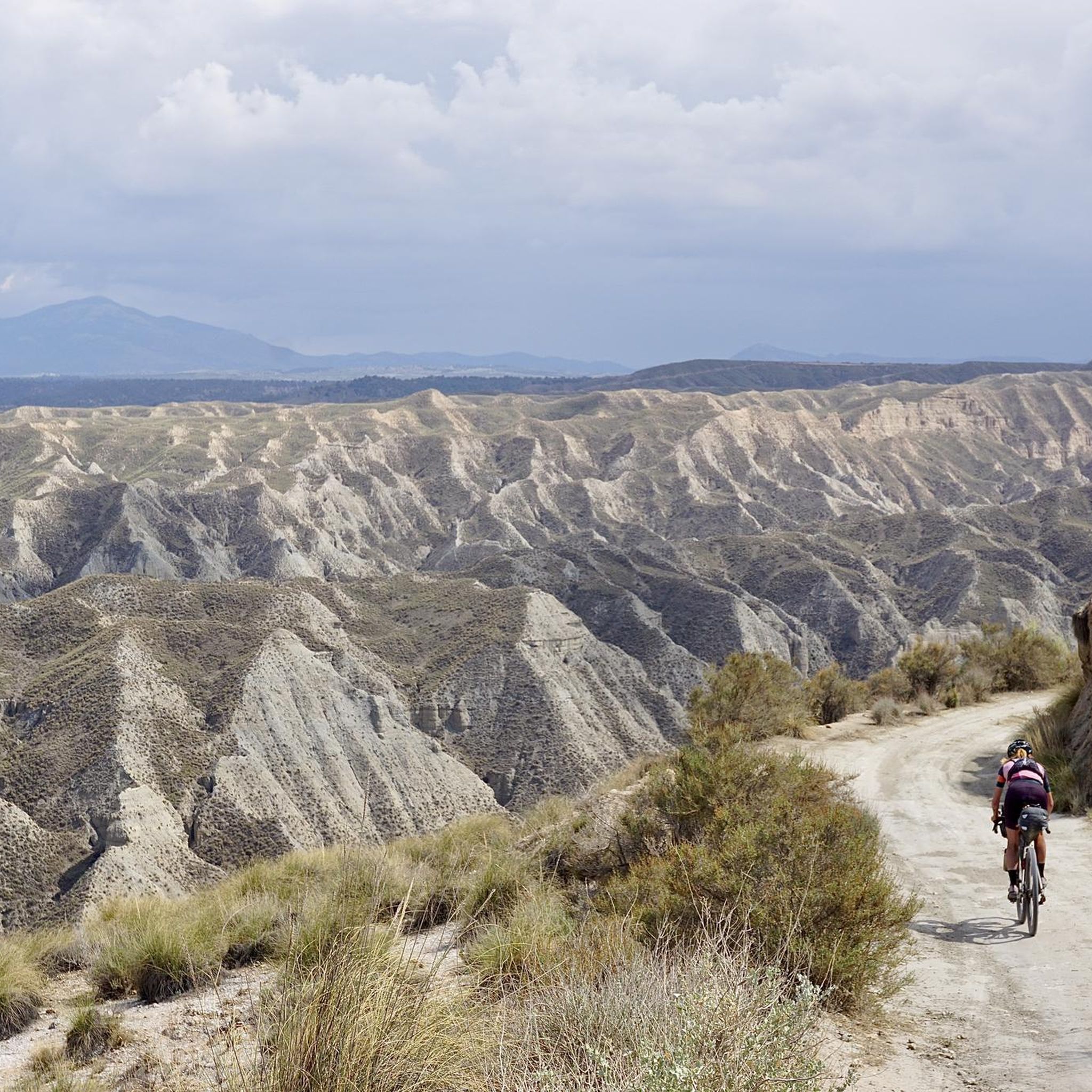
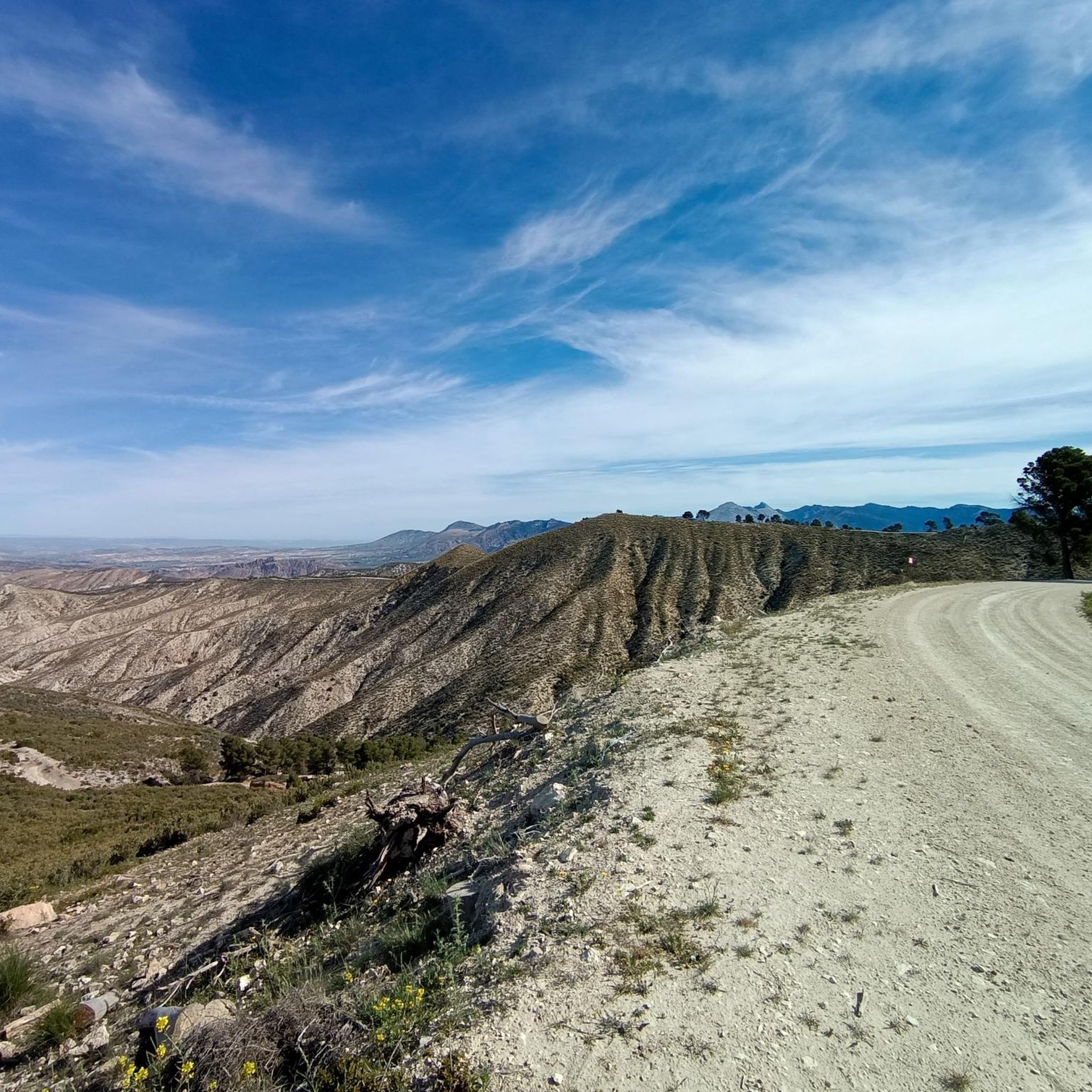
Hiking around Huesa offers diverse terrain within the Jaén province of Andalusia, characterized by the rugged mountains and dense forests of the Sierras de Cazorla, Segura y las Villas Natural Park. The region features limestone formations, river valleys with waterfalls and caves, and unique arid landscapes such as the Negratín Badlands. This varied topography provides a range of hiking experiences, from shaded forest paths to open, eroded hillsides.
Best hiking trails around Huesa
- The most popular hiking route is Cueva…
Last updated: July 4, 2026
4.3
(7)
21
hikers
Moderate hike. Good fitness required. Easily-accessible paths. Suitable for all skill levels.
4.1
(12)
33
hikers
9.19km
02:38
220m
220m
Moderate hike. Good fitness required. Easily-accessible paths. Suitable for all skill levels.

Sign up for free
5.0
(1)
2
hikers
11.7km
03:17
230m
230m
Hike the moderate 7.3-mile Salinas del Mesto Trail in Parque Natural de las Sierras de Cazorla, featuring views from Cerro de Atayuela.
4.7
(25)
115
hikers
6.82km
02:08
240m
230m
Moderate hike. Good fitness required. Easily-accessible paths. Suitable for all skill levels.
4.7
(3)
17
hikers
3.78km
01:16
200m
200m
Easy hike. Great for any fitness level. Easily-accessible paths. Suitable for all skill levels.
Get access to more routes and recommendations from other explorers.
Sign up for free
Already have an account?
Our route recommendations are based on thousands of hikes, rides, and runs completed by other people on komoot.
Start today with a free account
Your next adventure awaits.
Login or Signup



Tips from the Community

The Negratín reservoir was inaugurated in 1984 and its construction meant the disappearance of the town of Las Juntas and the old spa of Zujar, as well as various farmhouses that remained under the waters of the reservoir. The Negratín reservoir is the second largest reservoir in the Autonomous Community of Andalusia, with more than 567 Hm3.
7
0

Cave that is located at the foot of Cerro de los Carboneras and to the south of the Sierra de Quesada we find this cave that gave rise to the Santuario de Tiscar to the north of the cave.
1
0

The Blue Pilon is between the villages of Don Pedro and Belerda. The waterfall is formed by the Tíscar river, which comes down from the incredible Cueva del Agua and creates this waterfall.
0
0

The Salto del Pilón Azul in the Tíscar river waterfall next to the Sierra de Cazorla Natural Park, is one of the most beautiful, hidden and unknown in the Province of Jaén. The waterfall is 10 meters high located inside a stone canyon that creates a beautiful pool. Easy access from the main road. Cool on a warm summer day.
1
0

Perfect viewpoint to the Negratín reservoir and its adjacent mountains.
2
0
Canyon with vertical walls with numerous waterfalls through which the Tíscar River flows with all the power and beauty of the water. It is prepared with walkways and wooden railings for safety and good care of the area.
3
0
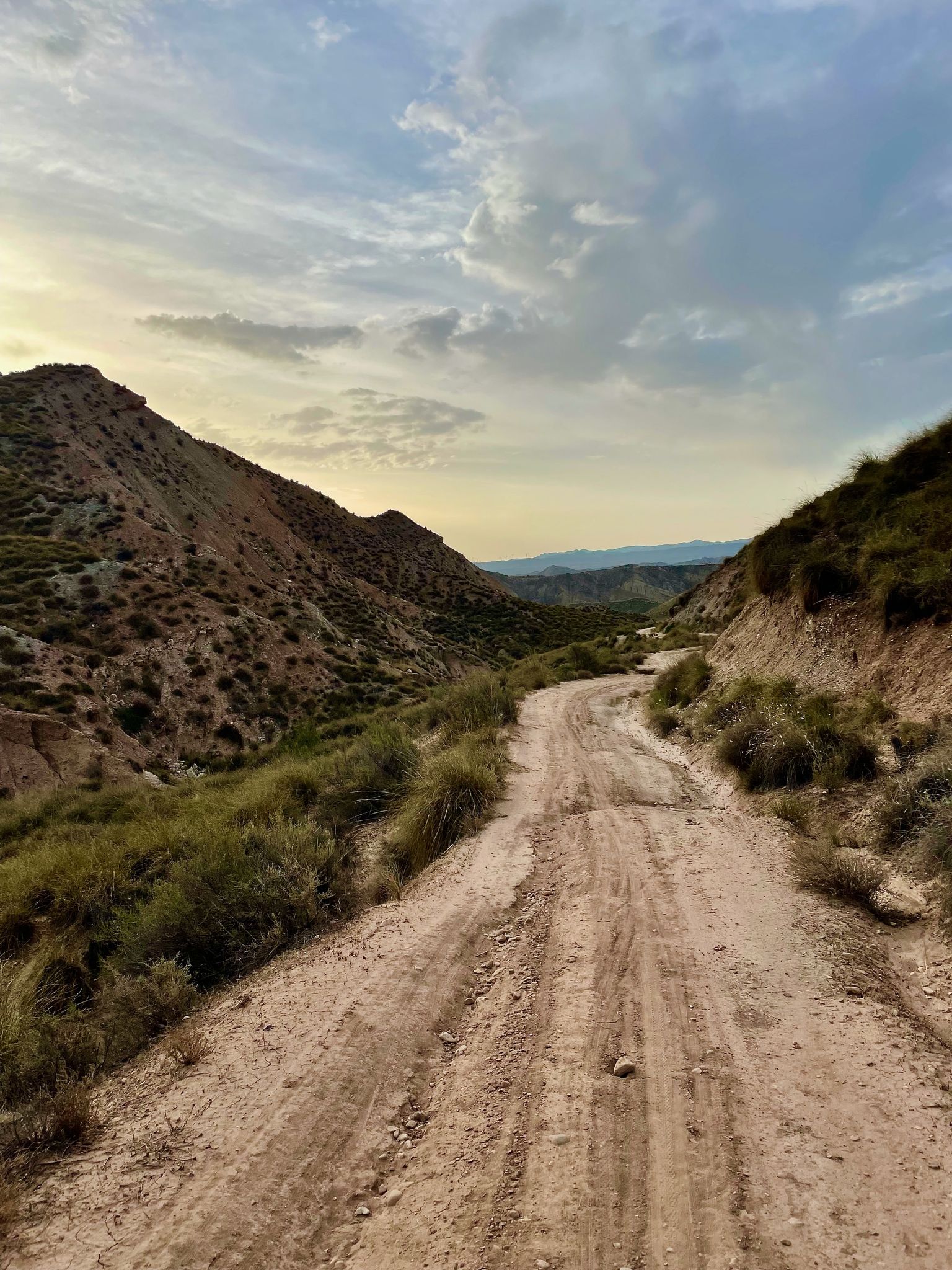
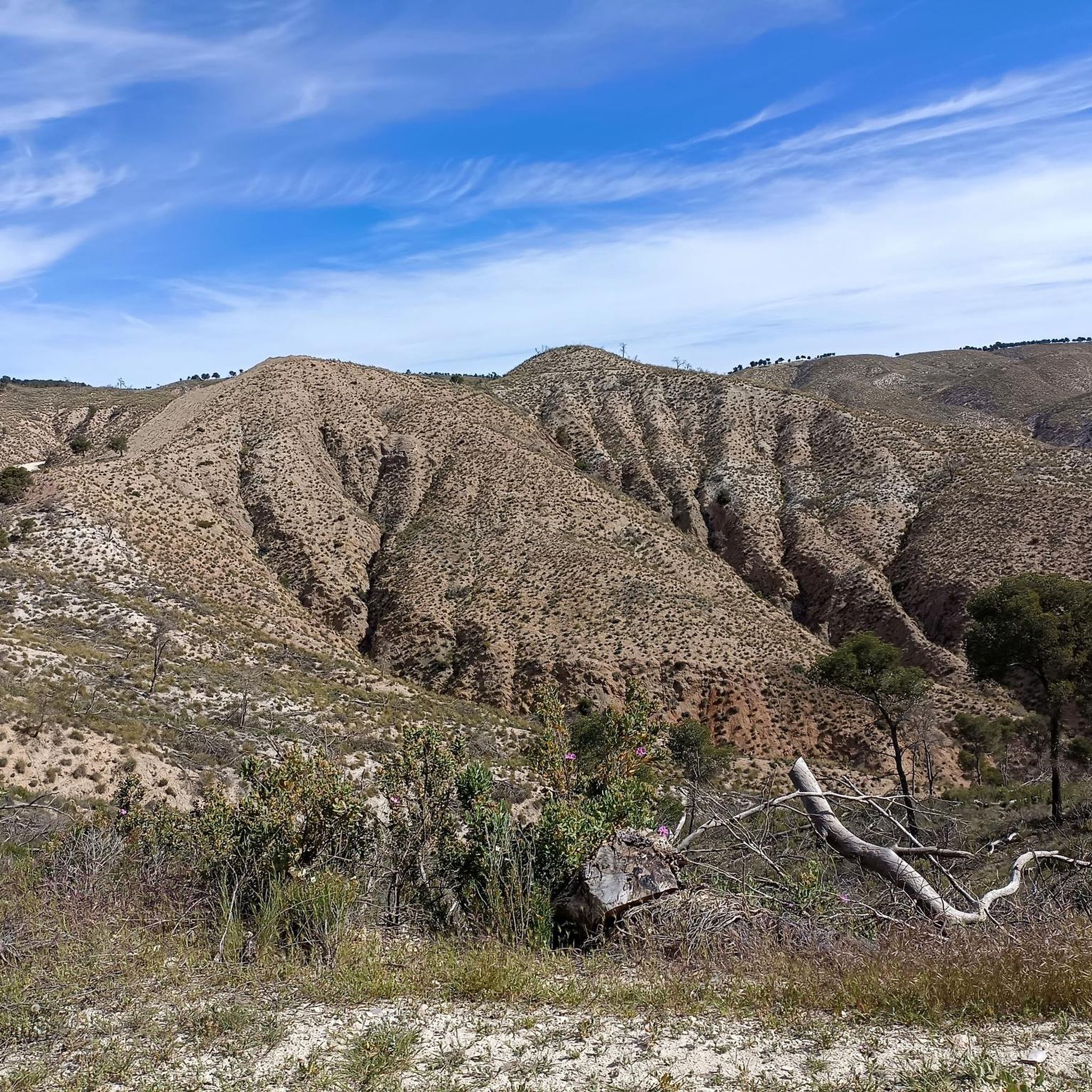
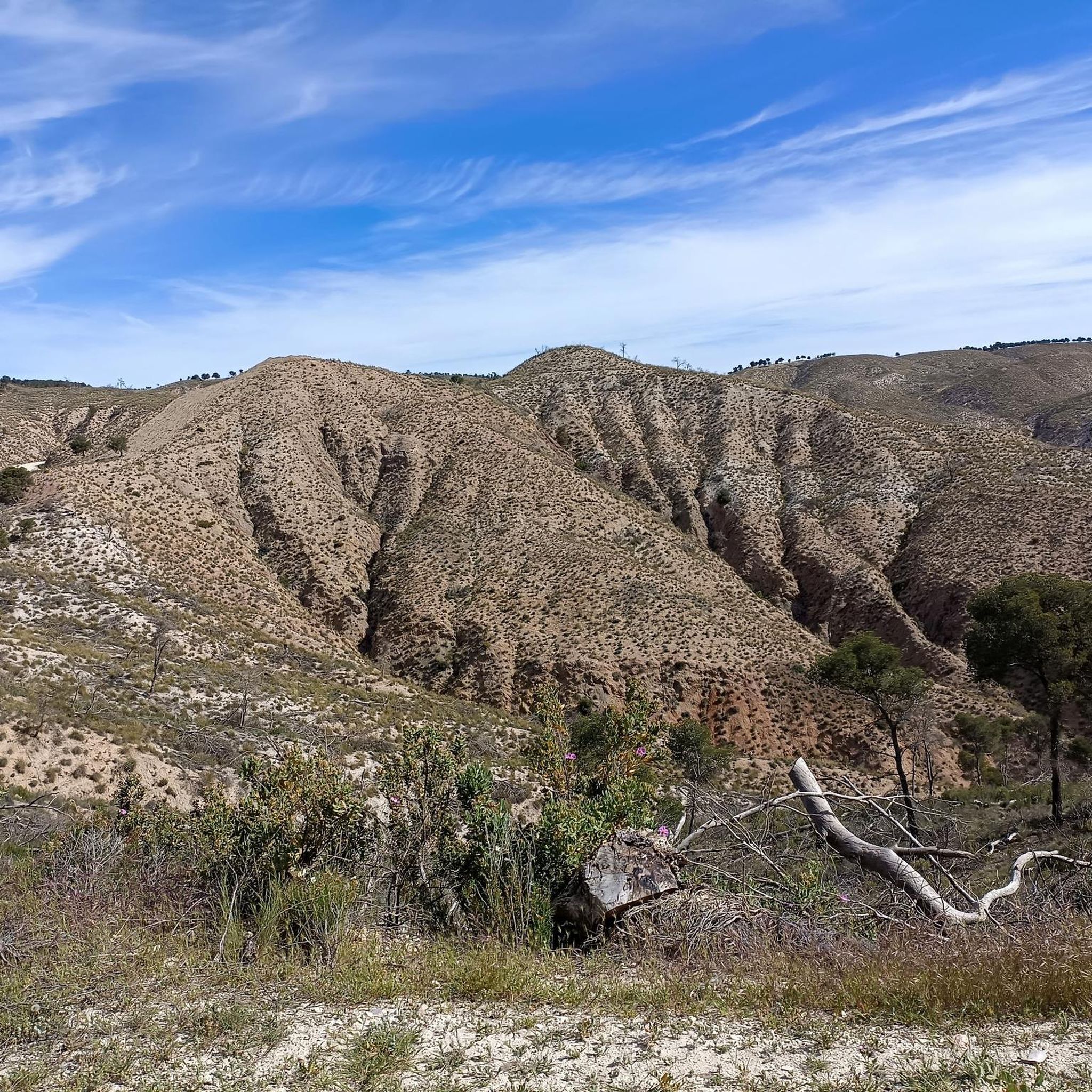
Small foray into the sandstone desert located on the Atayuela hill.
0
0
Village and municipality of the province of Jaén, belonging to the county of Sierra de Cazorla. It borders the municipalities of Pozo Alcón, Huesa and Quesada and by its term the rivers Guadiana Menor, Ceal, Turrillas flow. Almost the entire municipality is part of the nature park of the Sierra de Cazorla, Segura and Las Villas.
0
0
Frequently Asked Questions
What kind of hiking terrain can I expect in Huesa?
Hiking around Huesa, located in the Jaén province of Andalusia, offers a diverse landscape. You'll find rugged mountains and dense forests within the Sierras de Cazorla, Segura y las Villas Natural Park. The region is also characterized by limestone formations, river valleys with waterfalls and caves, and unique arid landscapes like the Negratín Badlands. This variety provides options from shaded forest paths to open, eroded hillsides.
Are there any easy hiking trails suitable for beginners or families in Huesa?
Yes, Huesa offers several easy routes. For instance, the Pilón Azul Waterfall – Cueva del Agua loop from Río Tíscar is an easy 3.8 km (2.4 miles) trail that takes about 1 hour 16 minutes to complete, perfect for a relaxed outing. Overall, 4 out of the 10 available routes are classified as easy.
Are there any circular hiking routes in Huesa?
Yes, many routes in Huesa are circular, offering convenient starting and ending points. A popular example is the Cueva de la Virgen del Agua y el Pilón Azul - circular by the P. N. de las Sierras de Cazorla, Segura y las Villas, which explores water features and natural caves. Another is the Enchanted forest las Higueras - circular from Pozo Alcón, leading through a scenic forest.
What are some notable natural features or attractions I can see while hiking in Huesa?
Huesa's trails lead to various interesting natural features. You can explore water features and natural caves, such as those found on the Cueva de la Virgen del Agua y el Pilón Azul route. The region also features river valleys with waterfalls, like the Cave of the Virgin of Tíscar and Waterfall, and unique arid landscapes such as the Negratín Badlands with its distinctive hoodoos near Cuevas del Campo.
Are there any waterfalls to see on hikes in Huesa?
Yes, Huesa's river valleys are home to beautiful waterfalls. The Pilón Azul Waterfall – Cueva del Agua loop from Río Tíscar is an easy route specifically highlighting a waterfall. You can also find the Cave of the Virgin of Tíscar and Waterfall as a notable attraction in the area.
What do other hikers say about the trails in Huesa?
The hiking routes in Huesa are highly regarded by the komoot community, holding an average rating of 4.5 stars from over 40 reviews. Hikers often praise the diverse terrain, from dense woodlands to unique badlands formations, and appreciate the variety of options available for both easy walks and more moderate excursions.
Are there any challenging hikes in Huesa?
While Huesa offers a range of moderate and easy trails, the current selection of routes does not include any classified as 'difficult'. The most challenging routes you'll find are 'moderate', such as the Salinas del Mesto Trail, which covers 11.7 km (7.3 miles) and takes about 3 hours 17 minutes to complete.
Can I find places to stay or rest along the trails in Huesa?
Yes, there are several huts and refuges in the vicinity of Huesa that can serve as resting points or overnight stays. Notable options include the Collado Zamora Refuge and the Refugio de la Cañada de los Mojones. You might even stumble upon unique spots like Robustiano the Goblin’s Little House.
What is the best time of year to go hiking in Huesa?
Given Huesa's location in Andalusia with diverse terrain including arid landscapes, spring and autumn are generally the most recommended seasons for hiking. Temperatures are milder, and the natural scenery is often at its most vibrant. Summer can be very hot, especially in open areas like the Negratín Badlands, while winter might bring cooler temperatures to the mountain areas.
Are there any unique geological formations to explore in Huesa?
Absolutely. Huesa is known for its distinctive geological features. Beyond the limestone formations and caves, you can explore the unique arid landscapes of the Negratín Badlands, which feature fascinating eroded hillsides and formations known as Hoodoos of Cuevas del Campo. The Gorafe Desert is also nearby, offering a different kind of geological wonder.
How many hiking routes are available in Huesa?
There are 10 hiking routes currently available in Huesa, offering a variety of experiences from easy walks to moderate excursions through its diverse landscapes.
Most popular attractions around Huesa

Get inspired with the komoot mobile app


Explore more
Browse the best Hikes in other regions.
