The best cycling routes around Huesa
4.2
(7)
209
riders
37
rides
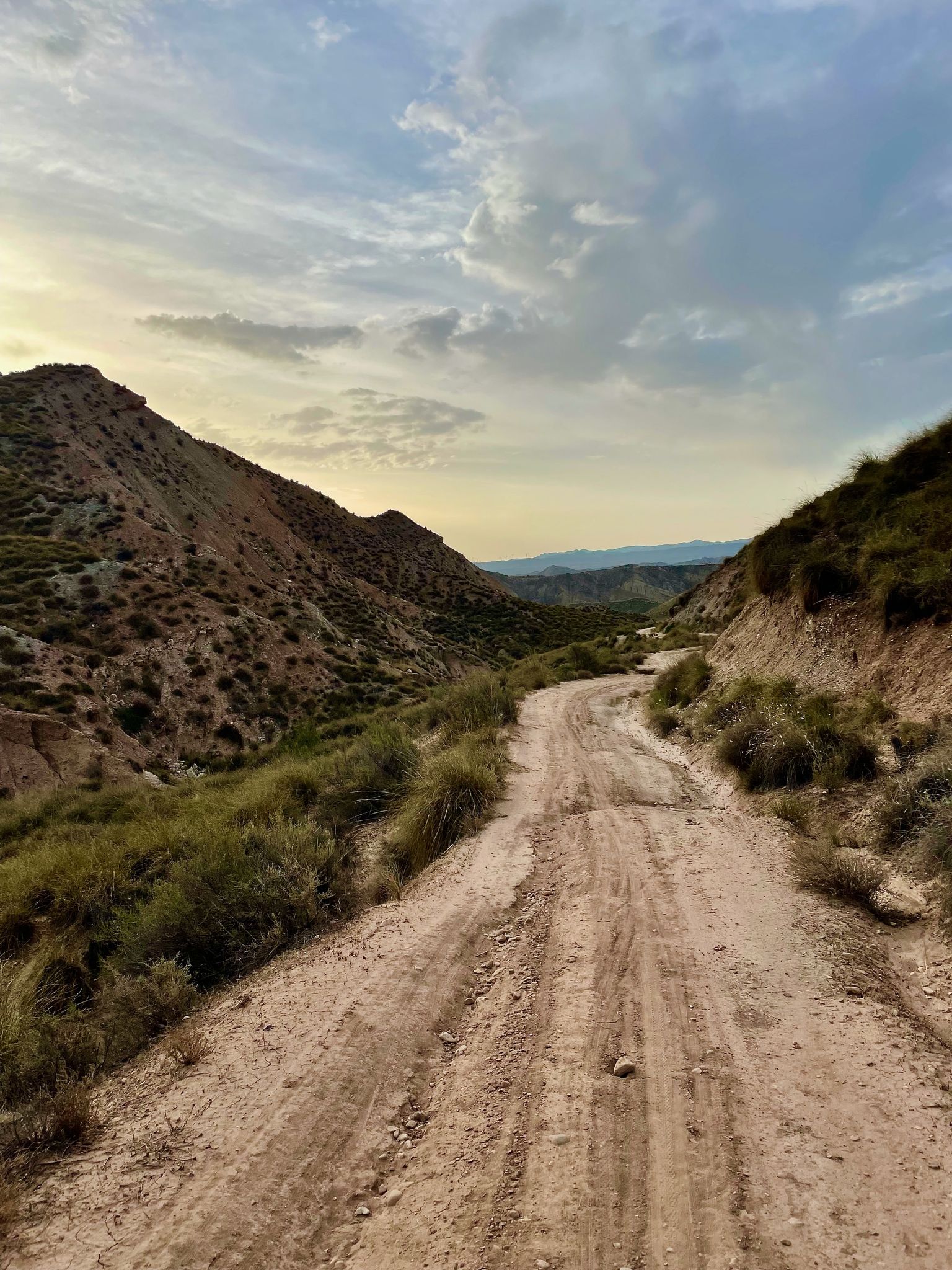
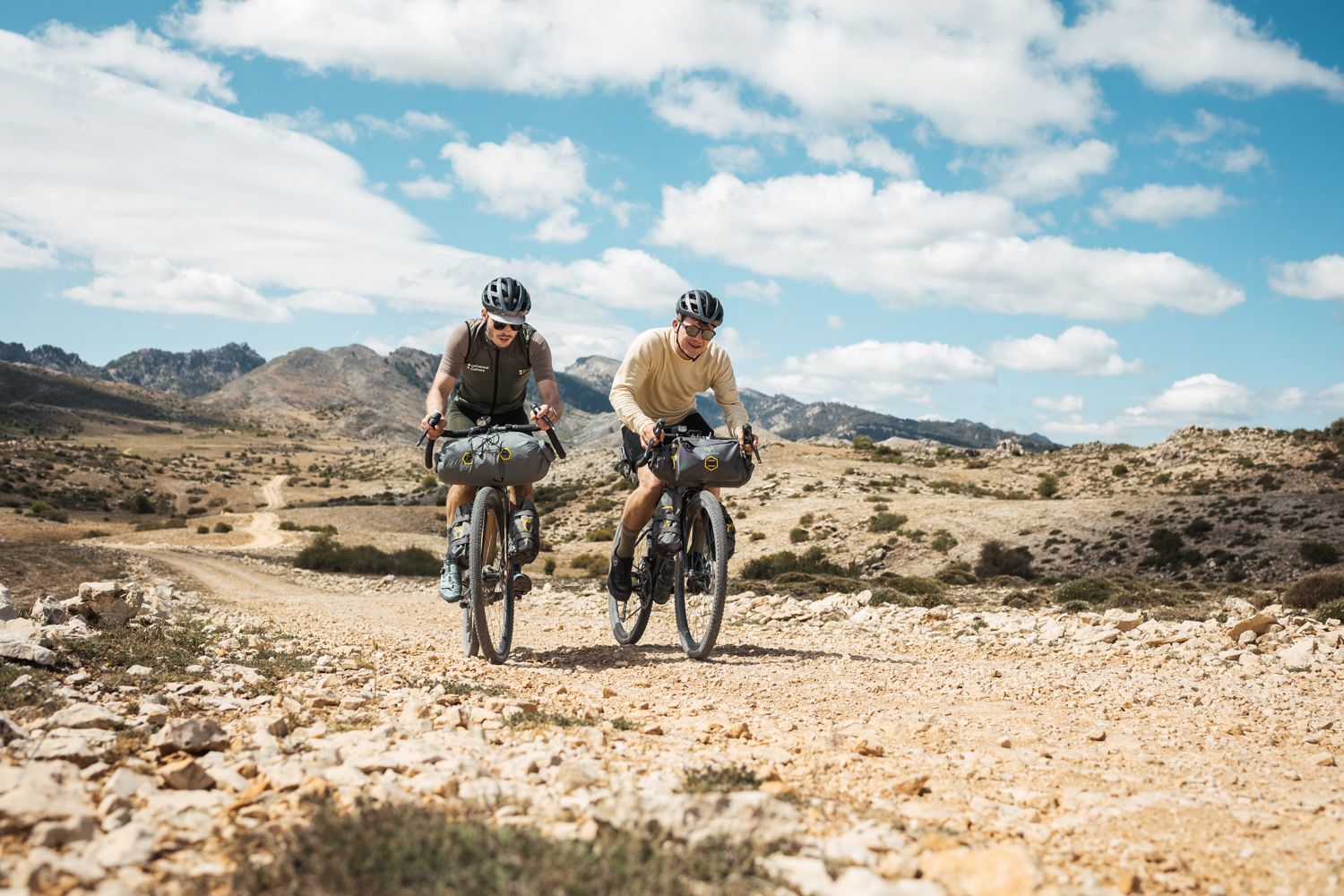
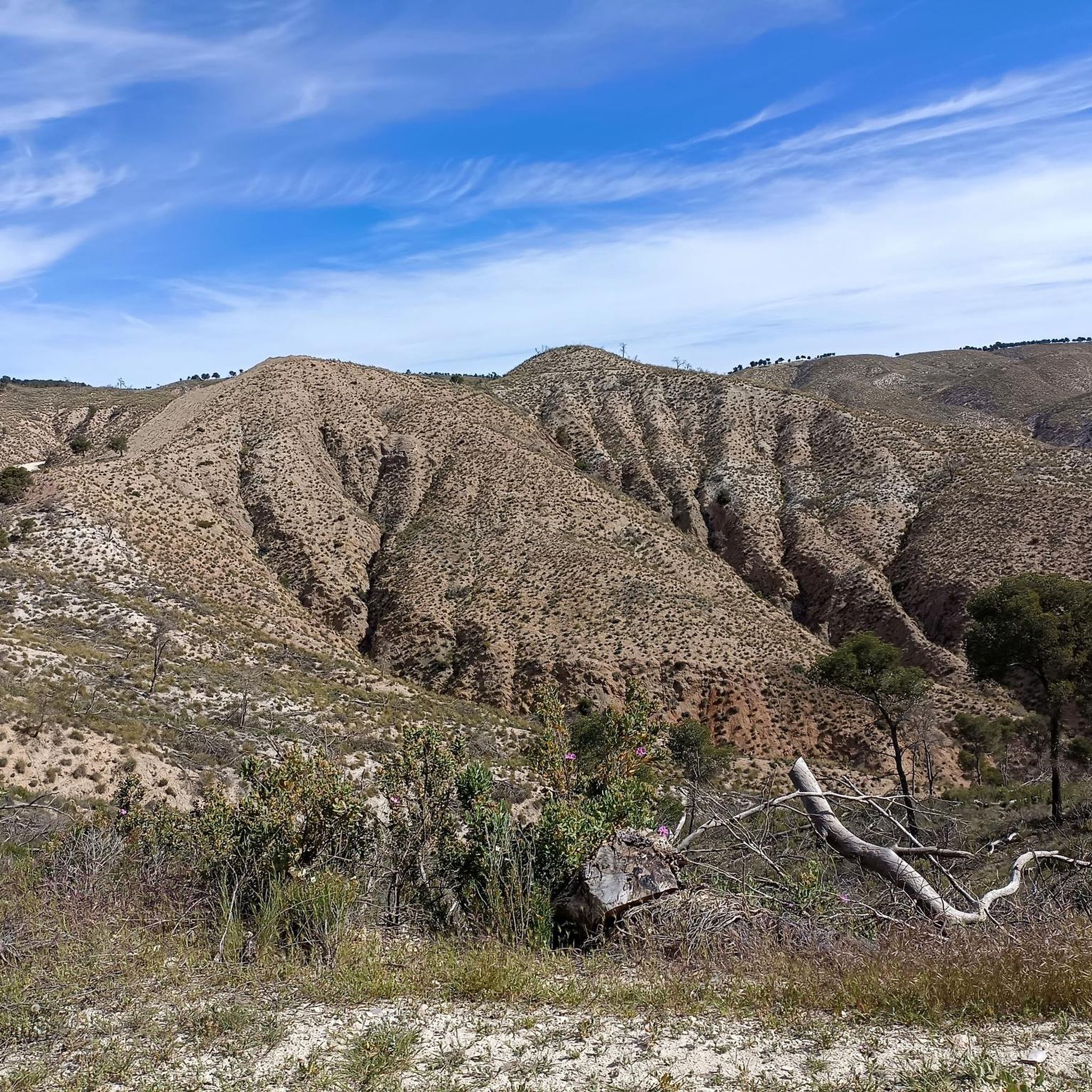
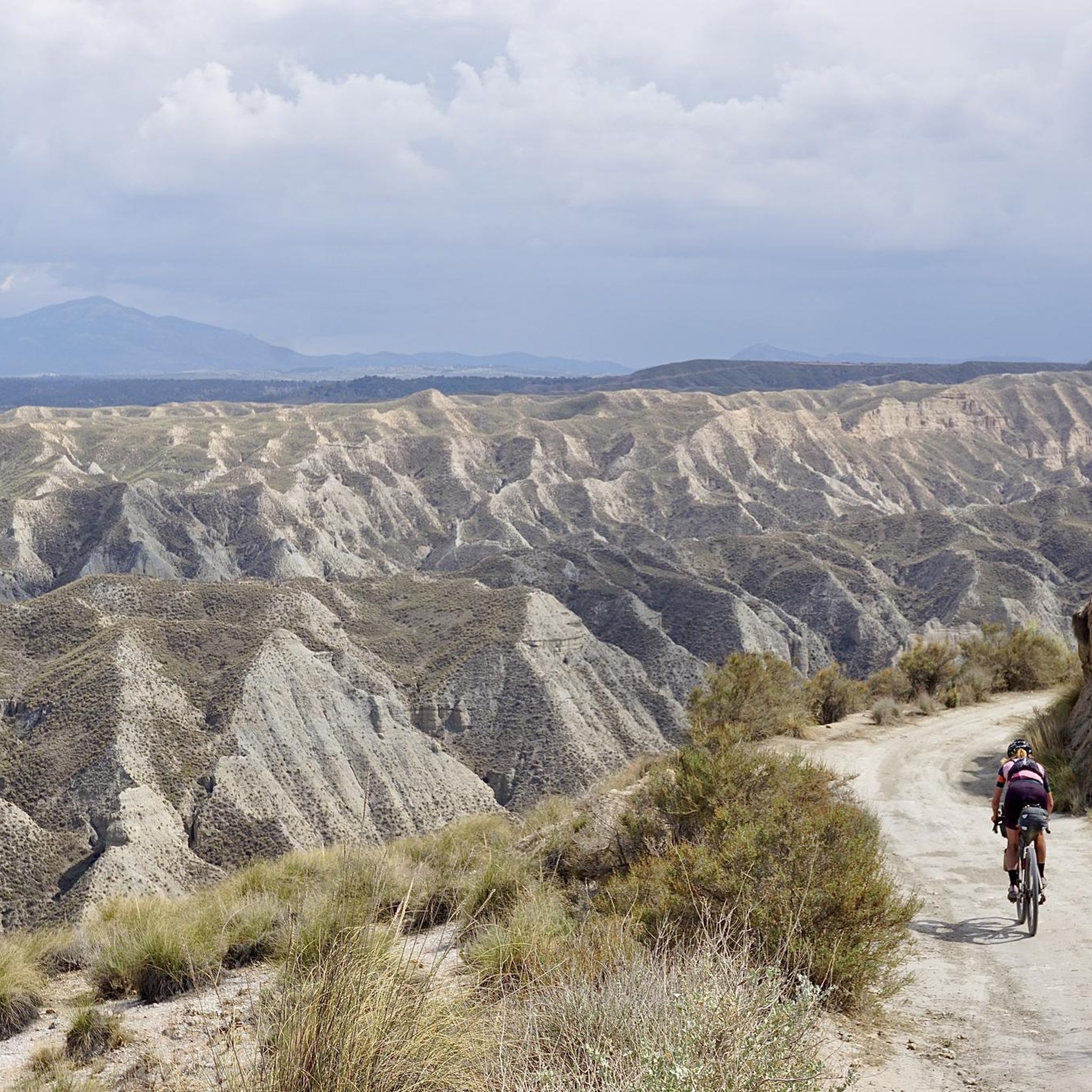
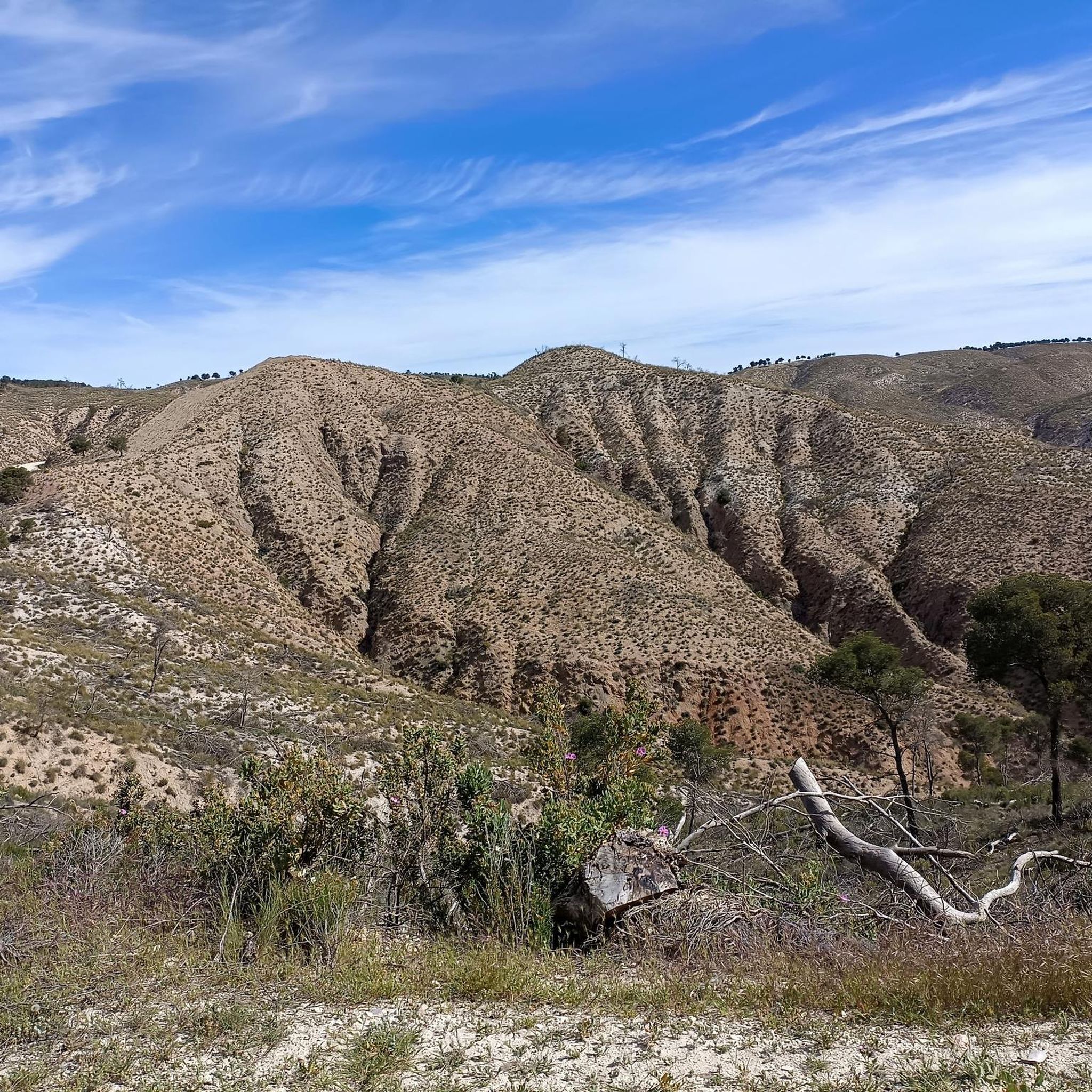
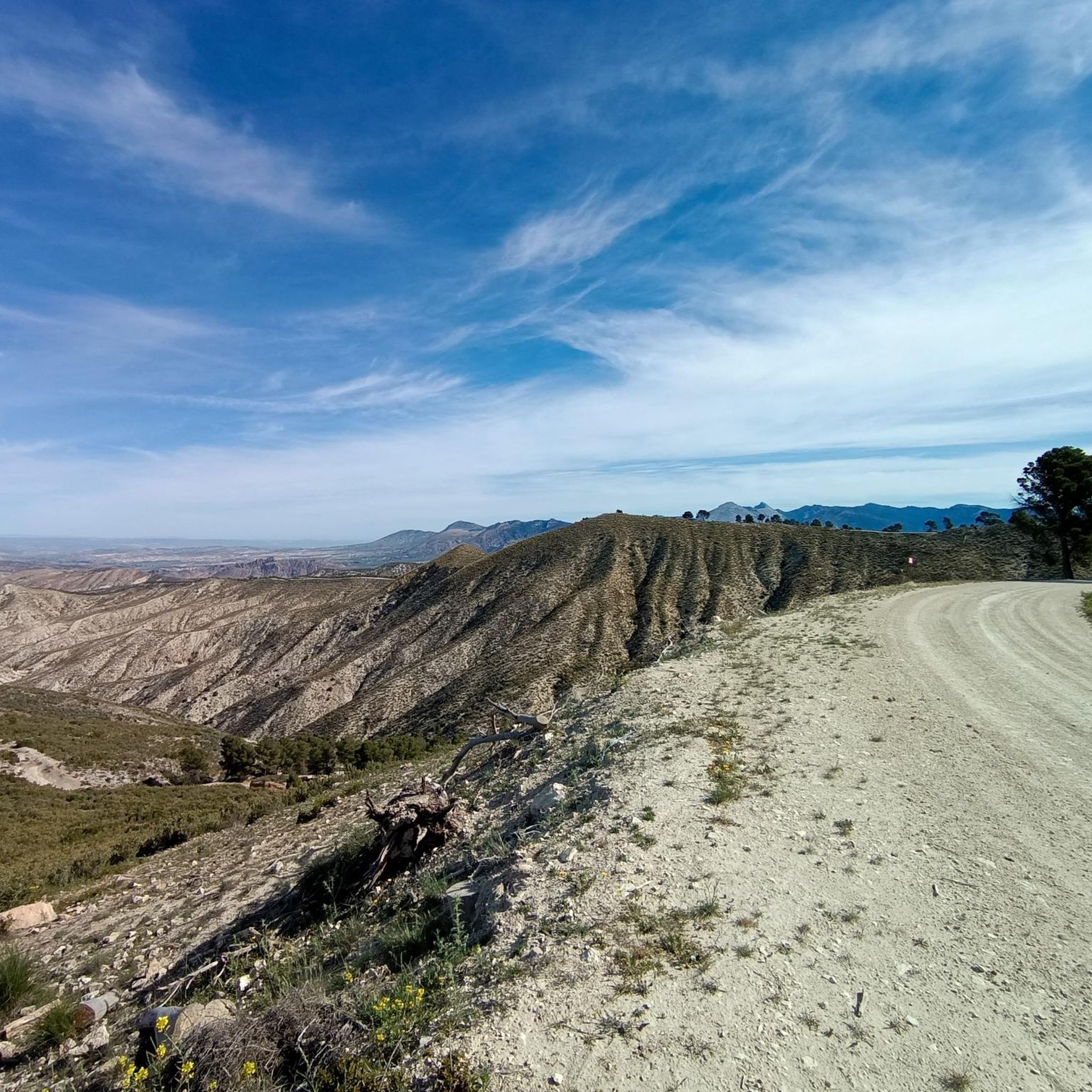
Touring cycling around Huesa offers routes through the mountainous terrain of the Sierras de Cazorla, Segura y las Villas Natural Park. The region is characterized by significant elevation changes, with routes often traversing mountain passes and river valleys. Cyclists can expect a landscape of forests, open vistas, and varied natural features.
Best touring cycling routes around Huesa
- The most popular touring cycling route is Puerto de Tíscar Loop from Quesada, a 22.0 miles (35.5 km) trail that takes 2 hours 48 minutes to complete. This route features significant climbs through a mountain pass.
- Another top favourite among local touring cyclists is Puerto del Tiscar and refugio del Collado Zamora - circular gravel through the P. N. de las Sierras de Cazorla, Segura y las Villas, a difficult 24.2 miles (38.9 km) path. This route offers a circular gravel experience within the national park, featuring varied terrain and natural scenery.
- Local touring cyclists also love the Raso del Peral – Fuente de Acero Refuge loop from Pozo Alcón, a 40.5 miles (65.1 km) trail leading through Raso del Peral and towards the Fuente de Acero Refuge, often completed in about 6 hours 4 minutes.
- Touring cycling around Huesa is defined by mountain passes, national park landscapes, and river valleys. The network offers options for easy, moderate, and difficult ability levels.
- The routes in Huesa are highly rated by the komoot community with an average score of 4.0 stars from over 6 reviews. More than 160 touring cyclists have used komoot to explore Huesa's varied terrain.
Last updated: October 8, 2026
11
riders
35.5km
02:48
960m
960m
Hard bike ride. Very good fitness required. Some segments of this route may be unpaved and difficult to ride.
10
riders
Hard bike ride. Very good fitness required. You may need to push your bike for some segments of this route.

15
riders
19.7km
01:31
530m
530m
Hard bike ride. Very good fitness required. Mostly paved surfaces. Suitable for all skill levels.
12
riders
56.1km
04:51
1,460m
1,460m
Hard bike ride. Very good fitness required. Mostly paved surfaces. Suitable for all skill levels.
8
riders
73.7km
06:06
1,310m
1,310m
Hard bike ride. Very good fitness required. Mostly paved surfaces. Suitable for all skill levels.
Get access to more routes and recommendations from other explorers.
Already have an account?
Our route recommendations are based on thousands of hikes, rides, and runs completed by other people on komoot.
Start today with a free account
Your next adventure awaits.



Tips from the Community

El Refugio del Collado Zamora (often associated with the route to Gilillo) is a rehabilitated forest refuge located in the Sierra de Cazorla, key to the GR-247 trail. It is frequently used as a starting point or stopover to ascend to Gilillo or connect to areas such as Cuerda del Gilillo.
0
0

Added to the collection: https://www.komoot.com/de-de/collection/3600632/-naturdenkmaeler-besondere-baeume-und-weitere-schaetze-der-natur
0
0


A town located in the southeast of the province, at the foot of the Sierra de Cazorla and facing the olive-growing countryside. Birthplace of the painter Rafael Zabaleta, to whom he has dedicated a museum with a large part of his work. It is a colorful collection of narrow streets with white houses in which the church of San Pedro and San Pablo, the church of the hospital, the Arco de la Manquita de Utrera and the Arco de Los Santos or del Señor stand out.
11
0
This viewpoint is marked on the map at the playground.
7
0
The Iglesia de Nuestra Señora de la Anunciación in Alicún de Ortega was built in 1595. It is a parish church that was built on the site of an old Romanesque church, which itself stood on the site of an old mosque. The church was built at the initiative of Andrés de Ortega, the third lord of Alicún de Ortega, who also provided the finances for the construction of the nearby hermitage of San Roque. The church is built in the Mudéjar style, a unique combination of Islamic and Christian architecture that is characteristic of the region. The building has a rectangular plan with one nave and two bays. The church has a beautiful wooden ceiling (artesonado) in Mudéjar style, which is still preserved in some parts. The interior of the church contains a Renaissance altarpiece and four Renaissance niches in the walls. The church also houses 18th century sculptures and a 16th century painting of the Ecce Homo.
6
0
Dehesas de Guadix is a small municipality. It is located in the northeast of the comarca of Los Montes and has an area of approximately 57 km²1. The municipality has approximately 426 inhabitants (2016). The history of Dehesas de Guadix goes back to the time of the Reconquista, when the kings of Spain reconquered the area from the Moors. The village was officially founded in the 15th century, when Don Diego Fernández de Iranzo received the land from the kings. One of the most remarkable features of Dehesas de Guadix is the troglodyte dwellings, which are typical of the region. These underground houses are built into the rocks and offer a unique glimpse into the traditional architecture of the area.
7
0
Frequently Asked Questions
How many touring cycling routes are available in Huesa?
There are over 25 touring cycling routes around Huesa, offering a variety of options for exploring the region's mountainous terrain and natural park landscapes.
How challenging are the touring cycling routes around Huesa?
The routes in Huesa are predominantly challenging, with 18 routes rated as difficult and 10 as moderate. There is also one easy route available, making it possible to find options for various skill levels. Expect significant elevation changes, as many routes traverse mountain passes and river valleys.
Are there any easy or family-friendly touring cycling routes in Huesa?
While most routes in Huesa are moderate to difficult, there is at least one easy touring cycling route available. For families or beginners, it's advisable to check the route details on komoot for specific elevation profiles and terrain to ensure it matches your comfort level.
Are there any circular touring cycling routes in Huesa?
Yes, several routes are designed as loops. For example, the Puerto de Tíscar Loop from Quesada is a popular circular option, and the Puerto del Tiscar and refugio del Collado Zamora also offers a circular gravel experience within the national park.
What natural attractions can I explore near the touring cycling routes in Huesa?
The region is rich in natural beauty. You can find impressive natural monuments such as the Los Coloraos Badlands, the Source of the Guadalquivir River, and the Gorafe Desert with its canyons. Don't miss the Cave of the Virgin of Tíscar and Waterfall for a unique sight.
Are there any refuges or huts along the touring cycling routes in Huesa?
Yes, you can find several refuges and huts in the area. Notable ones include the Collado Zamora Refuge and the Refugio de la Cañada de los Mojones. These can be useful for breaks or overnight stays on longer tours.
What are the typical distances for touring cycling routes in Huesa?
Route distances vary significantly. For instance, the Puerto de Tíscar – Drinking water loop from Quesada is around 18.6 km, while the Raso del Peral – Fuente de Acero Refuge loop from Pozo Alcón extends to about 65.1 km. Most routes fall within the 20-60 km range, often featuring substantial elevation gains.
What do other touring cyclists say about the routes in Huesa?
The touring cycling routes in Huesa are highly rated by the komoot community, with an average score of 4.0 stars from over 6 reviews. Cyclists often praise the stunning mountain scenery, the challenge of the climbs, and the immersive experience within the natural park.
Is parking available near the touring cycling routes in Huesa?
As Huesa is situated within a natural park, parking facilities are typically available at key access points, trailheads, or nearby villages like Quesada and Pozo Alcón, which serve as starting points for many routes. It's always recommended to check specific route descriptions for detailed parking information.
Can I reach the touring cycling routes in Huesa using public transport?
Public transport options directly to the trailheads within the Sierras de Cazorla, Segura y las Villas Natural Park can be limited. It's generally more convenient to travel by car to reach the starting points of the touring cycling routes in Huesa and the surrounding areas.
What is the best time of year for touring cycling in Huesa?
Given the mountainous terrain and the region's climate, spring (April-May) and autumn (September-October) are generally the most pleasant times for touring cycling in Huesa. Temperatures are milder, and the natural scenery is vibrant. Summers can be very hot, and winters may bring colder temperatures and occasional snow at higher elevations.
Most popular attractions around Huesa

Get inspired with the komoot mobile app


Explore more
Browse the best Cycling routes in other regions.
