Top 14 Natural Monuments around Valdilecha
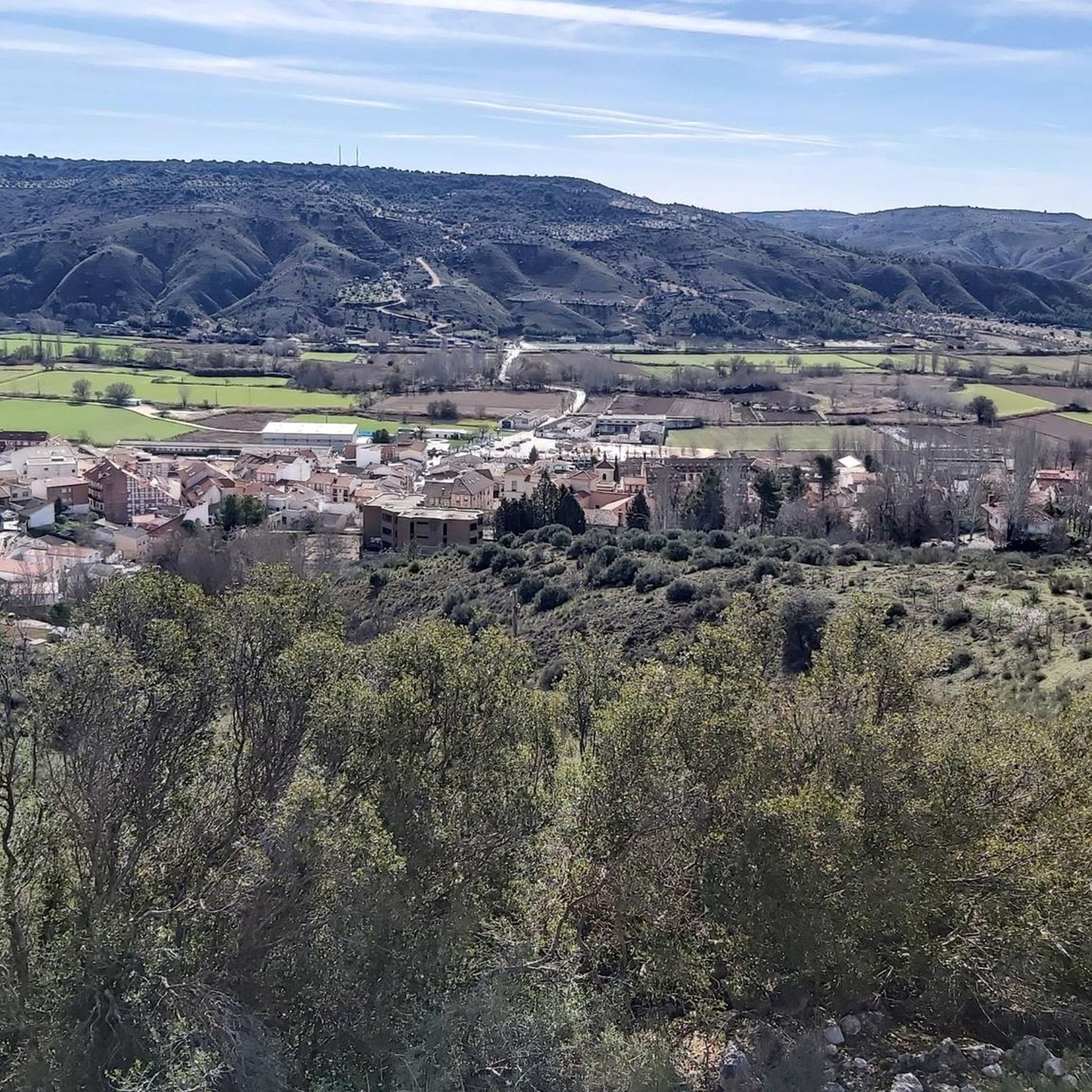
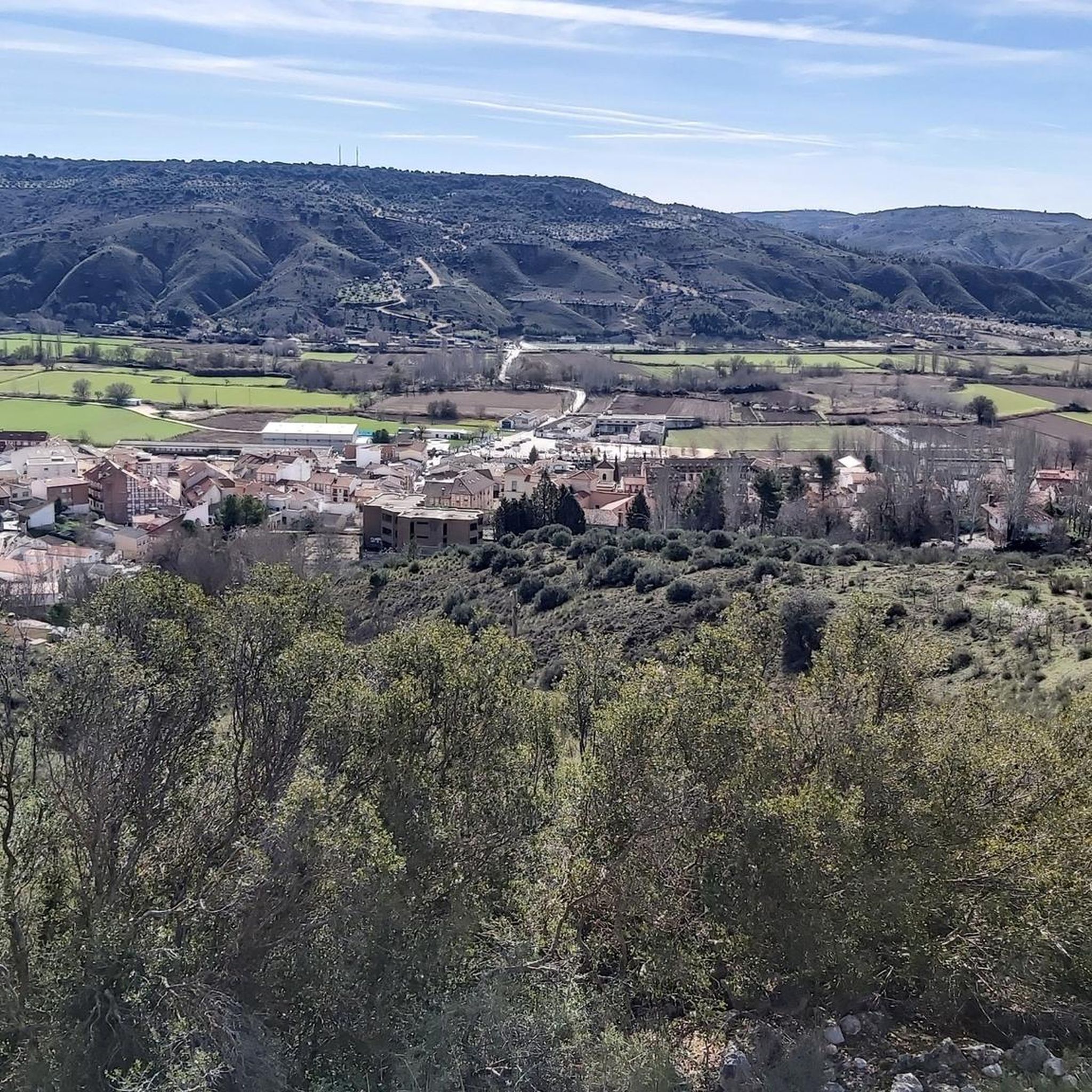
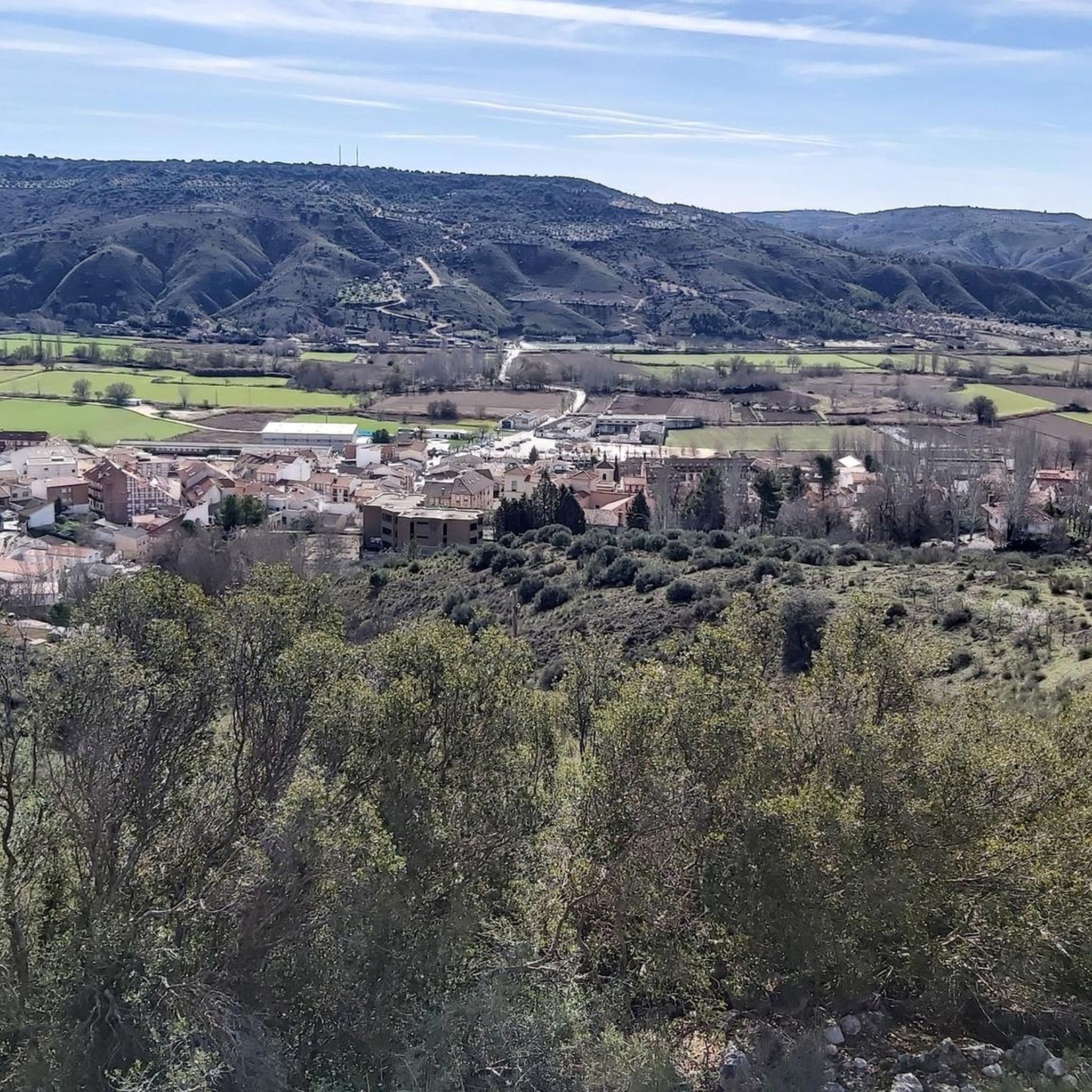
Natural monuments around Valdilecha offer a diverse landscape for exploration. The region features varied terrain, from rugged areas with unique rock formations to serene green spaces like pine forests and olive groves. Valdilecha's natural environment includes historical springs, ancient trees, and geological features that reflect its rich past and ecological diversity. Paths suitable for walking and hiking crisscross the area, providing access to these natural landmarks.
Best natural monuments around Valdilecha
- The most popular natural monuments is La Oliva fountain…
Last updated: August 11, 2026
La Oliva fountain
Highlight • Rest Area
Translated by Google •
Tip by

Encina de la Pica
Highlight • Natural Monument
Translated by Google •
Tip by

Sign up now to discover places like this
Get recommendations on the best single tracks, peaks, & plenty of other exciting outdoor places.
Sign up for free
Fuente del Arca
Highlight • Natural Monument
Translated by Google •
Tip by

Risco de las Cuevas of Perales de Tajuña
Highlight • Cave
Translated by Google •
Tip by

Azud de Vaciabotas
Highlight • Structure
This is the dam or weir where the Caz del Molino takes its water from the Tajuña River. It is also known as the Azud del Molino and …
Translated by Google •
Tip by
Sign up for free to discover even more natural monuments around Valdilecha.
Sign up for free
Already have an account?
Start today with a free account
Your next adventure awaits.
Login or Signup

Tips from the Community

The beautiful Fuente del Arca (Ark Fountain) is one of the historic springs of the Tajuña Valley. It lies along the Cordel de las Merinas, a notable drove road used during the transhumance era, and for centuries it was one of the main sources of drinking water for the town of Ambite. The basin itself is a small water garden, nestled in a pleasant setting of poplars, fig trees, willows, elms, and plants associated with springs, such as the maidenhair fern, a fern unique to the region.
0
0

A spring surrounded by olive trees, which in past centuries supplied the Convent of the Angels and later the town. A natural setting steeped in history. Fresh, drinkable water.
1
0

The caves of the primitive Carpetanian settlement of Caraca are a window in time, from the first Carpetanian inhabitants to the present day, representing the different cultures that have populated the Tajuña valley over time. The current state shows the deterioration typical of a hillside made of marl and gypsum that is brittle and easily eroded. In the time of the Carpetanians, it was a troglodyte settlement with interior passages that connected different galleries, had water channels, warehouses and houses protected from intruders at a certain height from the ground, accessed by ladders and ropes. In the middle of the last century, the Risco de las Cuevas was the setting for several films.
0
0
The current fountain was restored in 2015 and has a fresh water spout and a large trough. The area is equipped with benches and a recreational area. Until recently, the spring was the main source of drinking water for the town of Valverde de Alcalá.
1
0
Vaciabotas Dam This is the dam or weir where the Caz del Molino takes its water from the Tajuña River. It is also known as the Azud del Molino and is one of the irrigation channels of the Madrid plain. The dam's waterfall is next to the old Molino Nuevo or Molino de la Isla, which is privately owned and documented in the Topographic Relations of Felipe II. The riverbank is a cool environment of giant trees and riverside vegetation. The irrigation channel and the course of the Tajuña are separated by the dam and until they meet again at the Puente del Palo they form the island that gives the place its name. In the area of Tielmes there are the Presón weirs, the Presa del Marqués and the Cantarranas Molino waterfall, all of Islamic origin.
1
0
The Arca spring is a historic spring in Ambite, located in the Arca ravine next to the Cordel de las Merinas. The structure of the fountain has been restored and with the benches and the shade of the trees it creates a welcoming space.
0
0

This source has an important historical significance, since the first inhabitants of the town settled around this spring, located in the heart of the alcarria.
9
0

Being under this holm oak is impressive, its branches are spread out in an almost perfect diameter, they provide shelter and shade, the ground is flat and only littered by a few acorns and leaves, it is located in the middle of a carved esplanade with impressive views, and it has been here for more than a thousand years. or so the locals say and the thickness of its trunk and branches.
2
0
Frequently Asked Questions
What unique natural features can I explore in Valdilecha?
Valdilecha offers a diverse landscape with several unique natural features. You can discover impressive geological formations like La Carcava, an imposing gully with panoramic views, and El Sombrero del Cura, a distinctive rocky formation. The area also features La Peña del Reloj, crags that historically served as a natural sundial, and La Dehesilla, a large rock formation with hollows and grottoes. Additionally, you can visit ancient trees such as Encina de la Pica, a holm oak estimated to be over a thousand years old, and the monumental poplar at San Isidro Spring and Singular Tree of Villar del Olmo.
Are there any historical natural monuments or sites in Valdilecha?
Yes, Valdilecha is rich in natural monuments with historical significance. La Oliva fountain, restored in 2015, was historically a primary water source for Valverde de Alcalá. Fuente del Arca is another historical spring where early inhabitants settled. The Risco de las Cuevas of Perales de Tajuña offers a glimpse into a primitive Carpetanian troglodyte settlement. Even natural formations like La Peña del Reloj have historical utility, having served as a natural sundial for locals.
What are some family-friendly natural monuments or activities in Valdilecha?
For families, Valdilecha provides several welcoming spots. La Oliva fountain is equipped with benches and a picnic area at the edge of a pine forest, perfect for a leisurely stop. Similarly, Fuente del Arca offers a pleasant, shaded space with benches. The El Pinar (Pine Forest) and El Rejal Spring is another excellent option, featuring a reforested pine forest with picnic and resting areas, providing shade and water for a comfortable outdoor meal.
When is the best time of year to visit the natural monuments in Valdilecha?
The best time to visit the natural monuments in Valdilecha is generally during spring (late February to March) when the almond blossom creates a visually appealing natural event. The weather is also typically pleasant for walking and hiking. Autumn offers comfortable temperatures and beautiful scenery. While accessible year-round, summer can be hot, and winter might be chilly, though still suitable for exploration.
Are there hiking or cycling routes near the natural monuments?
Absolutely! The Valdilecha area is crisscrossed by paths suitable for walking and hiking, particularly through its vineyards and olive groves. For cycling enthusiasts, there are several routes available. You can explore options like the 'Vía Verde del Tajuña' for touring bicycles, or various 'Tajuña Greenway' loops for road cycling and mountain biking. Find more details on routes in the Cycling around Valdilecha, Road Cycling Routes around Valdilecha, and MTB Trails around Valdilecha guides.
What kind of wildlife can I expect to see around Valdilecha's natural areas?
The diverse landscape of Valdilecha supports a variety of local wildlife. On the plains, you might spot partridges and great bustards. In the more rugged terrain and olive groves, rabbits are abundant, giving the El Conejero Path its name. Hares and even foxes can also be found in the area, adding to the natural charm of your visit.
Where can I find refreshing water sources during my visit?
Several natural monuments in Valdilecha offer refreshing water sources. La Oliva fountain provides fresh, cold water and is equipped with a spout and trough. Along the El Conejero Path, you'll find two successive fountains, 'la del conejero' and 'del Vivar'. Additionally, the El Rejal Spring, located at the lowest point of the pine forest, offers water and shade.
Are there any natural viewpoints offering scenic panoramas?
Yes, Valdilecha has several spots offering scenic views. From the upper reaches of La Carcava, you can enjoy panoramic views of the town. Encina de la Pica is situated on an esplanade with impressive vistas, making it a great spot to take in the surrounding landscape.
What is the 'El Conejero Path' and what makes it special?
The El Conejero Path is a picturesque trail that winds through the olive groves on the southern and western slopes of the valley. It's named for the abundance of rabbits ('conejo' in Spanish) found in the area. Along this path, you can discover two successive fountains, 'la del conejero' and 'del Vivar', offering refreshing water for walkers.
What is the significance of the 'Risco de las Cuevas of Perales de Tajuña'?
The Risco de las Cuevas of Perales de Tajuña is a historically significant site featuring caves that were once a primitive Carpetanian settlement. It represents a window in time, showcasing the different cultures that have populated the Tajuña valley. These troglodyte dwellings had interior passages, water channels, and were protected from intruders, even serving as a setting for films in the last century.
Can I find picnic areas among the natural monuments?
Yes, several natural monuments offer excellent picnic opportunities. La Oliva fountain has a recreational area with benches and a picnic spot at the edge of a pine forest. The El Pinar (Pine Forest) and El Rejal Spring is specifically equipped as a picnic and resting area, providing ample shade and water, making it ideal for a leisurely outdoor meal.
What are the main agricultural features of the Valdilecha landscape?
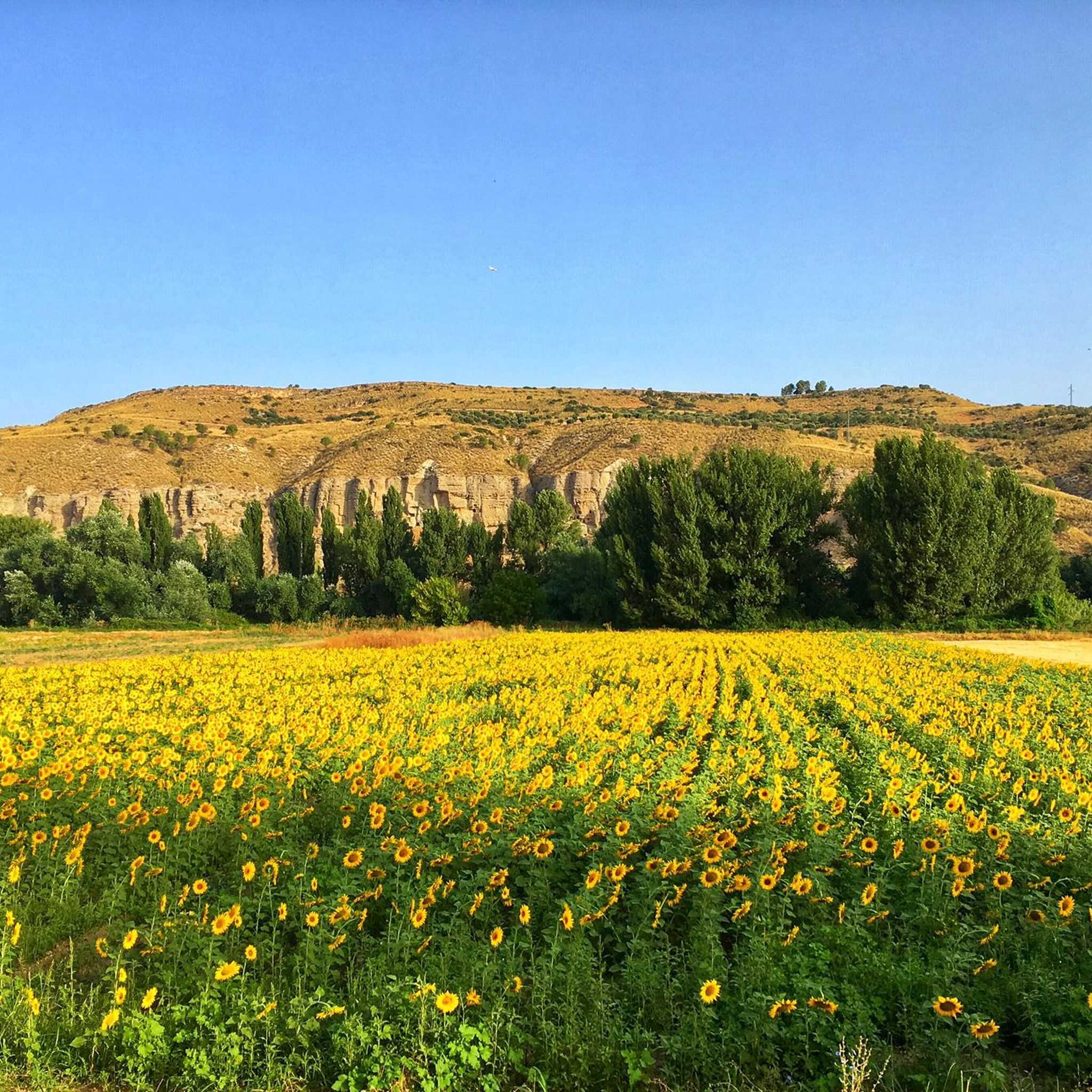
The Valdilecha landscape is characterized by its agricultural use, particularly vineyards and olive groves, which cover the hills and ravines. The valley floor features market gardens, and along the watercourses, you'll find white poplars. These agricultural elements, combined with aromatic herbs like thyme on the slopes, contribute to the region's distinctive natural environment.
Most popular attractions around Valdilecha

Get inspired with the komoot mobile app


Explore more
Extend your search for the best caves by checking out these guides of the top ones around Valdilecha:
