The best walks and hikes around Valdilecha
4.9
(32)
221
hikers
45
hikes
Hiking around Valdilecha offers diverse landscapes, characterized by a blend of agricultural plains and rugged valley terrain, featuring hills and ravines. The area includes scenic vineyards, olive groves, and a significant pine forest, providing varied environments for outdoor activities. Geological formations like Peña del Reloj and La Cárcava add to the natural interest, alongside several natural springs. This variety caters to different hiking preferences, from gentle strolls across fields to more challenging ascents.
Best hiking trails around Valdilecha
- The most…
Last updated: June 27, 2026
5.0
(2)
3
hikers
10.4km
02:15
140m
150m
Moderate hike. Good fitness required. Mostly accessible paths. Sure-footedness required.
5.0
(2)
8
hikers
12.5km
03:32
250m
250m
Moderate hike. Good fitness required. Easily-accessible paths. Suitable for all skill levels.

Sign up for free
5.0
(1)
7
hikers
11.8km
03:02
50m
50m
Moderate hike. Good fitness required. Easily-accessible paths. Suitable for all skill levels.
5.0
(2)
7
hikers
7.89km
02:17
180m
180m
Moderate hike. Good fitness required. Easily-accessible paths. Suitable for all skill levels.
4.0
(2)
4
hikers
Moderate hike. Good fitness required. Easily-accessible paths. Suitable for all skill levels.
Get access to more routes and recommendations from other explorers.
Sign up for free
Already have an account?
Our route recommendations are based on thousands of hikes, rides, and runs completed by other people on komoot.
Start today with a free account
Your next adventure awaits.
Login or Signup

Tips from the Community

The Las Aguaderas viewpoint is located at a crossroads, taking advantage of a rise in the terrain. It features a pergola, a bench, and an interpretive panel dedicated to the "Las Aguaderas Area," a new section focusing on local customs linked to water and agriculture. The trail turns right and climbs the farm track that descends from the plateau. The initial steep section is impressive, but the climb only lasts a few minutes. The track reaches the edge of the plateau and continues through olive groves, holm oaks, and barren hills to the Camino de los Moledores (Wheelers' Path). The hiking route turns left, and now a steep descent to the valley floor begins.
0
0
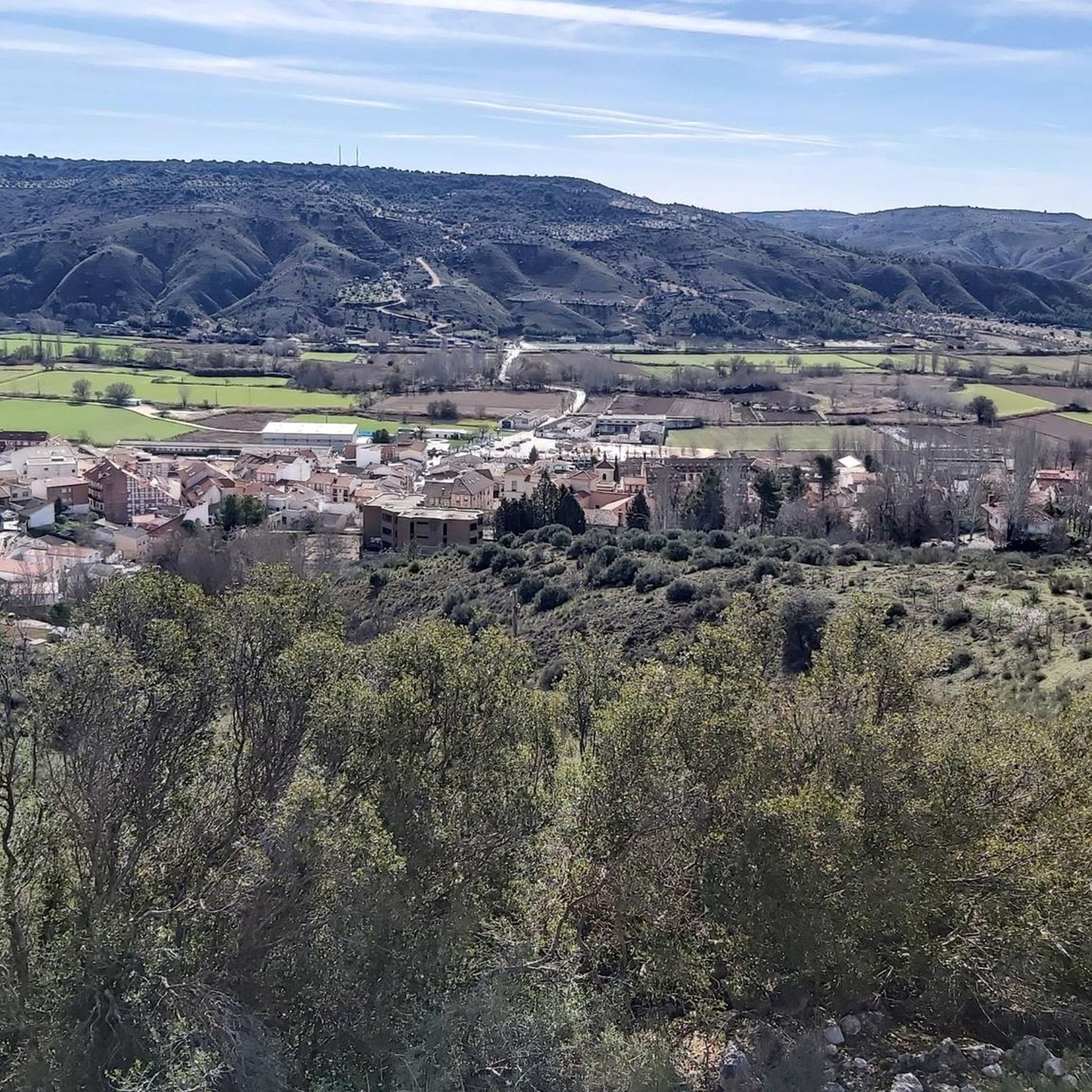
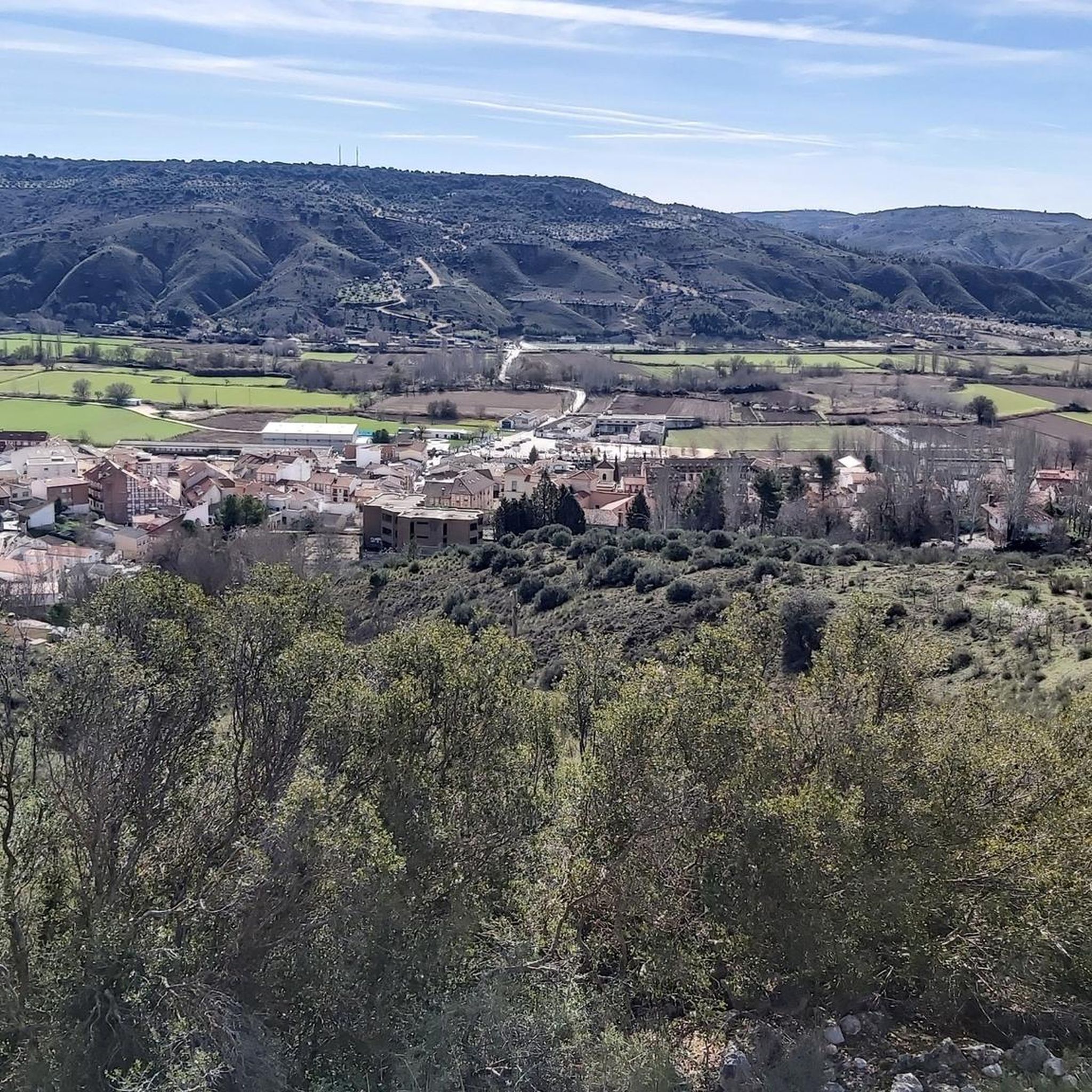
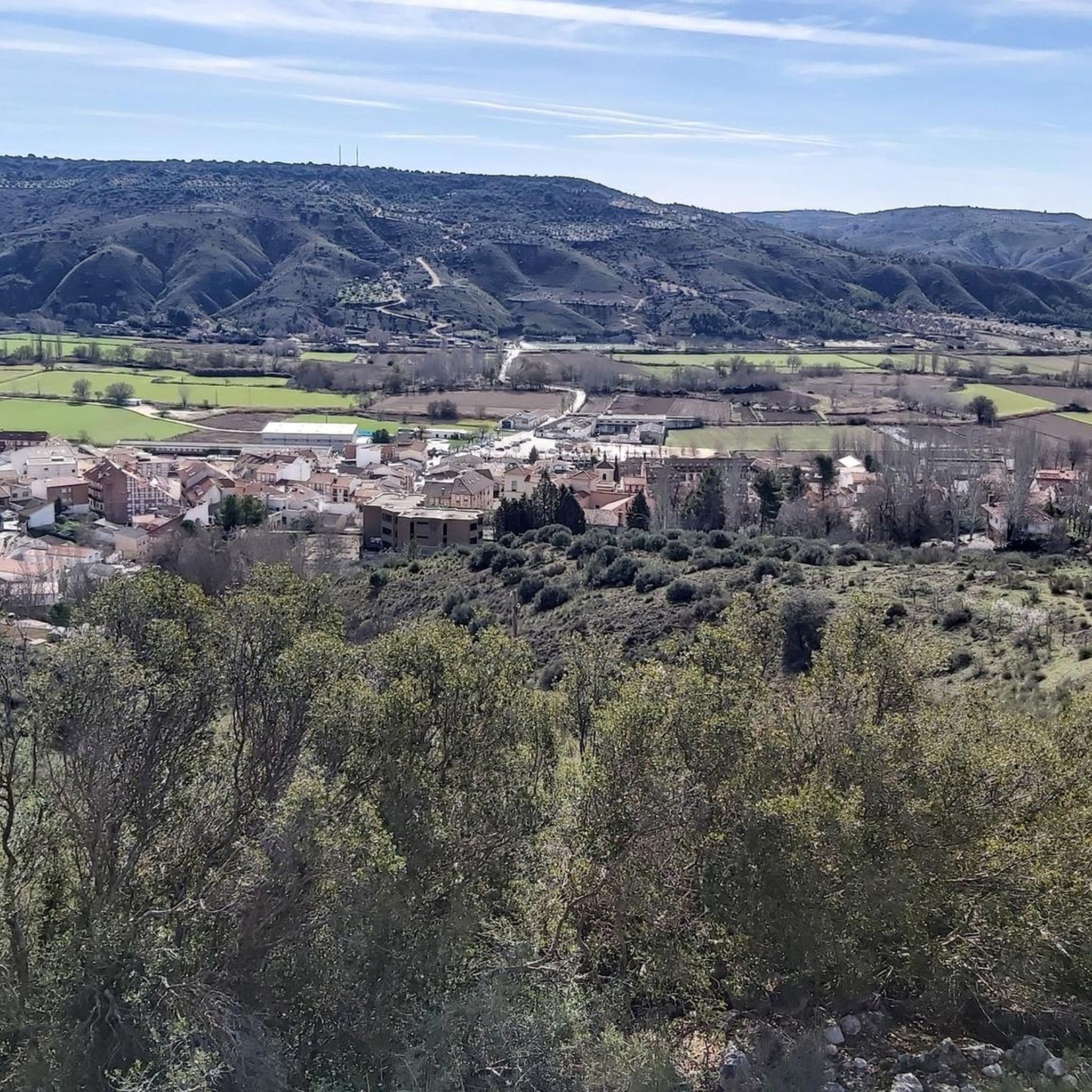
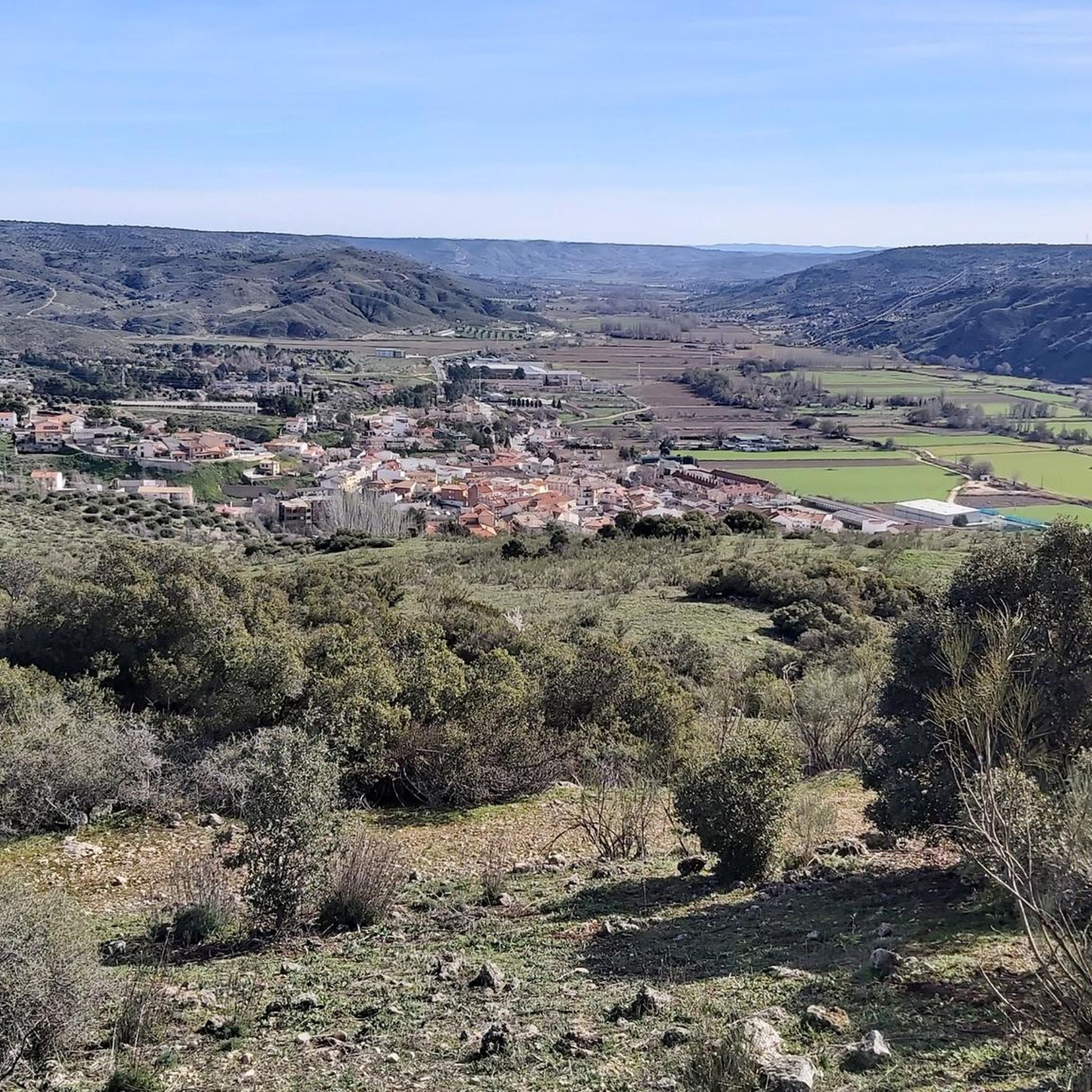
The walk along the hillside is fantastic, a true flight over the meadows, villages, and rural landscapes of the Tajuña River valley. The path runs along the mountainside and passes by the Fuente del Arce (Maple Spring), another of Tielmes' historic springs. It's located at the bottom of a ravine, with a stone wall and a spout with a small basin that is usually dry in summer. Nearby is the Fuente del Sacristán (Sacristan's Spring), somewhat hidden. Shortly after, the bench at the Mirador Vega del Tajuña (Tajuña Valley Viewpoint) appears in a clearing along the path, offering views of Tielmes, the meadow, and the hamlet of Valdilecha at the bottom of the Vega stream valley. The trail continues along the same path and begins the descent to the next viewpoint.
0
0
The sign marking the start of the Tielmes Viewpoints Route is at the junction of the San Isidro Hermitage and the Tajuña Greenway. The first kilometer of the climb is quite steep along a well-maintained rural track. The first viewpoint is nearby; it's called the "Most Beautiful Bench," and it features an interpretive lectern and a bench with the words "Tielmes Is Heart" emblazoned on the back. It faces the town of Tielmes and the Tajuña River valley, making for a pleasant stop after the initial climb. The viewpoint's information panel offers a description of the views entitled "A Landscape Shaped by Water," providing an introduction to the culture of water, the fertile plains, and the orchards of the Las Vegas region of Madrid. The route continues uphill along the Camino del Llano de las Cabras (Goat Plain Path), offering spectacular panoramic views. At the edge of the plateau, at the top of the steep climb, the main path continues straight ahead, while the Viewpoints Route veers off to the left.
0
0

Located in the middle of a very steep slope with low-grip gravel, you can stop to admire the scenery and reflect on life in general...
0
0
The Bosque de Perales is an extraordinary forest mass of holm oak, juniper, kermes oak, hawthorn, sage, thyme, lavender and the rest of the flora and scrub of the Mediterranean mountain range between the rural moorland of La Mesa and the Tajuña river plain. There are hardly any crops in the Bosque, it is a fairly naturalised forested hillside that serves as a refuge for fauna and preserves valuable botanical and forest ecosystems.
0
0
Perales de Tajuña is strategically located in the Tajuña valley, a passage for ancient Roman roads, pastoral paths and medieval paths that have attracted the interest of all the cultures that have inhabited the southeast of the province of Madrid since the Iberians. The Romans and the Arabs were the main creators of the network of dams and weirs that are still essential in the distribution of irrigation water in the Tajuña orchards. The town has streets that maintain the medieval layout on the side of the valley, they are narrow, stepped and steep, connected by ramps and steps. In the Plaza de la Constitución is the Town Hall, built in the time of Charles III in the old Council House. And nearby is the monumental Baroque style Mariblanca Fountain, called the Ball Game by the local population.
0
0
Perales de Tajuña is strategically located in the Tajuña valley, a passage for ancient Roman roads, pastoral paths and medieval paths that have attracted the interest of all the cultures that have inhabited the southeast of the province of Madrid since the Iberians. The Romans and the Arabs were the main creators of the network of dams and weirs that are still essential in the distribution of irrigation water in the Tajuña orchards. The town has streets that maintain the medieval layout on the side of the valley, they are narrow, stepped and steep, connected by ramps and steps. In the Plaza de la Constitución is the Town Hall, built in the time of Charles III in the old Council House. And nearby is the monumental Baroque style Mariblanca Fountain, called the Ball Game by the local population.
0
0
It is a rural sanctuary of great symbolic and devotional value for the inhabitants of Tielmes on the Tajuña Green Route. The temple is dedicated to the child martyrs Justo and Pastor at the foot of the Risco de los Mártires, the gullies where the children hid with their mother fleeing from local tyranny. The building is from the 18th century and is built of simple masonry.
0
0
Frequently Asked Questions
How many hiking trails are available in Valdilecha?
Valdilecha offers a wide selection of hiking opportunities, with over 45 routes available. These range from easy strolls across agricultural plains to more moderate trails through varied terrain.
What kind of terrain will I encounter on hikes in Valdilecha?
The landscape around Valdilecha is quite diverse, featuring a blend of agricultural plains, rugged valleys, hills, and ravines. You'll find scenic vineyards, olive groves, and a significant pine forest. Geological formations like Peña del Reloj and La Cárcava also add to the natural interest.
Are there any easy or family-friendly hiking routes in Valdilecha?
Yes, Valdilecha has 21 easy routes suitable for families and beginners. Many agricultural paths offer gentle walks, and the Picturesque bridge – Pine Forest Trail loop from Orusco de Tajuña is a moderate option that passes through a beautiful pine forest, which is equipped for rest and picnics.
Can I bring my dog on the hiking trails in Valdilecha?
Most hiking trails in Valdilecha are suitable for dogs, especially the numerous agricultural paths and routes through natural areas like the pine forest. Always ensure your dog is under control and respect local regulations regarding wildlife and livestock.
What natural features or landmarks can I see while hiking in Valdilecha?
Valdilecha is rich in natural features. You can explore the magnificent pine forest, discover geological formations like Peña del Reloj, La Dehesilla, and La Cárcava, or visit several natural springs such as "La del Conejero" and "Fuente del Vivar." The Goyeneche Palace of Nuevo Baztán and Civil War Caves are also nearby attractions.
Are there any circular hiking routes in Valdilecha?
Yes, many routes in Valdilecha are circular, allowing you to start and end in the same location. Examples include the 40-Day Train Greenway Loop from Villar del Olmo, which offers historical sites and scenic viewpoints, and the Puente del Tajuña – Tajuña Greenway loop from Tielmes, which follows a riverside path.
What is the best time of year to go hiking in Valdilecha?
Spring and autumn are generally the best seasons for hiking in Valdilecha due to milder temperatures. In late February and March, the blossoming almond trees offer a particularly beautiful sight. Spring also allows you to enjoy routes like the Ruta del Cereal when the fields are lush.
Where can I park when hiking in Valdilecha?
Valdilecha offers various parking options, particularly near the town center and trailheads. Many routes, especially those starting from nearby villages, have designated parking areas. The pine forest also has equipped areas for rest and picnics, often with parking nearby.
What wildlife might I see on the trails?
The region is home to diverse wildlife. You might spot partridges, hares, and great bustards in the plains, while rabbits and even foxes can be found in the more intricate terrains. The area is also rich in aromatic herbs like thyme.
What do other hikers enjoy most about hiking in Valdilecha?
The area is highly rated by the komoot community, with an average score of 4.9 stars from over 30 reviews. Reviewers often praise the varied terrain, from agricultural plains to pine forests, and the tranquility of the natural environment. The well-maintained network of trails and the opportunity to explore natural landmarks are also frequently highlighted.
Are there any routes that feature natural springs or water sources?
Yes, the region is known for its natural springs. The 'Ruta de las Fuentes' specifically explores the 'El Conejero' area, featuring springs like "La del Conejero" and "Fuente del Vivar." Near the "El Rejal" spring, there's also a picnic area where hikers can relax by the water.
How can I get to Valdilecha using public transport?
Valdilecha is accessible by bus from Madrid. You can check local bus schedules for routes connecting Madrid to Valdilecha to plan your journey. Once in Valdilecha, many trailheads are within walking distance or a short local transfer.
Most popular attractions around Valdilecha

Get inspired with the komoot mobile app


Explore more
Browse the best Hikes in other regions.
