Top 7 Natural Monuments around Alamedilla
Best natural monuments around Alamedilla feature a landscape shaped by unique geological processes within the Geoparque de Granada. This region is characterized by distinctive badlands, ancient travertine formations, and significant natural features. These natural areas provide varied terrain for exploration, showcasing the area's geological history. Visitors can discover a range of natural attractions, from thermal springs to impressive rock structures.
Best natural monuments around Alamedilla
- The most popular natural monuments is Winding Road Through Geoparque de Granada, a trail…
Last updated: July 1, 2026
Acequia del Toril
Highlight • Natural Monument
Translated by Google •
Tip by

Winding Road Through Geoparque de Granada
Highlight • Trail
Translated by Google •
Tip by

Sign up now to discover places like this
Get recommendations on the best single tracks, peaks, & plenty of other exciting outdoor places.
Sign up for free
Alicún de las Torres Thermal Springs
Highlight • Natural Monument
Translated by Google •
Tip by
Hoya de Guadix
Highlight (Segment) • Natural
The Hoya de Guadix is a tectonic depression that has been filled over millions of …
Translated by Google •
Tip by
Travertine Spring Wall, Geoparque de Granada
Highlight • Natural Monument
Translated by Google •
Tip by

Sign up for free to discover even more natural monuments around Alamedilla.
Sign up for free
Already have an account?
Start today with a free account
Your next adventure awaits.
Login or Signup
Popular around Alamedilla
Tips from the Community

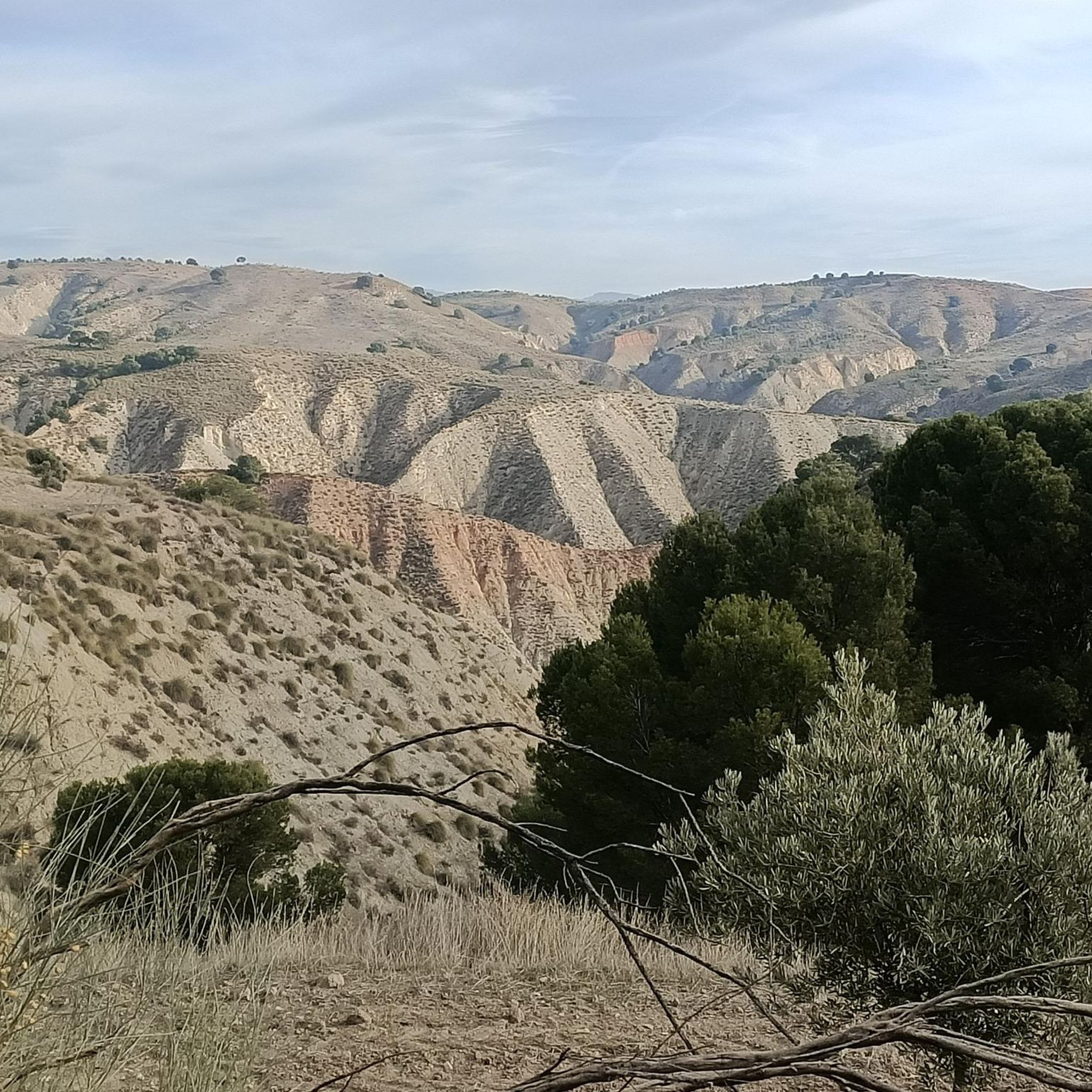
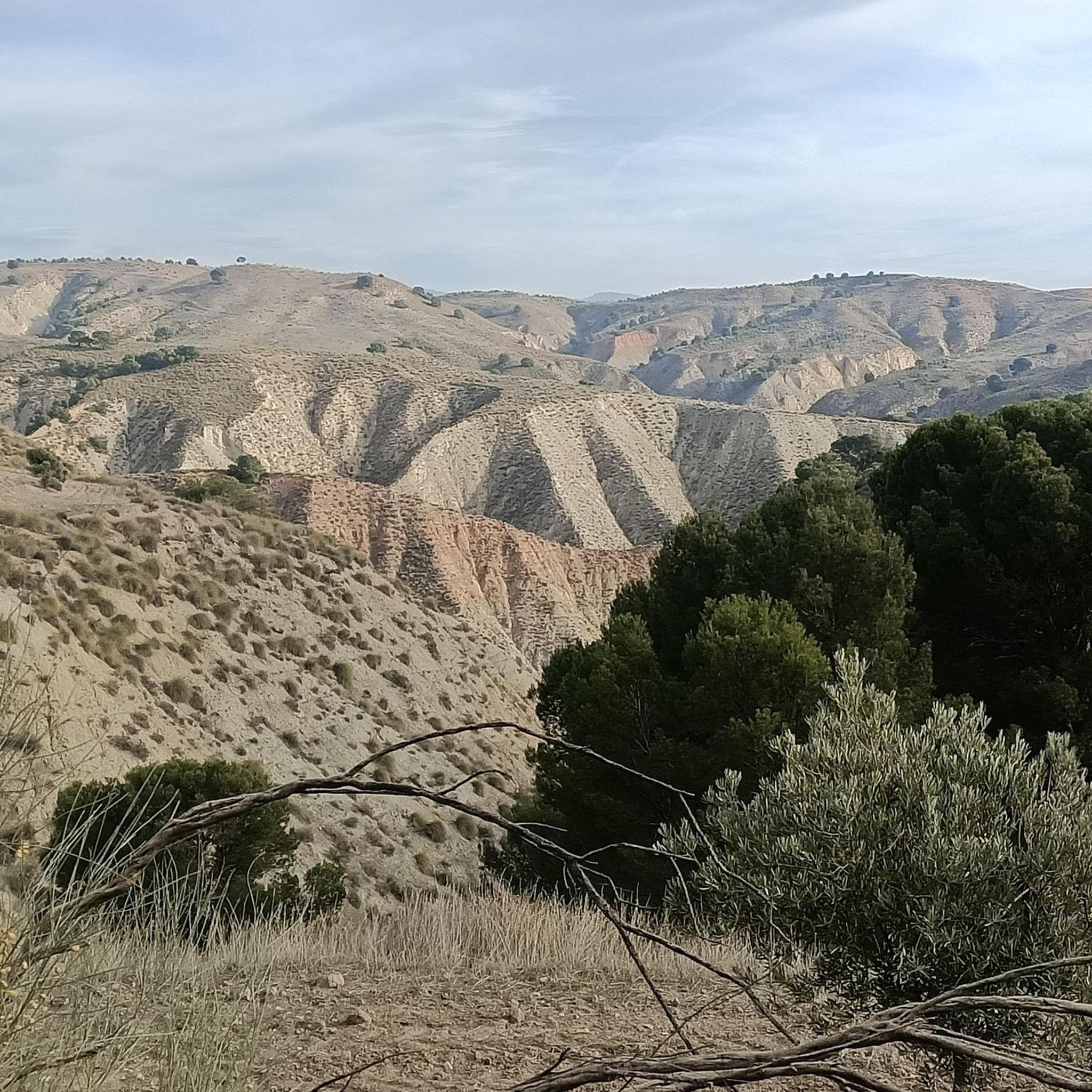
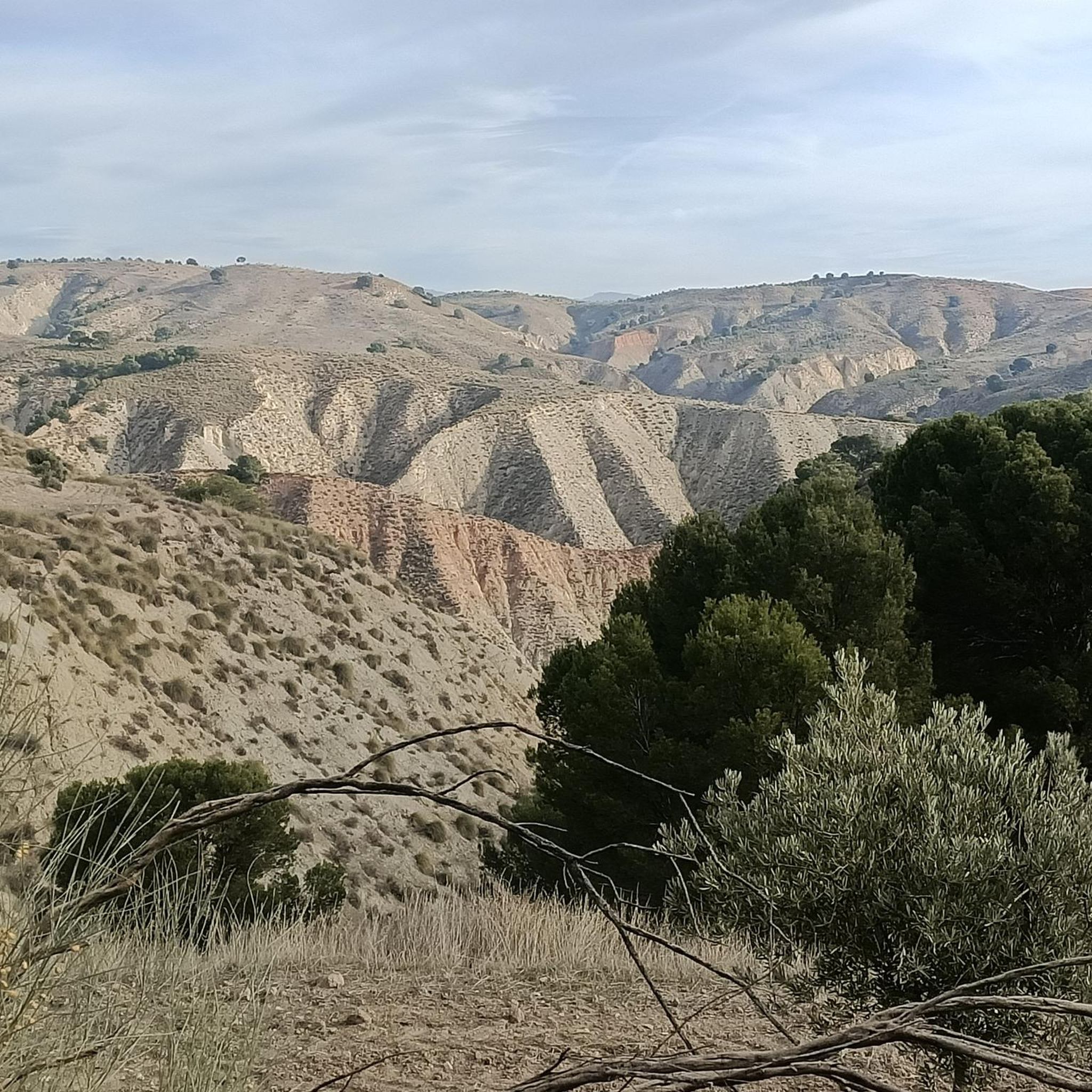
Beautiful striking landscape. Towards Dehesas de Guadix it starts to climb. After all we leave the valley of the Rio Fardes and drive to the valley of the rio Guadahortuna.
6
0
Beautiful road through the northern part of the Hoya de Guadix, along the Rio Fardes. The Hoya de Guadix is a tectonic depression that has been filled over millions of years with sediments from the surrounding mountain ranges. These sediments contain clay, sand, marl and gypsum, which contribute to the specific erosion patterns. The landscape is often dry and semi-arid, with clay hills and sandstone formations eroded by erosion known as "badlands" or in Spanish "cárcavas". These formations create a unique and sometimes alien-looking landscape with different colors, ranging from white and ochre to red and purple.
6
0

Hydrogeological studies show that the thermal waters of Alicún de las Torres come mainly from the carbonate aquifer of the Sierra de Baza and, to a lesser extent, from the waters of the Mencal aquifer. Scientists estimate that the aquifer is located at a depth of at least 650 to 800 meters.
7
0
The Troil Canal. According to scientists, they date back at least 3600 years ago. Due to the precipitation of calcium carbonate, these canals grew and continuously formed these amazing walls (some of them are 4 meters wide at the base, less than a meter wide at the top, 15 meters high and reach a length of almost 750 meters
6
0

A very interesting natural phenomenon that goes back to the first humans and beyond. An old calcareous water source that has been building itself for many thousands of years to the wall it has become today. At the top, the water still flows abundantly through the source. The water is still clearly visible on the road side, as the surrounding ground is even higher.
2
0
Special natural phenomenon that goes back to the first people and beyond. An old calcareous water source that has been building itself for many thousands of years to the wall it has become today. At the top, the water still flows abundantly through the source. The water is still clearly visible on the road side, as the surrounding ground is even higher.
1
0

The aqueduct or Acequia del Toril, is a travertine formation (porous limestone), in the form of a wall.
4
0

Rock formations through minerals from the water.
0
0
Frequently Asked Questions
What unique geological features can I explore around Alamedilla?
The region around Alamedilla, situated within the Geoparque de Granada, is renowned for its distinctive geological formations. You can discover ancient travertine formations, such as the impressive Acequia del Toril, a natural monument formed by porous limestone that has grown for millennia. The area also features striking badlands, or 'cárcavas', particularly visible in the Hoya de Guadix, which showcase unique erosion patterns.
Are there any thermal springs or unique water features in the natural monuments near Alamedilla?
Yes, the area is home to the Alicún de las Torres Thermal Springs. These natural springs are a significant hydrogeological feature, with waters originating from deep carbonate aquifers. Additionally, you can visit the Travertine Spring Wall, Geoparque de Granada, a special natural phenomenon where a calcareous water source has built up an impressive wall over thousands of years.
What kind of views can I expect when visiting the natural monuments?
Many natural monuments offer scenic vistas of the unique landscape. For example, the Winding Road Through Geoparque de Granada provides striking views as it traverses the valleys of the Rio Fardes and Rio Guadahortuna. The elevated positions of formations like the Stone of Solana, mentioned in regional research, also suggest panoramic views of the surrounding area.
What outdoor activities are available near the natural monuments around Alamedilla?
The diverse terrain around Alamedilla is excellent for various outdoor activities. You can find numerous routes for road cycling, mountain biking, and general cycling. For example, there are challenging road cycling routes like 'Surrounding the Rio Guadahortuna' and moderate MTB trails such as 'Los Colorados – circular desde Villanueva de las Torres'. You can explore more options on the Road Cycling Routes around Alamedilla, MTB Trails around Alamedilla, and Cycling around Alamedilla guide pages.
Are there any historical sites or features linked to the natural monuments?
Yes, some natural features have historical significance. The Stone of Solana, near Alamedilla in Granada, is a 'natural fortress' believed to have served as a refuge during medieval times, with archaeological remains confirming its use. The Acequia del Toril, while a natural formation, has been utilized by settlers since prehistoric times to channel water from hot springs.
What do visitors particularly enjoy about the natural monuments in this area?
Visitors appreciate the unique geological formations and the striking landscapes. The Winding Road Through Geoparque de Granada is noted for its beautiful and striking scenery. The Acequia del Toril is admired for its impressive, naturally formed walls and its ancient origins. The area's badlands, with their distinct erosion patterns and varied colors, also captivate many.
What is the best way to experience the badlands landscape?
To best experience the badlands, or 'cárcavas', consider visiting the Hoya de Guadix. This tectonic depression features a landscape often described as dry and semi-arid, with clay hills and sandstone formations eroded into unique, sometimes alien-looking patterns. Driving or cycling through these areas, such as along the Rio Fardes, offers excellent views of these distinctive geological features.
Are there any easy or moderate routes for exploring the natural monuments?
While many routes in the region are intermediate or difficult, you can find moderate options for mountain biking, such as the 'Los Colorados – circular desde Villanueva de las Torres por el Desierto de Gorafe' route. For road cycling, the 'Dehesas de Guadix - Villanueva - Pedro Martínez Loop' is also rated as moderate. Always check the specific route details for difficulty before heading out.
How can I access the natural monuments, and is there public transport available?
Access to many natural monuments in the Geoparque de Granada region typically involves driving to trailheads or viewpoints. While specific public transport details for each monument are not provided, having a car generally offers the most flexibility for exploring the dispersed natural sites. It's advisable to research local transport options or consider car rental for optimal access.
What should I know about the formation of the Acequia del Toril?
The Acequia del Toril is a remarkable travertine formation, meaning it's made of porous limestone. It has been created entirely by nature over millennia through the continuous precipitation of calcium carbonate. This process has resulted in a winding, wall-like structure over 1.5 kilometers long, with some sections reaching up to 15 meters in height and several meters thick at the base.
Can I find any hidden gems or lesser-known natural spots?
The entire Geoparque de Granada area, with its unique badlands and ancient formations, can feel like a hidden gem compared to more conventional landscapes. The Travertine Spring Wall, Geoparque de Granada, for instance, is a special natural phenomenon that showcases the slow, continuous work of nature over thousands of years, offering a unique and less commonly known sight.
Most popular attractions around Alamedilla

Get inspired with the komoot mobile app


Explore more
Extend your search for the best caves by checking out these guides of the top ones around Alamedilla:
