Top 20 Natural Monuments around Cordoue
Best natural monuments around Cordoue offer diverse landscapes and unique ecosystems within the province of Cordoue, Spain. The region features dramatic limestone karst formations, extensive Mediterranean forests, and significant wetlands. These areas provide a contrast to the city's historical heritage, making them destinations for nature exploration. Cordoue's natural environment includes mountainous terrain, river systems, and protected lagoons.
Best natural monuments around Cordoue
- The most popular natural monument is Elephant Fountain, a man-made monument that was part of a Roman…
Last updated: July 1, 2026
Baños de Popea Waterfalls
Highlight • Waterfall
Translated by Google •
Tip by

Elephant Fountain
Highlight • Monument
Translated by Google •
Tip by

Sign up now to discover places like this
Get recommendations on the best single tracks, peaks, & plenty of other exciting outdoor places.
Sign up for free
Victoria Gardens
Highlight • Natural Monument
Translated by Google •
Tip by
First Spring of the Bejarano Stream
Highlight • River
Translated by Google •
Tip by

Alcubilla Spring
Highlight • Natural Monument
Translated by Google •
Tip by

Sign up for free to discover even more natural monuments around Cordoue.
Sign up for free
Already have an account?
Start today with a free account
Your next adventure awaits.
Login or Signup
Popular around Cordoue
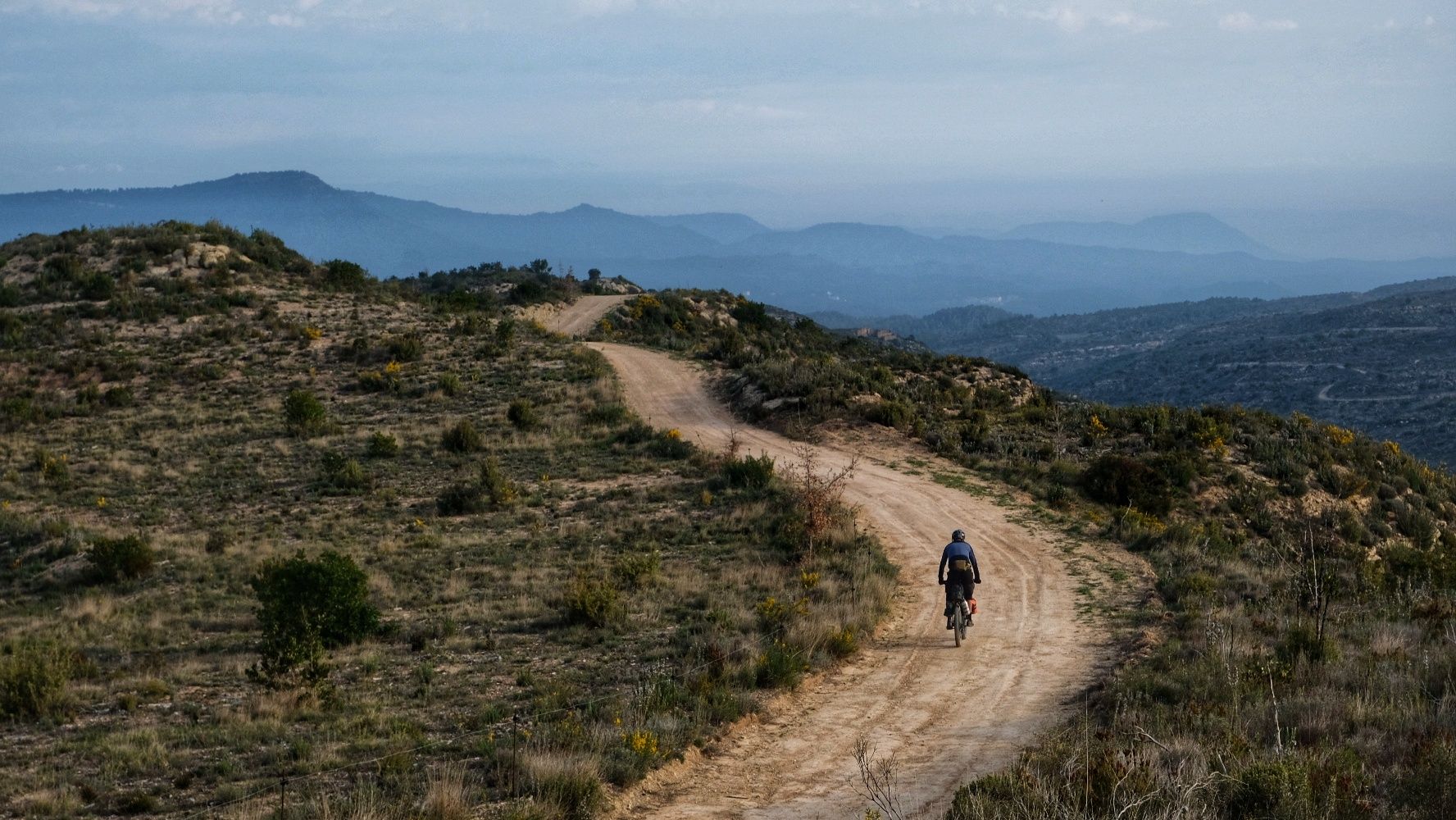
European Divide Trail — 7,600 km across the continent
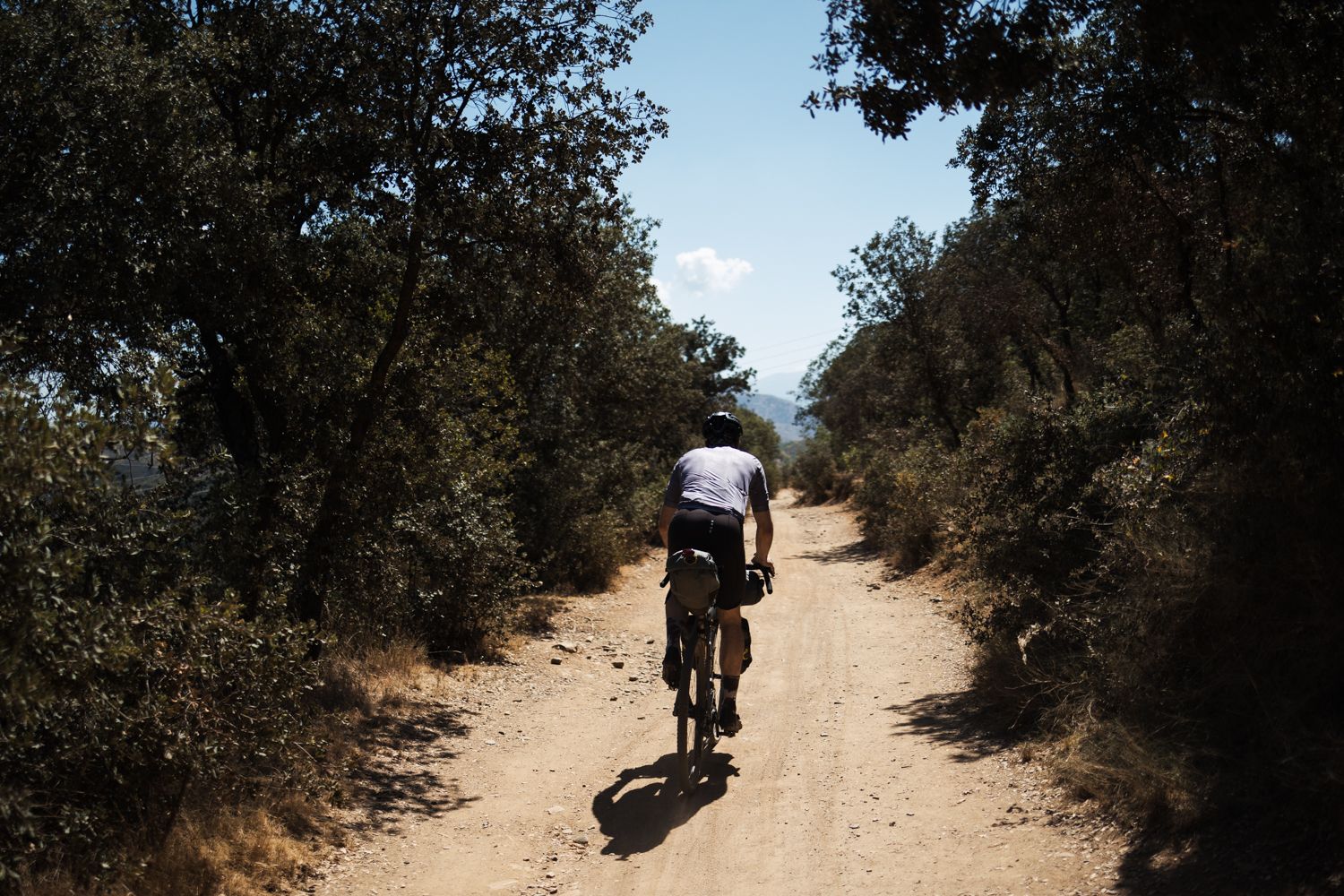
Mozarabic Way to Santiago – Gravel between two worlds
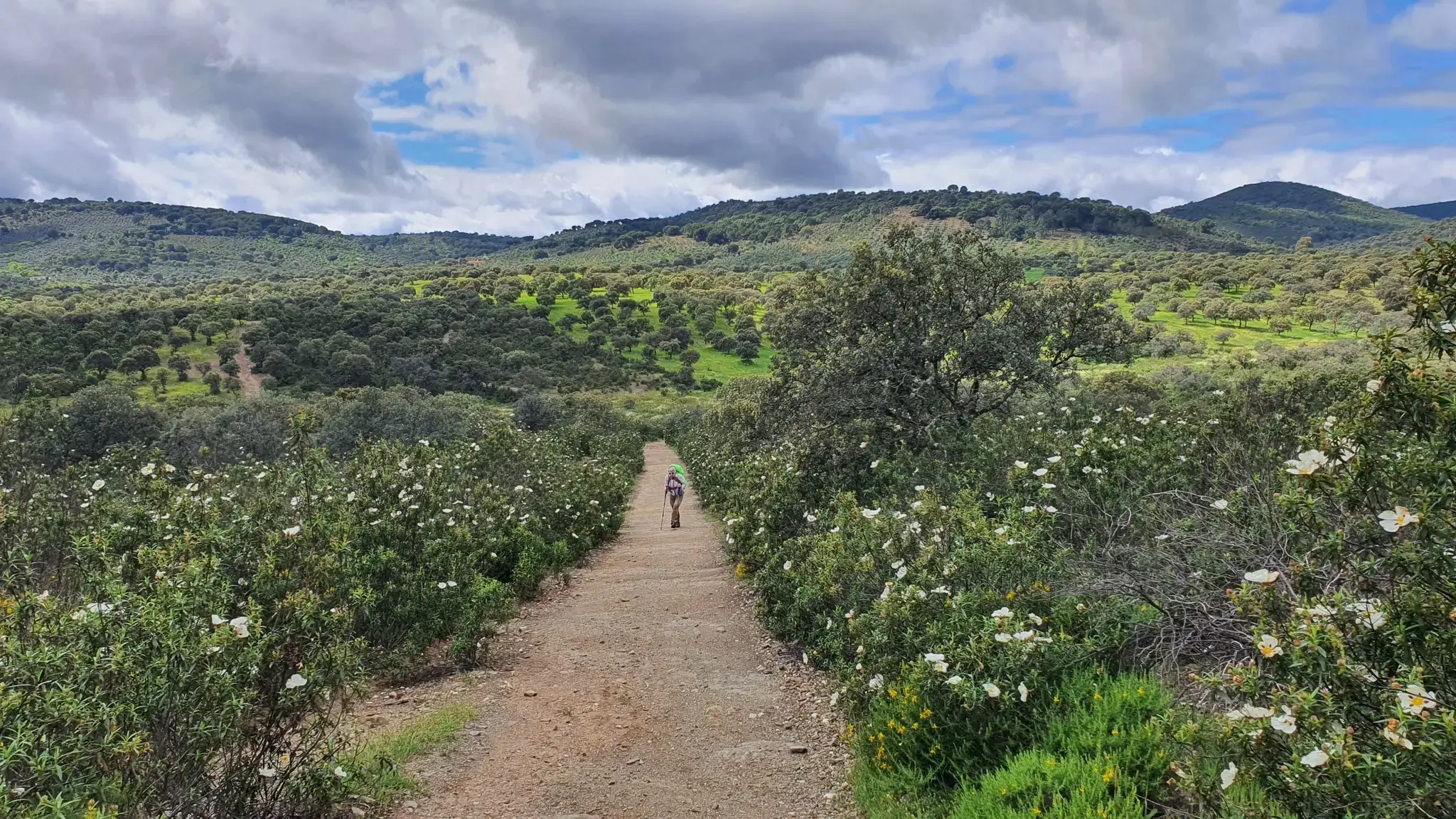
Pastures, Pedroches and farmhouses — Cañada Real Soriana (GR 40)
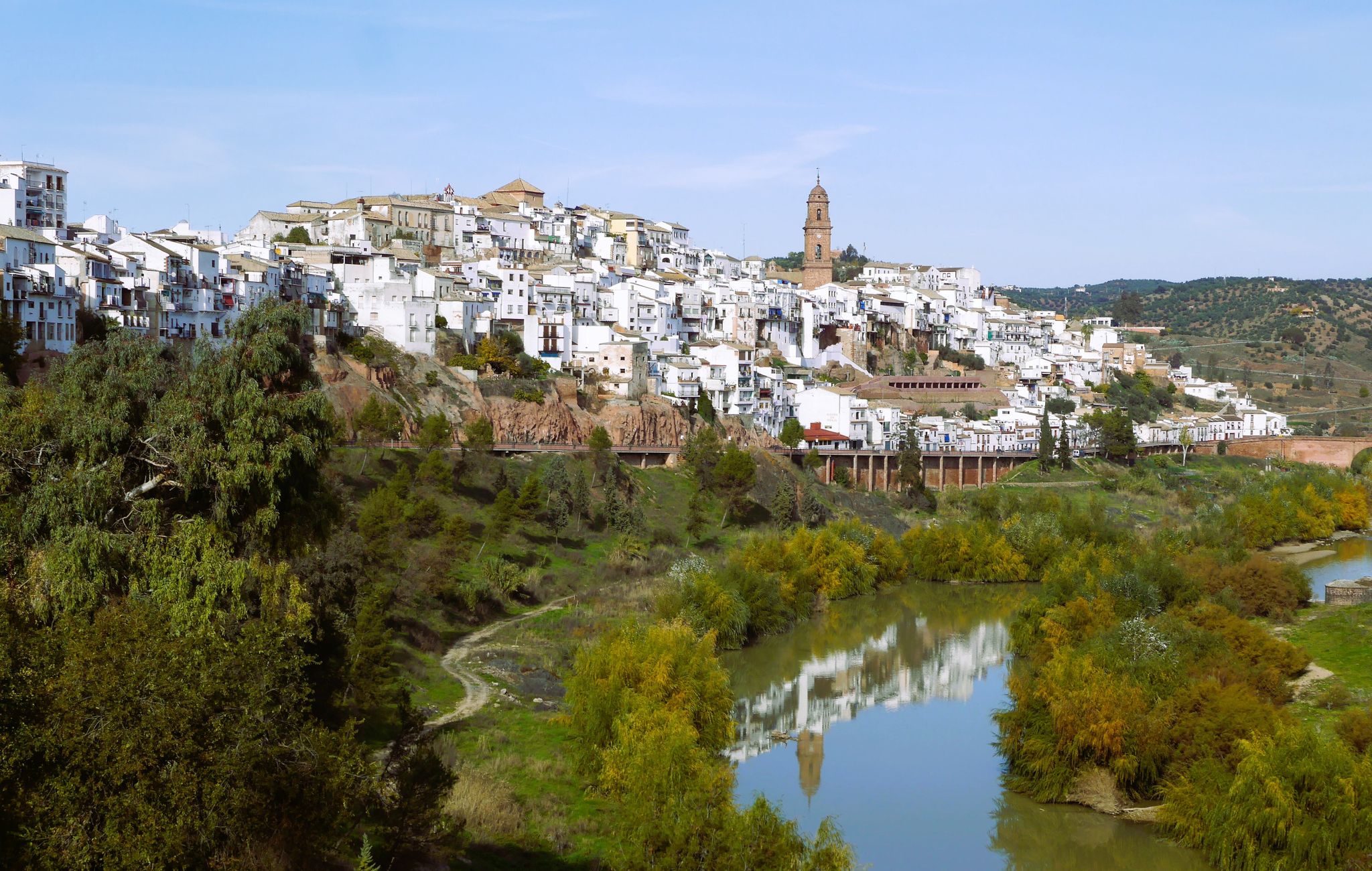
Hike the glorious countryside of Cordoba and Jaen – Sierra Morena (GR 48)
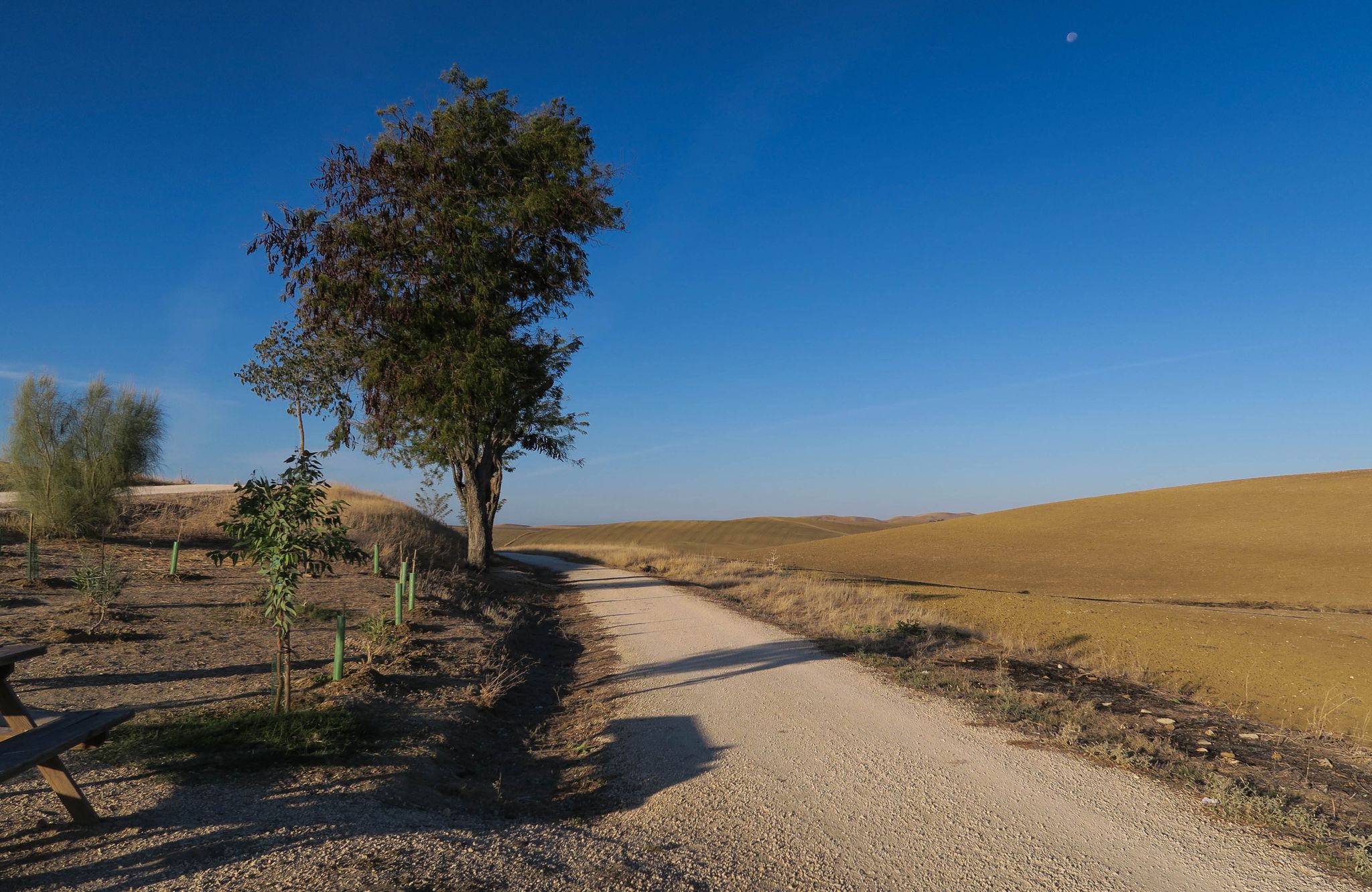
Cycle through the countryside of Spain’s Cordoba – Via Verde de la Campiña
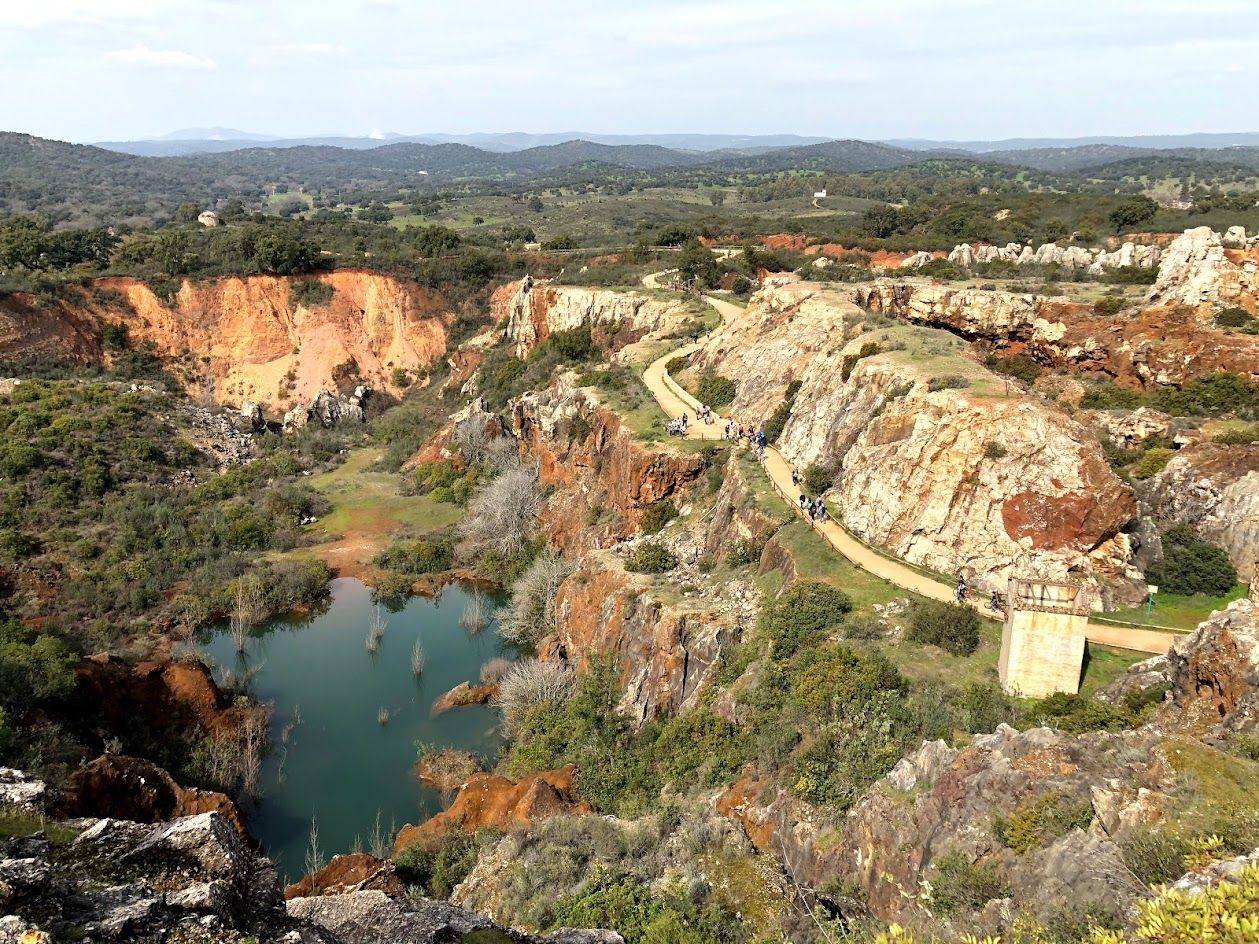
Journey through Spain’s Sierra Morena — Cordoba to Seville by bike
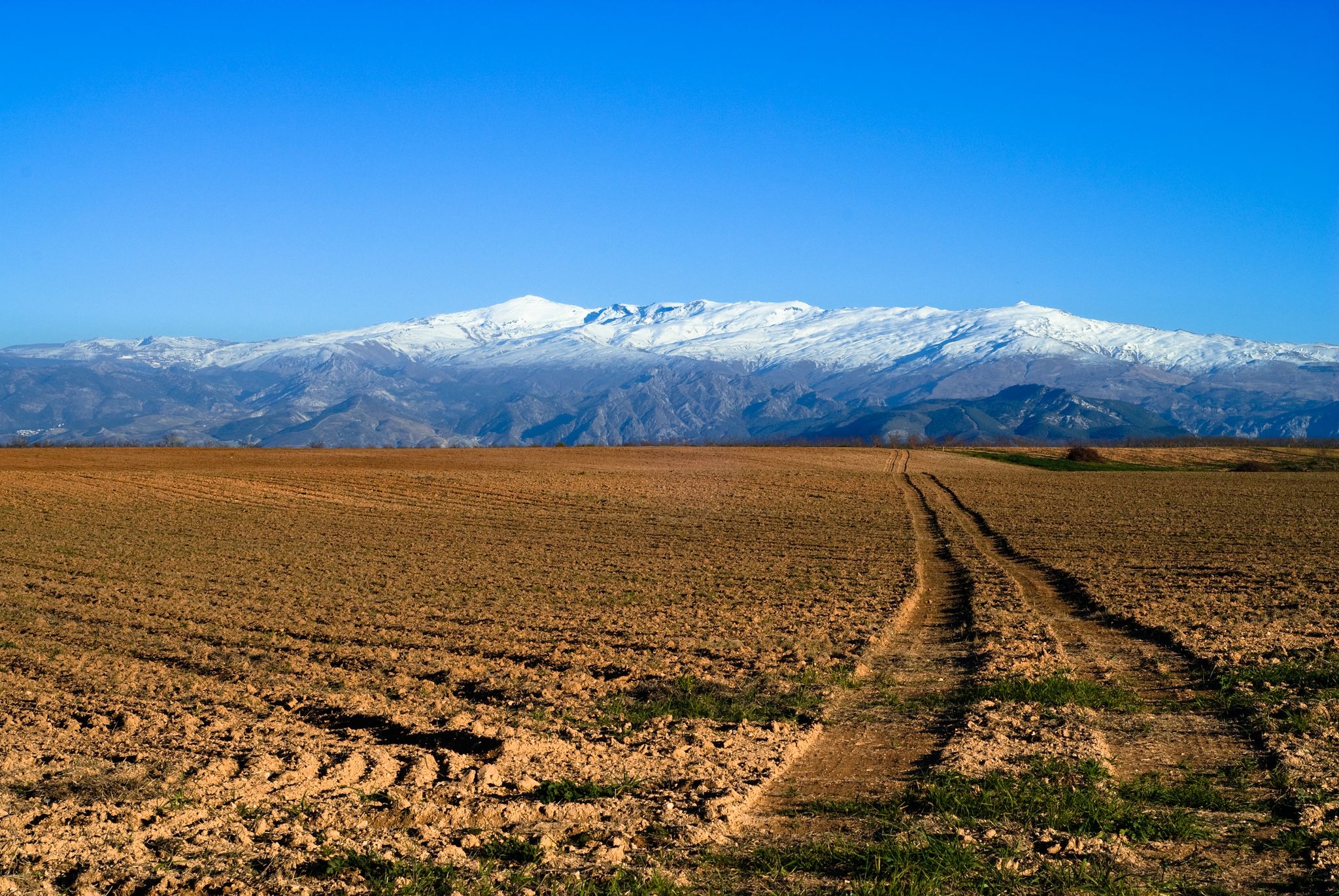
From the Alcazaba to the Alcazar – an Andalusian Adventure
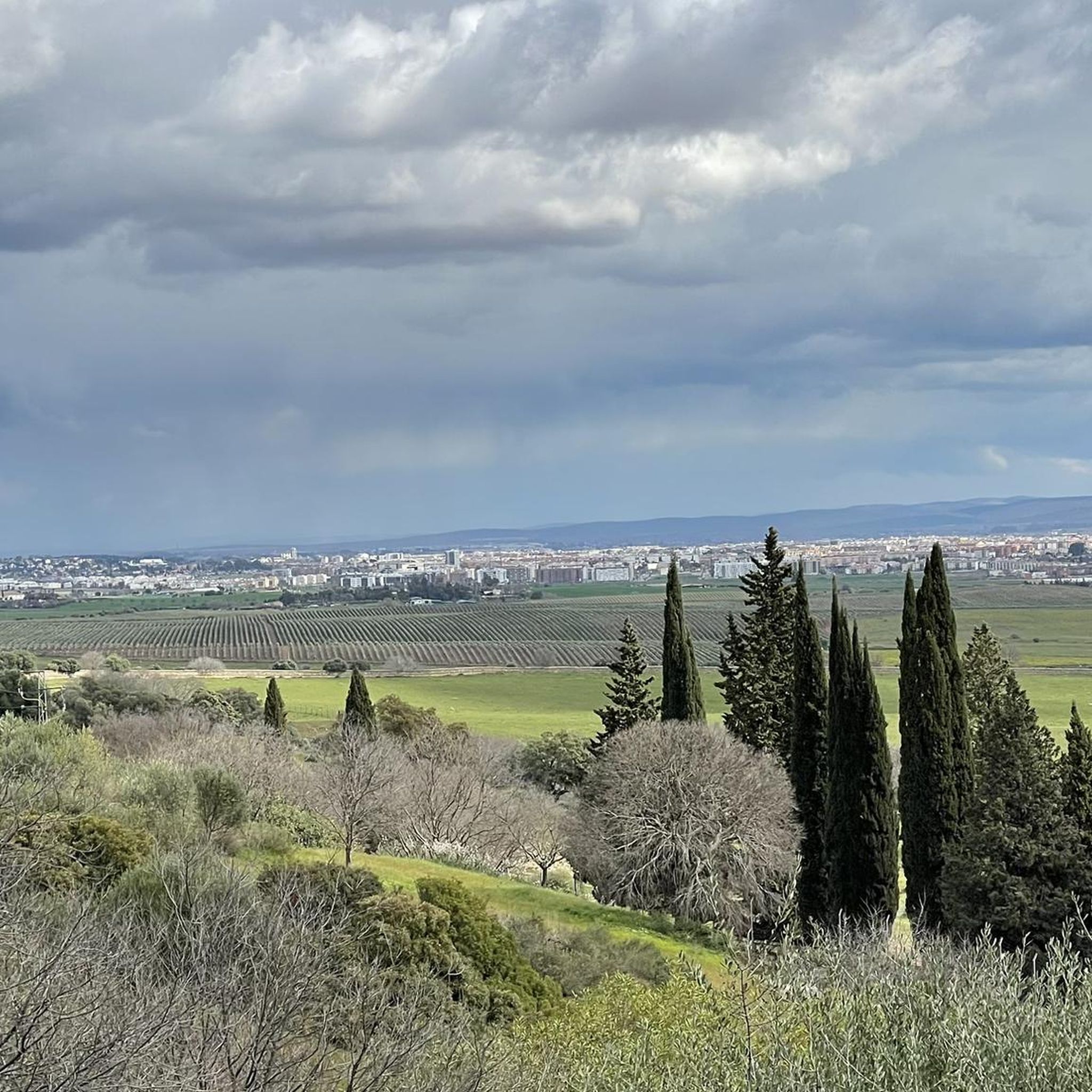
MTB Trails around Cordoue
Gravel biking around Cordoue
Other adventures around Cordoue


Tips from the Community

Located on the Caño Escaravita estate, just beyond the outlying neighborhood of Santa María de Trassierra. We found it in the western Sierra peri-urban district, next to the crossroads leading to the Ermitas and the Mirador de las Niñas, about fifteen kilometers from Córdoba. This is a zoomorphic water fountain on a pedestal from the Caliphate period, dating back to the 10th century. The sculpture represents a small elephant. Made of gray limestone from the Sierra Morena, it served as a support for the spout. The fountain is made up of three components: a water collection basin, a masonry pillar attached to it on its north side (which leads to a masonry irrigation ditch), and a rectangular pool located to the west of the canal. https://amedinacordoba.com/fuente-del-elefante/
1
0
The Baths of Poppaea are a natural stretch of small waterfalls alternating with small pools that follow the course of the Molino stream, near the mouth of the Guadiato River. This area was visited by Christopher Columbus. Its name comes from the place where the Cordoba poets of the Cántico Group used to visit, as during the Franco regime it was a safe place, away from the scrutiny of this intellectual group, as well as the homosexuality of some of them. One day, three members of the group, Pablo García Baena, Juan Bernier, and Ricardo Molina, were walking when they saw some girls bathing in the stream. The latter exclaimed, "Look, like Poppaea in the bath," referring to the Roman Empress Poppaea Sabina, a prominent figure at the time due to the film The Sign of the Cross (1932), in which actress Claudette Colbert appeared bathing in donkey's milk, just as the Empress did. The girls told the residents of Trassierra about this incident, and from then on, the story spread and became known as the Baths of Poppea. https://es.wikipedia.org/wiki/Ba%C3%B1os_de_Popea
2
0
A waterfall known as the "first spring of the Bejarano," whose water flow has always been active. There are few remains of an ancient structure from which the water flows: the aquifer catchment. The Romans knew how to harness this important spring, unique in these mountains, due to the large amount of water it provides every season (estimated at 20,000 to 35,000 m3/day). (Source: https://www.conocetusfuentes.com/ficha_detalle.php?id_fuente=10057)
1
0

The gardens were created in the 19th century on the site of a former monastery, the Convento de la Victoria, from which they take their name. The aim was to create a public space that would serve as a place of recreation for citizens. Over time, the gardens have been redesigned several times to adapt them to the growing city and the needs of the population. Today, the Jardines de la Victoria combine traditional elements with modern design elements. A striking building in the gardens is the Pavilion of Córdoba - Kiosko de la Música, which was originally used for cultural events such as concerts and exhibitions. In addition to their function as a recreational space, the gardens have been the setting for numerous cultural and social events. The gardens combine extensive lawns, palm trees, cypresses, and flowerbeds that reflect the Mediterranean climate. Shady paths, water fountains, and benches invite you to linger. An ideal place for a relaxing rest.
7
0

Please note that this highlight is also listed in the description as a parking spot. However, we found that it is not allowed to drive up to the indicated parking spot/start of the route with a car. Just park near the jardin de popea and start the hike from there, it will add 2.5 km to the distance but is not too bad.
1
0

A beautiful park on the old city wall with a small market.
5
0

Don't let illegal wells kill this place
1
0

This fountain is located on the Sierra Morena path between the Golf Club and the Los Villares campsite. It is a place that can satisfy the needs to cool off, but it is not recommended to drink (because it is not suitable for human consumption).
0
0
Frequently Asked Questions
What are some of the most popular natural monuments to visit around Cordoue?
Visitors frequently enjoy the Baños de Popea Waterfalls, a unique natural spectacle with small waterfalls and pools. Another popular spot is the Elephant Fountain, a man-made monument that was part of a Roman aqueduct. The First Spring of the Bejarano Stream, known for its historically active water flow and Roman utilization, is also a favorite.
Are there any natural monuments suitable for families with children?
Yes, several natural monuments are family-friendly. The Elephant Fountain and First Spring of the Bejarano Stream are easily accessible. The Victoria Gardens offer a pleasant urban green space with facilities. Additionally, the Baños de Popea area is known for an easy hiking route suitable for families, allowing enjoyment of serene natural pools and historical mining remnants.
What kind of hiking trails can I find near Cordoue's natural monuments?
The region offers diverse hiking opportunities. The Sierras Subbéticas Natural Park is ideal for exploring dramatic limestone karst formations and enjoying panoramic views. The Sierra de Hornachuelos Natural Park features various trails, including the Botanical Path of Huerta del Rey, through well-preserved Mediterranean forests. For more specific routes, you can explore guides like MTB Trails around Cordoue, which also include hiking-friendly sections.
Are there any natural monuments with historical or archaeological significance?
Absolutely. The Elephant Fountain was part of a Roman aqueduct that supplied water to Medina Azahara. The First Spring of the Bejarano Stream shows remnants of ancient structures utilized by Romans. Further afield, the Zuheros Bat Cave (Cueva de los Murciélagos) within the Sierras Subbéticas Natural Park is notable for its archaeological significance, having been inhabited from the Mid-Paleolithic period through Roman times, and features cave paintings.
Where can I go for water activities or swimming near Cordoue?
For water activities, the Reservoir of Iznájar and its Valdearenas beach are excellent choices. This inland beach is considered one of Andalusia's best for swimming and offers opportunities for boat rides and water sports like kayaking, surrounded by pine forests.
What is the best time of year to visit the natural monuments around Cordoue?
The spring and autumn months generally offer the most pleasant weather for exploring Cordoue's natural monuments, with milder temperatures ideal for hiking and outdoor activities. Summers can be very hot, especially in inland areas, while winters are generally mild but can be wet.
Are there opportunities for wildlife spotting or birdwatching?
Yes, the region is rich in wildlife. The Lagunas del Sur (Southern Lagoons), particularly Laguna de Zóñar, are designated Nature Reserves and crucial wintering and nesting sites for migratory birds, making them a paradise for birdwatchers. The Sierra de Hornachuelos Natural Park is home to diverse fauna, including vultures, eagles, and black storks, offering chances for wildlife observation in its lush Mediterranean forests.
Are there any natural areas within the city of Cordoue itself?
Yes, the Sotos de la Albolafia is a unique natural monument located along the Guadalquivir River, right within the city of Cordoue. It stretches from the Roman Bridge to the San Rafael Bridge and hosts over 120 species of fauna and diverse flora, offering a blend of urban and natural environments easily accessible from the city center.
What kind of natural features can I expect to see in the Cordoue province?
The province of Cordoue boasts a wide array of natural features. You can find dramatic limestone karst formations and high peaks in the Sierras Subbéticas, extensive Mediterranean forests in the Sierra de Hornachuelos and Sierra de Cardeña y Montoro, and significant wetlands and lagoons like the Lagunas del Sur. There are also numerous springs and waterfalls, such as the Baños de Popea Waterfalls and the First Spring of the Bejarano Stream.
Are there any natural monuments that are also good viewpoints?
Many natural areas offer stunning views. The Sierras Subbéticas Natural Park, with its abrupt peaks reaching over 1,500 meters, provides breathtaking panoramic views of the Subbética mountain range. The Baños de Popea Waterfalls area is also considered a viewpoint, offering picturesque natural scenery.
What outdoor activities, besides hiking, can I do near these natural monuments?
Beyond hiking, the region offers various outdoor activities. The Reservoir of Iznájar is excellent for swimming, boat rides, and water sports like kayaking. For cycling enthusiasts, there are numerous routes, including gravel biking and mountain biking trails. You can find more details in guides such as Gravel biking around Cordoue and MTB Trails around Cordoue.
Is there parking available at the natural monuments?
Parking availability varies by location. For instance, when visiting the Baños de Popea Waterfalls, it's recommended to park near the Jardin de Popea and start your hike from there, as direct access to the indicated parking spot might be restricted. For other sites, it's advisable to check specific access information beforehand.

Get inspired with the komoot mobile app


Explore more
Extend your search for the best caves by checking out these guides of the top ones around Cordoue:
