The best traffic-free bike rides around Cordoue
4.5
(47)
861
riders
52
rides
Gravel biking around Cordoue offers diverse landscapes, from the rugged Sierra Morena to the rolling Sierras Subbéticas and the fertile Guadalquivir valley. The region is characterized by extensive olive groves, ancient geological formations, and limestone hills. Routes often follow disused railway lines, known as Vías Verdes, and traverse varied terrain suitable for gravel bikes. This area provides a blend of natural beauty and historical sites for cyclists.
Best no traffic gravel bike trails around Cordoue
- The most popular no traffic…
Last updated: July 15, 2026
5.0
(3)
44
riders
Hard gravel ride. Very good fitness required. Mostly paved surfaces. Suitable for all skill levels.
5.0
(3)
32
riders
56.5km
03:51
690m
690m
Hard gravel ride. Very good fitness required. Mostly paved surfaces. Suitable for all skill levels.

Sign up for free
27
riders
63.2km
03:43
350m
350m
Moderate gravel ride. Good fitness required. Mostly paved surfaces. Suitable for all skill levels.
5.0
(1)
20
riders
43.6km
03:31
850m
850m
Hard gravel ride. Very good fitness required. Mostly paved surfaces. Suitable for all skill levels.
4.4
(5)
29
riders
Hard gravel ride. Very good fitness required. Mostly paved surfaces. Suitable for all skill levels.
Get access to more routes and recommendations from other explorers.
Sign up for free
Already have an account?
Our route recommendations are based on thousands of hikes, rides, and runs completed by other people on komoot.
Start today with a free account
Your next adventure awaits.
Login or Signup
Popular around Cordoue
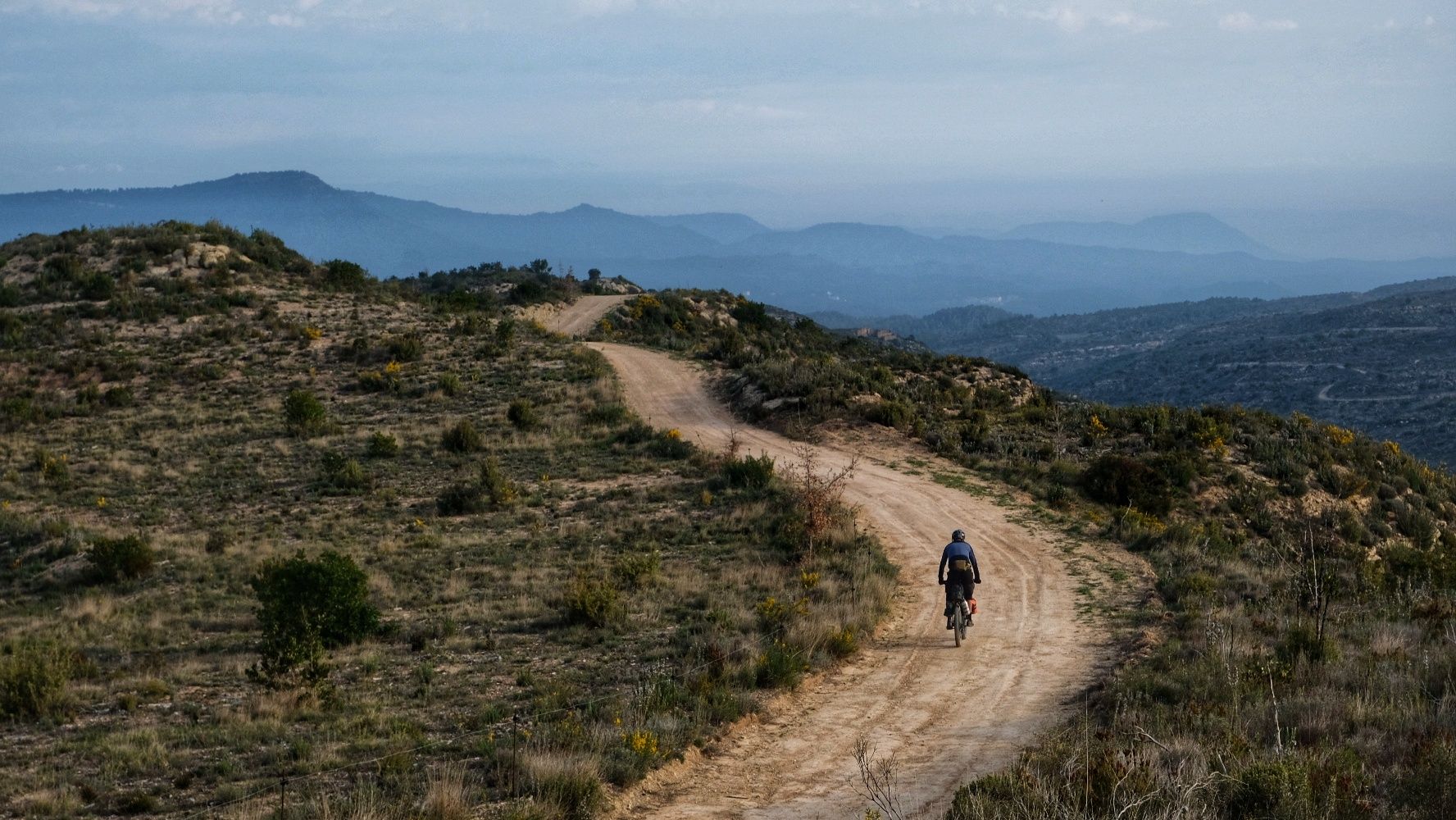
European Divide Trail — 7,600 km across the continent
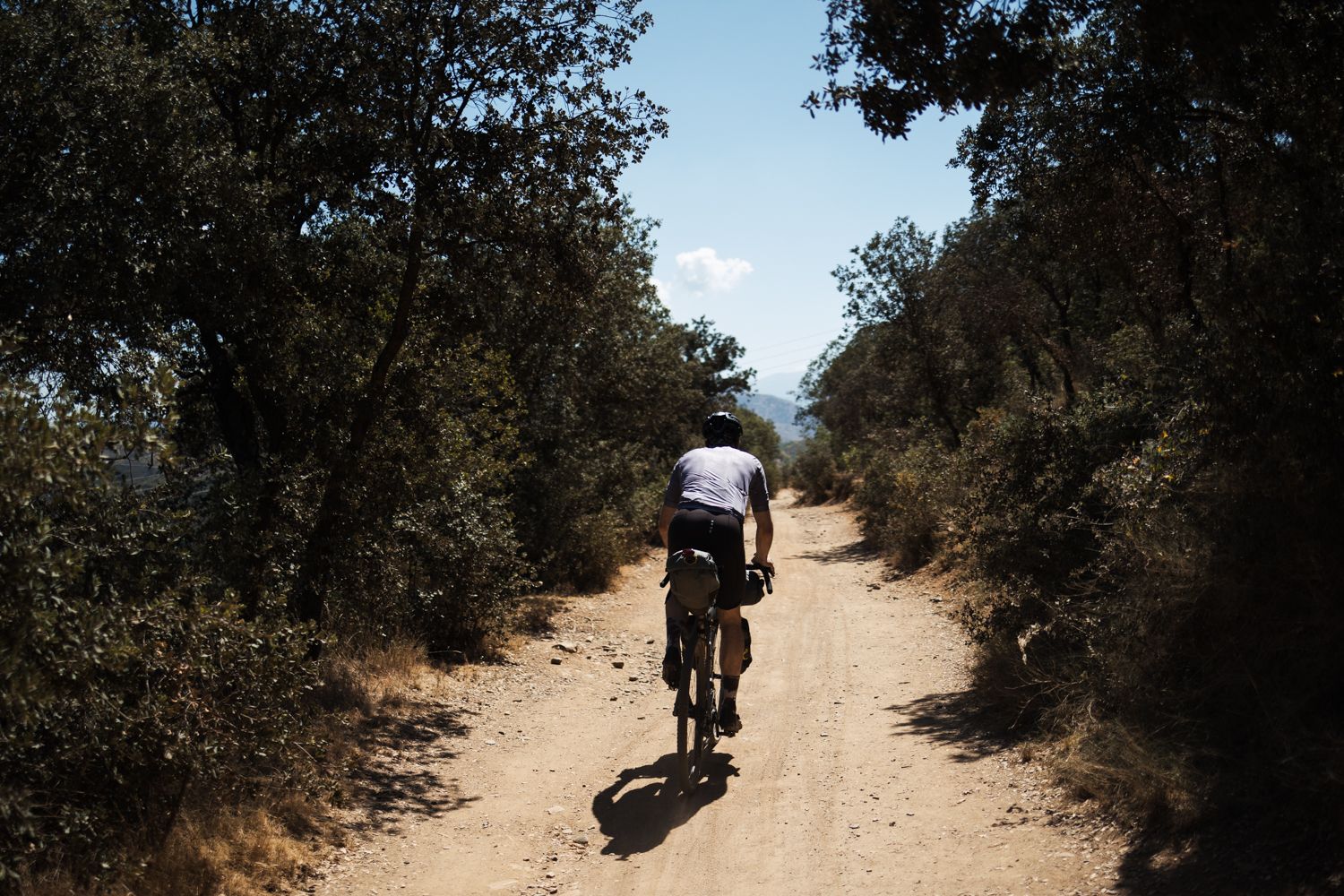
Mozarabic Way to Santiago – Gravel between two worlds
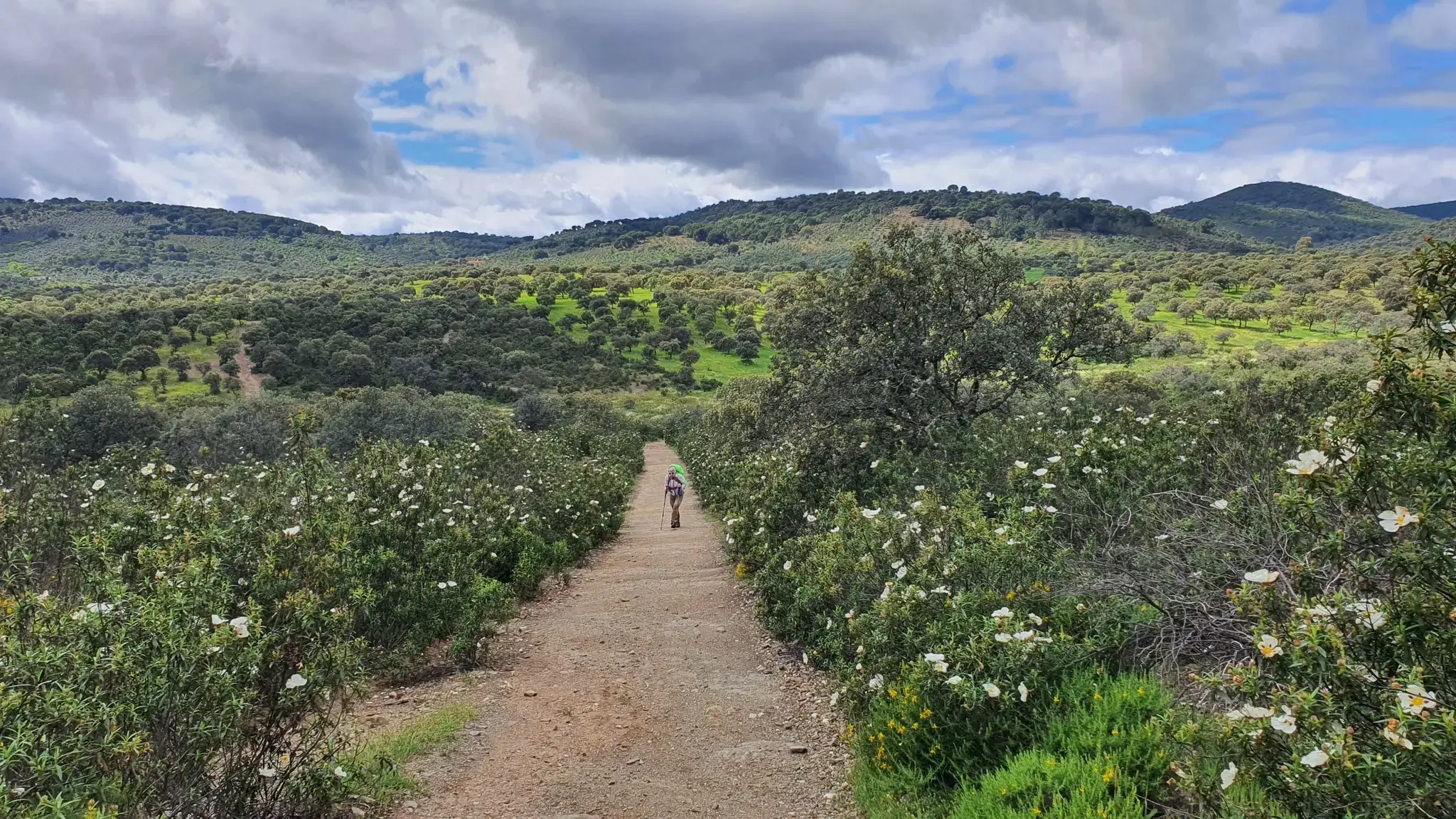
Pastures, Pedroches and farmhouses — Cañada Real Soriana (GR 40)
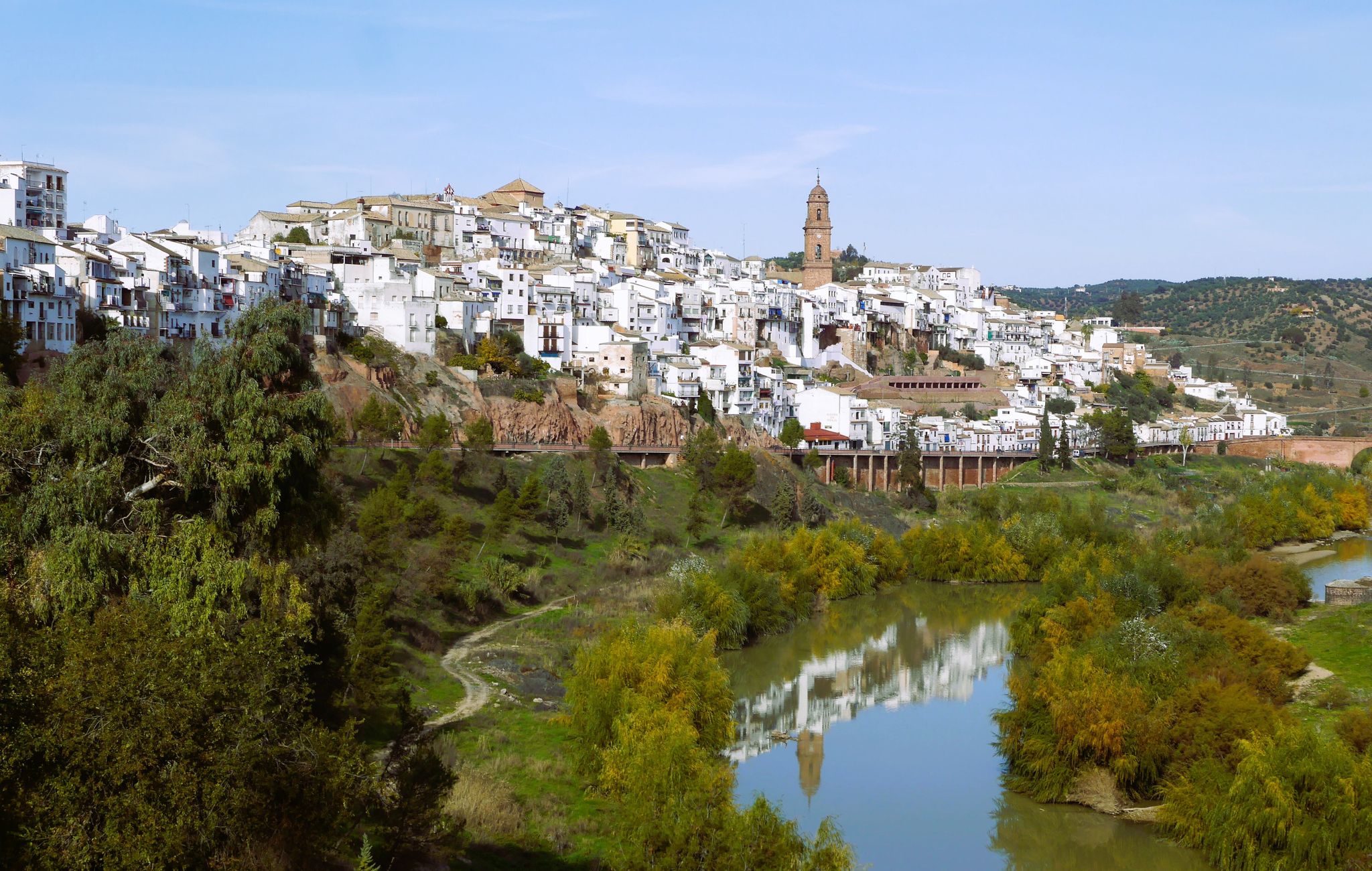
Hike the glorious countryside of Cordoba and Jaen – Sierra Morena (GR 48)
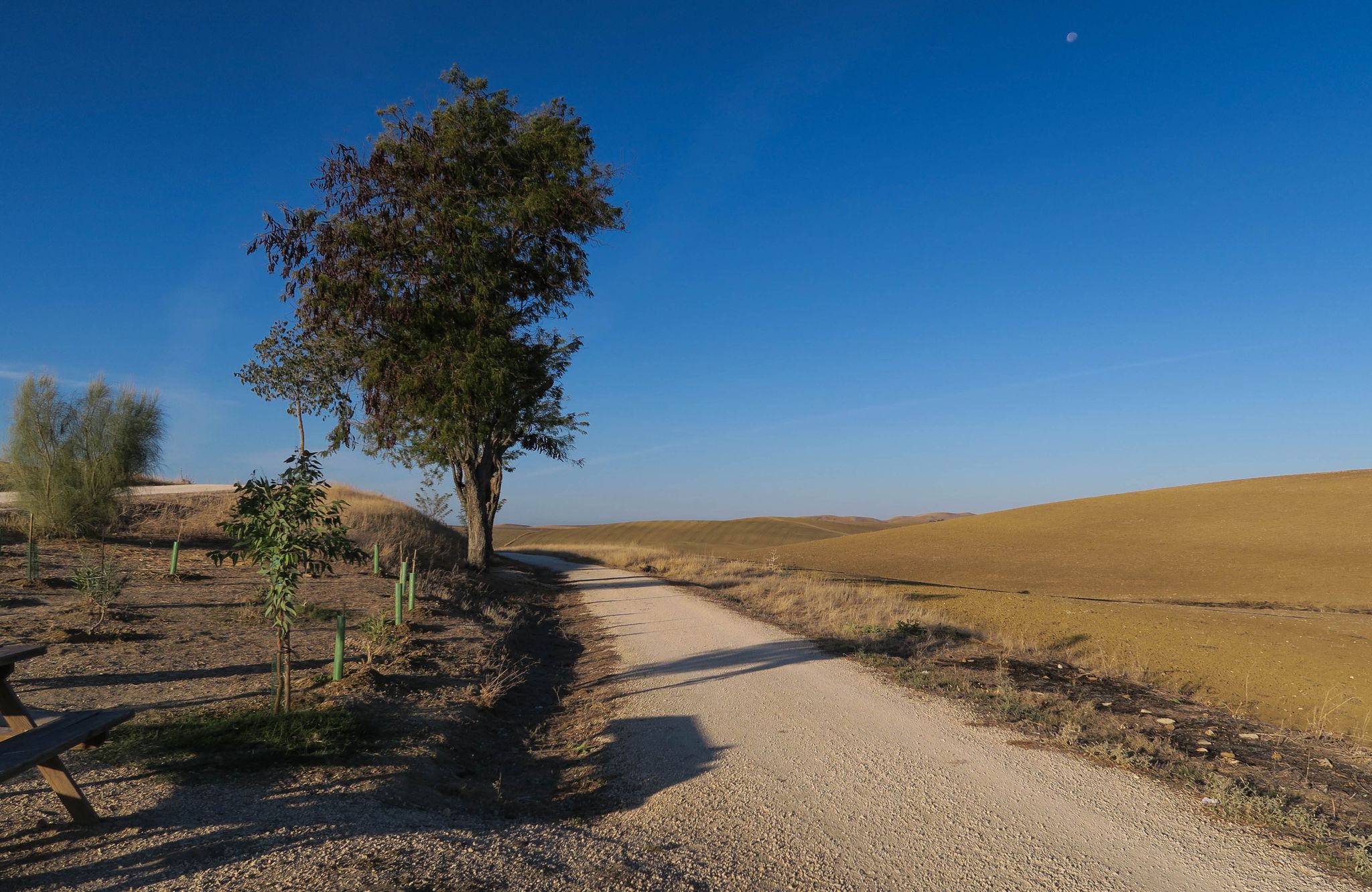
Cycle through the countryside of Spain’s Cordoba – Via Verde de la Campiña
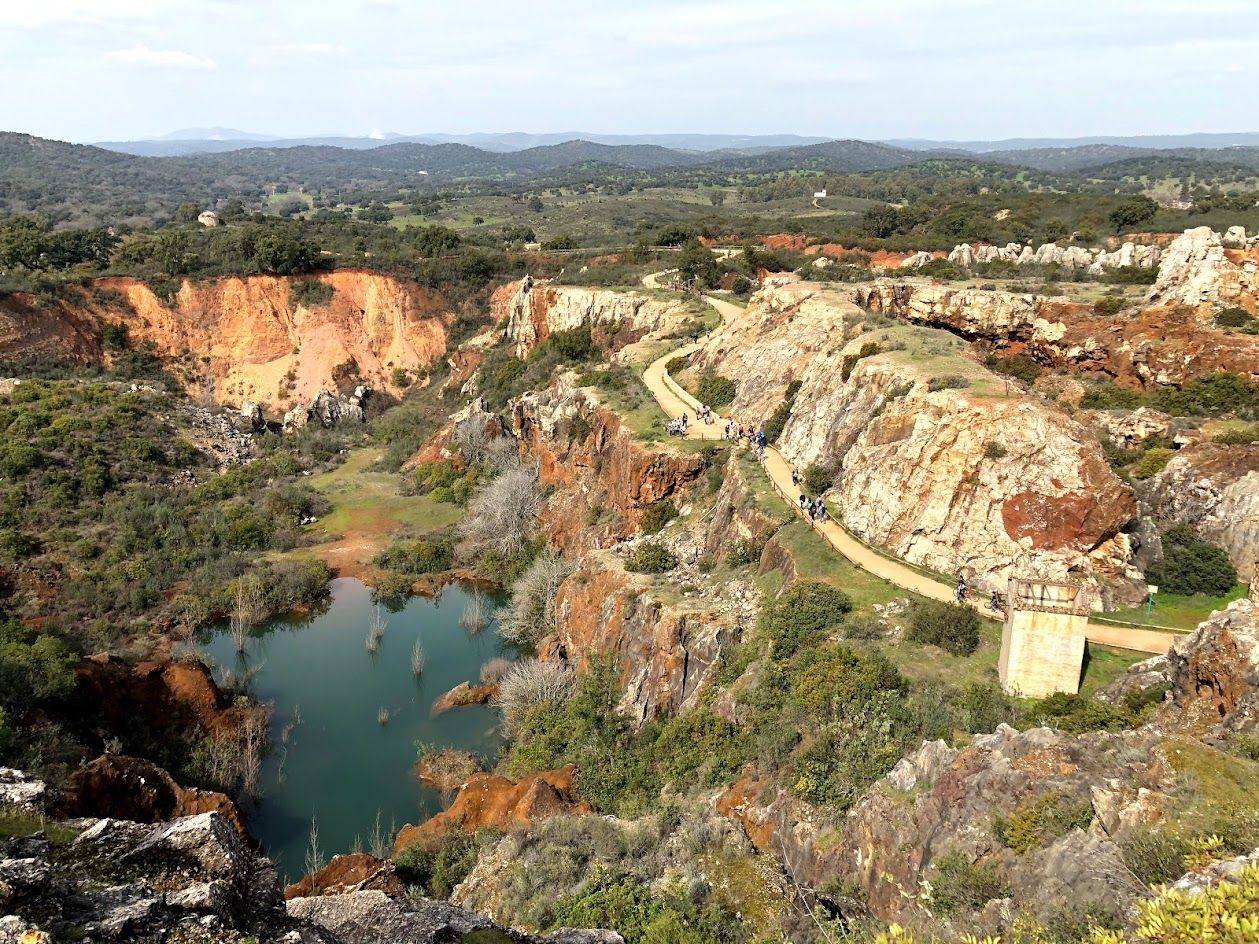
Journey through Spain’s Sierra Morena — Cordoba to Seville by bike
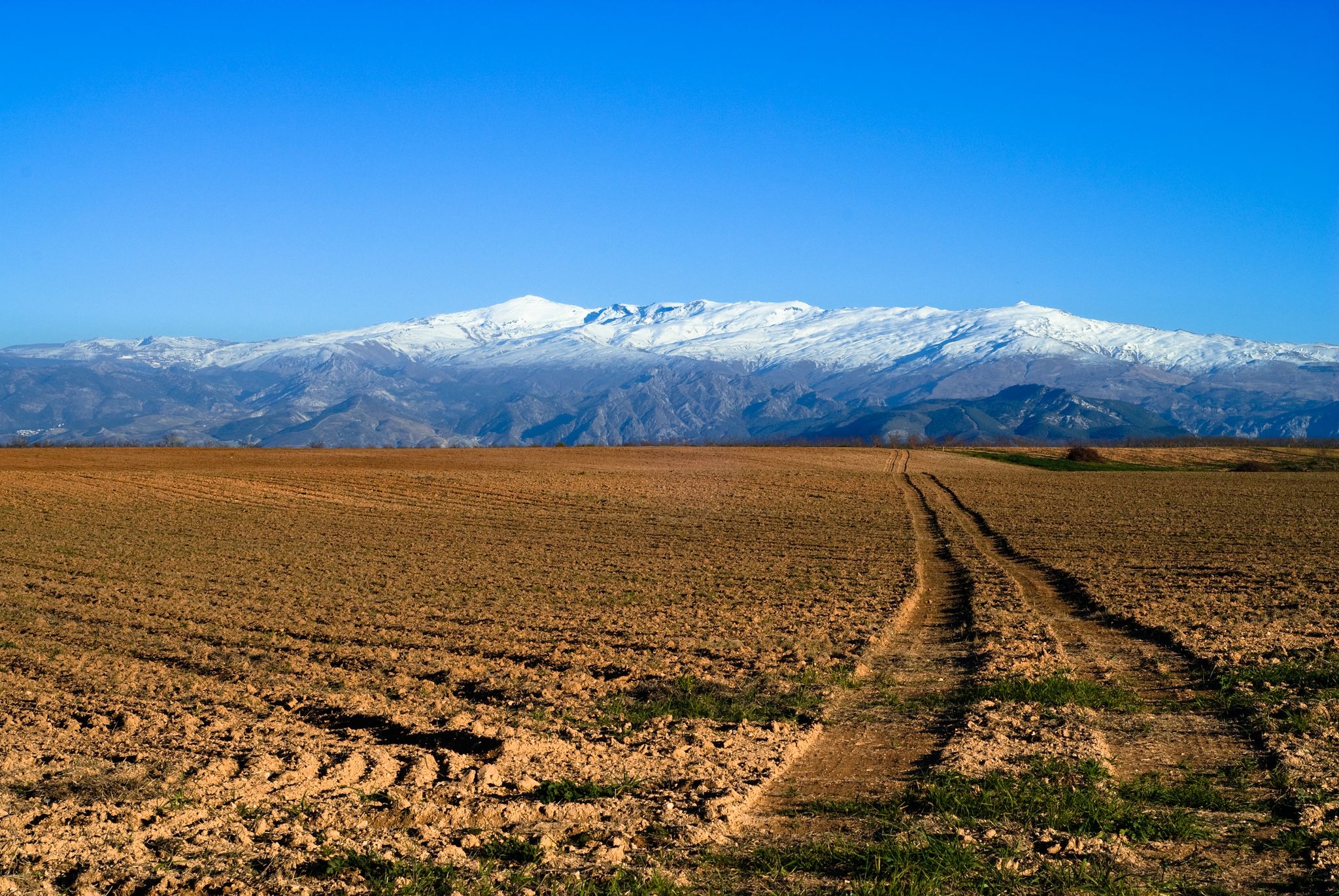
From the Alcazaba to the Alcazar – an Andalusian Adventure

Traffic-free bike rides around Cordoue
Traffic-free bike rides around Cordoue
Other adventures around Cordoue


Tips from the Community

Connection with the Campiñuela and the route that leads to Rabanales and the Alcaidia path
0
0

One of the most legendary climbs in the Sierra de Córdoba, well-known for both hiking and mountain biking. It's a tough, consistent climb, very popular with local cyclists and races like the Andalucía Bike Race and the Guzmán el Bueno (the latter often runs it in the opposite direction). The Cuesta del Reventón ascends towards the Ermitas de Córdoba, a classic panoramic viewpoint. It's a wide, rocky path with a steep incline, frequently used by cyclists and hikers. Approximate length: between 2.7 km (classic route) and 4.7 km depending on the mountain bike variant. Elevation gain: between 155 m and 486 m, depending on the route.
3
0
The Mocho bridge is located in Alcolea, within the municipality of Córdoba, and crosses the Guadalmellato river near its mouth in the Guadalquivir. It is a Roman bridge that was part of the Via Augusta, the great road that connected Cádiz with the Pyrenees passing through Córdoba.
4
0


El Puente Mocho connects the CH-1 road with the CO-3103 road which will take us to the town of Villafranca de Córdoba. It is a route frequently used by cyclists as its asphalt is in good condition and its low volume of motor vehicles makes it very safe. The route is winding with continuous ups and downs, it is a perfect area to train on.
0
0

Dehesa area in the heart of the countryside
0
0

Castillo de Almodóvar del Río (Hisnu-l-mudawar; "the round castle") is a castle of Arab Muslim origin in the town of Almodóvar del Río, Province of Córdoba, Spain. Previously a Roman fort, the current structure is of Arab Umayyad origin, in the year 760. During the Middle Ages, it underwent several renovations and reconstructions. Between 1901 and 1936, it was restored by the owner Raphael Desmaissiers, 12th Count of Torravala, under the technical direction of the architect Adolfo Fernández Casanova. The most important towers are the Cuadrada, the Redonda, and the Homenaje.
3
0

A waterfall known as the "first spring of the Bejarano," whose water flow has always been active. There are few remains of an ancient structure from which the water flows: the aquifer catchment. The Romans knew how to harness this important spring, unique in these mountains, due to the large amount of water it provides every season (estimated at 20,000 to 35,000 m3/day). (Source: https://www.conocetusfuentes.com/ficha_detalle.php?id_fuente=10057)
1
0
Frequently Asked Questions
How many no-traffic gravel bike trails are available around Cordoue?
There are over 35 dedicated no-traffic gravel bike trails around Cordoue, offering a wide range of experiences for cyclists. These routes allow you to explore the region's diverse landscapes without the disturbance of vehicle traffic.
What kind of terrain can I expect on no-traffic gravel bike trails in Cordoue?
The no-traffic gravel bike trails in Cordoue offer a varied terrain. You can expect rugged paths and challenging climbs in areas like the Sierra Morena, rolling mountains and green valleys in the Sierras Subbéticas, and gentler routes through the fertile Guadalquivir valley. Many trails also follow disused railway lines, known as Vías Verdes, which typically offer smoother, more accessible surfaces.
Are there options for different skill levels on these no-traffic gravel bike trails?
Yes, Cordoue caters to a wide range of gravel biking abilities. While the majority of the 35 no-traffic routes are rated as moderate or difficult, there are also easier options available. For instance, the Guadalmellato Canal – Canal loop from Córdoba Julio Anguita is a moderate route that provides a great experience without extreme challenges.
What is the best time of year for gravel biking in Cordoue?
The best times to visit Cordoue for gravel biking are typically spring and autumn. During these seasons, temperatures are mild and comfortable for cycling, and the landscapes are particularly vibrant and green. Summer can be very hot, making longer rides less enjoyable.
Are there any historical sites or landmarks I can visit along these no-traffic gravel bike routes?
Absolutely! Many no-traffic gravel bike routes in Cordoue are interwoven with significant historical and cultural sites. You can cycle past the impressive Castillo de Almodóvar del Río, or explore routes near the ancient **Medina Azahara complex**. The Medina Azahara Complex – Villarrubia Church loop from Córdoba Julio Anguita is a great option to combine cycling with historical exploration.
Can I find natural attractions like waterfalls on no-traffic gravel bike routes?
Yes, the region boasts beautiful natural features. You can discover natural monuments and scenic spots, such as the Baños de Popea Waterfalls, which are accessible via some of the trails. The diverse landscapes of Sierra Morena and Sierras Subbéticas also offer unique geological formations.
Are there any family-friendly no-traffic gravel bike trails in Cordoue?
While many routes are moderate to difficult, some sections of the Vías Verdes (Greenways) are generally flatter and more suitable for families. These disused railway lines, like the Vía Verde del Aceite or Vía Verde de la Subbética, offer accessible surfaces and a safe, traffic-free environment for all ages. Always check the specific route details for elevation and surface conditions to ensure it matches your family's ability.
Are there circular no-traffic gravel bike routes available?
Yes, many of the no-traffic gravel bike routes around Cordoue are designed as loops, allowing you to start and end at the same point. For example, the challenging Fuente Redonda de Las Pinedas – Guadalcazar Recreation Area loop from El Álamo is a long circular route, and the Canal – La Porrada loop from Córdoba Julio Anguita also offers a circular experience.
Are there any routes that follow old railway lines or greenways?
Yes, Cordoue is home to several Vías Verdes (Greenways), which are disused railway lines converted into accessible trails, perfect for no-traffic gravel biking. Notable examples include the Vía Verde del Aceite and the Vía Verde de la Subbética. These routes often feature charming old tunnels and viaducts, offering a unique historical and scenic experience. The Villarrubia Church – Vía Verde Near El Reventón loop from Villarrubia de Córdoba incorporates a section of a Vía Verde.
What do other gravel bikers enjoy the most about gravel biking in Cordoue?
The area is highly rated by the komoot community, with an average score of 4.6 stars. Reviewers often praise the region's diverse landscapes, the tranquility of the traffic-free routes, and the opportunity to combine cycling with exploring historical sites and charming villages. The well-maintained Vías Verdes are also frequently highlighted for their accessibility and scenic beauty.
Most popular routes around Cordoue
Most popular attractions around Cordoue

Get inspired with the komoot mobile app


Explore more
Browse the best Gravel rides in other regions.
