Top 20 Natural Monuments around Oslo
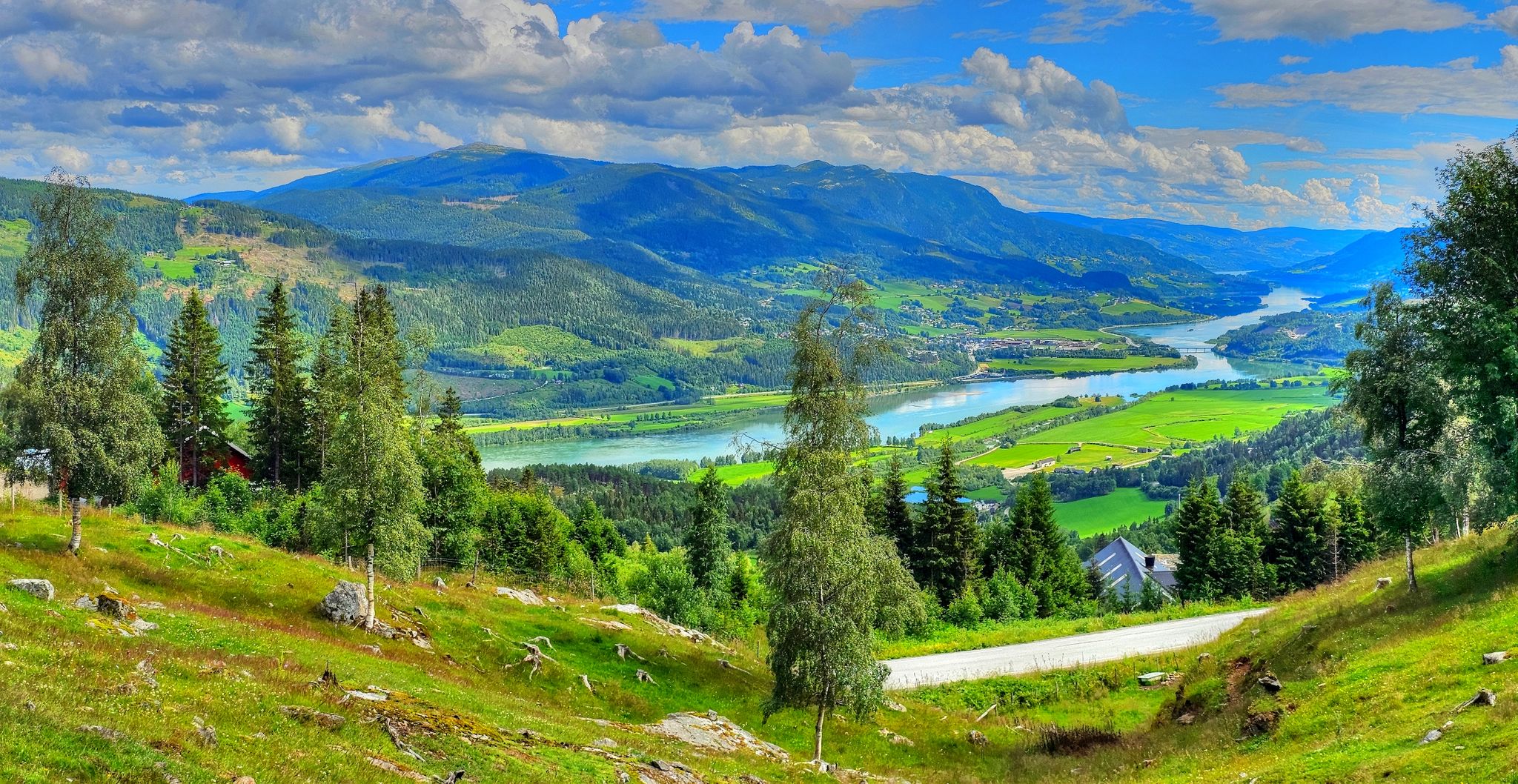
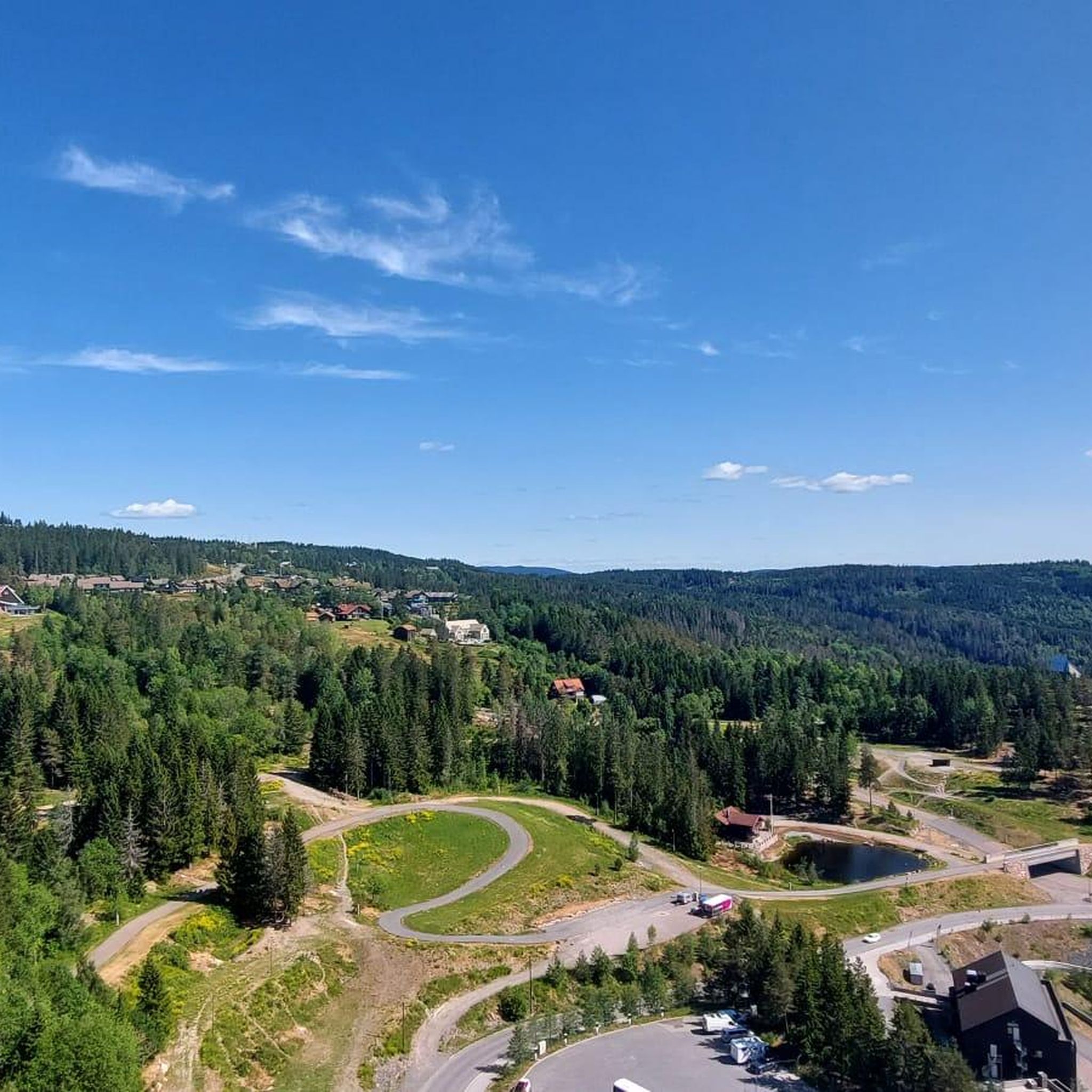
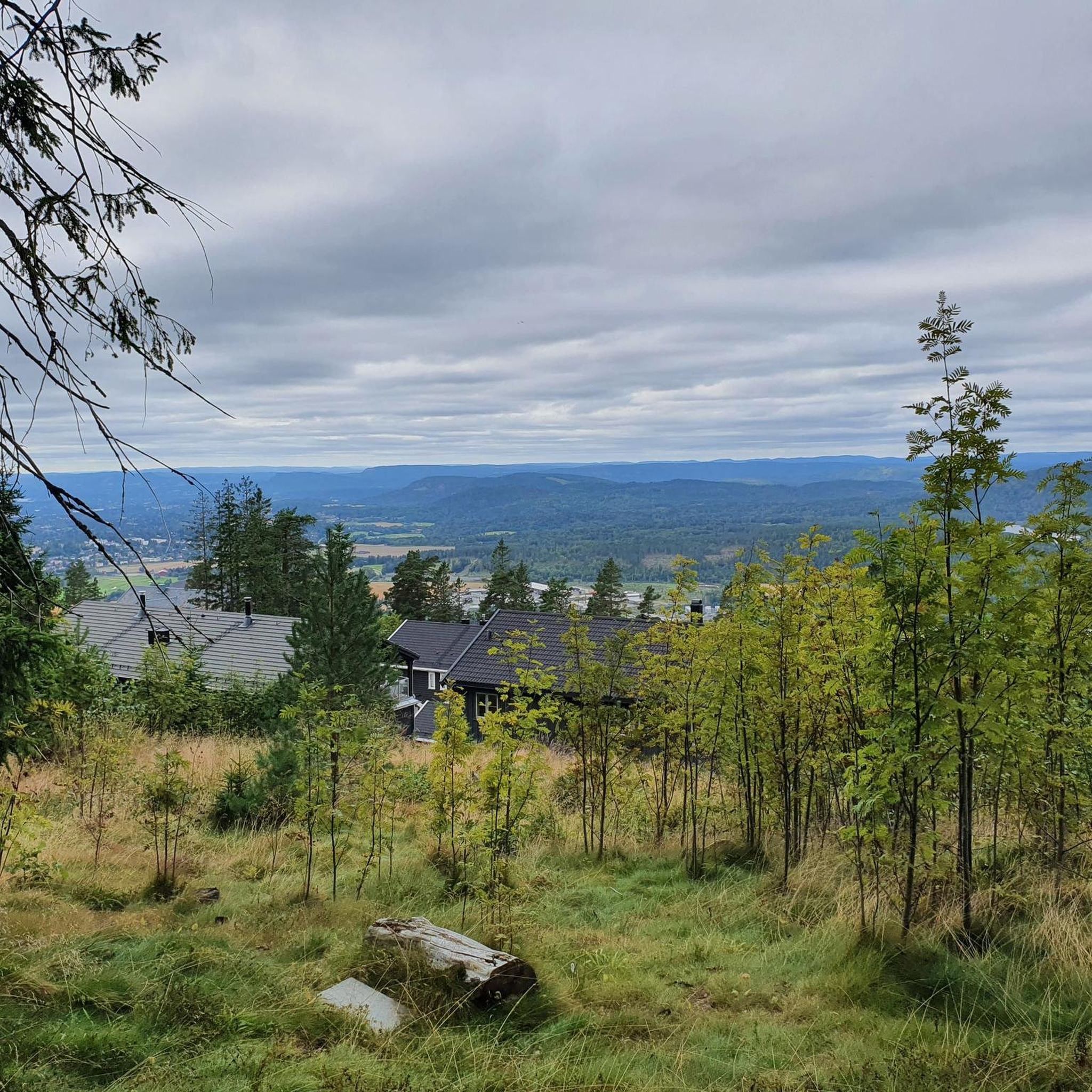
Best natural monuments around Oslo offer a blend of urban accessibility and diverse natural landscapes. The city is characterized by its fjord, numerous islands, and vast forested areas like Nordmarka. These natural features provide opportunities for outdoor recreation and exploration within close proximity to the urban core. Oslo's commitment to preserving green spaces allows for a variety of natural experiences.
Best natural monuments around Oslo
- The most popular natural monuments is Vigeland Sculpture Park, a sculpture park featuring incredibly impressive oversized sculptures. It is known for its 650 figures reflecting daily life situations and human scenarios.
- Another must-see spot is The Monolith, Vigeland Park, an iconic 14-meter high pillar. Carved from a single block of granite, its 121 figures appear to climb towards the sky.
- Visitors also love Frogner Park, a spacious public park containing many granite sculptures. It is a popular recreational area for jogging, walking, and picnicking.
- Oslo is known for its extensive forests, a long fjord with islands, and numerous urban parks. Visitors can explore a variety of natural monuments, from serene lakes and rivers to historical sites integrated with nature.
- The natural monuments around Oslo are appreciated by the komoot community, with more than 500 upvotes and over 600 photos shared by visitors.
Last updated: June 28, 2026
Vigeland Sculpture Park
Highlight • Monument
Translated by Google •
Tip by

Vigeland Sculpture Park
Highlight • Monument
Translated by Google •
Tip by

Sign up now to discover places like this
Get recommendations on the best single tracks, peaks, & plenty of other exciting outdoor places.
Sign up for free
Frogner Park
Highlight • Structure
Translated by Google •
Tip by

Troll Rock Sculpture
Highlight • Monument
Translated by Google •
Tip by

Akerselva River: Pollution and Restoration
Highlight (Segment) • River
At that time, Akerselva was heavily polluted and had a high content of organic material and nutrient salts. Oil spills and leaks from buried oil tanks, as well as uncontrolled releases of chemicals and detergents, have had serious consequences for life on the river. The situation improved when the industrial plants along the river closed and the remaining plants installed sewage treatment plants.
The amount of phosphorus and nitrogen discharged into the fjord from Akerselva was greatly reduced in the first half of the 1980s. The water quality improved significantly, the salmon returned and it was possible to swim again in the upper part of the river.
In 1987, all direct discharges into the city's rivers and streams were eliminated. The main source of pollution in Akerselva was now overflows and leaks in the municipality's sewers. Around. 20% of the sewage disappeared on the way to the sewage treatment plants, and during heavy rains, large amounts of sewage still went straight into the river along with the rainwater. The situation improved somewhat after the sewage system was renovated in the first half of the 1990s.
The number of emergency discharges also decreased, but in 2011 we had a serious chlorine discharge from the Oset water treatment plant. A boost was achieved with Midgardsormen, which was completed in 2014 at a cost of NOK 1.3 billion. This treatment plant will reduce emergency discharges from the sewer system by 90% and will cover the stretch along the Akerselva from Cuba to the fjord and the Bjørvika area.
On the route from Maridalsoset to Sannerbrua there are still 91 municipal and many private stormwater drains to Akerselva. 21 of the municipal storm sewers can discharge wastewater into the river. Therefore, one should not bathe in the river immediately after heavy downpours. Otherwise, the bathing water quality in the upper part of the river is good. The water quality is the worst in the lower part of the river.
Translated by Google •
Tip by

Sign up for free to discover even more natural monuments around Oslo.
Sign up for free
Already have an account?
Start today with a free account
Your next adventure awaits.
Login or Signup



Tips from the Community

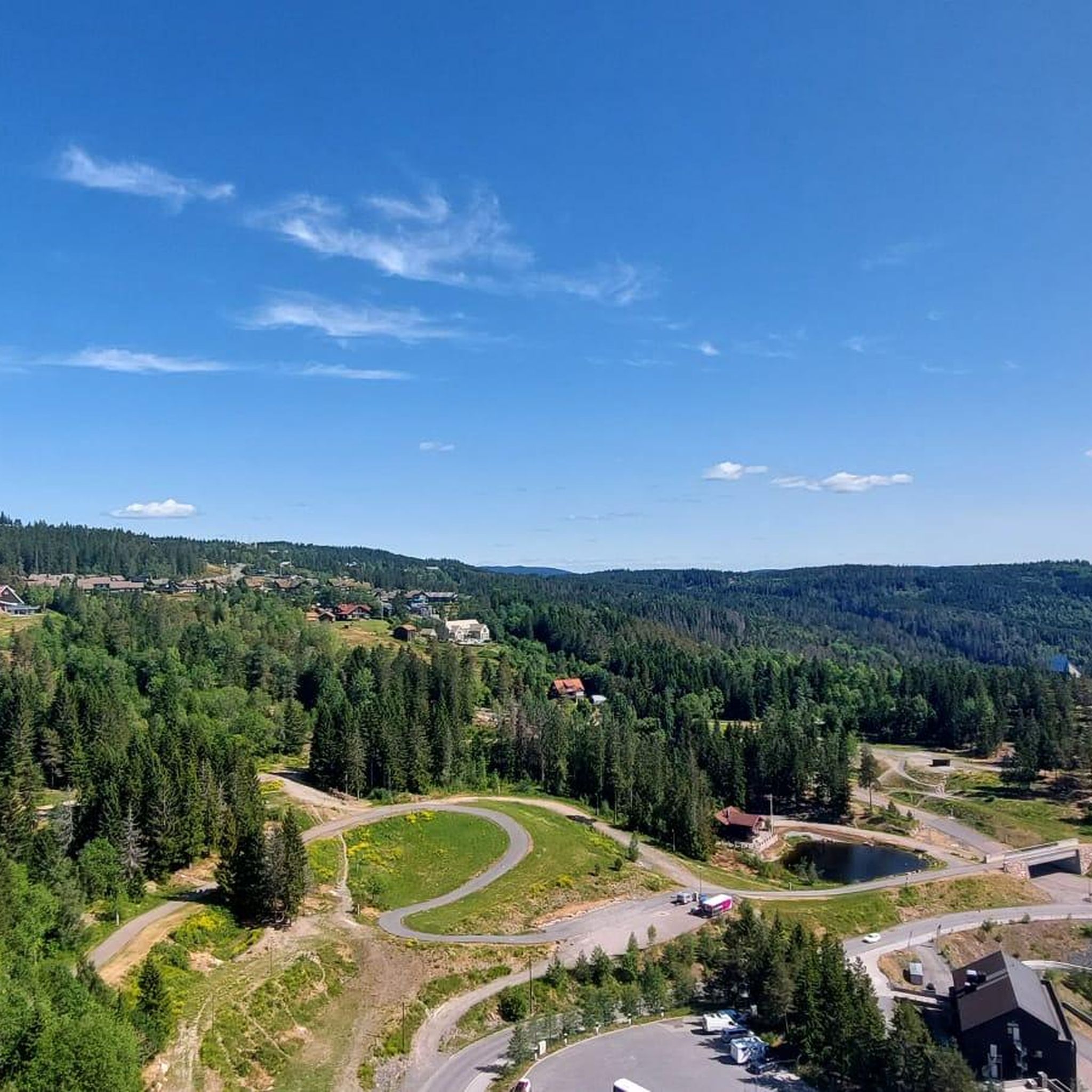
The Kollentrollet is a fascinating, 6.7-meter-high troll sculpture near Gratishaugen, opposite the Holmenkollen ski jump. It is carved directly into the rock. From the sculpture, you have a great view of the Holmenkollen ski jump and can take beautiful photos.
0
0

The Vigeland Sculpture Park, or Vigeland Sculpture Park, is an area within Frognerparken in Oslo dedicated to the permanent exhibition of sculptures, bas-reliefs, and wrought iron works by Norwegian artist Gustav Vigeland. The sculpture collection was created by Gustav Vigeland between 1920 and 1943, following Frognerparken's use as a public park during the Frogner Jubilee Exhibition in 1914. The sculpture complex constitutes the largest, but not the entire, part of Frognerparken, which also includes the Frogner Hovedgård mansion with the Henriette Wegner Pavilion, other areas of the park, Frognerbadet, Frogner Stadium, Frogner Tennis Courts, and refreshment stands.
2
0


Norway's most visited attraction, there's loads to see and do at Frogner Park. A run around its perimeter is an excellent option and, afterwards, you can enjoy a brew in the Frognerparken Café or marvel at the sculptures in the Vigeland Sculpture Park.
0
0

Oslo is always worth a visit because of its parks with fountains.
3
0

A great park dedicated to Norway's most famous sculptor, Gustav Vigeland.
2
0

The unique Vigeland Sculpture Park is the life's work of the sculptor Gustav Vigeland (1869-1943), with more than 200 sculptures in bronze, granite and wrought iron. Vigeland also designed the park's design and architectural form. A work about the cycle of life that is well worth seeing.
2
0
Frequently Asked Questions
What are some popular natural monuments around Oslo that offer great views?
For breathtaking views, consider visiting Troll Rock Sculpture, which offers a great panorama over Oslo. Additionally, Vigeland Sculpture Park and The Monolith, Vigeland Park, both located within Frogner Park, provide excellent vantage points, especially from the Monolith itself. Ekebergparken Sculpture Park also offers stunning views of the city and the Oslofjord.
Are there family-friendly natural monuments in Oslo?
Yes, several natural monuments around Oslo are very family-friendly. Frogner Park, home to the Vigeland Sculpture Park, is a spacious public park perfect for jogging, walking, and picnicking. Sognsvann Lake is another excellent choice, popular for swimming, walking, and various activities in its surrounding recreation areas. Nordmarka also offers trails suitable for all levels, making it ideal for a family day out.
What kind of outdoor activities can I do near Oslo's natural monuments?
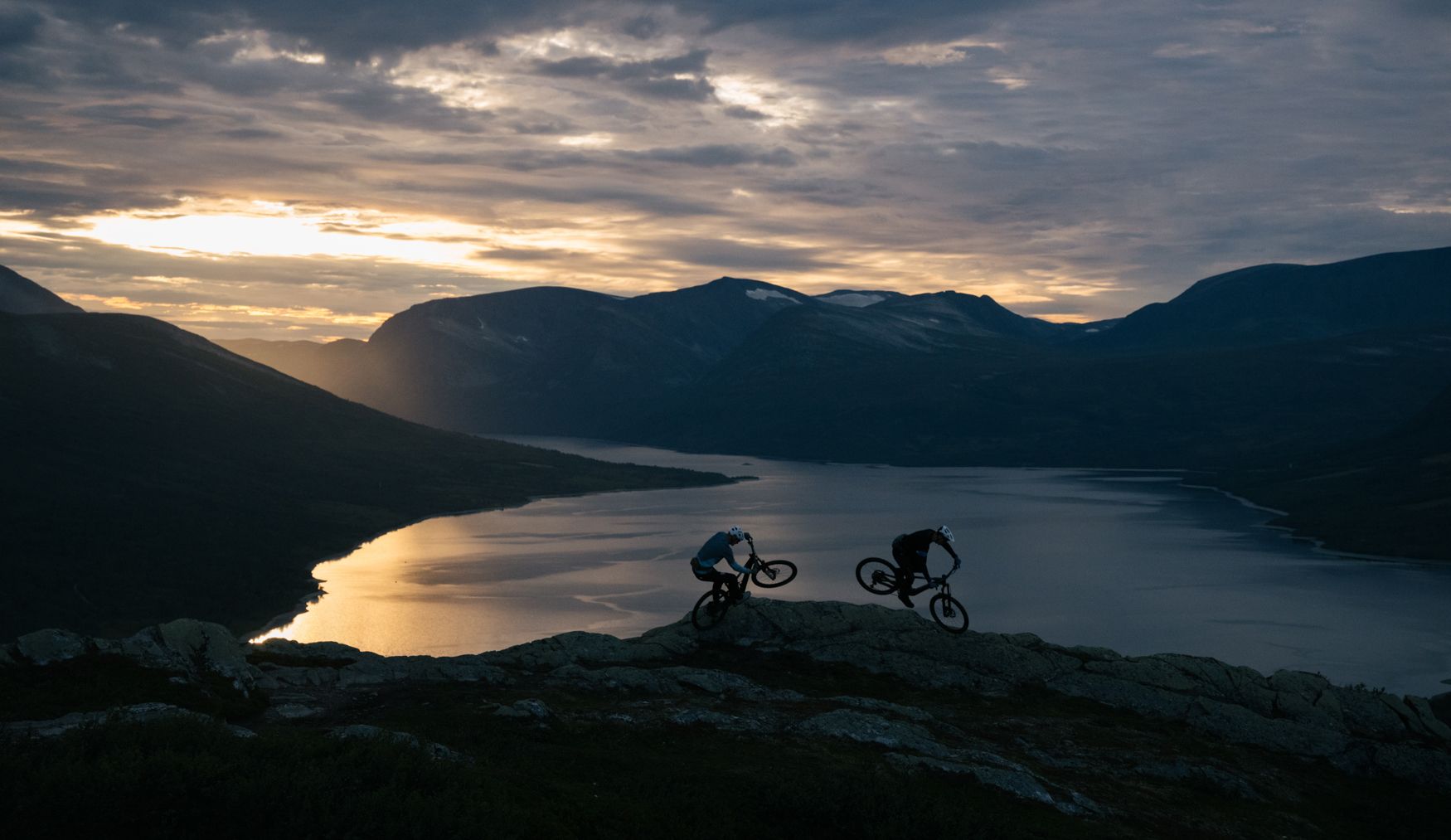
Oslo's natural monuments are surrounded by opportunities for various outdoor activities. You can enjoy gravel biking on routes like the 'Gravel lake loop from Oslo along Maridalsvannet' or 'Kikutstua Loop'. For mountain biking, explore trails such as 'Østmarka Stipatruljen trail' or 'Maridalsmarka Blue Trails Loop'. Road cycling options include the 'Maridalen loop from Oslo' or the 'Bygdøy and Oslo Harbor Loop'. Many of these routes are accessible from areas like Nordmarka and the Oslo Fjord. Find more details on these activities in the Gravel biking around Oslo, MTB Trails around Oslo, and Road Cycling Routes around Oslo guides.
Where can I find natural areas for swimming near Oslo?
The Oslo Fjord and its islands offer numerous spots for swimming. Islands like Hovedøya, Gressholmen, and Langøyene are known for their beautiful beaches and quiet picnic areas, easily accessible by ferry. Sognsvann Lake is also a popular destination for swimming, especially during warmer months. The Akerselva River, particularly its upper parts, has improved water quality and offers swimming spots, though it's advised not to swim immediately after heavy rainfall.
What historical or cultural sites are integrated with nature in Oslo?
Oslo seamlessly blends history and nature. Hovedøya island in the Oslo Fjord features the ruins of a 12th-century Cistercian monastery amidst its forests and meadows. The Akerselva River, while a natural feature, flows through areas rich in industrial history, with historical bridges and old factory buildings. Ekebergparken Sculpture Park uniquely combines art, nature, and history, featuring over 44 art pieces spread throughout the forest, alongside remnants of Oslo's past like Stone Age remains and ancient cemeteries.
What is the best time to visit Oslo's natural monuments?
Oslo's natural monuments offer unique experiences year-round. Spring and summer are ideal for hiking, swimming, and enjoying the green spaces and islands. Autumn brings beautiful fall foliage to areas like Nordmarka. In winter, Nordmarka transforms into a snowy wonderland perfect for skiing, and Sognsvann Lake is used for cross-country skiing, ice skating, and winter walking routes.
Are there any natural monuments in Oslo that are wheelchair accessible?
Yes, Vigeland Sculpture Park and The Monolith, Vigeland Park are noted as wheelchair accessible, allowing visitors to enjoy the impressive sculptures and park grounds.
What makes the Akerselva River a significant natural monument?
The Akerselva River is significant for its remarkable ecological restoration. Once heavily polluted by industrialization, extensive efforts have dramatically improved its water quality, allowing salmon to return. This approximately eight-kilometer-long river flows through central Oslo, offering a popular recreational area with waterfalls, forests, and diverse wildlife, making it an ideal place to relax and enjoy nature within the city.
What do visitors enjoy most about the natural monuments around Oslo?
Visitors frequently praise the impressive sculptures and the blend of art and nature found in places like Vigeland Sculpture Park. The park's 650 figures reflecting human scenarios are a particular highlight. Many also appreciate the opportunity for relaxation and escape from daily routines that areas like the Akerselva River and Sognsvann Lake provide, along with the stunning views offered by spots like Troll Rock Sculpture.
Can I find vast forested areas for hiking near Oslo?
Absolutely. Nordmarka, located north of Oslo, is a vast forested wilderness offering a diverse landscape of well-marked trails, towering trees, and numerous lakes. It's a paradise for hikers year-round, with trails ranging from gentle walks to challenging treks, providing breathtaking views of the city and the fjord.
Are there natural monuments suitable for a quiet escape from the city?
For a peaceful retreat, consider Gressholmen island in the Oslo Fjord, known for its quiet picnic areas, nature trails, and one of the oldest lighthouses. Sognsvann Lake also offers a serene escape to nature with recreation areas perfect for quiet contemplation. The less-traveled paths in Nordmarka can also provide solitude.
What kind of natural features can I expect to see around Oslo?
Oslo is characterized by a rich variety of natural features. You can explore extensive forests like Nordmarka, a long fjord dotted with numerous islands, and serene lakes such as Sognsvann. The city also boasts rivers like Akerselva with charming waterfalls, and urban parks that integrate natural elements. These areas offer diverse landscapes from dense woodlands to coastal views and tranquil waters.
Most popular attractions around Oslo

Get inspired with the komoot mobile app


