Top 7 Natural Monuments around Padula
Best natural monuments around Padula are situated within the expansive Cilento, Vallo di Diano e Alburni National Park, a UNESCO World Heritage Site. This region is characterized by its karstic geology and mountainous terrain, offering a rich natural landscape. Visitors can explore diverse environments, including vast valleys, dense forests, and notable cave systems. The area provides numerous opportunities to experience unspoiled nature and discover its geological formations.
Best natural monuments around Padula
- The most popular natural monuments is Monte Volturino…
Last updated: June 28, 2026
Baptistery of San Giovanni in Fonte
Highlight • Religious Site
Translated by Google •
Tip by

Monte Volturino
Highlight • Summit
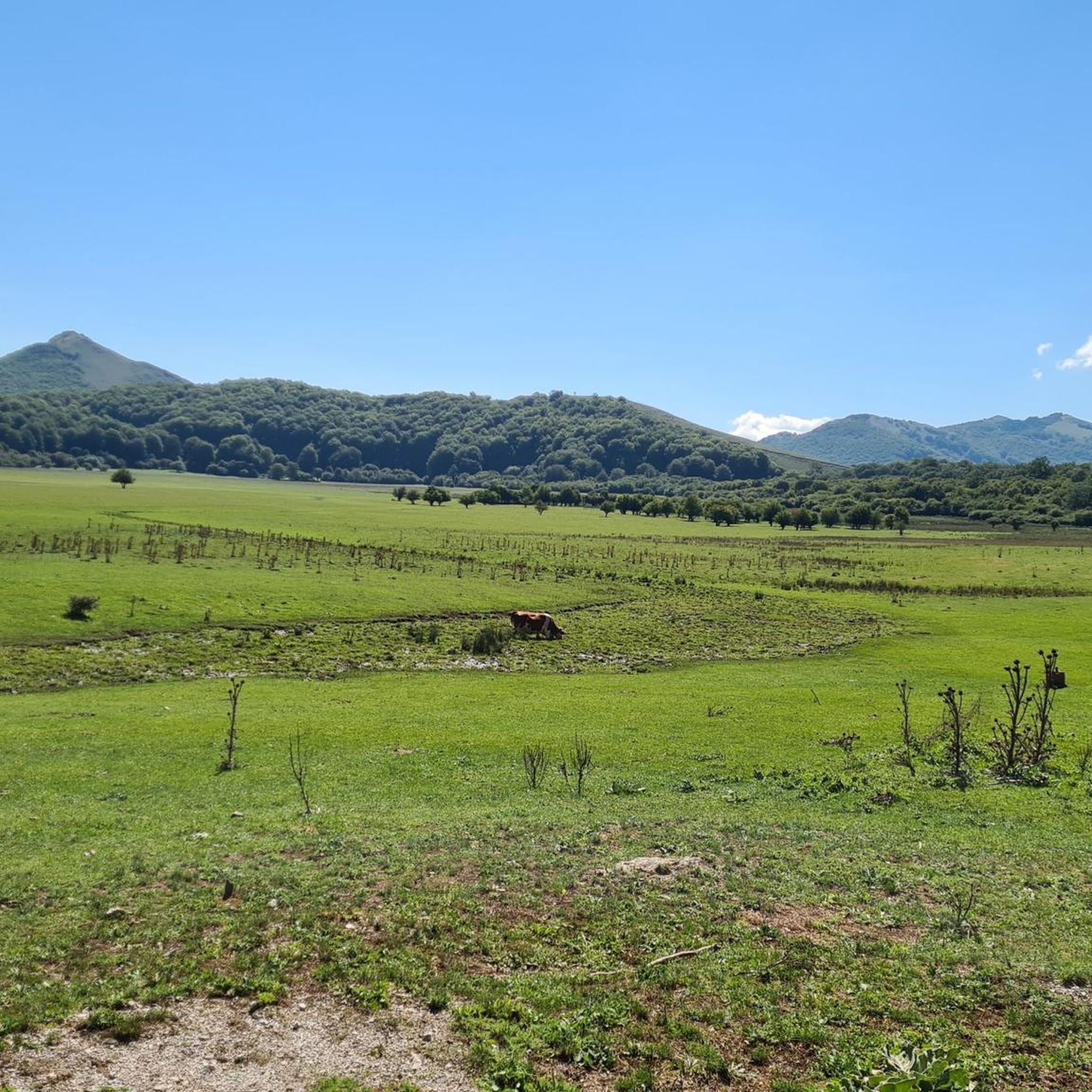
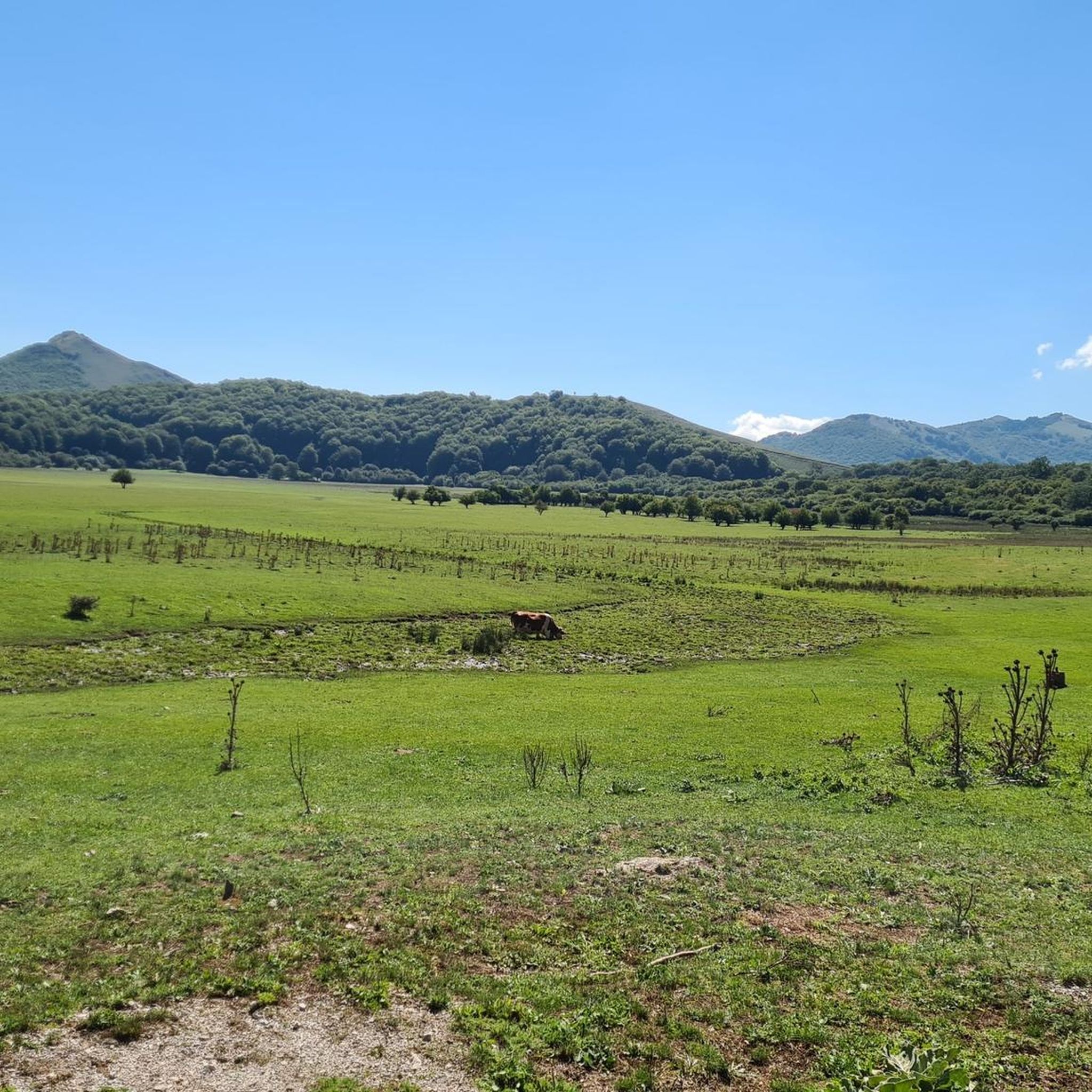
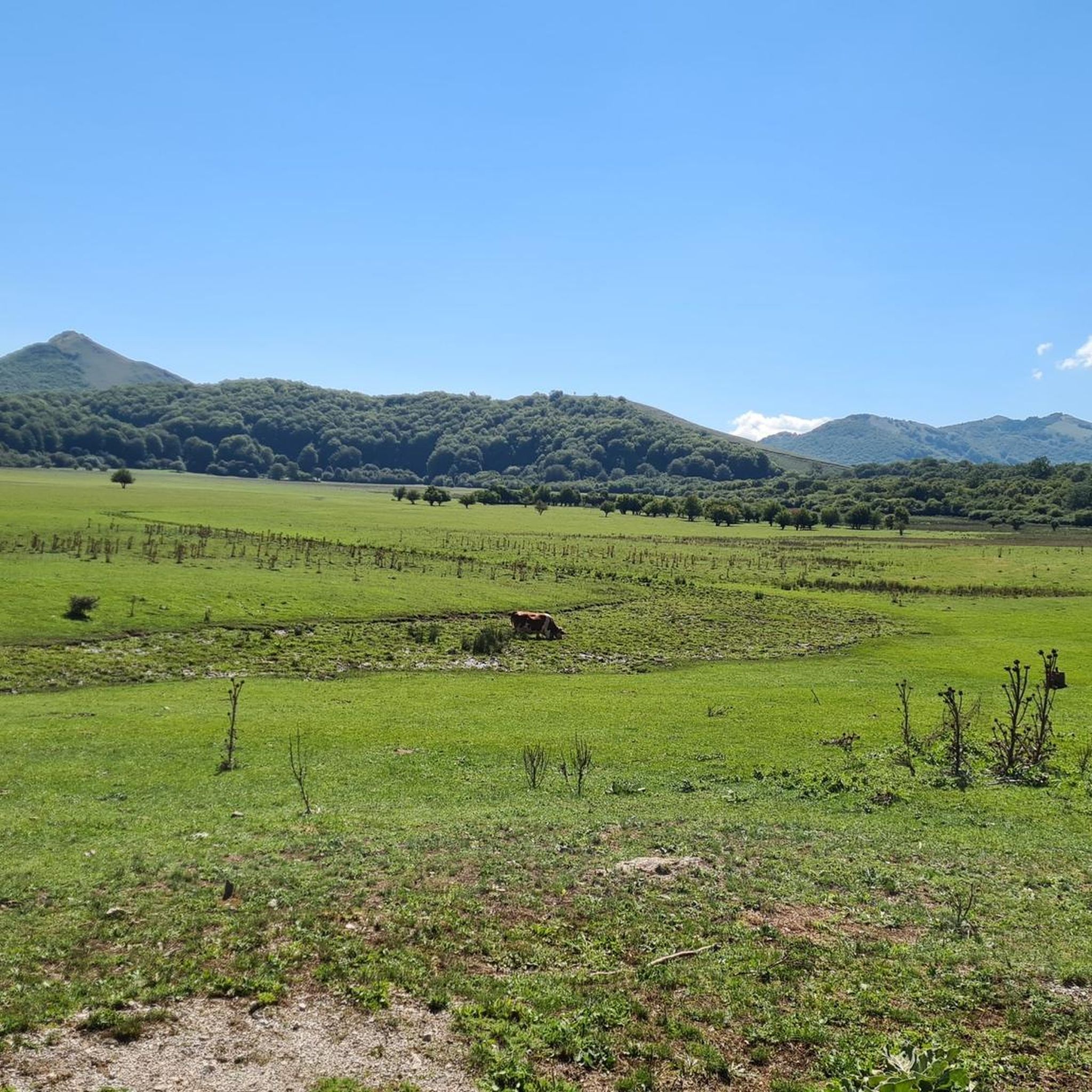
From here it is possible to admire a wonderful view over the whole valley.
Translated by Google •
Tip by

Sign up now to discover places like this
Get recommendations on the best single tracks, peaks, & plenty of other exciting outdoor places.
Sign up for free
Mount Calvelluzzo (1,700 m)
Highlight • Summit
Translated by Google •
Tip by
Agri River
Highlight • River
Translated by Google •
Tip by
Valley of the Orchids of Sassano
Highlight • Natural Monument
Translated by Google •
Tip by

Sign up for free to discover even more natural monuments around Padula.
Sign up for free
Already have an account?
Start today with a free account
Your next adventure awaits.
Login or Signup
Tips from the Community

Amazing place along the silent road, worth a break
0
0

Hi, can you follow this trail on an ebike to get to the Volturino? Thank you
0
0

The last stretch of the route that leads to the top (following the no longer functioning ski slopes) is quite challenging, but once you reach the top the spectacle is unparalleled! Also worth visiting is the Belvedere di Piano dell'Imperatore, it's worth it!
0
0

Panoramic peak located at 1699 meters in the Lucano-Val d'Agri-Lagonegrese Apennine National Park.
1
0

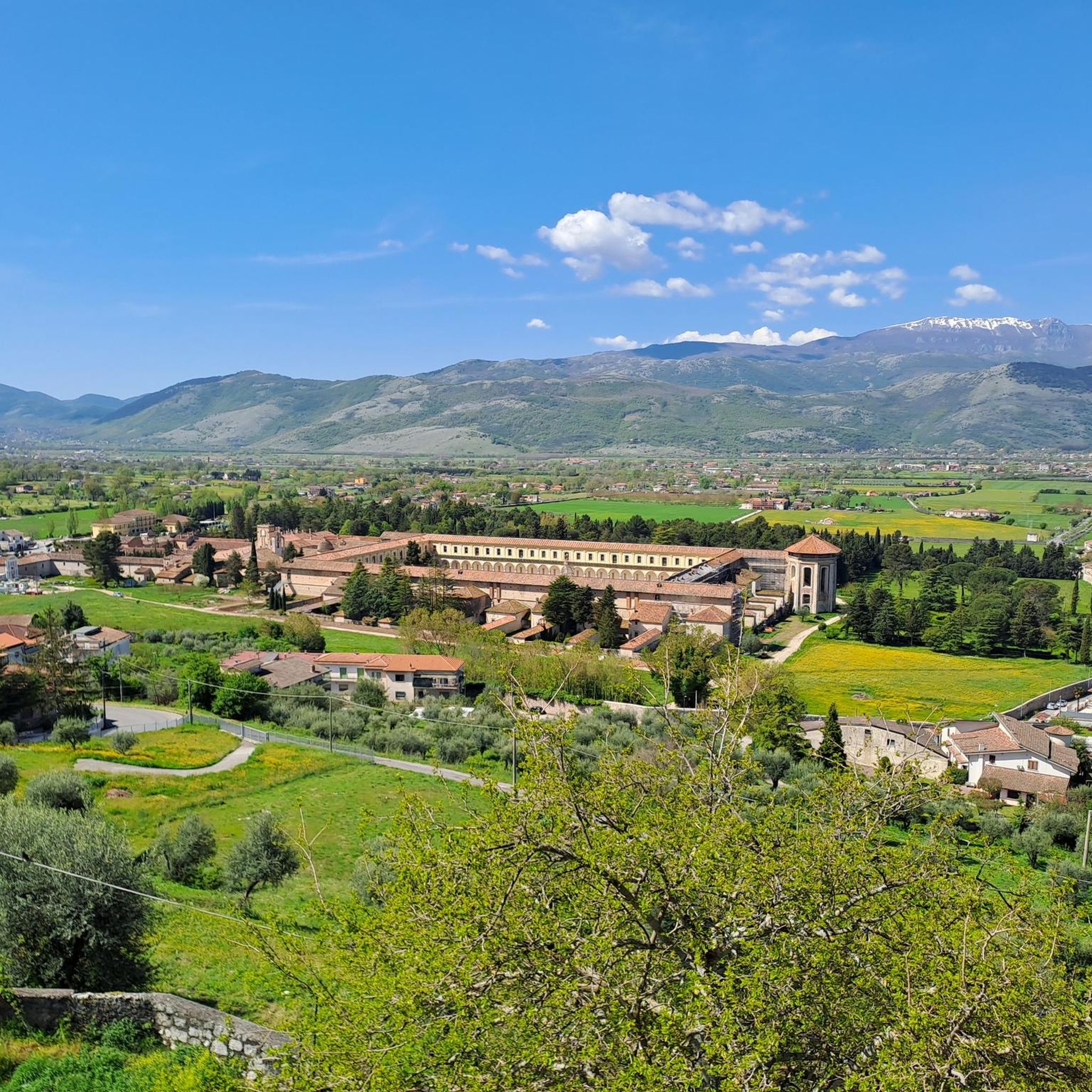
The Early Christian Baptistery of San Giovanni in Fronte is unique in Italy for the presence of a spring in the center of the church, with the waters collected in a tub for baptism by immersion. It was founded in the 4th century by Pope Marcellus I and represents one of the oldest Christian settlements of the Constantinian age.
1
0

A stupendous mountain that offers a panoramic view.
1
0
Monte Volturino is one of the symbolic peaks of the Lucanian Apennine Park. From here it is possible to admire a wonderful view over the whole valley.
1
0
At this point you can find a small bench where you can take a break next to the river, always remembering respect for nature.
1
0
Frequently Asked Questions
What are some unique natural monuments to explore around Padula?
Beyond the well-known sites, the region offers unique natural monuments. The Valley of the Orchids of Sassano is an open-air naturalistic museum within the Cilento and Vallo di Diano National Park, boasting numerous species of wild orchids along a 13 km path. Another distinctive experience is the Baptistery of St John, a historical site notable for its ancient Christian settlement and an internal spring-fed baptismal tub, blending natural spring water with historical significance.
Are there any family-friendly natural attractions near Padula?
Yes, the Agri River offers a pleasant, family-friendly experience. You can find small benches along its banks, perfect for a break and enjoying nature. The broader Cilento, Vallo di Diano e Alburni National Park also provides many accessible areas for families to explore, including gentle trails and scenic spots.
What kind of outdoor activities can I do near Padula's natural monuments?
The area around Padula, nestled within the national park, is ideal for various outdoor activities. You can find numerous routes for hiking, cycling, and running. For instance, the Agri River Park offers easy hiking routes, while more challenging trails lead to panoramic summits like Monte Volturino.
What is the best time of year to visit the natural monuments around Padula?
The constant temperature of around 15°C inside the Grotte di Pertosa-Auletta makes them a comfortable visit year-round. For outdoor natural monuments and activities like hiking, spring (April-June) and autumn (September-October) generally offer the most pleasant weather, with mild temperatures and vibrant natural scenery. Summer can be warm, especially in the valleys, but higher mountain areas provide cooler conditions.
Where can I find the most breathtaking panoramic views in the Padula area?
For stunning panoramic views, head to Monte Volturino, one of the symbolic peaks of the Lucanian Apennine Park, offering a wonderful vista over the entire valley. Another excellent spot is Mount Calvelluzzo (1,700 m), which also provides a magnificent panoramic outlook within the Lucano-Val d'Agri-Lagonegrese Apennine National Park.
Are there any natural monuments with historical significance near Padula?
Yes, the Baptistery of St John is a significant site where natural elements meet history. It's one of the oldest settlements of Christianity, featuring a spring inside the church with a tub used for baptism. Additionally, the Grotte di Pertosa-Auletta are unique for preserving the remains of a pile-dwelling village dating back to the second millennium BC, indicating ancient human presence within a natural cave system.
What makes the Grotte di Pertosa-Auletta a special natural monument?
The Grotte di Pertosa-Auletta are exceptionally special because they are the only caves in Italy where you can navigate an underground river, the Negro, by boat. This offers a unique and enchanting journey through chambers sculpted by nature, adorned with stalactites and stalagmites. They are also the only caves in Europe to preserve remains of a pile-dwelling village from the second millennium BC.
What kind of terrain can I expect when exploring the natural monuments around Padula?
The region around Padula is characterized by diverse terrain, largely due to its location within the Cilento, Vallo di Diano e Alburni National Park. You'll encounter rugged mountains, dense forests, and wide valleys. Karstic geology is prominent, leading to impressive cave systems. Trails can range from easy paths along rivers like the Agri to challenging ascents to mountain summits such as Monte Volturino.
What do visitors particularly enjoy about the natural monuments in the Padula area?
Visitors frequently praise the breathtaking views from summits like Monte Volturino, describing the spectacle as unparalleled. The unique blend of history and nature at sites like the Baptistery of St John also receives appreciation. The tranquility and respect for nature found along the Agri River are also highlighted by explorers.
Are there any natural monuments suitable for beginners or those looking for an easy walk?
Yes, the Agri River area offers easy trails, perfect for a leisurely walk. For example, the 'Parco Fluviale del Fiume Agri' route is rated as easy for hiking. These areas provide a gentle introduction to the region's natural beauty without demanding strenuous effort.
Can I find any hidden natural wonders or less-known spots near Padula?
While not entirely hidden, the Valley of the Orchids of Sassano is a specialized natural monument that might be less known to general tourists but is a true wonder for botany enthusiasts. It's an extensive naturalistic museum dedicated to wild orchids. Exploring the broader Cilento, Vallo di Diano e Alburni National Park off the main routes can also lead to discovering serene and less-frequented natural spots.
What is the significance of the Cilento, Vallo di Diano e Alburni National Park to Padula's natural monuments?
Padula is situated within the vast Cilento, Vallo di Diano e Alburni National Park, which is a UNESCO World Heritage Site. This park is the overarching natural context for all the monuments in the area. It encompasses diverse landscapes, from rugged mountains like Monte Romito and Monte Volturino to dense forests and significant cave systems like the Grotte di Pertosa-Auletta. The park's protection ensures the preservation of these natural wonders.
Most popular attractions around Padula

Get inspired with the komoot mobile app


Explore more
Extend your search for the best caves by checking out these guides of the top ones around Padula:
