Top 12 Natural Monuments around Povegliano
Natural monuments around Povegliano offer diverse natural landscapes within the broader Province of Treviso. The area features a rural environment with fields and waterways, providing views of the Treviso Prealps. While Povegliano itself offers local walks, the surrounding region is home to various natural reserves, rivers, and geological sites. These natural areas provide opportunities to experience the local flora, fauna, and unique geological formations.
Best natural monuments around Povegliano
- The most popular natural monuments is Tavaran Grando Cave, a…
Last updated: June 28, 2026
Botteniga River
Highlight • River
Translated by Google •
Tip by

Monument to General Giuseppe Pennella and Valley of the Dead
Highlight • Monument
Translated by Google •
Tip by

Sign up now to discover places like this
Get recommendations on the best single tracks, peaks, & plenty of other exciting outdoor places.
Sign up for free
Le Volpere Nature Trail
Highlight • Trail
Translated by Google •
Tip by

Tavaran Grando Cave
Highlight • Cave
Translated by Google •
Tip by

San Girolamo Cave
Highlight • Cave
Translated by Google •
Tip by
Sign up for free to discover even more natural monuments around Povegliano.
Sign up for free
Already have an account?
Start today with a free account
Your next adventure awaits.
Login or Signup
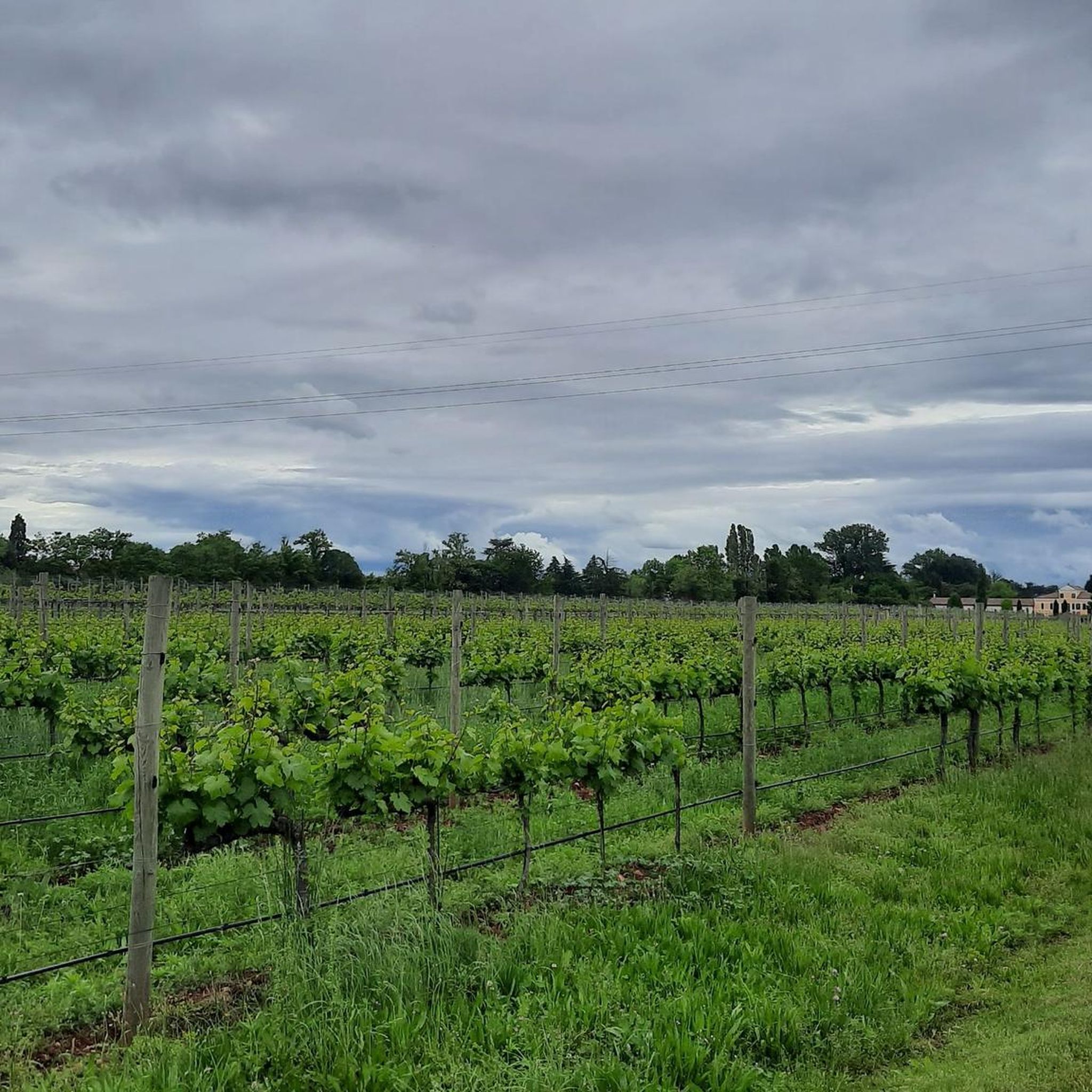

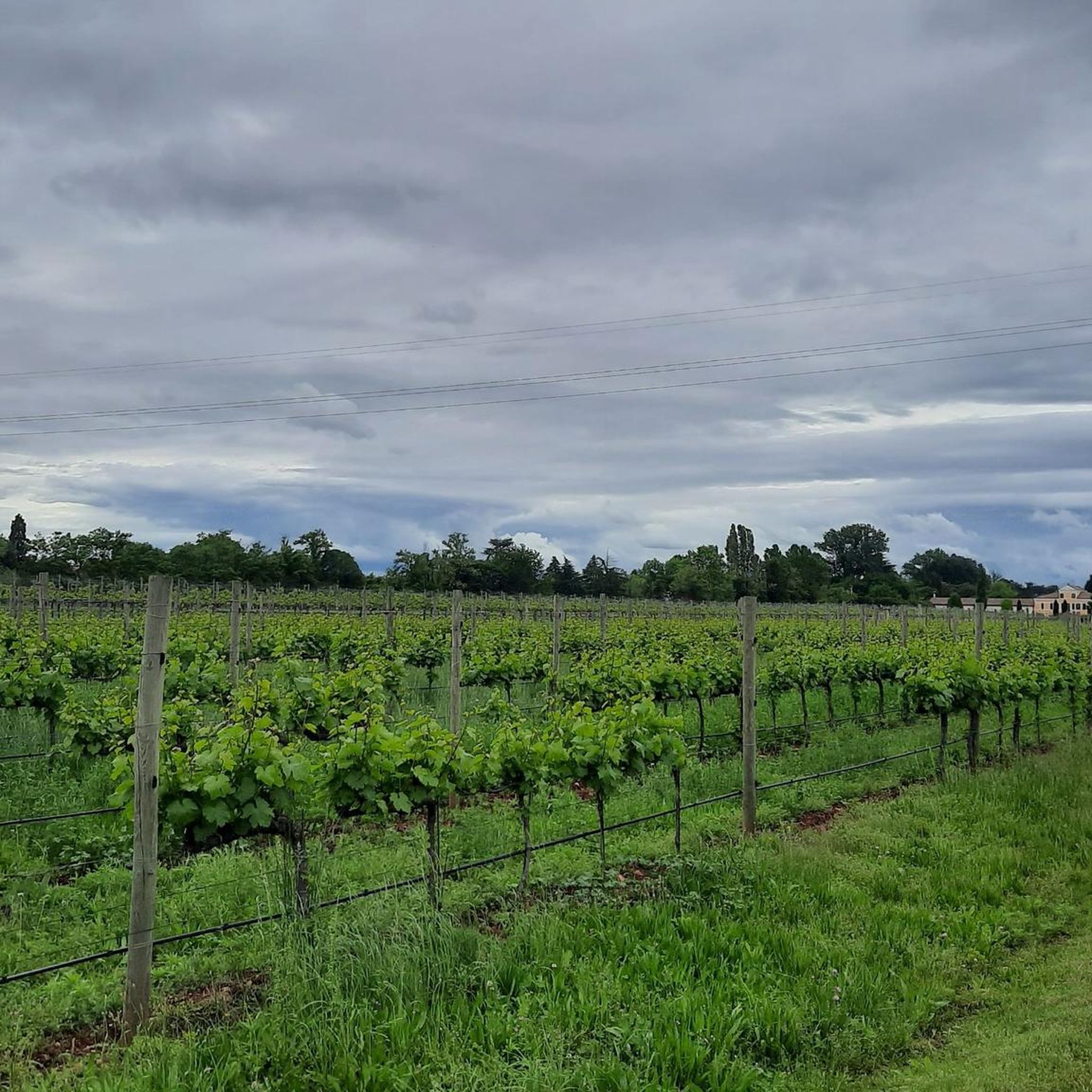
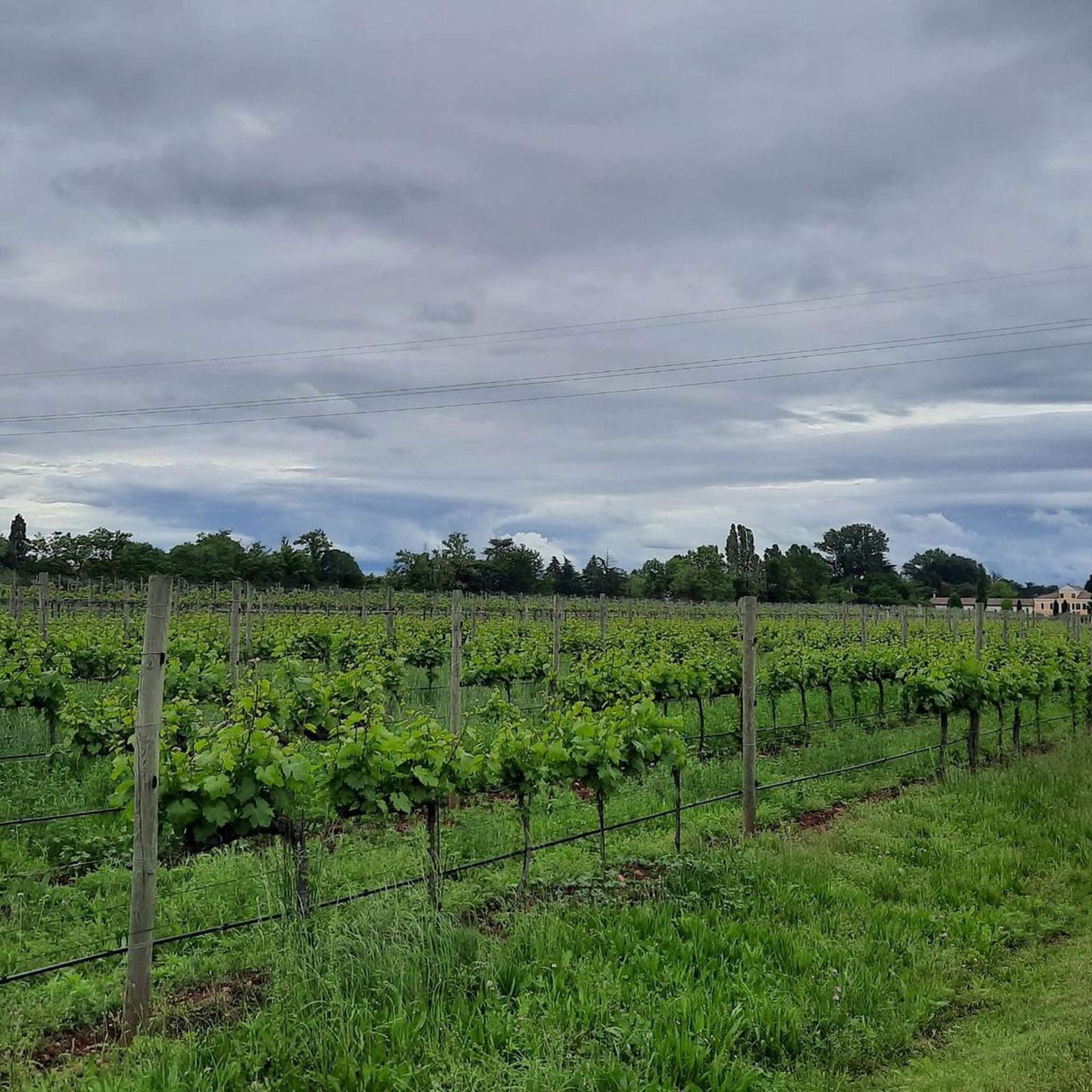
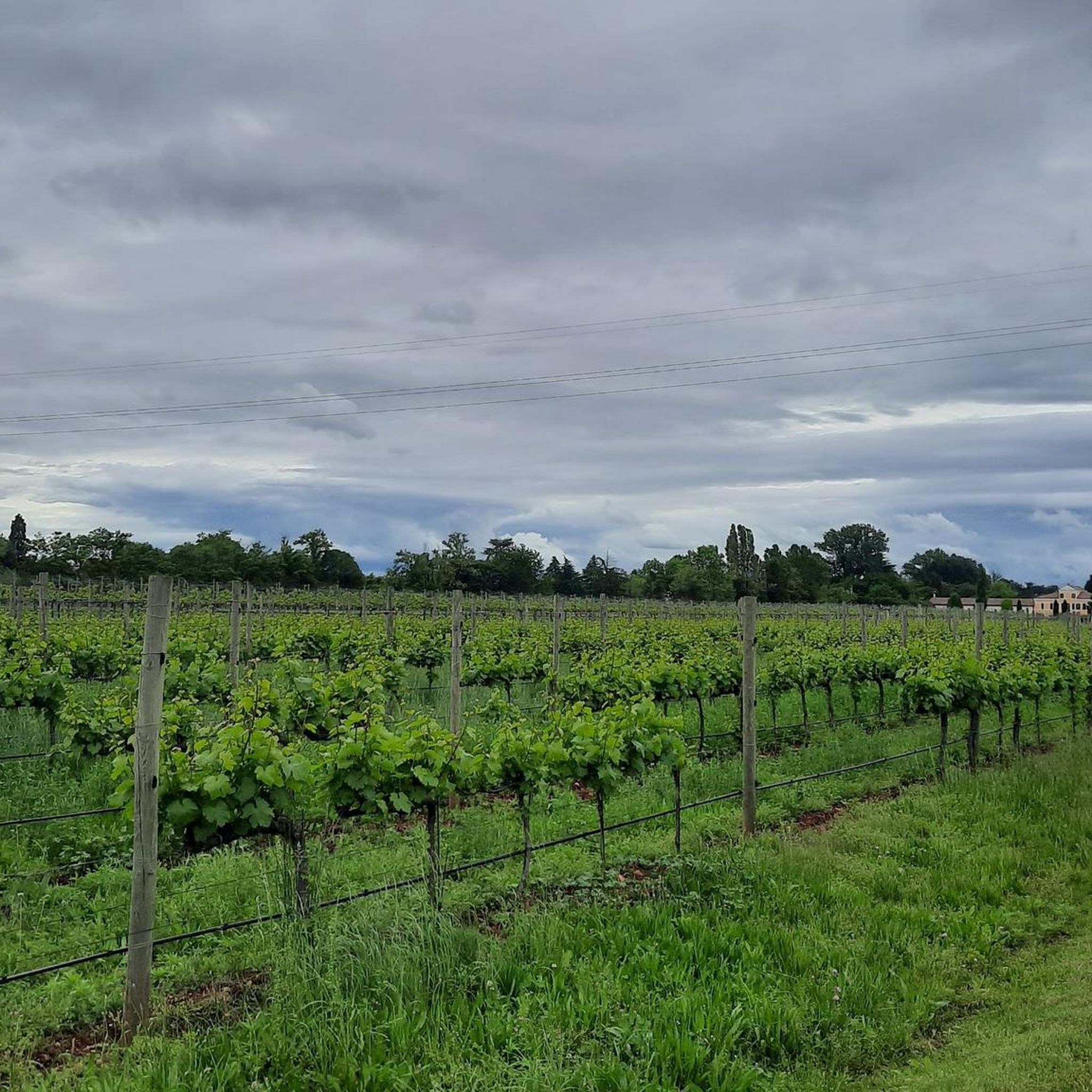
Tips from the Community

The Botteniga is a resurgence river in the Veneto-Friuli plain. It rises a few kilometers north of the city of Treviso (San Pelaio); shortly after it receives the waters of the La Cerca canal, the Pegorile and the Piavesella di Nervesa and then divides into several branches at the gates of the walls of Treviso, near the Ponte de Pria: • The Cagnan Grande or della Pescheria; • The Cagnan Medio or canale dei Buranelli (0.743 km); • The Cagnan della Roggia or Siletto (1.117 km); • The Convertite or Santa Sofia canal (0.882 km, mostly buried); • the canal that laps the outside of the walls on the eastern side (the western one has been buried). This system is actually part of a notable work of hydraulic engineering designed in the sixteenth century by Giovanni Giocondo for the defense of the walls. All the branches finally flow into the hydrographic left of the Sile river. The waters of the Botteniga also feed the spring from which the Cantarane canal flows (0.447 km, now mostly filled in).
0
0

Place where a very tough battle took place between 15 and 23 June 1918.
17
0

The table well illustrates the history of the Falzè pontoon bridge on the Piave
1
0
in Falzè, along the route, a stop at the rebuilt raft in the recreational area is recommended, where there are comprehensive illustrative tables
1
0

Nice climb, excellent road surface
2
0
The Valley of the Dead is so named due to the large amount of remains that emerged after the conclusion of the Battle of the Solstice.
18
0
The shrine near the Valley of the Dead, commissioned by the Municipality of Giavera in the 1960s, is dedicated to the memory of the fallen of all wars. Outside the chapel, a project has been underway since 2013 to remember with a ceramic tile the missing people of all nationalities who were missing on Montello during the Great War. For each soldier, the name and surname, age at the time of death, place of birth and, where known, a personal characteristic that characterized them in their life before the War will be reported.
19
0
Commemorative stone dedicated to Captain Carlo Sozzani who was an aide to General Pennella who was killed on the Montello hills during the 1918 war.
18
0
Frequently Asked Questions
What are some of the most popular natural monuments to visit around Povegliano?
Among the most appreciated natural monuments are the Tavaran Grando Cave, a 400-meter long karst cave accessible via the First World War Bunker route. Visitors also frequently explore the Monument to General Giuseppe Pennella and Valley of the Dead, a historical site near a deep sinkhole, and the Botteniga River, which offers a peaceful oasis as it flows into the Sile near Treviso.
Are there family-friendly natural attractions in the Povegliano area?
Yes, several natural monuments are suitable for families. The Botteniga River and Monument to General Giuseppe Pennella and Valley of the Dead are both family-friendly. The Le Volpere Nature Trail is also a great option, winding along the Piave river with interesting geological features and historical context. For an interactive experience, the Parco degli Alberi Parlanti (Park of Talking Trees) in the broader Treviso area offers nature-focused activities for children.
What kind of geological features can I expect to see near Povegliano?
The region is known for its karst formations. The Tavaran Grando Cave and San Girolamo Cave are prime examples of karst caves found on Montello. Additionally, the Le Volpere Nature Trail features a suggestive conglomerate wall, a rock made up of heterogeneous pebbles, showcasing unique sedimentary geology.
Are there historical sites combined with natural beauty in this region?
Absolutely. The Monument to General Giuseppe Pennella and Valley of the Dead is a significant historical site commemorating fallen soldiers, set near a deep sinkhole. The Le Volpere Nature Trail also has historical importance, with evidence of Mesolithic settlements and the former 'Passo Barca' crossing point. Further afield, L'isola dei Morti ('Dead Island') on the Piave river holds historical significance from World War I within a tranquil natural setting.
What outdoor activities can I do near these natural monuments?
The area around Povegliano offers various outdoor activities. You can find numerous hiking trails, including easy loops like the 'Church of San Rocco loop from Postioma' or moderate ones like the 'Villorba Cycle Path loop'. For cyclists, there are MTB trails and gravel biking routes, such as 'Gravel Road Through the Vineyards' or longer routes like 'Along the Sile – Venetian Lagoon and Flamingos'.
Where can I experience diverse flora and fauna near Povegliano?
For rich biodiversity, consider visiting the Parco Naturale Regionale del Fiume Sile (Sile River Regional Natural Park). Within this park, the Oasi Cervara is a small natural reserve featuring marsh plants, diverse bird species, and freshwater reptiles. The Oasi delle Fontane Bianche is another excellent spot for naturalistic walks, accompanied by bird sounds, and the San Daniele Natural Park is rich in biodiversity.
Are there any natural monuments that are particularly easy to access?
The Tavaran Grando Cave is noted as being easily accessible. Additionally, the local 'walk among dandelions and canals' in Povegliano itself offers a pleasant and easy experience through rural landscapes, suitable for all ages.
What is the best time of year to visit the natural monuments around Povegliano?
The spring and autumn months generally offer the most pleasant weather for exploring the natural monuments and parks in the Treviso Province. During these seasons, temperatures are mild, and the landscapes are vibrant, making it ideal for hiking, cycling, and enjoying outdoor walks without the intense heat of summer or the chill of winter.
Can I find any unique natural water features in the area?
Yes, the region is rich in water features. The Botteniga River is a notable waterway. The Oasi delle Fontane Bianche is particularly unique, known for its groundwater springs that gush to the surface year-round, creating a distinctive natural environment. The Sile River Regional Natural Park also offers serene river environments.
Are there any natural monuments with educational aspects?
The Molinetto della Croda, an ancient water mill in Refrontolo, functions as a museum, offering insights into the history and culture of milling within a beautiful natural setting. The Montebelluna Natural History Museum's Garden also combines a museum with curated gardens, a butterfly house, and aviaries, providing an educational experience focused on flora and fauna.
What do visitors enjoy most about the natural monuments around Povegliano?
Visitors frequently appreciate the tranquility and natural beauty of the area. The peaceful environment of the Botteniga River, the historical significance combined with natural settings at the Monument to General Giuseppe Pennella and Valley of the Dead, and the unique geological formations of the Tavaran Grando Cave are often highlighted. The opportunity for easy paths and scenic walks is also a common positive feedback.
Most popular routes around Povegliano
Most popular attractions around Povegliano

Get inspired with the komoot mobile app


Explore more
Extend your search for the best caves by checking out these guides of the top ones around Povegliano:
