The best gravel rides around Povegliano
4.5
(757)
8,772
riders
176
rides
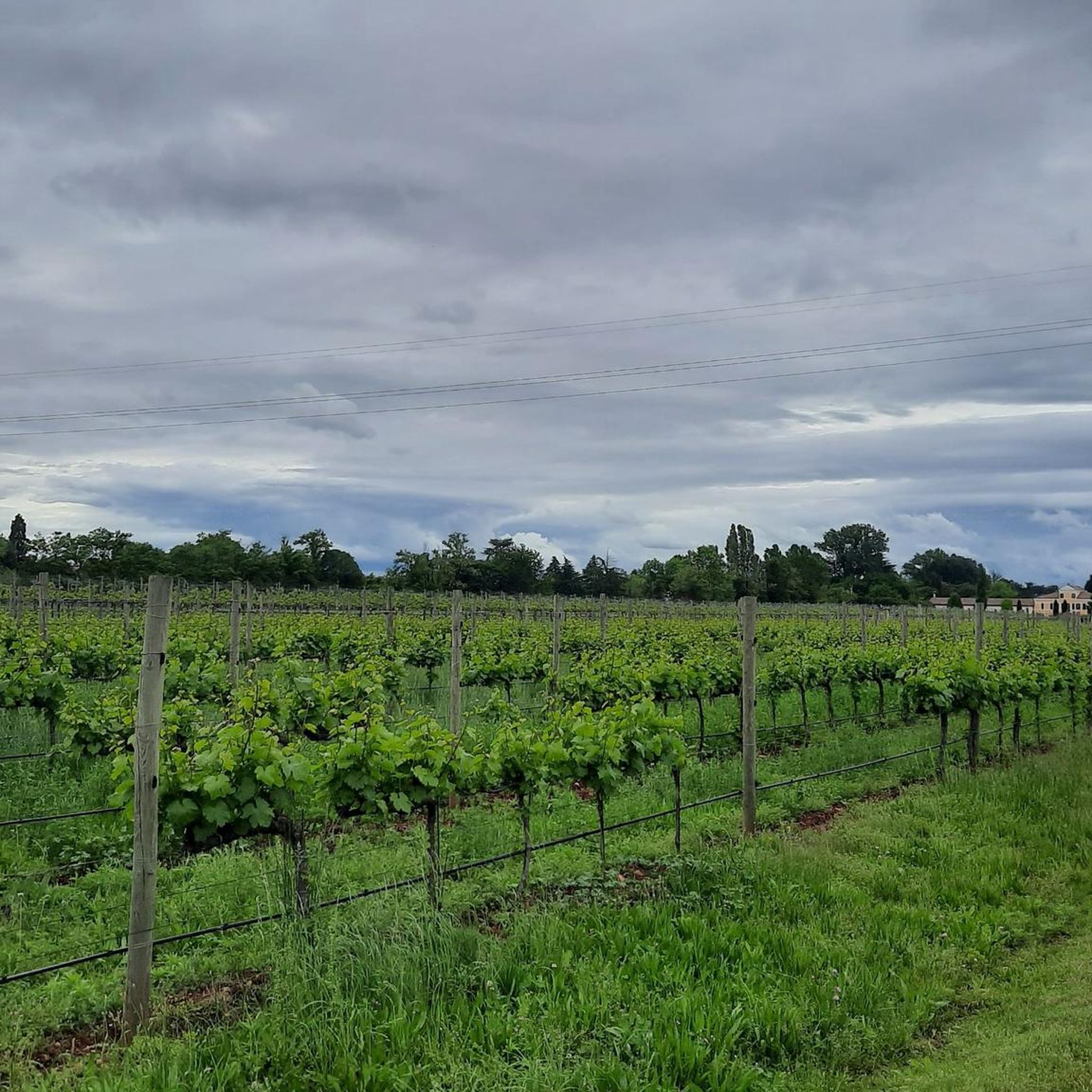
Gravel biking around Povegliano offers a diverse landscape for riders. The region features a mix of riverine paths along waterways like the Sile, historical routes connecting ancient castles, and undulating terrain through vineyard areas. Riders can expect varied surfaces, from compacted gravel to paved sections, suitable for gravel bikes. The area provides routes that explore both the flat plains leading towards the Venetian Lagoon and the rolling hills of the Prosecco region.
Best gravel bike trails around Povegliano
- The most…
Last updated: July 8, 2026
5.0
(3)
171
riders
Hard gravel ride. Very good fitness required. Mostly paved surfaces. Suitable for all skill levels.
4.9
(9)
216
riders
64.0km
03:50
330m
330m
Moderate gravel ride. Good fitness required. Mostly paved surfaces. Suitable for all skill levels.

Sign up for free
5.0
(9)
145
riders
98.9km
06:27
1,310m
1,310m
Hard gravel ride. Very good fitness required. Mostly paved surfaces. Suitable for all skill levels.
67
riders
150km
09:57
1,800m
1,800m
Hard gravel ride. Very good fitness required. Mostly paved surfaces. Suitable for all skill levels.
4.7
(6)
109
riders
81.9km
05:19
1,070m
1,070m
Hard gravel ride. Very good fitness required. Mostly paved surfaces. Suitable for all skill levels.
Get access to more routes and recommendations from other explorers.
Sign up for free
Already have an account?
Our route recommendations are based on thousands of hikes, rides, and runs completed by other people on komoot.
Start today with a free account
Your next adventure awaits.
Login or Signup
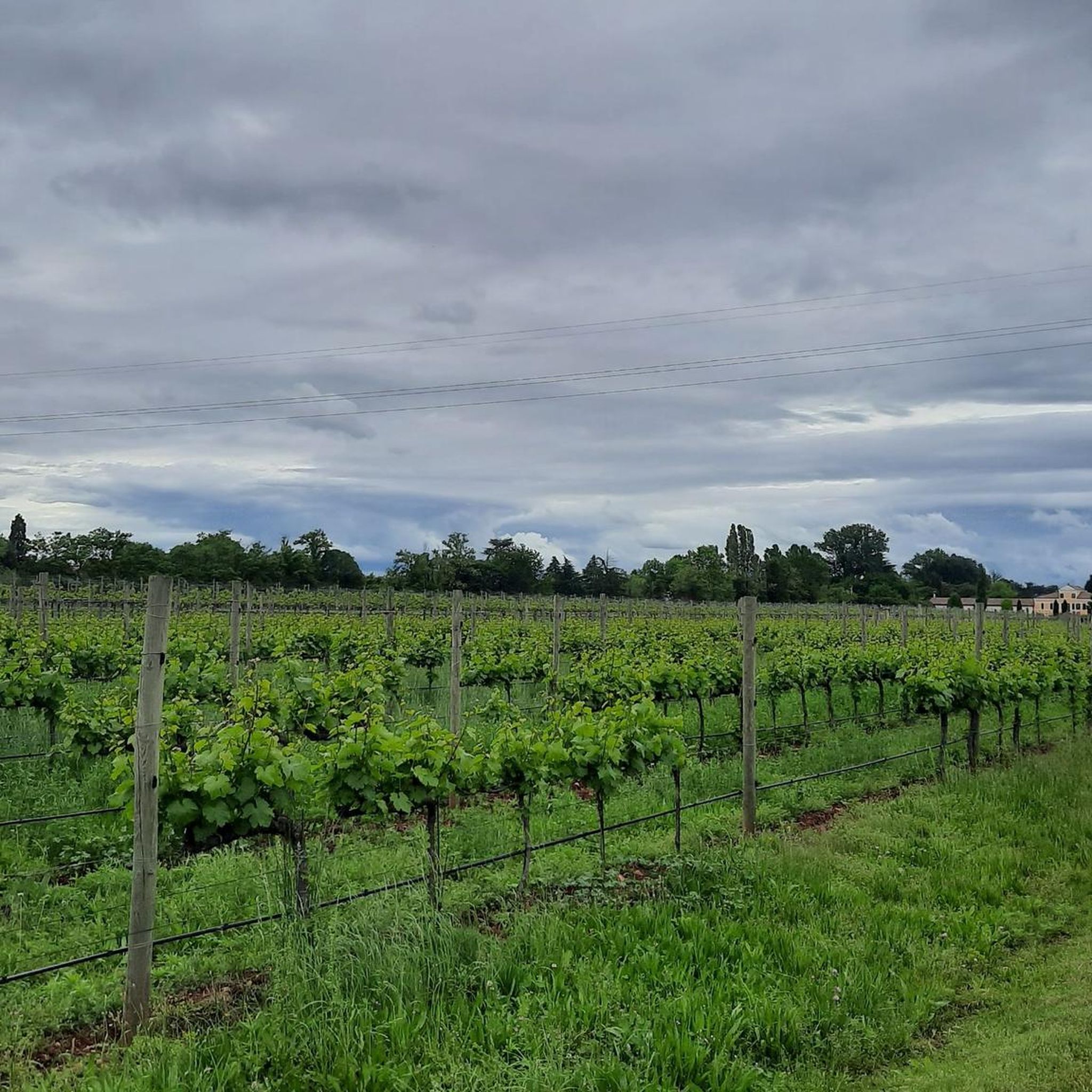
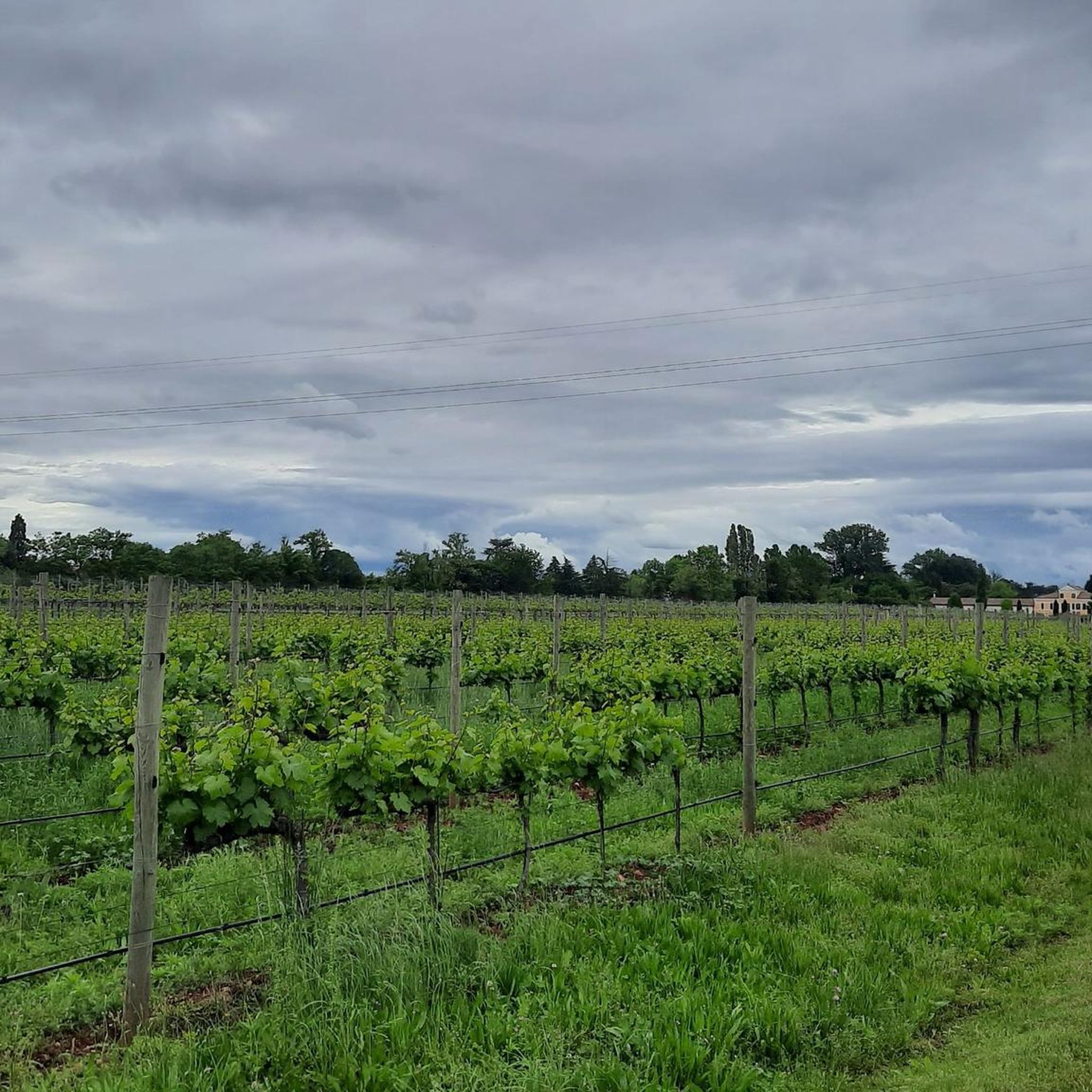
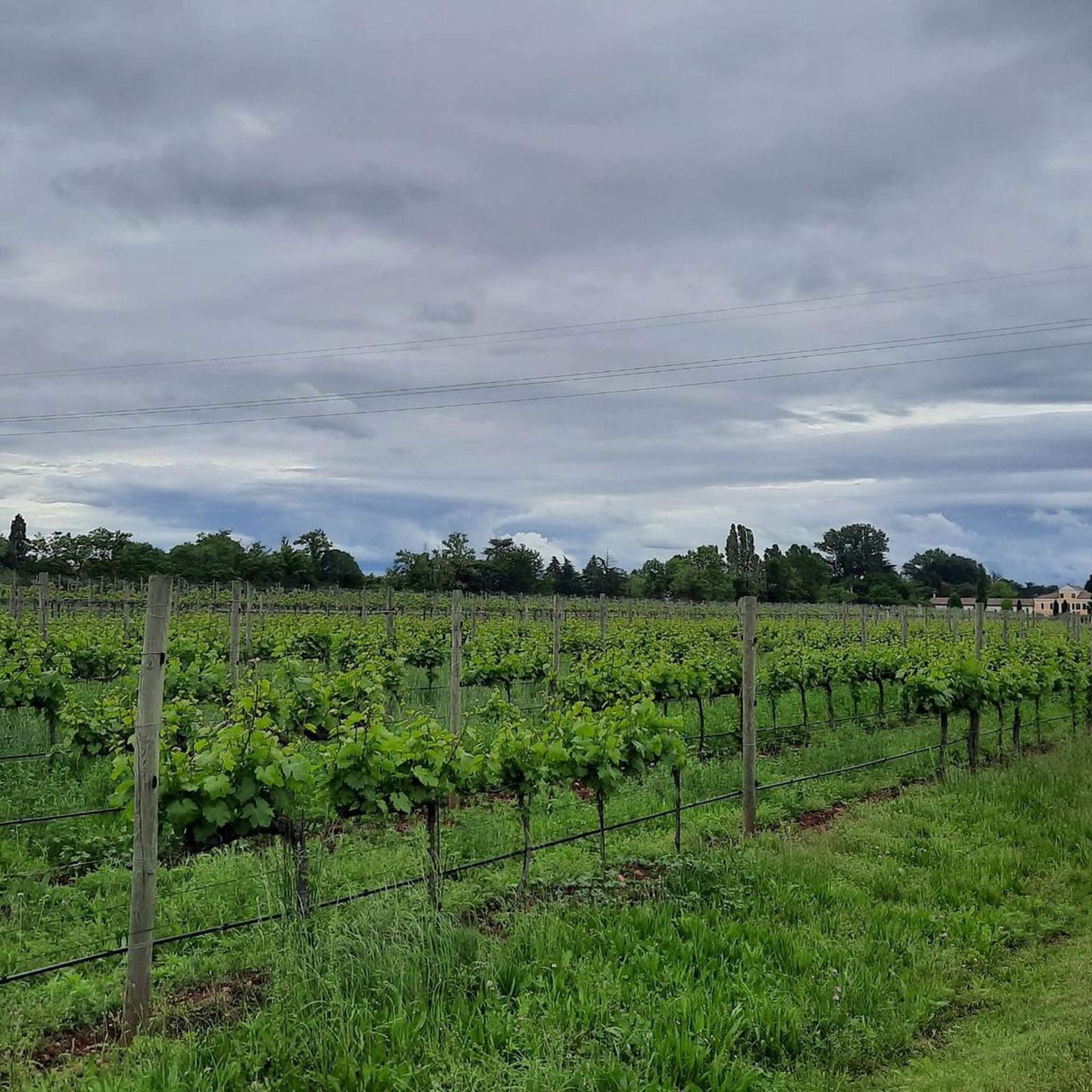
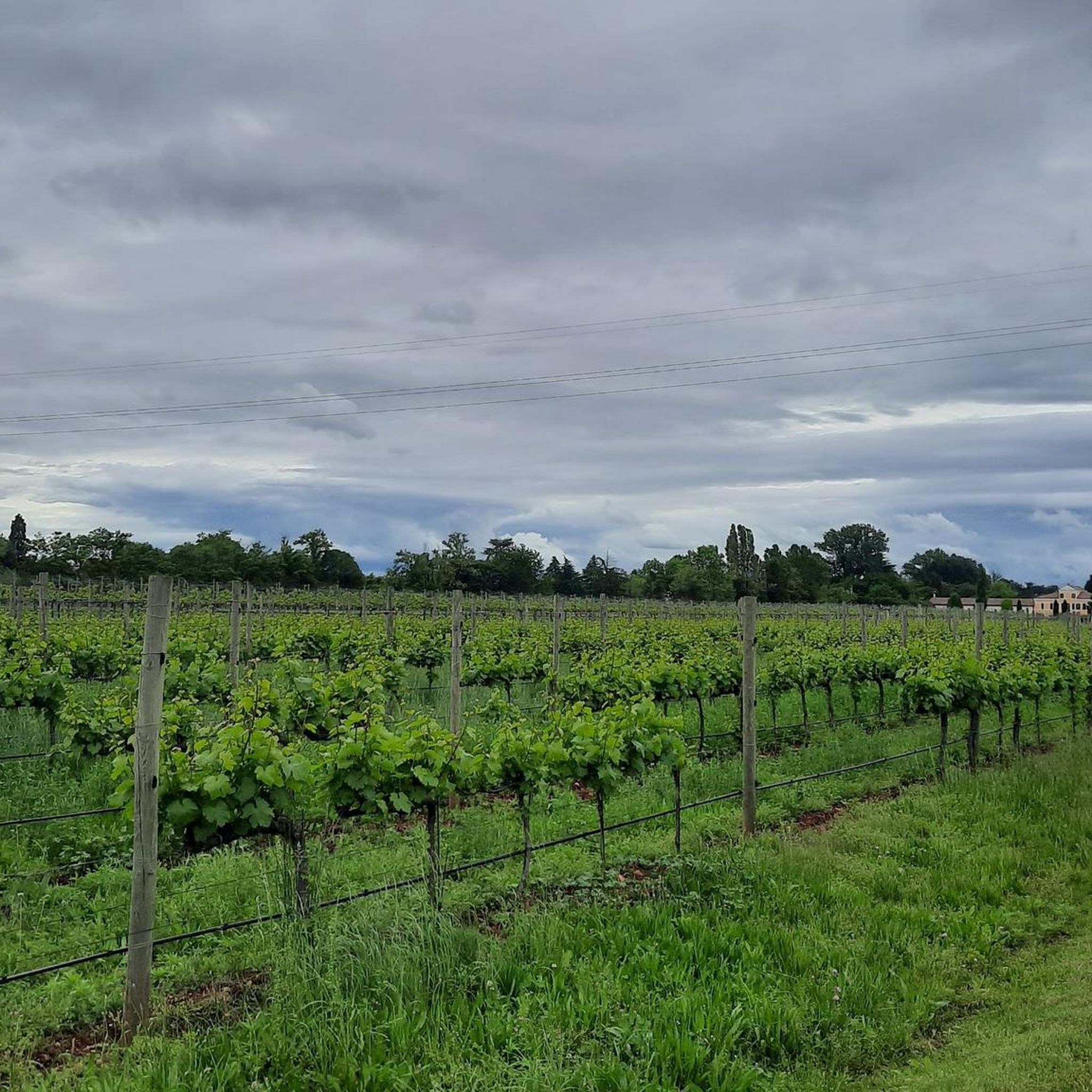
Tips from the Community

Whoever wishes to say a short prayer to Christ the Redeemer in this sanctuary may perhaps use the following text by San Francesco (Francis of Assisi), which he often and gladly spoke, and which he even left to posterity in his spiritual testament: + »We adore you, Lord Jesus Christ, [here] and in all your churches throughout the whole world, and we praise you, because by your holy cross you have redeemed the world.« The Franciscan Peter Fobes OFM comments on this in a publication as follows: “He expands the faith in the presence of God in the space where he says the prayer to all the churches in the world. He wishes to adore him who has redeemed the world in all the holy places of the world.”
0
0

The Castle of Collalto is an ancient medieval manor founded in the 12th century by the noble family of the Counts of Collalto. Strategically positioned on a hill overlooking the Piave plain, the castle soon became the hub of a vast and powerful feud. Over the centuries, the structure transformed from a military fortress into a splendid noble residence, enriched with works of art including frescoes by Pordenone. Unfortunately, its crucial position on the front line during World War I led to its almost total destruction under bombardment. Today, of the glorious original complex, the evocative ruins remain, dominated by the imposing 12th-century master tower, the defensive walls, and the nearby church of San Giorgio, which bear witness to the millennial charm of one of the most important historical sites in the Marca Trevigiana.
1
0
The Stradon del Bosco is a historic itinerary that develops along the southern slope of Montello, in the province of Treviso. This fascinating route, predominantly flat and immersed in nature, runs for long stretches along the Canale del Bosco, an artificial hydraulic work built in the 16th century to divert the waters of the Piave for irrigation and production purposes. Ideally connecting the area of Crocetta del Montello and Montebelluna to Nervesa della Battaglia, the road today represents an ideal destination for lovers of trekking, running, and cycle tourism, particularly for gravel and road bike enthusiasts. In addition to offering suggestive views of the pre-Alpine landscape and the typical oak woods of the hill, the trail intersects the historic "prese" (intakes) of Montello, combining naturalistic beauty with the historical memory of the territory.
0
0
The parish church of the Most Holy Redeemer, located in Santa Croce del Montello in the municipality of Nervesa della Battaglia, is a significant place of worship for the Diocese of Treviso. The first structure was built between 1899 and 1900, and was opened for worship precisely on the occasion of the Holy Year of the Redeemer. During the First World War, the building found itself at the heart of the fighting along the Piave line and suffered almost total destruction. It was rapidly rebuilt on the old foundations between 1920 and 1922, and then enlarged in the thirties with the addition of the side aisles and the bell tower. The building today presents itself in a neo-Romanesque style, with a stone facade and a three-nave interior embellished with a checkerboard floor in Verona and Botticino marble, while the apse houses the statues of the Redeemer and Saint Joseph.
2
0
The "La Tradotta" cycle path is a suggestive 20-kilometer cycle and pedestrian route that follows the track of the old Montebelluna-Susegana military railway. The name derives from the trains that, during the Great War, transported troops and supplies towards the Piave front. The route, predominantly flat and immersed in greenery, connects Montebelluna to Nervesa della Battaglia, running along the slopes of Montello. Along the way, you will encounter the remains of old signal boxes and stations, as well as historical monuments and educational panels that recount the events of 1917-18. It is an ideal itinerary for families and history enthusiasts, offering a direct link between modern slow mobility and the memory of the Treviso territory.
0
0
The Castello di San Salvatore, which dominates the town of Susegana, is one of the most imposing late medieval fortifications in Italy and the symbol of the power of the Counts of Collalto. Built starting from the 13th century, it transformed over time into a lavish Renaissance residence, becoming a cultural center of international importance. Despite the very serious damage suffered during the Great War, when it was on the Piave front line, the castle has been carefully restored by the Collalto family. Today, it welcomes visitors with its crenellated walls and splendid hanging garden, offering a breathtaking view of the Prosecco hills and testifying to eight centuries of aristocratic history amidst art, battles, and excellent wine-making traditions.
0
0

Very beautiful. Slight incline and very pleasant.
0
0
Historically suggestive. A bit boring and dusty.
0
0
Frequently Asked Questions
How many gravel bike trails are available around Povegliano?
Povegliano and its surroundings offer a wide selection of gravel biking opportunities, with over 240 routes available. These range from easy rides to more challenging long-distance tours, catering to various skill levels.
Are there any easy or beginner-friendly gravel bike routes in Povegliano?
Yes, the region features 18 routes specifically categorized as easy, making them suitable for beginners or those looking for a relaxed ride. These often follow flatter terrain along river paths or through less undulating vineyard areas.
What are the typical lengths and durations of gravel bike trails in Povegliano?
The routes vary significantly in length and duration. For example, the challenging Along the Sile – Venetian Lagoon and Flamingos loop from Spresiano covers about 63 miles (102 km) and takes over 6 hours, while shorter options are available for quicker excursions. You'll find everything from multi-hour adventures to shorter, more accessible rides.
What kind of terrain can I expect on gravel bike routes around Povegliano?
The terrain is quite diverse, reflecting the region's geography. You'll encounter riverine paths along waterways like the Sile, historical routes connecting ancient castles, and undulating sections through vineyard landscapes. Surfaces range from compacted gravel to paved roads, offering a varied riding experience.
What are some notable landmarks or attractions I can see along the gravel bike trails?
Many routes pass by significant points of interest. You can explore historical sites like the San Salvatore Castle, or natural features such as the Botteniga River. Some trails also lead through the scenic Prosecco region, offering views of terraced vineyards, or towards the Venetian Lagoon with opportunities to spot flamingos.
Are there any circular gravel routes available in the Povegliano area?
Yes, many of the gravel routes around Povegliano are designed as loops, allowing you to start and finish at the same point. A popular example is the Collalto Castle – San Salvatore Castle loop from Spresiano, which offers a comprehensive tour of historical landmarks.
When is the best time of year to go gravel biking in Povegliano?
Spring and autumn generally offer the most pleasant conditions for gravel biking in Povegliano, with mild temperatures and beautiful scenery. Summers can be warm, especially in the flatter areas, while winters are typically mild but can be damp. Always check the local weather forecast before heading out.
What do other gravel bikers enjoy most about the trails in Povegliano?
The area is highly rated by the komoot community, with an average score of 4.5 stars from over 700 reviews. Riders often praise the diverse landscapes, from river paths to vineyard hills, and the opportunity to combine cycling with exploring historical castles and natural beauty.
Are there any advanced or challenging gravel trails for experienced riders?
Absolutely. The region is home to 128 difficult-rated routes, providing ample challenge for experienced gravel bikers. Trails like the San Salvatore Castle – Terraced Vineyards of Rolle loop from Spresiano feature significant elevation gains and longer distances, testing endurance and skill.
Can I find routes that explore the Prosecco region from Povegliano?
Yes, several routes venture into the renowned Prosecco region. The Rolle – San Salvatore Castle loop from Trevignano-Signoressa, for instance, leads through picturesque vineyard landscapes, offering a taste of the area's famous wine country.
Are there any routes that follow rivers or lead to the Venetian Lagoon?
Indeed. The region is characterized by its riverine paths. The Along the Sile – Venetian Lagoon and Flamingos loop from Spresiano is a prime example, following the Sile River and extending towards the unique wetland scenery of the Venetian Lagoon, where you might even spot flamingos.
Are there routes that connect multiple castles or historical sites?
Many routes are designed to highlight the rich history of the area. The San Salvatore Castle – Isola dei Morti Memorial loop from Spresiano is a challenging route that connects significant historical landmarks, offering a journey through the region's past.
Most popular routes around Povegliano
Most popular attractions around Povegliano

Get inspired with the komoot mobile app


Explore more
Browse the best Gravel rides in other regions.
