The best road cycling routes around Povegliano
4.4
(335)
14,334
riders
238
rides
Road cycling around Povegliano, situated in the Province of Treviso in Italy's Veneto region, offers varied terrain suitable for different cycling preferences. The area features a mix of quiet roads, tracks, and asphalt surfaces, traversing flatlands, rural landscapes with fields, and country churches. Cyclists can explore river plains and dedicated infrastructure like the Treviso–Ostiglia cycle path, which follows a former railway line.
Best road cycling routes around Povegliano
- The most popular road cycling route is Stradon del Bosco – Arditi…
Last updated: July 3, 2026
4.3
(48)
889
riders
Easy road ride. Great for any fitness level. Mostly well-paved surfaces and easy to ride.
4.4
(12)
412
riders
68.3km
03:36
1,090m
1,090m
Hard road ride. Very good fitness required. Some segments of this route may be unpaved and difficult to ride.

Sign up for free
4.8
(11)
404
riders
78.3km
03:22
530m
530m
Moderate road ride. Good fitness required. Mostly well-paved surfaces and easy to ride.
4.3
(3)
312
riders
Moderate road ride. Good fitness required. Mostly well-paved surfaces and easy to ride.
228
riders
87.9km
03:58
850m
850m
Moderate road ride. Good fitness required. Mostly well-paved surfaces and easy to ride.
Get access to more routes and recommendations from other explorers.
Sign up for free
Already have an account?
Our route recommendations are based on thousands of hikes, rides, and runs completed by other people on komoot.
Start today with a free account
Your next adventure awaits.
Login or Signup

Tips from the Community

Whoever wishes to say a short prayer to Christ the Redeemer in this sanctuary may perhaps use the following text by San Francesco (Francis of Assisi), which he often and gladly spoke, and which he even left to posterity in his spiritual testament: + »We adore you, Lord Jesus Christ, [here] and in all your churches throughout the whole world, and we praise you, because by your holy cross you have redeemed the world.« The Franciscan Peter Fobes OFM comments on this in a publication as follows: “He expands the faith in the presence of God in the space where he says the prayer to all the churches in the world. He wishes to adore him who has redeemed the world in all the holy places of the world.”
0
0

The Stradon del Bosco is a historic itinerary that develops along the southern slope of Montello, in the province of Treviso. This fascinating route, predominantly flat and immersed in nature, runs for long stretches along the Canale del Bosco, an artificial hydraulic work built in the 16th century to divert the waters of the Piave for irrigation and production purposes. Ideally connecting the area of Crocetta del Montello and Montebelluna to Nervesa della Battaglia, the road today represents an ideal destination for lovers of trekking, running, and cycle tourism, particularly for gravel and road bike enthusiasts. In addition to offering suggestive views of the pre-Alpine landscape and the typical oak woods of the hill, the trail intersects the historic "prese" (intakes) of Montello, combining naturalistic beauty with the historical memory of the territory.
0
0
The parish church of the Most Holy Redeemer, located in Santa Croce del Montello in the municipality of Nervesa della Battaglia, is a significant place of worship for the Diocese of Treviso. The first structure was built between 1899 and 1900, and was opened for worship precisely on the occasion of the Holy Year of the Redeemer. During the First World War, the building found itself at the heart of the fighting along the Piave line and suffered almost total destruction. It was rapidly rebuilt on the old foundations between 1920 and 1922, and then enlarged in the thirties with the addition of the side aisles and the bell tower. The building today presents itself in a neo-Romanesque style, with a stone facade and a three-nave interior embellished with a checkerboard floor in Verona and Botticino marble, while the apse houses the statues of the Redeemer and Saint Joseph.
2
0
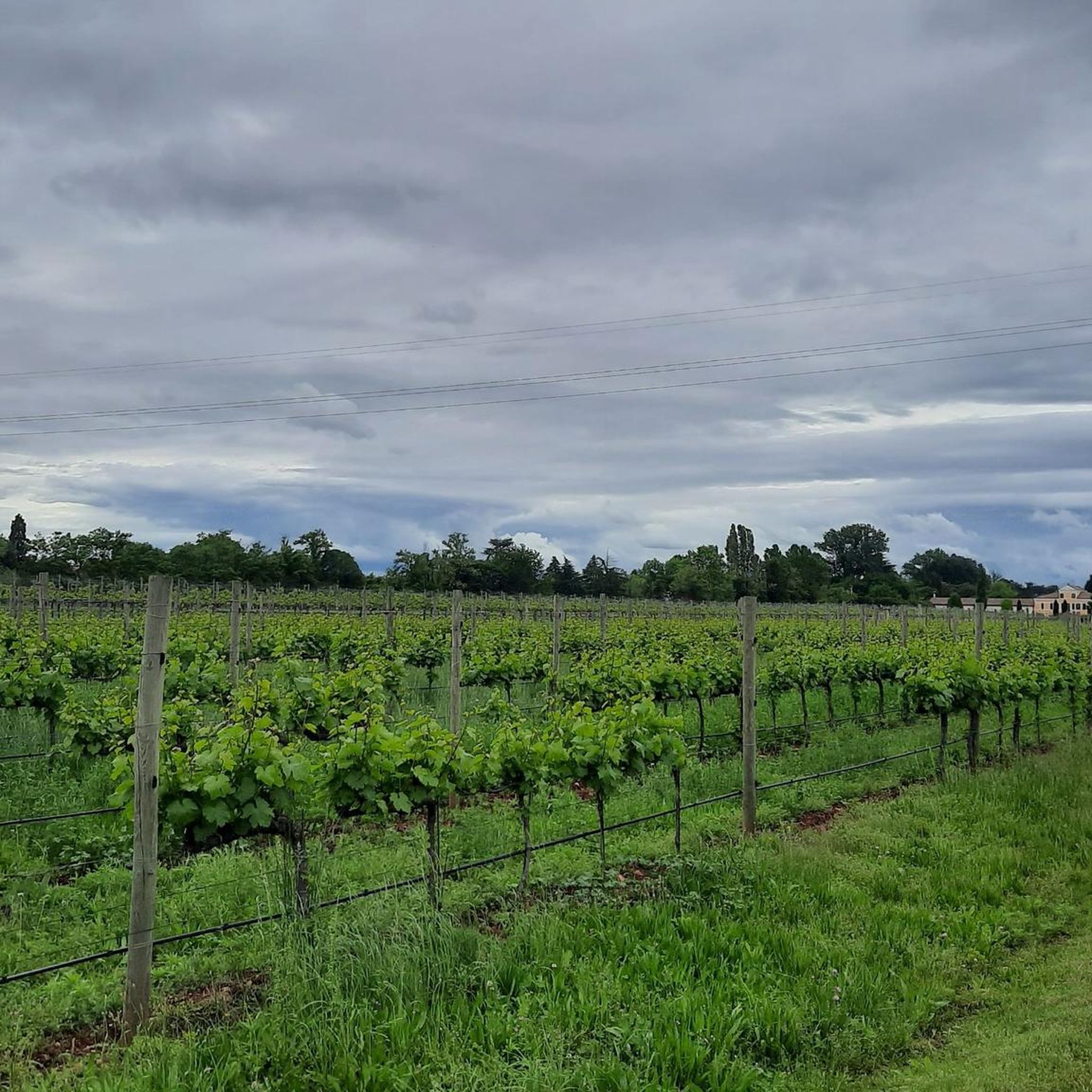
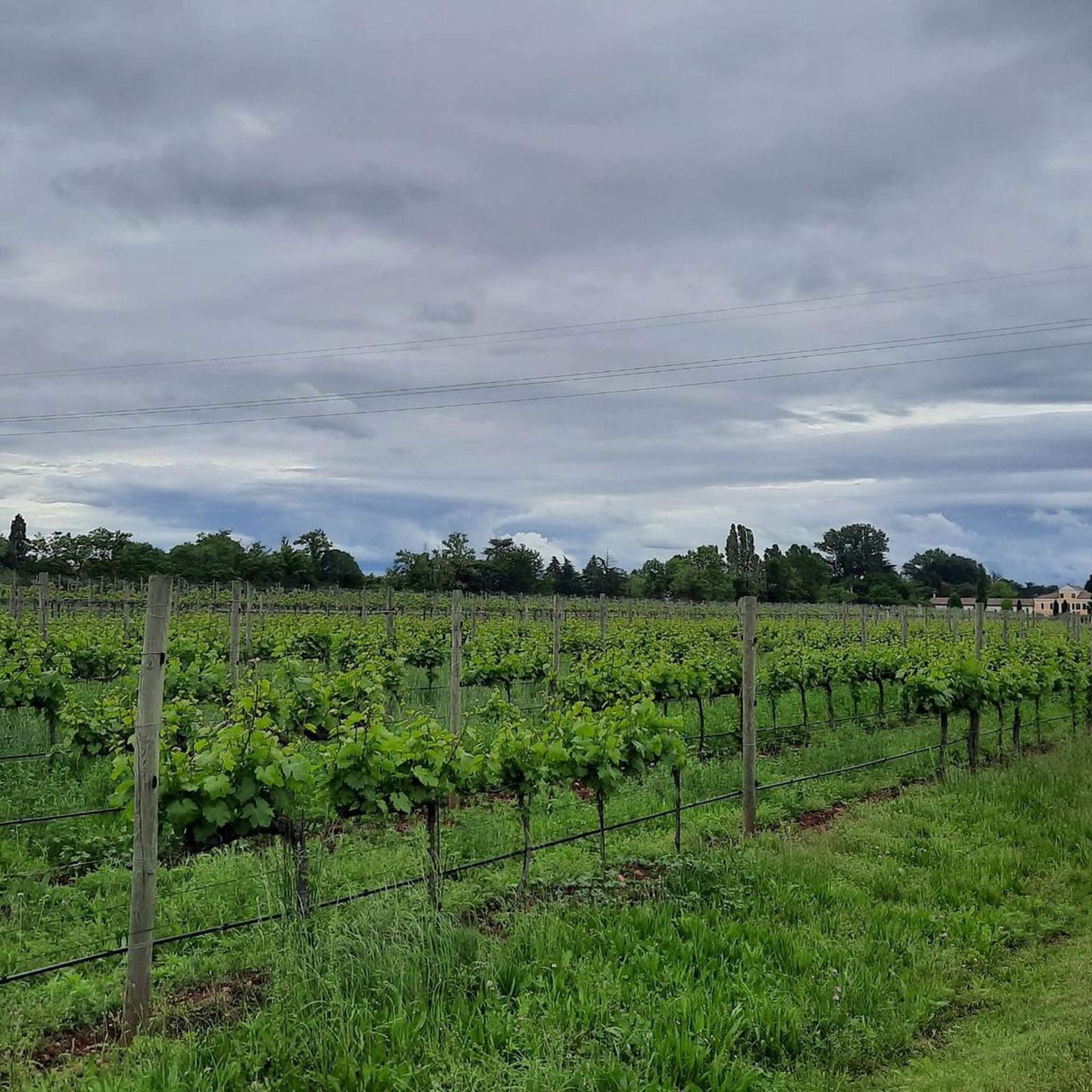
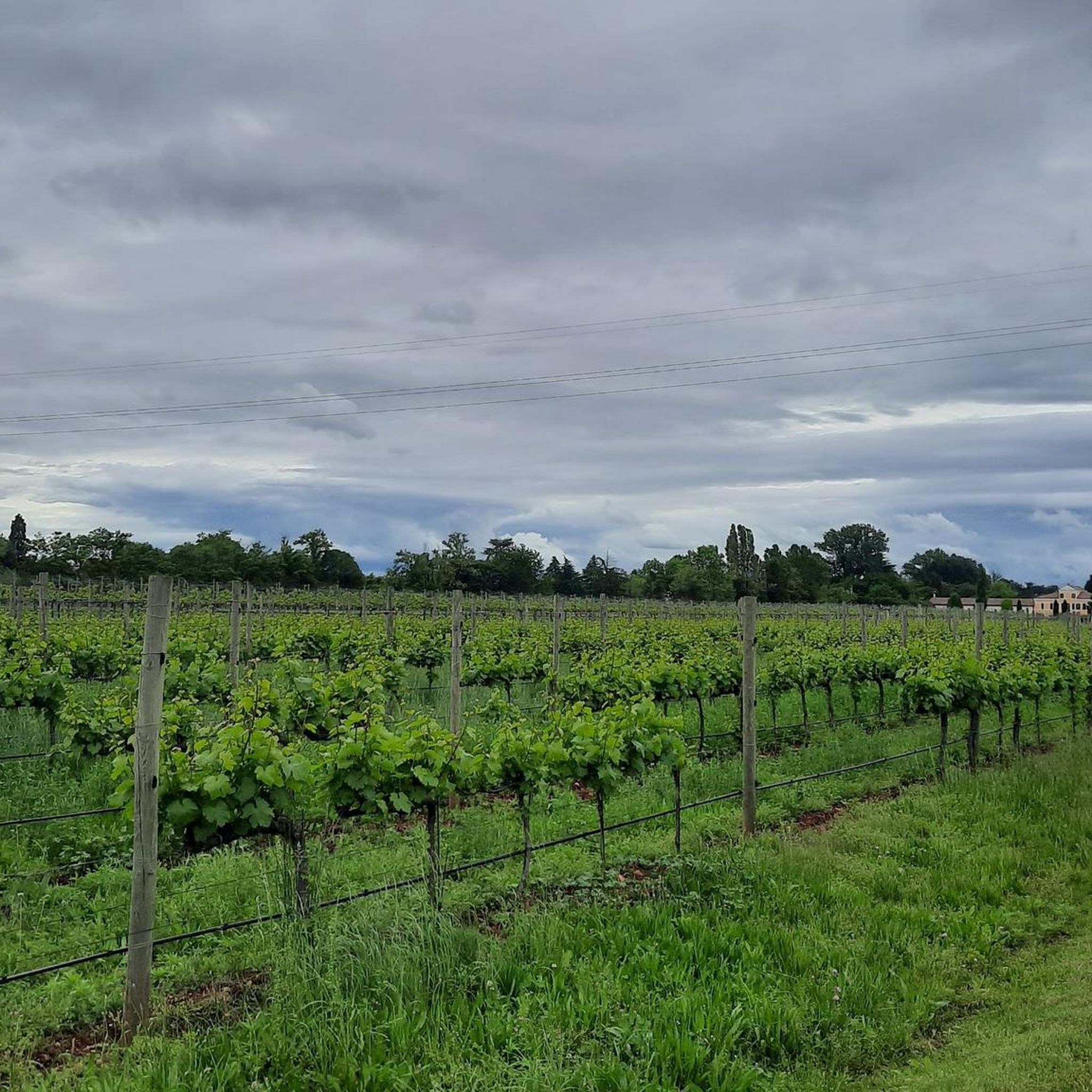
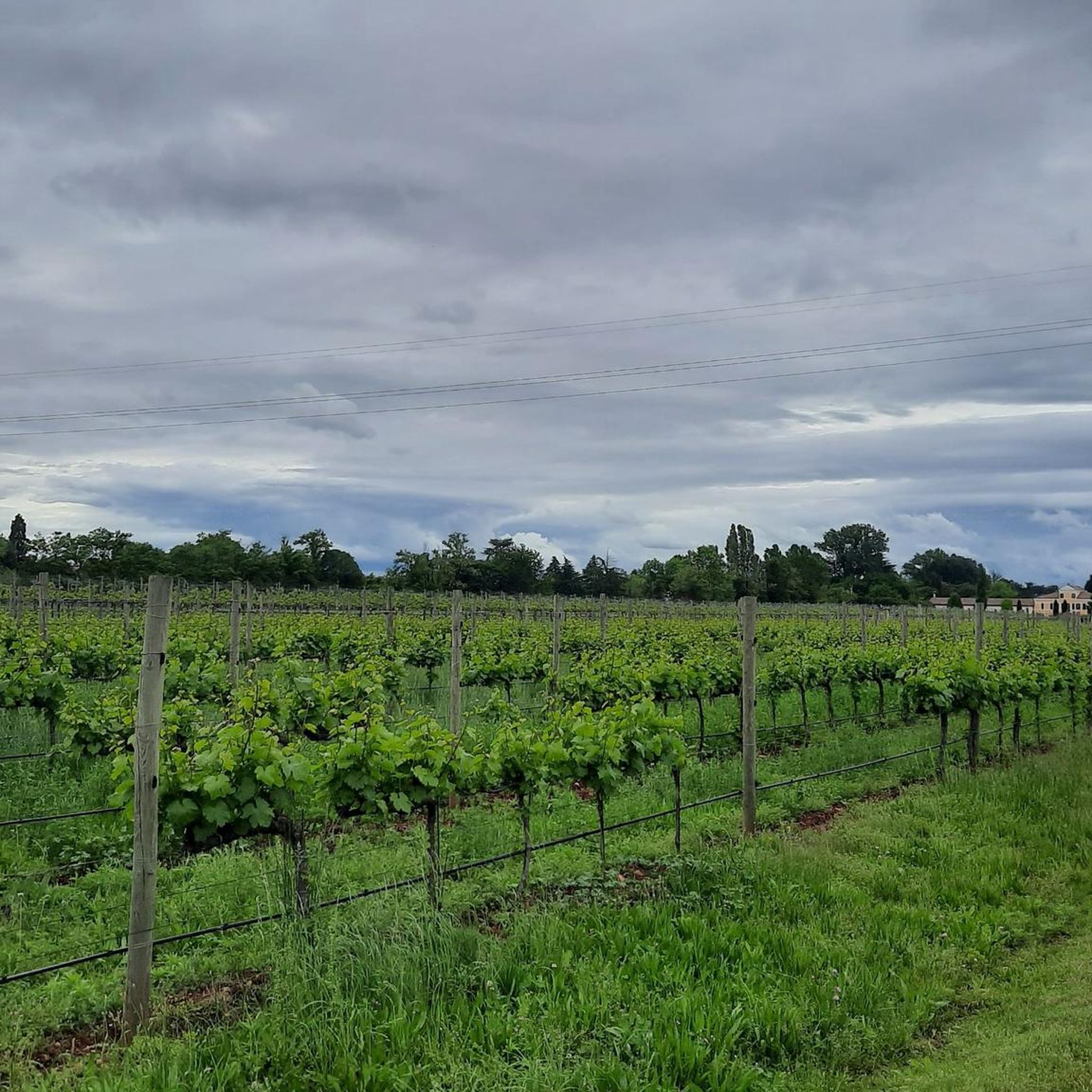
The Mire road winds through the territory of Corbanese, a hamlet of Tarzo, representing one of the most spectacular stretches of the Prosecco hills. This ridge itinerary ideally connects the area of Tarzo with that of Vittorio Veneto, offering a privileged perspective on the famous "feuds" of the area. The route is characterized by a succession of ups and downs that cut through high-altitude vineyards, where the slopes become extreme and cultivation becomes art. Along the Mire, the horizon opens to the south onto the Trevigiano plain and to the north onto the Belluno Prealps, creating a unique visual contrast between the geometric rigor of the rows and the wild nature of the peaks. It is an iconic place for those seeking silence and the raw beauty of the territory, far from the more trafficked valley routes.
0
0
Located at the foot of the Treviso Prealps, the Abbey of Santa Maria di Follina is one of the greatest masterpieces of late Romanesque and Cistercian Gothic style in Italy. Originally founded by Benedictine monks and brought to its greatest splendor by the Cistercians in the 13th century, the abbey amazes with the harmony of its proportions and the spirituality it emanates. The true jewel of the complex is the cloister, completed in 1268: an architectural masterpiece where paired, single, or spiral-decorated columns support elegant arches, creating a unique play of light and shadow. Inside the church, the majestic altarpiece and the statue of the Madonna of the Sacred Chalice make the site a vibrant pilgrimage destination even today. A place where the art, silence, and history of the wool-making monks are inextricably intertwined.
0
0
In the heart of the Prosecco Superiore DOCG hills, declared a UNESCO World Heritage site, Santo Stefano di Valdobbiadene represents the purest essence of heroic viticulture. This village is surrounded by a natural amphitheatre of very steep vineyards, where human labour has blended for centuries with a landscape shaped by the characteristic "ciglioni", the grassy terraces that follow the curves of the land. The hamlet is famous for being an integral part of the prestigious Cartizze area, a small patch of land of only 107 hectares where the sun exposure and soil composition gift the most prized bubbles of the denomination. Strolling among historic cellars and belvedere points, you breathe in an authentic hospitality linked to the wine culture. Among the most curious and beloved places stands out the Osteria senz’Oste, a rustic farmhouse where visitors can refresh themselves in complete autonomy, celebrating an indissoluble bond between territory, trust, and peasant conviviality.
0
0
The Presa XIV nord del Montello, known as Via della Vittoria, represents one of the most iconic and challenging ascents on the northern side of the area. The route begins on the panoramic road that runs along the Piave River and winds through the woods with a technical progression that requires excellent effort management. The climb has an average gradient of around 7%, but this figure is misleading due to the irregularity of the course. The initial segments are characterized by severe gradients that often exceed 10%, with maximum peaks reaching 14-15% on the tightest hairpin bends. The road surface, immersed in greenery and rich in historical references linked to the Great War, alternates steep sections with short stretches where the gradient slightly eases, allowing you to regain rhythm before the final crest.
0
0

Very beautiful. Slightly uphill, very pleasant for the landscapes and views of the very well-maintained houses in a natural setting.
0
0
Frequently Asked Questions
How many road cycling routes are available around Povegliano?
There are over 250 road cycling routes around Povegliano, offering a wide variety for all skill levels. The komoot community has explored more than 14,000 of these routes.
What kind of terrain can I expect when road cycling in Povegliano?
Road cycling around Povegliano features a varied terrain, primarily characterized by flatlands and rural landscapes with fields and country churches. You'll find a mix of quiet roads, tracks, and asphalt surfaces. A significant feature is the mostly flat, dedicated Treviso–Ostiglia cycle path, which follows a former railway line.
Are there any easy road cycling routes suitable for beginners or families?
Yes, Povegliano offers a good selection of easy routes. For instance, the Stradon del Bosco – Arditi Memorial loop from Giavera del Montello is an easy 41.4 km trail with a modest ascent, perfect for exploring the rural surroundings. The Treviso–Ostiglia cycle path is also largely flat and suitable for a relaxed ride.
What are some challenging road cycling routes for experienced riders?
For experienced riders seeking a challenge, the Stradon del Bosco – Path Along the River loop from Trevignano-Signoressa is a difficult 68.1 km path with significant elevation gain, offering a demanding experience along the river.
What interesting landmarks or attractions can I see along the road cycling routes?
Many routes offer glimpses into the region's charm. You can pass by historic sites like Santa Maria Della Vittoria or explore dedicated cycle paths such as the Canale del Bosco Cycle Path. The broader area also features historic towns like Treviso with its Piazza dei Signori, and numerous Venetian villas.
Are there any circular road cycling routes around Povegliano?
Yes, many of the routes around Povegliano are designed as loops, allowing you to start and finish in the same location. Examples include the Stradon del Bosco – Asolo Fountain loop from Spresiano and the View of the Montello Ridge – Santa Maria Della Vittoria loop from Spresiano.
What is the best time of year for road cycling in Povegliano?
The spring and autumn months generally offer the most pleasant conditions for road cycling in Povegliano, with milder temperatures and beautiful scenery. Summer can be warm, but many routes, especially the Treviso–Ostiglia path, offer shaded sections.
What do other road cyclists enjoy most about the routes around Povegliano?
The road cycling routes around Povegliano are highly rated by the komoot community, with an average score of 4.5 stars. Reviewers often praise the varied terrain, the mix of quiet roads and dedicated cycle paths, and the picturesque rural landscapes with fields and country churches.
Are there any specific cycle paths or greenways in the Povegliano area?
Absolutely. A notable feature is the Treviso–Ostiglia cycle path, a dedicated, mostly paved route stretching for 110 km along a former railway line. It's largely flat, often shaded, and includes refreshment points and rest areas. Another option is the La Tradotta Montebelluna–Nervesa della Battaglia Cycle Route.
Where can I find parking for road cycling routes near Povegliano?
Many routes originate from nearby towns and villages, which typically offer public parking options. For routes like the Stradon del Bosco – Arditi Memorial loop, starting points in places like Giavera del Montello would have suitable parking facilities.
Are there any cafes or places to stop for refreshments along the road cycling routes?
Yes, the region is well-equipped for cyclists. The Treviso–Ostiglia cycle path, for example, is dotted with refreshment points and rest areas. Many routes pass through or near small towns and villages where you can find cafes and local eateries to refuel.
Can I combine road cycling with visits to historic castles in the area?
Yes, the Veneto landscape is rich with history. While cycling, you can pass by or detour to see castles like Castello di San Salvatore (Susegana) or Castello Romano, many of which are located in the hills north of Treviso.
Most popular routes around Povegliano
Most popular attractions around Povegliano

Get inspired with the komoot mobile app


Explore more
Browse the best Road cycling routes in other regions.
