Top 9 Natural Monuments around Tresana
Best natural monuments around Tresana are found in the Lunigiana region of Tuscany, Italy, offering access to diverse natural landscapes. The municipality is situated near the Magra River and provides views of the Apuan Alps. This area features a mix of riverine habitats, forested areas, and mountainous terrain. Visitors can explore a variety of natural features, from tranquil riverbanks to panoramic viewpoints.
Best natural monuments around Tresana
- The most popular natural monuments is Casoni-Rastrello Pass, a mountain pass that…
Last updated: June 28, 2026
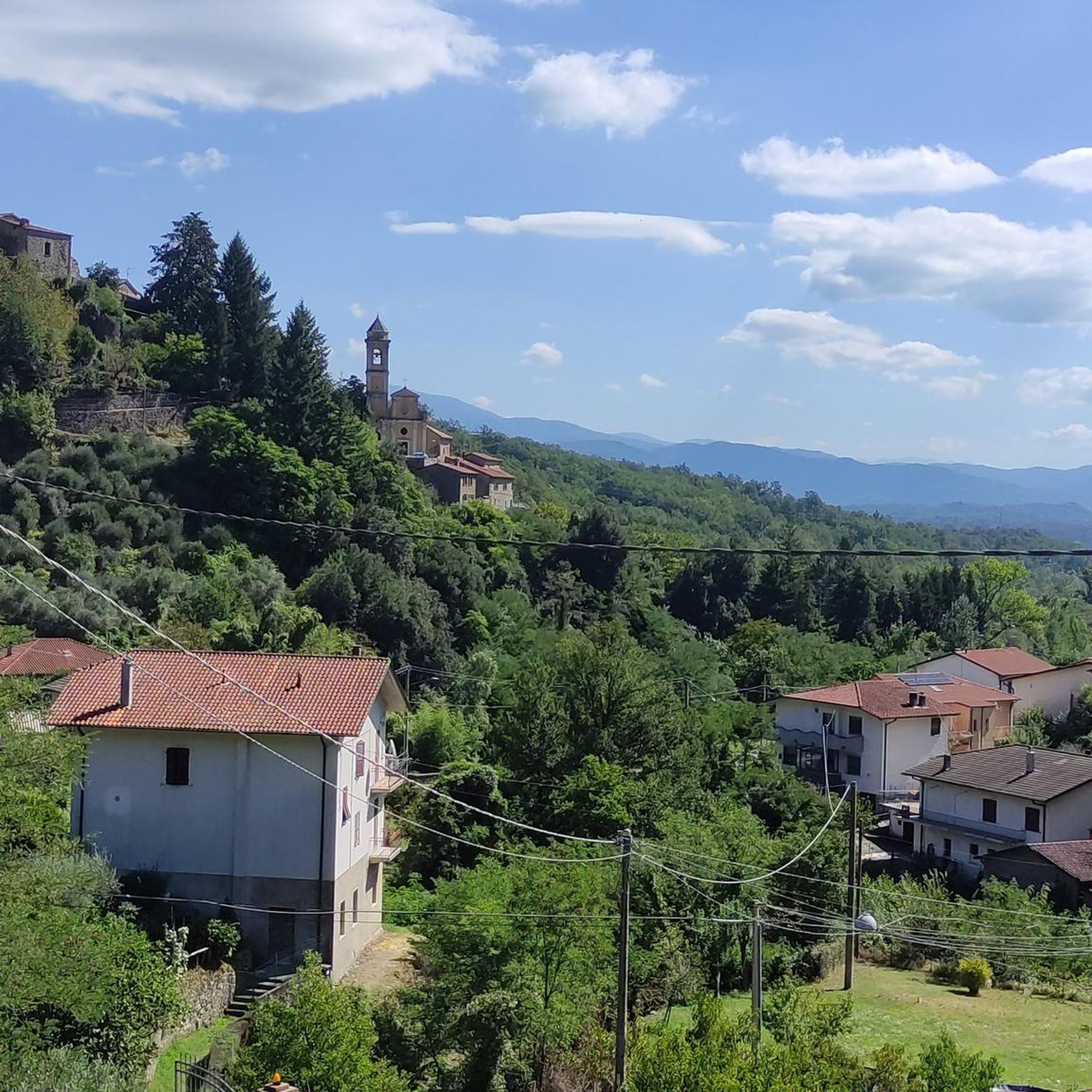
Sanctuary of Madonna del Gaggio
Highlight • Religious Site
Translated by Google •
Tip by

Monte Cornoviglio (scenic road)
Highlight (Segment) • Viewpoint
Translated by Google •
Tip by
Sign up now to discover places like this
Get recommendations on the best single tracks, peaks, & plenty of other exciting outdoor places.
Sign up for free
Casoni–Monte Stronzo Panoramic Road
Highlight (Segment) • Trail
Translated by Google •
Tip by

Casoni-Rastrello Pass
Highlight (Segment) • Mountain Pass
Translated by Google •
Tip by

View of Monte Cornoviglio, Monte Fiorito, and Monte Dragnone
Highlight • Viewpoint
Translated by Google •
Tip by

Sign up for free to discover even more natural monuments around Tresana.
Sign up for free
Already have an account?
Start today with a free account
Your next adventure awaits.
Login or Signup

Tips from the Community


Passing by Madonna del Gaggio, continue on a dirt road and arrive in front of the restaurant. 20 meters later on the right, there is another dirt road that leads to the base of the stream and after a climb always on a dirt road, you arrive at the town of Meredo. To the right you go to Barbarasco- Aulla and to the left to the Passo dei Solini Alta Via dei Monti Liguria.
0
0

Near the Gambin restaurant, a beautiful dirt road starts that leads to the Madonna del Gaggio and rejoins the provincial road.
0
0

Fantastic place with a unique view. Easy to reach
0
0

The Gaggio sanctuary, whose name takes inspiration from the very wooded areas of the area (the Gaggio, in fact) is known by various names. It is also called the sanctuary of the Madonna del Gaggio or Madonna della Neve, and rises above the valley.
2
0
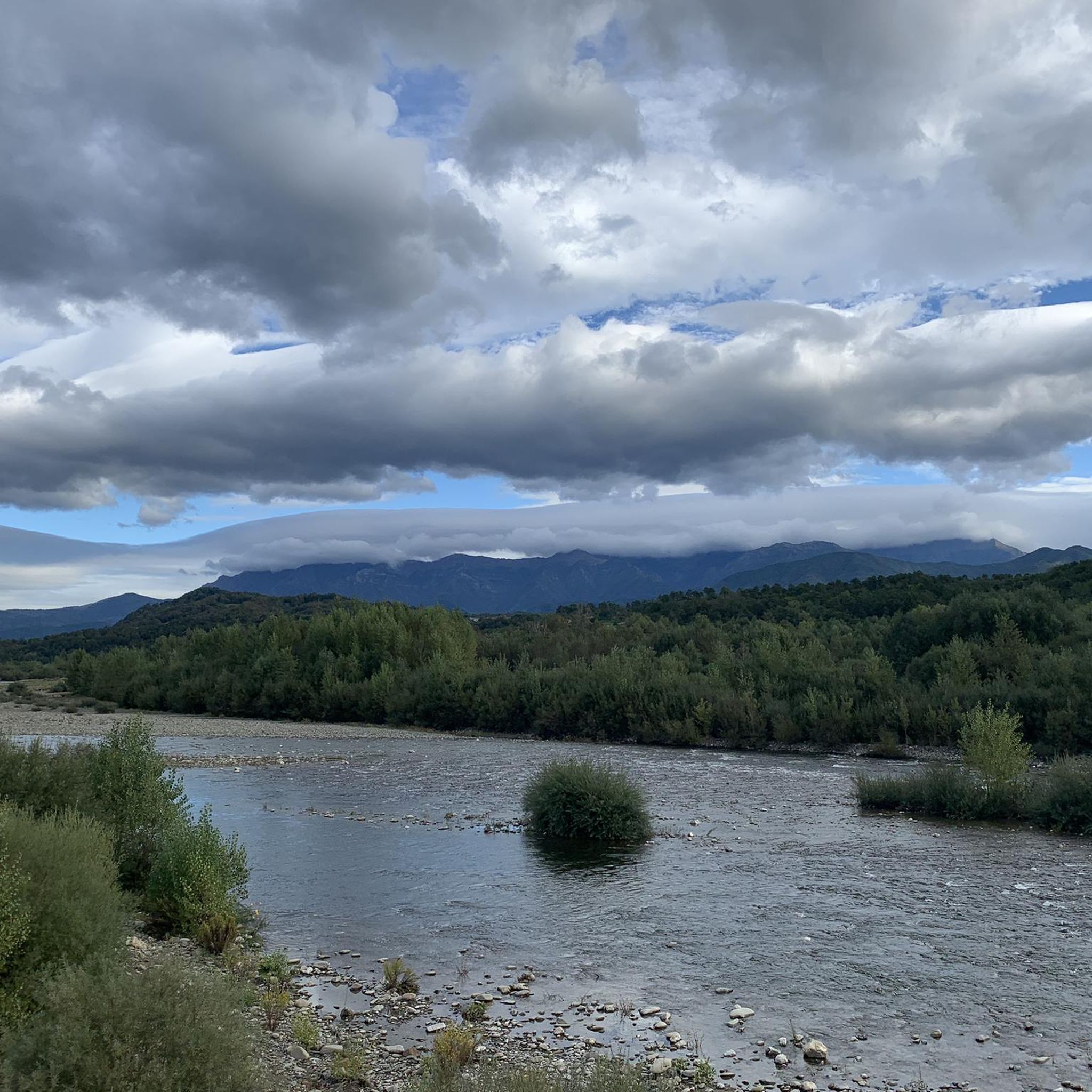
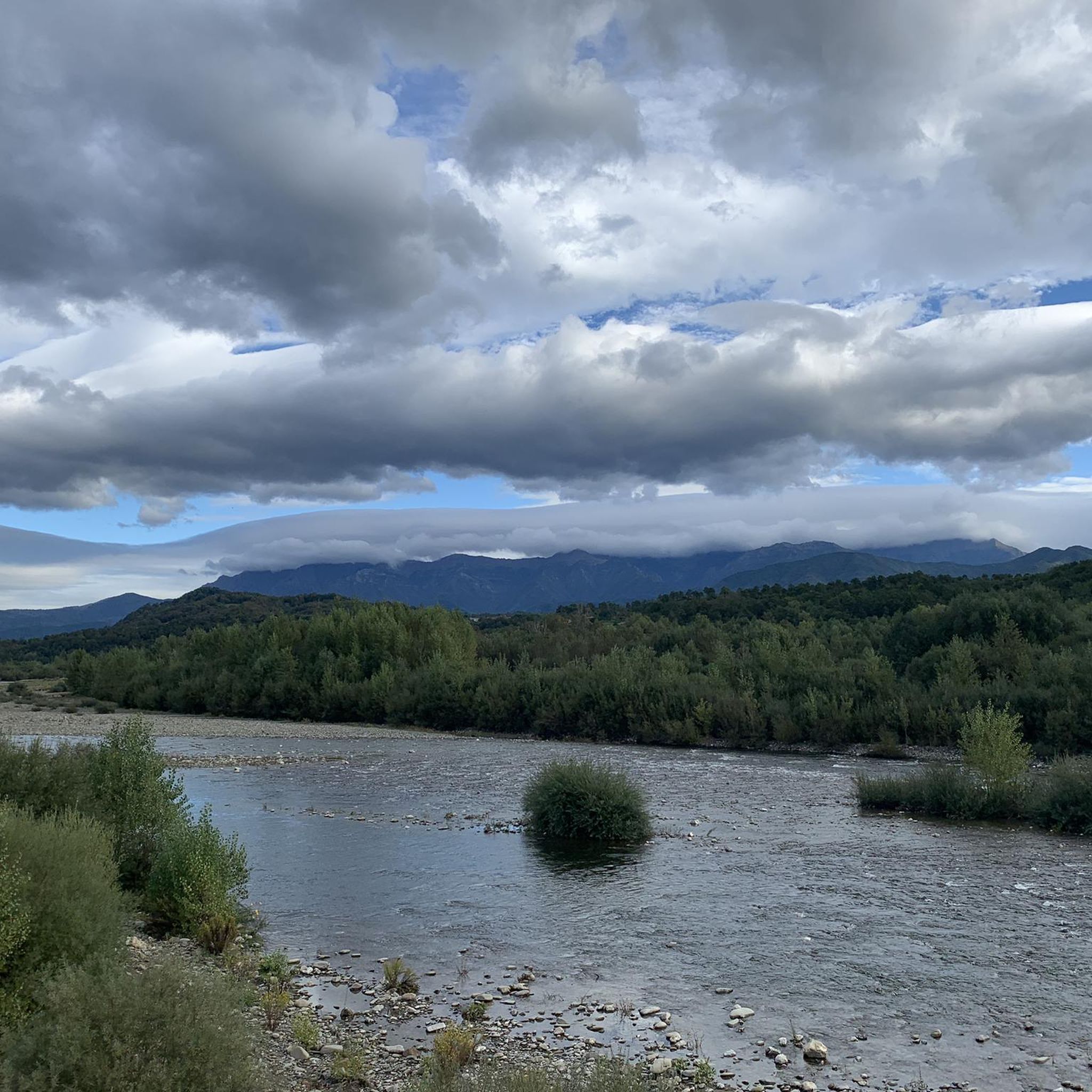
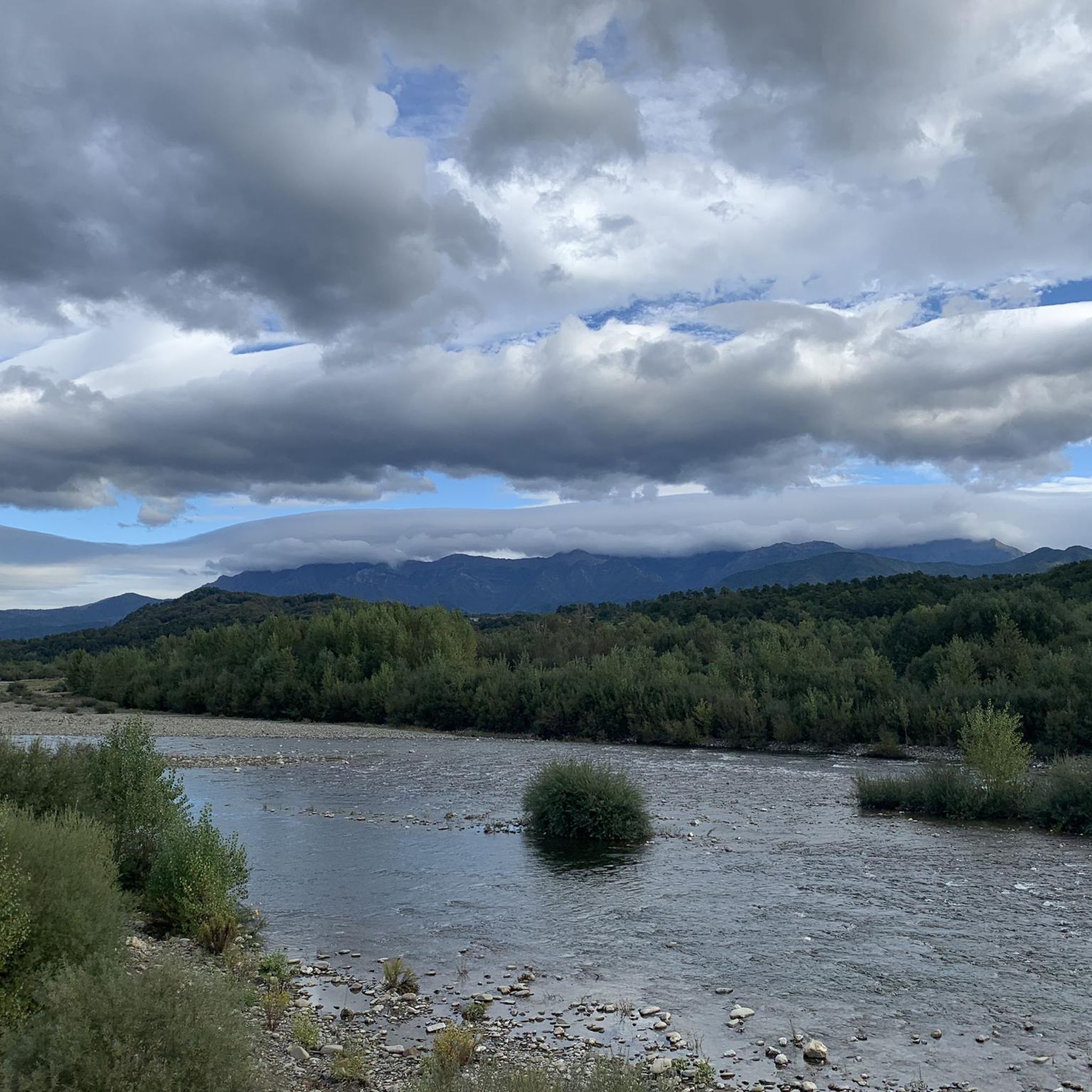
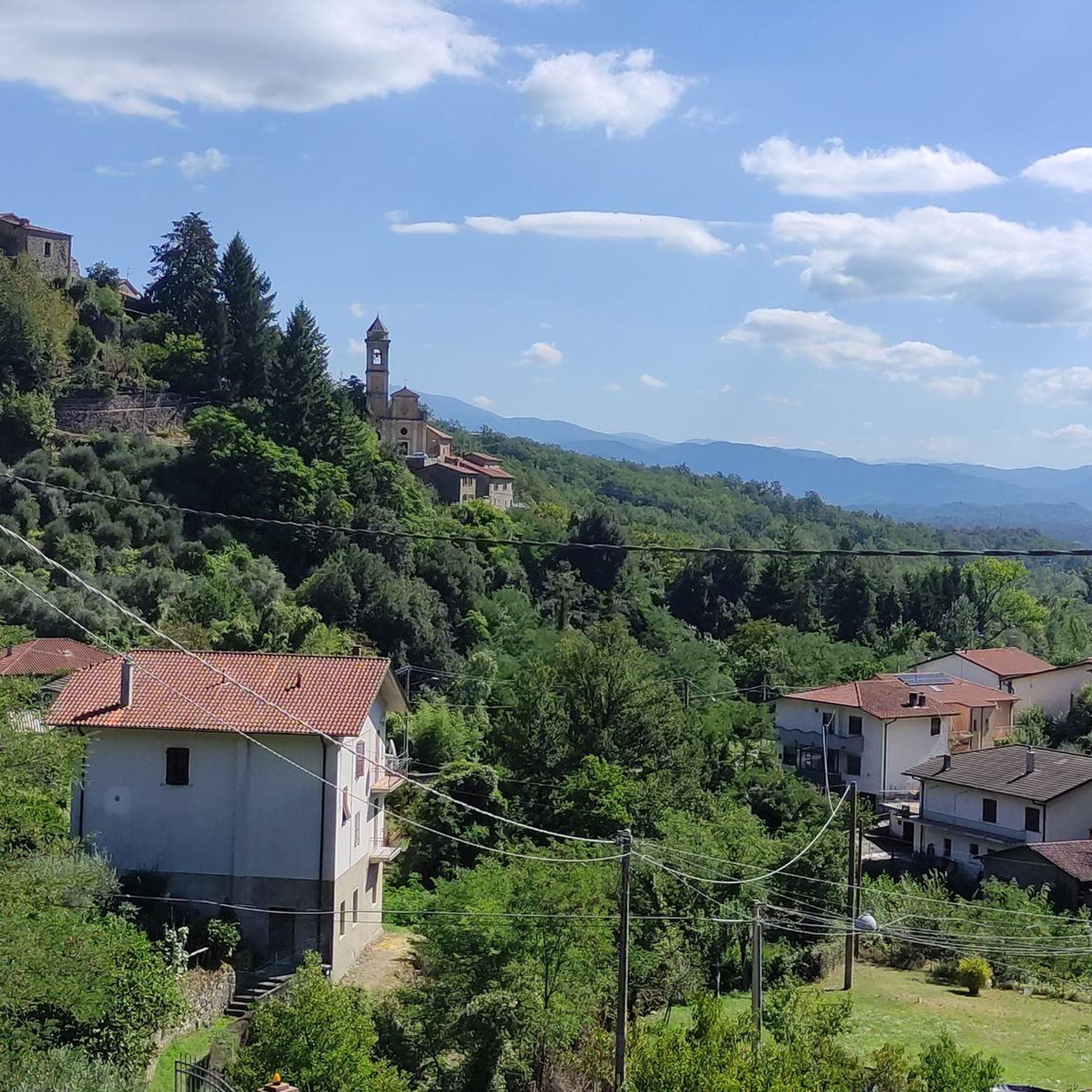
The panoramic road of Mount Cornoviglio is located between the Alpicella pass and the Casoni pass: this offers a fantastic view of the coast and the entire region.
4
0

Panoramic place to stop for a snack or to relax in the sun!
2
0
Frequently Asked Questions
What are the primary natural features to explore around Tresana?
Tresana is nestled in the Lunigiana region, offering access to diverse natural landscapes. Key features include the Protected Natural Area of Magra River in Lunigiana, known for its rich biodiversity and riparian habitats, and the majestic Apuan Alps, a UNESCO Global Geopark with rugged peaks and unique geological formations. You can also find scenic viewpoints like Monte Cornoviglio (scenic road), offering expansive vistas.
Are there opportunities for birdwatching or wildlife spotting near Tresana?
Yes, the Protected Natural Area of Magra River in Lunigiana is an excellent spot for birdwatching. Its riparian habitats are home to various bird species, including ducks, waders, bee-eaters, kingfishers, and several types of herons. The broader Apuan Alps Regional Park also supports diverse wildlife, such as wolves and golden eagles, though these are more elusive.
What kind of hiking and walking trails are available around Tresana's natural monuments?
The region offers a variety of trails. For a gentle experience, the Greenway del Fiume Magra is a 6-mile circular walking and cycling path starting from the former Terrarossa-Tresana station, perfect for exploring the river's natural beauty. For more challenging hikes with stunning views, the Apuan Alps provide numerous trails, including those leading to Monte Forato. You can find various running, gravel biking, and cycling routes in the area by exploring the Running Trails around Tresana, Gravel biking around Tresana, and Cycling around Tresana guides.
Are there any family-friendly natural monuments or activities in the Tresana area?
Absolutely. The Greenway del Fiume Magra offers an easy and enjoyable walk suitable for families. Additionally, the Casoni-Rastrello Pass is scenic and easy to reach, providing a panoramic spot for a snack or relaxation. The Casoni–Monte Stronzo Panoramic Road is also described as a very well-maintained path that does not require a lot of physical preparation, making it suitable for families. For an adventurous family outing, the Geo-Archeo-Adventure Park at the Grotte di Equi offers guided tours, speleo-adventure routes, and a zipline.
What geological wonders can be found near Tresana?
The region, particularly within the Apuan Alps Regional Park, is rich in geological wonders. The Grotte di Equi (Equi Caves) are an extensive underground karst complex featuring fascinating caverns with stalactites, stalagmites, and subterranean lakes. Another remarkable geological formation is Monte Forato, a distinctive mountain known for its large natural limestone arch, sculpted by millennia of erosion.
What are some of the most scenic viewpoints around Tresana?
Tresana and its surroundings offer several breathtaking viewpoints. The Monte Cornoviglio (scenic road) provides fantastic views of the coast and the entire region. The Casoni–Monte Stronzo Panoramic Road also offers a fantastic view to the coast. Additionally, the View of Monte Cornoviglio, Monte Fiorito, and Monte Dragnone allows you to see the mouth of the Magra River, part of the coast towards Versilia, the Gulf of La Spezia, and many villages in the Val di Vara.
Are there any historical or cultural sites integrated with the natural monuments?
Yes, the Sanctuary of Madonna del Gaggio is a religious building immersed in the woods, rising above the valley. It's known for its wooded surroundings and offers a blend of natural beauty and historical significance. At the Grotte di Equi, you can also explore the prehistoric Tecchia, an archaeological and paleontological site where evidence of Neanderthal man and cave bears has been found, offering a unique historical context within a natural setting.
What is the best time of year to visit the natural monuments around Tresana?
The region is beautiful throughout the year, but spring and autumn generally offer the most pleasant weather for outdoor activities like hiking and exploring. During these seasons, temperatures are mild, and the landscapes are vibrant with blooming flowers or rich autumnal colors. Summer can be warm, especially in the river valleys, while winter offers a different charm, particularly in the Apuan Alps, though some higher trails might be less accessible.
What do visitors particularly enjoy about the natural monuments in this area?
Visitors appreciate the diverse natural beauty, from tranquil river walks to challenging mountain hikes. The panoramic views from spots like Monte Cornoviglio (scenic road) and View of Monte Cornoviglio, Monte Fiorito, and Monte Dragnone are highly praised. The ease of access to scenic spots like Casoni-Rastrello Pass for a quick stop and the well-maintained paths like the Casoni–Monte Stronzo Panoramic Road are also frequently highlighted.
Are there any unique natural phenomena to look out for in the Apuan Alps?
Yes, Monte Forato in the Apuan Alps is famous for a unique optical phenomenon. On specific days of the year, observers can witness the 'double sunset' or 'double sunrise,' where the sun appears to set or rise twice as it passes through the mountain's impressive natural arch. This spectacle attracts many hikers and nature enthusiasts.
Where can I find information about local amenities like cafes or accommodation near these natural monuments?
While the natural monuments themselves are often in pristine, undeveloped areas, you can find amenities in nearby towns and villages. Tresana itself, along with other municipalities in the Lunigiana region, offers cafes, pubs, and accommodation options. For specific details on local services, it's best to check local tourism resources or websites like Visit Tuscany for Tresana.
Most popular routes around Tresana
Most popular attractions around Tresana

Get inspired with the komoot mobile app


Explore more
Extend your search for the best caves by checking out these guides of the top ones around Tresana:
