Top 4 Mountain Passes around Pompeiana
Mountain passes around Pompeiana are situated in the Ligurian Alps, offering diverse terrain for outdoor activities. This charming village provides access to routes known for their historical significance and varied landscapes. The area features challenging ascents for cyclists and scenic trails for hikers. Visitors can explore ancient mule tracks and enjoy panoramic views across valleys and towards the Mediterranean coast.
Best mountain passes around Pompeiana
- The most popular mountain passes is Passo Coppetti, a mountain pass that allows access…
Last updated: June 28, 2026
Poggio di Sanremo Climb
Highlight (Segment) • Climb
Translated by Google •
Tip by

Tomb of the Unknown Soldier at Passo della Pistuna
Highlight • Monument
Translated by Google •
Tip by

Sign up now to discover places like this
Get recommendations on the best single tracks, peaks, & plenty of other exciting outdoor places.
Sign up for free
Passo Coppetti
Highlight • Mountain Pass
Translated by Google •
Tip by

Monte Faudo–Monte Follia Ridge Passage
Highlight (Segment) • Mountain Pass
Translated by Google •
Tip by

Start today with a free account
Your next adventure awaits.
Login or Signup
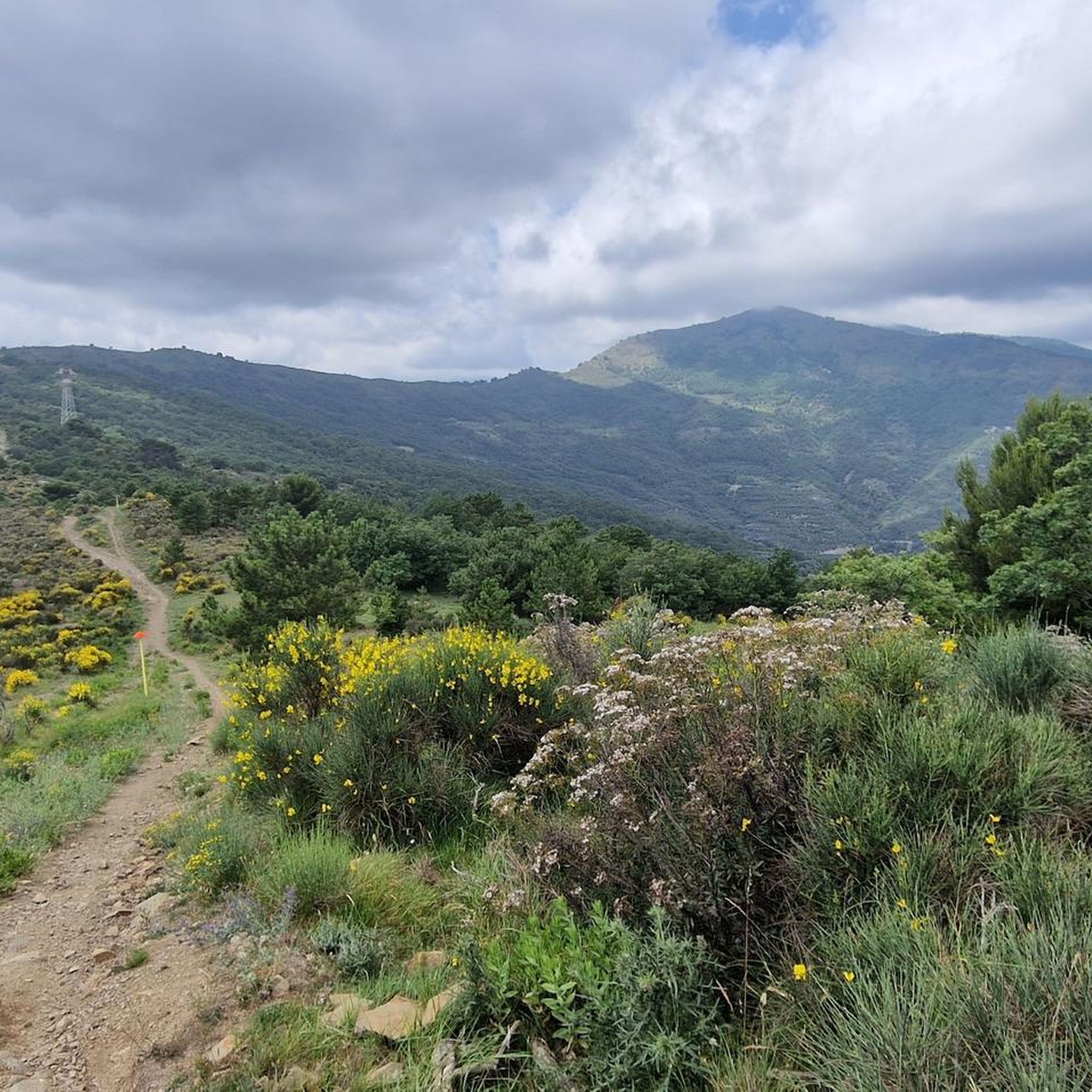
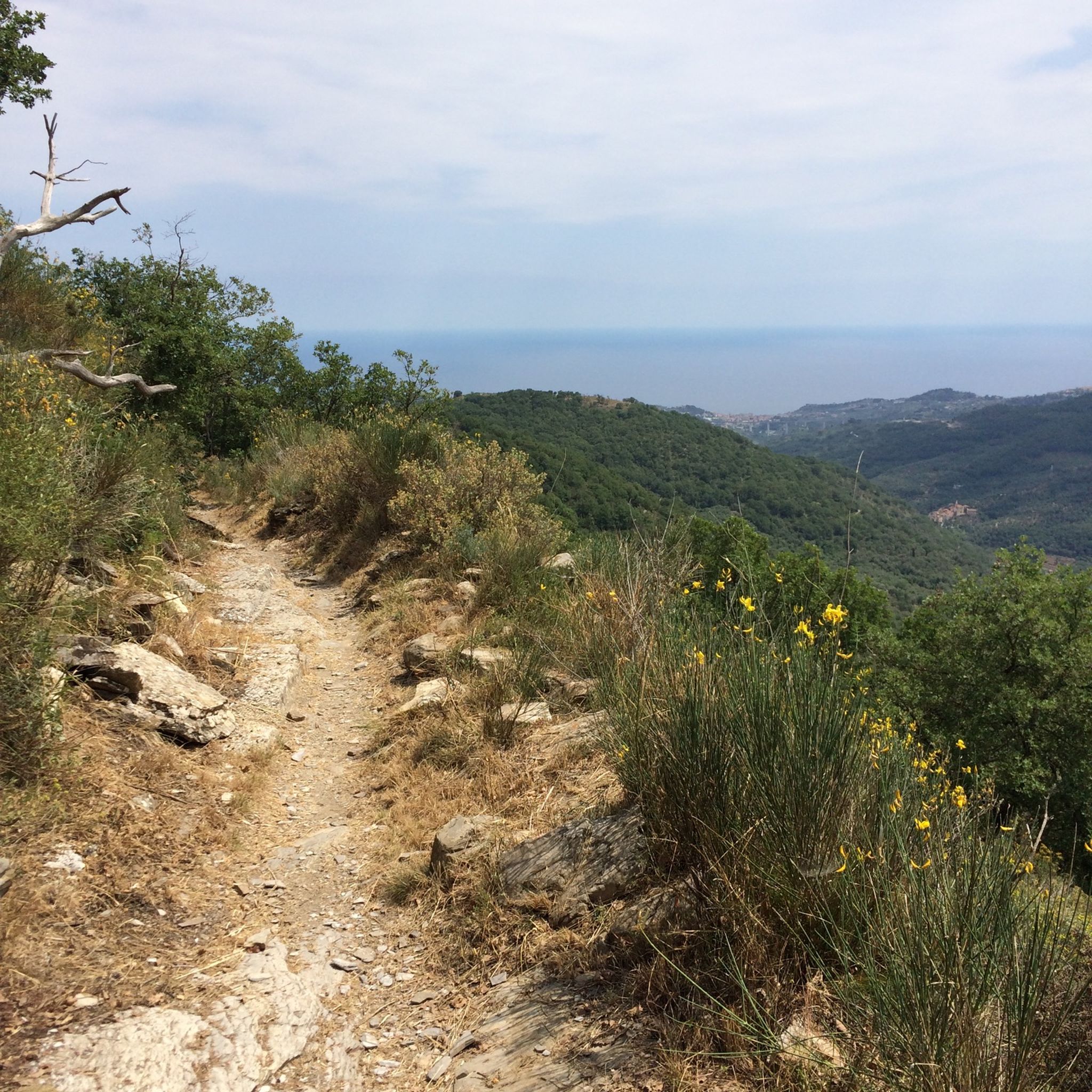
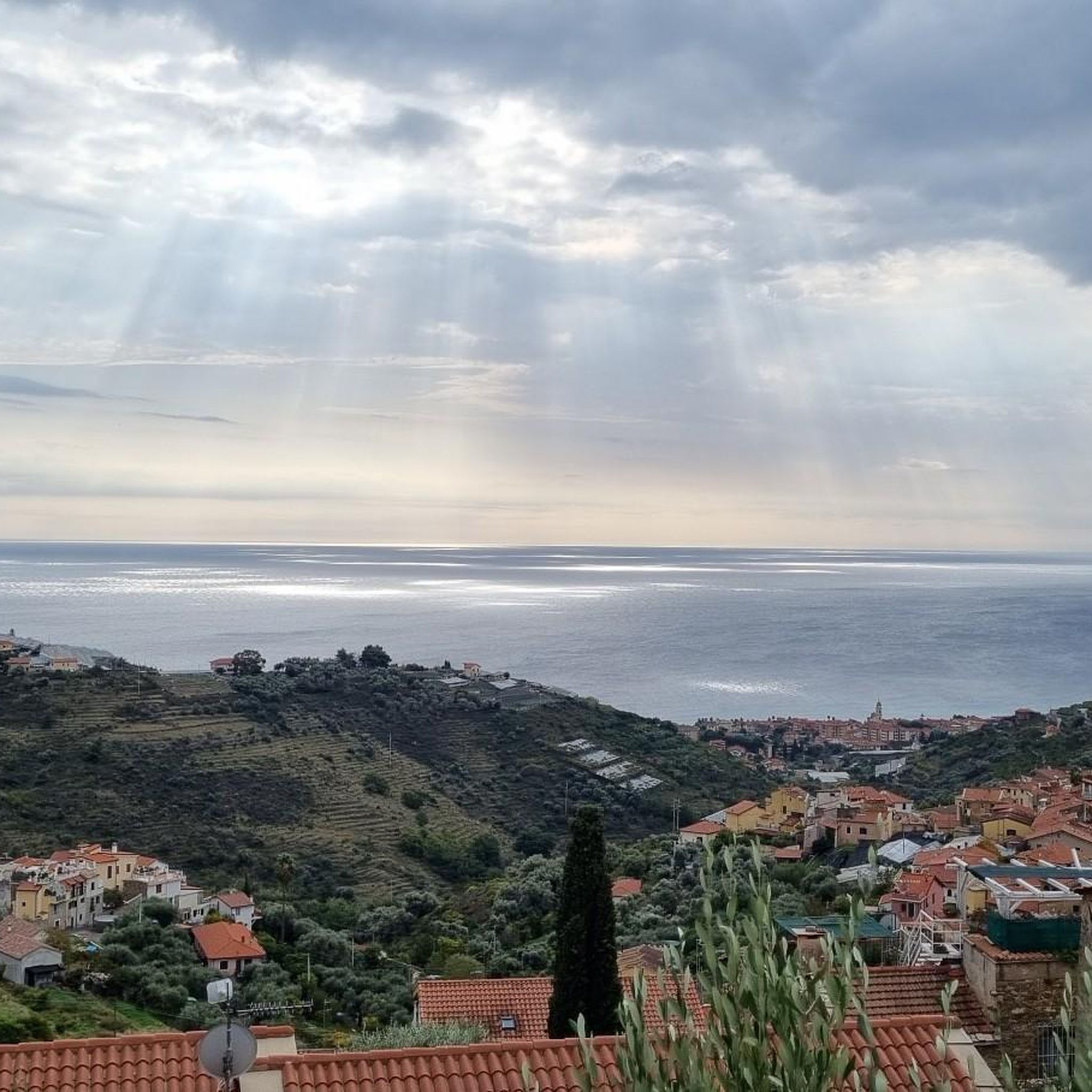

Tips from the Community

Descent south ramp not suitable for racing bikes. Extremely(!) bad road conditions.
0
0

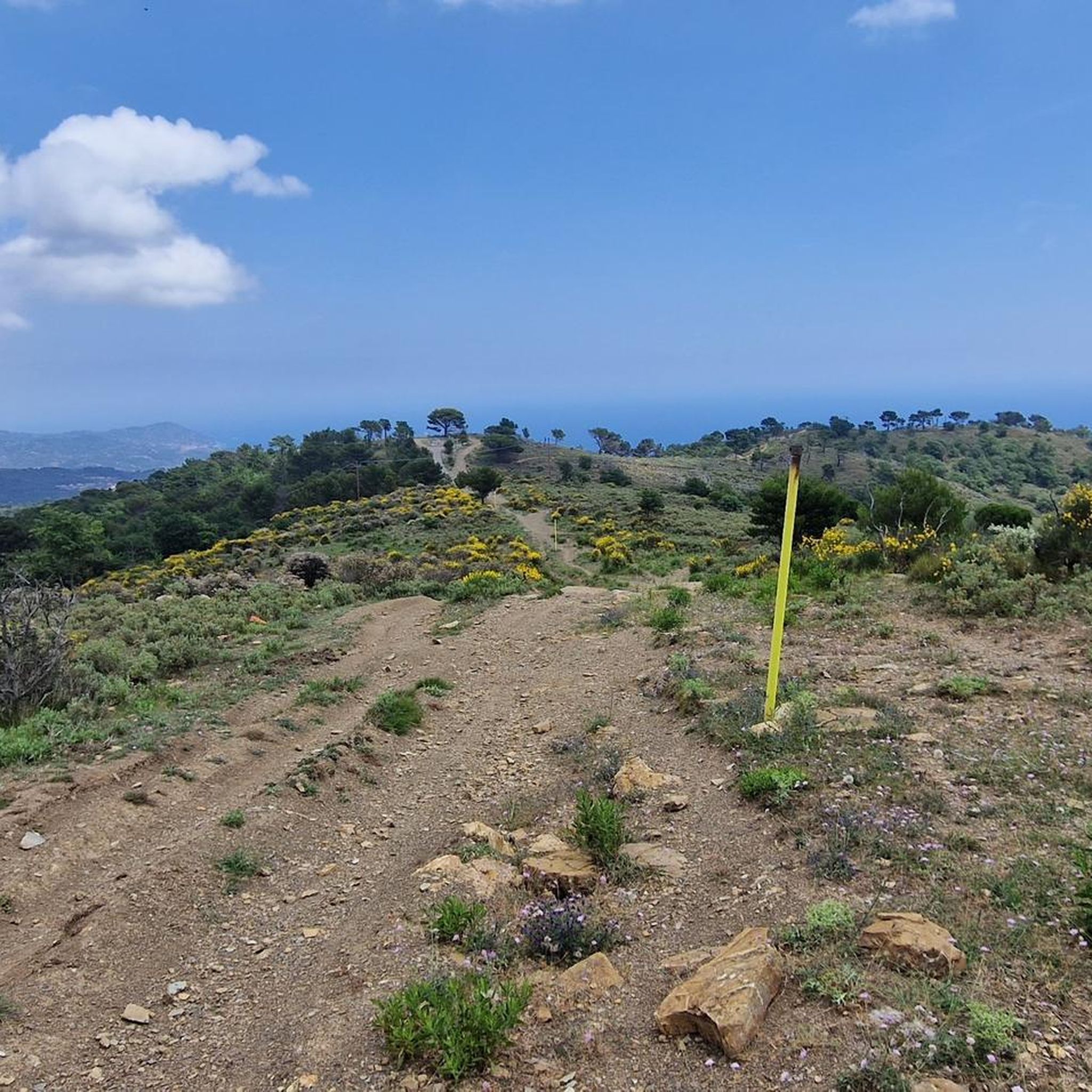
Dirt road that divides the upper Prino valley and the upper Argentina valley, perfect road to do with a gravel, not with a racing bike. Once you get to the top there is a beautiful little church and an unmissable view of the two valleys. Highly recommended!!
1
0

The famous Poggio climb. The last asperity of the Milan-Sanremo.
1
0
This is the Poggio climb, famous for being the decisive point of the Milan-Sanremo. The climb does not have very challenging slopes and from its hairpin bends you can enjoy a beautiful view towards the sea
0
1

The last climb of the classic Milan - Sanremo. Easy to ride and with beautiful views of the Riviera
0
0

The famous final climb of the Milan-Sanremo, the Poggio is rather short (not even four kilometers in all) and anything but steep (the average gradient is around 3%). During the Classicissima, however, it is tackled after over 280 kilometers of racing and professionals often climb at around 38 km/h. It is the decisive point of the race: if the sprinters manage to stay with the group, they will be uncomfortable customers in the sprint. In recent years, however, very strong climbers or top-level puncheurs have managed to create selection, with inventiveness and class, right on the Poggio. In recent years, for example, a race that seems like an obvious sprint has ended in many different ways, all breathtaking: from Vincenzo Nibali's attack on the top of the Poggio to Mathieu van der Poel's razor-sharp run after a blind curve on the climb, passing through Matej Mohorič's crazy and winning descent. First included in the Milan-San Remo route in the 1960s, the Poggio is a legendary climb in world cycling: one of those things you really should do if you pass through here by bike.
4
1

very pleasant climb that of Poggio di Sanremo has a length of 3.65 km, has its highest point at 169 m, and continues to climb for 3.65 km. The average slope of Poggio di Sanremo is 2.8%, therefore very pedalable and with a beautiful view of the Sanremo coast
2
0

Panoramic and fascinating point
0
0
Frequently Asked Questions
What are some notable mountain passes for cycling around Pompeiana?
The Pompeiana Climb is particularly well-known among cyclists. It's a challenging ascent, approximately 4.8 to 5 kilometers long, with an average gradient of 5.2% and sections reaching up to 13%. It offers stunning sea views as you climb. Additionally, the Passo di Santa Brigida Gravel Road provides an unpaved route suitable for gravel bikes, connecting the church of Santa Brigida with Pietrabruna.
Are there historical mountain passes or sites to explore near Pompeiana?
Yes, several passes have historical significance. Passo Coppetti allows access to the historic Via Marenca, an ancient route that facilitated trade, primarily of salt, between Piedmont, Liguria, and France. Passo della Mezzaluna is another high-altitude pass rich in history, situated on ancient mule tracks and mentioned in Italo Calvino's novel "Il sentiero dei nidi di ragno".
What kind of views can I expect from the mountain passes in this region?
The mountain passes around Pompeiana offer diverse and breathtaking views. From the Pompeiana Climb, you can enjoy stunning sea views. Passo della Mezzaluna provides incredible panoramic vistas across the Argentina and Arroscia valleys, allowing you to recognize various peaks in the Ligurian Alps. From Tomb of the Unknown Soldier at Passo della Pistuna, you'll see magnificent panoramic views of both the Ligurian Riviera and the majestic Ligurian Alps.
What outdoor activities are available near these mountain passes?
The area around Pompeiana's mountain passes is excellent for various outdoor activities. You can find numerous hiking trails, such as the moderate "Pompeiana Villages and Natura 2000 Site Loop." For mountain biking, routes like the "Monte Sette Fontane Loop Trail" are popular. There are also running trails, including the challenging "Pietrabruna - Monte Follia Loop." You can explore more options in the Hiking around Pompeiana, MTB Trails around Pompeiana, and Running Trails around Pompeiana guides.
Are there any unique landmarks or monuments on these mountain passes?
Yes, Tomb of the Unknown Soldier at Passo della Pistuna features a distinctive small octagonal church with blue doors, which stands out in the panorama and has historically served as a meeting point for communities. The Chapel of Santa Brigida, near Dolcedo and Poggi, is another historical site with medieval origins dating back to 1425, serving as a gateway to mountain routes.
What is the best time of year to visit the mountain passes around Pompeiana?
While specific seasonal recommendations aren't provided, the region's diverse terrain for cycling and hiking suggests that spring and autumn offer pleasant temperatures for outdoor activities. Summer can be warm, especially at lower elevations, while winter might bring snow to higher passes, making them suitable for different types of exploration.
How accessible are the mountain passes from Pompeiana?
Many passes are within a reasonable driving distance. For example, the Chapel of Santa Brigida (near Dolcedo) is approximately a 20-30 minute drive from Pompeiana. Access points for Passo della Mezzaluna, such as Molini di Triora, are about 30-40 kilometers away, making it a feasible day trip. Passo della Pistuna, near Tavole, is about a 40-50 minute drive.
What natural features can I observe while exploring the mountain passes?
The passes offer a variety of natural landscapes. Passo della Mezzaluna is characterized by an expansive grassy saddle and routes that traverse diverse landscapes, from beech forests to open pastures. The area around the Chapel of Santa Brigida features scenic landscapes of shrubs and sparse trees, leading to panoramic views from Monte Faudo. You might also encounter grazing horses and mountain chickens on the alpine slopes of Monte Faudo and Monte Follia, as noted near the Monte Faudo–Monte Follia Ridge Passage.
Are there any challenging routes for experienced hikers or cyclists?
Absolutely. For cyclists, the Pompeiana Climb is known for its demanding challenge with technical sections and aggressive slopes. Hikers can find challenging routes leading to peaks like Monte Faudo, which involves a steeper ascent after the initial paved mule track from Santa Brigida. The Passo di Santa Brigida Gravel Road is also described as challenging for gravel bikes.
What do visitors particularly enjoy about the mountain passes around Pompeiana?
Visitors appreciate the combination of challenging routes and stunning scenery. The panoramic views of both the Ligurian Riviera and the Ligurian Alps are frequently highlighted. The historical significance of routes like the Via Marenca and the unique cultural landmarks, such as the octagonal church at Passo della Pistuna, also add to the appeal. The tranquility of the mountain environment and the opportunity for diverse outdoor activities are also highly valued.
Is the Pompeiana Climb still used for major cycling events?
The Pompeiana Climb gained international recognition due to its planned inclusion in the Milan-San Remo cycling race. However, due to landslides in 2014, it was deemed too dangerous for the race, and the proposed route was reversed. Despite this, it remains a significant and exciting climb for experienced riders seeking a test of endurance and skill.
Most popular attractions around Pompeiana

Get inspired with the komoot mobile app


Explore more
See even more epic mountain passes by checking out these guides around Pompeiana:
