Top 20 Natural Monuments in Corona Forestal
Natural monuments in Corona Forestal, the largest protected natural area in the Canary Islands, envelop the Teide National Park on Tenerife. This region features diverse landscapes, unique geological formations, and rich biodiversity. It is a compelling destination for nature enthusiasts, showcasing the island's volcanic evolution and extensive forests. The area's varied ecosystems contribute to its role as the "lungs of Tenerife."
Best natural monuments in Corona Forestal
- The most popular natural monuments is Chinyero Volcano, a volcano that was the site of Tenerife's last volcanic eruption in 1909. It offers an excellent overview of the ash cone and its lava flows, highlighting the contrast between green forest and lava moonscape.
- Another must-see spot is Montaña Negra, a volcano with an almost black scree desert extending to its slopes. This unique landscape features isolated pines growing against the dark background, creating a visually striking impression.
- Visitors also love Lunar Landscape, a natural monument featuring peculiar moonlike rock formations. These stylized, conical figures are carved by erosion from volcanic ash, creating an otherworldly spectacle.
- Corona Forestal is known for its volcanoes, unique rock formations, and extensive forests. Visitors can explore a variety of natural monuments, from ancient geological sites to areas of recent volcanic activity.
- The natural monuments in Corona Forestal are appreciated by the komoot community, with more than 700 upvotes and over 580 photos shared across 71 highlights.
Last updated: June 27, 2026
Lunar Landscape
Highlight • Natural Monument
Translated by Google •
Tip by

Chinyero Volcano
Highlight • Volcano
Translated by Google •
Tip by

Sign up now to discover places like this
Get recommendations on the best single tracks, peaks, & plenty of other exciting outdoor places.
Sign up for free
Cloud Forest of La Orotava Valley
Highlight (Segment) • Forest
Translated by Google •
Tip by

La Caldera Recreation Area
Highlight • Rest Area
Translated by Google •
Tip by

Montaña Negra
Highlight • Volcano
Translated by Google •
Tip by

Sign up for free to discover even more natural monuments in Corona Forestal.
Sign up for free
Already have an account?
Start today with a free account
Your next adventure awaits.
Login or Signup
Popular around Corona Forestal

Mountain biking through the wild heart of Tenerife

Trail running in Tenerife – dreamy routes between sea and mountain
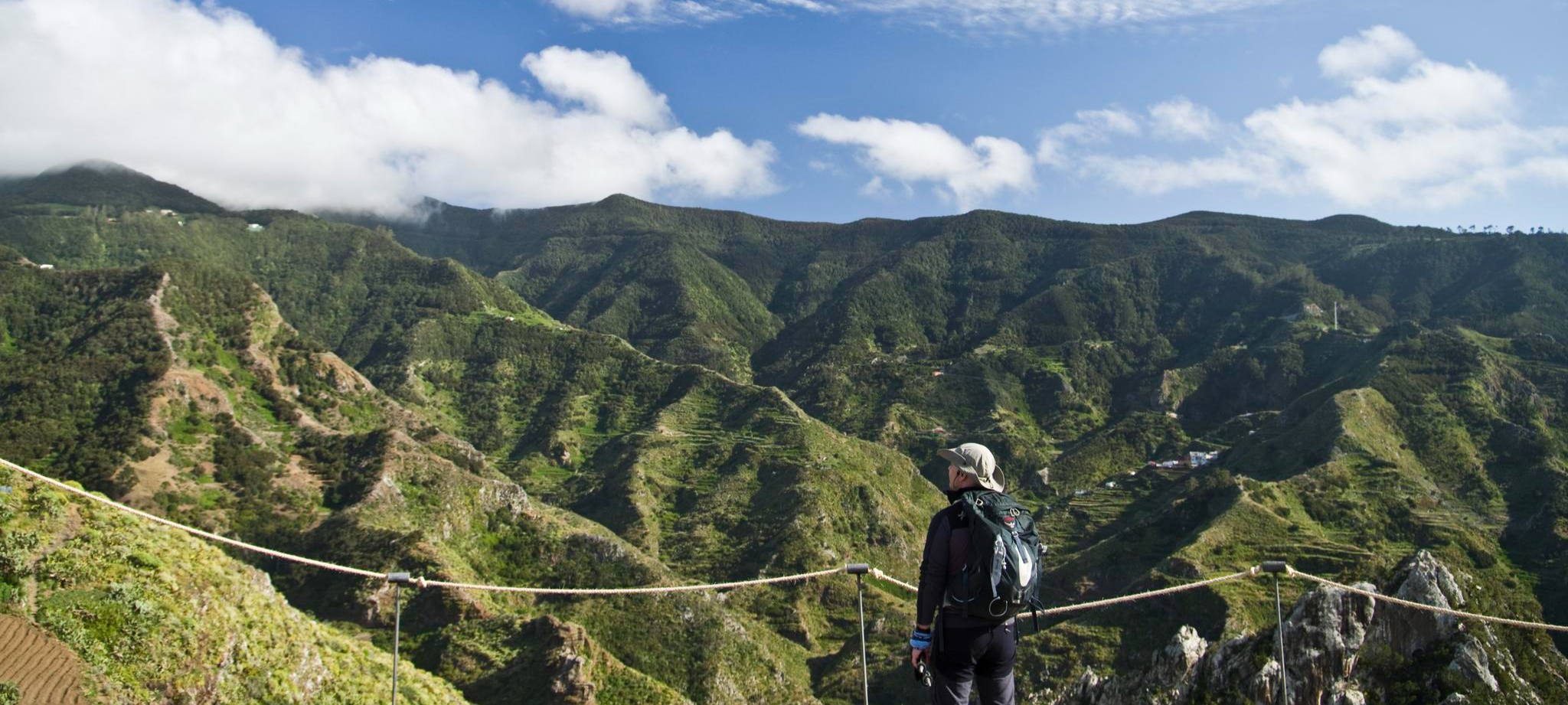
Tenerife's interior – discover fascinating hiking routes
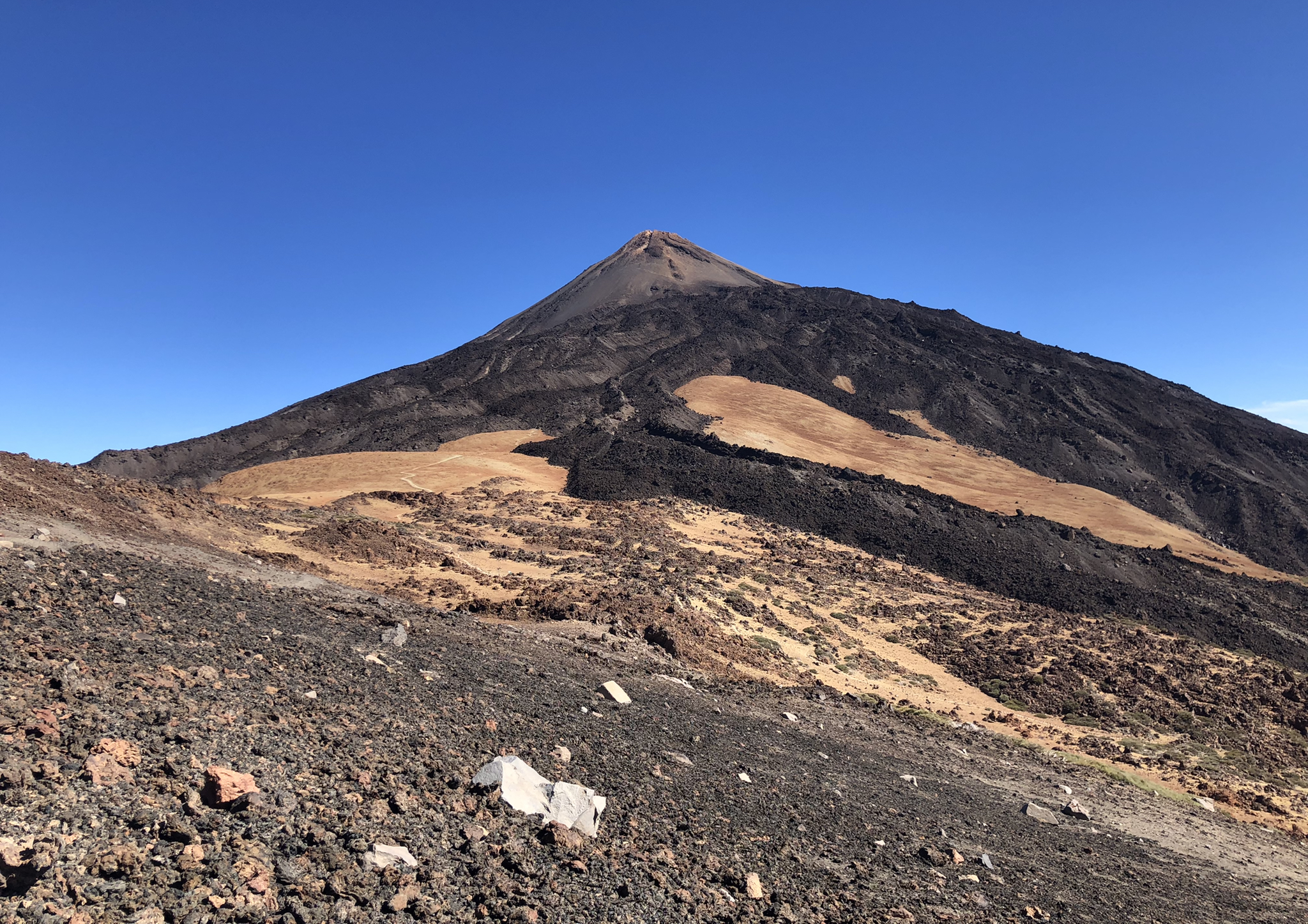
Volcanoes, lava and forests – running in Tenerife
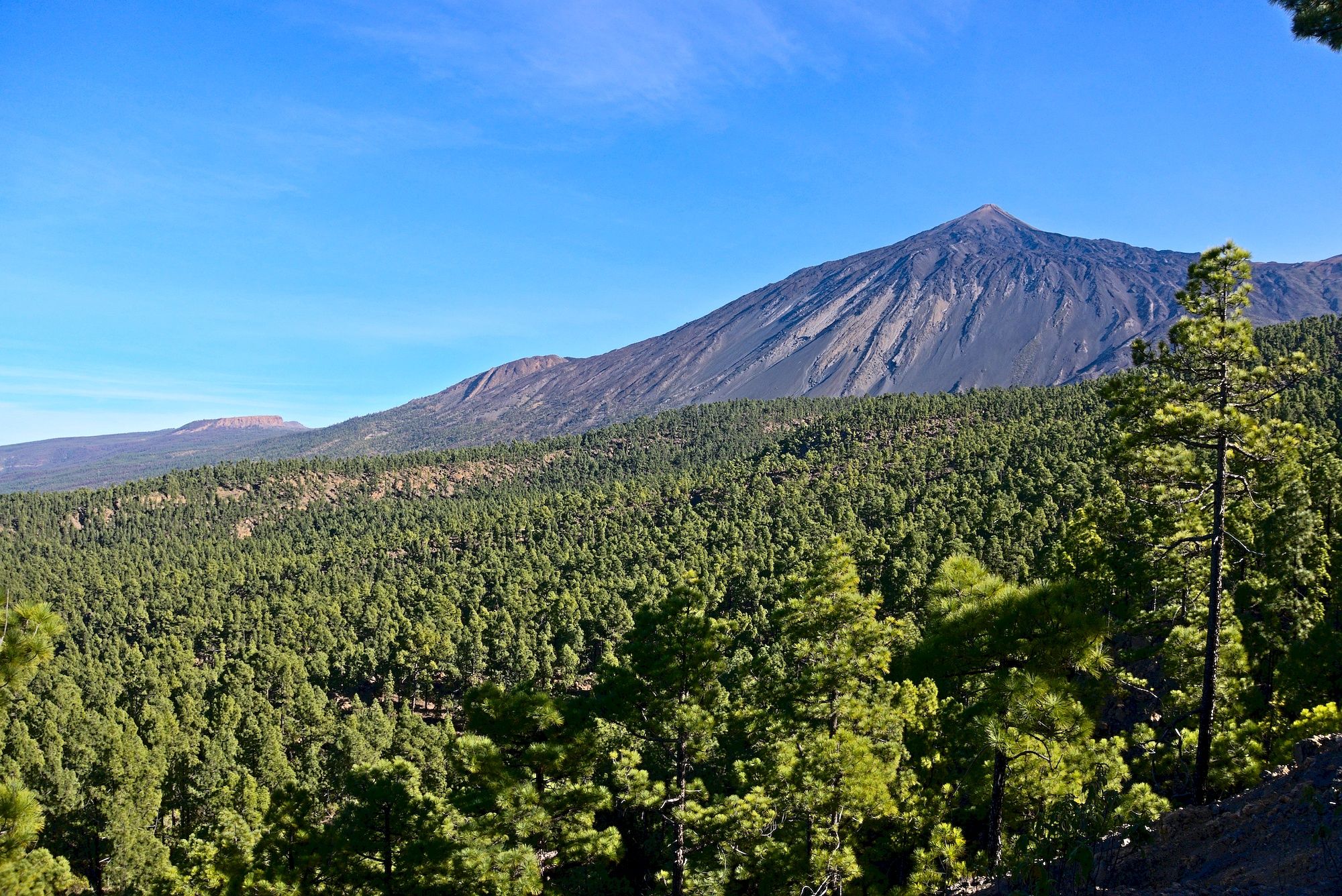
The fantastic forest of Tenerife – northern forest MTB route
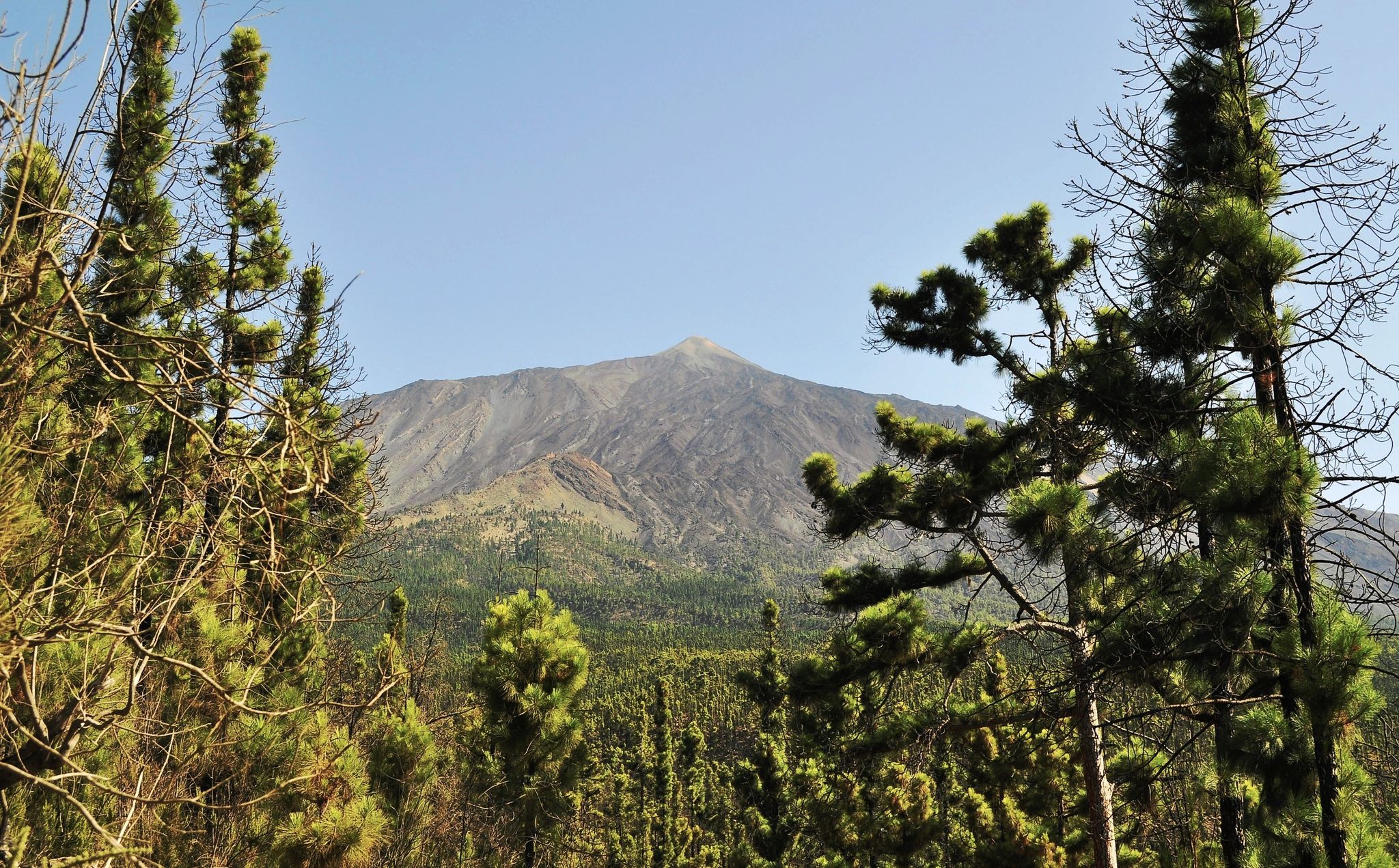
An island pilgrimage – Camino de Santiago de Tenerife
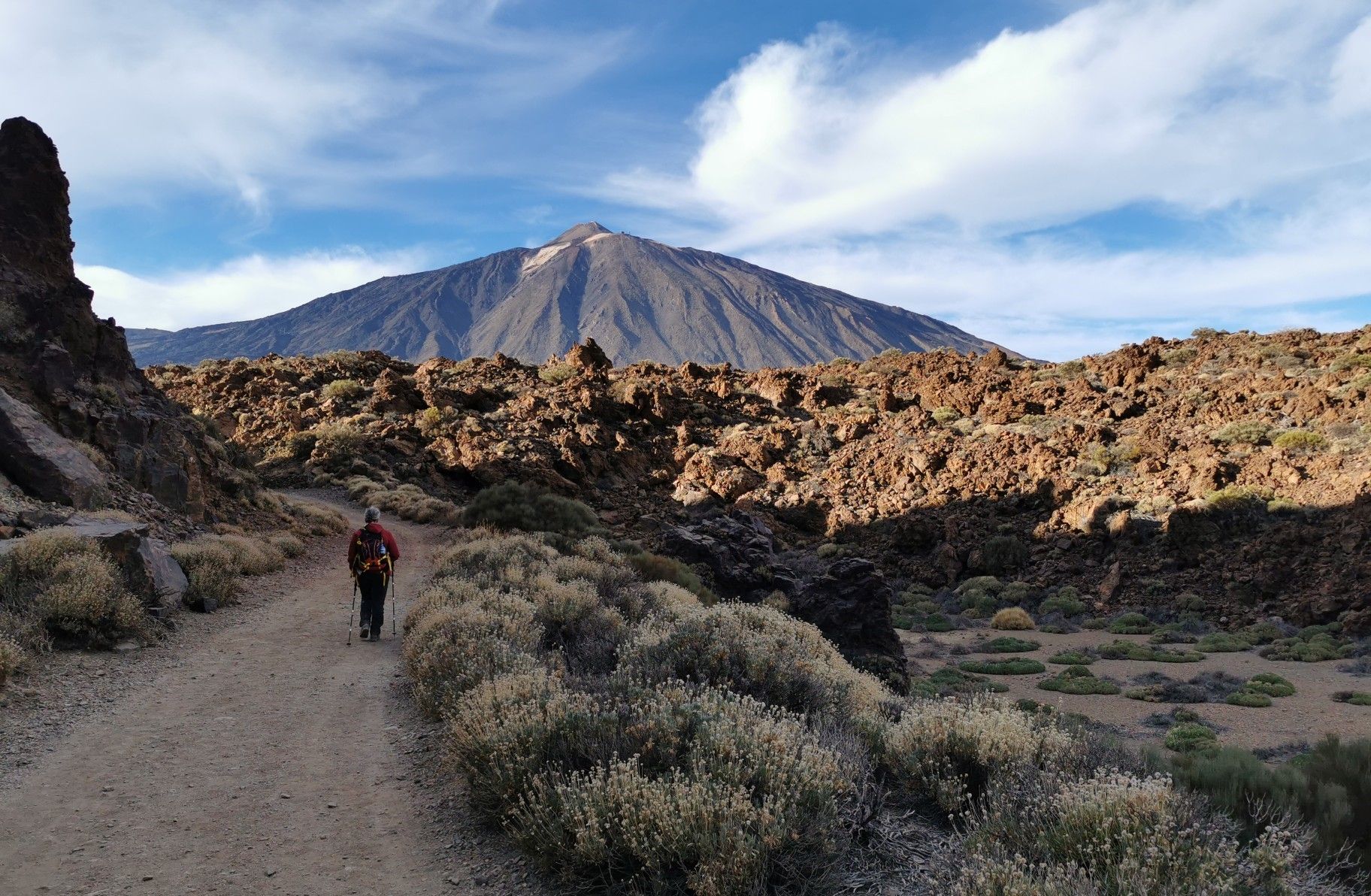
Tenerife from north to south – Camino Natural de Anaga-Chasna
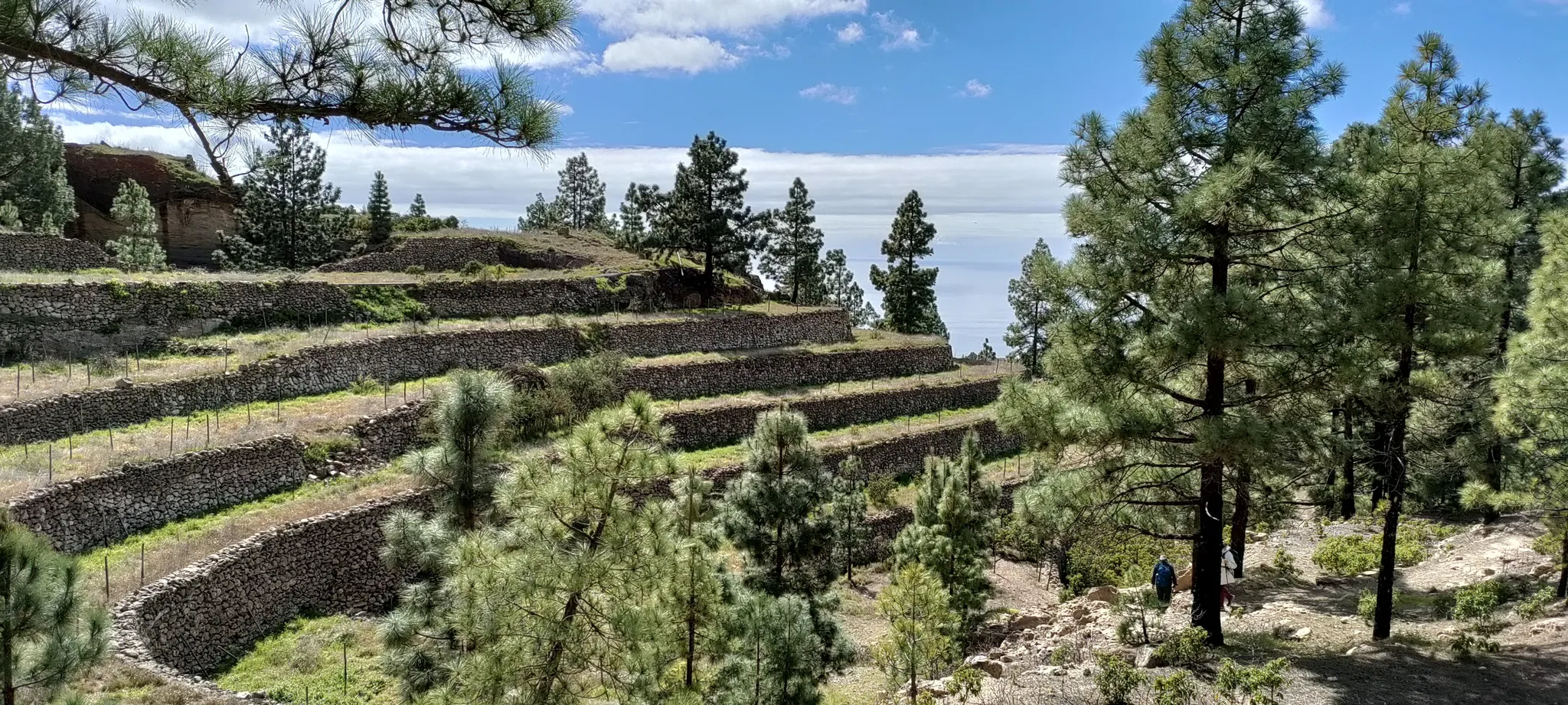
Laurel forest to Caldera – hike the Tenerife GR 131 in 5 days
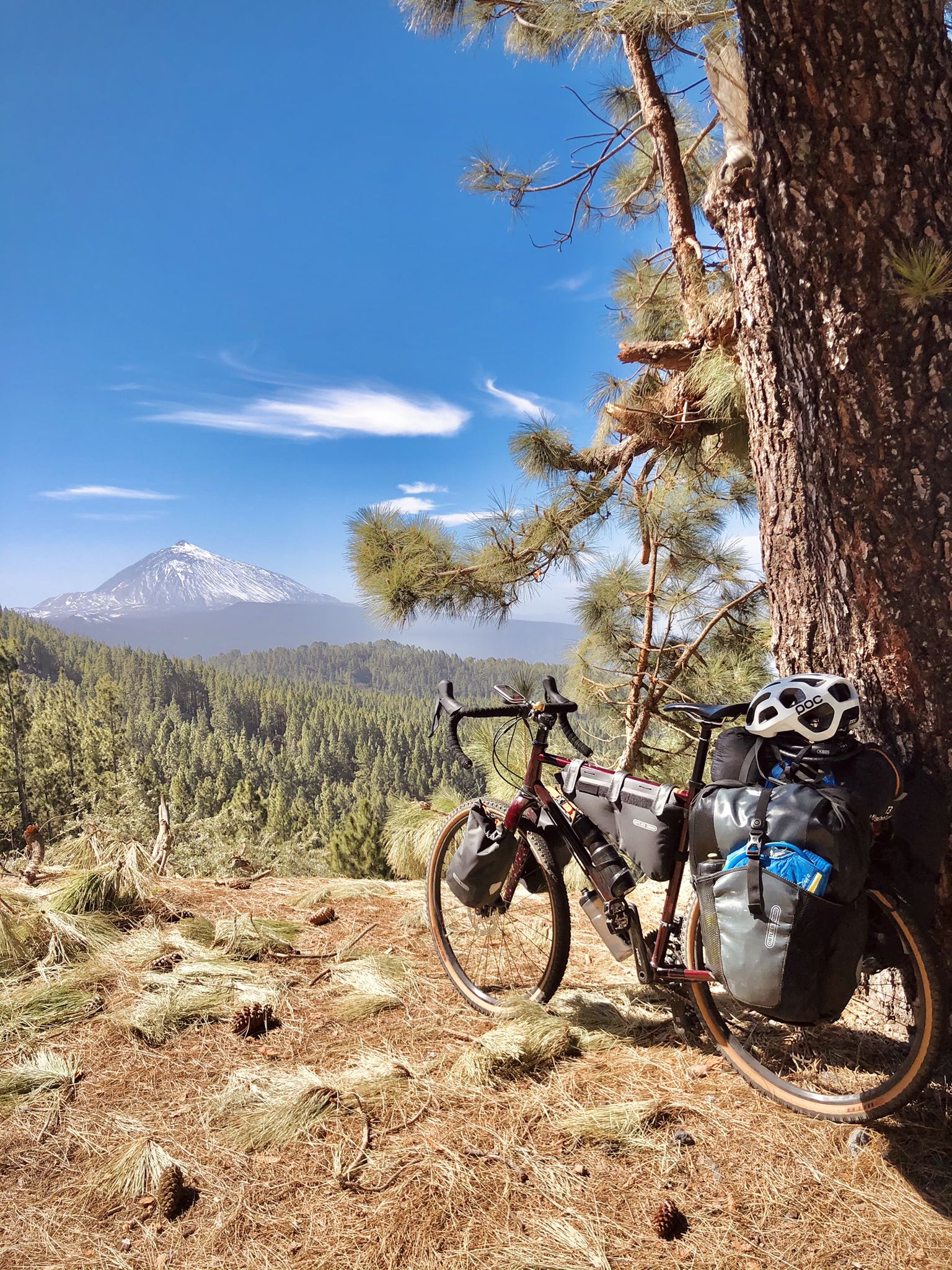
Gravel biking on Tenerife and La Gomera
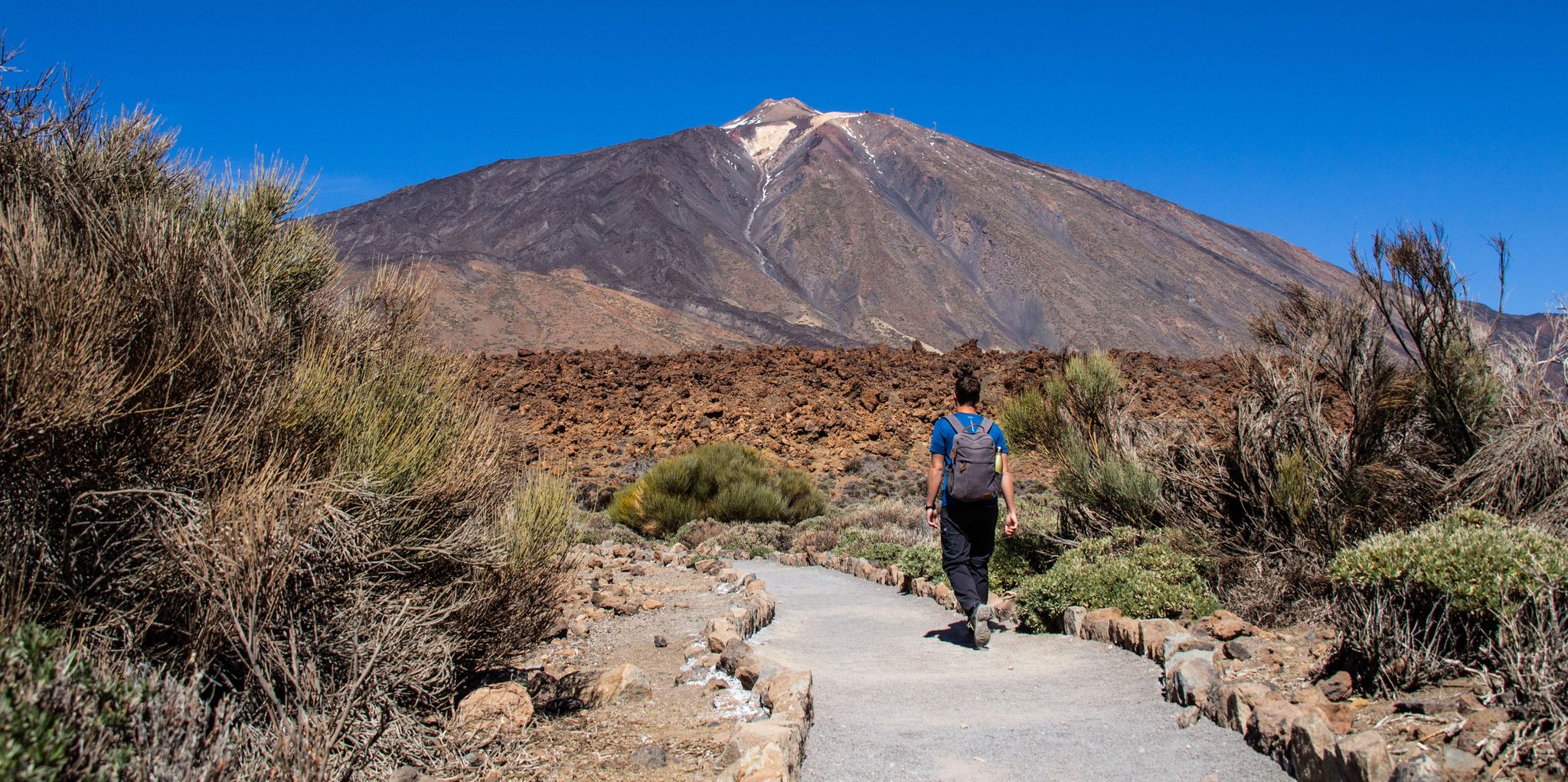
Adventuring in Tenerife — six hiking Tours for every taste
Other adventures in Corona Forestal


Tips from the Community

The morning often offers the most beautiful views. Then, clouds roll in from the sea, creating a mysterious atmosphere.
0
0

Currently (November 2024) the mystical atmosphere is unfortunately not to be found due to the forest fires. Instead there are black tree trunks and fresh green needles. The path via los Organes, Casa del Agua is completely closed due to restoration. Be sure to inform yourself before hiking
1
0

Super nice way to go around the volcano, only at a junction to the lava field with the high rock in the middle could a sign be put up for my taste, I just walked past that 😂
4
2

Great path through lava fields and pine forest
1
0


The Paisaje Lunar differs significantly from the other landscapes near the Cañadas due to its impressive “lunar landscape”. The white formations made of volcanic rock are among the greatest natural wonders on the island of Tenerife. The white rock, shaped by wind and weather, looks as if there are many small towers standing next to each other. Almost like a fairytale landscape.
4
0
View of the Montaña Negra volcano - also called Montaña del Estrecho (Volcán Garachico) - erupted in 1706. The eruption lasted nine days and caused extensive damage. The former port city of Garachico is located 8 kilometers as the crow flies from Montaña Negra. Two lava flows about 500 meters wide poured over the place. This was largely destroyed.View of the Montaña Negra volcano - also called Montaña del Estrecho (Volcán Garachico) - erupted in 1706. The eruption lasted nine days and caused extensive damage. The former port city of Garachico is located 8 kilometers as the crow flies from Montaña Negra. Two lava flows about 500 meters wide poured over the place. This was largely destroyed.
5
0
The Chinyero is a cinder cone on the slopes of the Pico del Teide on the Canary Island of Tenerife and is about 10 km from its peak. Although it is 1556 meters high, it only rises 60 meters above its surroundings. Its eruption from November 18th to 27th, 1909 was the last volcanic eruption on Tenerife to date. Over 2 km² of land was devastated by lava and ash, but no one was hurt. In its neighborhood, barely 3 km away, lies another cinder cone, which destroyed the port city of Garachico in 1706 with lava flows.
10
1
Frequently Asked Questions
What makes the natural monuments in Corona Forestal unique?
The natural monuments in Corona Forestal are unique due to their diverse volcanic geology, ranging from ancient bedrock to recent lava flows. The park is home to extensive Canarian pine forests, laurel forests, and fayal-brezal (heathland), supporting a rich array of endemic flora and fauna. This geological and ecological diversity makes it a compelling destination for nature enthusiasts, often referred to as the 'lungs of Tenerife'.
Which natural monuments offer insights into Tenerife's volcanic history?
For a glimpse into Tenerife's volcanic past, visit the Chinyero Volcano, the site of the island's last eruption in 1909. You can observe the stark contrast between green forest and the lava moonscape. Additionally, sites like Siete Fuentes (1704), Fasnia (1705), and Montaña de Las Arenas (1705) provide visible manifestations of historical volcanic activity.
Are there any family-friendly natural monuments or areas in Corona Forestal?
Yes, the La Caldera Recreation Area is highly recommended for families. It offers parking, a bar-restaurant, a children's playground, public toilets, grills, and tables, all set around a small caldera. It's a popular spot for local families to enjoy picnics and outdoor activities.
Where can I find unique geological formations in Corona Forestal?
The Lunar Landscape (Paisaje Lunar) in Vilaflor is renowned for its peculiar moonlike rock formations. These stylized, conical figures are carved by erosion from volcanic ash, creating an otherworldly spectacle. Another impressive formation is Los Órganos in the Orotava Valley, a dramatic rock structure showcasing the island's ancient geological past.
What kind of forests can I explore in Corona Forestal?
Corona Forestal is home to diverse forest types. You can experience extensive Canarian pine forests, particularly on its northern slopes. The Cloud Forest of La Orotava Valley is a mystical laurel forest characterized by moss-draped trees and constant fog, indicating exceptionally high air quality.
What are the best viewpoints for panoramic vistas in the park?
The La Tarta Viewpoint is highly recommended for its breathtaking views. From here, you can see layers of lava of different colors creating an almost lunar landscape, with panoramic vistas of Mount Teide, the Atlantic Ocean, and sometimes even neighboring islands on clear days.
What outdoor activities can I do near the natural monuments in Corona Forestal?
The Corona Forestal Natural Park offers a vast network of trails for various outdoor activities. You can find numerous options for hiking, including easy trails like the Sámara loop. For more challenging adventures, there are running trails and road cycling routes that traverse the diverse landscapes.
Are there any natural monuments that are particularly striking visually?
Beyond the Lunar Landscape, Montaña Negra offers a visually striking impression. From the edge of the forest, an almost black scree desert extends to its slopes, with isolated pines growing against the dark background, creating a surreal and unique landscape.
What is the best time to visit Corona Forestal's natural monuments?
The Corona Forestal Natural Park can be visited year-round, but the best time often depends on your preferred activity. The mystical cloud forest is particularly atmospheric when fog is present. For hiking, spring and autumn offer pleasant temperatures, while summer can be warm, especially at lower altitudes. Winter provides cooler conditions, ideal for more strenuous treks.
What kind of wildlife can be spotted in Corona Forestal?
The diverse ecosystems of Corona Forestal support a rich array of wildlife. Keep an eye out for endemic species such as the blue finch, which is Tenerife's animal symbol. Woodpeckers and various bat species also inhabit the extensive forests, contributing to the park's rich biodiversity.
Are there any natural monuments that highlight the erosive power of water?
Yes, the Barranco de Fasnia and Güímar ravines are identified as natural monuments bordering the Corona Forestal. They showcase the significant erosive power of water on volcanic terrain and play a crucial role in the island's drainage network and soil conservation.
Where can I find facilities like parking or restrooms near the natural monuments?
The La Caldera Recreation Area is a well-equipped spot with parking lots, public toilets, and a bar-restaurant. It serves as an excellent starting point for tours and a place to rest, especially if you are exploring the northern part of the park.
Most popular routes in Corona Forestal
Most popular attractions in Corona Forestal

Get inspired with the komoot mobile app


Explore more
Extend your search for the best caves by checking out these guides of the top ones in Corona Forestal:
