Sierra Norte De Guadalajara
Sierra Norte De Guadalajara
Top 20 Natural Monuments in Sierra Norte De Guadalajara
Best natural monuments in Sierra Norte de Guadalajara are located within the Sierra Norte de Guadalajara Natural Park, an expansive area in the northwest of the Guadalajara region of Spain. This park, covering over 100,000 hectares, features rugged terrain, significant altitudinal variations, and diverse landscapes including mountain ranges, river valleys, and forests. The region holds ecological significance as a Site of Community Importance (LIC) and a Special Protection Area for Birds (ZEPA). It is characterized by a variety of geological…
Last updated: July 11, 2026
Pico Ocejón
Highlight • Summit
Translated by Google •
Tip by

Despeñalagua Waterfall
Highlight • Waterfall
Translated by Google •
Tip by
Sign up now to discover places like this
Get recommendations on the best single tracks, peaks, & plenty of other exciting outdoor places.
Sign up for free
Pico Tres Provincias (Cebollera Vieja)
Highlight • Summit
Translated by Google •
Tip by

Aljibe Waterfall
Highlight • Waterfall
Translated by Google •
Tip by
Pico del Lobo
Highlight • Summit
Translated by Google •
Tip by

Sign up for free to discover even more natural monuments in Sierra Norte De Guadalajara.
Sign up for free
Already have an account?
Start today with a free account
Your next adventure awaits.
Login or Signup
Popular around Sierra Norte De Guadalajara
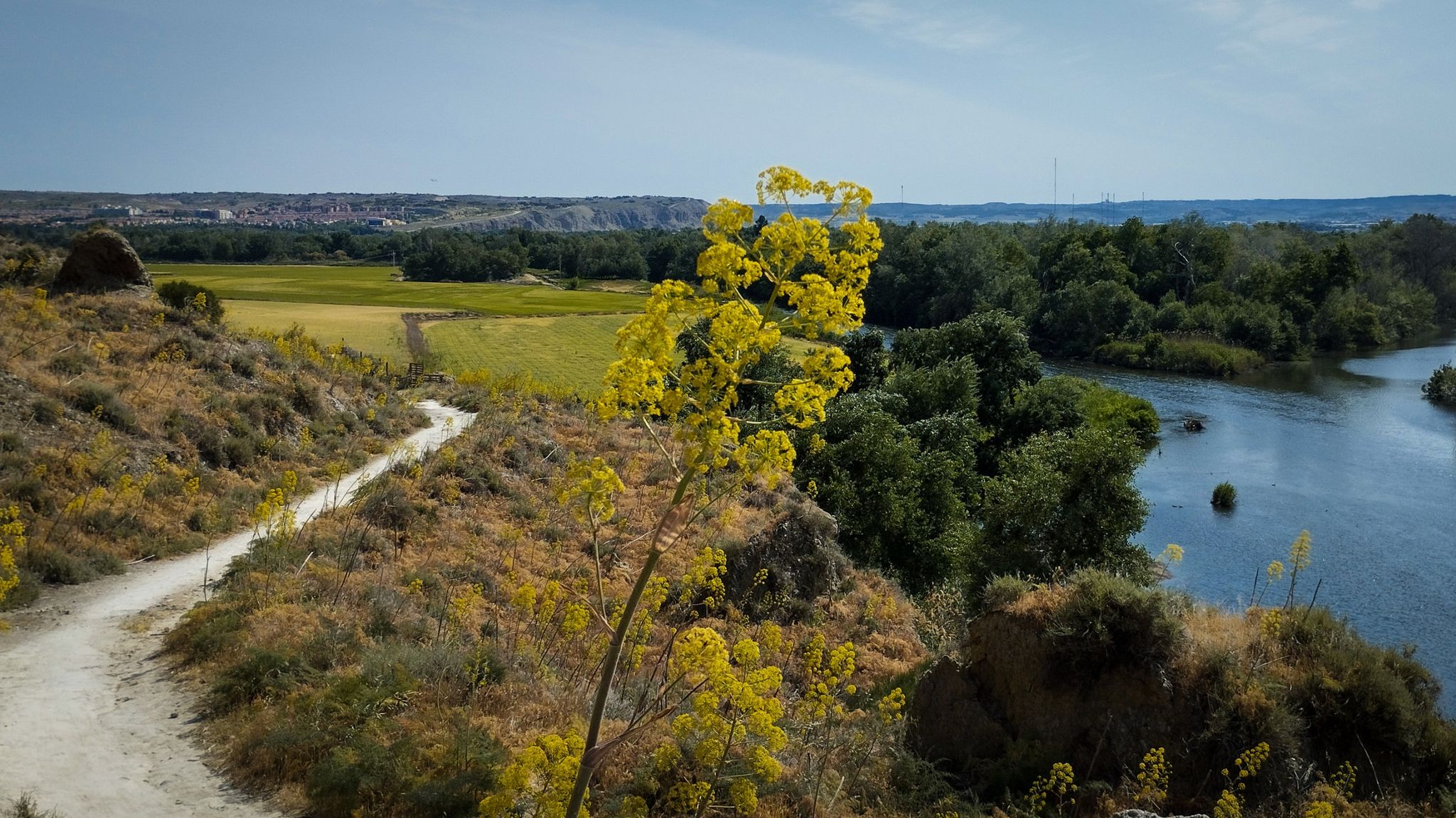
Unexpectedly wild – Jarama on a gravel bike
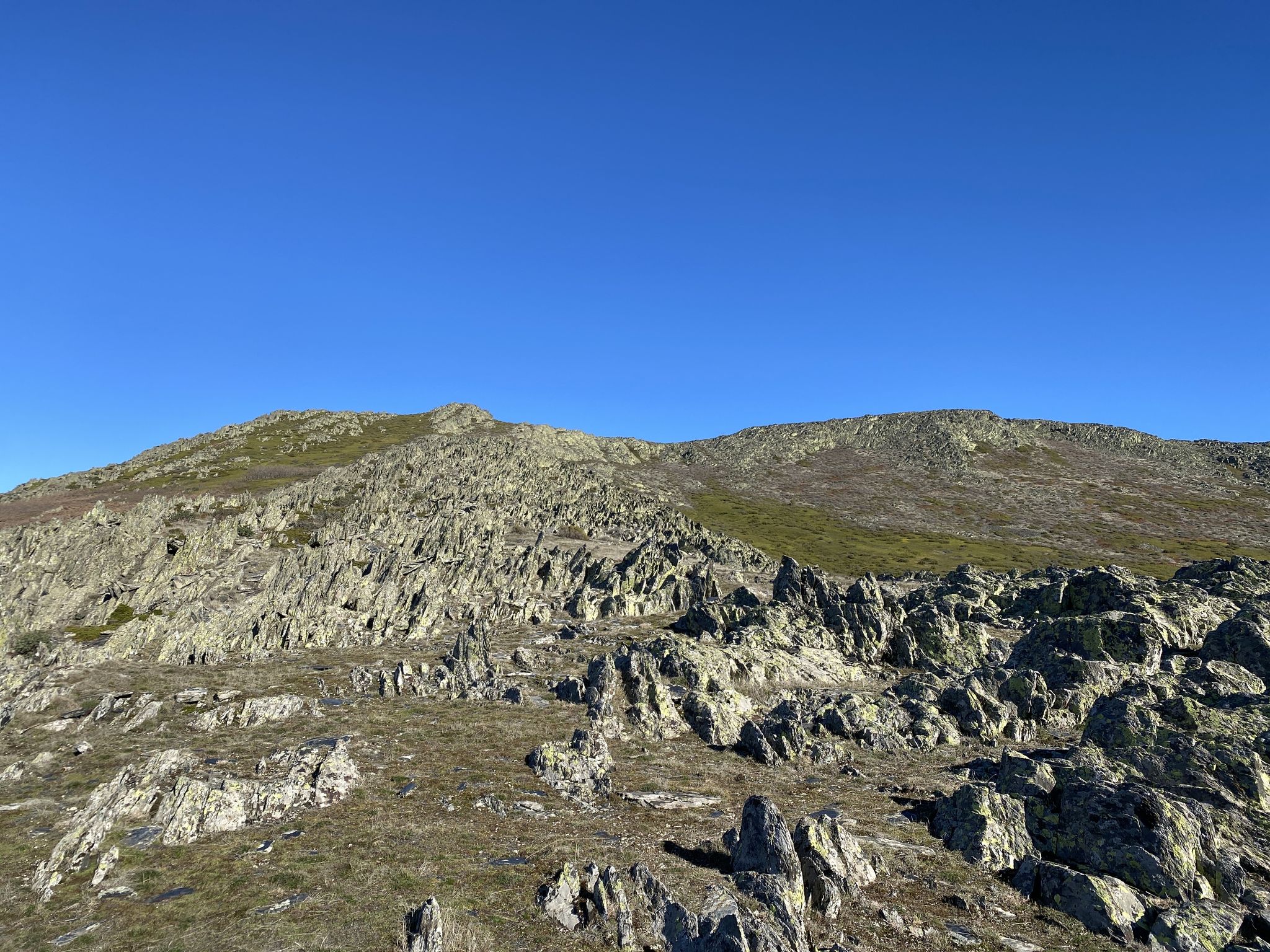
The Black Towns – Sierra Norte de Guadalajara on foot (GR 60)
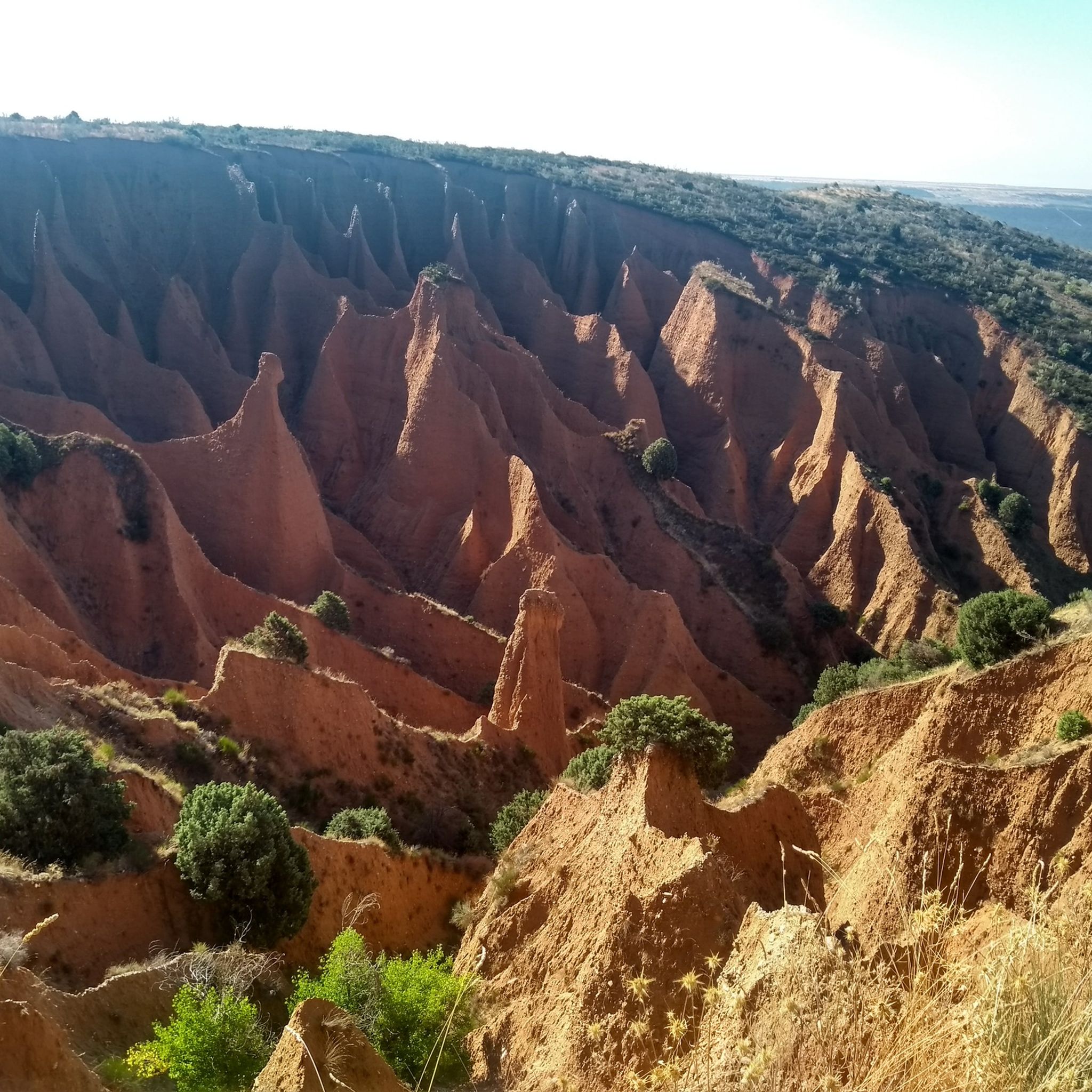
Hiking in Sierra Norte De Guadalajara
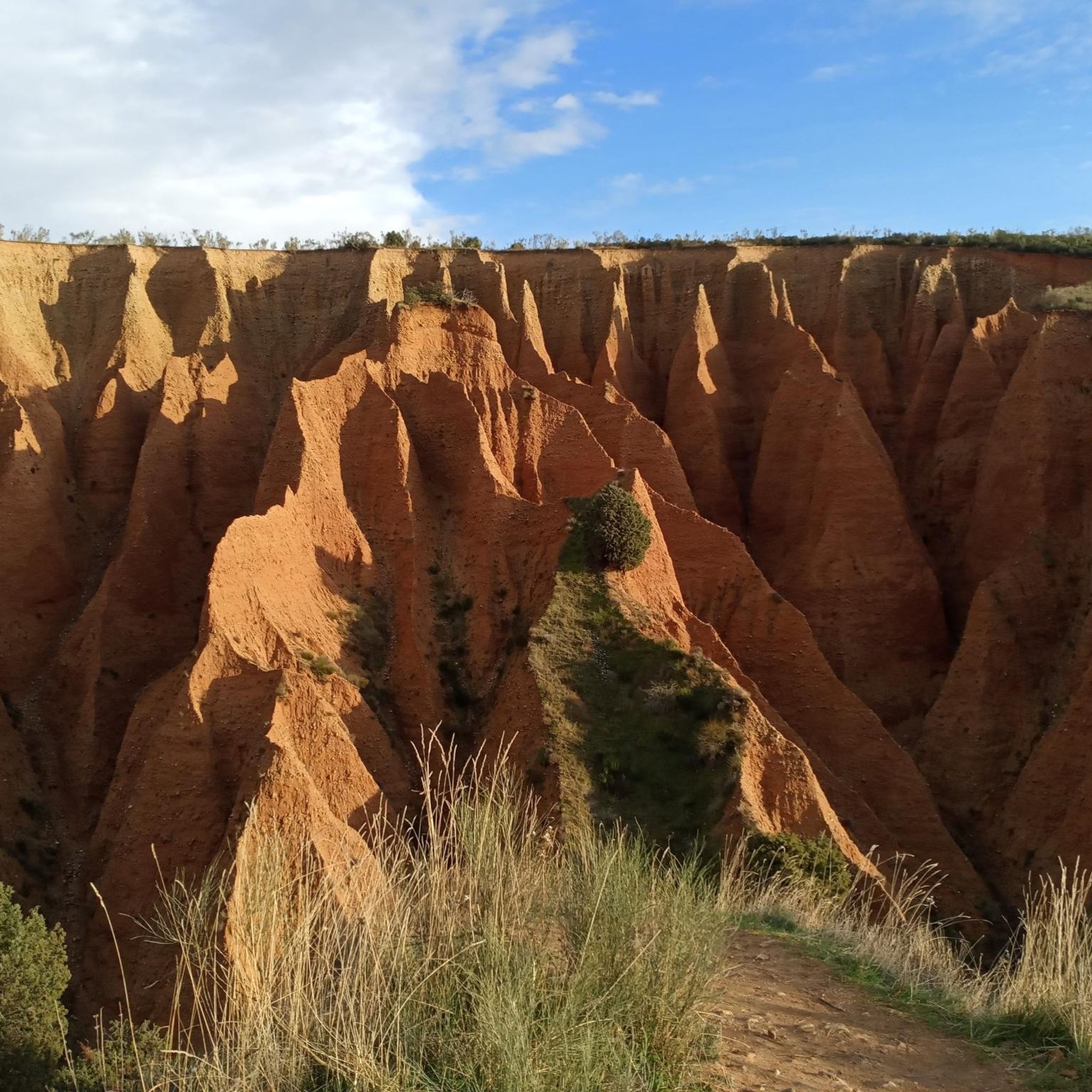
Running Trails in Sierra Norte De Guadalajara
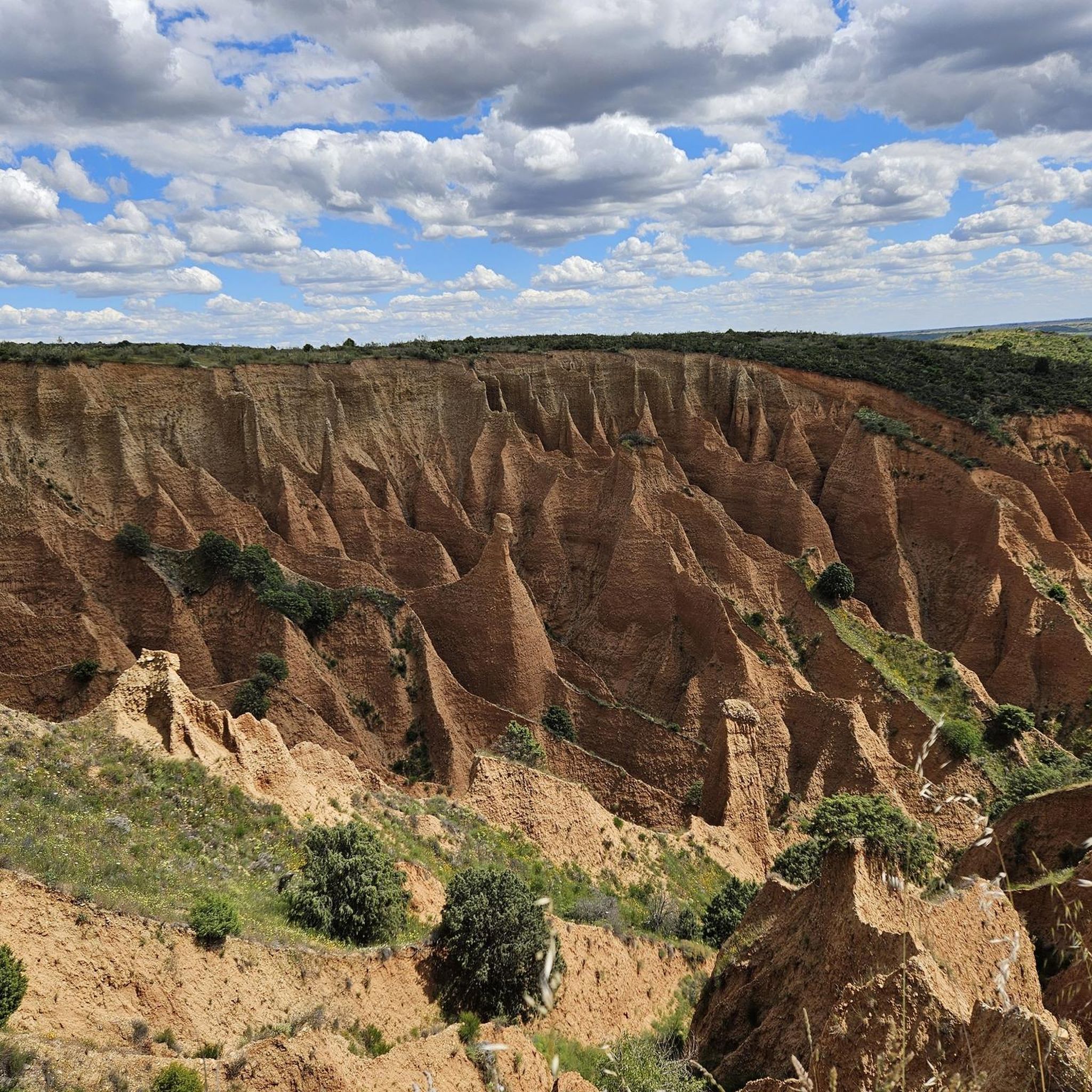
Road Cycling Routes in Sierra Norte De Guadalajara
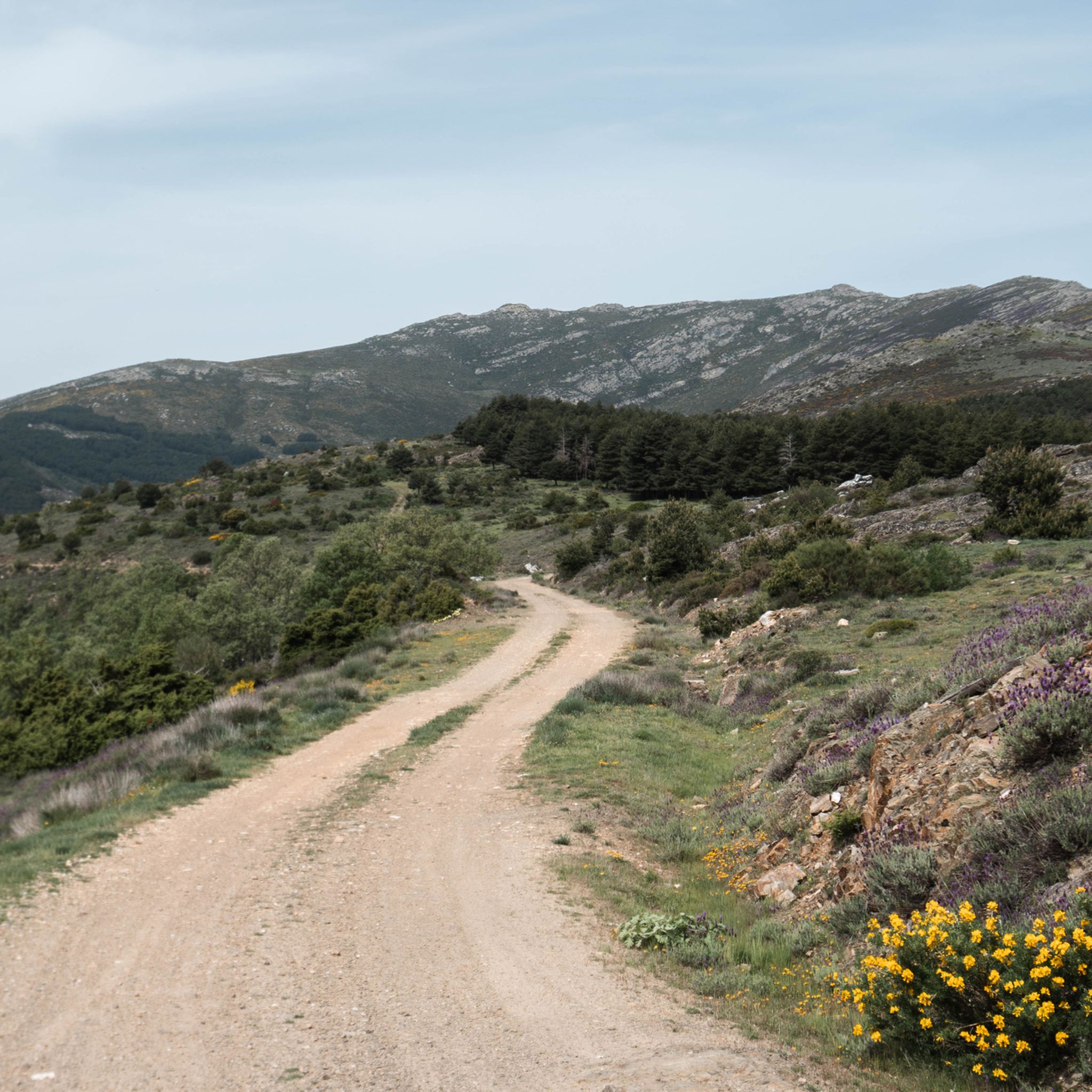
MTB Trails in Sierra Norte De Guadalajara
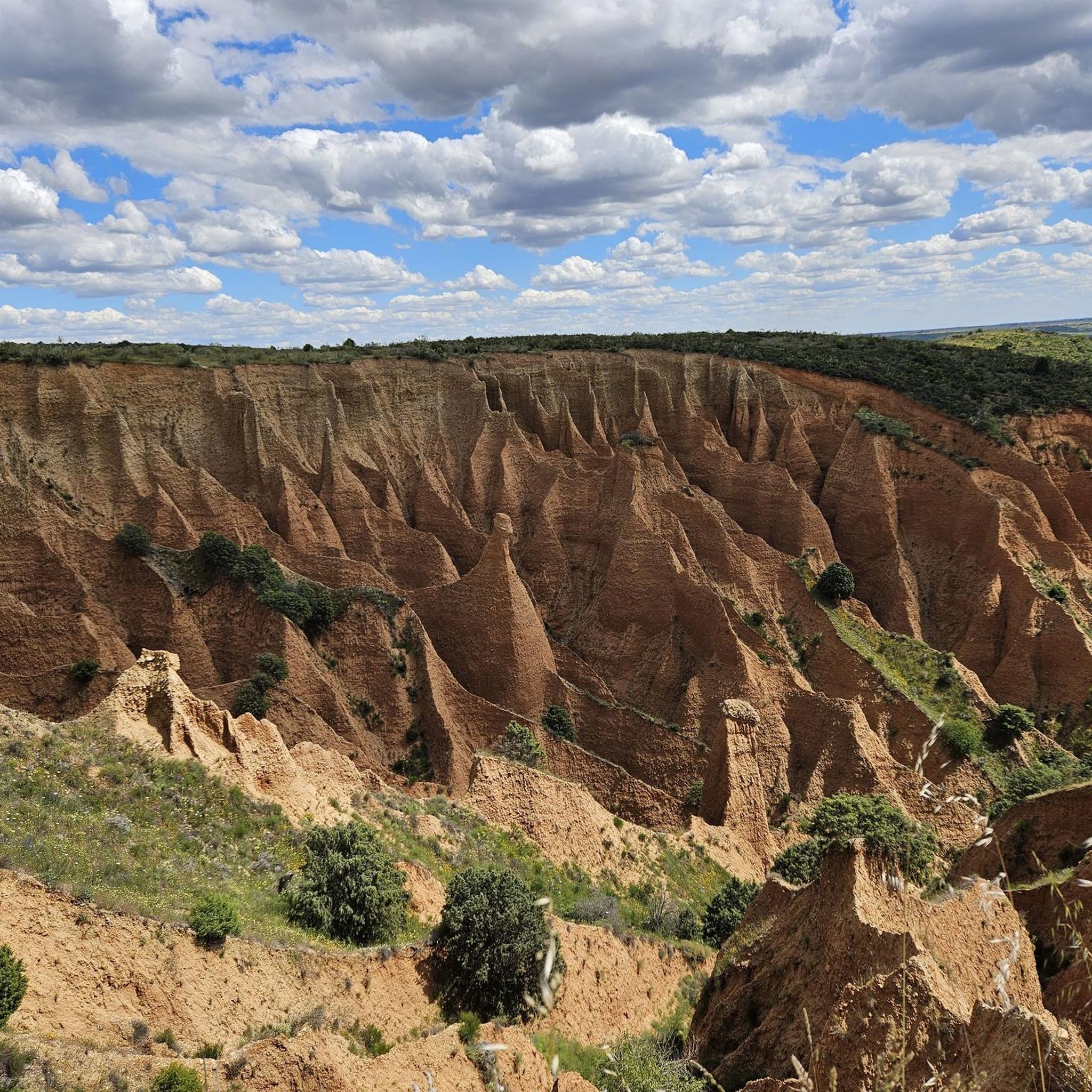
Cycling in Sierra Norte De Guadalajara
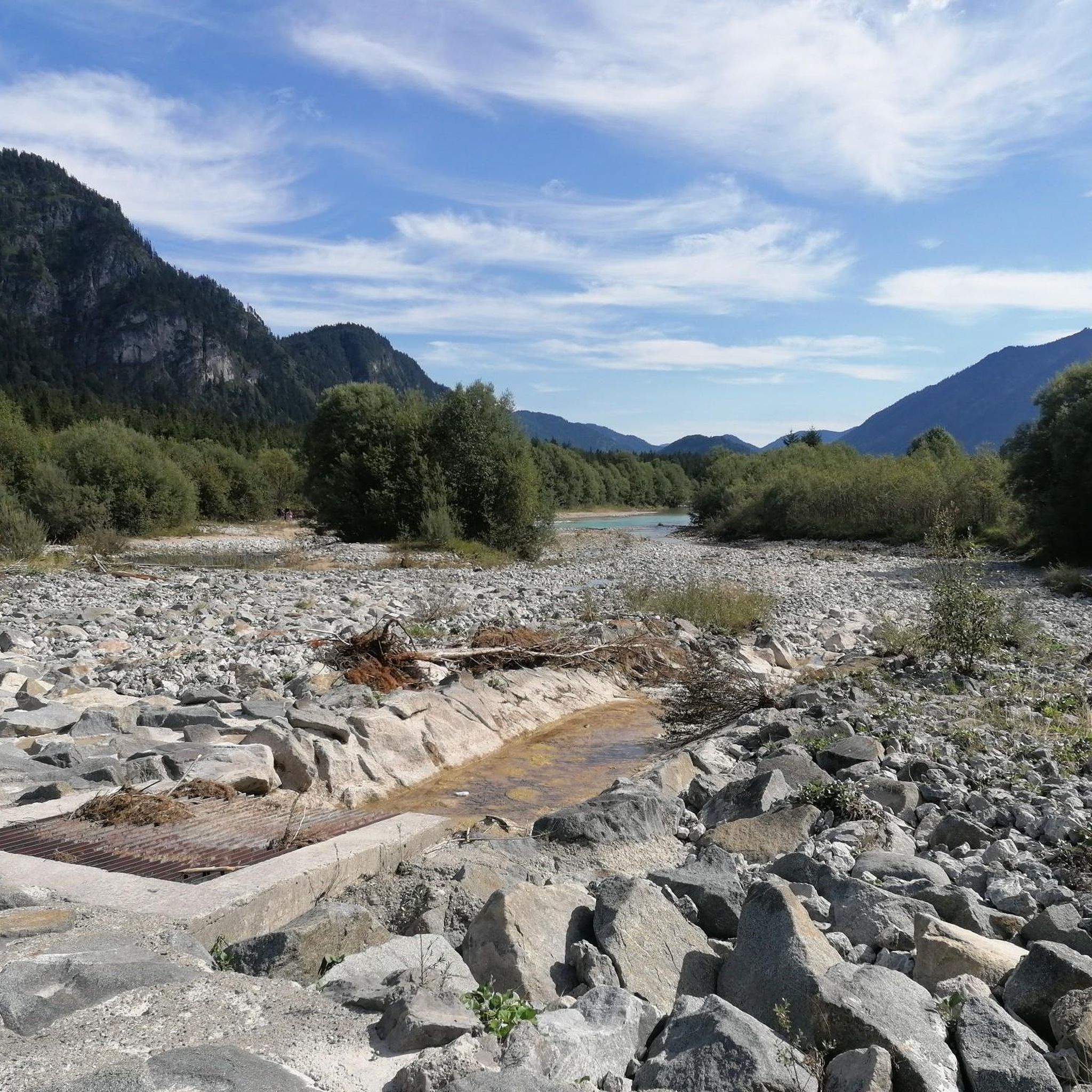
Gravel biking in Sierra Norte De Guadalajara
Other adventures in Sierra Norte De Guadalajara


Tips from the Community

The most popular route to ascend Pico Ocejón begins in Valverde de los Arroyos and is known for its scenic beauty and moderate difficulty. The hike is approximately 14.74 km and typically takes around 6 hours with stops. Along the way, hikers can enjoy spectacular views and the rich biodiversity of the area.
6
0

The highest peak in the province of Guadalajara is a special place to admire the landscape in all directions. In winter, with the snow, it is even more beautiful, but at the same time more demanding due to the cold.
1
1

The climb is hard, but it is worth it. Although we were not lucky enough to see all the scenery that should be seen from that height. The descent is almost harder than the ascent.
1
0

Technically simple ascent and you have a spectacular view from the summit.
0
0
Pico del Lobo is the highest mountain in the Sierra de Ayllón and in the province of Guadalajara, with an altitude of 2,274 metres. It is a popular destination for hiking and offers spectacular views of both Segovia and Guadalajara.
7
0
At 2049 metres above sea level, it is one of the highest and most popular peaks for hiking in the region. There are several routes to climb Pico Ocejón, the most common being those starting from Majaelrayo and Valverde de los Arroyos. Both routes offer stunning landscapes and the opportunity to enjoy nature at its best.
6
0
The Chorreras de Despeñalagua are an impressive set of waterfalls located in the Chorrera stream, a tributary of the Sorbe river, on the northern slope of the Ocejón peak near Valverde de los Arroyos. The waterfall has a height of about 120 meters and flows throughout the year, especially during the thaw season. In winter, frost is often found, which adds a magical touch to the landscape. The route to visit the Chorreras de Despeñalagua is simple and suitable for the whole family. The path, approximately 4.5 km, offers spectacular views and allows you to explore the streets and buildings of Valverde de los Arroyos. Also, on the way to the town, you will pass through other charming black towns such as Palancares, Almiruete and Tamajón. Definitely a destination worth exploring! 😊
8
0
The Tres Provincias Peak is at the northern vertex of the province of Madrid, exactly at the top point of its triangular map. At this point Madrid joins Guadalajara and Segovia. The landscape seen in all directions is spectacular.
0
0
Frequently Asked Questions
What are some of the most popular natural monuments to visit in Sierra Norte de Guadalajara?
Among the most appreciated natural monuments are the Aljibe Waterfall, known for its challenging yet rewarding hiking path, and Pico del Lobo, the highest peak in the Sierra de Ayllón, offering expansive views. Another popular spot is Pico Ocejón, a prominent summit favored by hikers for its scenic beauty.
Are there any family-friendly natural monuments in the region?
Yes, the Despeñalagua Waterfall is an excellent choice for families. The route to this impressive 120-meter waterfall, located near Valverde de los Arroyos, is considered simple and suitable for all ages. It offers spectacular views and can be combined with exploring the nearby 'Black Architecture' villages.
What kind of unique geological formations can be found in Sierra Norte de Guadalajara?
The park boasts a remarkable diversity of geological formations. You'll find landscapes shaped by slate, quartzite, and gneiss, forming rugged ridges, valleys, and fluvial canyons. In contrast, limestone formations have created unique features like the 'enchanted city' of Tamajón and the gorges of Retiendas and Valdepeñas de la Sierra, offering stunning visual contrasts.
What is the best time of year to visit the natural monuments in Sierra Norte de Guadalajara?
Autumn is particularly stunning, especially for places like the Hayedo de Tejera Negra Natural Park, when the beech forest foliage transforms into vibrant hues. Spring is ideal for seeing waterfalls like Aljibe and Despeñalagua at their fullest after rainfall. Winter offers a magical experience with frost, particularly around the waterfalls, though some higher mountain areas may require specific gear for hiking.
What wildlife can I expect to see in the natural monuments area?
The Sierra Norte de Guadalajara Natural Park is rich in biodiversity. In areas like the Hayedo de Tejera Negra, you might spot birds of prey, roe deer, wolves, otters, martens, and wildcats. The well-preserved riparian forests along rivers like the Pelagallinas are excellent for birdwatching and observing aquatic life.
Are there opportunities for hiking and other outdoor activities near these natural monuments?
Absolutely. The region is a prime destination for outdoor enthusiasts. You can find numerous hiking trails, including easy options like the Pontón de la Oliva Dam loop, or more challenging routes like the GR 60 Pueblos de la Arquitectura Negra. For mountain biking, there are trails such as the Senda del Genaro - Cerro Negro Loop.
What is the significance of the Hayedo de Tejera Negra Natural Park?
The Hayedo de Tejera Negra Natural Park is one of Europe's southernmost beech forests and a highlight of the Sierra Norte de Guadalajara. It's renowned for its exceptional ecological value and stunning beauty, especially in autumn. Due to its popularity and sensitivity, visiting often requires a special limited visiting system to protect its delicate ecosystem.
Can I visit the 'Black Architecture' villages while exploring the natural monuments?
Yes, the 'Black Architecture' villages like Valverde de los Arroyos, Umbralejo, Majaelrayo, and Campillo de Ranas are deeply integrated into the natural surroundings. Built with local slate and quartzite, they offer a unique cultural experience that blends seamlessly with the landscape, providing a harmonious contrast to the natural wonders.
What is Pico Tres Provincias (Cebollera Vieja) known for?
Pico Tres Provincias (Cebollera Vieja) is a significant mountain at 2,128 meters above sea level. It marks the confluence point of the Spanish provinces of Madrid, Guadalajara, and Segovia, with a monolith at its summit. It offers challenging hikes and panoramic views, particularly from the port of Somosierra.
Are there any river reserves or pristine water bodies to explore?
Yes, the Pelagallinas River Reserve protects a pristine environment, showcasing the high-quality waters and valuable aquatic communities of the park's river network. Rivers like the Jarama, Sorbe, and Bornova, along with their tributaries, feature well-preserved riparian forests with birch, alder, ash, and willow, perfect for tranquil walks and enjoying nature's sounds.
What makes the Pico del Lobo-Cebollera Nature Reserve unique?
This reserve features Pico del Lobo, the highest peak in Castilla-La Mancha at 2,273 meters. The area, including other peaks like Cerrón and Ocejón, offers rugged mountain landscapes and preserves glacial cirques with remnants of ancient moraines, providing insights into the region's geological history. It's ideal for challenging hikes and offers breathtaking panoramic views.
Most popular routes in Sierra Norte De Guadalajara
Most popular attractions in Sierra Norte De Guadalajara

Get inspired with the komoot mobile app


Explore more
Extend your search for the best caves by checking out these guides of the top ones in Sierra Norte De Guadalajara:
