Top 10 Natural Monuments around the Segre
Best natural monuments around the Segre river showcase a diverse landscape in Catalonia, Spain, characterized by its significant fluvial ecosystems and varied natural areas. The region features wetlands, riverside forests, and geological formations, offering ecological value and opportunities for outdoor activities. These sites provide habitats for diverse flora and fauna, including various bird species and mammals. The Segre river basin is known for its unique hydrological features and natural beauty.
Best natural monuments around the Segre
- The most popular natural…
Last updated: June 26, 2026
Cova del Tabac
Highlight • Cave
The cave was formed by …
Translated by Google •
Tip by

Parc de la Mitjana
Highlight • Forest
Translated by Google •
Tip by

Sign up now to discover places like this
Get recommendations on the best single tracks, peaks, & plenty of other exciting outdoor places.
Sign up for free
Mas de Melons Wildlife Nature Reserve
Highlight • Natural Monument
The route has a distance of approximately 7.5 km (although I marked the track a …
Translated by Google •
Tip by

Rufea Wetlands Observation Tower
Highlight • Viewpoint
Translated by Google •
Tip by
Rufea Wetlands
Highlight • Lake
Translated by Google •
Tip by
Cueva de Anes
Highlight • Cave
Translated by Google •
Tip by
Waterfalls of Organyà
Highlight • Waterfall
Translated by Google •
Tip by
View of the Sant Llorenç de Montgai reservoir
Highlight • Viewpoint
Translated by Google •
Tip by
Bull Rock
Highlight • Climb
Translated by Google •
Tip by
Dolmen Cabana del Moro
Highlight • Historical Site
Translated by Google •
Tip by

Sign up for free to discover even more natural monuments around the Segre.
Sign up for free
Already have an account?
Start today with a free account
Your next adventure awaits.
Login or Signup
Popular around Segre
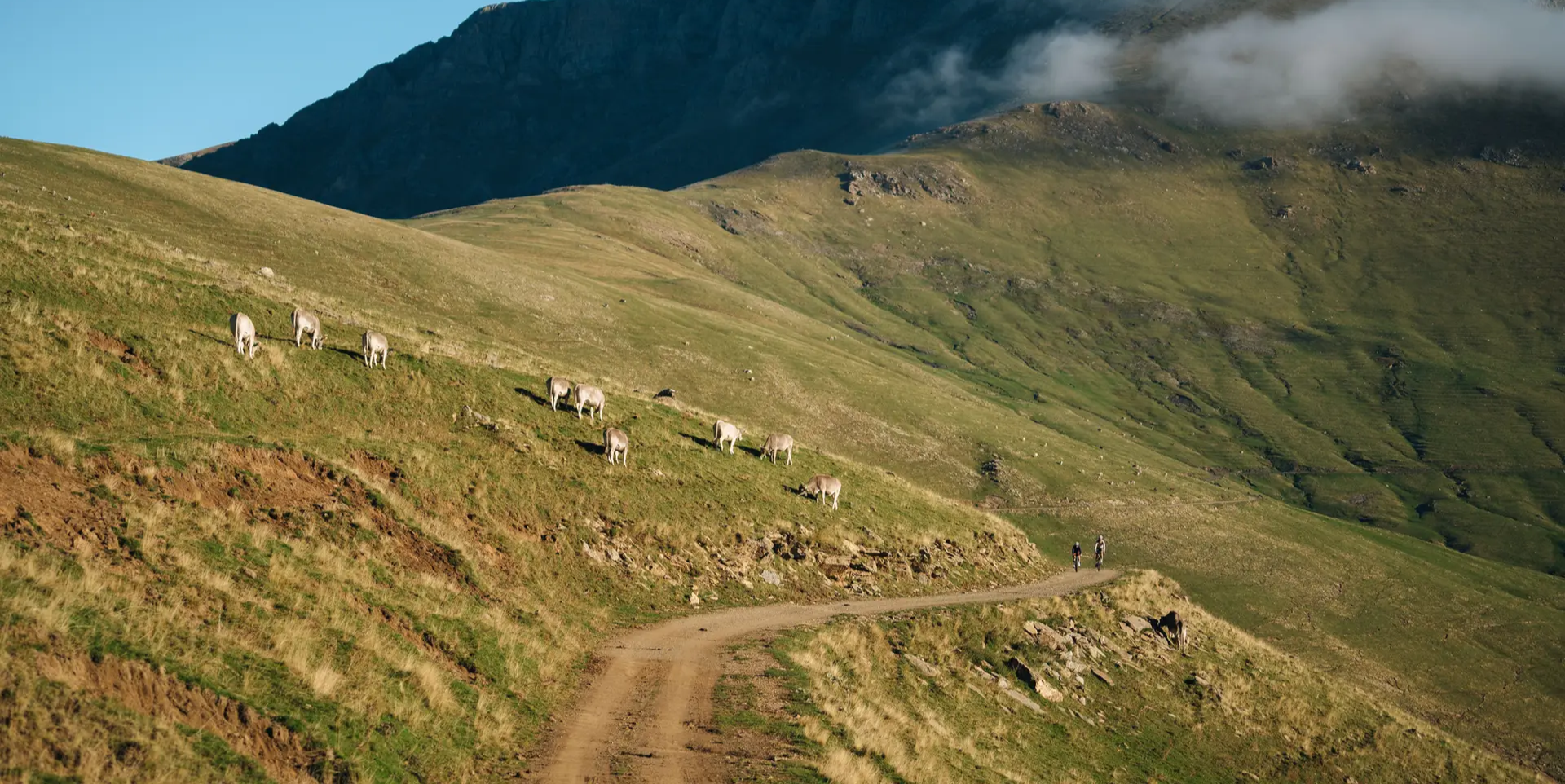
Grand Tour of Catalonia Gravel – your bikepacking adventure
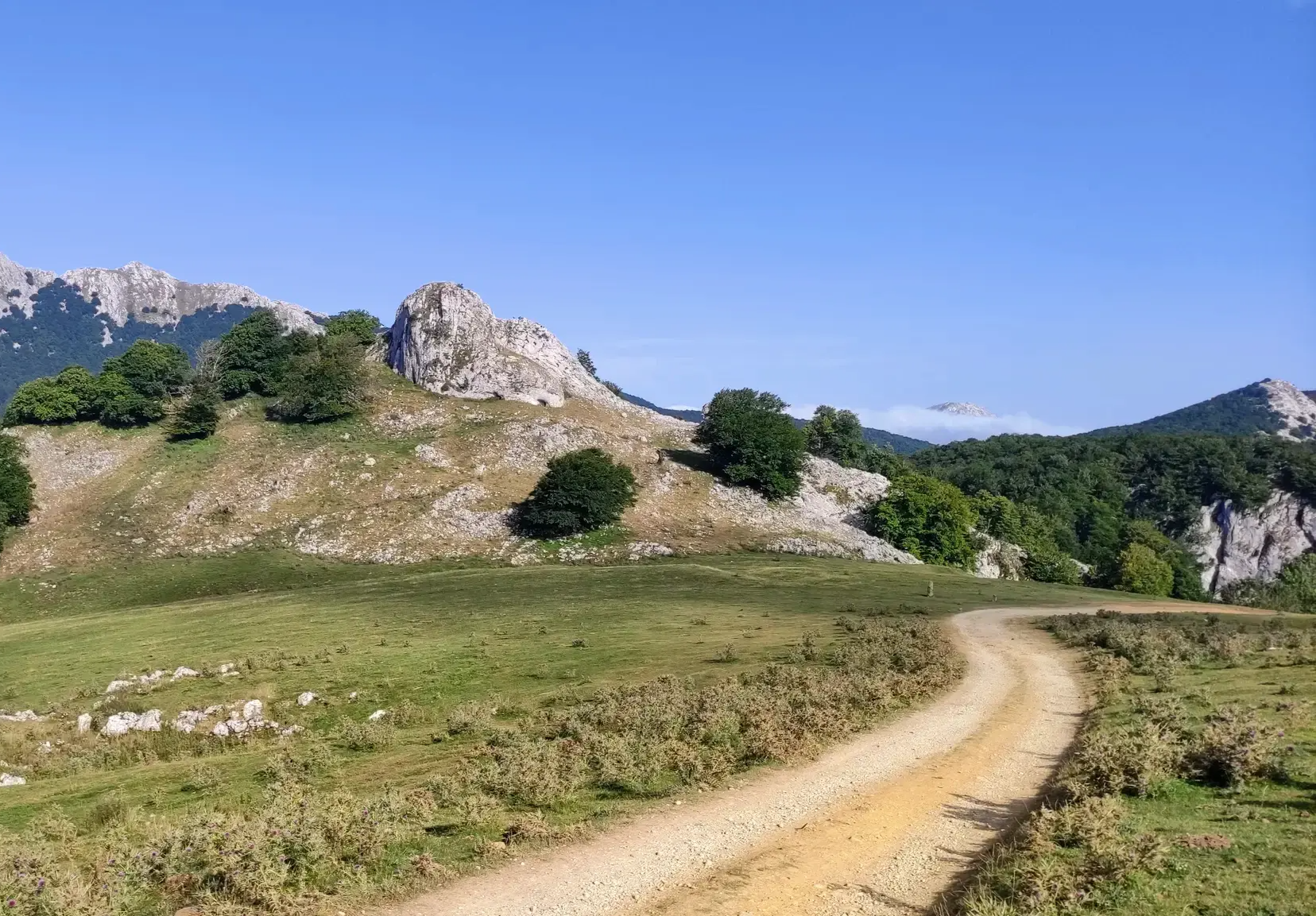
The Ignatian Way - In the footsteps of Ignatius of Loyola
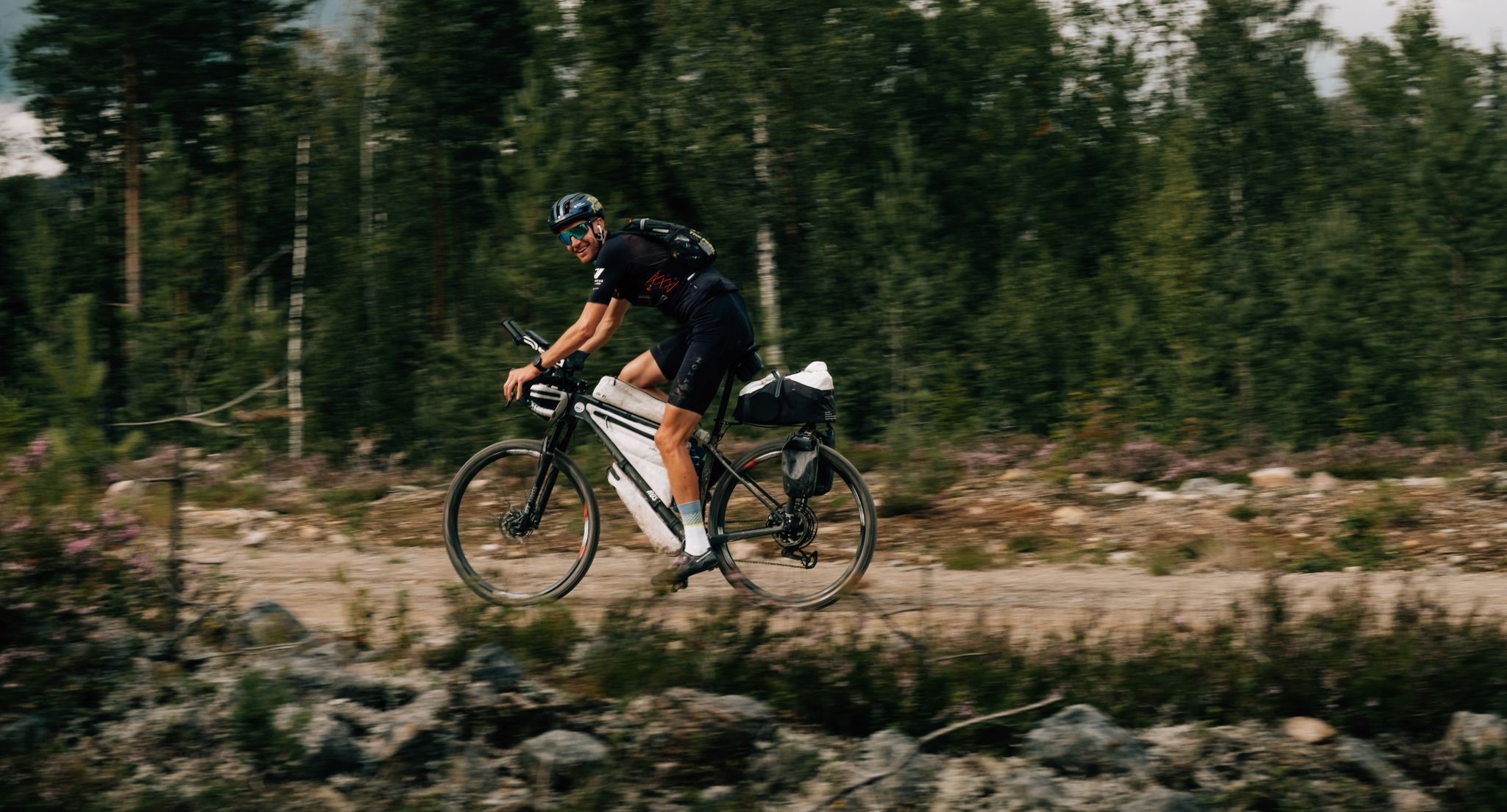
European D̶I̶V̶I̶D̶E̶ Connect Trail Project – a journey across Europe
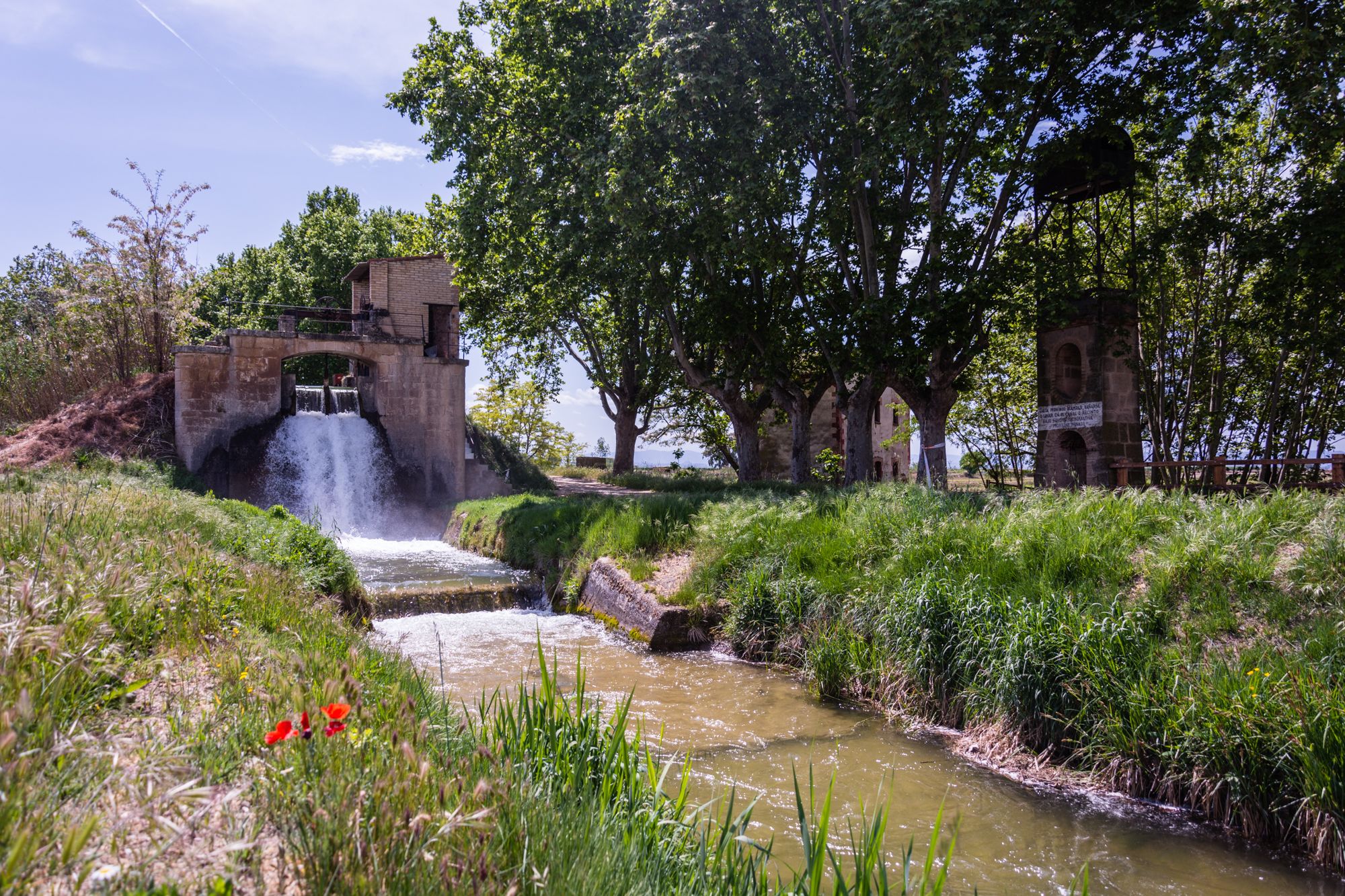
Follow the water in Spain – Pedals del Canal d'Urgell
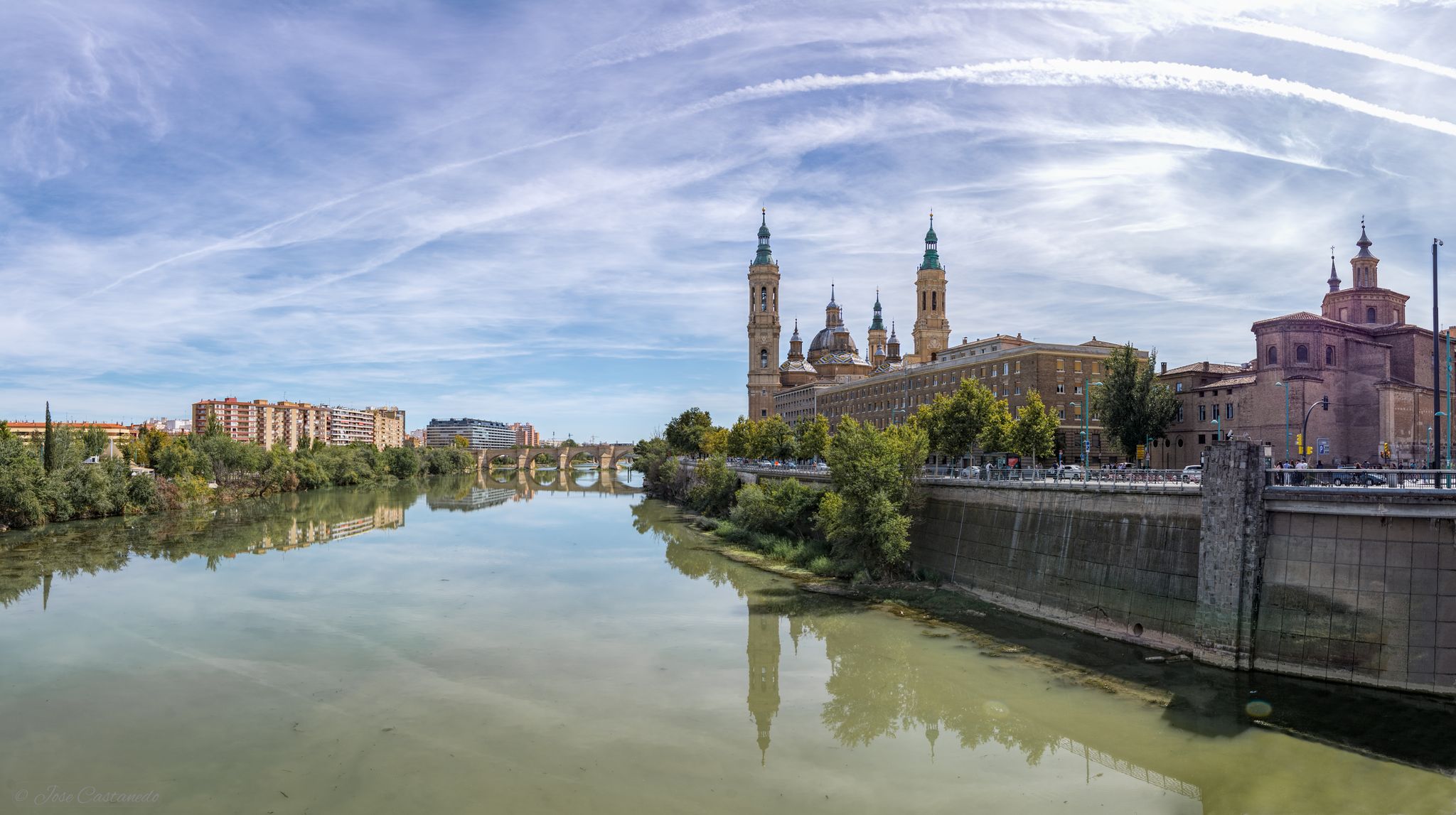
A river getaway – Ebro Natural Trail (GR 99)
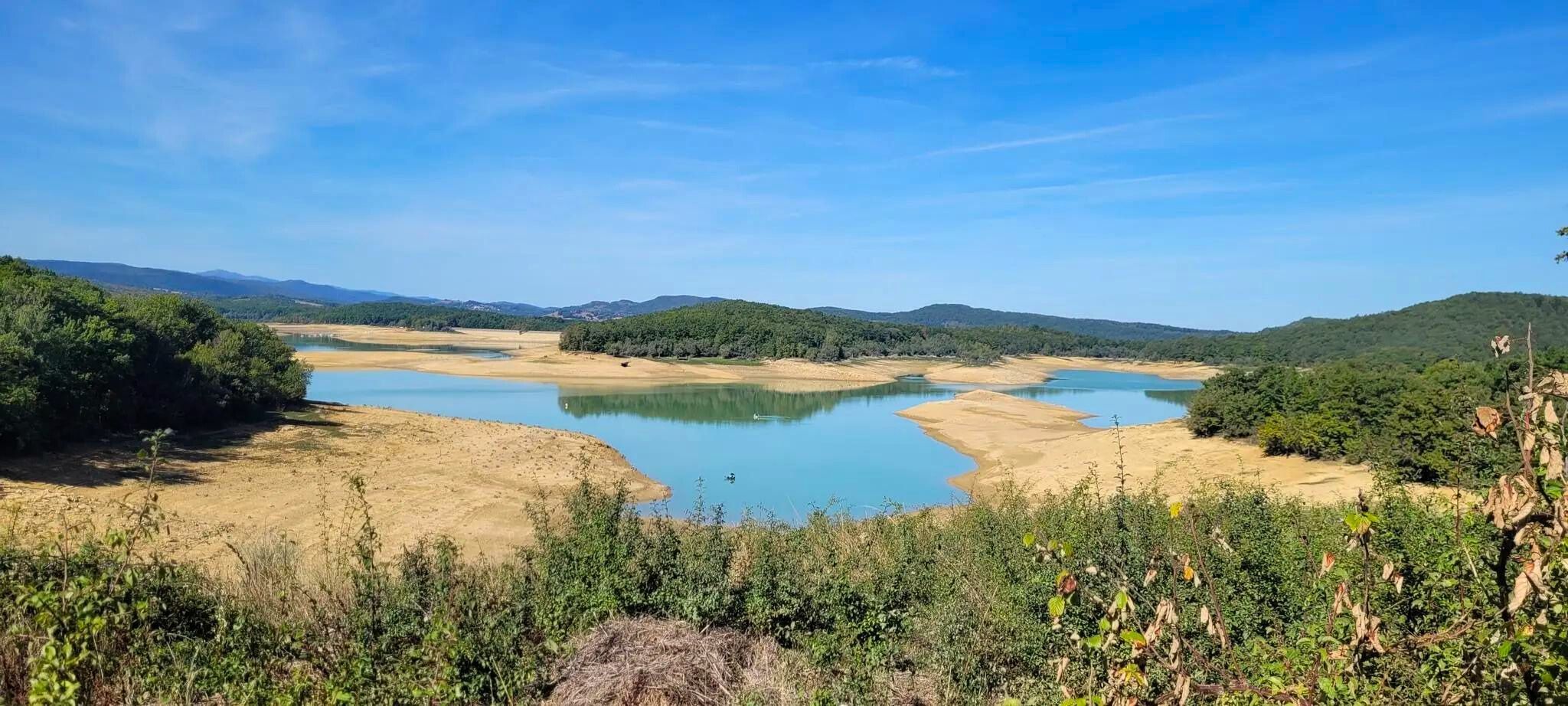
Plains, hills and mountains – GR 7 in the heart of France’s Occitania
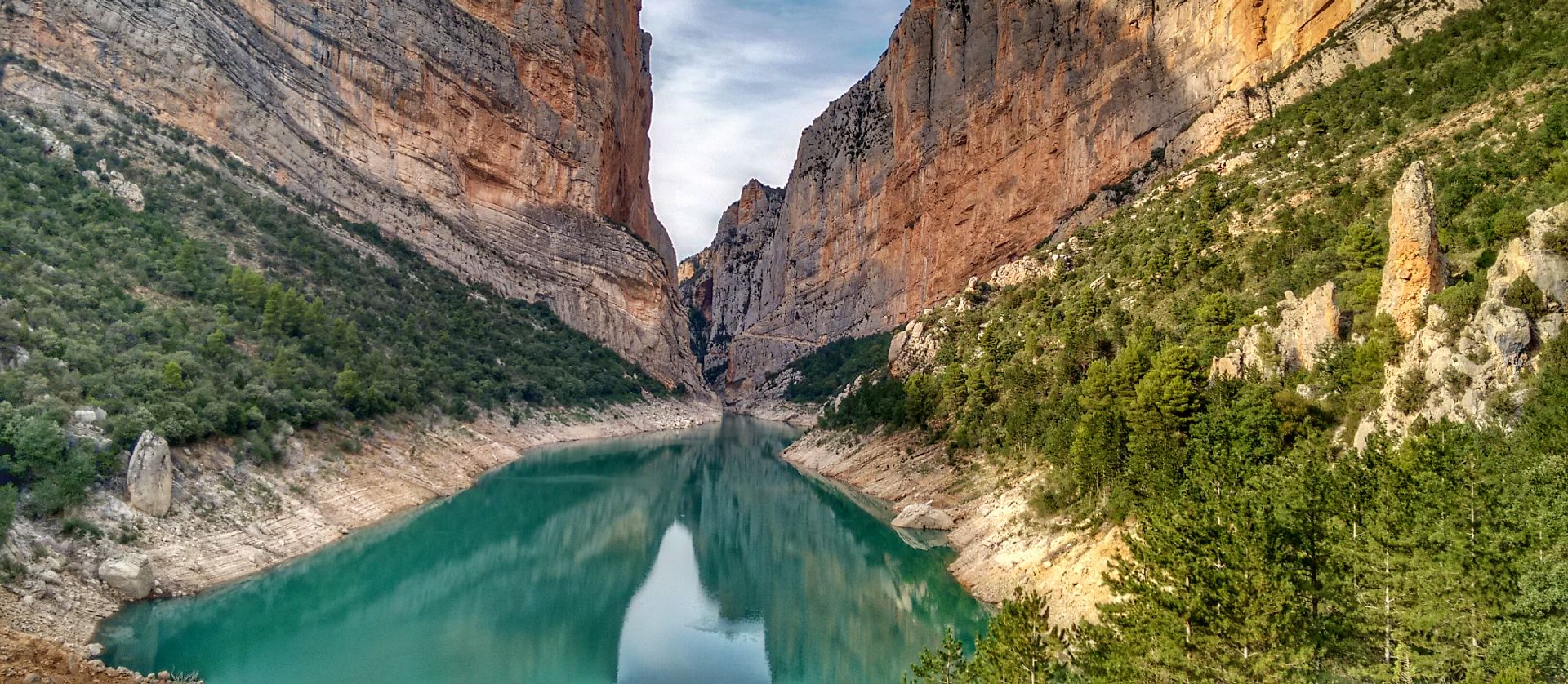
Lleida to El Pont d'Orrit – Sendero Central de Cataluña (GR3)
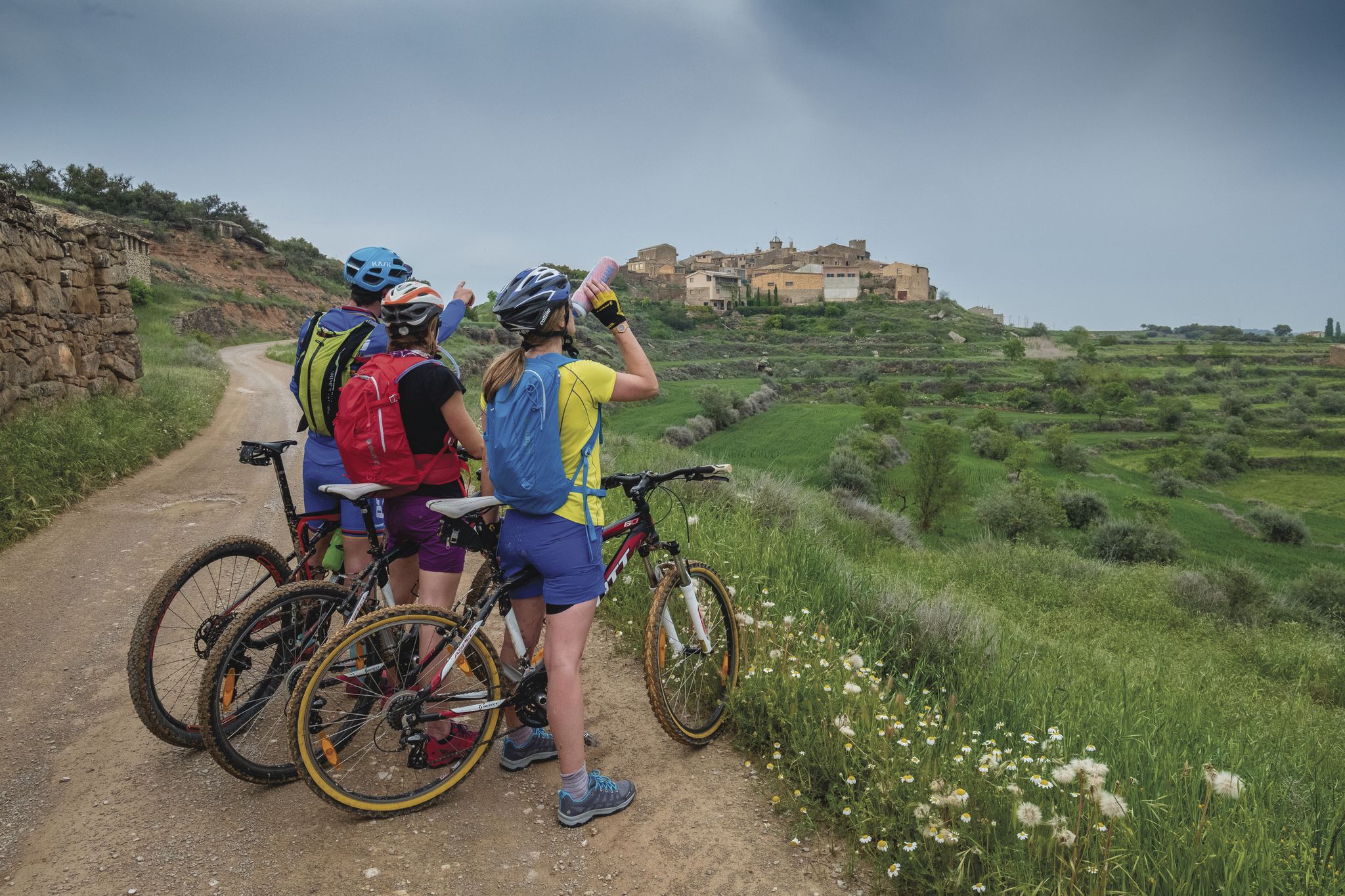
Bikepacking in Catalonia
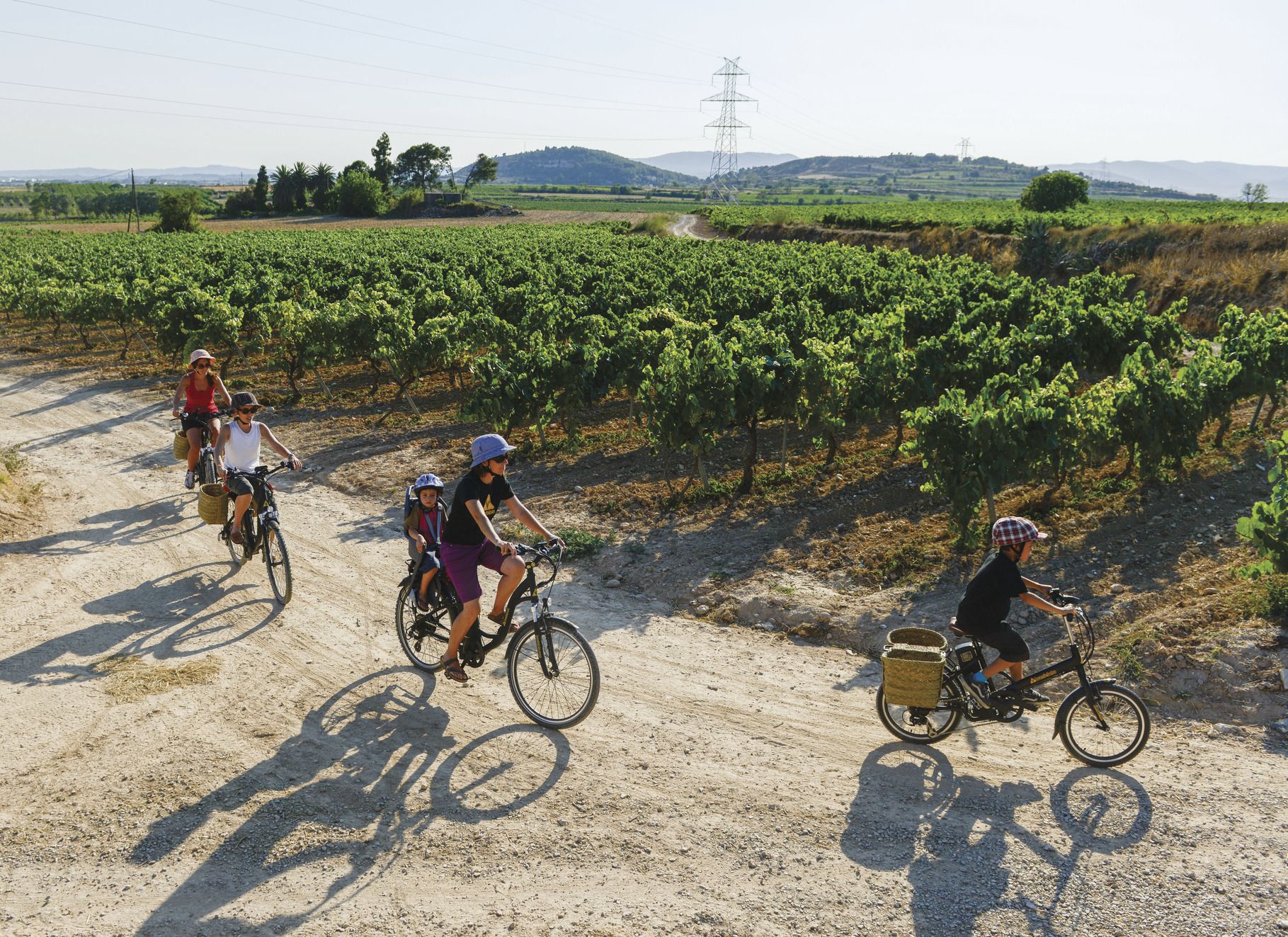
Cycling through Catalonia with your family
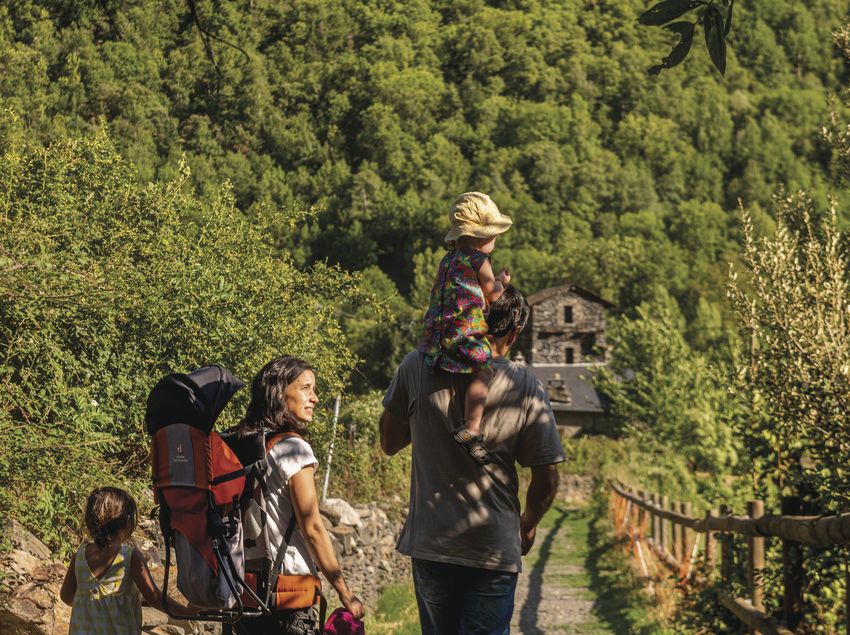
Hike with your family in Catalonia
Other adventures around the Segre


Tips from the Community

Easy hiking trail along the road. You walk directly past the cliffs and the lake. Very impressive
0
0

A megalithic monument hidden among pastures and pine forests, a witness to thousands of years of history in the Cadí mountain range. The stone slab structure retains its original shape and conveys that sense of ancient mystery that surrounds the dolmens of the Pyrenees. The surroundings are quiet and panoramic, ideal for a brief contemplative stop. By mountain bike, access is via a forest track with some rough sections and loose roots; it's advisable to use slightly lower tire pressure for better traction and be careful on the descent, where large rocks can surprise you if you're overconfident.
0
0

We went on a Sunday, and there weren't many people. It's recommended to pack flip-flops in your backpack to wear in the water, as there are a lot of rocks. The water is warm, very pleasant for a swim. You can leave your car in the village and start the route from there.
1
0

This is an area with a beautiful natural landscape, ideal for relaxing and enjoying nature. It's also an idyllic spot for a multitude of leisure activities. Its cliffs make it an attractive spot for climbing enthusiasts. Along the road that runs alongside it, you'll find several picture-postcard views.
0
0

The Rufea Wetlands Observation Point is located in a wetland of ecological and social interest, near the Butsènit Hermitage in Lleida. This natural area offers an excellent opportunity to observe aquatic and migratory birds from an observation tower and specially equipped huts.
4
0

A very gentle route to stretch your legs and warm up, so you don't lose shape. A family route.
0
0

a somewhat demanding route but worth it as the surroundings are spectacular.
1
0

Trip carried out on October 13, 2024 as part of the FEEC excursion monitor training. The route has a distance of approximately 7.5 km (although I marked the track a little more because of the stops and detours to take some photos). It takes around 4 hours to complete due to multiple stops to change guides, discover plates and animal remains. Without so many stops you can easily do it in 3 hours. The route does not have any technical difficulties, although there are two or three steps that require the assistance of the guide in case the person does not have good flexibility. The vegetation is dominated by oaks and pines, white in the sunny areas and red in the shady ones. There are many bushes typical of the Mediterranean climate, such as rosemary, boxwood or steppe. Poplar and some willow can be found near the reservoir water. The reserve is particularly known for its birdlife. It hosts species such as the barred eagle, the common vulture, the great cormorant that use the area as a resting and nesting point. You can also find mammals such as wild boars and foxes, as well as reptiles typical of the Mediterranean area.
1
0
Frequently Asked Questions
What natural features can I explore around the Segre River?
The Segre region offers a diverse range of natural features. You can discover significant fluvial ecosystems, wetlands, and riverside forests. Notable sites include the Parc de la Mitjana, a 90-hectare wetland with a lush riverside forest, and the Rufea Wetlands, known for their small lagoons. The Waterfalls of Organyà provide a refreshing natural cascade, while the Cova del Tabac is a monumental cave formed by karst phenomena.
Are there any historical or geological sites among the natural monuments?
Yes, the region features both historical and geological points of interest. The Cova del Tabac is a monumental cave formed over millions of years by karst phenomena, which once contained ancient cave paintings. Additionally, the Dolmen Cabana del Moro is a historical site that stands as a natural monument.
Which natural monuments are suitable for families with children?
Several natural monuments around the Segre are family-friendly. The Parc de la Mitjana is an excellent choice, offering an interpretation center and guided tours. The Rufea Wetlands are ideal for families, with observatories and a picnic area, perfect for walking or cycling. The Rufea Wetlands Observation Tower and the San Lorenzo de Montgai Dam also welcome families.
Can I go swimming at any of the natural monuments?
Yes, the Waterfalls of Organyà offer an idyllic spot to cool off. Visitors describe the water as warm and pleasant for swimming, especially on warmer days. It's recommended to bring flip-flops due to the rocky areas.
What opportunities are there for birdwatching in the Segre region?
The Segre region is a fantastic destination for birdwatching. The Parc de la Mitjana is a prime location, home to species like the Mallard duck, moorhen, seagull, white night heron, and grey heron. The Rufea Wetlands also feature observatories where you can spot many birds. The Aiguabarreig Segre-Cinca Protected Natural Area is crucial for its biodiversity, hosting a wide range of birds for breeding, feeding, and resting.
Are there hiking or running trails near the natural monuments?
Yes, the Segre region offers numerous trails for hiking and running. For running, you can find routes like the 'Running - Circular Cima del Monteró from San Lorenzo de Montgai' or the 'Running - Tour of the Mu Gorge'. You can explore more options on the Running Trails around the Segre guide.
What kind of cycling routes are available around the Segre natural monuments?
The area around the Segre natural monuments is well-suited for cycling. You can find various MTB trails, such as the 'Lletó Loop Trail' or 'Mas de Melons desde Lérida — Ruta circular'. For gravel biking, options include the 'Abandoned Village of Claret – Wooden Bridge loop from Ponts'. More details are available in the MTB Trails around the Segre guide and the Gravel biking around the Segre guide.
What is the best time of year to visit the natural monuments around the Segre?
The natural monuments around the Segre can be enjoyed throughout the year, but autumn and spring are particularly beautiful, especially in areas like Parc del Segre, where the vegetation shows vibrant colors. For activities like swimming at the Waterfalls of Organyà, warmer days are ideal.
What kind of wildlife can I expect to see?
The diverse ecosystems support a variety of wildlife. In wetland areas like the Parc de la Mitjana and the Aiguabarreig Segre-Cinca, you can observe numerous bird species, including various ducks, herons, and moorhens. Mammals such as otters, southwestern water voles, genets, beech martens, weasels, badgers, and wild boars are also present in the riparian forests and protected natural spaces.
Are there any viewpoints offering panoramic views of the Segre River and its surroundings?
Yes, several natural monuments offer magnificent views. The Cova del Tabac provides stunning views of Camarasa and the Segre River. From the San Lorenzo de Montgai Dam, you can see the entire reservoir and its waterfowl. The Rufea Wetlands Observation Tower also offers elevated perspectives of the wetlands.
What makes the Aiguabarreig Segre-Cinca Protected Natural Area unique?
The Aiguabarreig Segre-Cinca Protected Natural Area is unique because it marks the confluence of the Segre and Cinca rivers just before they join the Ebro. It features a striking contrast between abundant riverside vegetation and arid surrounding landscapes. This area is vital for its biodiversity, supporting a wide range of birds and mammals like otters and Spanish pond turtles. A natural walkway, the 'Passarel·la del Segre,' offers accessible paths through the riparian forest.
What are the main attractions of the Parc de la Mitjana?
The Parc de la Mitjana is a 90-hectare wetland area known for its lush riverside forest of poplars, alders, ash trees, willows, and tamarinds. It's an excellent spot for birdwatching and features its own microclimate. The Tòfol Footbridge and La Mitjana Iron Bridge are popular for hiking, offering a natural escape close to the city of Lleida.
Most popular routes around the Segre
Most popular attractions around the Segre

Get inspired with the komoot mobile app


Explore more
Extend your search for the best caves by checking out these guides of the top ones around the Segre:
