Top 20 Natural Monuments in the Sistema Ibérico Mountains
Best natural monuments in the Sistema Ibérico Mountains are characterized by dramatic geological formations and unique ecosystems. This vast and rugged system in central and eastern Spain features a diverse range of natural sites. Visitors can explore glacial lakes, towering peaks, and cascading waterfalls. The region offers varied landscapes, from high mountain environments to river-carved canyons.
Best natural monuments in the Sistema Ibérico Mountains
- The most popular natural monument is Pico de Urbión, a summit that offers spectacular views…
Last updated: July 10, 2026
Pico de Urbión
Highlight • Summit
Translated by Google •
Tip by

Viewpoint over the Yecla Gorge
Highlight • Gorge
Translated by Google •
Tip by

Sign up now to discover places like this
Get recommendations on the best single tracks, peaks, & plenty of other exciting outdoor places.
Sign up for free
Moncayo Summit
Highlight • Summit
Translated by Google •
Tip by

Clavijo Castle
Highlight • Castle
Translated by Google •
Tip by

Source of the Duero River
Highlight • River
Translated by Google •
Tip by

Laguna Larga
Highlight • Lake
Translated by Google •
Tip by
Campiña
Highlight • Summit
Translated by Google •
Tip by

Portillo of the Laguna Negra de Soria
Highlight • Mountain Pass
The Portilla on the Right …
Translated by Google •
Tip by

Anguiano
Highlight • Settlement
Translated by Google •
Tip by

Puerto del Manquillo
Highlight • Mountain Pass
Translated by Google •
Tip by
Sign up for free to discover even more natural monuments in the Sistema Ibérico Mountains.
Sign up for free
Already have an account?
Start today with a free account
Your next adventure awaits.
Login or Signup
Popular around Sistema Ibérico Mountains
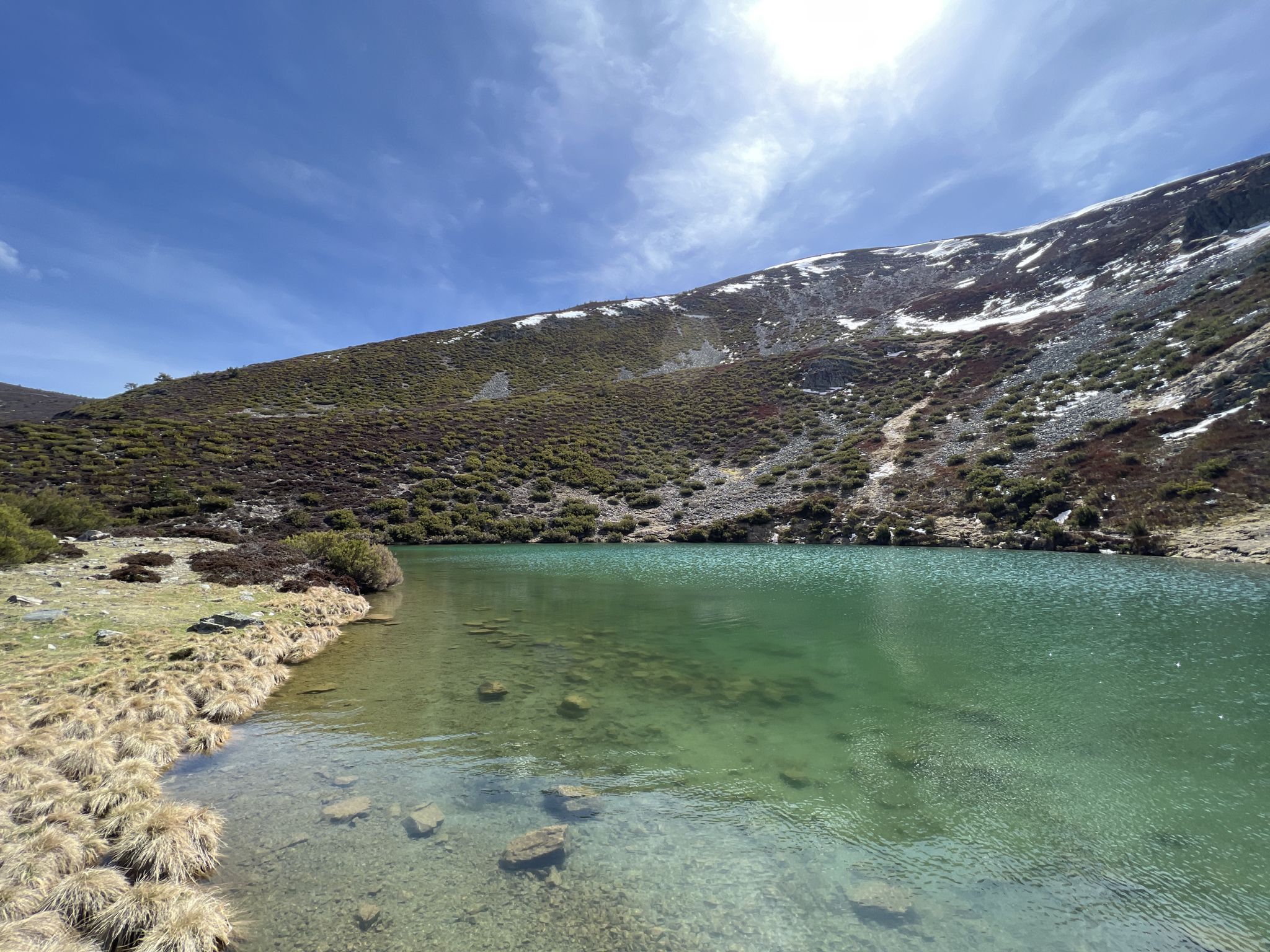
Discover the unknown Burgos - Dos Aguas Trail (GR 290)
Zazpiak Bat Packing – a cycling adventure in the Basque Country
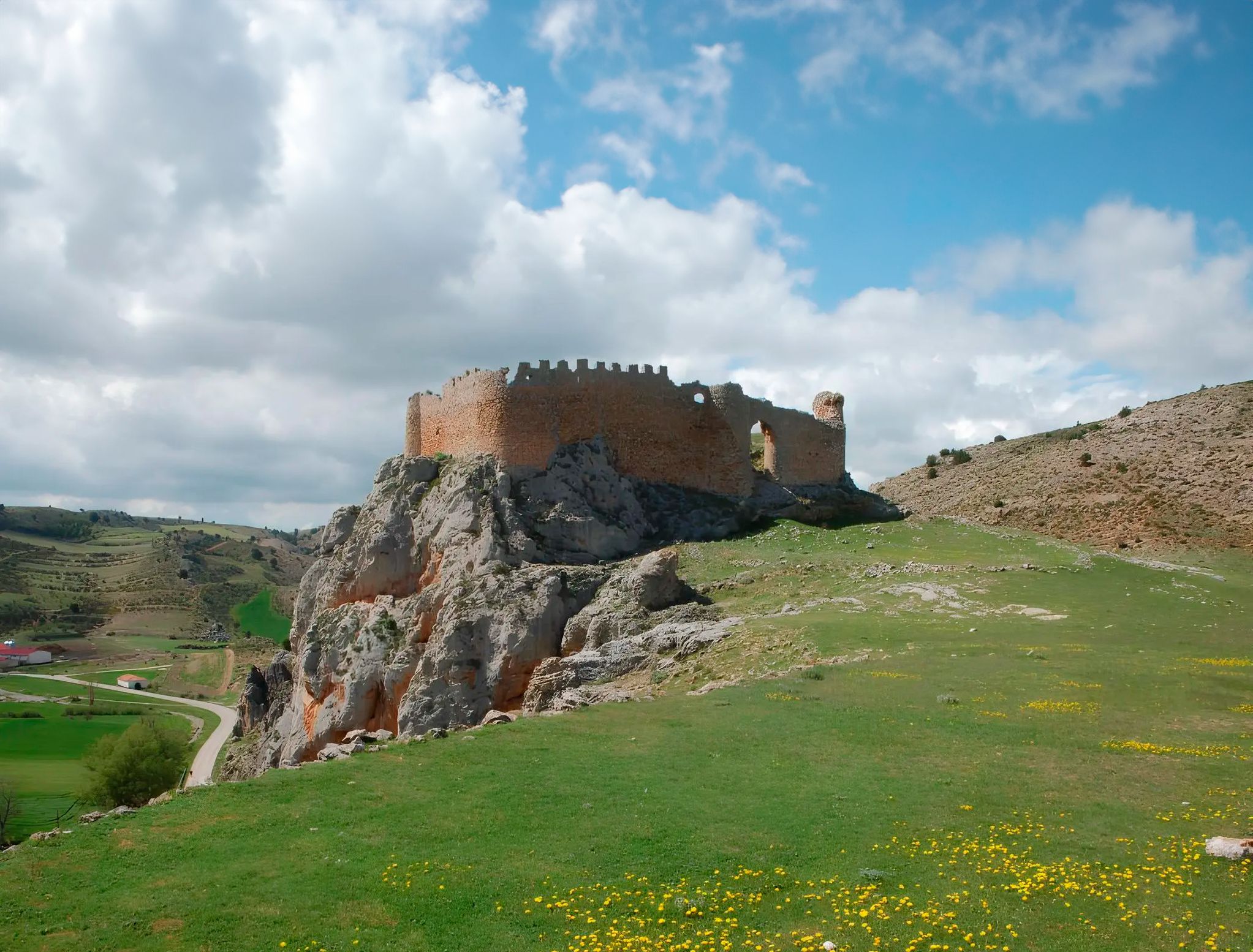
Around the Spanish province of Soria - Sendero Ibérico Soriano (GR 86)
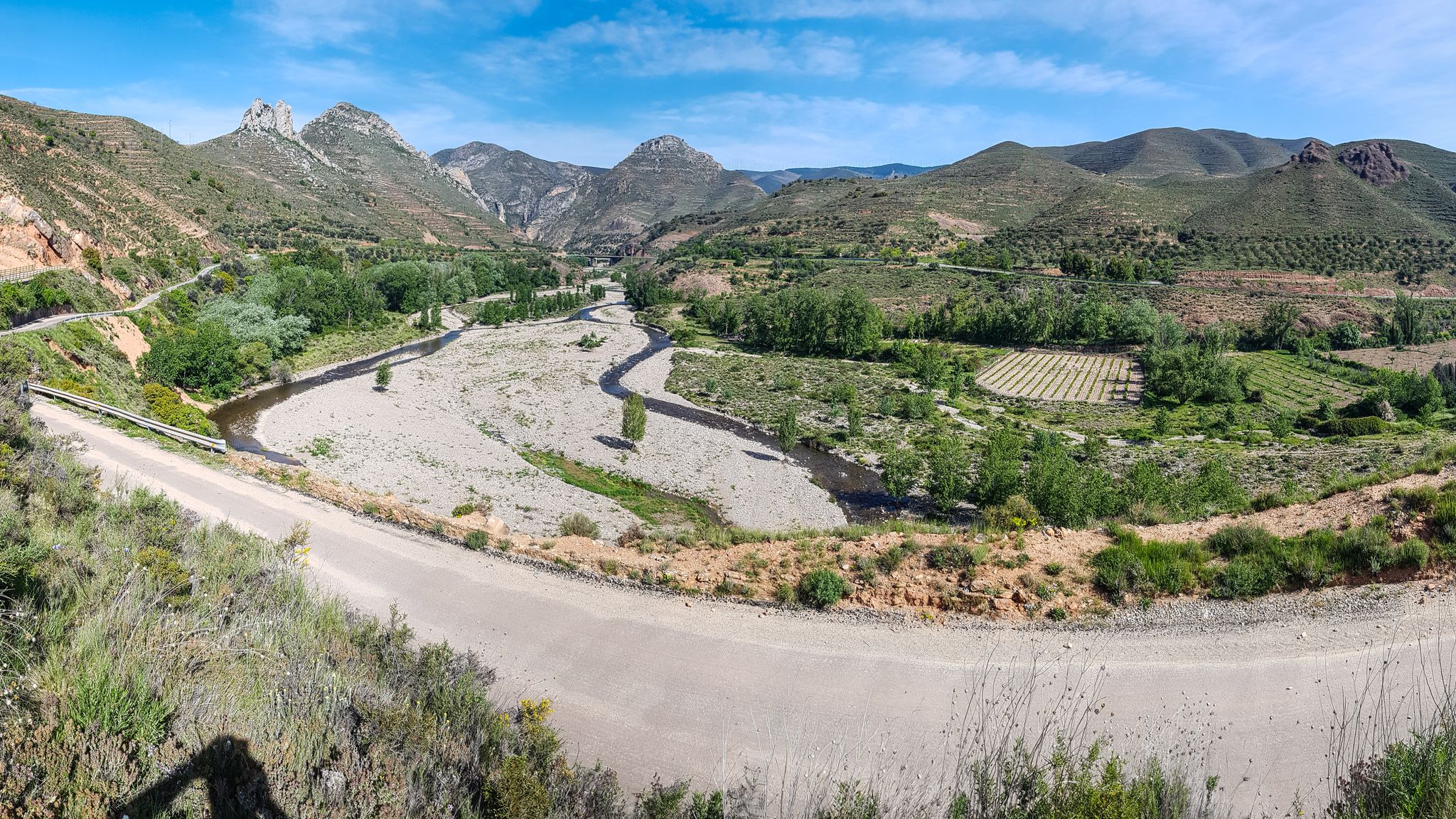
Orchards and karst peaks in La Rioja – Cidacos Greenway
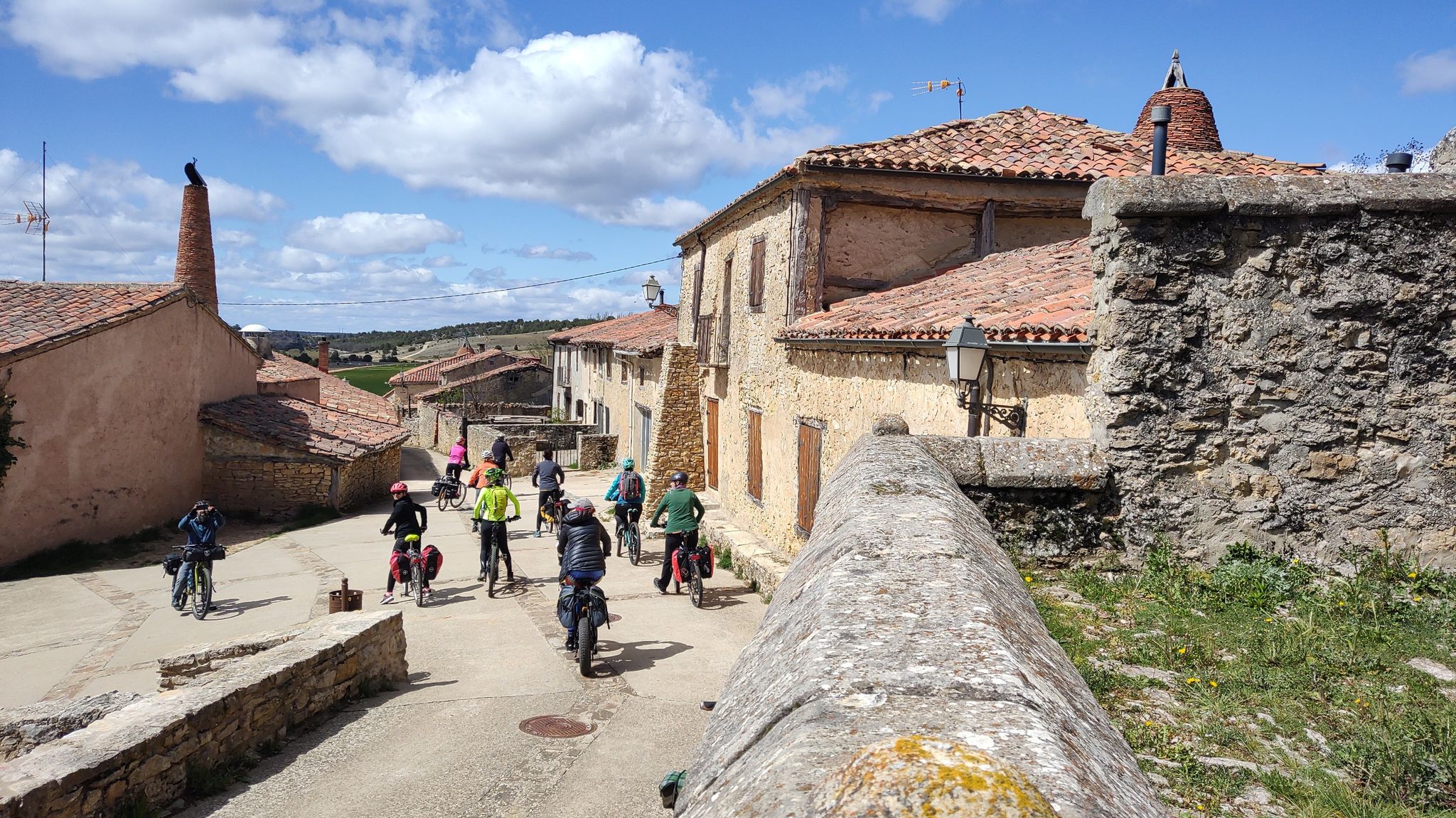
Millennial treasures on pedals – Romanesque art of Soria by MTB
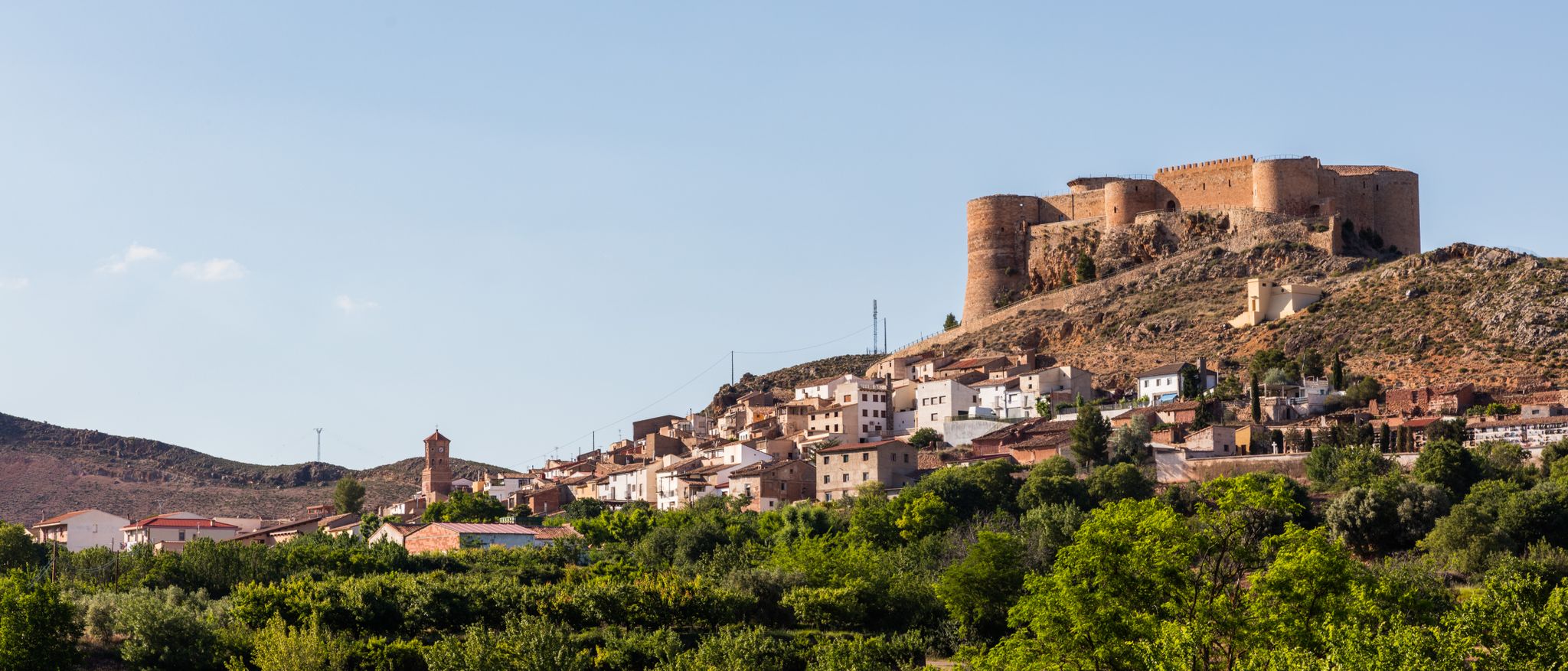
Moncayo to Daroca – Iberian Zaragoza Path (GR 90)
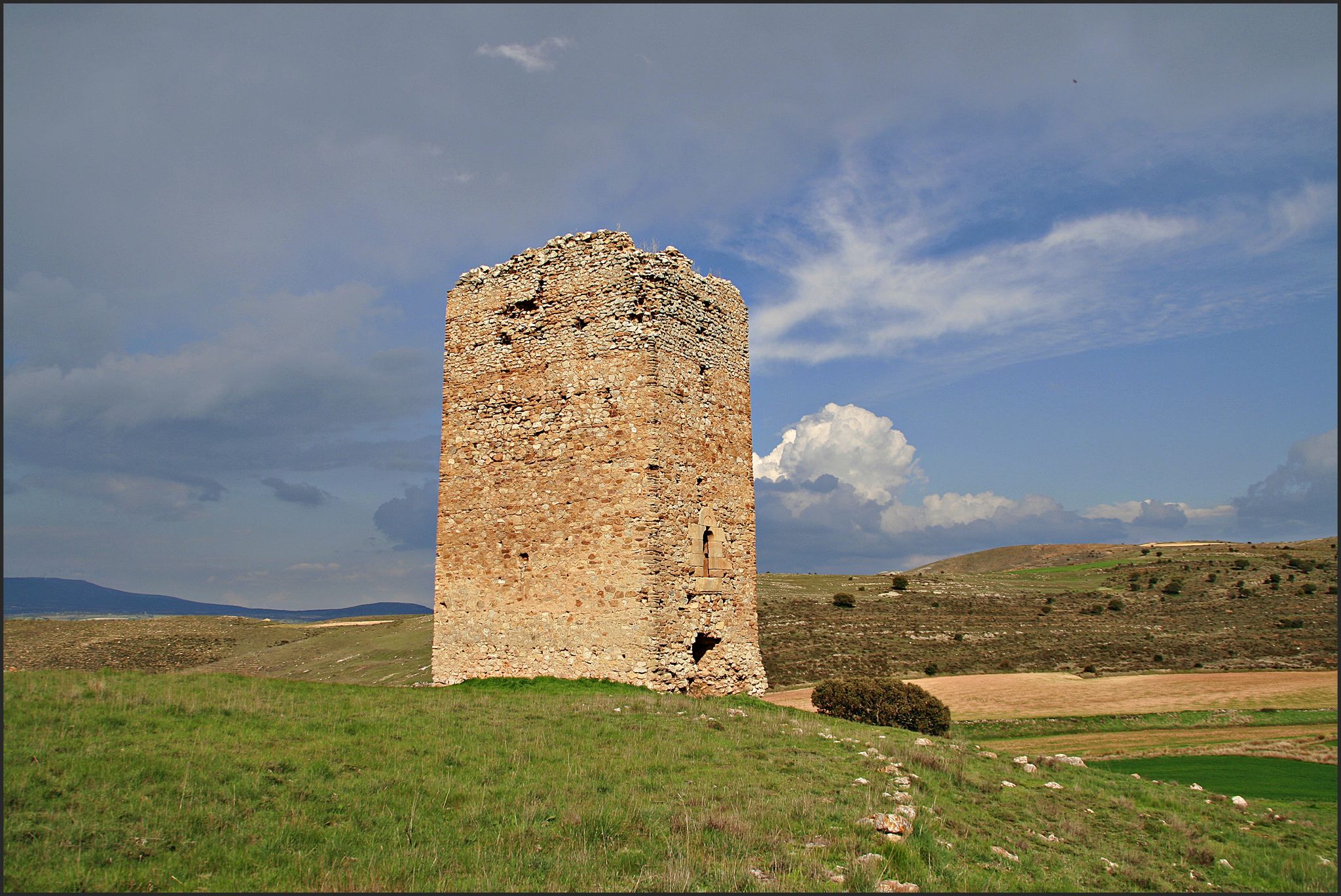
The Duero to the Ebro – Soriano Water Natural Trail
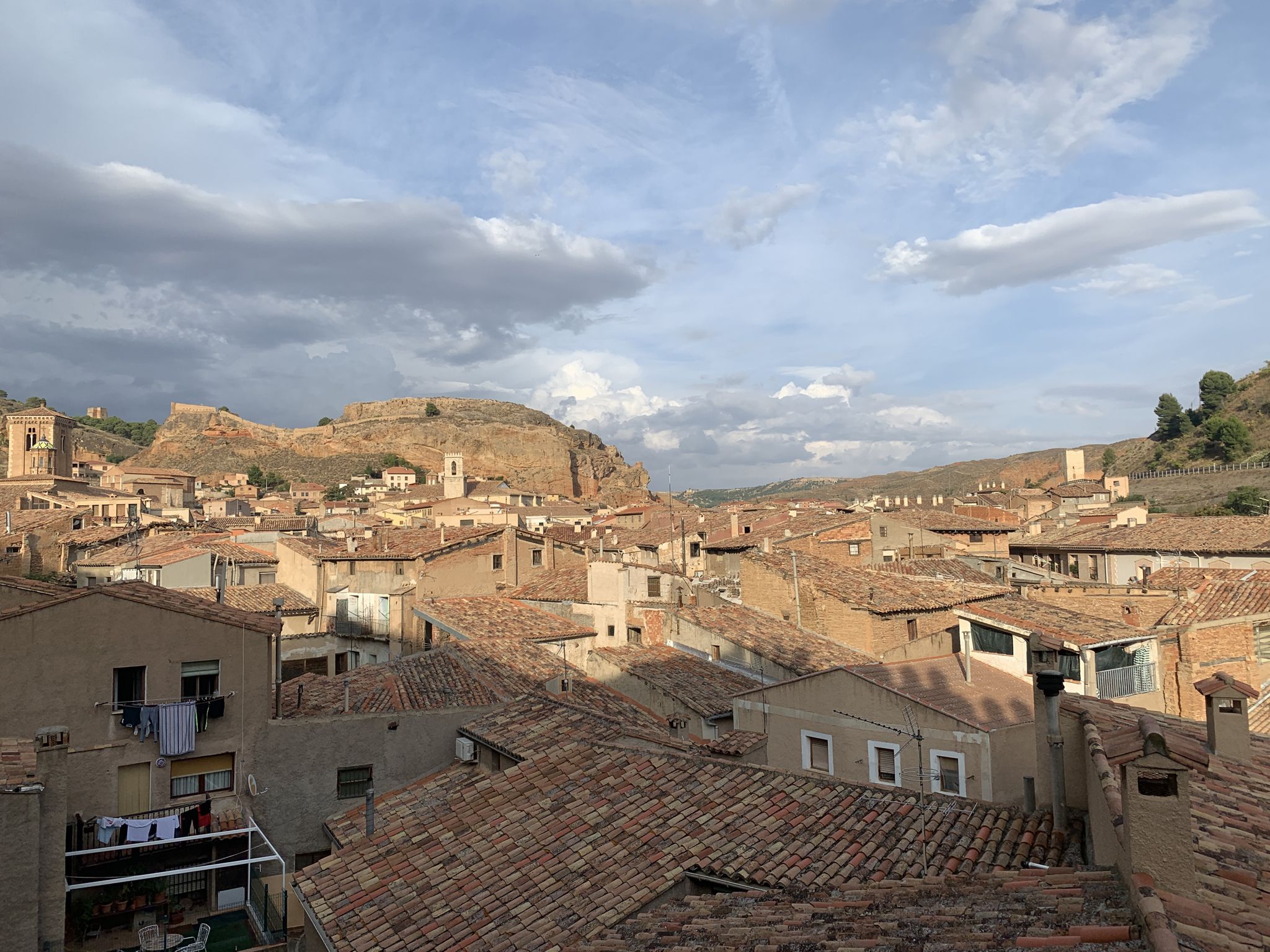
18th-century gravel – Camino Real de Aragón from Madrid
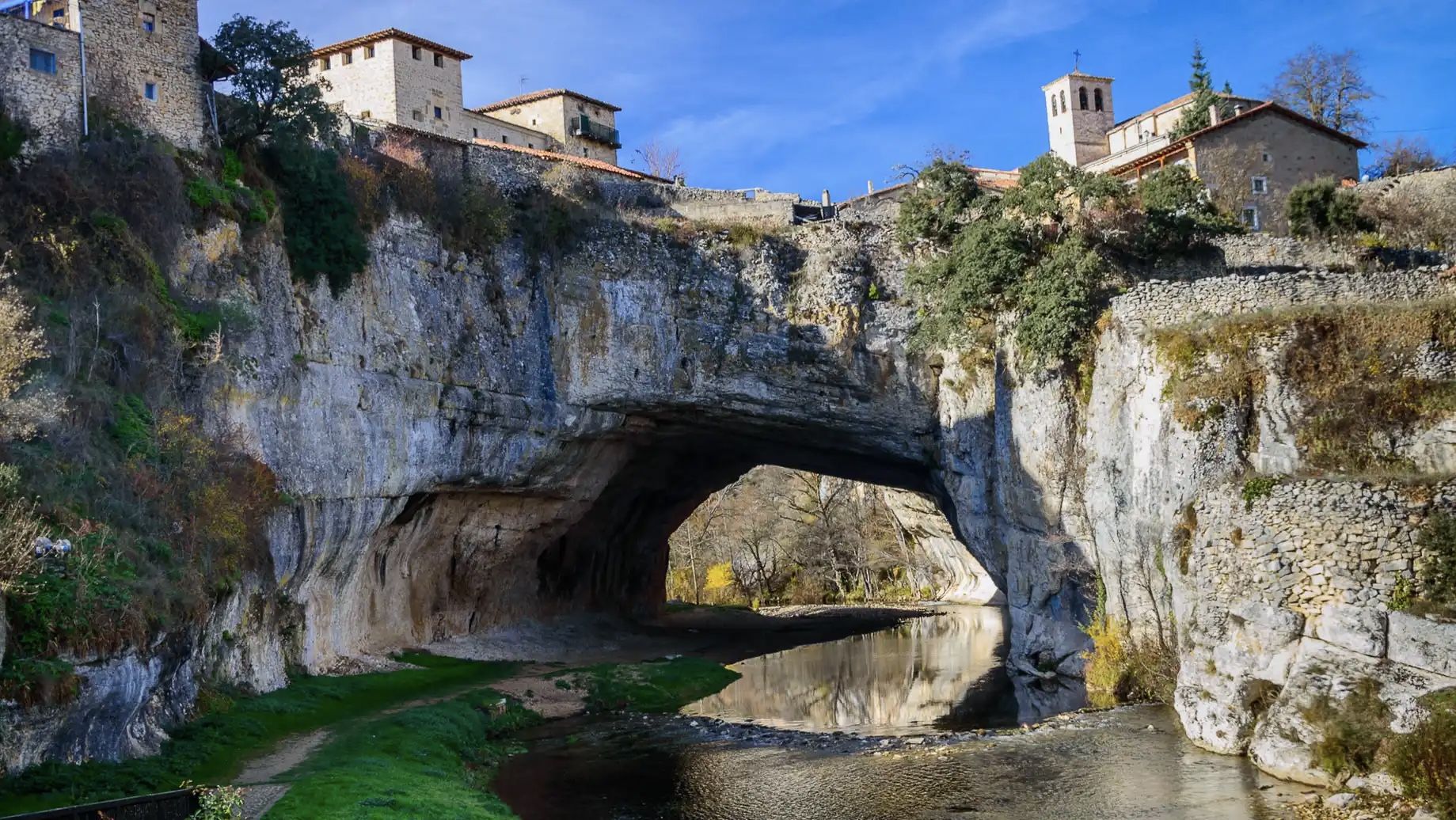
An epic getaway – Santander-Mediterráneo Nature Trail
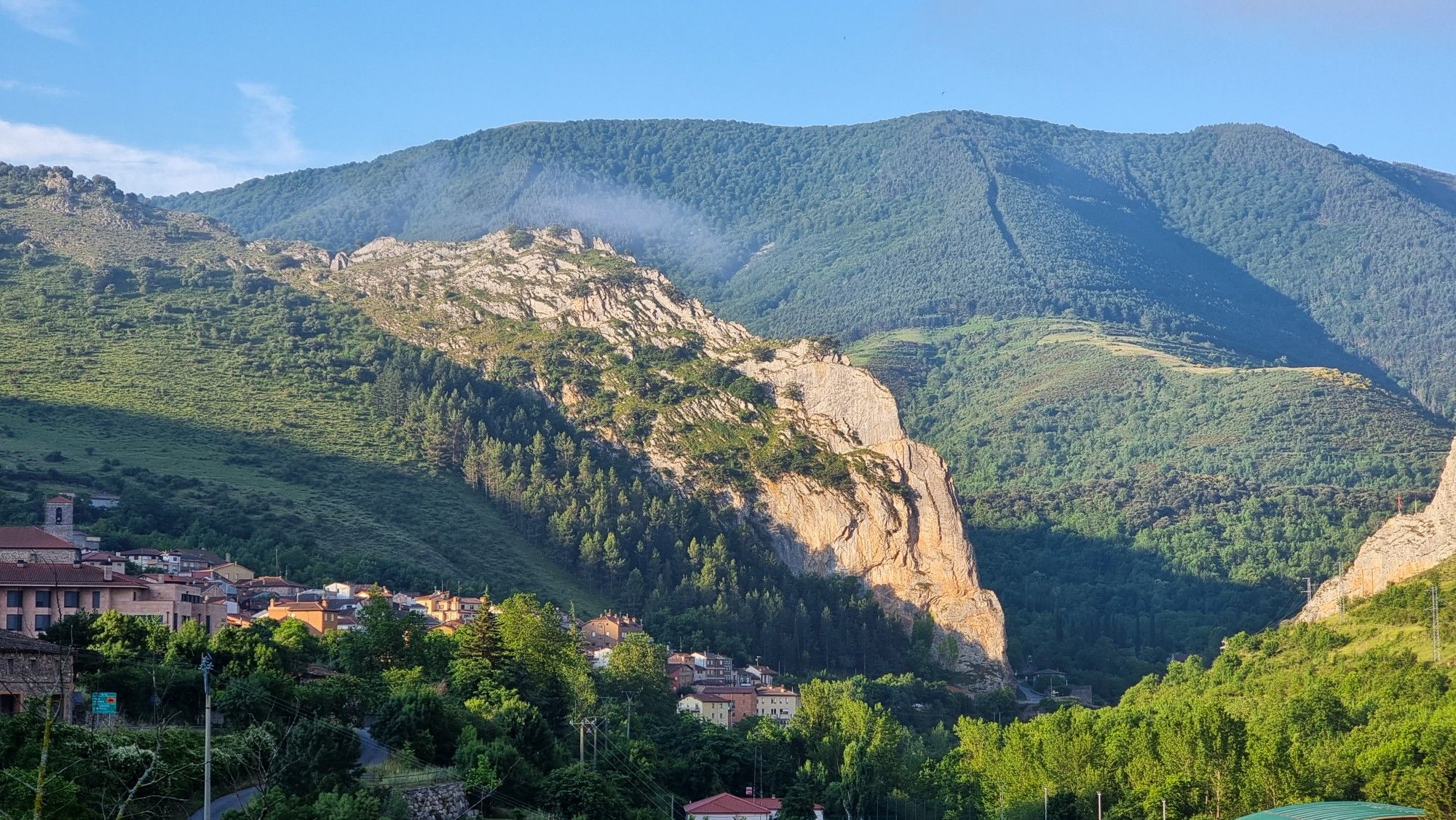
Passes and dinosaur footprints – Spain’s Sierras Riojanas (GR 93)
Other adventures in the Sistema Ibérico Mountains


Tips from the Community

beautiful climb via the greenway or the road
0
0

Laguna Larga is one of the glacial lagoons found in the Urbión Mountains, very close to the famous Laguna Negra, in the province of Soria. It's less well-known but equally impressive, and is part of a natural environment of great beauty and ecological value.
3
0
The summit of Moncayo, also known as Pico San Miguel, is the highest mountain in the Iberian system, with an altitude of 2315 metres. It is located between the provinces of Zaragoza (Aragon) and Soria (Castile and Leon) in Spain. To reach the summit, many hikers start from the Sanctuary of the Virgin of Moncayo, located at 1621 metres. From there, the route passes through the Cucharón cirque and the San Miguel basin before reaching the summit. The route offers spectacular views and is especially popular in spring and summer.
5
0


There is always the solution to difficult points: doing them by road.
0
0

impressive canyon with walkways. Bikes must be left parked, they do not fit
0
0
Spectacular canyon, which can be visited via the walkways provided for this purpose. Be careful, bicycles do not fit, as it has been verified.
0
0

The railway crossed this port through a tunnel. When making the greenway, the original route was not recovered, so the arrival and departure of the port are two very steep slopes. Most panniers make them by pushing the bike.
1
0
Frequently Asked Questions
What unique geological features can I expect to see in the Sistema Ibérico Mountains?
The Sistema Ibérico Mountains are renowned for their dramatic geological formations. You can explore glacial and periglacial features like cirques, moraines, and rubble in areas such as Moncayo Natural Park and Laguna Negra and Picos de Urbión Natural Park. The region also features striking gorges and vertical stone ridges carved by rivers, notably in Hoces del Cabriel Natural Park, where formations known as 'Los Cuchillos' are prominent. Additionally, Sierra de Albarracín showcases distinctive red sandstone rocks and diverse formations including stone runs, chasms, and sinkholes.
Are there any natural monuments with significant historical or cultural importance?
Yes, several natural monuments in the Sistema Ibérico Mountains have historical and cultural significance. Moncayo Natural Park is home to the Santuario de la Virgen del Moncayo, a historic mountain sanctuary. In the Sierra de Albarracín, you can find ancient rock art within the Cultural Park of Albarracín. While not strictly a natural monument, Clavijo Castle is a historical site located in a very broken terrain surrounded by mountains, offering a blend of history and natural beauty. The settlement of Anguiano is also noted for its historical significance within a natural setting.
Which natural monuments are particularly good for hiking and offer great views?
For hiking and spectacular views, Moncayo Natural Park is an excellent choice, with the Moncayo Summit offering panoramic vistas after a route through beautiful oak forests. The Pico de Urbión, within the Laguna Negra and Picos de Urbión Natural Park, is another top destination for hikers, providing extensive views of the surrounding glacial landscapes. Viewpoints like Peñas Blancas in Hoces del Cabriel Natural Park also offer spectacular vistas of the valley and rock formations.
Can I find waterfalls and rivers within the natural monuments of the Sistema Ibérico?
Absolutely. The Sistema Ibérico Mountains are rich in water features. Monasterio de Piedra Natural Park is famous for its numerous waterfalls, including the impressive Cola de Caballo waterfall, and the hidden Iris Cave. The Sierra de Albarracín boasts picturesque waterfalls such as Cascada de la Herrería, Salto de San Pedro, and Cascada de Calomarde, along with many rivers and lagoons. You can also visit the Source of the Duero River near Pico de Urbión, and the Ojeda River Waterfall.
Are there family-friendly natural monuments in the Sistema Ibérico Mountains?
While many areas involve challenging terrain, some natural monuments offer more accessible or engaging experiences for families. Monasterio de Piedra Natural Park, with its well-maintained paths, numerous waterfalls, and the unique experience of walking behind the Cola de Caballo waterfall, is often considered very family-friendly. The settlement of Anguiano is also listed as family-friendly. For easy hikes, consider routes like the 'Enciso Dinosaur Trail' or 'Meandro de Chodes y Morata de Jalón' which are listed in the Easy hikes in the Sistema Ibérico Mountains guide.
What kind of wildlife or ecosystems can I observe in these natural areas?
The varied altitudes and diverse landscapes of the Sistema Ibérico Mountains support a rich array of ecosystems and wildlife. In Moncayo Natural Park, you'll find Mediterranean scrub, oak, relict beech forests, pine forests, and alpine meadows. Hoces del Cabriel Natural Park is a Special Protection Area for Birds (SPA), known for its unique riparian woodlands and various bird species. The riverside ecosystems in Monasterio de Piedra Natural Park also host a variety of flora and fauna. Generally, the region's forests, mountains, and river valleys provide habitats for numerous species.
What is the best time of year to visit the natural monuments in the Sistema Ibérico Mountains?
The best time to visit largely depends on the activity. Spring and autumn are generally ideal for hiking, with pleasant temperatures and vibrant natural colors. Autumn, in particular, transforms the landscapes of areas like Laguna Negra and Picos de Urbión Natural Park into a breathtaking display of foliage. For higher peaks like Moncayo Summit, spring and summer are popular, though a coat is recommended due to wind. Summer is also suitable for water activities in places like Hoces del Cabriel.
Are there opportunities for water sports or activities like rafting?
Yes, Hoces del Cabriel Natural Park is an excellent location for active tourism, specifically offering rafting and kayaking opportunities on the Cabriel River, which is known as one of Europe's cleanest. The park's striking gorges provide a scenic backdrop for these water activities.
What do visitors particularly enjoy about the natural monuments here?
Visitors frequently praise the spectacular views, especially from summits like Pico de Urbión and Moncayo Summit. The natural beauty of the Sierra de Urbión offers excellent opportunities for photography. Many appreciate the unique geological formations and the tranquility of glacial lakes like Laguna Larga. The experience of seeing the Source of the Duero River as a playful stream is also a memorable highlight for many.
Are there any glacial lakes to explore in the Sistema Ibérico Mountains?
Yes, the Sistema Ibérico Mountains are home to several beautiful glacial lakes. The most famous is the captivating Laguna Negra (Black Lagoon), located at approximately 1,800 meters and surrounded by granite walls and dense pine forests. Nearby, you can also find Laguna Larga, another impressive glacial lake in the Urbión Mountains, which is less known but equally beautiful. These lakes are part of a natural environment of great beauty and ecological value.
What are some easy hiking trails near the natural monuments?
If you're looking for easier hikes, the region offers several options. You can find trails like the 'Enciso Dinosaur Trail' or the 'Meandro de Chodes y Morata de Jalón — circular by the Jalón river'. These are listed in the Easy hikes in the Sistema Ibérico Mountains guide, which provides more details on routes suitable for a relaxed outdoor experience.
Are there options for mountain biking or gravel biking in the region?
Yes, the Sistema Ibérico Mountains offer excellent opportunities for both mountain biking and gravel biking. You can explore routes like 'La Tronchaberezos Trail' or the 'Moncayo Loop' for mountain biking, as detailed in the MTB Trails in the Sistema Ibérico Mountains guide. For gravel biking, options include the 'Circular gravel of the Sierra de la Demanda' or 'Mymerak gravel routes to the roof of La Rioja', which you can find in the Gravel biking in the Sistema Ibérico Mountains guide.
What are the highest peaks in the Sistema Ibérico Mountains and can I hike them?
The highest peaks in the Sistema Ibérico Mountains include Moncayo Summit (also known as San Miguel Peak) at 2,314 meters, and Pico de Urbión at 2,228 meters. Both are popular destinations for hikers, offering challenging but rewarding routes to their summits with spectacular panoramic views. The routes often pass through diverse ecological zones, making the ascent a rich natural experience.
Most popular routes in the Sistema Ibérico Mountains
Most popular attractions in the Sistema Ibérico Mountains

Get inspired with the komoot mobile app


Explore more
Extend your search for the best caves by checking out these guides of the top ones in the Sistema Ibérico Mountains:
