Top 20 Natural Monuments in Wisconsin
Best natural monuments in Wisconsin include diverse landscapes from ancient rock formations to expansive cave systems and significant wetlands. The state features unique geological formations carved by rivers and glaciers, offering a variety of natural features. Many sites are recognized for their ecological, geological, or historical importance. These areas provide opportunities to explore Wisconsin's natural heritage.
Best natural monuments in Wisconsin
- The most popular natural monuments is CCC Trail overlook, a viewpoint that offers views across a protected oak…
Last updated: October 13, 2026
Willow Falls
Highlight • Waterfall
Tip by

Balanced Rock
Highlight • Natural Monument
Tip by

Sign up now to discover places like this
Get recommendations on the best single tracks, peaks, & plenty of other exciting outdoor places.
Lapham Peak Observation Tower
Highlight • Viewpoint
Tip by

CCC Trail overlook
Highlight • Viewpoint
Tip by

Devil's Lake
Highlight • Lake
Tip by

Picnic Point Mound Group
Highlight • Historical Site
Tip by
Top of the Rock Trail, Roche-A-Cri State Park
Highlight • Viewpoint
Tip by

Brady's Bluff
Highlight • Viewpoint
Tip by
Echo Rock Lookout
Highlight • Viewpoint
Tip by
View of Lake Michigan from Lion's Den Gorge
Highlight • Viewpoint
Tip by
Sign up for free to discover even more natural monuments in Wisconsin.
Already have an account?
Start today with a free account
Your next adventure awaits.
Popular around Wisconsin
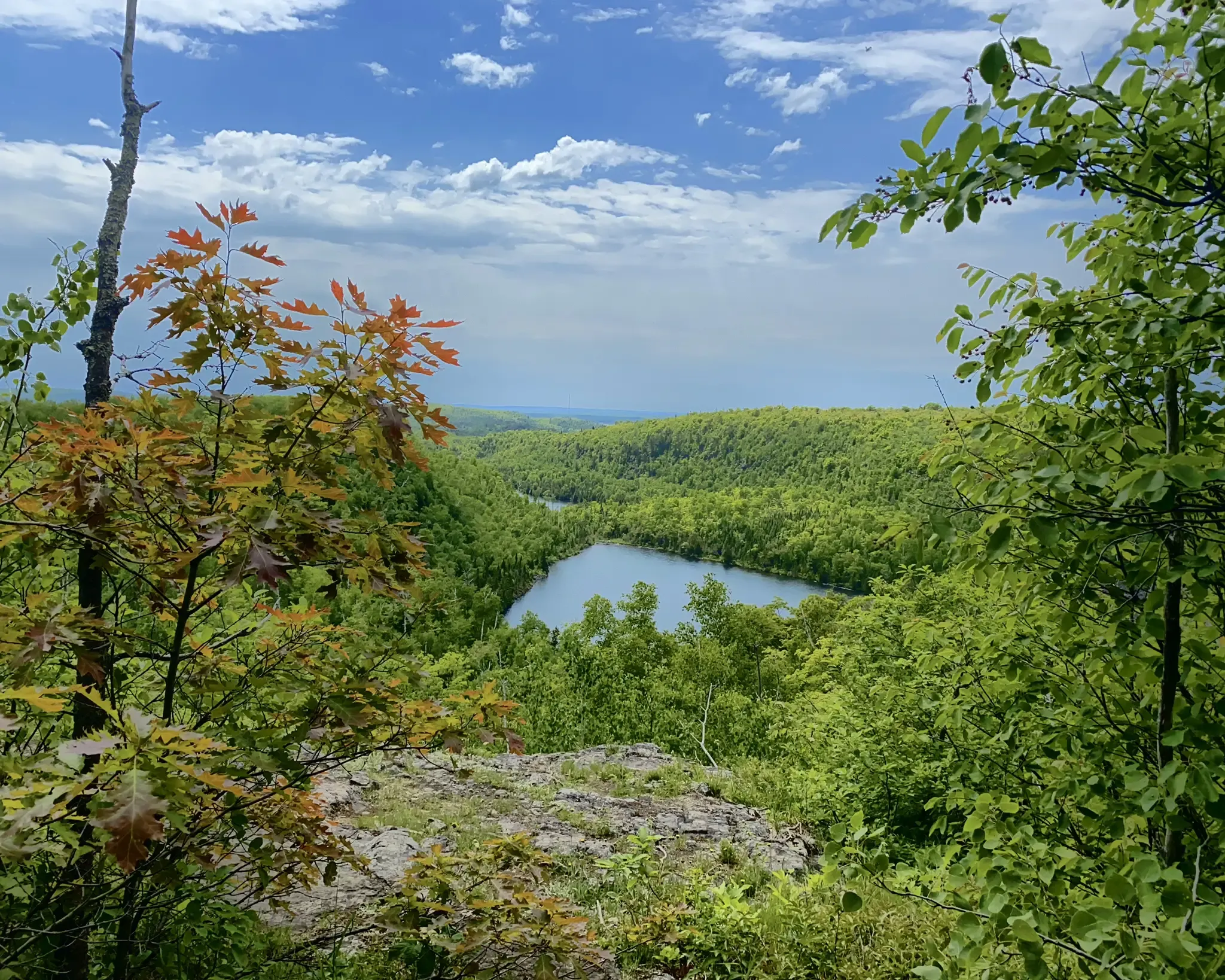
North Country Trail – 4,800 Miles along the edge of northern U.S.
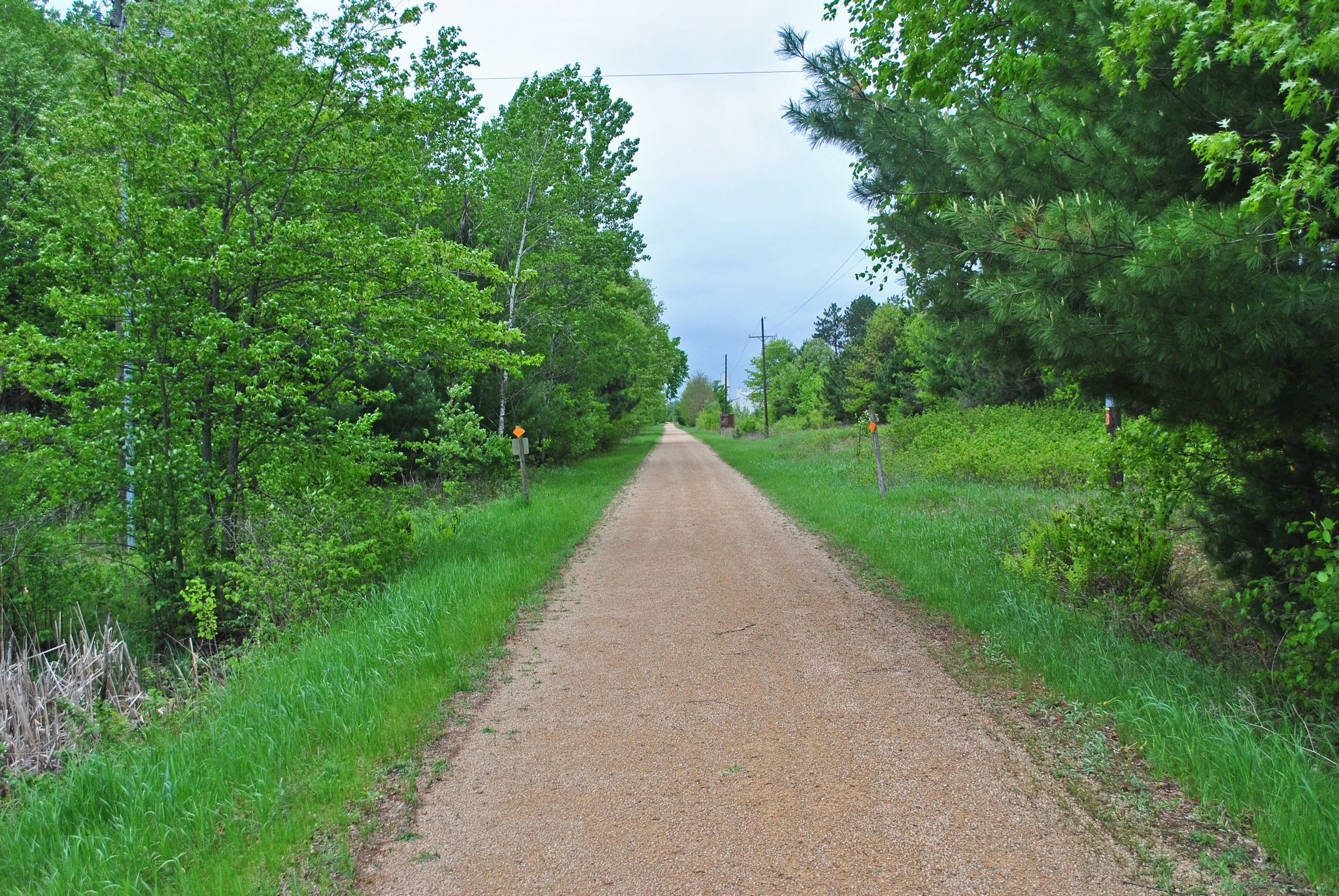
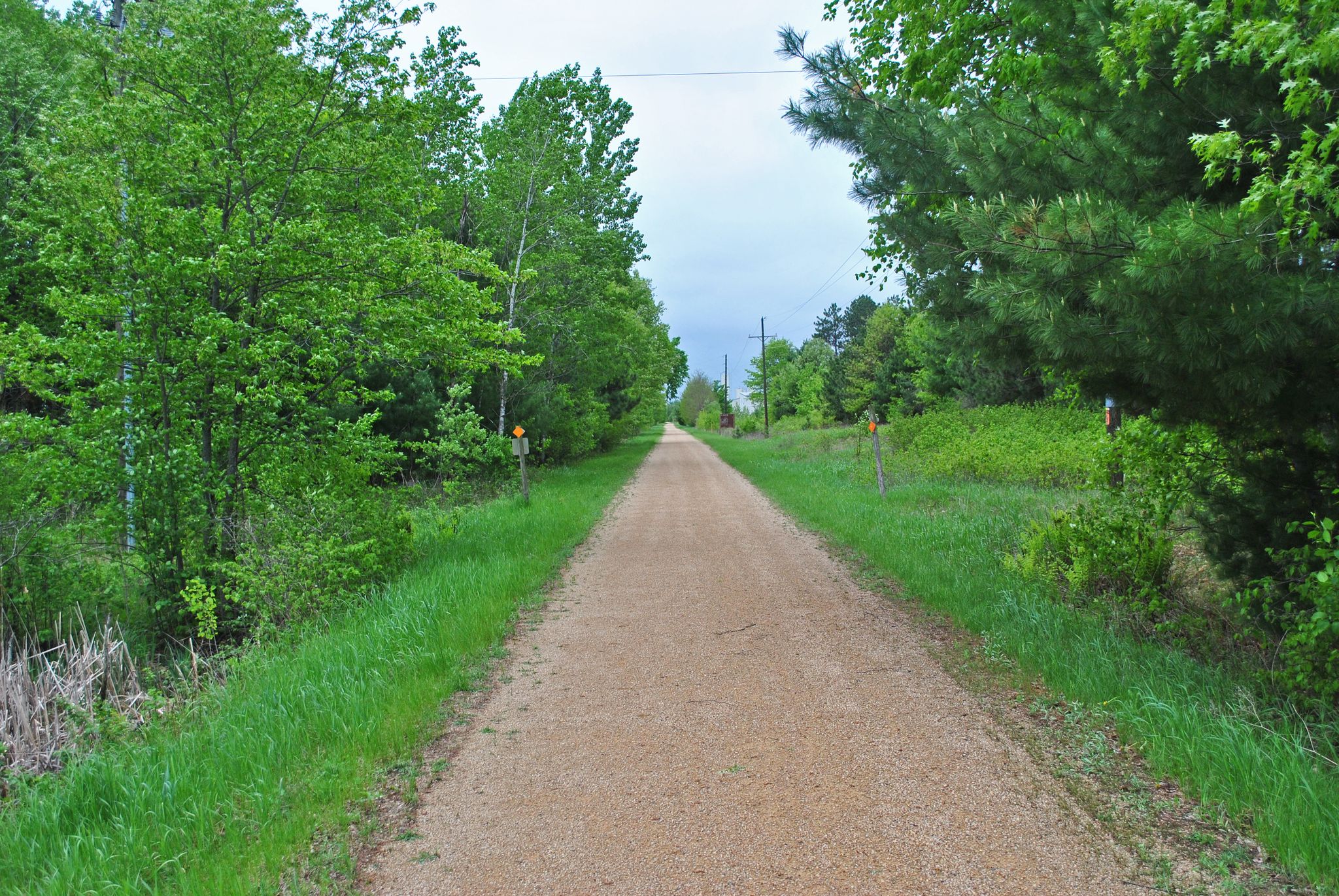
Gandy Dancer State Trail — In the footsteps of railroad workers
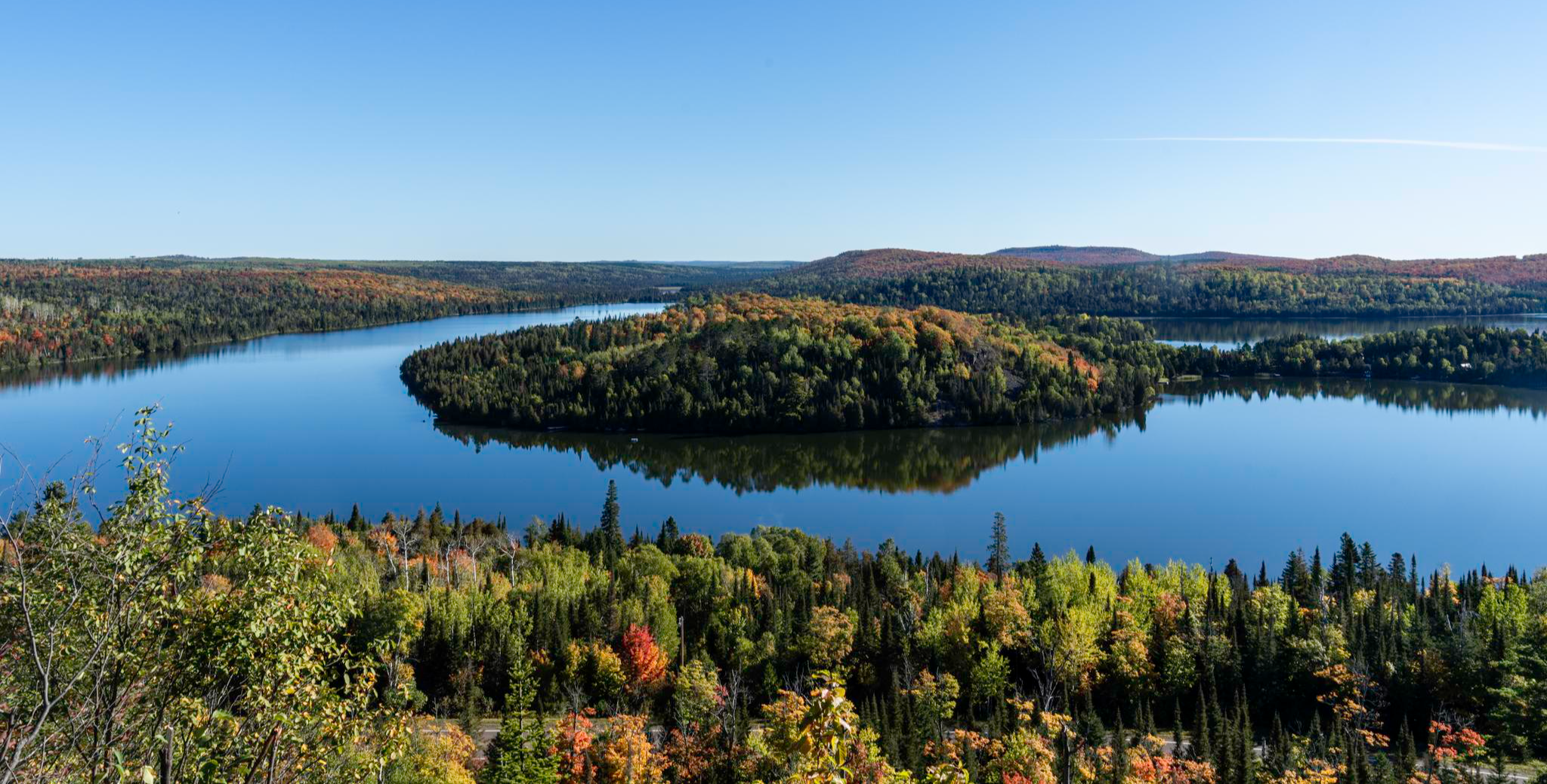
Superior Hiking Trail — Where the forest meets the lake

Around the World in 80 Days
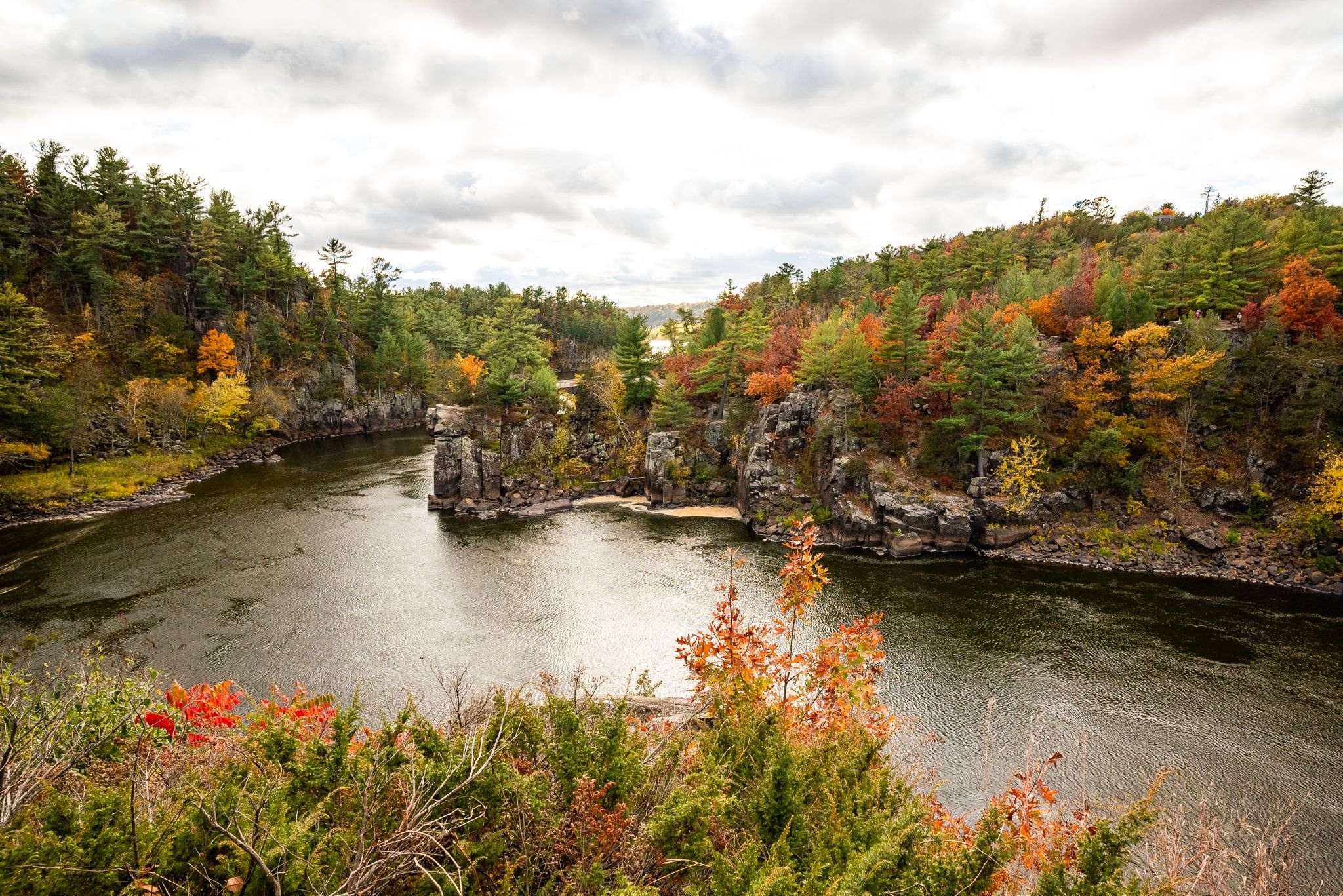
Ice Age Trail — An epic journey in the footsteps of mammoths
Gandy Dancer Trail — 98 miles of railroad history

The rhythms of the river – road trip along the Mississippi
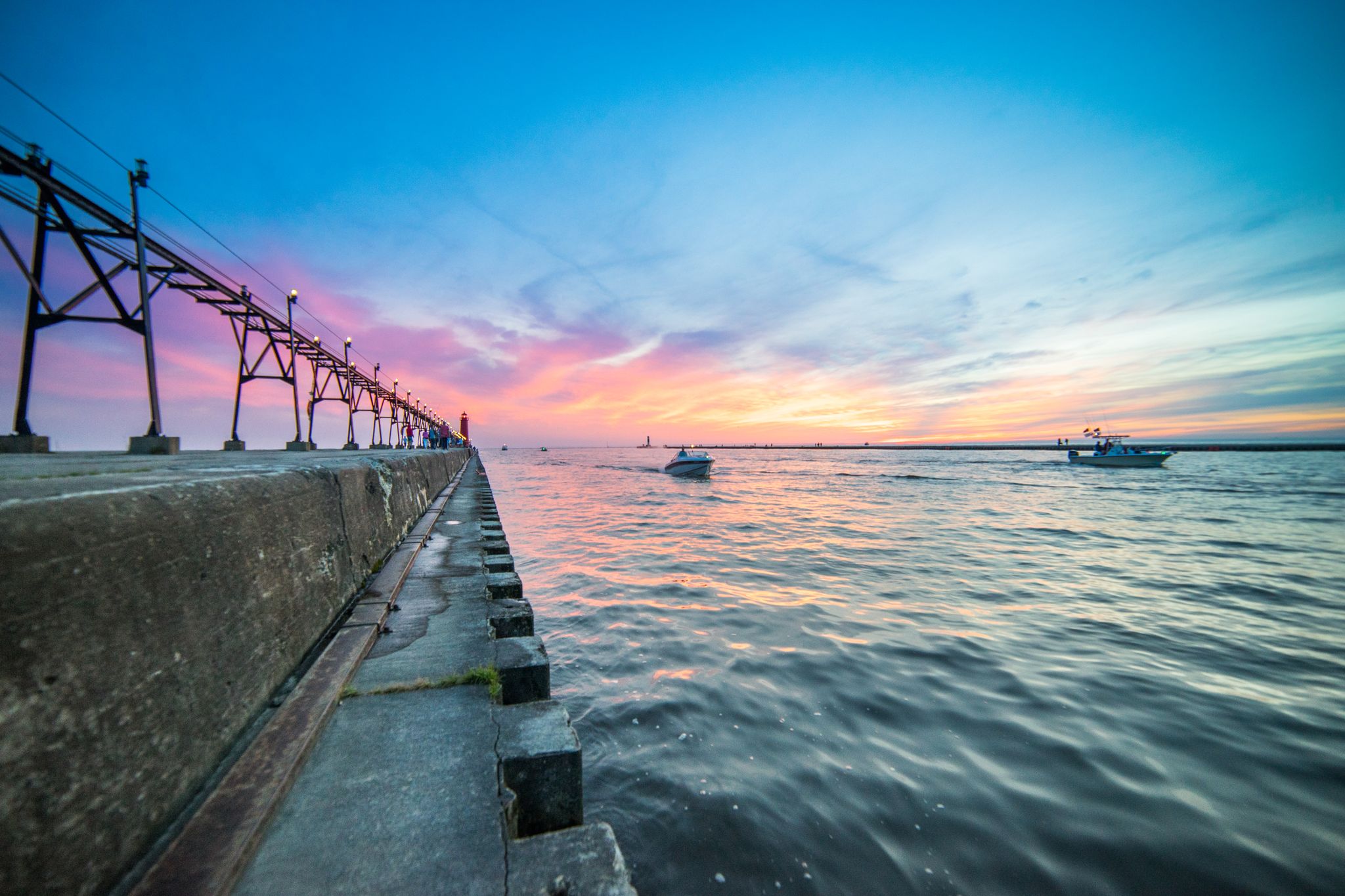
On the shores of the Great Lakes
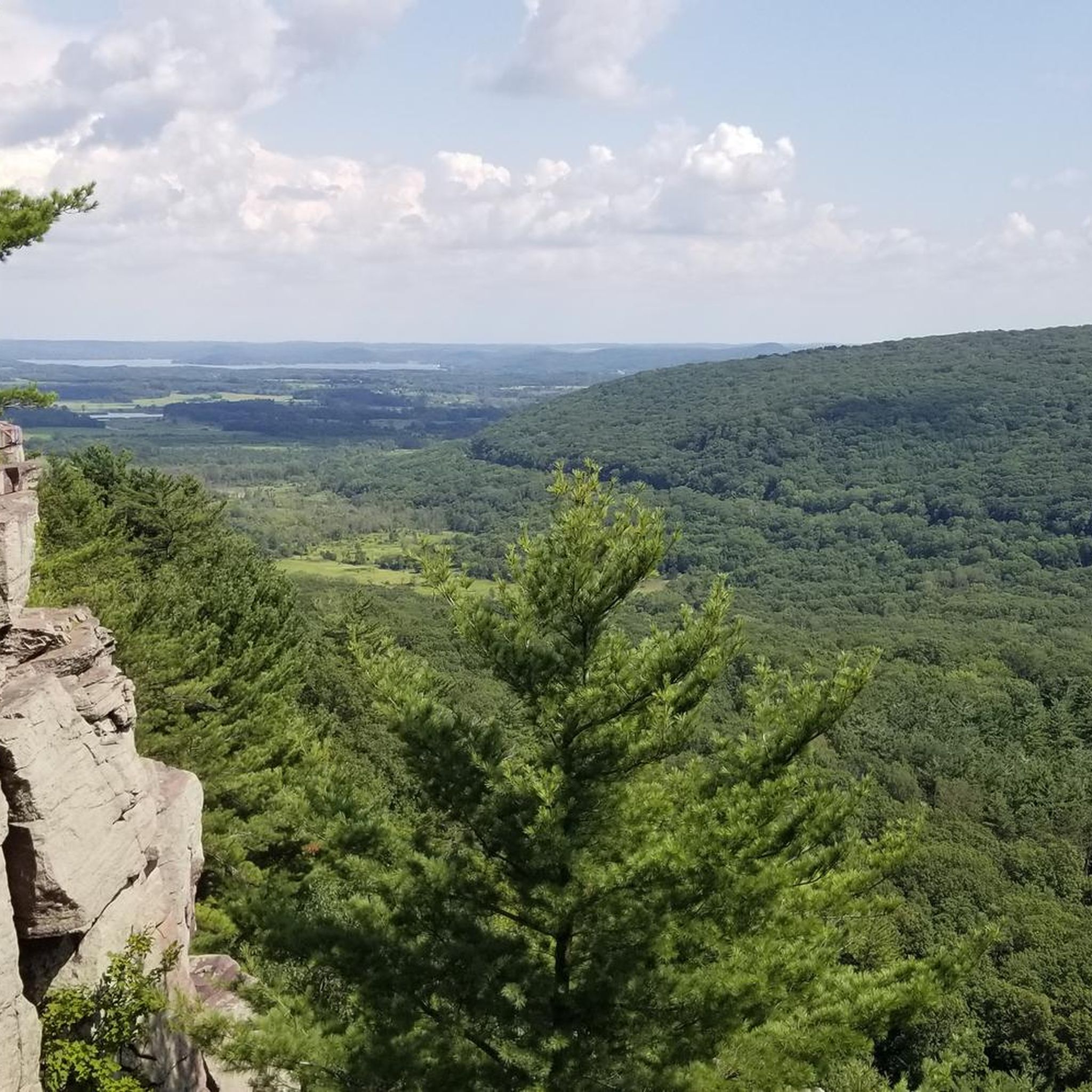
Hiking in Wisconsin

MTB Trails in Wisconsin
Other adventures in Wisconsin


Tips from the Community

There are four “extant” (still visible) mound groups you can visit on the main campus, all but one of them located within the boundaries of the Lakeshore Nature Preserve. Recently these mound groups were surveyed and entered in a special burial sites catalog maintained by the Wisconsin Historical Society. The label associated with each location includes a number used in the state Archaeological Site Inventory (ASI) maintained by the Wisconsin Historical Society. The site surveys establish a 25-foot preservation buffer around the mounds.
0
0
Picnic Point Mound Group (DA121) The sixth extant mound is a large hemispherical form visible on your right just before you reach The Narrows (where the main trail dips near the beach).
0
0

It took us about two hours. We brought walking sticks and those helped greatly!!
0
0
Combination of multiple trails starting at Echo Rock trail head near accessible pier
0
0

The falls is very busy, but it is beautiful. Like most falls it's amazing to see in the different times of year, especially winter with a good snow fall. This falls keeps going during the winter.
1
0
Great place to visit, although definitely the most crowded place in the park. Like most falls, also a fun place to see in the winter when things are freezing and snow covers the ground.
1
1

Roche-A-Cri State Park is located north of Adams and Friendship in central Wisconsin. It covers 605-acres and features is a 300-foot rock outcropping with Native American petroglyphs, which are known as the Roche-A-Cri Petroglyphs. It is the only publicly accessible rock art site in Wisconsin. This ancient spot features a pictograph of a thunderbird and a horned human figure. You can also climb a wooden stairway to the top of the rock formation for panoramic views and explore over 5 miles of hiking trails through the park.
0
0

Around 2,000 years ago, local inhabitants initiated the burial of their dead in the sacred mounds that scatter across the Point. At one time, Picnic Point boasted seven mounds, but relic hunters destroyed one mound before 1912. Today, the Preserve harbors numerous burial mounds and other ancient archaeological sites, reflecting the rich history and cultural significance of the area.
1
0
Frequently Asked Questions
What are some of the most popular natural monuments in Wisconsin?
Wisconsin offers a variety of popular natural monuments. Visitors frequently enjoy the magnificent bluffs and lake at Devil's Lake State Park, home to iconic formations like Devil's Doorway Rock Formation and Balanced Rock. Another favorite is Willow Falls, known for its impressive cascades. The CCC Trail overlook also provides great views of the unique rock formations and protected oak forest.
Are there family-friendly natural monuments to visit in Wisconsin?
Yes, many natural monuments in Wisconsin are suitable for families. For instance, Willow Falls in Willow River State Park is easily accessed by well-maintained hiking trails. The Echo Rock Lookout also offers an intermediate, family-friendly trail with lake views. Additionally, the Wisconsin Dells area, with its boat tours and horse-drawn wagon rides through places like Lost Canyon, provides engaging experiences for all ages.
What kind of unique geological features can I expect to see in Wisconsin's natural monuments?
Wisconsin's natural monuments showcase diverse geological features. You can explore ancient quartzite bluffs at Devil's Lake State Park, dramatic sandstone formations carved by the Wisconsin River in the Wisconsin Dells, and the largest natural bridge in Wisconsin at Natural Bridge State Park. The state also features stunning red-brown sandstone sea caves along the Apostle Islands National Lakeshore and intricate mineral formations within the limestone Cave of the Mounds.
What are some notable waterfalls in Wisconsin's natural monuments?
Wisconsin is home to several impressive waterfalls. Willow Falls, located in Willow River State Park, consists of multiple drops and is at least 100 feet wide. Big Manitou Falls in Pattison State Park is Wisconsin's highest waterfall, plunging 165 feet. Amnicon Falls State Park features four beautiful waterfalls cascading over layered sandstone, while Copper Falls State Park also boasts dramatic gorges and several waterfalls.
Can I find natural monuments with historical significance in Wisconsin?
Yes, several natural monuments in Wisconsin hold historical importance. Natural Bridge State Park contains one of the Midwest's largest Native American rock shelters, used by early inhabitants up to 10,000 years ago. The Picnic Point Mound Group is a historical and archeological site. Additionally, the Niagara Escarpment, which defines Door County, is rich in fossils and ancient geological history.
What outdoor activities can I do near Wisconsin's natural monuments?
Many natural monuments offer opportunities for outdoor activities. You can find excellent hiking trails, including challenging routes to formations like Devil's Doorway Rock Formation. For more extensive hiking, explore the easy hikes in Wisconsin guide. The region also provides opportunities for cycling, with routes like the Lake Monona Loop, as detailed in the Cycling in Wisconsin guide, and mountain biking trails, which you can discover in the MTB Trails in Wisconsin guide.
Are there any natural monuments in Wisconsin that are wheelchair accessible?
While many natural monuments involve trails, some offer accessible options. For example, the View of Lake Michigan from Lion's Den Gorge includes a barrier-free circuit, allowing visitors to enjoy the stunning bluffs overlooking Lake Michigan. It's always recommended to check specific park information for the most up-to-date accessibility details.
What is the best time of year to visit Wisconsin's natural monuments?
The best time to visit Wisconsin's natural monuments often depends on the activity. Spring and fall offer pleasant temperatures for hiking and enjoying vibrant foliage or blooming wildflowers. Summer is ideal for water activities like kayaking the Apostle Islands sea caves. Winter can transform sites like Willow Falls into a frozen spectacle, and if Lake Superior freezes sufficiently, you can explore the ice-draped mainland sea caves of the Apostle Islands on foot.
Where can I find unique rock formations and bluffs in Wisconsin?
Wisconsin is renowned for its rock formations and bluffs. Devil's Lake State Park features magnificent 500-foot quartzite bluffs. The Wisconsin Dells is famous for its dramatic sandstone formations carved by the Wisconsin River, including Witch's Gulch and Lost Canyon. Other notable sites include Gibraltar Rock State Natural Area, offering panoramic views, and the unique pinkish quartzite rocks of the Baraboo Range.
Are there opportunities for wildlife viewing at natural monuments in Wisconsin?
Yes, many natural monuments provide excellent opportunities for wildlife viewing. Horicon Marsh, the largest freshwater cattail marsh in the United States, is a critical migratory stop for vast flocks of Canada geese and home to nearly 300 bird species. Other natural areas, especially those with diverse ecosystems like forests and wetlands, also support a variety of local wildlife.
What do visitors enjoy most about the natural monuments in Wisconsin?
Visitors frequently highlight the breathtaking views and unique geological features. The dramatic bluffs at Devil's Lake, the intricate rock formations of the Wisconsin Dells, and the powerful cascades of waterfalls like Willow Falls are often praised. The opportunity for hiking, exploring, and connecting with nature in these diverse landscapes is a major draw, with many appreciating the well-maintained trails and scenic overlooks like the CCC Trail overlook.
Are there any hidden gem natural monuments in Wisconsin worth exploring?
Beyond the well-known sites, Wisconsin holds several hidden gems. Pewits Nest, a hidden gorge carved by Skillet Creek, features towering sandstone cliffs and small waterfalls, creating an enchanting natural spot. The Dells of the Eau Claire, carved from 1.8-billion-year-old volcanic rock, offers a unique landscape with formations created by ancient lava flows. Lost Creek Beach and Sea Cave near Cornucopia also provide stunning mainland sea caves, accessible by kayaking.
Most popular routes in Wisconsin
Most popular attractions in Wisconsin

Get inspired with the komoot mobile app


Didn’t find what you were looking for?
Find even more amazing natural monuments in Wisconsin by checking out the top Highlights region by region:
Explore more
Extend your search for the best caves by checking out these guides of the top ones in Wisconsin:
