The best gravel rides around La Calzada De Béjar
5.0
(2)
66
riders
5
rides
Gravel bike trails around La Calzada De Béjar are characterized by diverse landscapes within Spain's Castile and León region. The area features historical routes, including sections of the ancient Vía de la Plata, which offers a mix of paved and unpaved surfaces. Cyclists encounter old Roman roads, railway paths, and extensive trail networks within the Sierra de Béjar, a UNESCO Biosphere Reserve. This terrain includes coniferous and hardwood forests, providing varied conditions for gravel biking.
Best gravel bike trails around…
Last updated: July 3, 2026
17
riders
70.6km
04:03
760m
760m
Hard gravel ride. Very good fitness required. Mostly paved surfaces. Suitable for all skill levels.
9
riders
63.4km
05:11
1,290m
1,290m
Hard gravel ride. Very good fitness required. Mostly paved surfaces. Suitable for all skill levels.

Sign up for free
5.0
(1)
6
riders
38.3km
02:40
650m
650m
Hard gravel ride. Very good fitness required. Mostly paved surfaces. Suitable for all skill levels.
5.0
(1)
4
riders
78.3km
05:06
1,570m
1,580m
Hard gravel ride. Very good fitness required. Mostly paved surfaces. Suitable for all skill levels.
2
riders
51.4km
03:24
990m
990m
Hard gravel ride. Very good fitness required. Mostly paved surfaces. Suitable for all skill levels.
Our route recommendations are based on thousands of hikes, rides, and runs completed by other people on komoot.
Start today with a free account
Your next adventure awaits.
Login or Signup
Tips from the Community

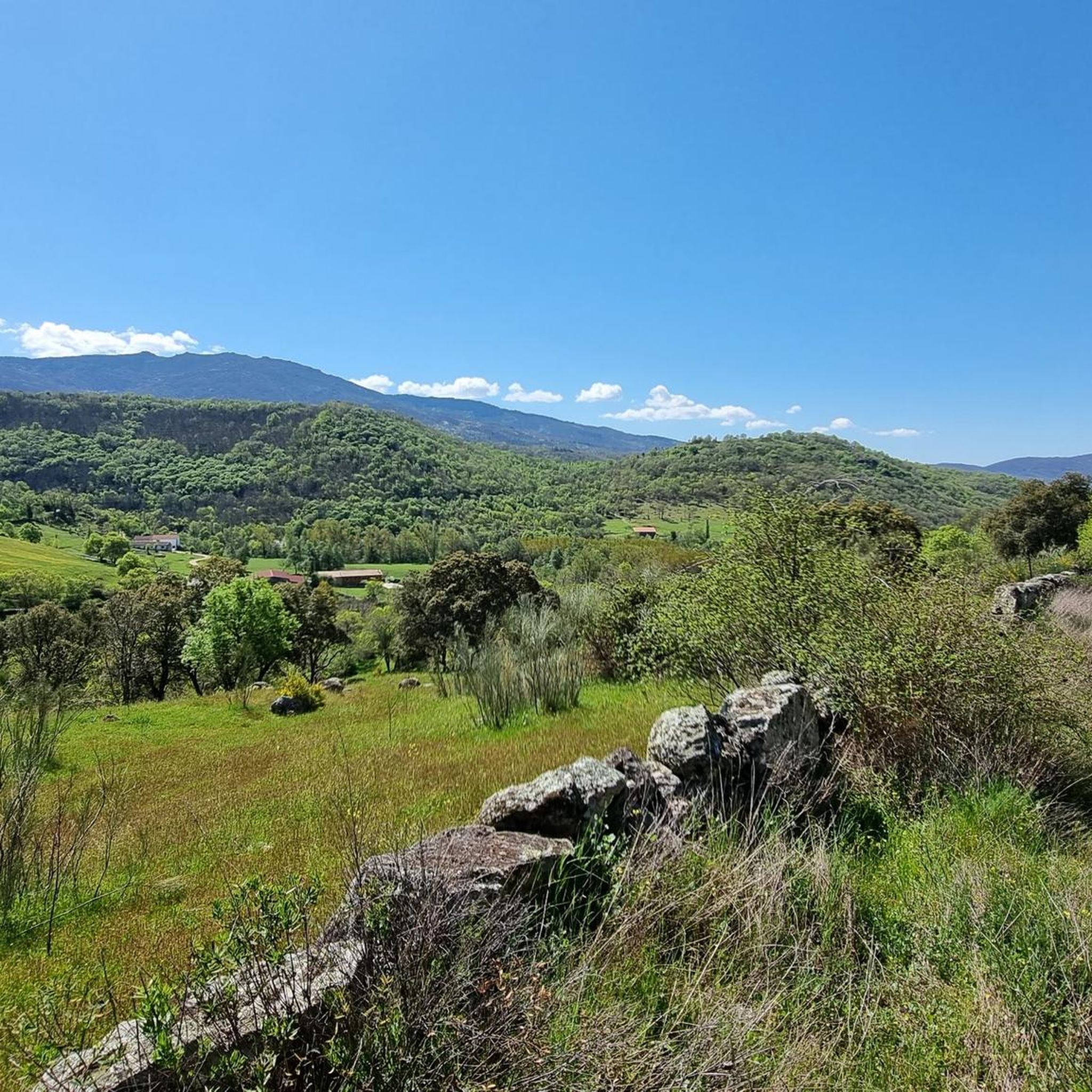
Hervás is one of the founders of the Network of Jewish Quarters of the Sephardic Route and is also part of the Cooperation Network of the Silver Route.
17
0
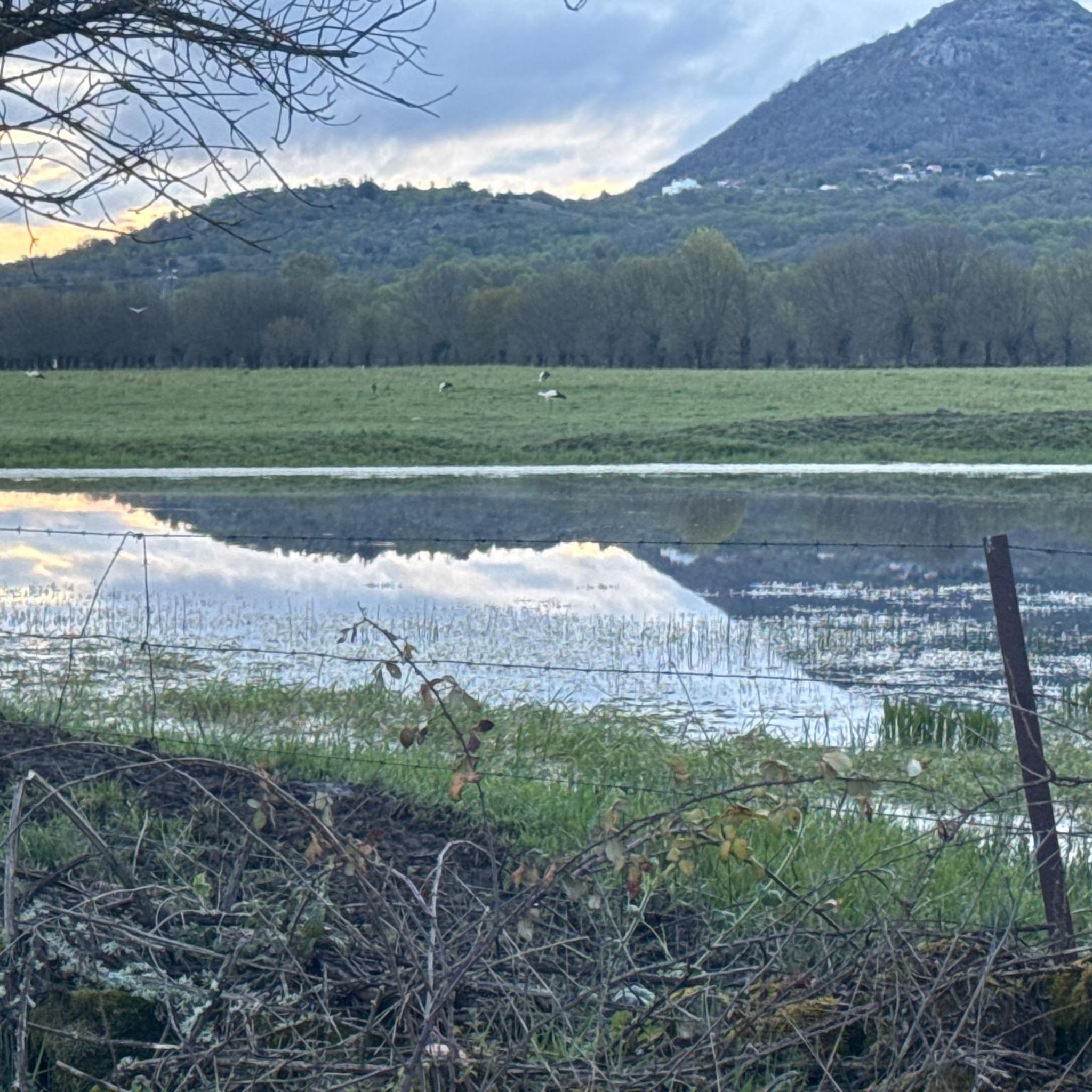
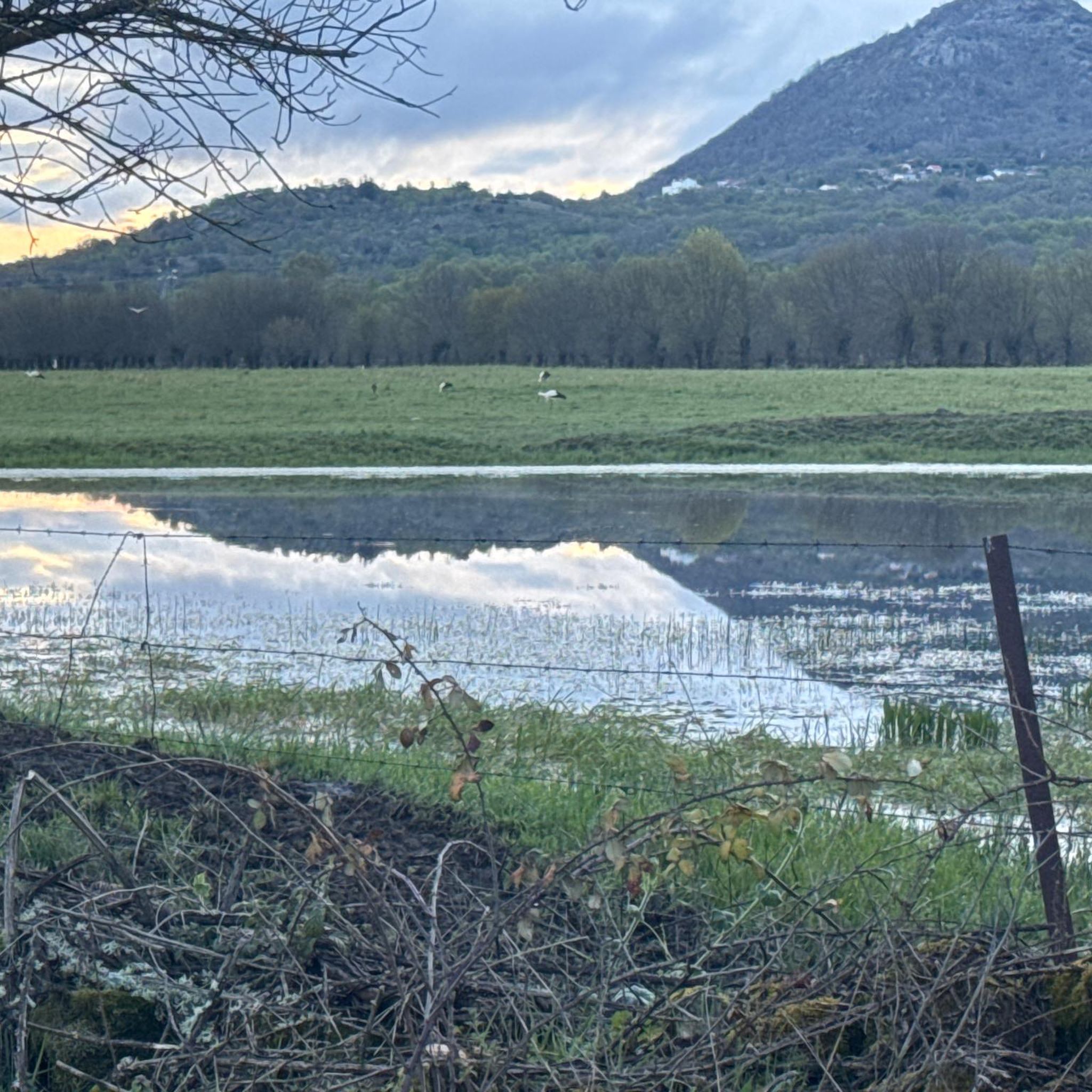
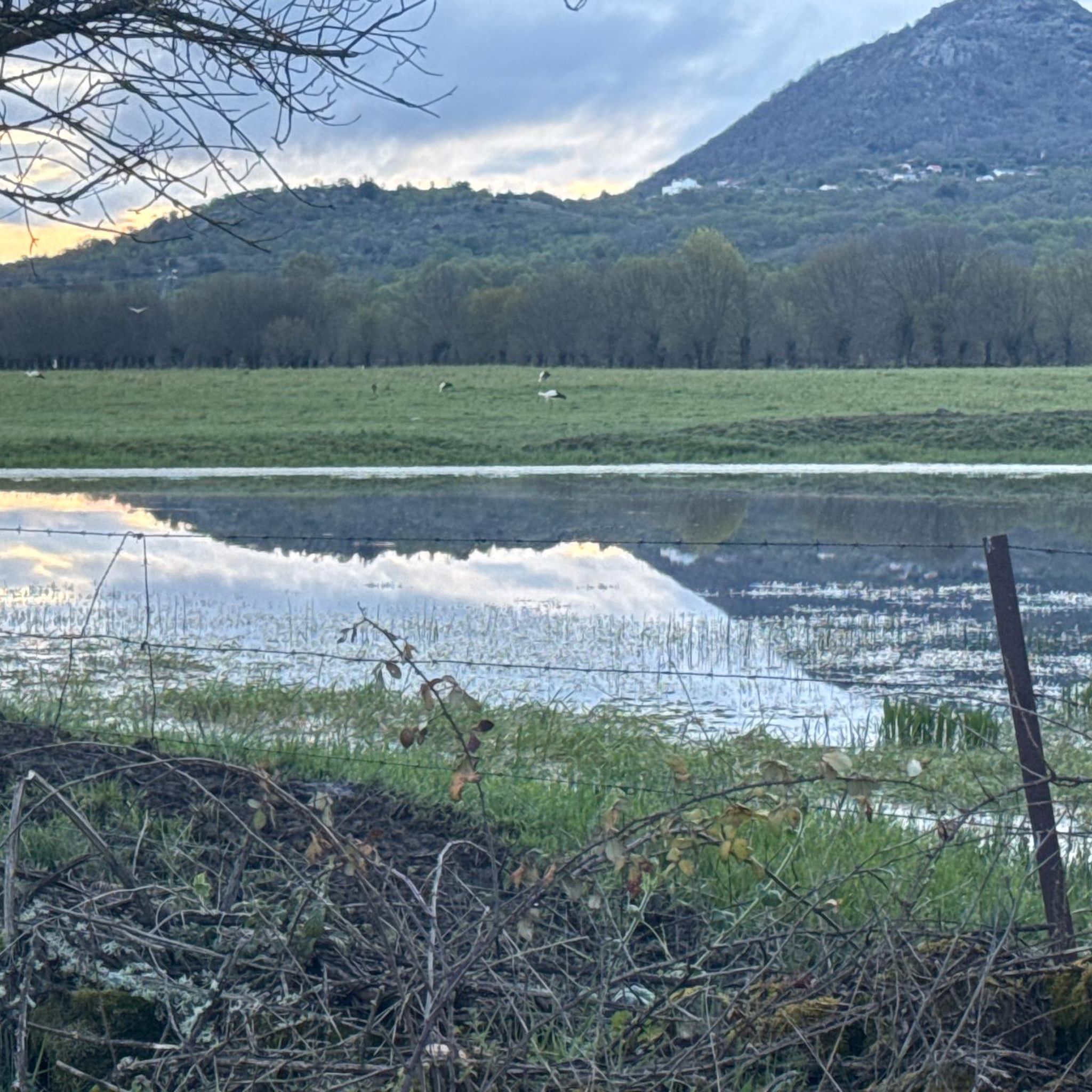
Nice spot and you can also see the stork's nest above.
14
0
Hervás has magnificent architectural heritage such as the Davila Palace, a parish church, the monastery of the Trinitarian Fathers, etc. The largest collection of classic motorcycles in Europe!
7
0
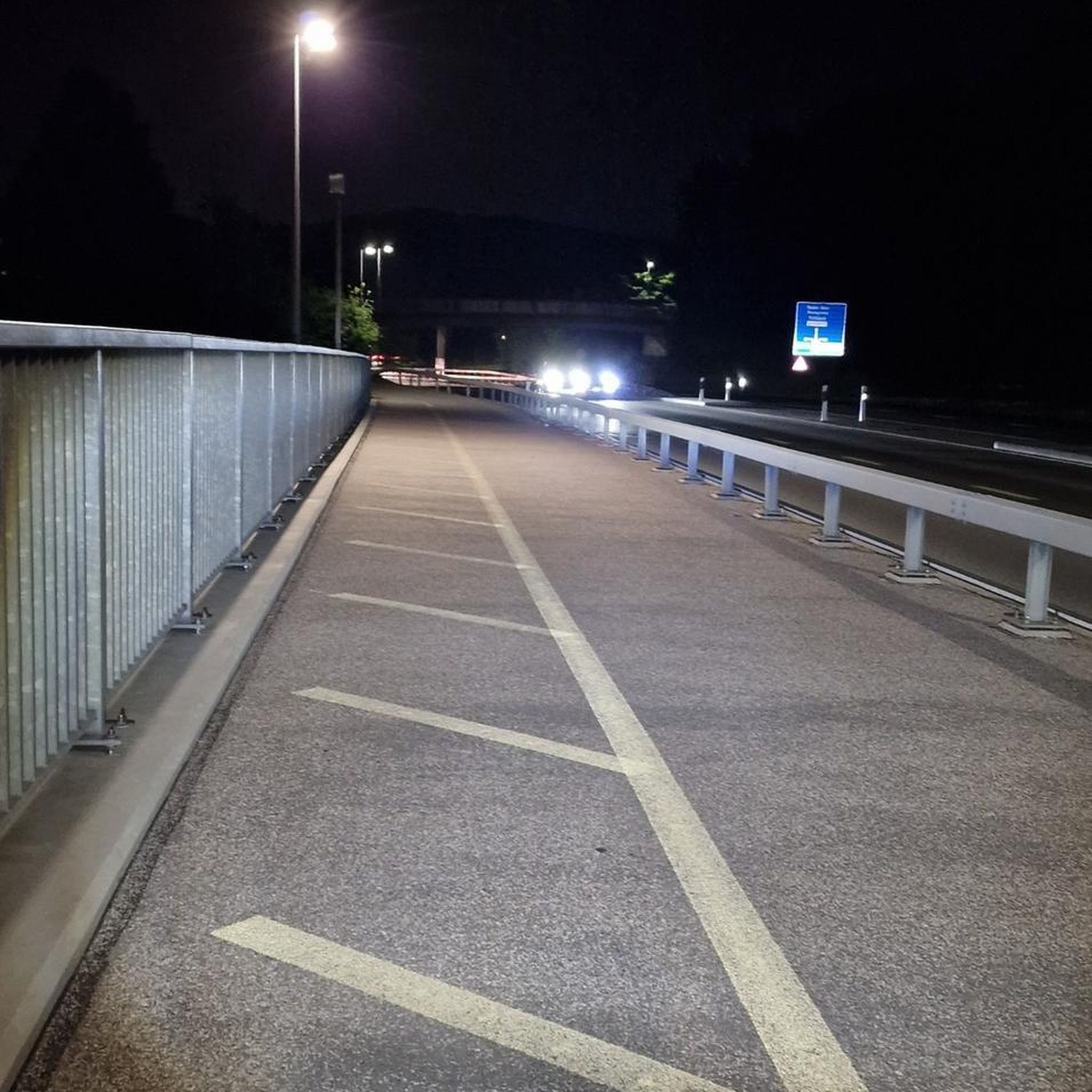
The lighting works well coming from Hervas, but not the other way around. The 2nd part is really pitch black! (May 2026).
9
0
Usually cozy here, but today deserted.
9
0
The origin of this via verde lies in the transport of silver. the Silver Route (Vía de la Plata) runs through. However, pilgrims do not walk through the village itself, which is characterized by its typical local architecture; instead, the pilgrim route stays to the left of the village
9
0

Frequently Asked Questions
What is the general difficulty level of gravel bike trails around La Calzada De Béjar?
The gravel bike trails in this region are primarily designed for experienced riders, with most routes rated as difficult. There is one moderate route available for those seeking a slightly less challenging ride. The terrain often includes significant elevation gains and varied surfaces, reflecting the area's mountainous character and historical routes.
Are there any family-friendly gravel bike trails in La Calzada De Béjar?
While most routes are rated difficult, the region does offer one moderate trail: the View of Hervás – Vía Verde de la Plata loop from Baños de Montemayor. This 19.6 km route provides a good option for families or those looking for a less strenuous gravel biking experience, incorporating sections of the scenic Vía Verde de la Plata.
What kind of landscapes and historical features can I expect to see on these gravel routes?
You'll encounter a rich tapestry of landscapes and historical elements. Routes often traverse sections of the ancient Vía de la Plata, featuring old Roman roads and railway paths. The trails also wind through the Sierra de Béjar, a UNESCO Biosphere Reserve, offering coniferous and hardwood forests. Expect stunning natural scenery and glimpses into centuries of history.
Are there any long-distance gravel routes for experienced riders?
Yes, for experienced riders seeking a longer challenge, the View of Hervás – Casas del Monte Rest Area loop from Béjar is an excellent option. This difficult route spans 118.6 km and typically takes over 8 hours to complete, offering extensive exploration of the region's diverse terrain, including parts of the Vía de la Plata.
Can I find circular gravel bike routes in the area?
Many of the gravel routes around La Calzada De Béjar are circular, allowing you to start and end at the same point. Examples include the Béjar Pass – Vía Verde de la Plata loop from La Garganta and the Béjar Pass – View of Hervás loop from Cantagallo, both offering challenging circular rides through the Sierra de Béjar.
What are some notable viewpoints or attractions along the gravel bike trails?
The routes offer numerous scenic viewpoints and historical attractions. You might pass by the historic Béjar Pass, or the Béjar Station and Vía de la Plata Tunnel. For natural beauty, look out for views of the Ambroz Valley and its reservoirs, such as the View of the Ambroz Valley and Reservoir or the Navamuño Reservoir Views.
What is the best season for gravel biking in La Calzada De Béjar?
The region's diverse terrain and mountainous areas suggest that spring and autumn are generally the best seasons for gravel biking. These periods offer milder temperatures and more stable weather conditions, making the challenging routes more enjoyable. Summers can be hot, and winters may bring colder temperatures and potential snow in higher elevations of the Sierra de Béjar.
Are there any cafes or restaurants near the gravel bike trails?
Yes, you can find places to refuel. For example, the La Pequeña Estación Bar Restaurant Café is a highlight in the area, offering a convenient stop for cyclists. Many routes pass through or near charming towns where additional amenities can be found.
What kind of wildlife might I encounter on the trails?
As much of the gravel biking takes place within the Sierra de Béjar, a UNESCO Biosphere Reserve, you have a good chance of encountering diverse wildlife. The coniferous and hardwood forests are home to various bird species, and you might spot local mammals. Always observe wildlife from a respectful distance.
Where can I find parking for gravel biking trailheads?
Many of the routes start from towns like Béjar, Cantagallo, or La Garganta, where public parking is typically available. For instance, the View of Hervás – Vía Verde de la Plata loop from Béjar begins in Béjar, offering access to local parking facilities. It's advisable to check specific starting points for the most convenient parking options.
What makes the Vía de la Plata special for gravel biking in this region?
The Vía de la Plata is a unique draw for gravel biking in La Calzada De Béjar because it's an ancient Roman trade route offering a blend of history and varied terrain. Cyclists can ride on old bumpy Roman roads, railway paths, and sections of the Camino de Santiago, providing a distinct historical and challenging experience that sets it apart from typical gravel trails.
Most popular routes around La Calzada De Béjar
Most popular attractions around La Calzada De Béjar

Get inspired with the komoot mobile app


Explore more
Browse the best Gravel rides in other regions.
