Top 3 Lakes in Entlastungspolder Holter Hammrich
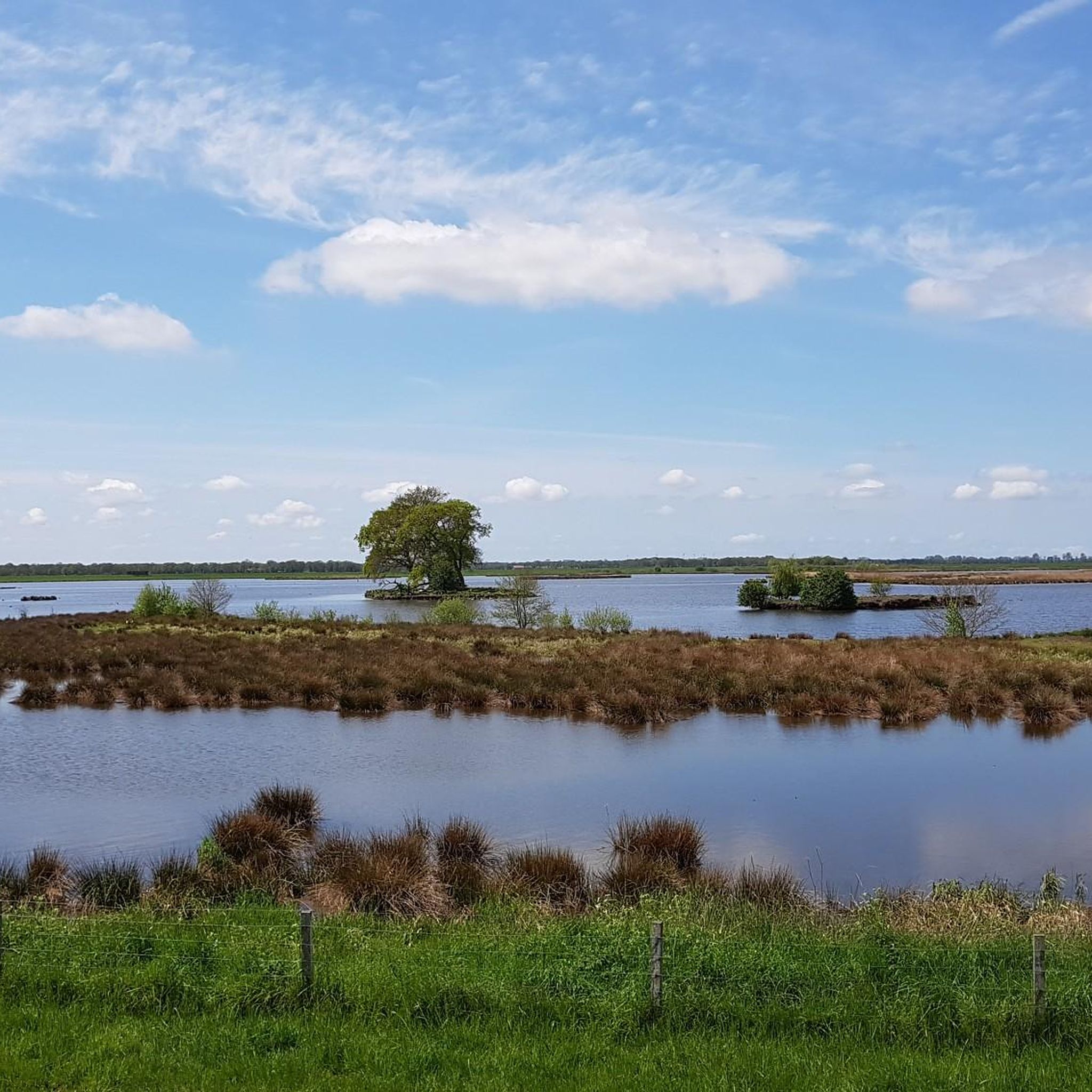
Lakes in Entlastungspolder Holter Hammrich refers to the extensive wetlands, grasslands, and shallow water zones within this nature reserve and flood relief polder in Lower Saxony, Germany. These aquatic features are integral to its dual purpose of flood protection and nature conservation. The area provides a habitat for a diverse range of bird species and amphibians, offering opportunities for nature observation. It is divided into sections like Leyßer Hammrich and Altes Tief, each contributing to the region's biodiversity.
Best lakes…
Last updated: July 9, 2026
Bird Sanctuary
Highlight (Segment) • Natural
Translated by Google •
Tip by

Relief polder Leer
Highlight • Structure
In connection with the construction and commissioning of the Leda tidal barrier (1954), a storage area of approx. 135 hectares was created south of Leer in 1957. In the …
Translated by Google •
Tip by

Sign up now to discover places like this
Get recommendations on the best single tracks, peaks, & plenty of other exciting outdoor places.
Sign up for free
Polder Hofer Hammrich Nature Reserve
Highlight • Natural Monument
Translated by Google •
Tip by
View of Holter Hamrich Nature Reserve
Highlight (Segment) • Viewpoint
Translated by Google •
Tip by

Start today with a free account
Your next adventure awaits.
Login or Signup
Tips from the Community

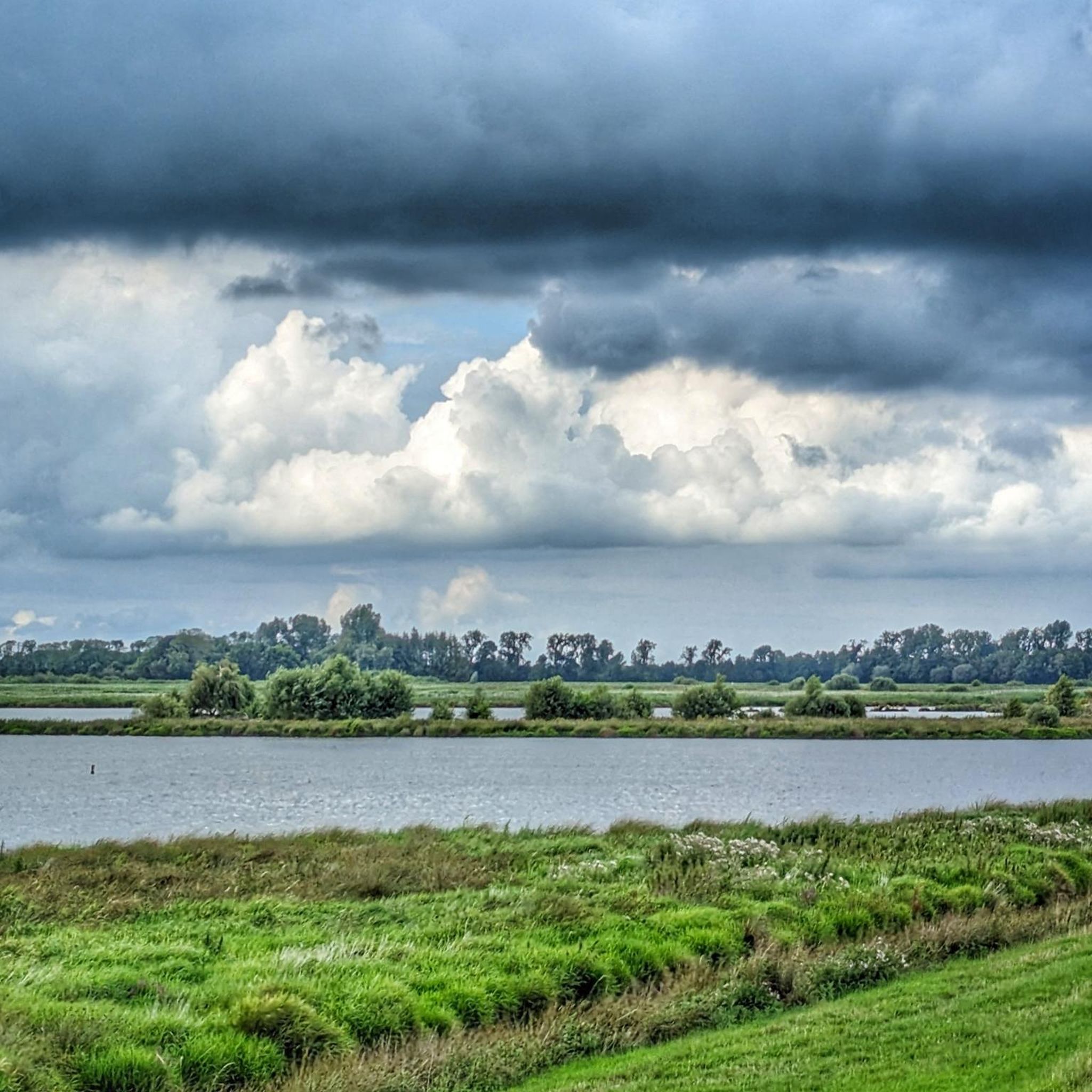
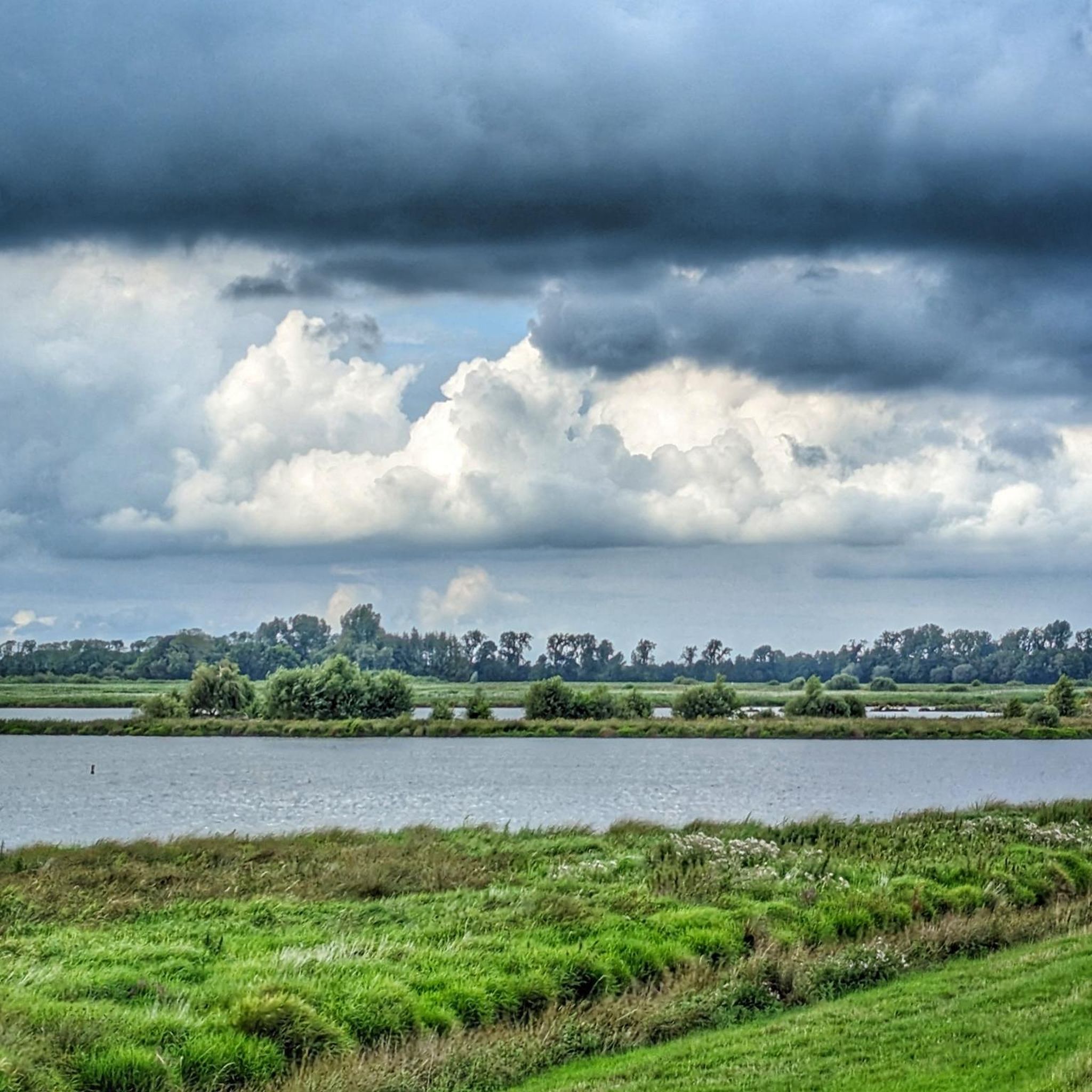
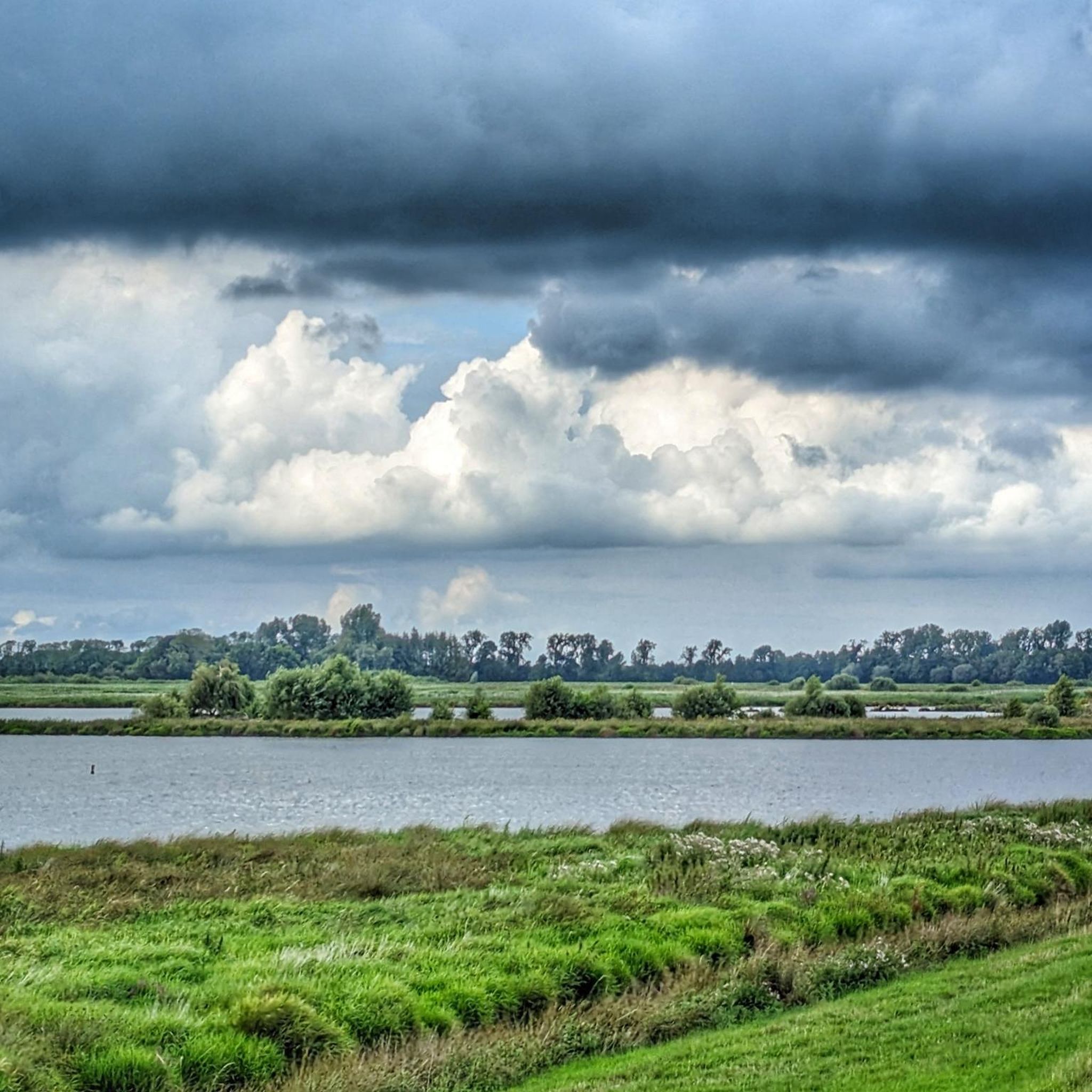
A paradise for birds and other aquatic animals.
1
0

nature reserve
1
1

Here is a break bench with a table and a great view of the Holter Hamrich.
1
1

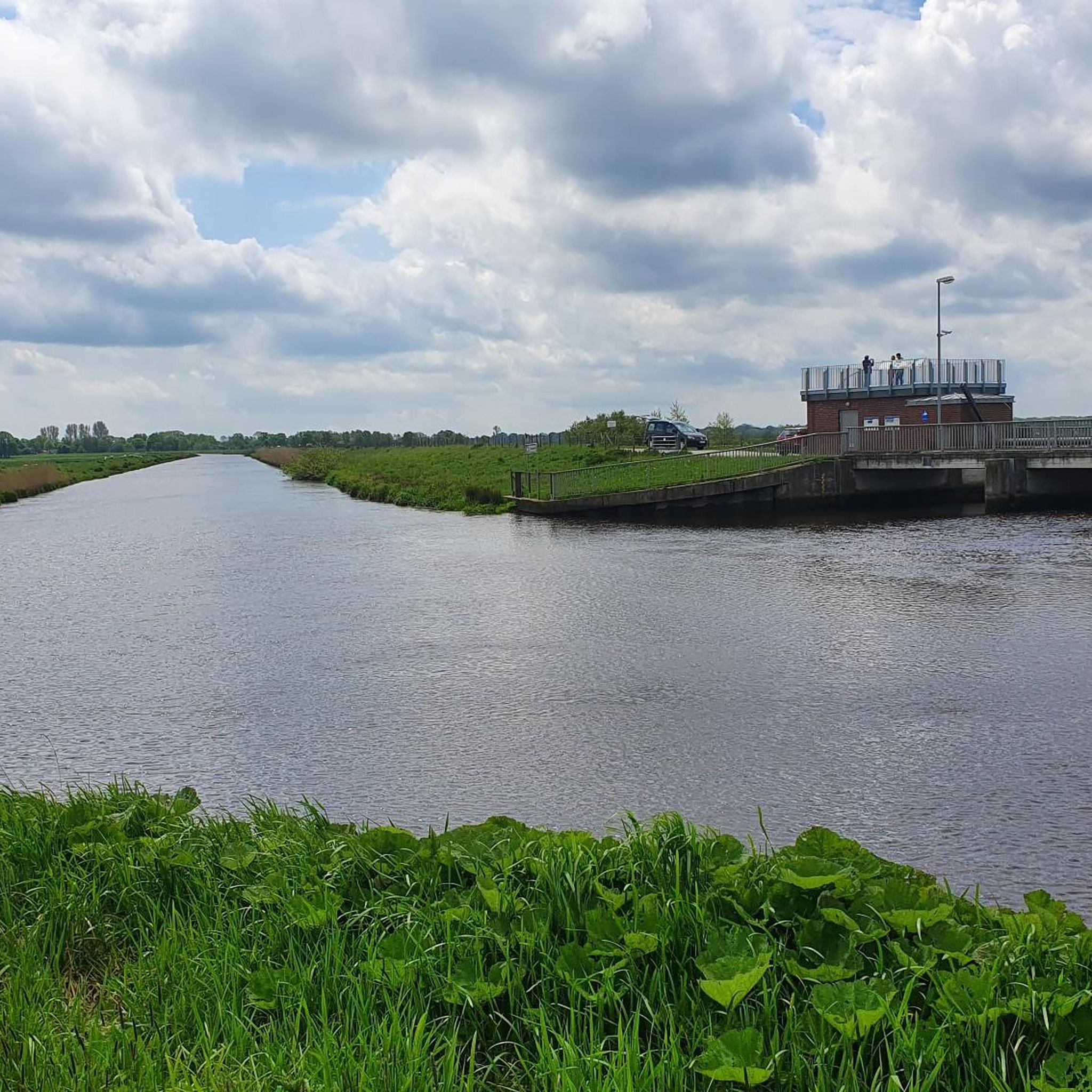
Description In connection with the construction and commissioning of the Leda tidal barrier (1954), a storage area of approx. 135 hectares was created south of Leer in 1957. In the event of storm surges, the barrage in the Leda is closed. Then, when there is a lot of precipitation, the inflowing headwater of the Leda can be diverted to the storage area through a small barrage if necessary. The area protected by dykes is mainly grassland with a water surface of around 12 ha. The ASV has leased this water area since the relief polder was built. The body of water consists of an arc-shaped Leda half loop and merges into a drainage canal. The half loop has a length of approx. 350 m and is between 100 m and 150 m wide, the canal part is approx. 450 m long with a width of 30 m to 60 m. The depth varies between 1 m and 2.5 m. Although the side ditches in the canal section are part of the lease agreement, they may not be entered or fished on.
6
0
The relief polder Holter Hammrich is a unique opportunity for nature. The relief polder Holter Hammrich is a unique opportunity for nature. Due to the natural site conditions, in particular the height development in the terrain, the Holter Hammrich is ideal for common goals of flood prevention and nature conservation. The structures used to regulate the water level allow the water level to fluctuate as it occurs in natural floodplains. This supports the increased settlement of characteristic breeding birds and amphibians. Various information and observation options have been set up for visitors to the Holter Hammrich polder so that they can encounter this nature experience up close.
7
2
Of the 25 km of the course of the river above the estuary, the lower 1.9 km [6] are maritime waterways, the upper 23 km [6] inland waterways. The inland shipping route also includes 0.56 km [6] Sagter Ems from the meeting with the Dreyschloot to the confluence of the Elisabethfehn Canal. The maritime waterway belongs to the waterway class Vb, the inland waterway to class II up to the Jümm estuary (km 15.95), the rest is not classified. The Ems-Nordsee Waterways and Shipping Office is responsible.
6
1

On this stretch you have a good view of the Leda, the Tief and the NSG
4
0

Countless species can be discovered on the route through the bird sanctuary (depending on the season, of course)
4
0
Frequently Asked Questions
What kind of aquatic features can I expect to find in Entlastungspolder Holter Hammrich?
Entlastungspolder Holter Hammrich is primarily a nature reserve and flood relief polder, characterized by extensive wetlands, grasslands, and shallow water zones, rather than traditional large, deep lakes. You'll find 'Stillgewässer' (standing waters) that formed from dike construction, and areas like the Leyßer Hammrich and Altes Tief, which are managed for their ecological importance, providing habitats for birds and amphibians.
What are the main attractions related to water and nature observation in this region?
The primary attractions are the significant natural areas designed for flood protection and nature conservation. Key highlights include the Bird Sanctuary and the Polder Hofer Hammrich Nature Reserve, which offer excellent opportunities for birdwatching and experiencing diverse wetland ecosystems. The Relief polder Leer also serves as a storage area with a significant water surface.
Is Entlastungspolder Holter Hammrich suitable for birdwatching?
Absolutely. The wetlands and shallow water zones are a vital breeding, resting, and feeding ground for over 60 species of birds, including Black-tailed Godwit, Avocet, and Northern Lapwing. There are elevated viewpoints and special viewing screens, particularly in areas like the Bird Sanctuary, to observe avian life without disturbance. Bringing binoculars is highly recommended.
Are there family-friendly activities or trails around the water areas?
Yes, the region offers several family-friendly options. The Bird Sanctuary and Polder Hofer Hammrich Nature Reserve are categorized as family-friendly. There are also easy family-friendly hikes available, such as the 7-kilometer circular route around the polder, which is perfect for nature observation. You can find more options in the Family-friendly hikes in Entlastungspolder Holter Hammrich guide.
Can I go swimming or boating in the water bodies of Entlastungspolder Holter Hammrich?
No, the aquatic areas of Entlastungspolder Holter Hammrich are not designed for traditional recreational activities like swimming or boating. Their primary purpose is flood protection and nature conservation, providing a habitat for wildlife. Fishing is also highly restricted and generally prohibited within the nature reserve itself, with only a small designated section near the inflow structure of the Hauptfehnkanal into the Leda being permitted.
Are there viewpoints to observe the landscape and water features?
Yes, there are several excellent viewpoints. The Bird Sanctuary features a lookout tower and elevated positions along its 7-kilometer circular route. Additionally, the View of Holter Hamrich Nature Reserve offers a break bench with a great vista over the polder.
What is the best time of year to visit Entlastungspolder Holter Hammrich?
The best time to visit for birdwatching and experiencing the wetlands is typically during winter and spring, when much of the Leyßer Hammrich section is intentionally inundated, attracting numerous bird species. However, the polder offers a peaceful and educational experience for nature enthusiasts throughout the year.
Are there hiking or cycling routes near the water areas?
Yes, there are well-developed paths suitable for both hiking and cycling. A popular 7-kilometer circular route runs partly on dikes, allowing visitors to observe wildlife. For more options, you can explore the Dog-friendly hikes and Traffic-free bike rides in Entlastungspolder Holter Hammrich guides.
Can I bring my dog on trails around the lakes?
Yes, there are dog-friendly trails in the area. For specific routes and guidelines, refer to the Dog-friendly hikes in Entlastungspolder Holter Hammrich guide. Please ensure dogs are kept on a leash, especially in nature reserve areas, to protect sensitive wildlife.
How long does it take to walk around the main water areas?
A popular circular route around the Bird Sanctuary and Polder Hofer Hammrich Nature Reserve is approximately 7 kilometers long. This walk typically takes around 1.5 to 2 hours, depending on your pace and how much time you spend observing nature.
What is the significance of the polder system in this region?
The polder system, including Entlastungspolder Holter Hammrich, plays a crucial dual role in flood protection and nature conservation. It's designed to manage water levels, similar to natural floodplains, which benefits characteristic breeding birds and amphibians while protecting surrounding areas from flooding. This harmonious connection between flood prevention and ecological preservation makes it a unique and interesting site.
Most popular routes in Entlastungspolder Holter Hammrich
Most popular attractions in Entlastungspolder Holter Hammrich

Get inspired with the komoot mobile app


Explore more
Still not found your perfect lake in Entlastungspolder Holter Hammrich? Check out the guides of these regions to see even more beautiful places.
