Top 5 Castles around The Municipal District of Dundalk
Best castles around The Municipal District of Dundalk offer a journey through Ireland's historical landscape. This region, situated in County Louth, features a mix of coastal and inland terrain. The area is characterized by its rich heritage, with numerous historical sites reflecting centuries of Irish history. Visitors can explore ancient fortifications and ruins set against varied natural backdrops.
Best castles around The Municipal District of Dundalk
- The most popular castles is Castle Roche, a castle dramatically perched on a…
Last updated: July 16, 2026
Carlingford
Highlight • Settlement
Showing Translation
Tip by

Carlingford Castle (King John's Castle)
Highlight • Castle
Showing Translation
Tip by
Sign up now to discover places like this
Get recommendations on the best single tracks, peaks, & plenty of other exciting outdoor places.
Sign up for free
Castle Roche
Highlight • Castle
Tip by

Narrow Water Castle
Highlight • Other
tripadvisor.com/Attraction_Review-g736883-d7071009-Reviews-Narrow_Water_Keep_and_Castle-Warrenpoint_County_Down_Northern_Ireland.html
Narrow Water Keep/Tower House:
Wikipedia (Narrow Water Castle (Irish: Caisleán an Chaoil), 2022-09-25):
en.m.wikipedia.org/wiki/Narrow_Water_Castle
The actual Narrow Water Castle itself can be …
Tip by

Taaffes Castle
Highlight • Castle
Translated by Google •
Tip by
Seatown Castle
Highlight • Castle
Showing Translation
Tip by
Start today with a free account
Your next adventure awaits.
Login or Signup
Popular around The Municipal District of Dundalk
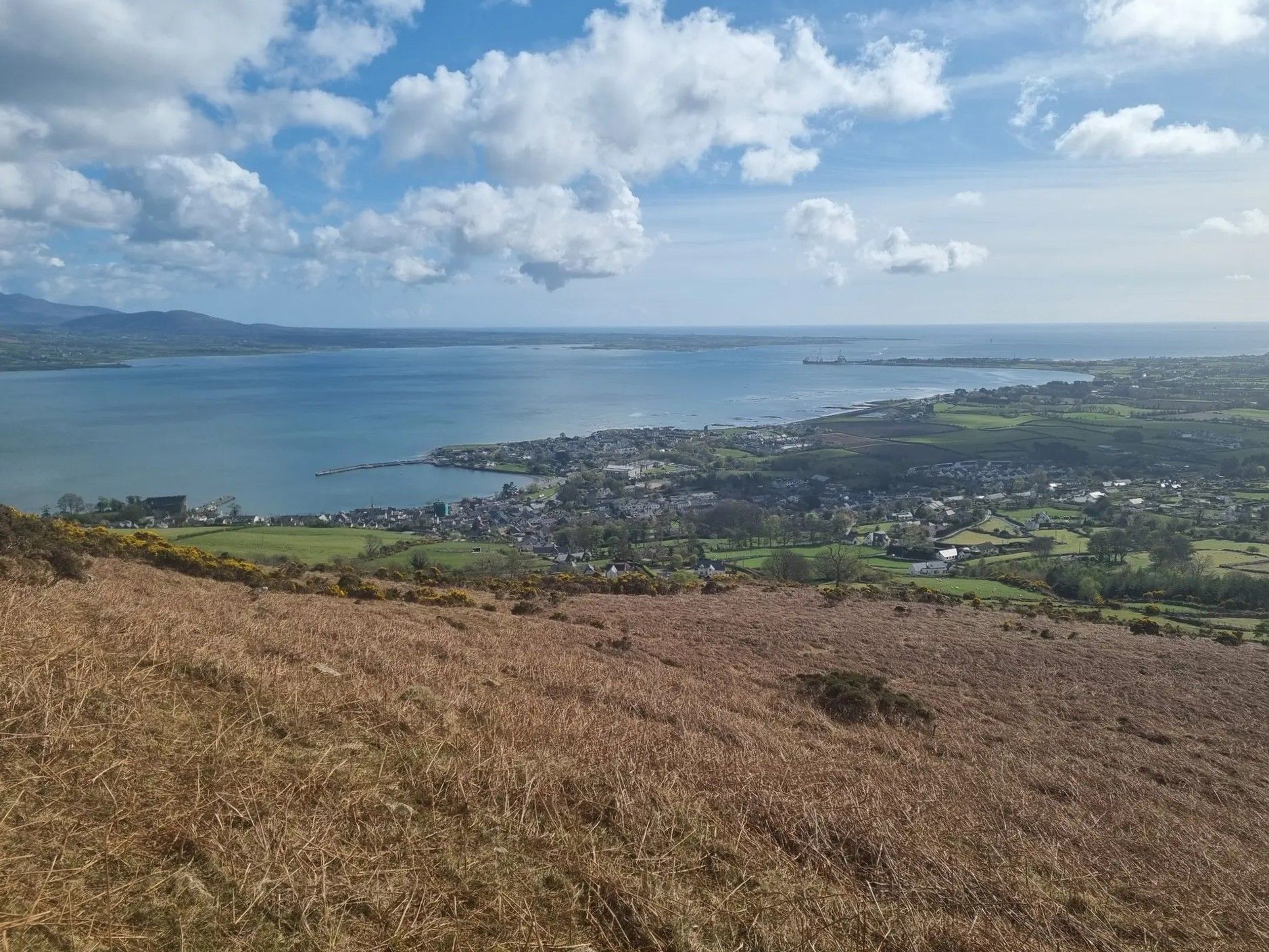
Táin Way – exploring the Cooley Peninsula
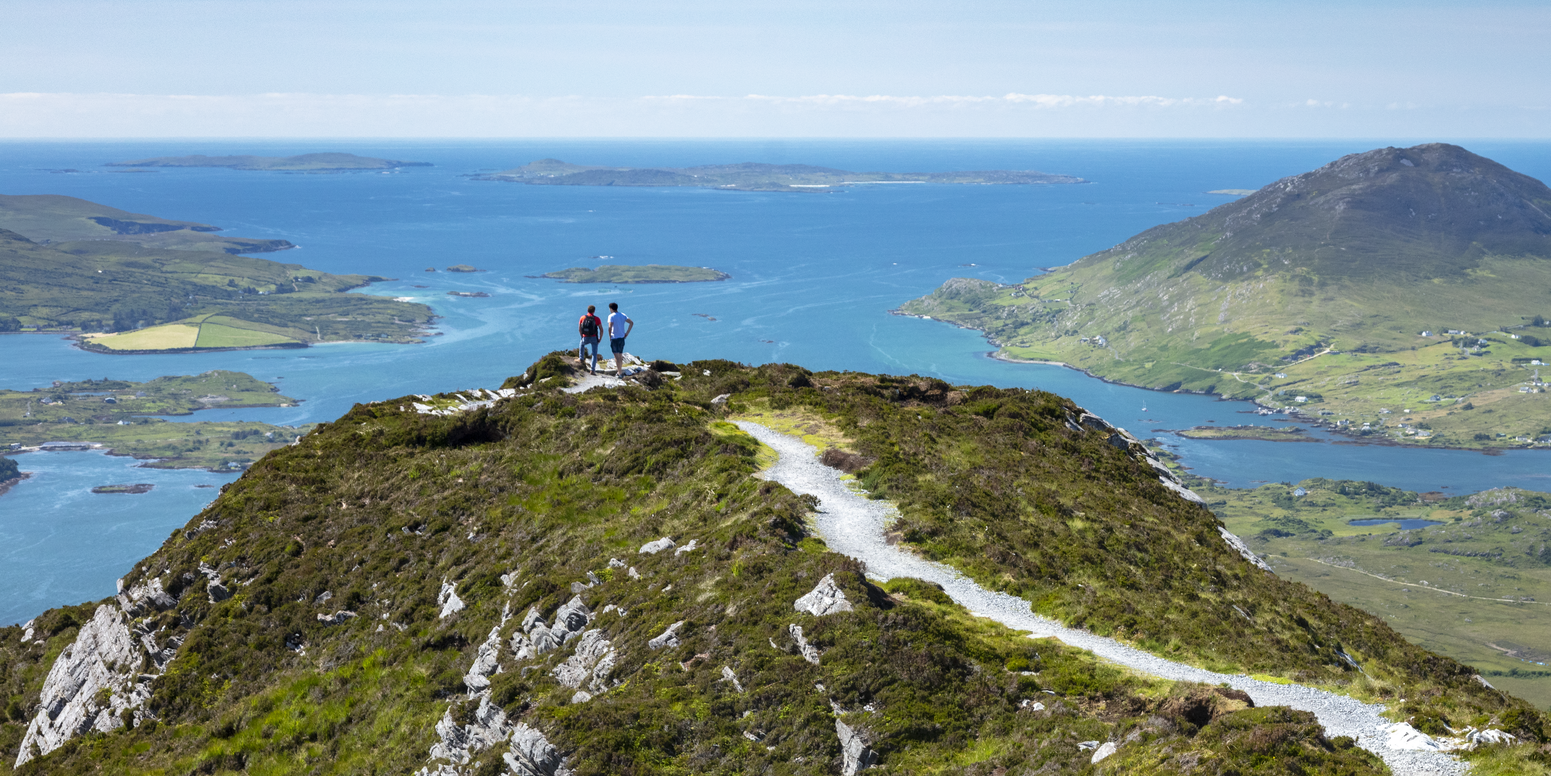
Between waves and peaks — to the best views in Ireland
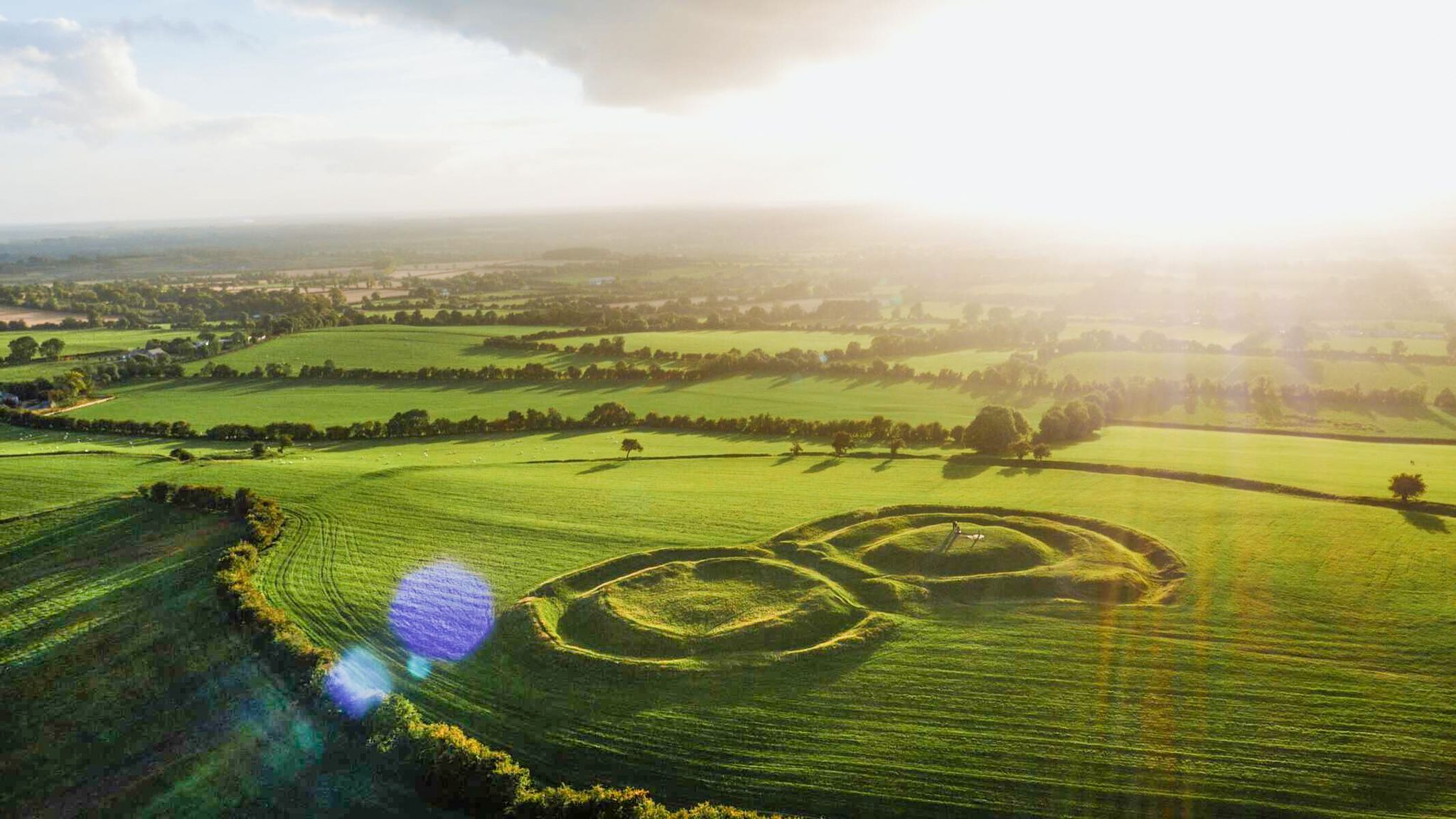
The magical east of Ireland – ancient places, scenic lakes and rocky mountains
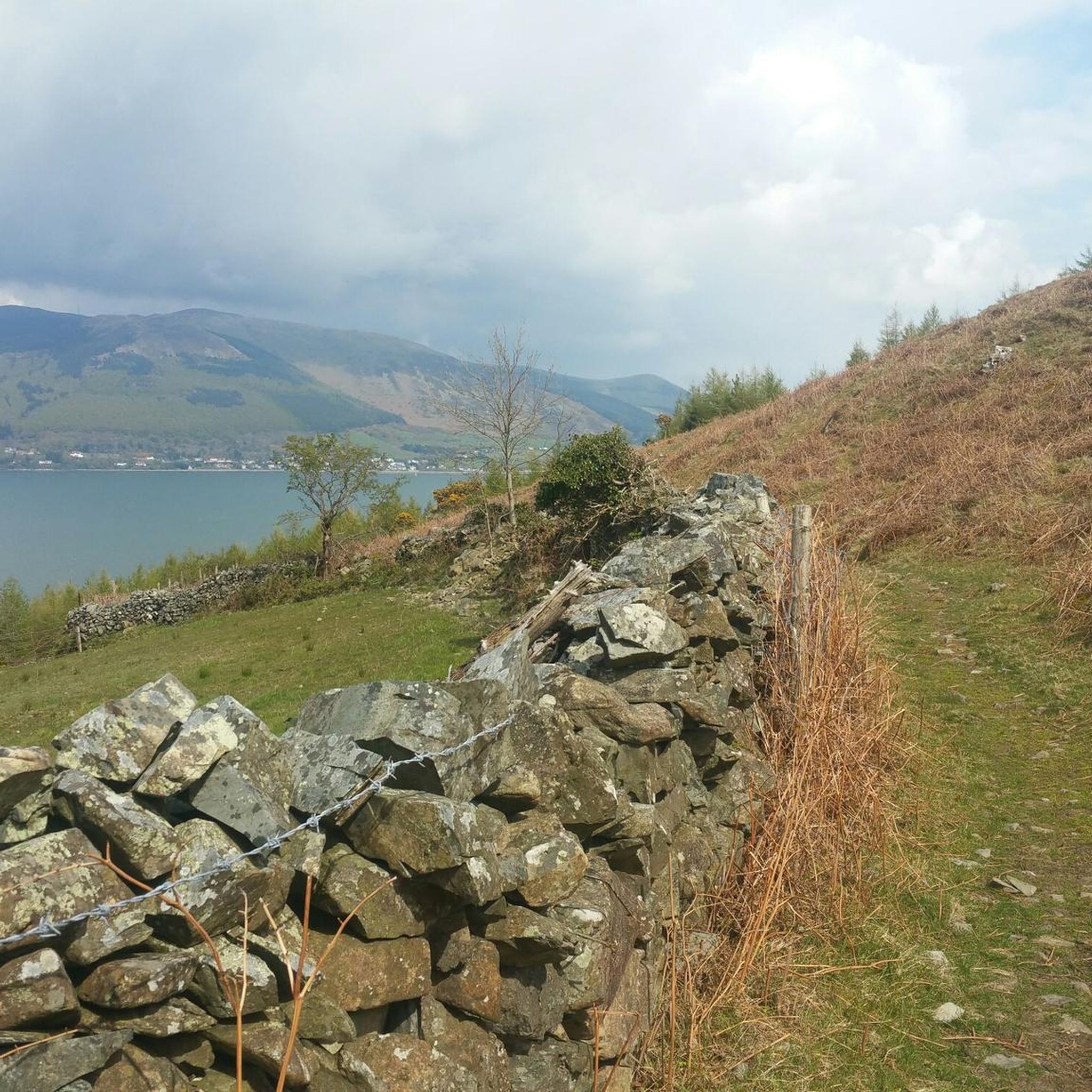
Hiking around The Municipal District of Dundalk
Running Trails around The Municipal District of Dundalk
Cycling around The Municipal District of Dundalk
Road Cycling Routes around The Municipal District of Dundalk
MTB Trails around The Municipal District of Dundalk

Gravel biking around The Municipal District of Dundalk
Other adventures around The Municipal District of Dundalk


Tips from the Community

Franciscan Bell Tower 1240's. In the heart of the historic Seatown district rises the impressive bell tower of Seatown Castle, a remnant of the 13th-century Franciscan abbey. Although the rest of the monastery has largely disappeared, this robust, square tower still stands proudly as a reminder of the town's medieval past. With its characteristic battlements and narrow windows, the tower served not only as a belfry but, in turbulent times, likely also as a defensive structure. As you cycle through the narrow streets of Seatown, this monument forms a beautiful historical anchor point amidst modern development. Worth a short stop to admire the massive stone walls up close and soak up the atmosphere of old Dundalk.
8
0
This charming seaside town overlooks the Mourne Mountains, whose silhouette rises along the coast of Northern Ireland. Carlingford is very lively at weekends thanks to its many pubs and restaurants, which attract visitors from the north, and is famous for its oysters. The village has several historical sights, such as the small King John's Castle, with its romantic silhouette overlooking the sea, and Taaffe's Castle, a former 16th-century merchant's house located a little further from the quay.
6
0
Above the medieval street pattern, which dominates the silhouette of Carlingford, stands the imposing ruin of Carlingford Castle, also known as King John’s Castle. This castle was built around 1190 by the Norman knight Hugh de Lacy and was for centuries the strategic key to the entrance of Carlingford Lough.
5
1

Unfortunately, the castle was under scaffolding at the time of our visit.
0
0
Taaffe's Castle is a fortified merchant's house dating from the early 16th century, built by the wealthy Taaffe family, who later became the Earls of Carlingford. Situated near the old harbour, the building originally served as a trading post on the ground floor with residential floors above. The architecture displays typical defensive features such as machicolations, narrow loopholes, spiral staircases, and multi-level garderobes. [curiousireland.ie], [castles.nl], [carlingfor...centre.com] The main structure is a four-storey rectangular tower, later extended with a 16th-century northern extension. Its location and construction clearly demonstrate Carlingford's importance as a thriving trading town during that period. After the 17th century, it fell into disuse, and eventually fell into disuse. Today, it forms part of a pub complex and remains a striking example of medieval urban defensive architecture in Carlingford.
6
1

Carlingford Castle, also known as King John’s Castle, is a striking 12th-century fortress overlooking the charming medieval town of Carlingford and its scenic harbour. Built by Hugh de Lacy to guard the strategic Lough, the castle has a commanding presence with its weathered stone walls and rugged silhouette against the water. Though partially in ruins, it still captures the atmosphere of Ireland’s Norman past, and its elevated position offers sweeping views of the surrounding mountains and coastline.
2
2

Our Irish Heritage (Seatown Castle, 2024-07-29): https://www.ouririshheritage.org/content/knowyour5k/seatown-castle Wikipedia (Dundalk, Seatown Castle, 2024-07-29): https://en.m.wikipedia.org/wiki/Dundalk#Architecture National Built Heritage Service (Old Castle, Castle Road, Mill Street, TOWNPARKS (Upper Dundalk By.), Dundalk, LOUTH, 2024-07-29): https://www.buildingsofireland.ie/buildings-search/building/13705100/old-castle-castle-road-mill-street-townparks-upper-dundalk-by-dundalk-co-louth Reg No: 13705100 National Library of Ireland (Seatown Castle, Dundalk, Co. Louth, 2024-07-29): https://catalogue.nli.ie/Record/vtls000034027
2
0

Perfectly placed on the beautiful Shores of Carlingford Lough, this was a 13th century Norman keep, a replacement tower house and bawn was built at Narrow Water in the 16th century. The replacement structure, built in the 1560's, was a typical example of the tower houses built throughout Ireland at the time. The castle was damaged during the Irish Rebellion of 1641, and sold to the Hall family in the 1670's. It was occupied by the Hall family until they built an "Elizabethan revival style" mansion in the early 19th century. This Mansion is also called Narrow Water Castle.
0
0
Frequently Asked Questions
What types of castles can I explore in The Municipal District of Dundalk?
The Municipal District of Dundalk is rich in historical fortifications, offering a variety of castle types. You can find impressive Norman castles like Castle Roche, strategic tower houses such as Narrow Water Castle and Dunmahon Castle, and even significant earthworks like Castletown ('Cúchulainn's Castle'). The region also features remnants of medieval structures, including the Old Castle (Franciscan Friary Bell Tower).
Are there any castles with unique legends or stories?
Yes, Castle Roche is famous for the legend of Lady Rohesia de Verdun, who is said to have pushed her architect husband from a window, now known as the 'Murder Window,' to keep the castle's secrets. Bellew's Castle also has a local rumor of providing refuge for St. Oliver Plunkett in its secret passageways.
Which castles offer the best views of the surrounding landscape?
Castle Roche, dramatically perched on a high rocky limestone promontory, provides sweeping views of the countryside, including parts of South Armagh. Carlingford Castle also offers stunning vistas of Carlingford Lough and the surrounding mountains and coastline.
What outdoor activities can I do near these castles?
The area around the castles offers various outdoor activities. You can find numerous hiking trails, from moderate to difficult, such as the Ravensdale Forest loop or the Slieve Foye & Barnevave loop from Carlingford. For cyclists, there are gravel biking routes like The Fairy Glen loop or road cycling routes that take you through the scenic Louth countryside. You can explore more options in the hiking guide, gravel biking guide, and road cycling guide for The Municipal District of Dundalk.
Are there any family-friendly castles to visit?
Many of the castles, including Castle Roche, Carlingford Castle, and Narrow Water Castle, are suitable for family visits. Exploring the ruins and learning about their history can be an engaging experience for all ages. The grounds around Castle Roche are also ideal for picnics and walks.
What is the best time of year to visit the castles in The Municipal District of Dundalk?
The castles can be visited year-round, but spring and summer (April to September) generally offer the most pleasant weather for exploring the outdoor ruins and enjoying the scenic views. Autumn also provides beautiful foliage. Winter visits are possible, but be prepared for colder, potentially wetter conditions, and shorter daylight hours.
Are there any castles that are not open to the public?
Yes, Bellew's Castle (also known as Castletown Castle) is unfortunately not accessible to the public as it is now attached to St. Louis Secondary School and used for classrooms. Additionally, the actual Narrow Water Castle (a 19th-century mansion) is a private dwelling and not normally open to the public, though the nearby Narrow Water Castle tower house is accessible.
Can I visit the Old Castle (Franciscan Friary Bell Tower) in Dundalk?
The Old Castle, which is a freestanding former bell tower from a Franciscan friary, is a significant historical monument in Dundalk. While it's a ruin, it serves as a tangible link to medieval Dundalk and its past. You can visit the site to appreciate its architecture and historical context.
Is Dunmahon Castle worth visiting despite being a ruin?
Dunmahon Castle, a 15th-century tower house, is indeed a ruin, but it offers a romantic setting for a walk along the path leading to it. While some parts are unsafe due to visible cracks, its historical intrigue and picturesque location make it a worthwhile stop for those interested in exploring less-preserved historical sites.
What should I know about parking when visiting castles in the area?
Parking availability varies by castle. For Castle Roche, visitors are advised to take care when parking in the narrow laneway and to avoid blocking gateways, as the site is on private farmland. For other castles, it's recommended to check local signage or information for designated parking areas.
Are there any castles that are particularly significant for their architectural design?
Castle Roche is considered one of the most impressive Anglo-Norman castles in Ireland due to its unique triangular configuration, formidable twin-towered gatehouse, and its dramatic placement on a rocky promontory. Dunmahon Castle, a four-story tower house with two projecting corner towers and a vaulted ceiling, also showcases distinct 15th-century architectural features.
What is the historical context of <a href="https://www.komoot.com/highlight/6290980" target="_blank" rel="noopener">Carlingford Castle</a>?
Carlingford Castle, also known as King John’s Castle, is a striking 12th-century fortress. It was built by Hugh de Lacy to guard the strategic Carlingford Lough, playing a crucial role in Ireland's Norman past. Its elevated position not only offered strategic advantage but also provides sweeping views of the surrounding area.
Most popular routes around The Municipal District of Dundalk
Most popular attractions around The Municipal District of Dundalk

Get inspired with the komoot mobile app


