Top 4 Castles around Campiña
Castles around Campiña offer a journey through historical fortifications in a region characterized by its rich past. This area features a collection of medieval structures, including fortresses and fortified palaces, reflecting centuries of architectural and cultural evolution. Visitors can explore sites that once served as defensive strongholds and residences for archbishops and nobles. The landscape provides a backdrop for discovering these historical landmarks.
Best castles around Campiña
- The most popular castles is Ruins of Alcalá la Vieja Fortress, a…
Last updated: October 13, 2026
Ruins of Alcalá la Vieja Fortress
Highlight • Historical Site
Translated by Google •
Tip by

Walls and Antiquarium of Alcalá de Henares
Highlight • Historical Site
Translated by Google •
Tip by

Sign up now to discover places like this
Get recommendations on the best single tracks, peaks, & plenty of other exciting outdoor places.
Castillo de Torremocha
Highlight • Castle
Translated by Google •
Tip by
Parish of San Torcuato and Wall of the Arab Castle
Highlight • Religious Site
Translated by Google •
Tip by
Start today with a free account
Your next adventure awaits.
Popular around Campiña
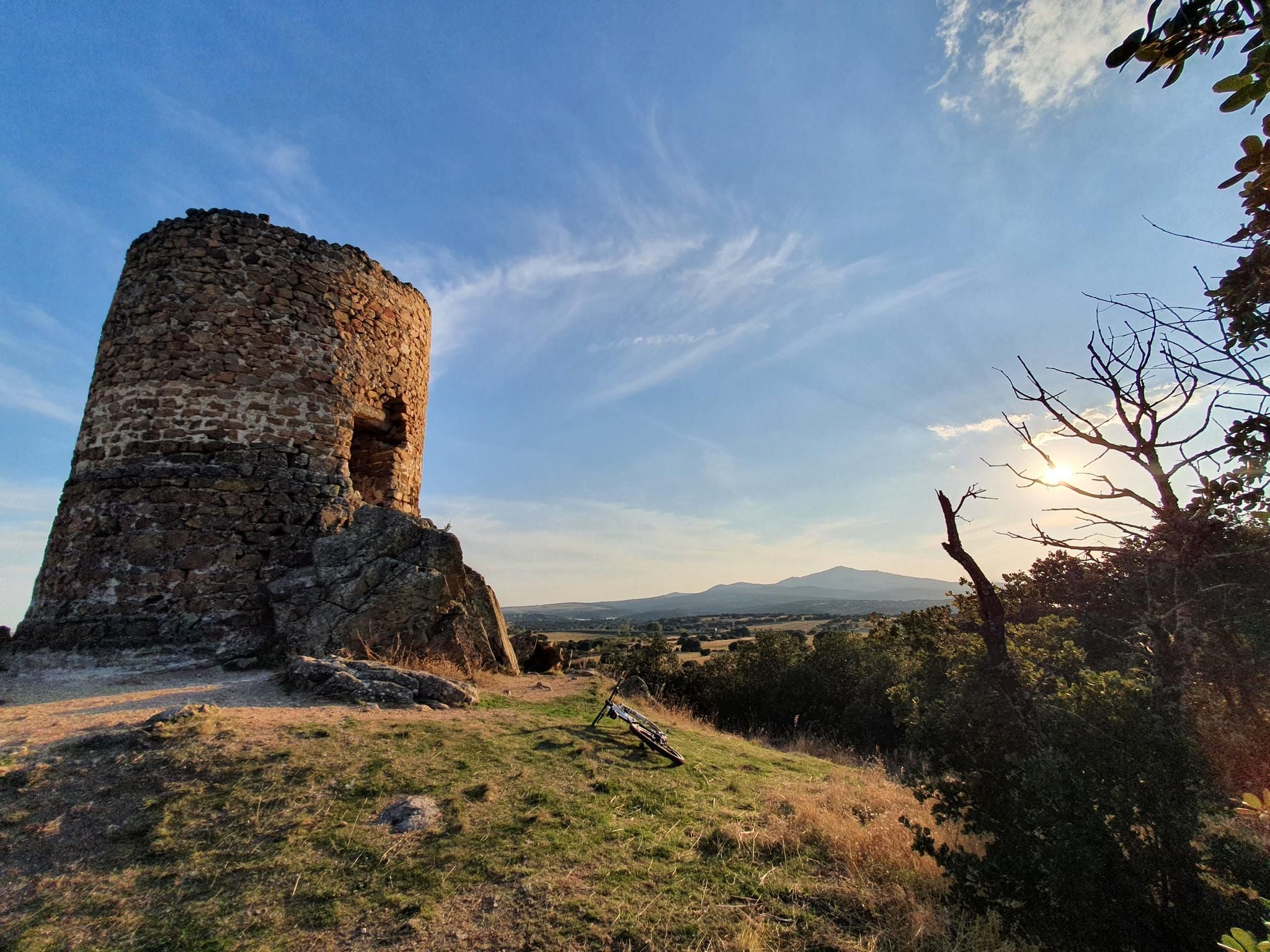
Along the paths of Marca Media — Route of the watchtowers of Madrid
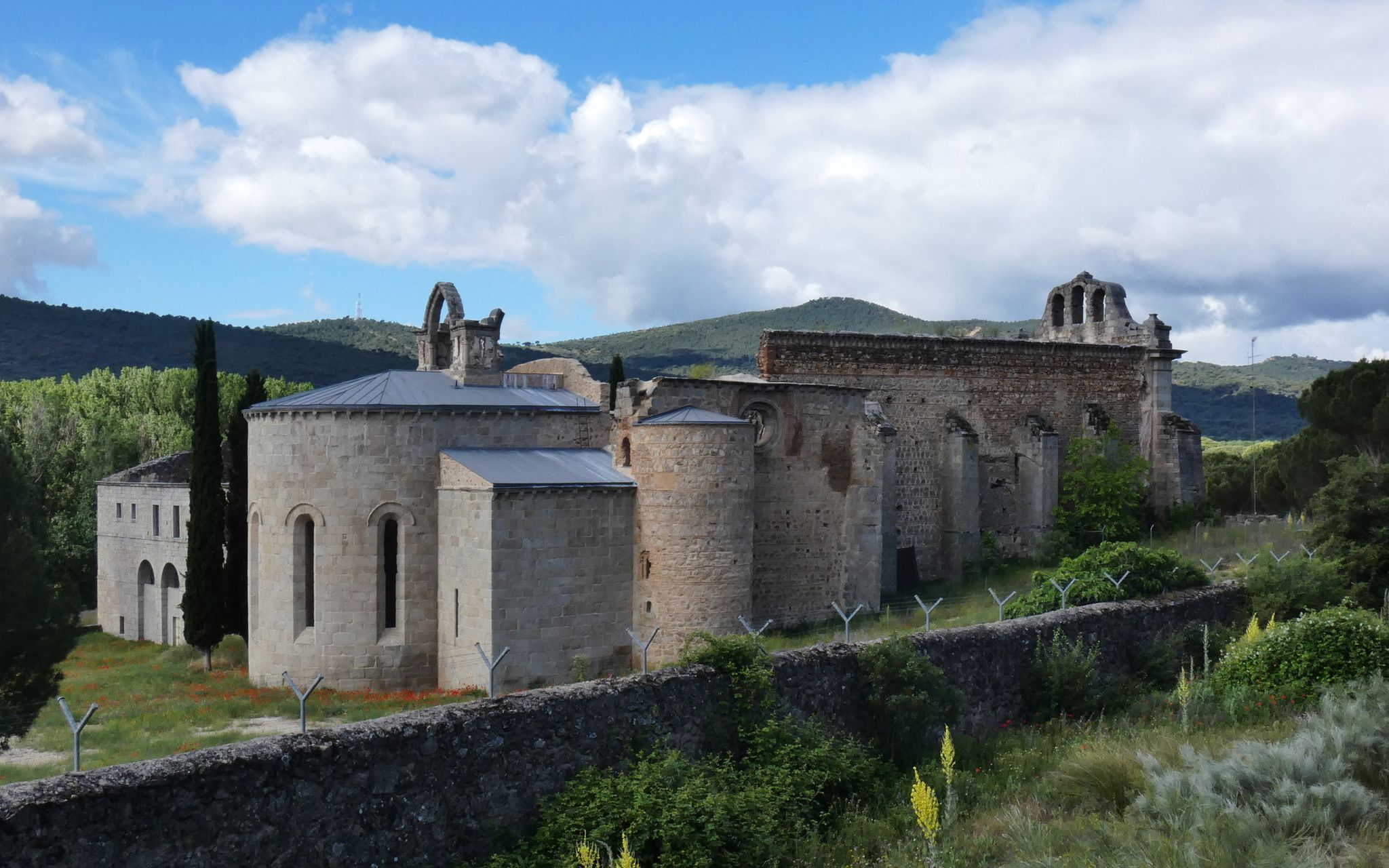
Madrid’s mediaeval castles and hidden gems by gravel bike
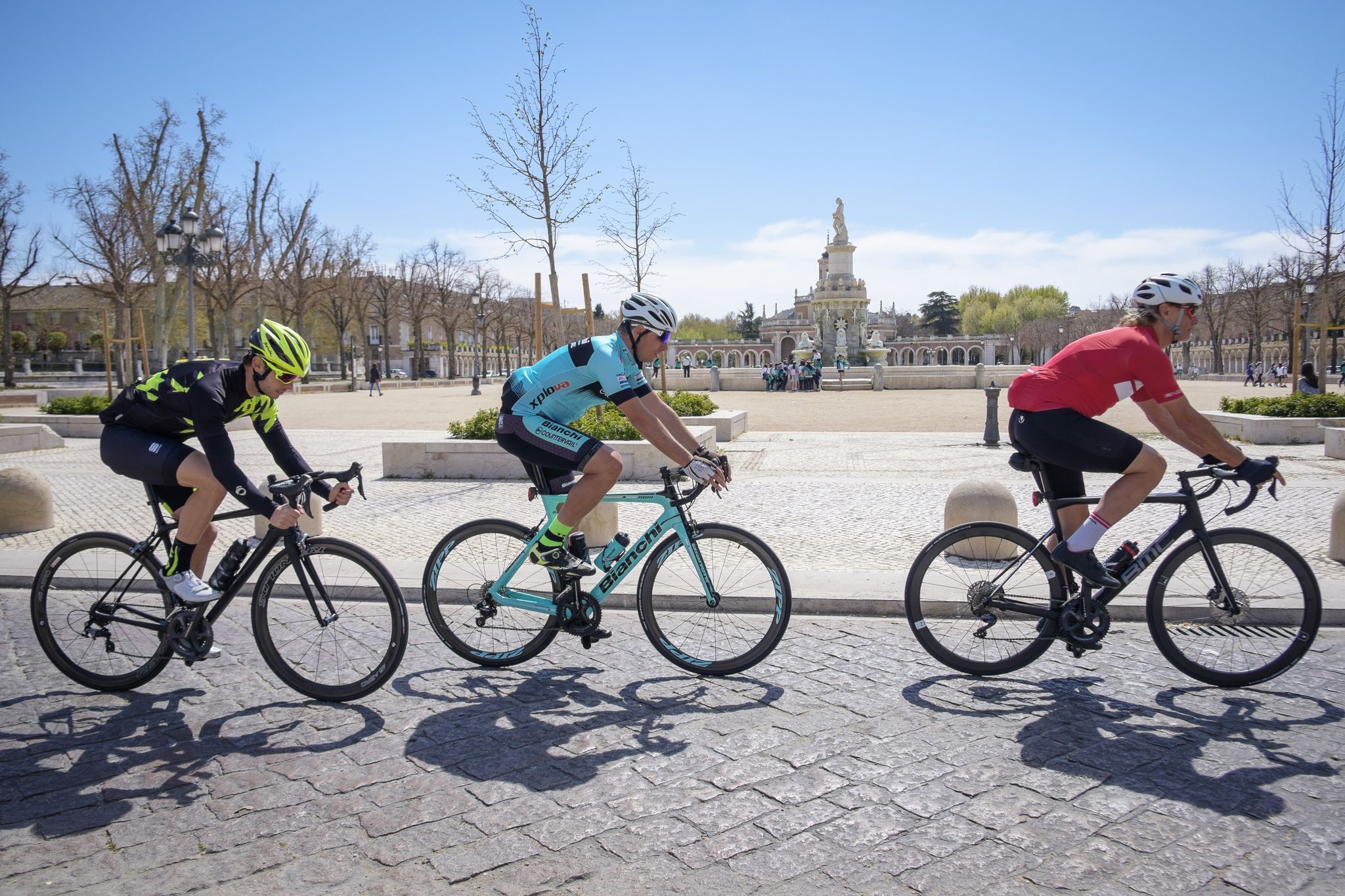
Ports, countryside and rivers – Tour of Madrid by road bike
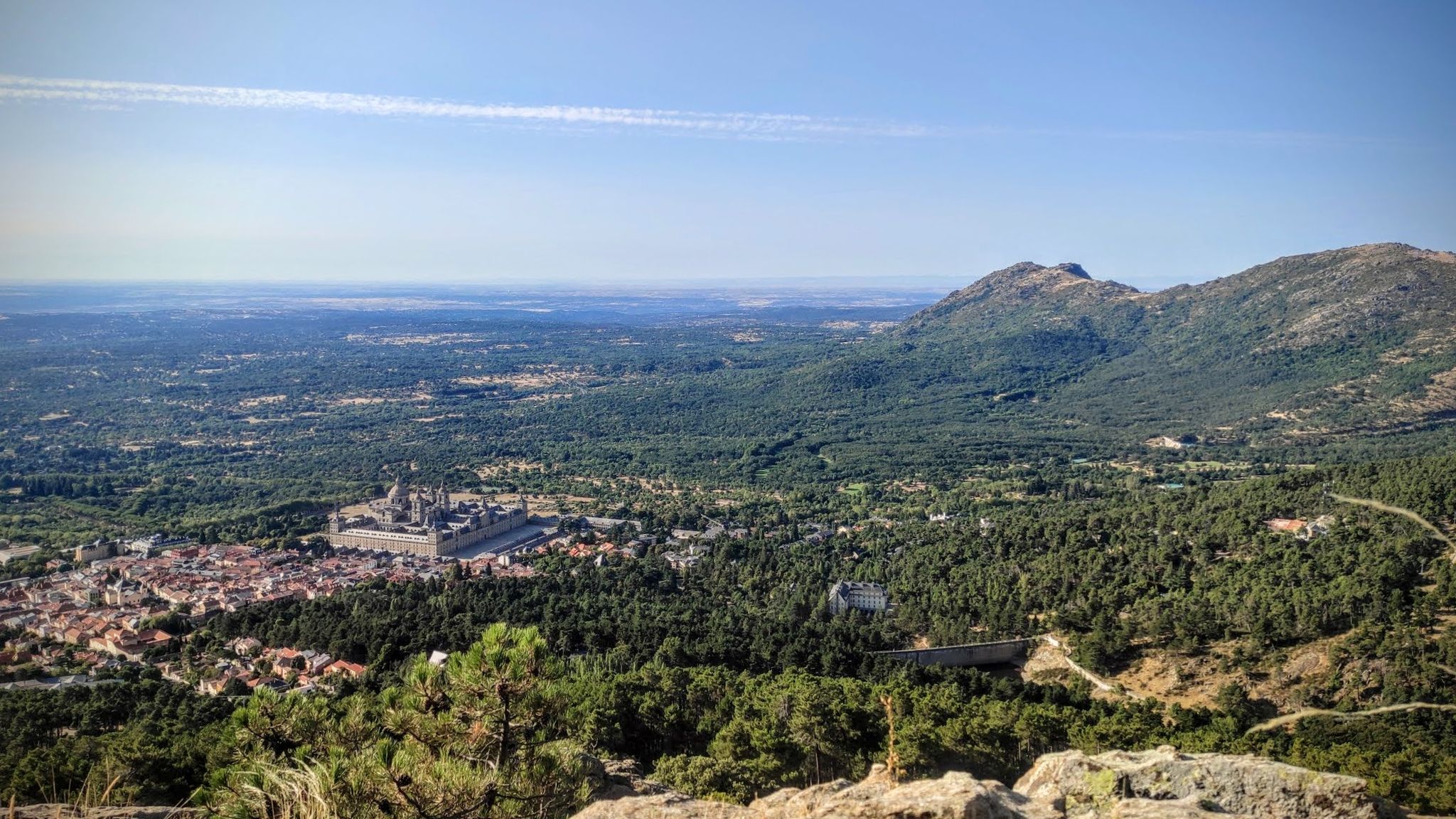
Sierras, countryside, reservoirs and history – Tour of Madrid gravel
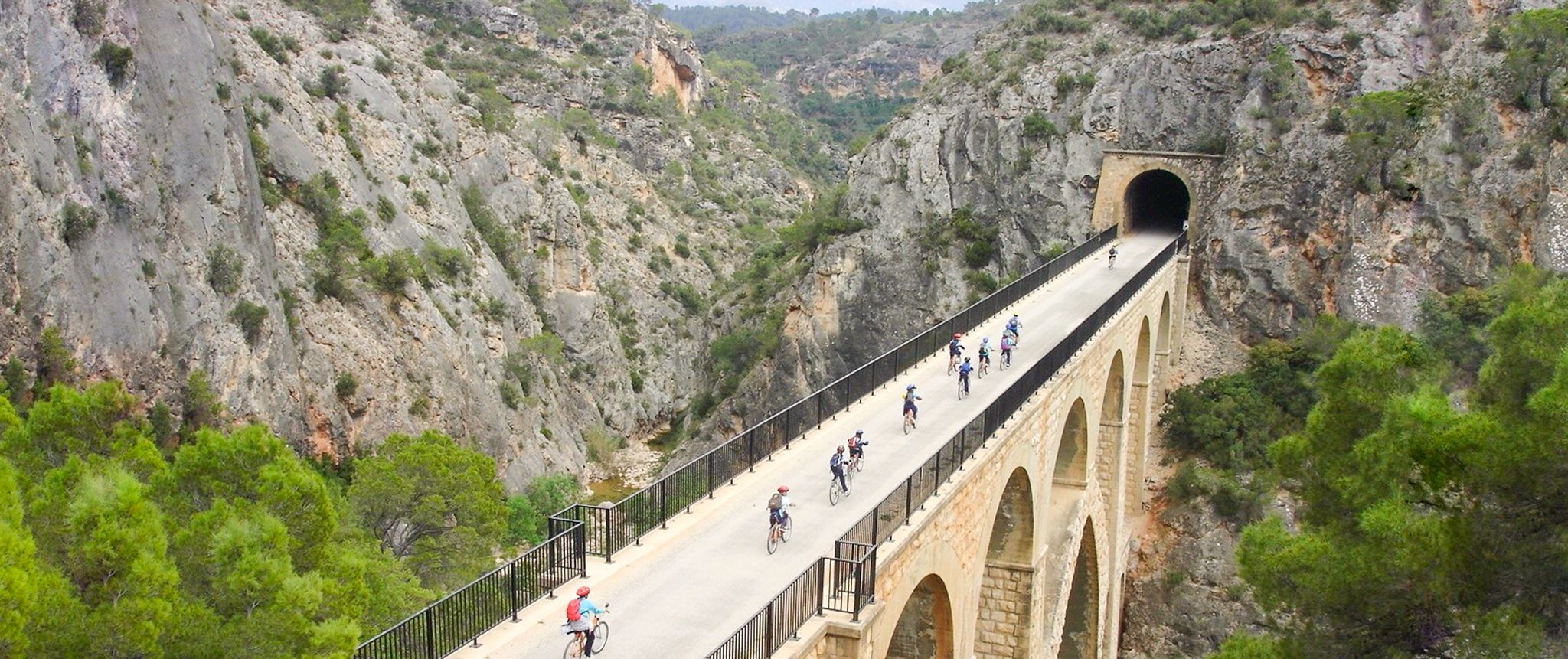
Vías Verdes – traffic-free cycling along railway history in Spain
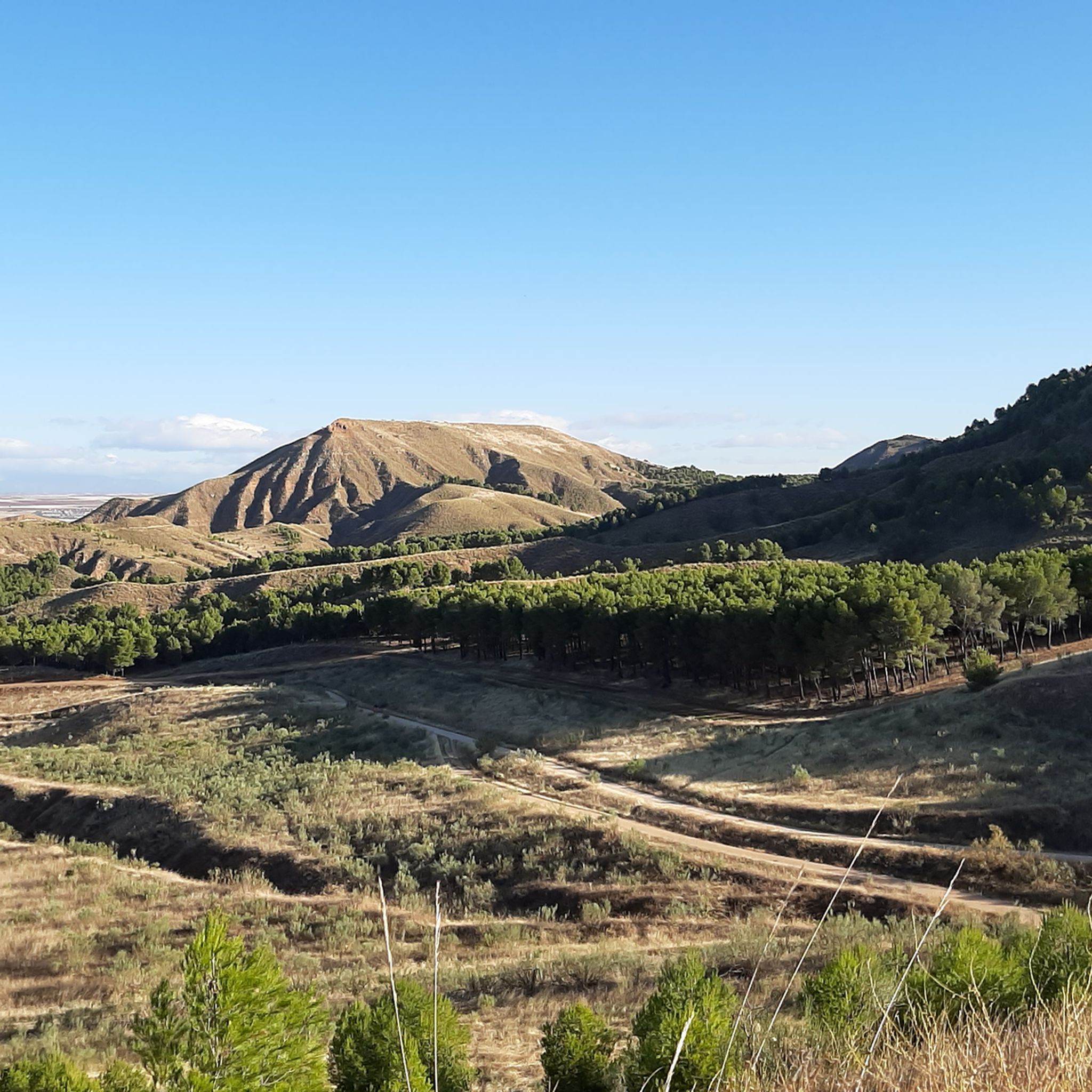
Hiking around Campiña
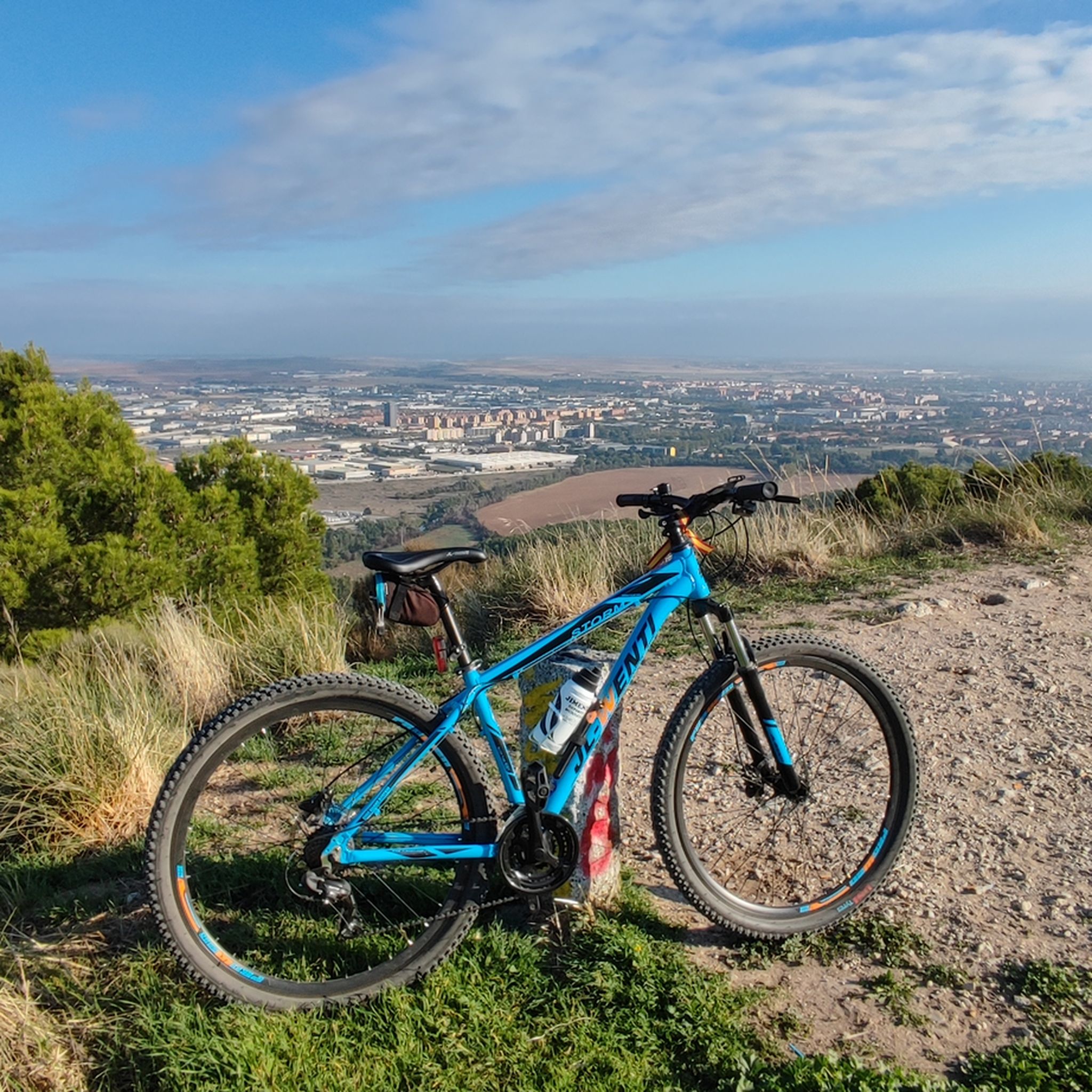
MTB Trails around Campiña
Road Cycling Routes around Campiña
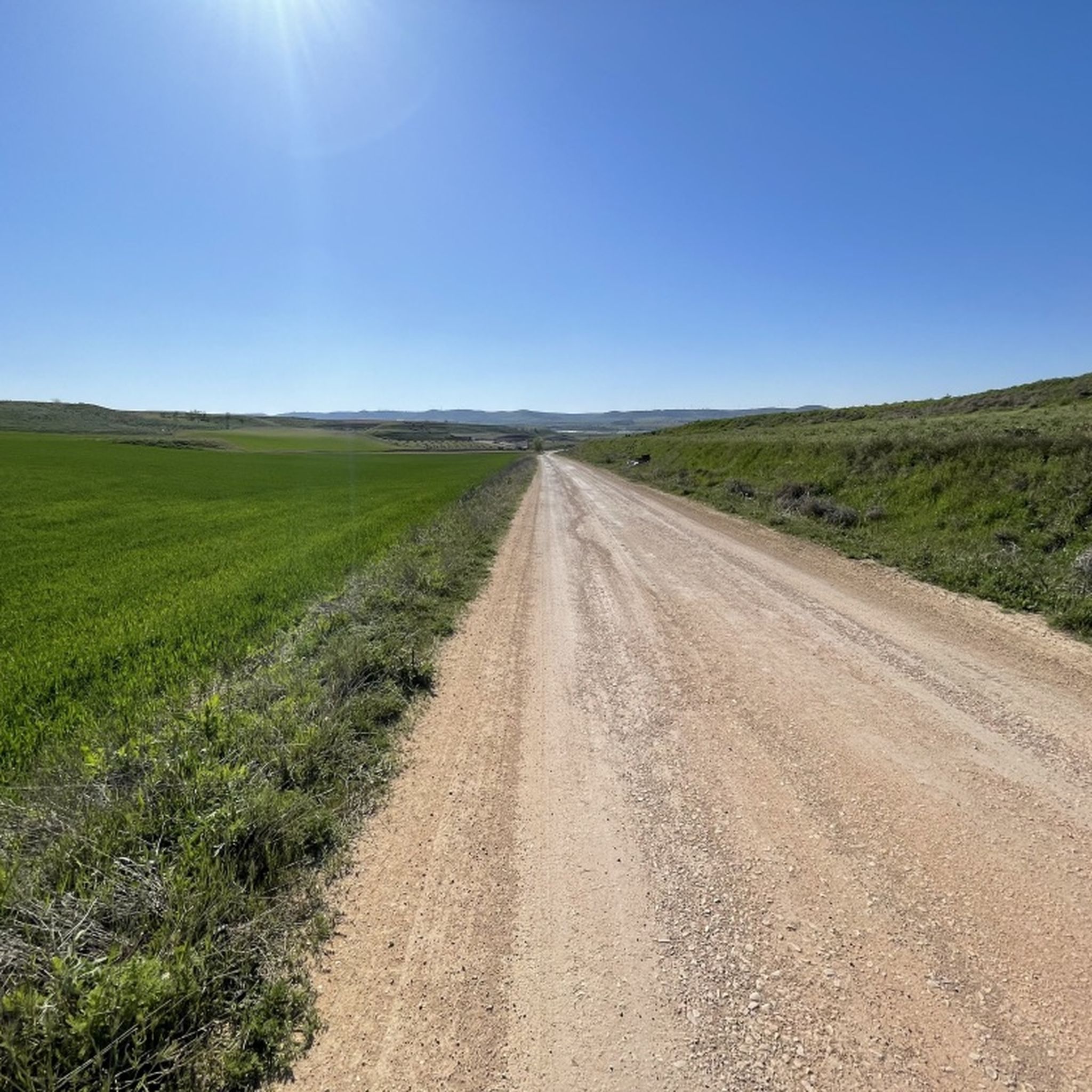
Cycling around Campiña
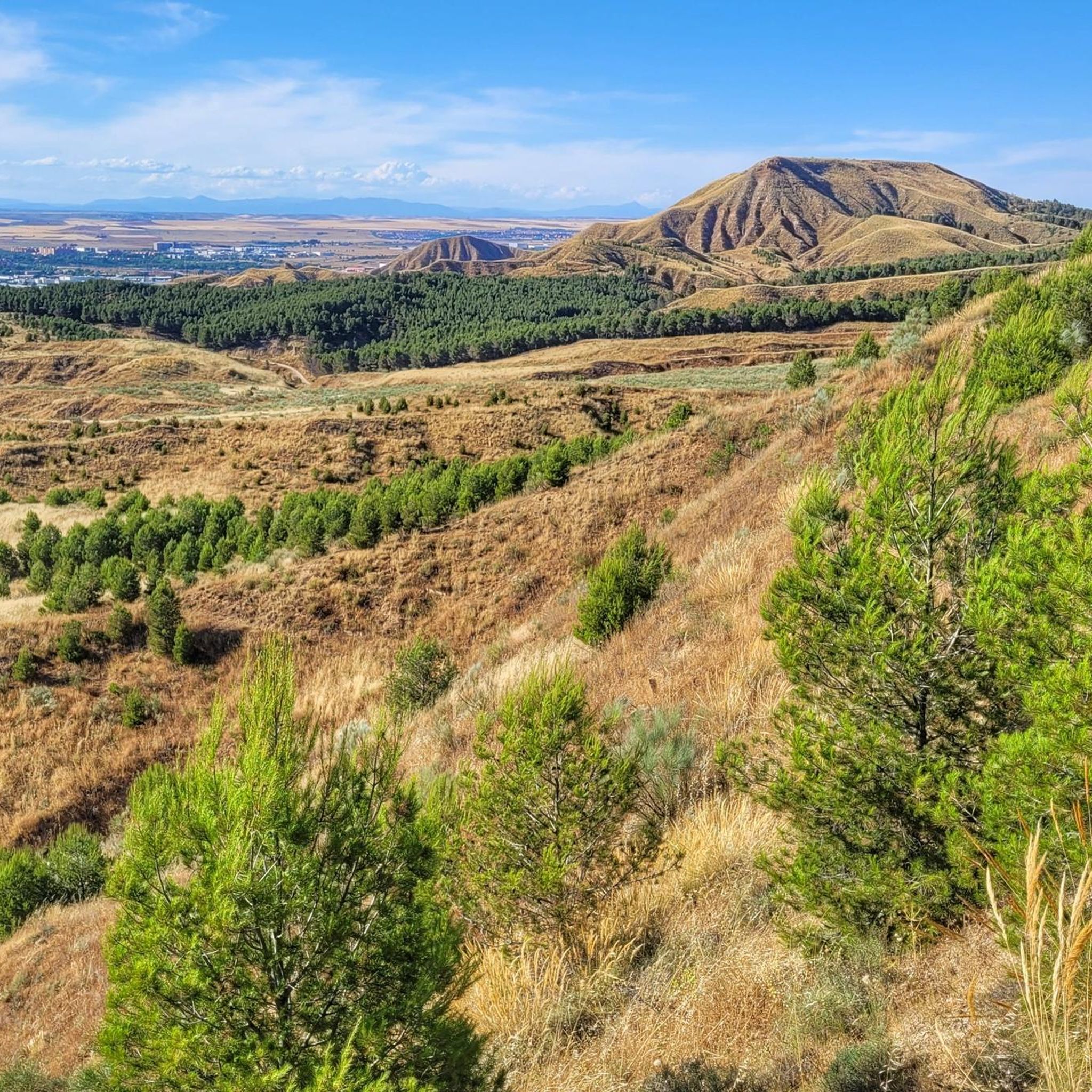
Running Trails around Campiña
Other adventures around Campiña


Tips from the Community

There is a section of the route that is quite out of the way, starting from the passage through the ruins of Alcalá Vieja.
1
0

The Torremocha Castle represents the history and monumentality of Santorcaz. The current construction dates back to the 14th and 15th centuries. It was a fortress for the defence and control of the Anchuelo river plain, built on a previous watchtower of Arab origin that formed part of the strategic line of the Alcalá stronghold. At different times it has been the residence of nobles, the seat of archbishops and a prison for clerics, where Cardinal Cisneros and the Princess of Éboli were among others. Attached to the castle walls is the church of San Torcuato, founded in the 13th century, with a beautiful Mudejar tower.
0
0

Ancient Muslim city of the Middle March. Neighbor of Madina Al Faray, which was the most important in the Middle Brand.
1
0

Like the fortified archbishop's palace of Alcalá de Henares, this enclosure was ordered to be built by Archbishop Pedro Tenorio in the 14th century. It is a strong plaza with seven towers, a wall and the church of San Torcuato.
1
0
In this historical complex there are: the archiepiscopal palace, the Tenorio tower and part of the medieval walls of the city. The archiepiscopal palace, from the 14th century, was fortified. Currently some sections of the wall are preserved and the palace continues in use.
1
0

Castle of Santorcaz from the 13th century made up of 7 defensive towers of the wall and inside is the church of San Torcuato. Beautiful castle within the town of Santorcaz!
0
1

Cyclable climb only in part, to get to the ruins you have to push the bike a little. The path continues in the direction of Ecce Homo.
0
0
These ruins belong to the initial location of Alcalá de Henares and are accessible either on foot or by bicycle from the Natural Park of Los Cerros de Alcalá de Henares.
0
0
Frequently Asked Questions
What are some of the most popular castles to visit around Campiña?
The region offers several historical sites. Among the most popular are the Ruins of Alcalá la Vieja Fortress, which represents the ancient Arab fortress al-Qal'at abd al-Salam, and the Walls and Antiquarium of Alcalá de Henares, featuring an archiepiscopal palace and medieval city walls. Another significant site is Castillo de Torremocha, a 14th-century strong plaza with seven towers.
What is the Campiña region known for regarding its castles?
The Campiña region is characterized by its rich historical past, particularly its Arab castles, fortified palaces, and medieval walls. These structures reflect centuries of architectural and cultural evolution, having served as defensive strongholds and residences for various historical figures.
Are there family-friendly castles or activities in the Campiña region?
Yes, the Walls and Antiquarium of Alcalá de Henares is categorized as family-friendly, offering an accessible historical complex to explore. Many castles also host cultural events or have museums, providing engaging experiences for all ages.
What outdoor activities can I do near the castles in Campiña?
You can enjoy various outdoor activities. There are numerous running, hiking, and cycling routes available. For example, you can find moderate to difficult running trails like the 'Ecce-Homo Trail' or 'Molino Borgoñón loop'. Hiking options include 'Alcalá La Vieja y cima del Ecce-Homo' and the 'Arab Castle Trail'. Cyclists can explore routes like the 'Tajuña Greenway'. You can find more details on these activities in the Running Trails around Campiña, Hiking around Campiña, and Cycling around Campiña guides.
Are there hiking trails near the castles?
Absolutely. Several hiking trails are available, often incorporating views of historical sites. For instance, the 'Alcalá La Vieja y cima del Ecce-Homo' route is a moderate hike that passes by the ancient ruins. The 'Arab Castle Trail' is another moderate option. These trails offer a chance to combine historical exploration with nature. More information can be found in the Hiking around Campiña guide.
What is the best time of year to visit the castles in Campiña?
The best time to visit the castles in the Campiña region, particularly in Spain, is typically during the spring (April to June) and autumn (September to October). During these seasons, the weather is generally mild and pleasant, ideal for exploring outdoor historical sites and enjoying nearby trails without the intense heat of summer or the cooler, sometimes wetter, conditions of winter.
What kind of historical significance do the castles in Campiña hold?
The castles in Campiña are deeply rooted in history, reflecting periods of Ibero-Turdetan, Carthaginian, Roman, Muslim, and Christian influences. Sites like the Ruins of Alcalá la Vieja Fortress were significant Arab strongholds, while others like Castillo de Torremocha were built in the 14th century for defense and control. They tell stories of reconquest, strategic importance, and the evolution of regional power.
Are there any viewpoints near the castles in Campiña?
While specific viewpoints are not detailed for every castle, many of these historical sites, especially those built on elevated positions like the Ruins of Alcalá la Vieja Fortress, offer panoramic views of the surrounding landscape. Exploring the trails around these castles can also lead to scenic spots.
What should I pack for a day trip to the Campiña castles?
For a day trip, it's advisable to pack comfortable walking shoes, as you'll likely be exploring historical sites and potentially nearby trails. Depending on the season, bring sun protection (hat, sunscreen) or layers for cooler weather. Water and snacks are also recommended, especially if you plan to hike. A camera is a must to capture the historical architecture and scenic views.
What do visitors enjoy most about the castles around Campiña?
Visitors frequently appreciate the historical depth and architectural beauty of the castles. The Ruins of Alcalá la Vieja Fortress is noted for its glimpse into ancient Muslim history, while Castillo de Torremocha is admired for its monumentality and well-preserved structure. The opportunity to combine historical exploration with outdoor activities like hiking is also a major draw.
Are there any hidden gems among the castles in the Campiña area?
While the main highlights are well-known, exploring the smaller, less prominent fortifications or sections of medieval walls can offer a sense of discovery. For instance, the Parish of San Torcuato and Wall of the Arab Castle, which incorporates part of an old Arab castle wall, provides a unique blend of religious and defensive architecture that might be considered a hidden gem by some.
Most popular routes around Campiña
Most popular attractions around Campiña

Get inspired with the komoot mobile app


Didn’t find what you were looking for?
Explore Campiña’s best castles region by region:
Explore more
Looking for the best castles somewhere else? Discover other guides around Campiña:
