The best MTB trails around Campiña
4.5
(1239)
9,069
riders
560
rides
Mountain biking around Campiña, an area of Madrid, offers diverse routes through a landscape characterized by rolling countryside and extensive cultivated fields. The region features an agricultural mosaic of olive groves and cereal fields, interspersed with pockets of Mediterranean vegetation. Riverine ecosystems, such as those along the Guadajoz, add ecological diversity to the terrain. Many routes utilize "Vías Verdes," which are former railway lines converted into nature trails, providing accessible paths for mountain bikers.
Best mountain bike trails around Campiña
…Last updated: October 10, 2026
4.6
(8)
124
riders
24.1km
02:24
490m
490m
Moderate mountain bike ride. Good fitness required. Suitable for all skill levels.
5.0
(1)
13
riders
Moderate mountain bike ride. Good fitness required. Suitable for all skill levels.

8
riders
49.2km
04:12
540m
540m
Moderate mountain bike ride. Good fitness required. Advanced riding skills necessary.
3.0
(1)
9
riders
36.4km
03:19
550m
560m
Moderate mountain bike ride. Good fitness required. Advanced riding skills necessary.
5.0
(1)
9
riders
33.2km
02:52
560m
560m
Moderate mountain bike ride. Good fitness required. Advanced riding skills necessary.
35.5km
03:08
500m
500m
Moderate mountain bike ride. Good fitness required. Suitable for all skill levels.
15.0km
01:17
250m
250m
Easy mountain bike ride. Great for any fitness level. Suitable for all skill levels.
4.8
(60)
249
riders
44.5km
03:38
430m
430m
Moderate mountain bike ride. Good fitness required. Suitable for all skill levels.
4.6
(34)
212
riders
Moderate mountain bike ride. Good fitness required. Advanced riding skills necessary.
4.8
(17)
153
riders
49.0km
02:46
390m
390m
Moderate mountain bike ride. Good fitness required. Suitable for all skill levels.
Get access to more routes and recommendations from other explorers.
Already have an account?
Our route recommendations are based on thousands of hikes, rides, and runs completed by other people on komoot.
Start today with a free account
Your next adventure awaits.
Popular around Campiña
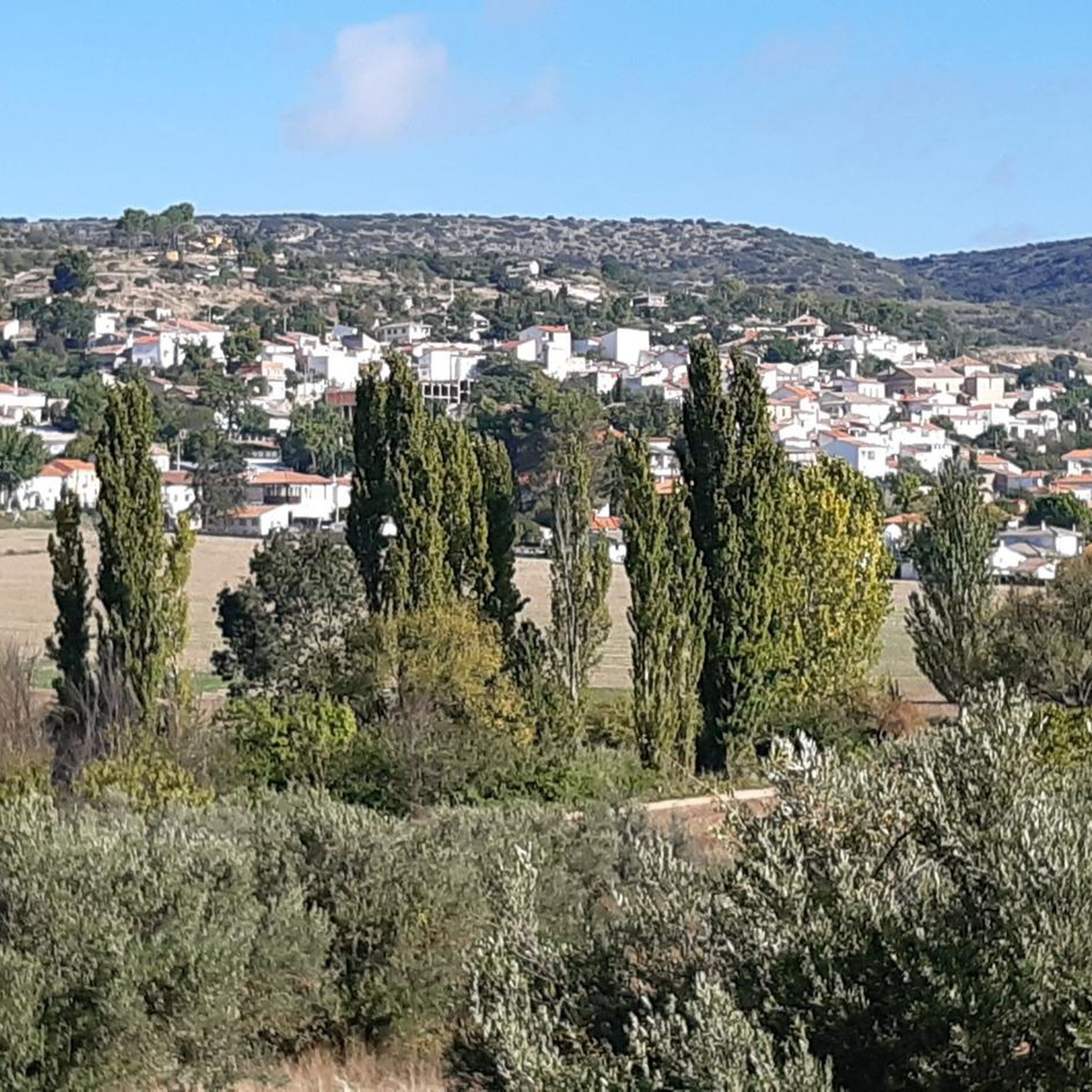
MTB Trails around Olmeda De Las Fuentes
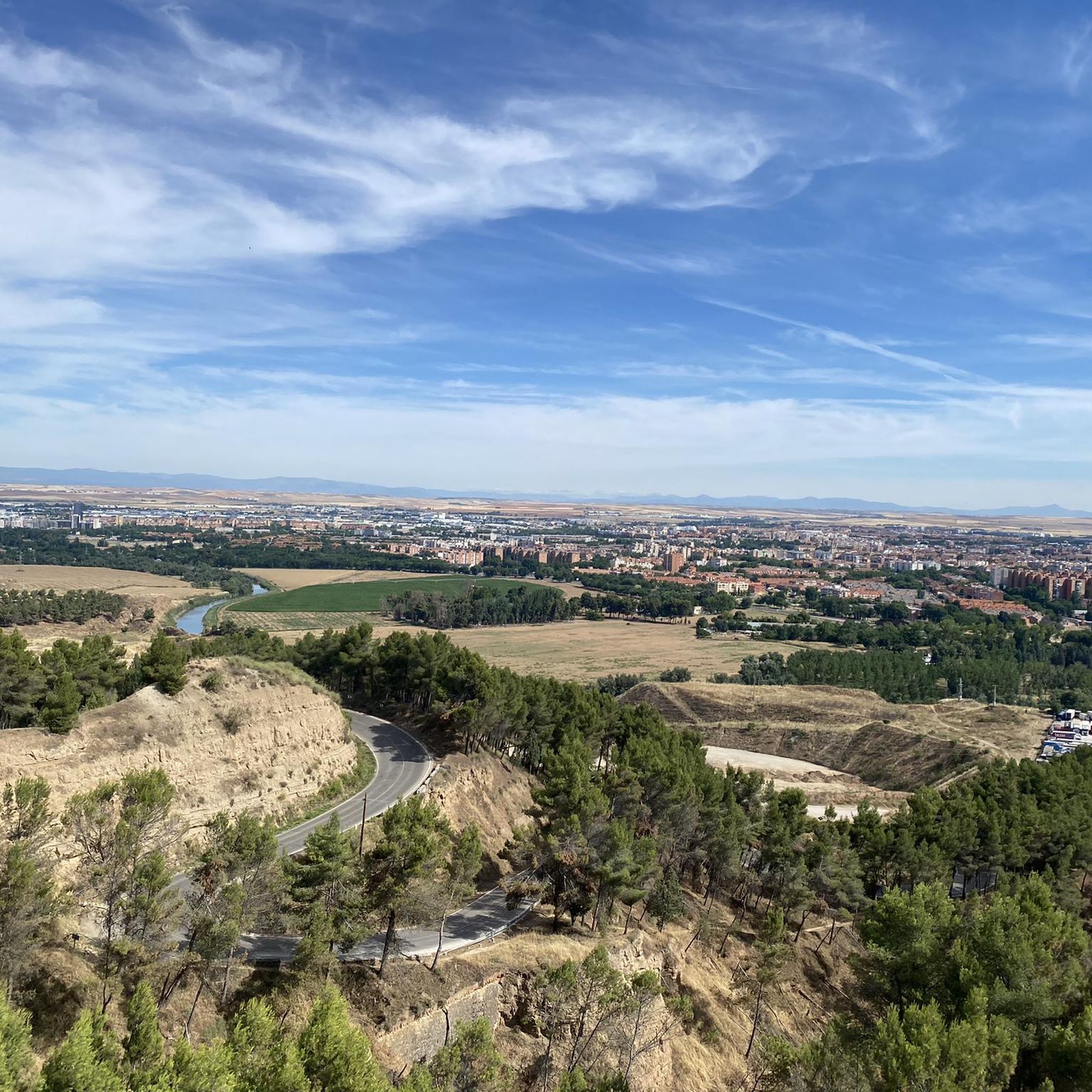
MTB Trails around Alcalá De Henares
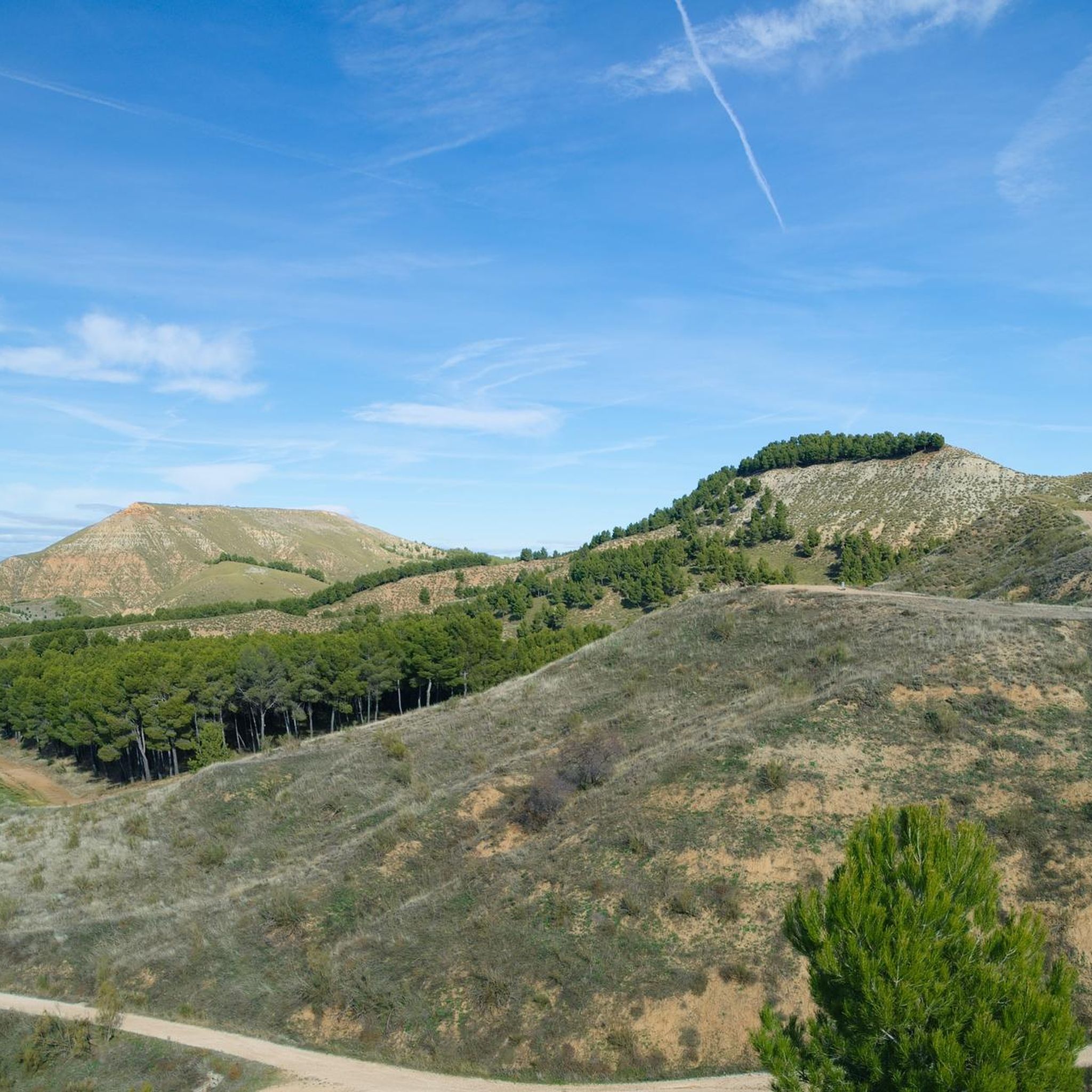
MTB Trails in Parque Natural Los Cerros
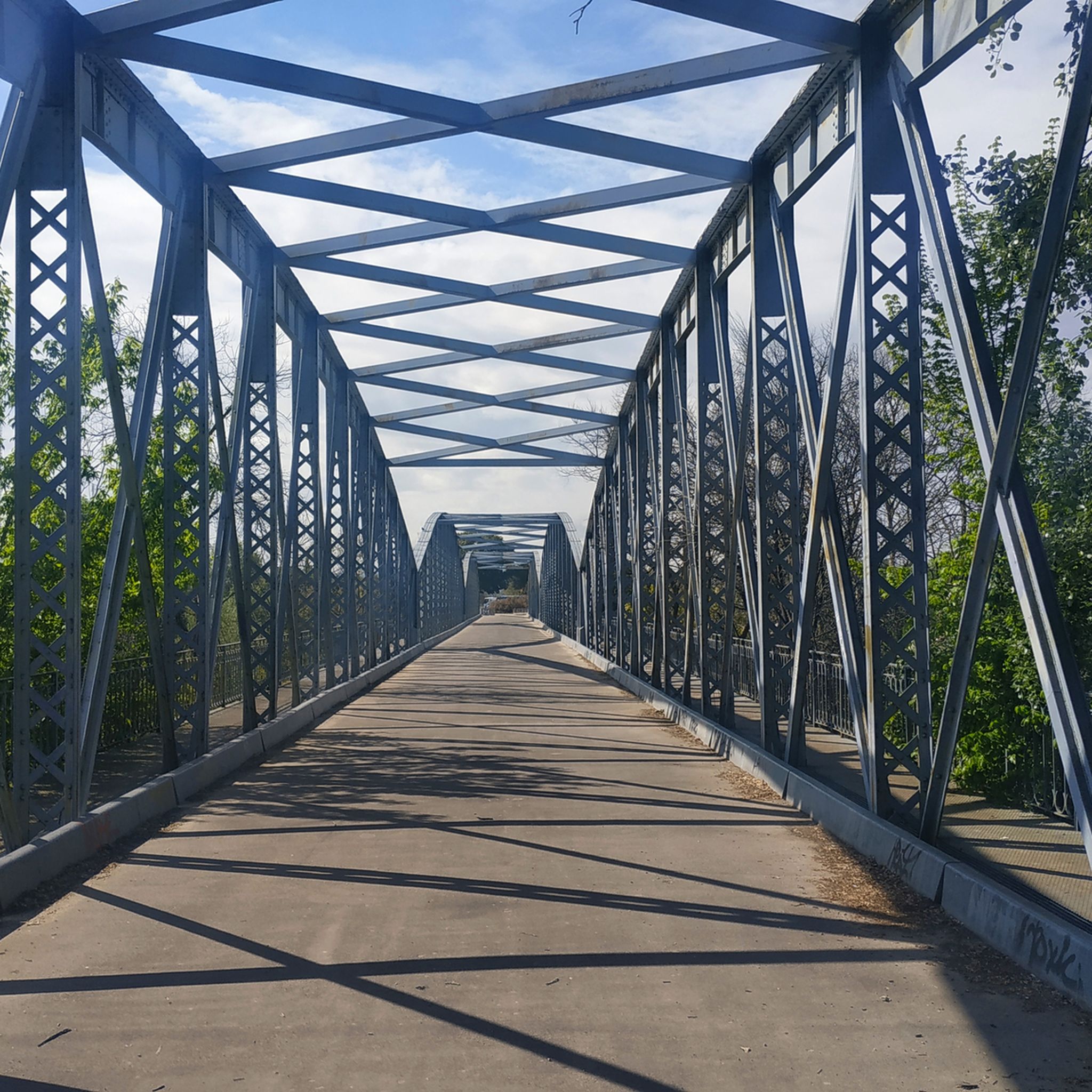
MTB Trails around Arganda Del Rey
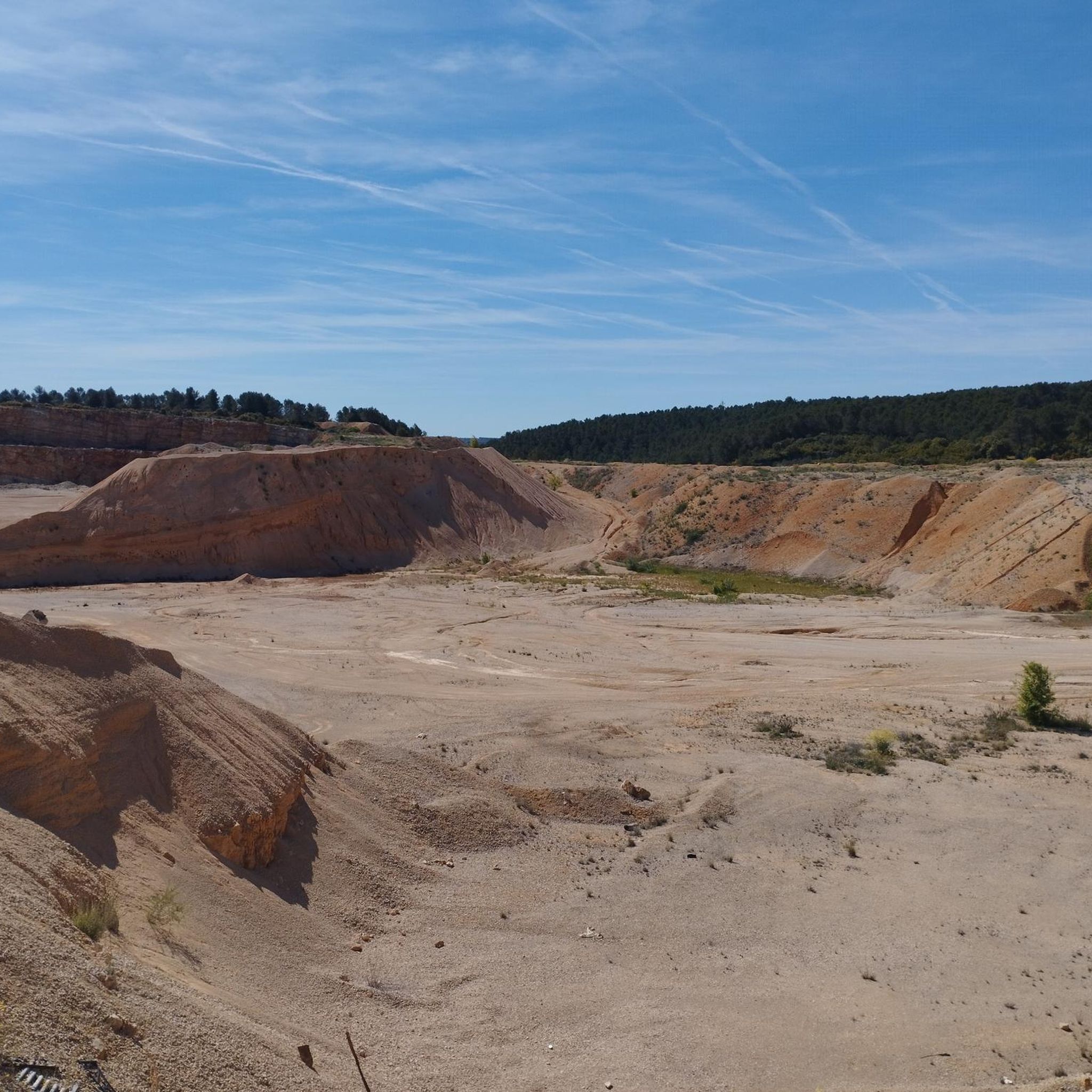
MTB Trails around Villar Del Olmo
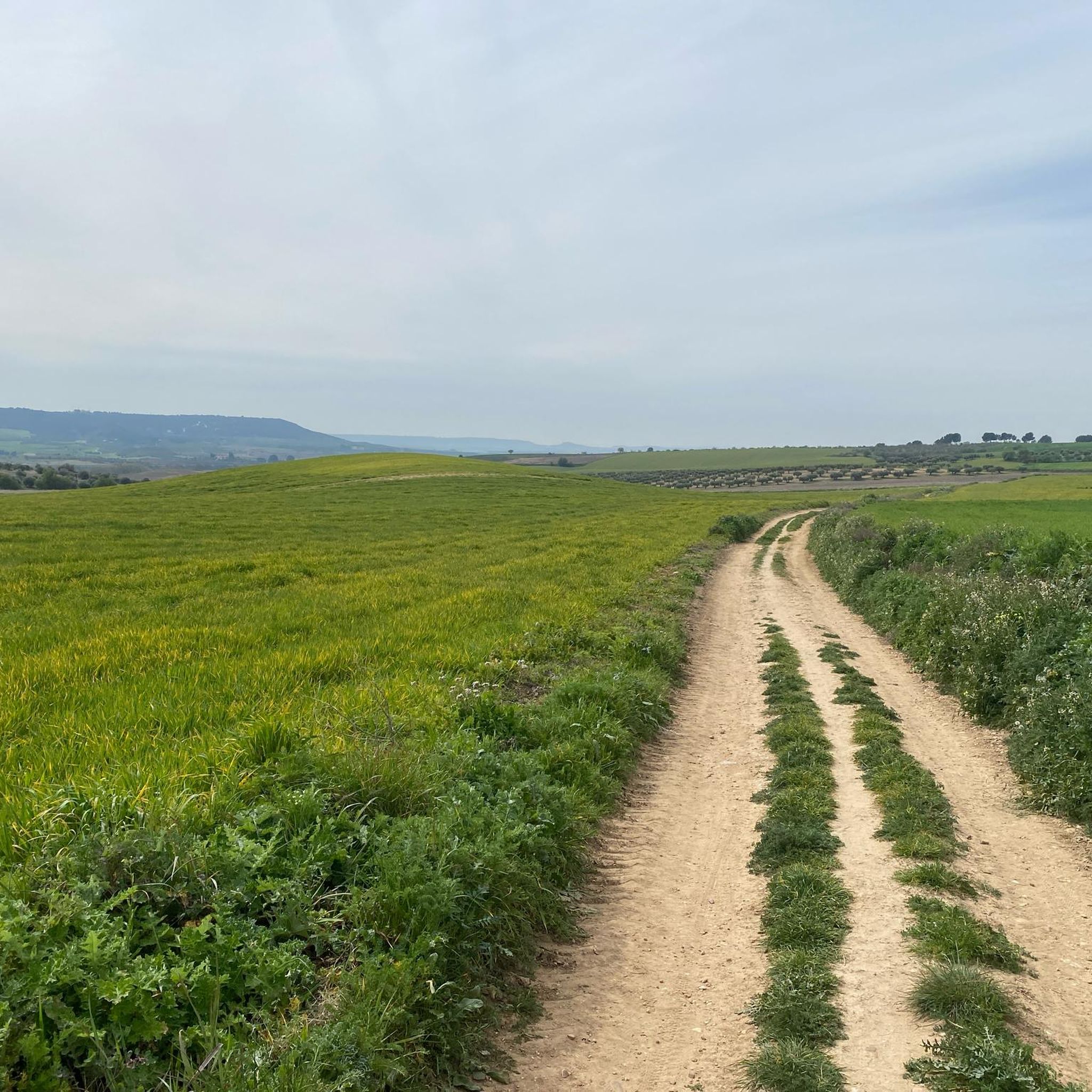
MTB Trails around Anchuelo
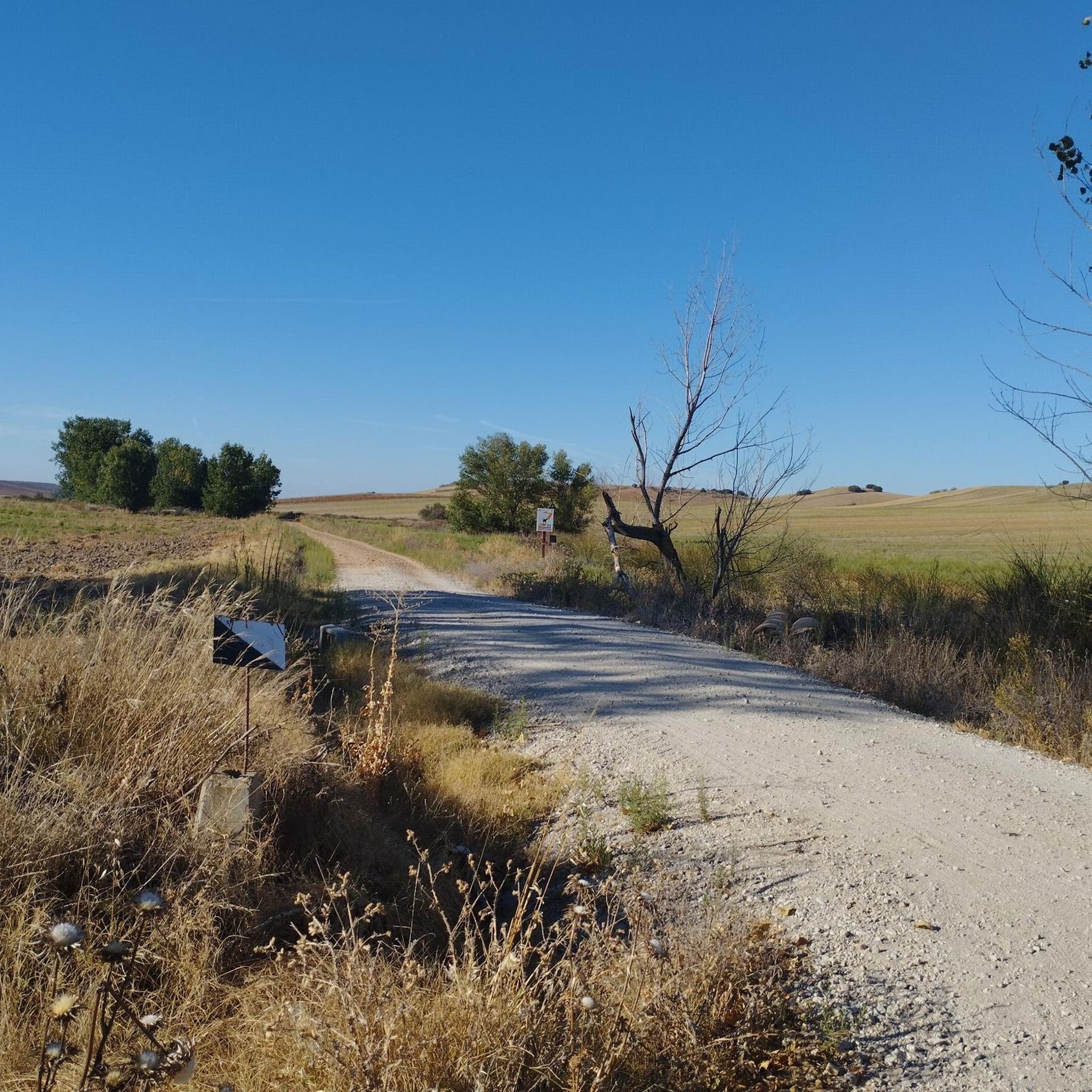
MTB Trails around Daganzo De Arriba
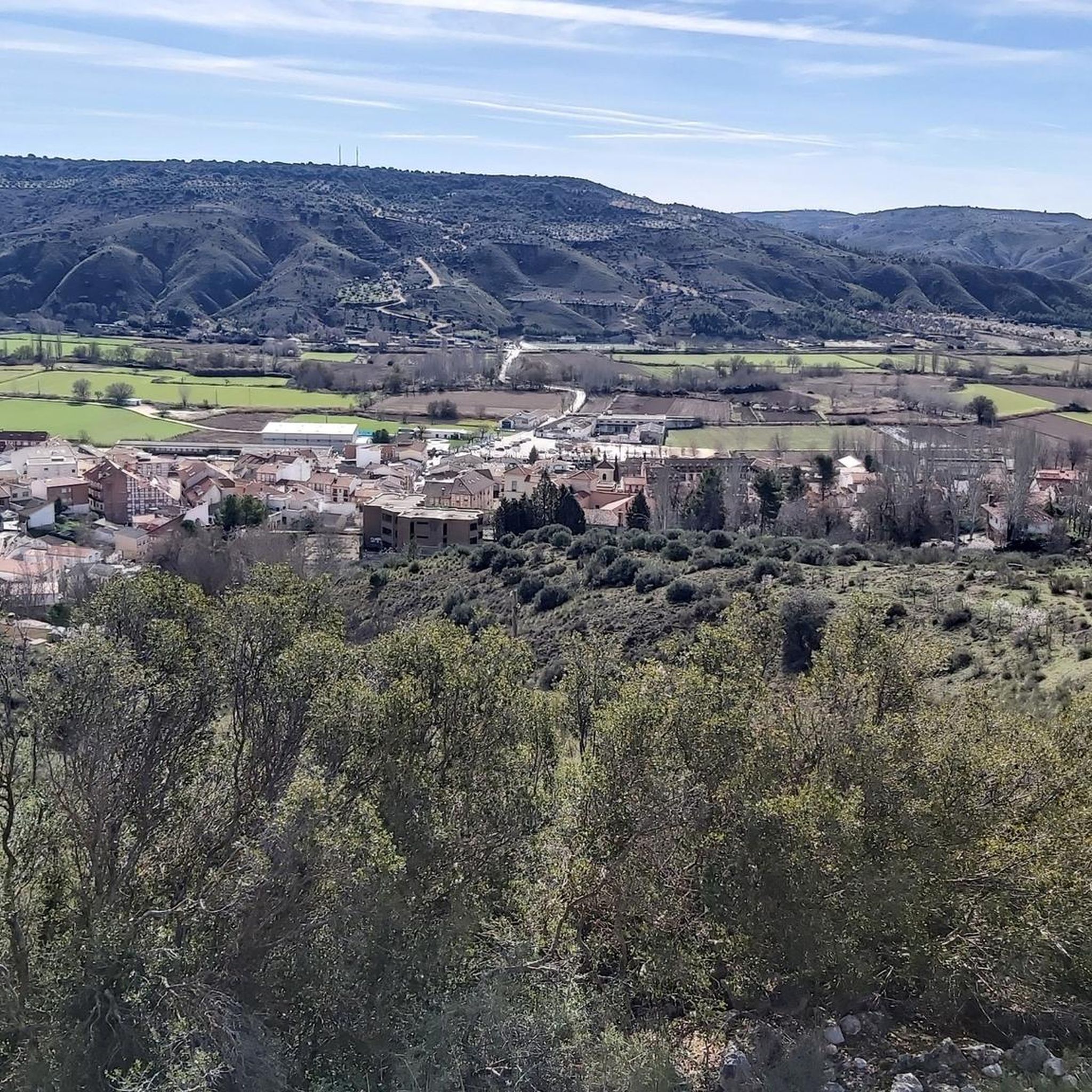
MTB Trails around Valdilecha
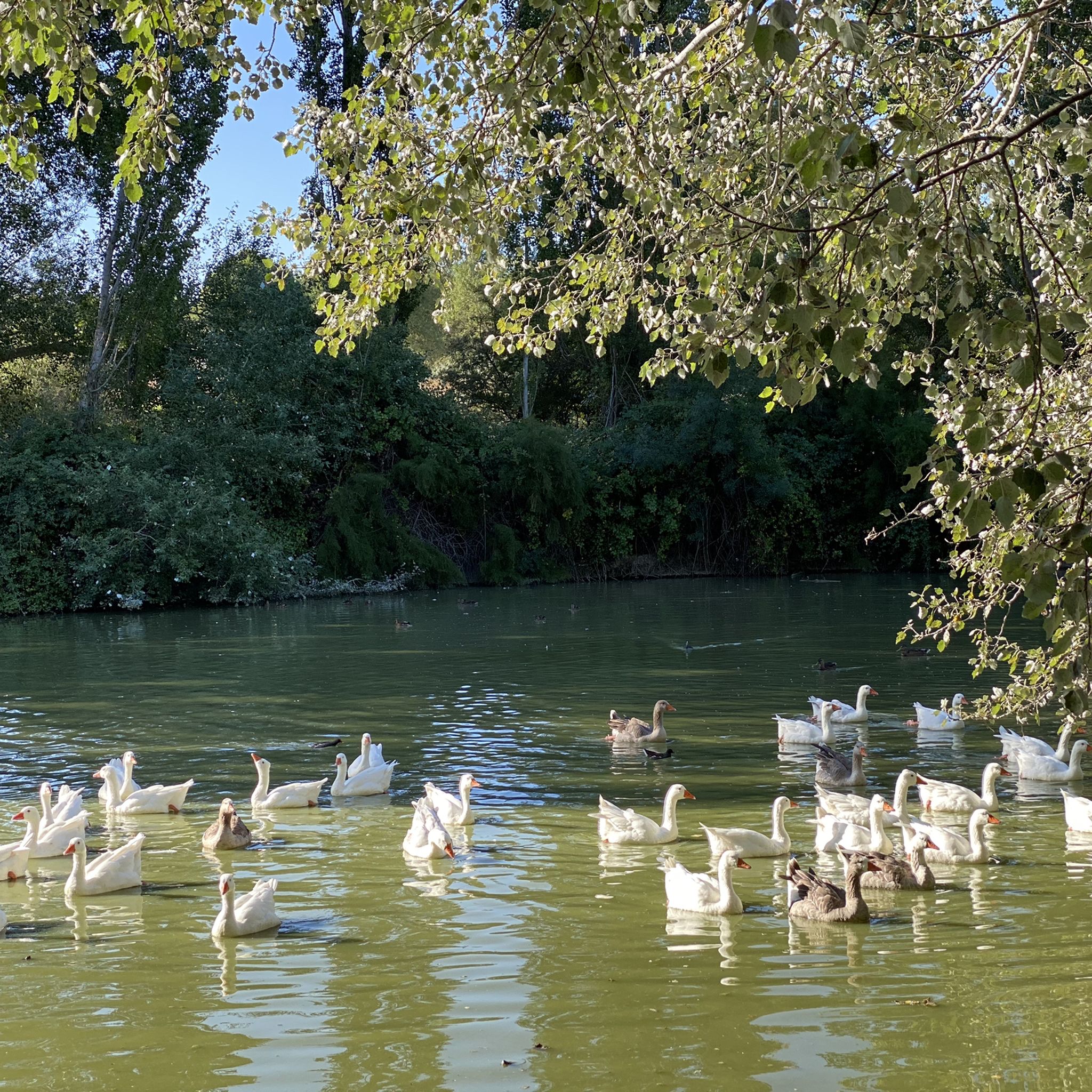
MTB Trails around Algete
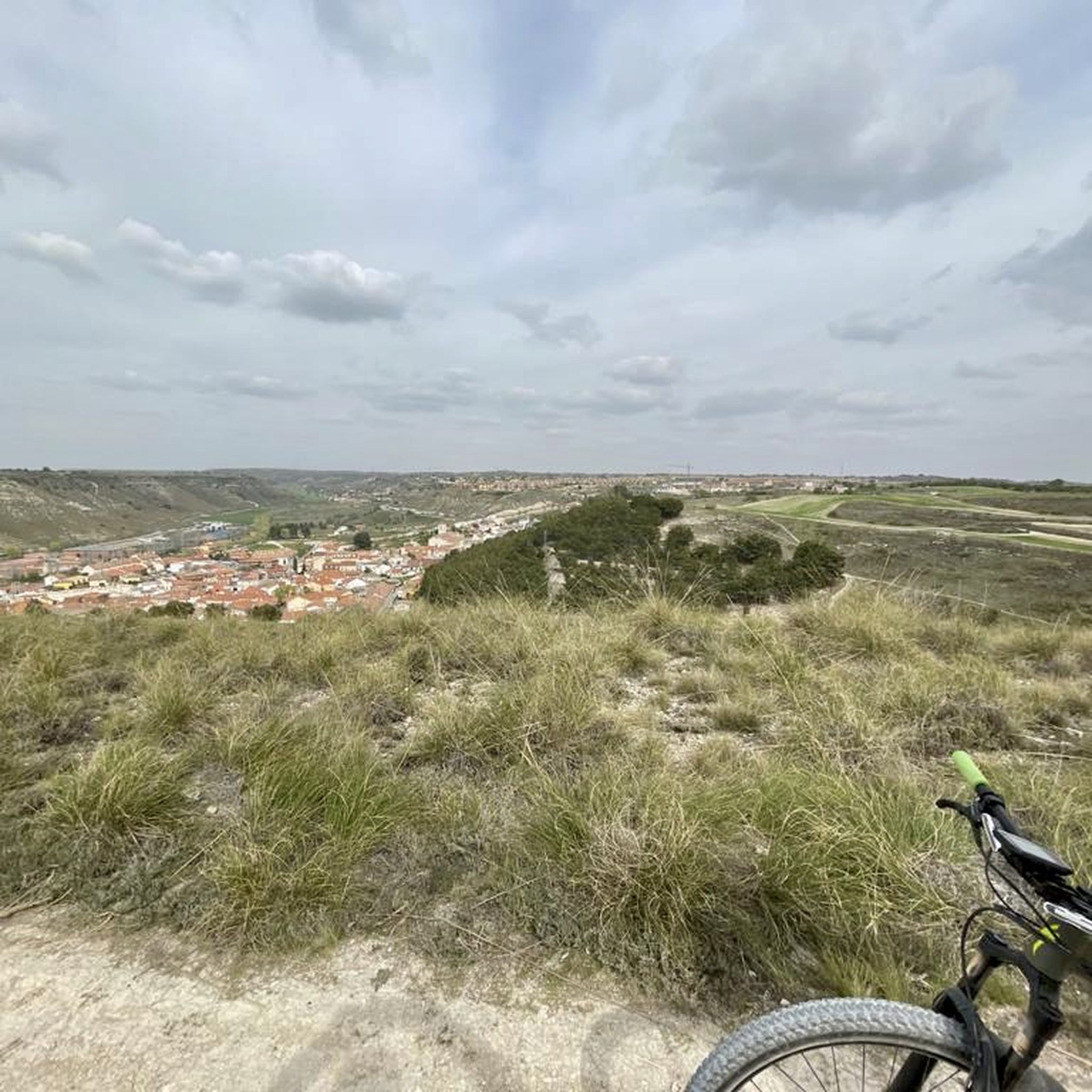
MTB Trails around Villalbilla
Other adventures around Campiña


Tips from the Community

The landscapes from Ambite to Mondejar are worth seeing.
0
0

The beautiful Fuente del Arca (Ark Fountain) is one of the historic springs of the Tajuña Valley. It lies along the Cordel de las Merinas, a notable drove road used during the transhumance era, and for centuries it was one of the main sources of drinking water for the town of Ambite. The basin itself is a small water garden, nestled in a pleasant setting of poplars, fig trees, willows, elms, and plants associated with springs, such as the maidenhair fern, a fern unique to the region.
0
0

This lagoon is artificial, created from the extraction of aggregates in the Jarama River basin during the 1960s and 1970s. It is an ideal place to enjoy nature, hike, or cycle. The lagoon's perimeter measures approximately 5.5 km, and its average depth is 6 meters, although in some areas it can reach 20 meters. It also has a natural resources interpretation center that organizes workshops and educational activities.
2
0
The Campillo Lagoon is located in Rivas Vaciamadrid, within the Southeast Regional Park, about 20 km from Madrid. It is a protected natural area, ideal for peaceful walks and outdoor activities. Origin: Artificial, formed in the 1960s and 70s after the extraction of aggregates in the Jarama River basin. Water from the aquifer filled the excavations and over time became a wetland with great biodiversity.
3
0
The Old Cornicabra Station is a site steeped in railway history located in Morata de Tajuña, in the Community of Madrid. Cornicabra Station was a railway siding that formed part of the Tajuña Railway, a narrow-gauge line connecting Madrid with the Tajuña Valley and the Alcarria region. This railway was crucial for the transport of goods and people in the area during the 20th century. Today, the station is disused, but it is located next to the Tajuña River Greenway, a natural and tourist route that utilizes the old railway line. It is an interesting place for: Walking or cycling Photographing industrial heritage Connecting with nature and local history
1
0
The Old Cornicabra Station is a site steeped in railway history located in Morata de Tajuña, in the Community of Madrid. Cornicabra Station was a railway siding that formed part of the Tajuña Railway, a narrow-gauge line connecting Madrid with the Tajuña Valley and the Alcarria region. This railway was crucial for the transport of goods and people in the area during the 20th century. Today, the station is disused, but it is located next to the Tajuña River Greenway, a natural and tourist route that utilizes the old railway line. It is an interesting place for: Walking or cycling Photography of industrial heritage Connecting with nature and local history
1
0

A spring surrounded by olive trees, which in past centuries supplied the Convent of the Angels and later the town. A natural setting steeped in history. Fresh, drinkable water.
1
0

The unique urban style of Nuevo Baztán maintains the original Baroque model from the beginning of the 18th century, designed by José de Churriguera by order of Juan de Goyeneche, who had permission from Charles II to build glass, paper and textile factories on Spanish territory. The Navarrese businessman was originally from Arizkun, in the Baztán Valley, but spent time in Madrid because he had other properties and professional relations with the Court. He chose the site of Madrid's Alcarria to found an industrial and rural centre in honour of his homeland and commissioned the Madrid architect to build a glass factory, a farming village of half a thousand inhabitants, a palace, a monumental church and gardens with centuries-old pines and elms. The town preserves cobbled streets, stone squares, rural buildings from the time of its foundation, between 1709 and 1713, and palace gardens, a beautiful heritage complex declared a Historic-Artistic Monument in 1941 and a Site of Cultural Interest in 2000.
0
0
Frequently Asked Questions
How many mountain bike trails are available in Campiña?
There are over 570 mountain bike trails in the Campiña region, catering to various skill levels. You'll find a wide selection, including over 120 easy routes, nearly 390 moderate options, and around 60 more challenging trails.
What kind of terrain can I expect on mountain bike trails in Campiña?
The Campiña region, particularly around Madrid, is characterized by rolling countryside and extensive cultivated fields, including olive groves and cereal fields. Many routes utilize "Vías Verdes" (former railway lines), offering accessible paths. You'll also encounter pockets of Mediterranean vegetation and riverine ecosystems, such as those along the Guadajoz, adding ecological diversity to the terrain.
Are there any easy mountain bike trails suitable for beginners in Campiña?
Yes, Campiña offers over 120 easy mountain bike routes. These trails typically feature gentle gradients through open countryside, making them ideal for a relaxed ride or for those new to mountain biking. For example, the Camino de la Pica and Camino del Arca Loop is an easy 15 km path that offers a pleasant experience.
Are there any circular mountain bike routes in Campiña?
Yes, many mountain bike routes in Campiña are circular, allowing you to start and end at the same point. A notable example is the Lagunas y Río Torote – circular desde Daganzo de Arriba, which is a moderate 49.2 km trail. Another option is the Arganda del Rey - Perales de Tajuña loop, a moderate 47.2 km route.
What do other mountain bikers say about the trails in Campiña?
The mountain bike routes in Campiña are highly rated by the komoot community, with an average score of 4.5 stars from over 900 reviews. More than 8,700 mountain bikers have used komoot to explore Campiña's varied terrain, often praising the diverse landscapes and well-maintained paths.
Are there any historical or natural landmarks to see along the mountain bike trails in Campiña?
Yes, the Campiña region offers several interesting landmarks. You can explore natural features like the Valhondo Valley or the Geological Landscape of the Valdemembrillo Stream. The region also features significant natural monuments such as the Fuente Grande de Corpa and the Encina de la Pica.
What is the best time of year for mountain biking in Campiña?
The Campiña region is particularly vibrant in spring, when the agricultural fields of olive groves, sunflowers, and cereals create a picturesque and ever-changing landscape. This season generally offers pleasant temperatures for riding. While some trails in other Campiña regions can become very muddy when wet, the Vías Verdes in the Madrid area provide more stable surfaces, making them suitable for most dry conditions.
Are there any trails that follow old railway lines in Campiña?
Yes, the Campiña region is known for its "Vías Verdes" (greenways), which are former railway lines converted into nature trails. These provide accessible and generally flatter paths suitable for cycling. An example of a route incorporating such a path is the Tajuña and 40 Days Train Greenway Loop.
Can I find trails that pass through forests or natural parks in Campiña?
While Campiña is largely characterized by open agricultural landscapes, you can find routes that pass through pockets of natural vegetation. For instance, the Camino de los Tarayes – Tabla Pintora Pine Forest loop from Alcalá de Henares offers sections through forested areas. Additionally, the Los Cerros Forest Park is a notable natural area in the vicinity.
Are there any longer mountain bike routes for experienced riders in Campiña?
Yes, for experienced riders looking for longer distances, Campiña offers several moderate to difficult routes. The Lagunas y Río Torote – circular desde Daganzo de Arriba covers 49.2 km, and the Campillo Lagoon – Rivas Ridges loop from Arganda del Rey is another substantial option at 46.8 km, both offering a good challenge.
What kind of wildlife might I encounter while mountain biking in Campiña?
The diverse landscapes of Campiña support various wildlife. In areas with Mediterranean vegetation, you might spot local wildlife like foxes and Egyptian mongooses. The open, treeless steppe landscapes are also home to a variety of bird species, including crested larks, wheatears, and Montagu's harriers.
Most popular routes around Campiña
Most popular attractions around Campiña

Get inspired with the komoot mobile app


Didn’t find what you were looking for?
Check out more MTB trails throughout Campiña below and find the perfect route in your destination.
Explore more
Browse the best MTB trails in other regions.
