Top 14 Castles around Agullana
Best castles around Agullana are situated in a region known for its mountainous terrain and historical significance, though traditional castles are not directly within the municipality itself. The area features a blend of natural landscapes and cultural sites, including Romanesque churches and megalithic complexes. While Agullana offers other historical attractions, the broader region provides access to various fortified structures.
Best castles around Agullana
- The most popular castles is Church of Sant Llorenç de la Muga, a religious building with…
Last updated: July 4, 2026
Church of Sant Llorenç de la Muga
Highlight • Religious Site
santllorencdelamuga.cat/ca/Sant Llorenç de la Muga is located in the high Muga valley, in an area also known as the mountain Empordà or the Garrotxa d'Empordà due to its mountainous terrain.
Translated by Google •
Tip by

Fort de Bellegarde
Highlight • Viewpoint
The main purpose of the Fort de Bellegarde was to control and protect the strategic passage through the Pyrenees between France and Spain. For centuries, this region was disputed …
Translated by Google •
Tip by
Sign up now to discover places like this
Get recommendations on the best single tracks, peaks, & plenty of other exciting outdoor places.
Sign up for free
Panissars Ruins
Highlight • Historical Site
If the site retains such strong historical interest, it is because General Pompey had his trophy built …
Translated by Google •
Tip by

Castell de Requesens
Highlight • Castle
Translated by Google •
Tip by

Church of Sant Esteve
Highlight • Religious Site
Translated by Google •
Tip by
Sign up for free to discover even more castles around Agullana.
Sign up for free
Already have an account?
Start today with a free account
Your next adventure awaits.
Login or Signup

Tips from the Community

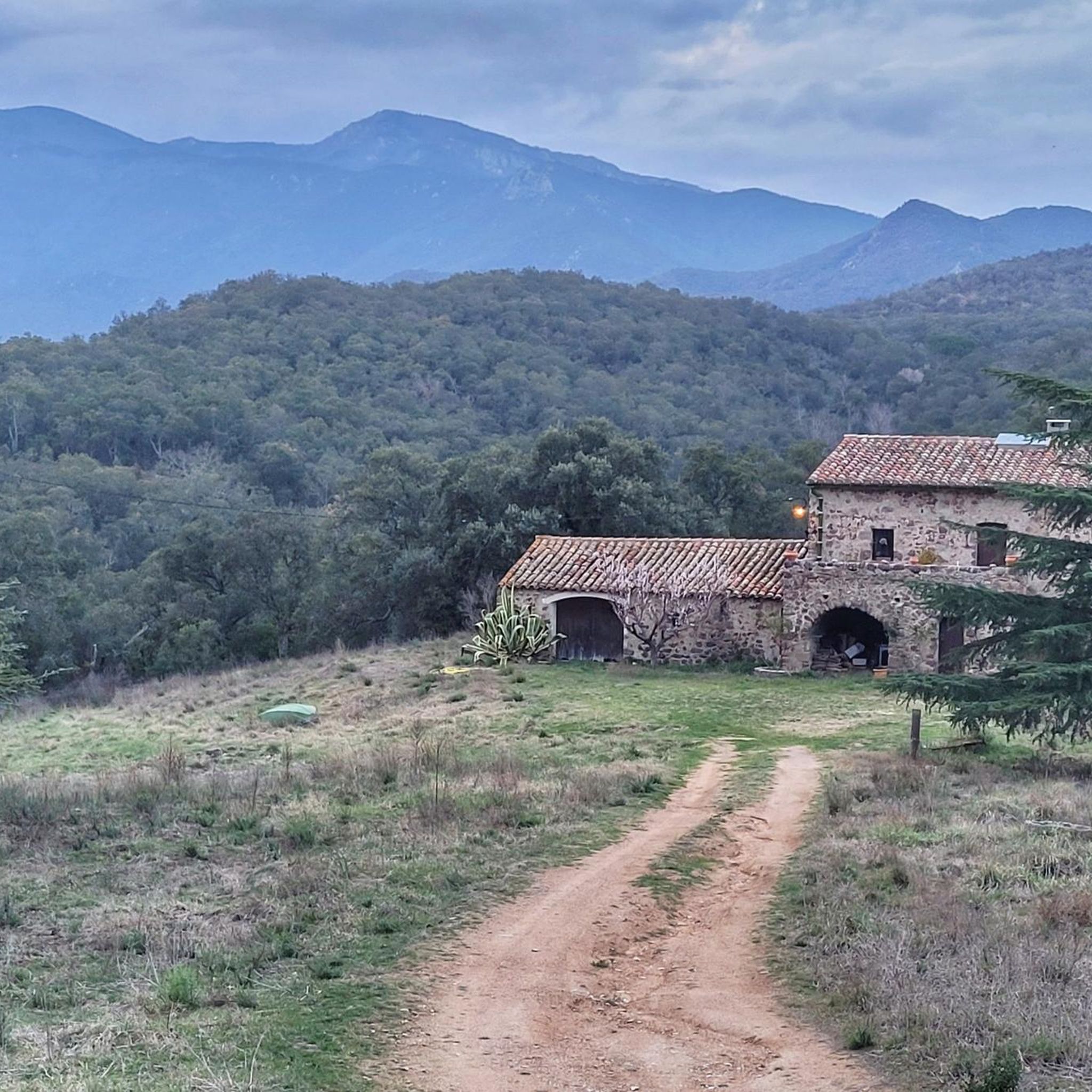
Cantallops is built around the 11th century Castle and Church of Sant Esteve.
0
0

Requesens Castle is an old fortress in this region of Alt Empordà. It is a medieval building that was built in the 11th and 12th centuries.
13
0

Sant Llorenc de la muga is considered one of the most beautiful towns in Catalonia and is always worth a visit!
0
0

Throughout its history, Fort de Bellegarde was the scene of numerous conflicts and battles, including the wars between France and Spain, as well as the Napoleonic Wars. However, over time and with changes in political and military circumstances, its strategic importance diminished. Today, Fort de Bellegarde is a historic and tourist site. Visitors can explore its imposing walls, towers and passageways, and learn about its fascinating history through exhibits and guided tours. The fortress offers stunning views of the surrounding landscape and remains a tangible reminder of the importance of border defence in European history.
1
0
@Marcus. It's very sad that you resort to editing and cropping photos that were not taken by you and pretending that you had been there in order to get points and become the leader of a region (Ceret).
0
0
Fanatical medieval village Where you will lose track Of time ⏲️ This town and its surroundings are so beautiful that you will surely fall in love with it 😍
0
0

Only open on weekends and only with a guided tour: 11:30 Catalan, 12:00 Spanish.
2
0
https://www.youtube.com/watch?v=eBmJM3O0kxk Do you want to take a trip through time? The guided tour of Requesens Castle will transport you to medieval times and, from the top of the hill where it is located, you will contemplate spectacular views of the Albera plain. On the way down, after the visit to the Castle, you can combine the experience with a walk among the vineyards and any of the lunch options we offer at Masia Serra. To enjoy a visit to Requesens Castle, it is essential to combine it with a lunch at Masia Serra, either à la carte or with any of the menus we offer. https://masiaserra.com/experiences-i-emocions/visita-guiada-al-castell-de-requesens/
7
0
Frequently Asked Questions
What kind of historical fortifications can I expect to find around Agullana?
While Agullana itself is known for Romanesque churches and megalithic sites, the broader region features a variety of historical fortifications. You'll discover medieval castles like Castell de Requesens, strategic forts such as Fort de Bellegarde, and fortified religious buildings like the Church of Sant Llorenç de la Muga, which preserves a medieval walled enclosure.
Are there any historical sites or castles directly within Agullana?
Agullana itself does not host traditional castles. However, the municipality is rich in other historical attractions, including the 11th-12th century Church of Santa Maria d'Agullana, the Romanesque hermitage of Santa Eugènia d'Agullana, and an important megalithic complex with dolmens and menhirs. For a historic noble residence with a medieval past, the Casa Agullana is located in nearby Girona.
Which castles are considered must-visit attractions near Agullana?
Among the most popular and historically significant sites are the Church of Sant Llorenç de la Muga, known for its well-preserved medieval walled enclosure, Fort de Bellegarde, a strategic fortress with commanding views, and the 11th-century Castell de Requesens, rebuilt to respect its original medieval appearance.
Can I find castles with good viewpoints in the Agullana area?
Yes, several historical sites offer excellent viewpoints. Fort de Bellegarde, for instance, was strategically built on a hilltop to control the Pyrenees passage, providing complete visual control over the surrounding terrain and access routes. Castell de Requesens also offers views from its hill position in the Sierra de la Albera.
Are there family-friendly options for visiting castles near Agullana?
Many of the historical sites around Agullana are suitable for families. The Church of Sant Llorenç de la Muga, with its medieval walled enclosure and pleasant rural town setting, is categorized as family-friendly. Exploring the grounds of these historical sites and nearby natural areas can be an engaging experience for all ages.
What outdoor activities can I do near these castles?
The region around Agullana is excellent for outdoor enthusiasts. You can find numerous hiking, road cycling, and mountain biking routes. For hiking, consider trails like the 'Las Illas – Manrella Pass loop from la Vajol' or the 'Puig del Faig – Pou de la Neu Pass loop from Las Illas'. For more options, explore the Hiking around Agullana guide.
Are there hiking trails that lead to or past castles?
Yes, many hiking trails in the area incorporate historical sites. For example, the 'Douglas DC-6 Crash Site (1986) – View of Requesens Castle loop from la Jonquera' is a challenging mountain biking route that offers views of Castell de Requesens. You can find more routes and details in the Hiking around Agullana guide.
What is the best time to visit the castles and historical sites around Agullana?
The region generally enjoys a Mediterranean climate. Spring and autumn offer pleasant temperatures for exploring the outdoor historical sites and engaging in activities like hiking or cycling. Summers can be hot, while winters are milder but some facilities might have reduced hours. Checking local weather forecasts before your visit is always recommended.
Are there any lesser-known historical ruins or 'hidden gems' to explore?
Beyond the main attractions, the Panissars Ruins offer a glimpse into an ancient village and the remains of Pompey's Trophy, marking an old border between Gaul and Hispania. This site provides a unique historical context away from more frequented spots.
What natural features can I see near the castles?
The castles and historical sites are often nestled within beautiful natural landscapes. For instance, Castell de Requesens is situated in the forest of the Sierra de la Albera. The Church of Sant Llorenç de la Muga is located in the high Muga valley, with the La Muga river featuring diverse pools. The area is characterized by mountainous terrain and cork oak forests.
Is there parking available near these historical sites?
Parking availability varies by site. For more remote locations like Castell de Requesens, access might involve driving on unpaved roads and parking in designated areas. For sites within villages, such as the Church of Sant Llorenç de la Muga, village parking is typically available. It's advisable to check specific access details for each location.
What do visitors enjoy most about the castles and historical sites around Agullana?
Visitors appreciate the blend of history and nature. The well-preserved medieval architecture, strategic viewpoints offering panoramic vistas, and the opportunity to explore these sites within a tranquil, mountainous setting are frequently highlighted. The sense of stepping back in time and the quiet rural charm of the surrounding villages also contribute to a memorable experience.
Can I visit the Château d'Aubiry, and what makes it special?
Yes, the Château d'Aubiry is a late 19th-century castle built from locally quarried marble. Commissioned by a wealthy tobacco industrialist, it features 15 rooms, a chapel, a billiard room, and a swimming pool. Its greenhouse was designed by Gustav Eiffel, and it is surrounded by extensive formal French gardens, making it a unique architectural and historical gem in the region.
Most popular routes around Agullana
Most popular attractions around Agullana

Get inspired with the komoot mobile app


Explore more
Looking for the best castles somewhere else? Discover other guides around Agullana:
