The best walks and hikes around Agullana
4.4
(1203)
5,669
hikers
257
hikes
Hiking around Agullana offers access to diverse landscapes within the Alt Empordà region, bordering France. The area encompasses the western Sierra de la Albera and is characterized by mountain passes like Manrella and Pou de la Neu, along with peaks such as Puig del Faig and Roc de Frausa. Many Agullana hiking trails traverse the Franco-Spanish border ridge, providing panoramic views and leading through dense woodlands with ancient trees and megalithic monuments. The proximity to the Salines-Bassegoda Nature Reserve further enhances the natural features available for exploration.
Best hiking trails around Agullana
- The most popular hiking route is Las Illas – Manrella Pass loop from la Vajol, a 6.5 miles (10.5 km) trail that takes 3 hours 14 minutes to complete, offering views near the Manrella Pass.
- Another top favourite among local hikers is Manrella Pass – Las Illas loop from Las Illas, a moderate 6.2 miles (10.0 km) path that explores the border region with varied terrain.
- Local hikers also love the Puig del Faig – Pou de la Neu Pass loop from Las Illas, an 8.4 miles (13.6 km) trail leading through the Sierra de la Albera, often completed in about 5 hours 10 minutes.
- Hiking around Agullana is defined by mountain passes, border ridge trails, and dense woodlands. The network offers options for different ability levels, from moderate loops to more challenging ascents.
- The routes in Agullana are highly rated by the komoot community with an average score of 4.4 stars from over 1000 reviews. More than 5000 hikers have used komoot to explore Agullana's varied terrain.
Last updated: June 28, 2026
4.5
(8)
44
hikers
10.5km
03:14
400m
400m
Moderate hike. Good fitness required. Easily-accessible paths. Suitable for all skill levels.
3.0
(1)
27
hikers
Hard hike. Very good fitness required. Mostly accessible paths. Sure-footedness required.

Sign up for free
4.5
(4)
30
hikers
9.97km
03:04
360m
360m
Moderate hike. Good fitness required. Easily-accessible paths. Suitable for all skill levels.
5.0
(3)
26
hikers
13.6km
05:10
760m
760m
Hard hike. Very good fitness required. Mostly accessible paths. Sure-footedness required.
4.3
(3)
20
hikers
19.8km
07:05
980m
980m
Hard hike. Very good fitness required. Mostly accessible paths. Sure-footedness required.
Get access to more routes and recommendations from other explorers.
Sign up for free
Already have an account?
Our route recommendations are based on thousands of hikes, rides, and runs completed by other people on komoot.
Start today with a free account
Your next adventure awaits.
Login or Signup

Tips from the Community

This pass was important as a passage between regions, especially in activities such as transhumance or the transport of goods. The snow wells that give the place its name were also key elements in the economy of the mountainous areas. The term "Pou de la Neu" refers to the snow or ice wells that were traditionally used to store snow during the winter. These structures, dug into the ground or built with stones, served to preserve ice that was later transported to the lower areas for use in food, medicine or food preservation.
1
0

Monument in memory of Luis Company, 1st President of the Generalitat of Catalonia, arrested by Vichy troops and given to the Francoists who executed him.
1
0

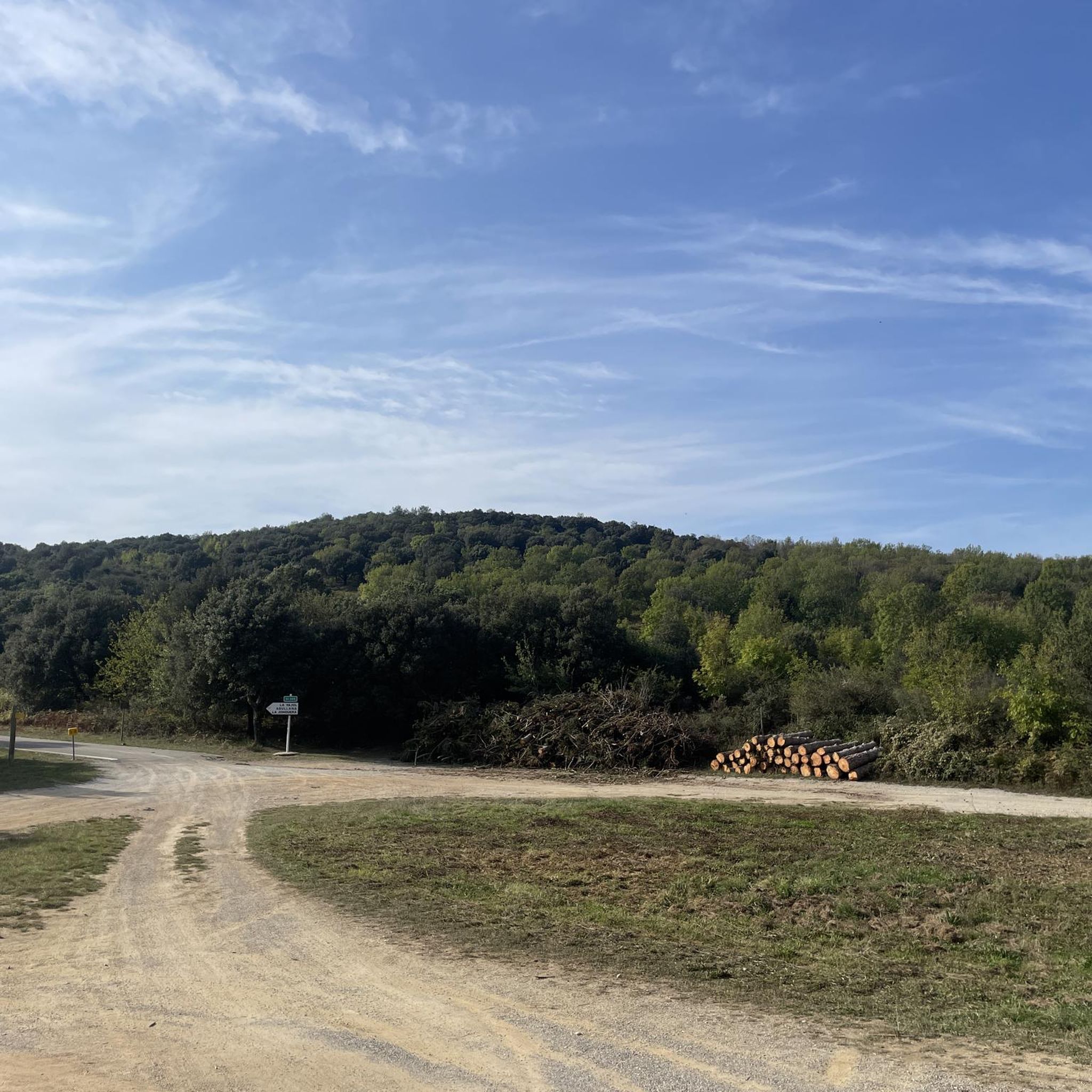
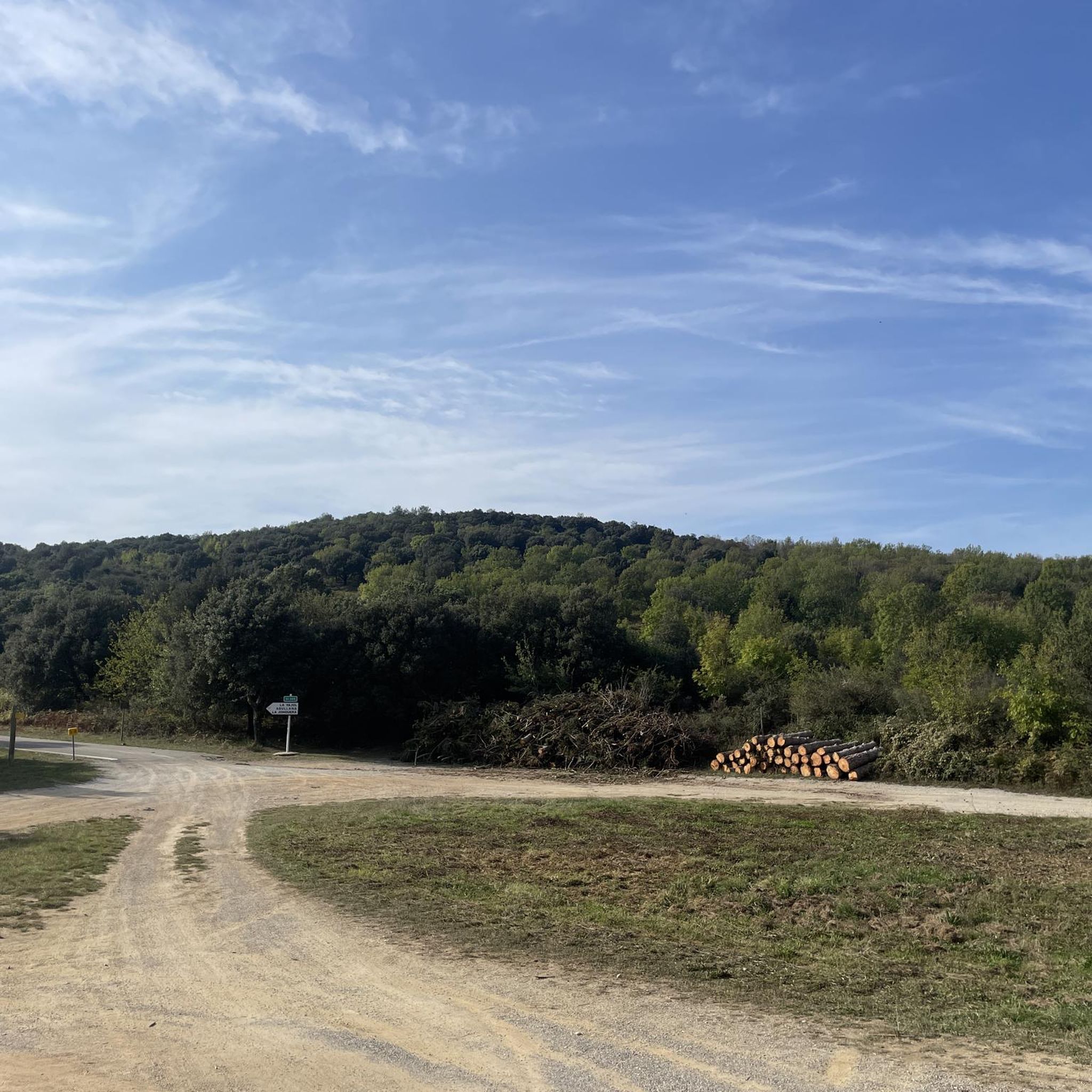
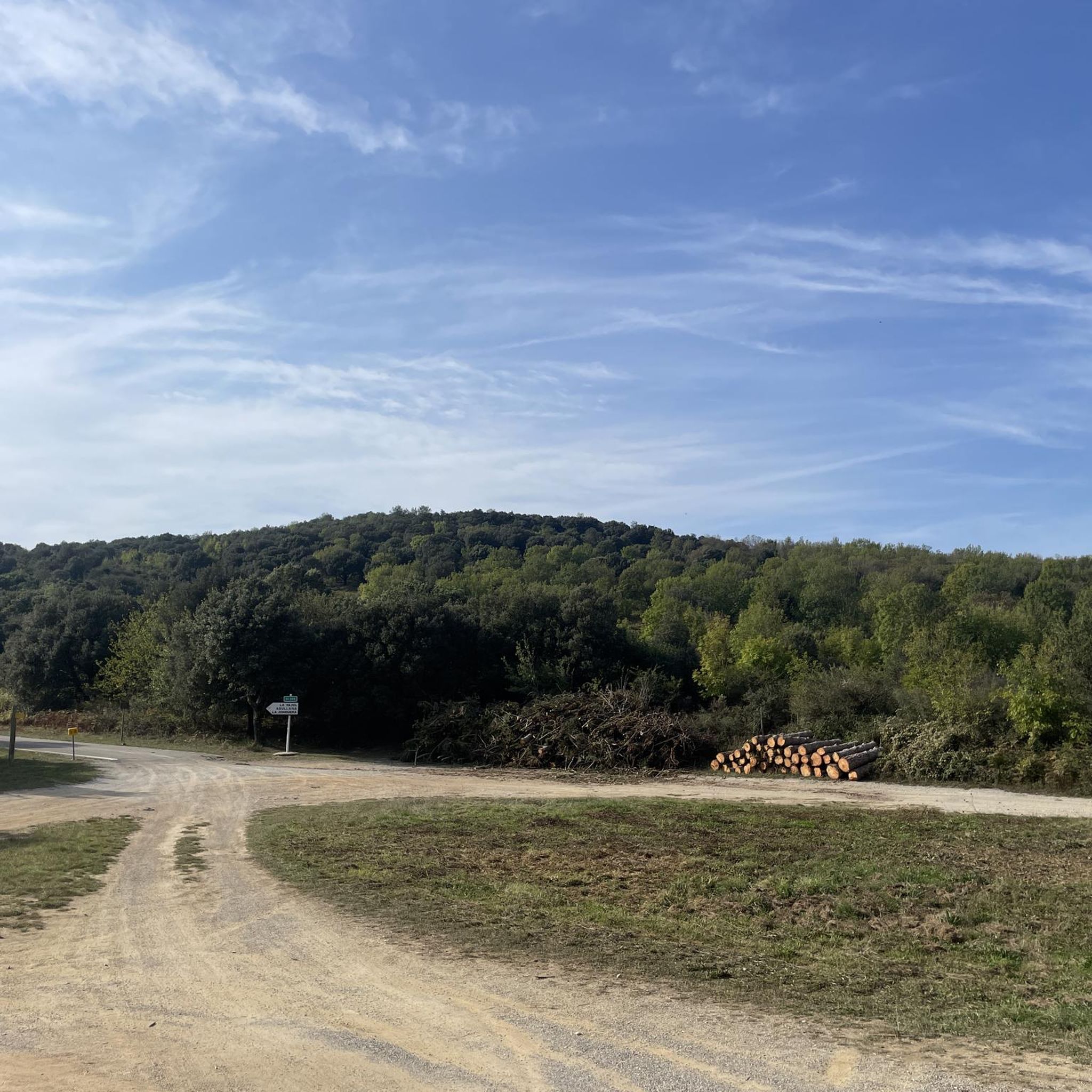
A few trees provide shade and a flat area invites you to take a break.
0
0

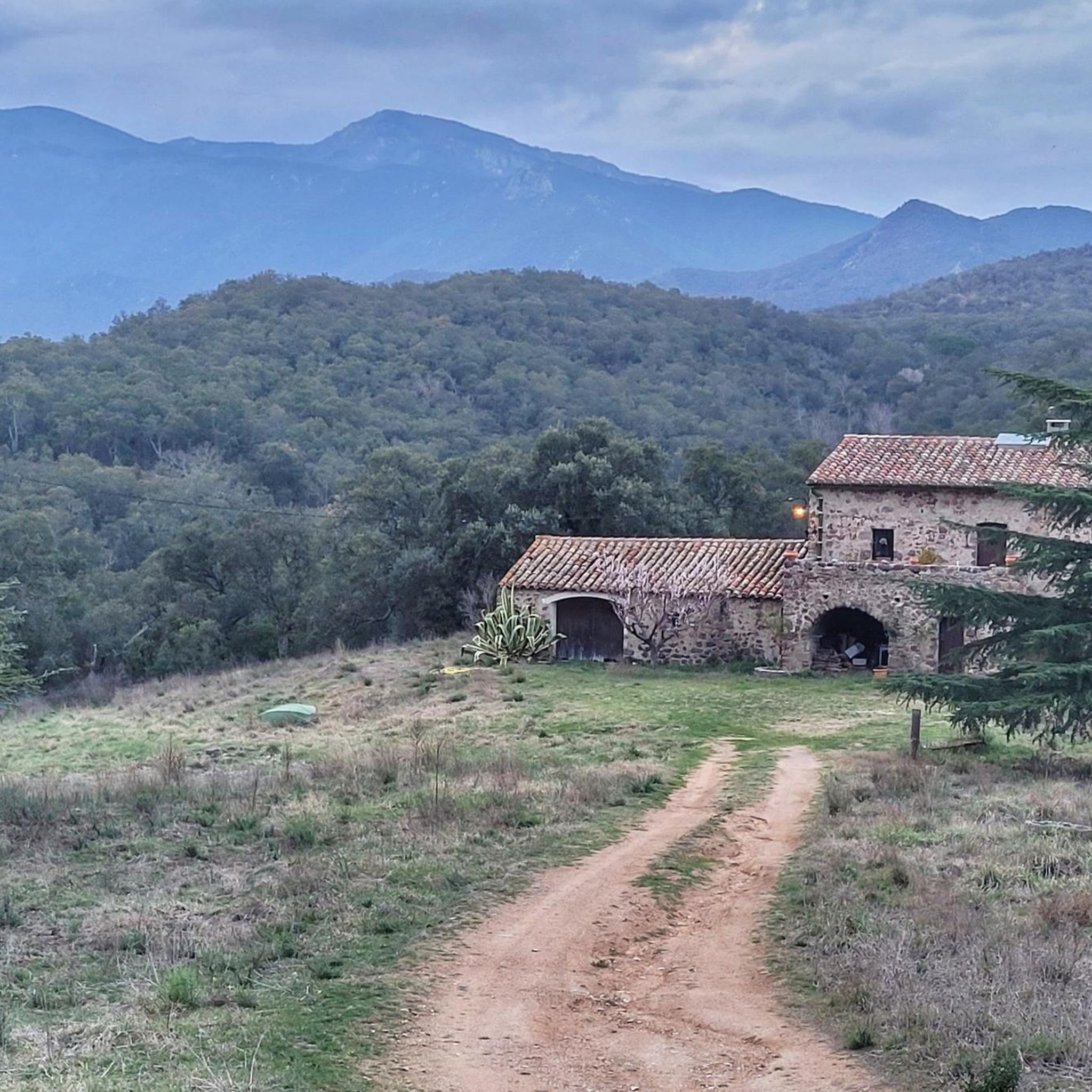
Las Illas is the ideal stopover for hikers. There you will find a good little restaurant with a charming terrace, accommodation and a wooded bivouac area, in the village.
0
0
This hiking pass is a real hub of hiking trails that go to both France and Spain. The views there are magnificent.
3
1
This summit follows the ridge line which forms the Franco-Spanish border. To get there, you cross the imaginary line that separates the two countries and you leave the GR 10 for a few hundred meters. It is characterized by impressive rock formations.
1
0
This rocky promontory, also called Roc de France, is part of a series of “rocks” which crown the Salines massif. Together they form part of the Franco-Spanish border.
0
0

This monument was built by the Events Committee in memory of ex-president Companys to remember his crossing into exile in January 1939. It was unveiled in 1981 in Coll de la Manrella, just on the border with France. Every year on 15th October, the date Lluís Companys was shot in Montjuïc in 1940, an homage is celebrated.
0
0
Frequently Asked Questions
How many hiking trails are available in Agullana?
Agullana offers a wide variety of hiking experiences, with over 250 routes available. These range from easy strolls to challenging mountain ascents, catering to different fitness levels and preferences.
What kind of terrain can I expect on hikes around Agullana?
The terrain around Agullana is quite diverse, encompassing the western part of the Sierra de la Albera. You'll find mountain passes, border ridge trails offering panoramic views, and dense woodlands featuring ancient cork oak and chestnut trees. Many routes also traverse the Franco-Spanish border, adding to the unique landscape.
Are there options for beginner hikers in Agullana?
Yes, Agullana has options suitable for beginners. There are over 60 easy routes available. For a moderate introduction, consider the Manrella Pass – Las Illas loop from Las Illas, which explores the border region with varied terrain over about 10 km.
What natural features or landmarks can I see while hiking in Agullana?
Hikers can discover a wealth of natural and historical features. You might encounter significant mountain passes like Pou de la Neu Pass and Manrella Pass, historical snow wells, and impressive megalithic monuments such as Menhir Quer Afumat I. The region is also known for its ancient woodlands, including monumental cork oak trees.
Are there any historical sites to explore on the trails?
Absolutely. The region is rich in history. You can visit the Cabrera Castle, a notable attraction along some routes, or the Ermita de Santa Llúcia, which offers rewarding views after an ascent. The Coll de Manrella also features a monument in memory of Luis Company, the 1st President of the Generalitat of Catalonia.
Can I find trails that offer panoramic views?
Many hiking routes in and around Agullana traverse the Franco-Spanish border ridge, providing spectacular panoramic views of both French and Spanish territories. Peaks like Puig del Faig and Roc de Frausa also offer unique perspectives of the Pyrenees and the surrounding landscapes.
Are there any circular hiking routes in Agullana?
Yes, many routes in Agullana are circular. A popular option is the Las Illas – Manrella Pass loop from la Vajol, a moderate 10.5 km trail that takes just over 3 hours to complete, offering views near the Manrella Pass.
Are there any challenging hikes for experienced trekkers?
For experienced hikers, Agullana offers over 40 difficult routes. A demanding option is the Cabrera Castle – Refugi Les Salines loop from la Vajol, a 20.5 km trail with over 1000 meters of elevation gain, requiring very good fitness and sure-footedness.
What do other hikers say about the trails in Agullana?
The trails in Agullana are highly rated by the komoot community, with an average score of 4.4 stars from over 1000 reviews. Hikers often praise the diverse landscapes, the well-maintained paths, and the unique experience of traversing the border region.
Is Agullana suitable for family-friendly hikes?
Yes, Agullana offers several trails suitable for families, particularly among its 63 easy routes. These trails often feature less elevation gain and shorter distances, allowing for an enjoyable outdoor experience for all ages.
Are dogs allowed on the hiking trails in Agullana?
While many trails in the region are dog-friendly, it's always recommended to check specific regulations, especially within the Salines-Bassegoda Nature Reserve or other protected areas, as rules regarding dogs (e.g., leash requirements) may apply to protect local wildlife.
What is the best time of year to go hiking in Agullana?
Agullana is an excellent destination for outdoor activities year-round. Spring and autumn generally offer pleasant temperatures for hiking, with vibrant flora or colorful foliage. Summer can be warm, but higher elevation trails provide cooler conditions. Winter hiking is also possible, though some higher passes might experience snow.
Are there places to eat or stay near the hiking trails?
Some areas, like Las Illas, are known as ideal stopovers for hikers, offering small restaurants and accommodation. While specific cafes or pubs are not detailed for every trailhead, these villages provide amenities for hikers.
Is public transport available to reach the trailheads in Agullana?
Information on specific public transport links directly to all trailheads is limited. It is generally advisable to plan for personal transport or check local bus schedules for connections to Agullana and nearby villages like La Vajol or Las Illas, which serve as common starting points for many routes.
Are there any permits required for hiking in the Albera Natural Park near Agullana?
Generally, individual hikers do not require specific permits for day hikes within the Albera Natural Park. However, it's always good practice to respect local regulations, stay on marked paths, and be aware of any temporary restrictions, especially during fire season.
Most popular attractions around Agullana

Get inspired with the komoot mobile app


Explore more
Browse the best Hikes in other regions.
