Top 11 Caves around Santa Brígida
Caves around Santa Brígida offer insight into Gran Canaria's aboriginal past and unique geological formations. The region is characterized by its volcanic landscape, featuring numerous natural and excavated caves. These sites hold significant archaeological and cultural value, reflecting the island's history. Santa Brígida provides a setting where ancient dwellings and natural features coexist.
Best caves around Santa Brígida
- The most popular caves is Caballero Caves, a cave that consists of seven cavities, with six being artificial. These caves were…
Last updated: July 4, 2026
Caballero Caves
Highlight • Cave
Translated by Google •
Tip by

Cave of Four Doors
Highlight • Cave
Translated by Google •
Tip by

Sign up now to discover places like this
Get recommendations on the best single tracks, peaks, & plenty of other exciting outdoor places.
Sign up for free
Ascent to the plateau above Cueva Bermeja
Highlight (Segment) • Trail
Translated by Google •
Tip by
Restaurante Tagoror – Cave restaurant in Barranco de Guayadeque
Highlight • Restaurant
Translated by Google •
Tip by

Cave house
Highlight • Cave
Doors and windows in and the rock dwelling is ready.
Translated by Google •
Tip by

Sign up for free to discover even more caves around Santa Brígida.
Sign up for free
Already have an account?
Start today with a free account
Your next adventure awaits.
Login or Signup
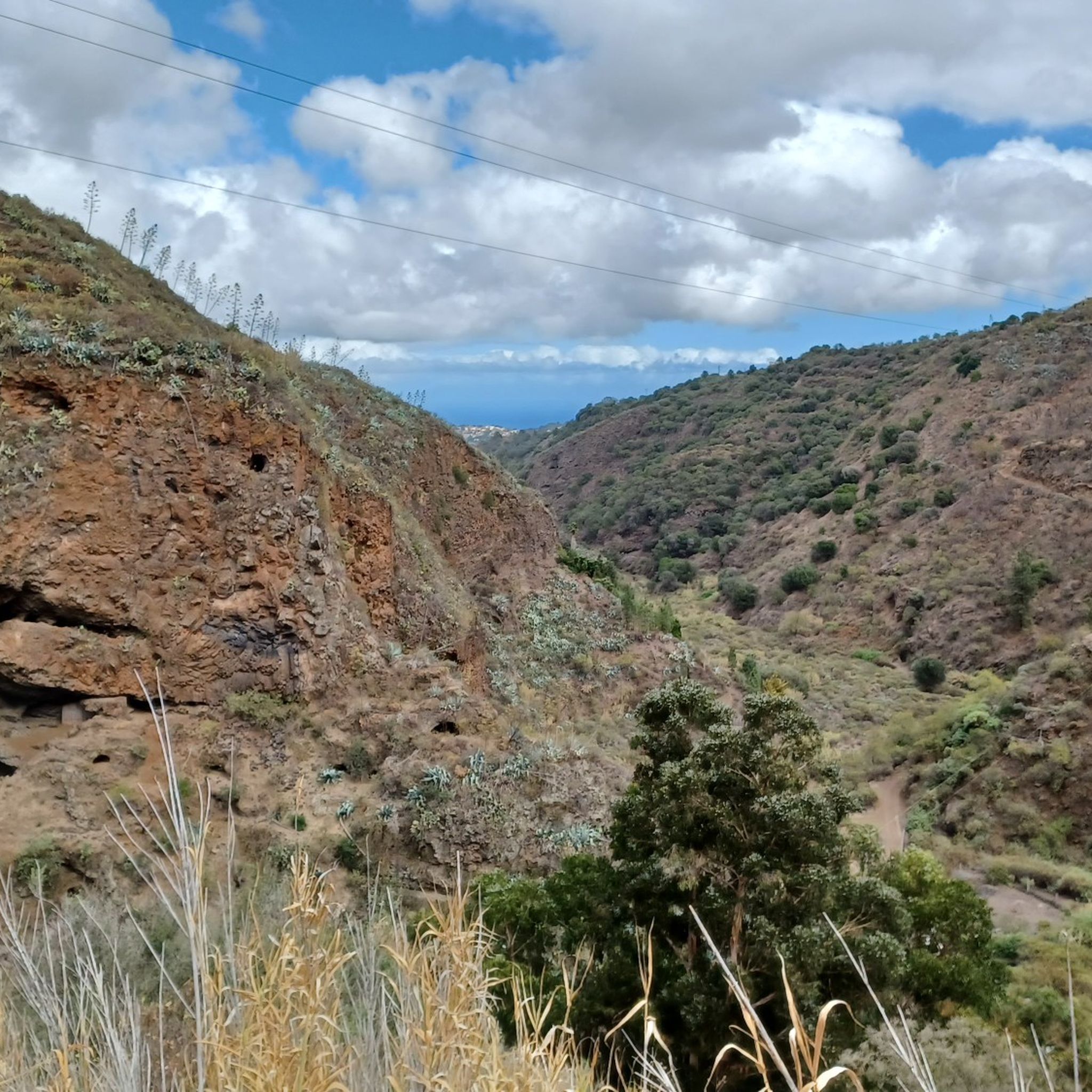
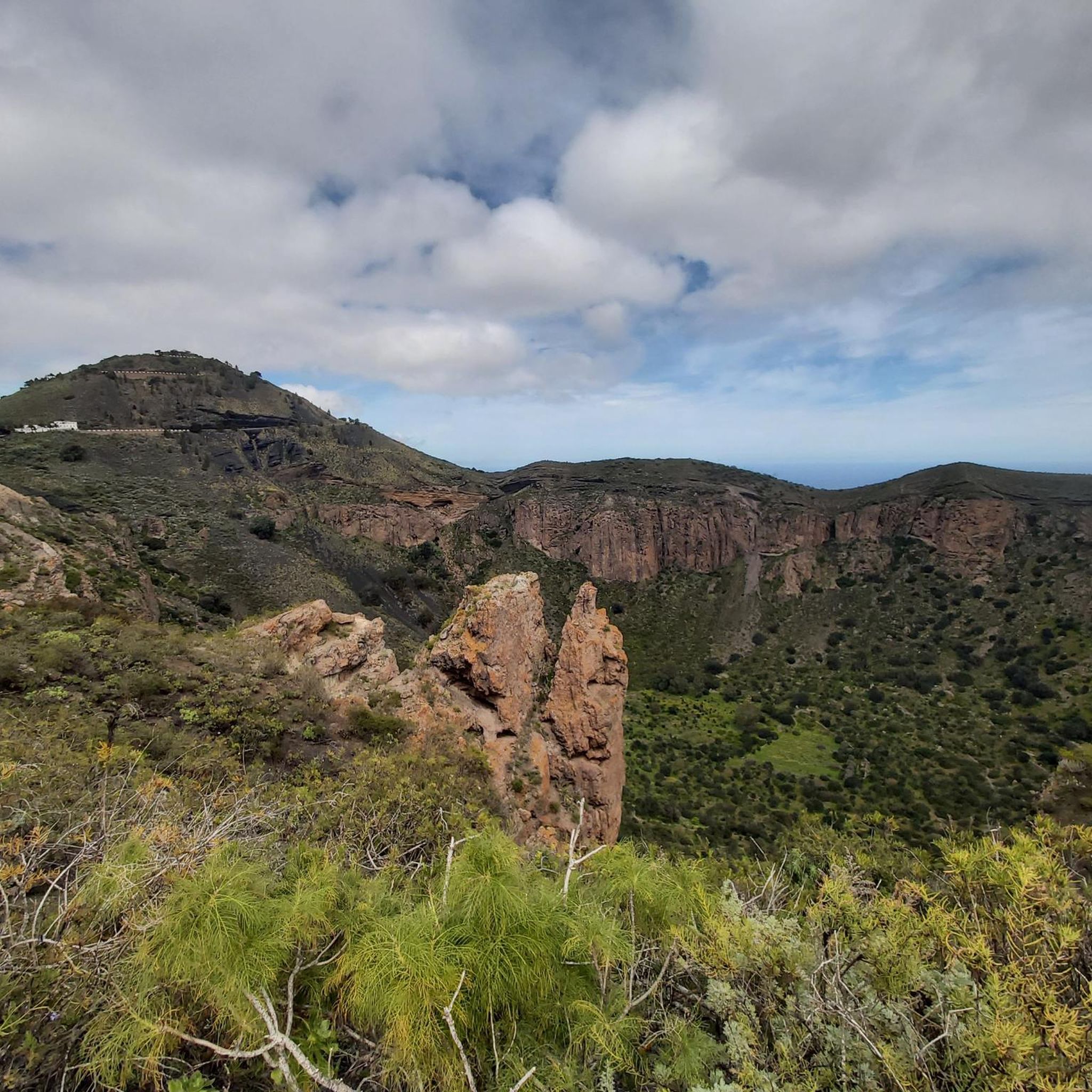
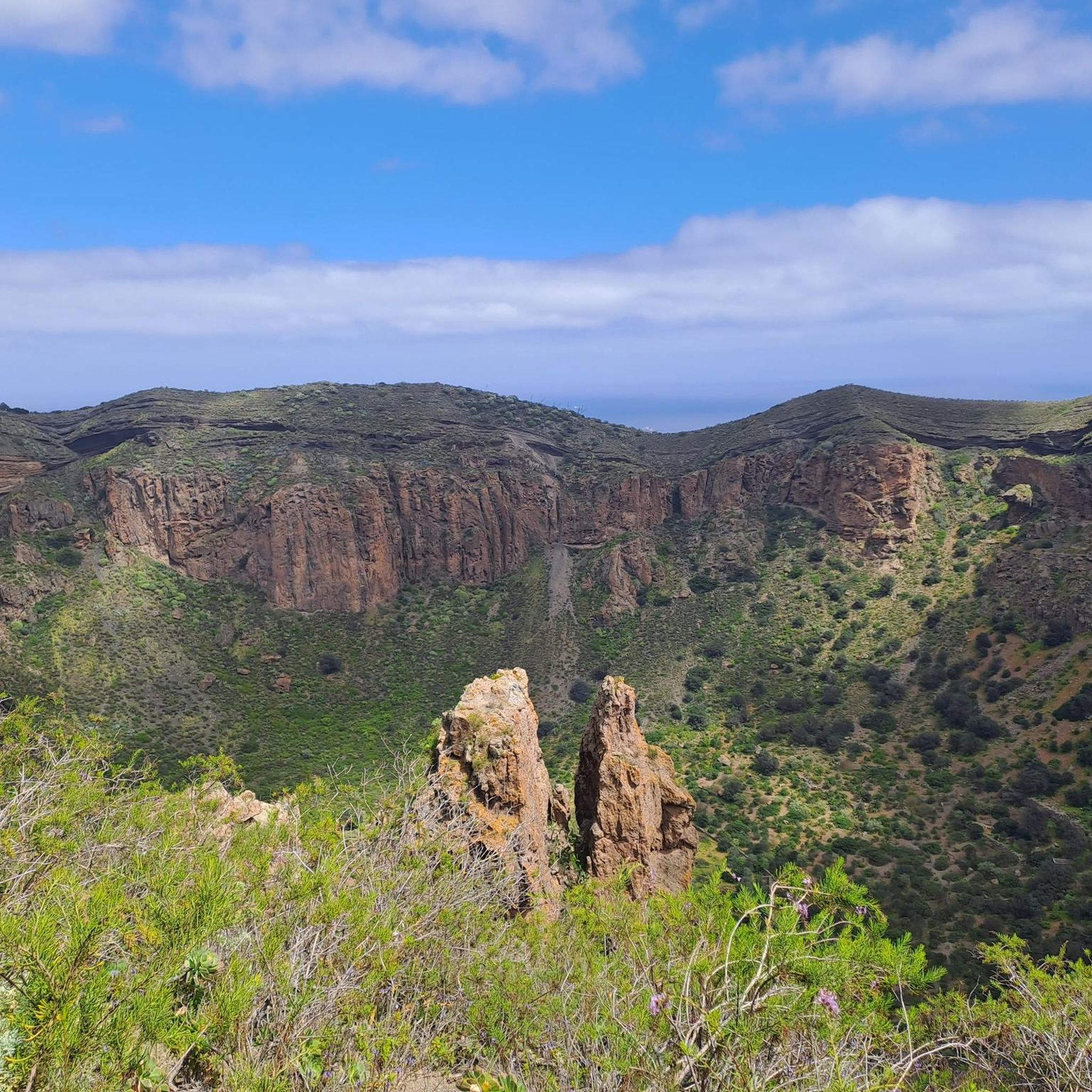
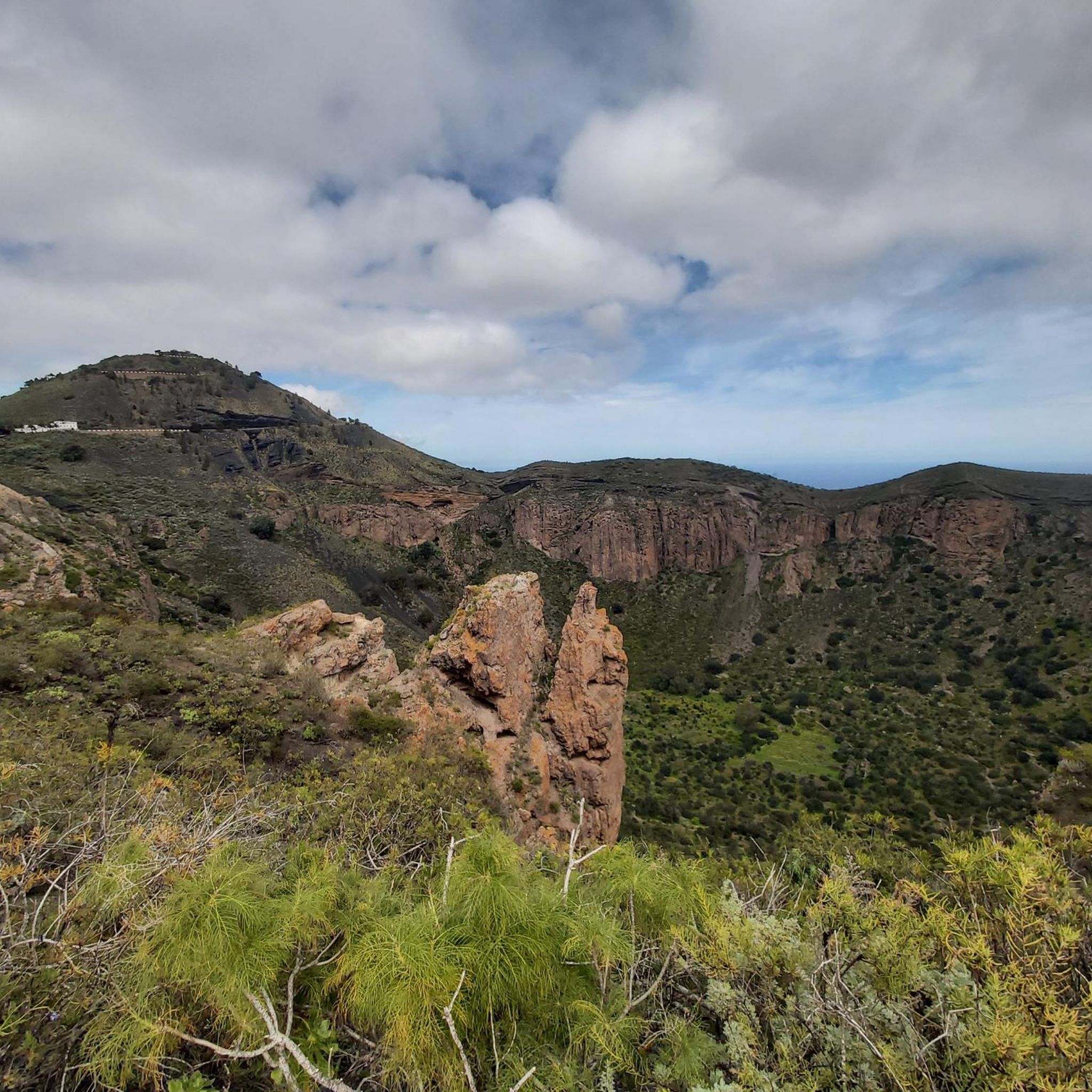

Tips from the Community

With sturdy footwear and a little fitness, the ascent can be managed without any problems.
1
0

They are an archaeological complex made up of twelve natural caves, most of which were adapted to be habitable through their chiseling. These caves are distributed along a south-facing platform, which protects them from the northern trade winds and offers beautiful views over the Bentayga and the Cuenca del Nublo.
0
0


The entrance to the caves is blocked with bars.
1
0

The Caballero Caves are an archaeological site made up of twelve natural caves, most of them converted into habitable caves by crushing. They are distributed on a platform facing south and are therefore whipped by the northern trade winds. With magnificent views over the Bentayga and the Nublo basin. Source: https://artenara.es/turismo/index.php/es/cuevas-de-caballero-2
2
0

As with the houses in the neighborhood, you can eat in a cave here
2
0

Definitely worth seeing!!! But not so suitable as a hiking destination because the environment is not nice. - To explain the text of the plaque: This unique cave complex of the ancient Canarians on the mountain known as Montana Bermeja consists of dwelling caves as well as granaries and areas that were probably used as places of worship. Of particular interest is the Cueva de Cuatro Puertas: it is a cave carved into the tufa, in front of which there is a large artificial square. The indentations, which may have served as support pillars, suggest that the square was once covered. Nearby is a circular channel carved into the bedrock. It is assumed that it was a cult place, a so-called Almogaren. If you follow the path laid out by the old Canarians in an easterly direction, you will reach another artificially created cave on the south side of the mountain, the Cueva de los Papeles. The walls are decorated with triangular symbols, commonly known as fertility symbols, which may have been associated with sacrificial rituals. Also on the south side is the cave complex known as Los Pilares, which served as a dwelling and storehouse. A little off the path you come across one of the few known pre-Hispanic quarries, where the material necessary for the production of the round hand grinding stones was mined.
1
0

The Los Caballeros Caves are a collection of seven caves located in the upper reaches of the Riso Chapin massif, from where there is a wonderful view of the Caldera de Tejeda crater. Six of the seven caves were man-made into the rock. They were probably places of worship and not dwelling caves.
1
0
Frequently Asked Questions
What is the historical significance of the caves around Santa Brígida?
The caves around Santa Brígida are rich in history, primarily serving as archaeological sites that offer a glimpse into Gran Canaria's aboriginal past. Sites like Cueva de Los Frailes, Cueva de los Canarios, and Cuevas de la Angostura and Las Meleguinas were used as dwellings, grain stores, and even places of worship by the ancient Canarians. Many are recognized as 'Bien de Interés Cultural' (Asset of Cultural Interest).
Which caves provide insight into ancient Canarian culture and practices?
For a deep dive into ancient Canarian culture, consider visiting Cave of Four Doors, a natural monument with dwelling caves, granaries, and potential worship areas. Cueva de los Canarios is another crucial archaeological site, known for its Lybic-Berber inscriptions and evidence of early agricultural practices. The Cuevas de la Angostura and Las Meleguinas also showcase extensive aboriginal remains and troglodyte architecture.
Are there any family-friendly cave experiences near Santa Brígida?
While many caves are archaeological sites, the area offers unique experiences. The Restaurante Tagoror – Cave restaurant in Barranco de Guayadeque provides a family-friendly dining experience within a large cave, offering a memorable atmosphere. Some modern cave houses, like 'Casa Cueva del Gato,' are also available for rent, offering a unique 'hobbit-style' stay.
What kind of natural features can I expect to see around the caves?
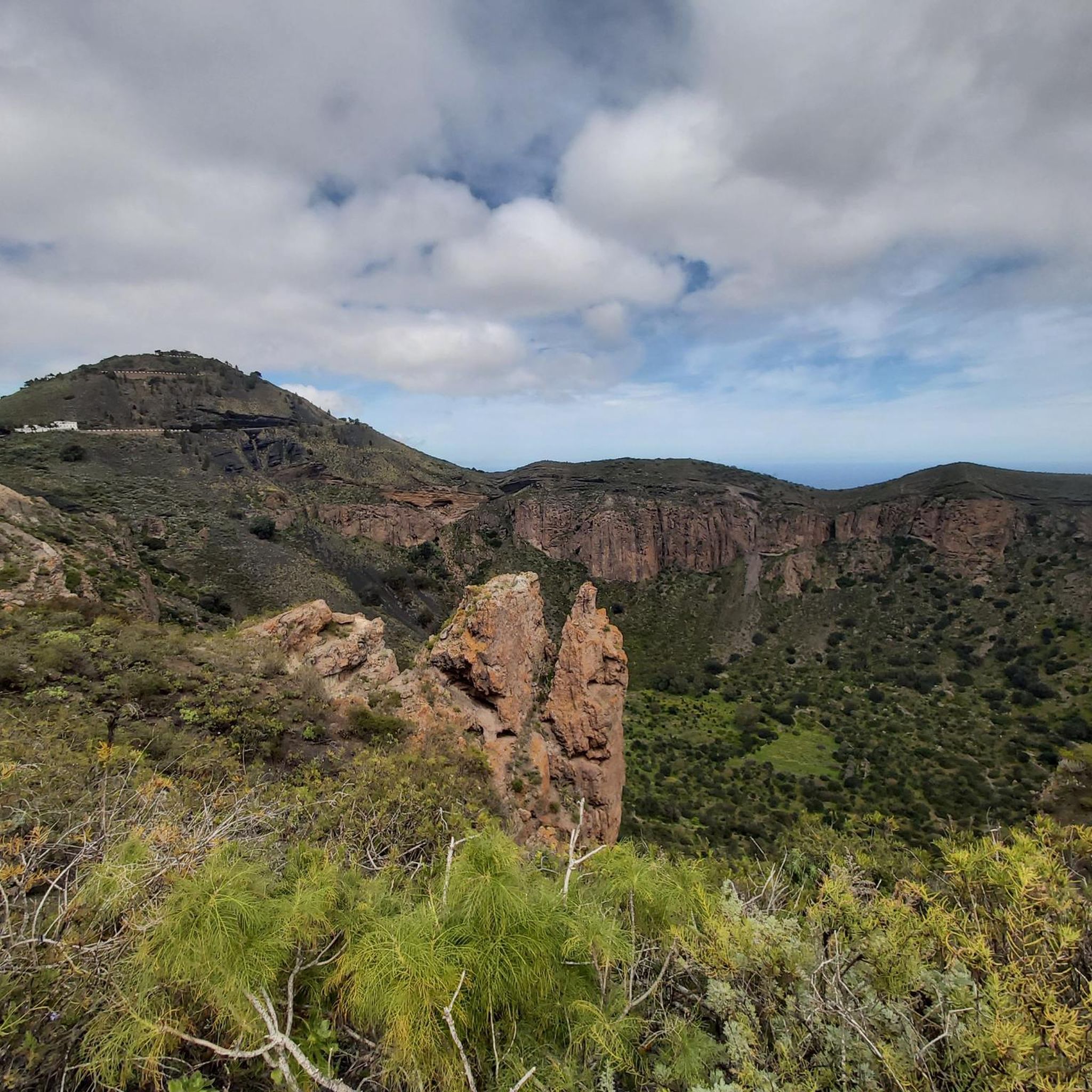
The region's volcanic landscape means you'll encounter caves excavated into tufa and volcanic rock. Many sites, such as the Ascent to the plateau above Cueva Bermeja, offer fantastic views of plateaus and ravines. The caves themselves are often nestled within scenic barrancos (ravines) and offer unique geological formations.
What outdoor activities can I do near these caves?
The area around Santa Brígida is excellent for outdoor activities. You can find numerous hiking trails, such as those listed in the Hiking around Santa Brígida guide, which include routes like the 'Dragon Tree in Barranco Alonso – View of the Valley and Caves loop'. There are also options for mountain hikes and cycling routes that pass through the scenic landscapes surrounding the caves.
Are there any caves that were used as dwellings?
Yes, many caves around Santa Brígida were historically used as dwellings. The Caballero Caves, for instance, consist of several cavities, many of which were artificially expanded and likely served as cave houses. Similarly, the Cuevas de la Angostura feature extensive cave settlements with artificial caves and silos, indicating their use for domestic living and storage.
What is the best time of year to visit the caves in Santa Brígida?
Gran Canaria generally enjoys a mild climate year-round, making the caves accessible in most seasons. However, visiting during the cooler months from autumn to spring (October to May) is often more comfortable for exploring outdoor archaeological sites and hiking to cave locations, as summer temperatures can be quite high.
How accessible are the historical cave sites around Santa Brígida?
Accessibility varies by site. Many historical caves, being archaeological in nature, may involve walking on uneven terrain or require some hiking to reach. For example, Cueva de Los Frailes is known to suffer from landslides, which can affect access. It's advisable to check local conditions or visitor information for specific sites before planning your visit, as some may not be easily accessible for all mobility levels.
Are there any unique cave experiences beyond historical sites?
Beyond the archaeological significance, you can find unique experiences like the Restaurante Tagoror, a cave restaurant. Additionally, some ancient cave dwellings have been converted into modern accommodations, offering a chance to stay in a 'cave house' and experience a unique form of dwelling integrated into the natural environment, such as the 'Casa Cueva del Gato'.
What do visitors enjoy most about exploring the caves in Santa Brígida?
Visitors frequently appreciate the historical and cultural insights offered by these sites, providing a direct connection to the island's aboriginal past. The unique geological formations and the stunning views from locations like the Ascent to the plateau above Cueva Bermeja are also highly valued. The komoot community has upvoted these caves over 200 times, highlighting their appeal.
Can I find any caves with legends or intriguing stories?
Yes, the concept of 'Cueva del Bandolero' (Bandit's Cave) often refers to places steeped in legends of outlaws seeking refuge. While a specific, easily accessible 'Cueva del Bandolero' near Santa Brígida for visitors isn't explicitly detailed, the idea suggests that exploring the region might uncover sites with local folklore and adventurous appeal, often involving scenic hikes.
Are there any caves that were used for storage or agricultural purposes?
Absolutely. Cueva de los Canarios, situated on the northern wall of the Caldera de Bandama, was notably utilized by the ancient Canarians as a grain store. Similarly, the Cuevas de la Angostura and Las Meleguinas contain caves with silos, indicating their use for domestic storage and agricultural practices by the primitive inhabitants.
Most popular routes around Santa Brígida
Most popular attractions around Santa Brígida

Get inspired with the komoot mobile app


Explore more
Extend your search for the best caves by checking out these guides of the top ones around Santa Brígida:
