Top 20 Caves around Verviers
Best caves around Verviers are found within the surrounding Liège Ardennes region, an area characterized by its rich geological formations and historical mining heritage. The landscape features numerous underground sites, including natural caves, ancient mining tunnels, and sinkholes. This region offers a blend of natural wonders and insights into industrial history, making it a notable destination for subterranean exploration.
Best caves around Verviers
- The most popular caves is Mine entrance and Geul sinkhole — Plombières Nature Reserve, a cave…
Last updated: October 3, 2026
Mine entrance and Geul sinkhole — Plombières Nature Reserve
Highlight • Cave
Translated by Google •
Tip by

Oskar Tunnel (Oskarstollen)
Highlight • Historical Site
Translated by Google •
Tip by

Sign up now to discover places like this
Get recommendations on the best single tracks, peaks, & plenty of other exciting outdoor places.
Grube Auberg Bat Cave Entrance
Highlight • Cave
Translated by Google •
Tip by

Entrance to Lu Hayîre Slate Mine
Highlight • Cave
Translated by Google •
Tip by

Grotto of Our Lady of Lourdes in Solwaster
Highlight • Religious Site
Translated by Google •
Tip by

Nutons' Cave
Highlight • Cave
According to legend, nutons are small …
Translated by Google •
Tip by

Manhole of the Reinhardstein conduit
Highlight • Cave
Translated by Google •
Tip by
Sinkhole of Olne (Chantoir de Olne)
Highlight • Cave
Translated by Google •
Tip by
The Malmedy Puddingstone
Highlight • Natural Monument
Translated by Google •
Tip by

Lourdes Grotto
Highlight • Religious Site
Translated by Google •
Tip by

Sign up for free to discover even more caves around Verviers.
Already have an account?
Start today with a free account
Your next adventure awaits.
Popular around Verviers
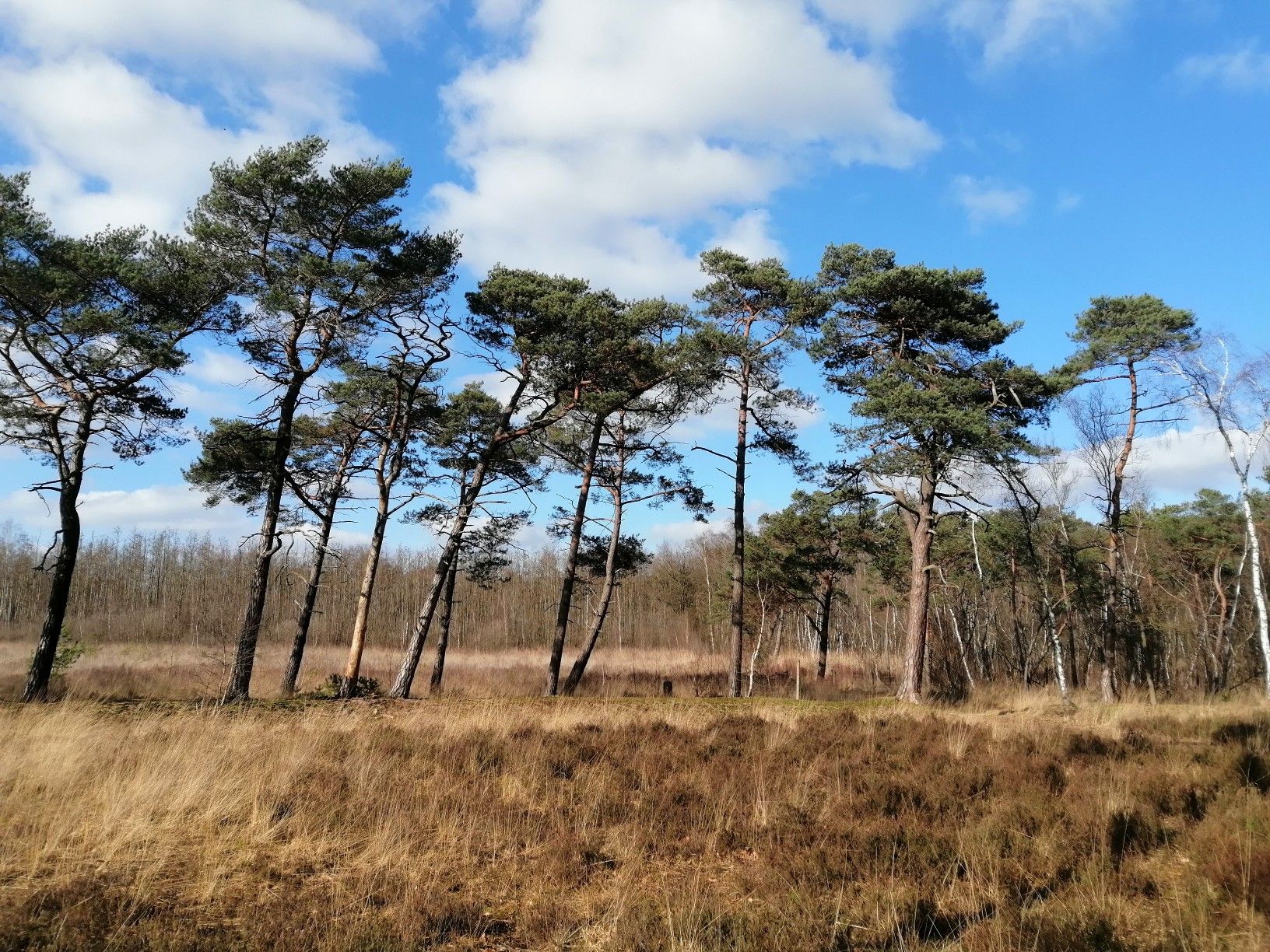
From Flanders to the Ardennes — GR 5 in Belgium
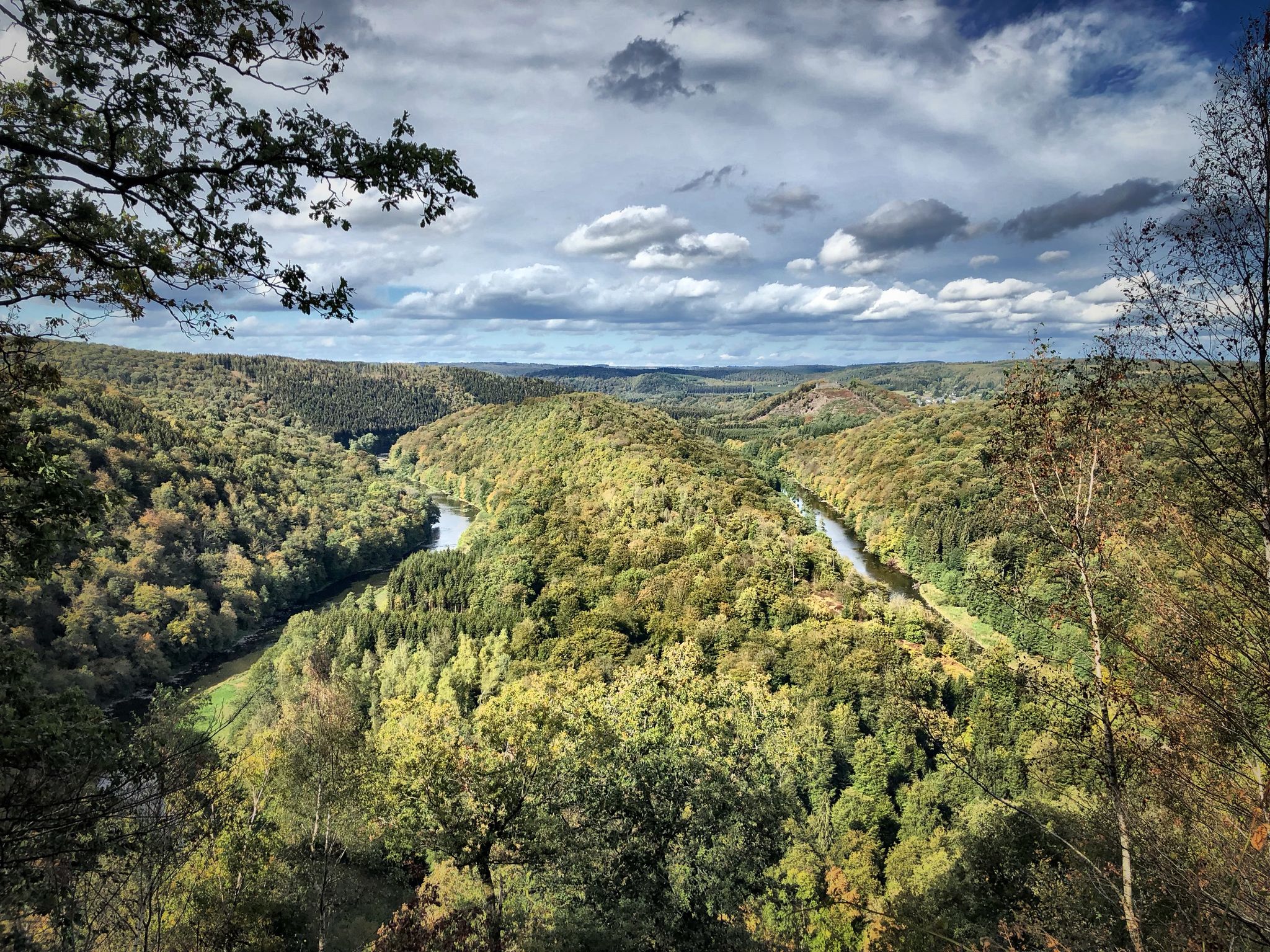
Running an ultra in Belgium – long trails in a small country
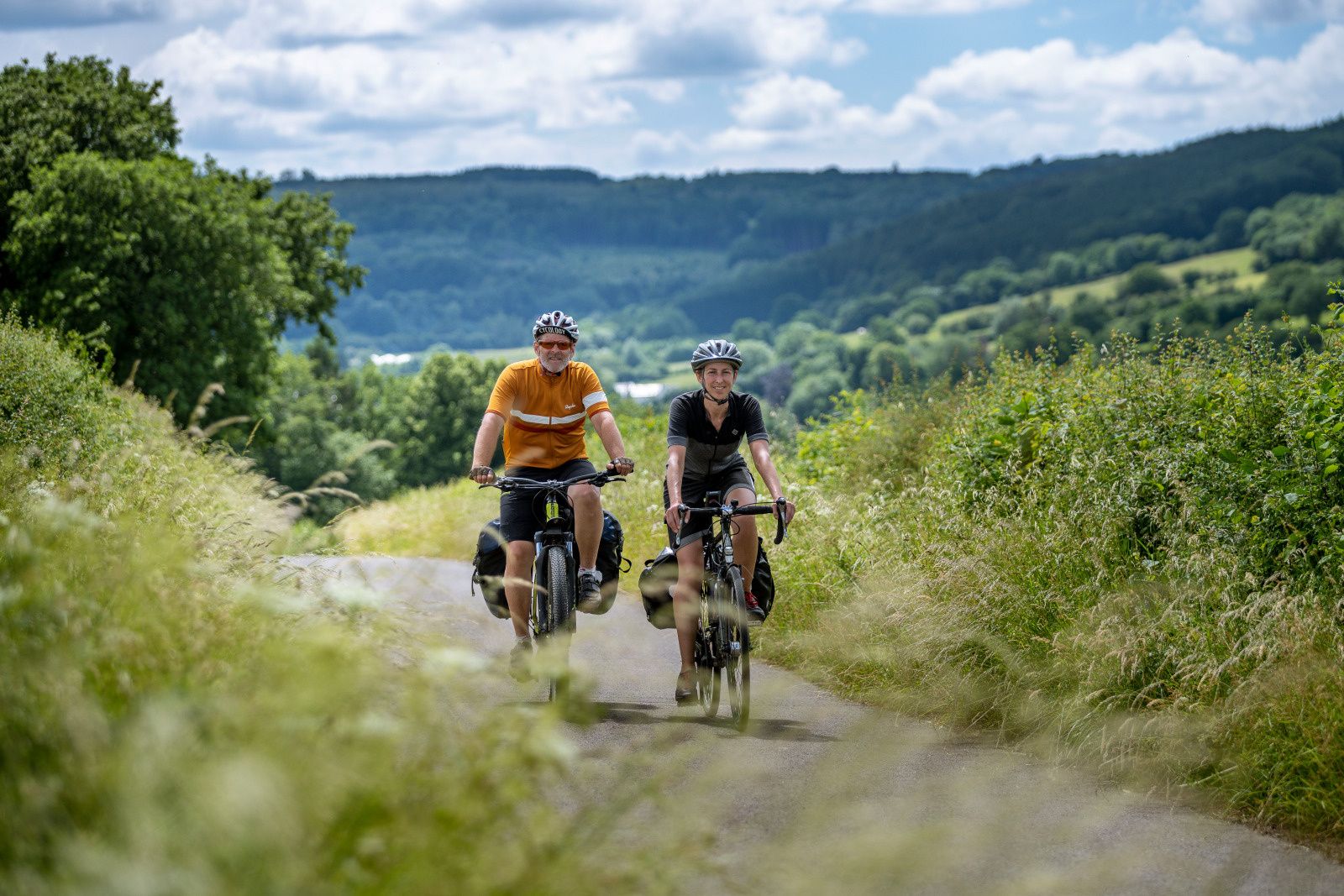
The most beautiful bike rides in Wallonia – pure nature and culture
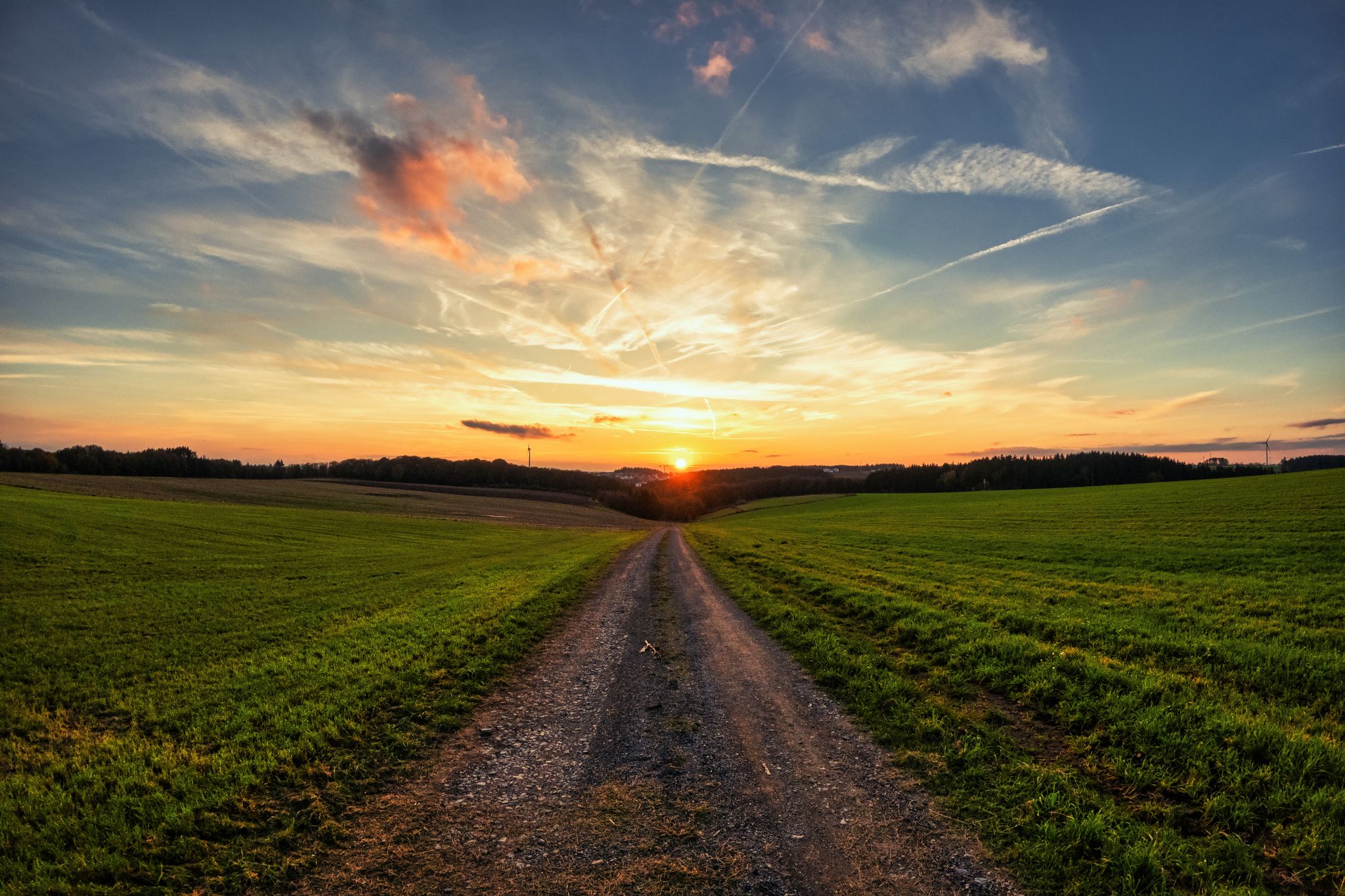
Hardennes Gravel Tour by Resist & Ride - 700 kilometers of unpaved adventure
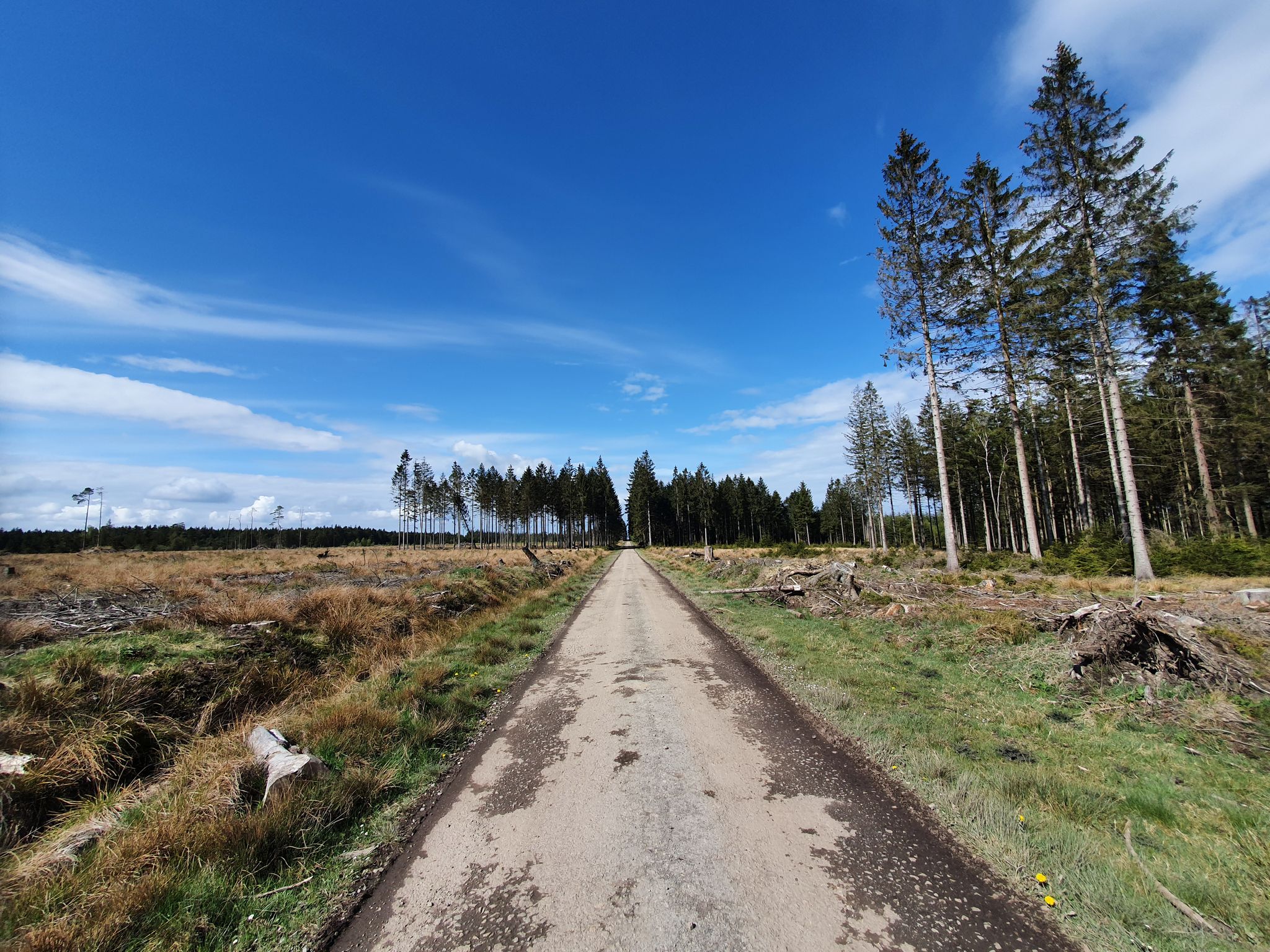
GR 2 from Verviers to Orval — The beautiful Ardennes in gravel
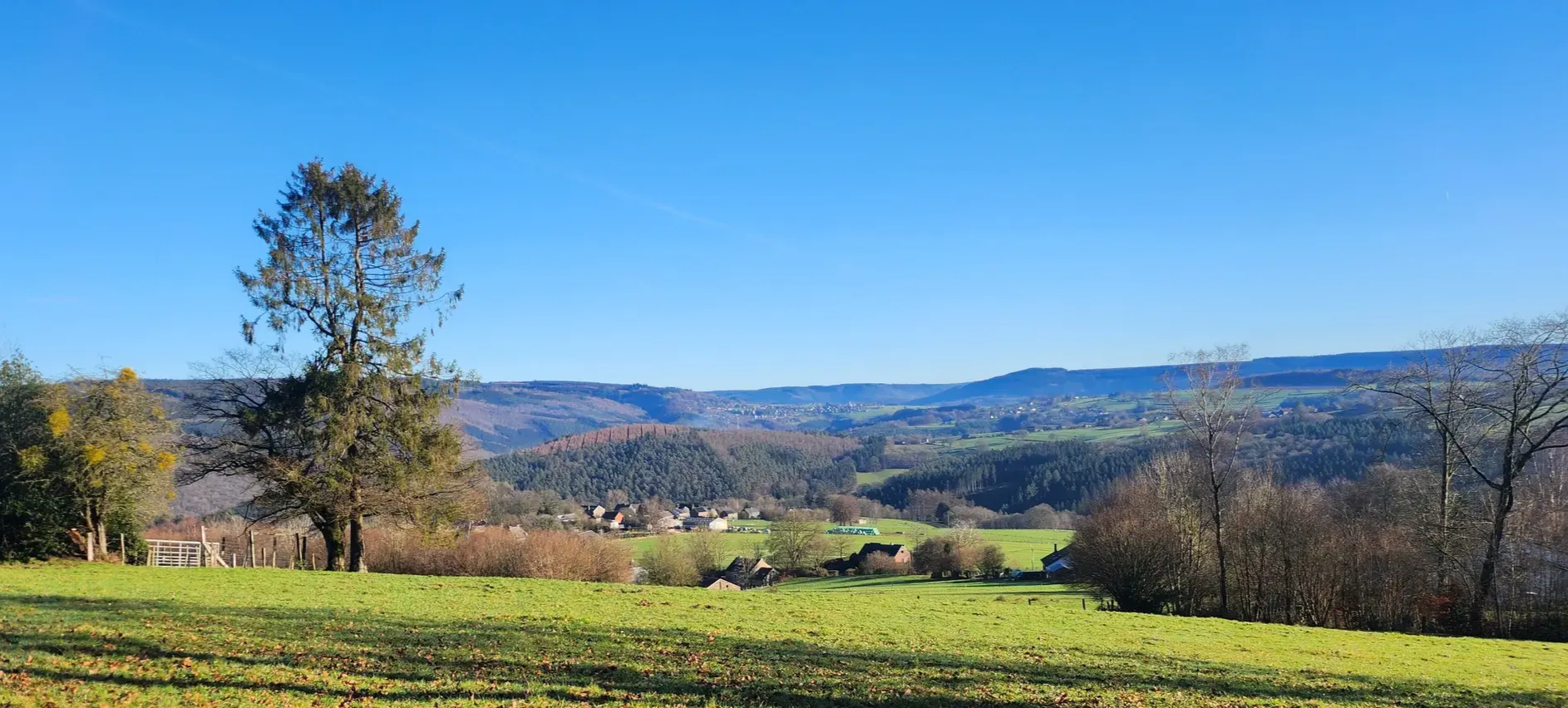
A waymarked trail all year round — Ultra Tour des Sources
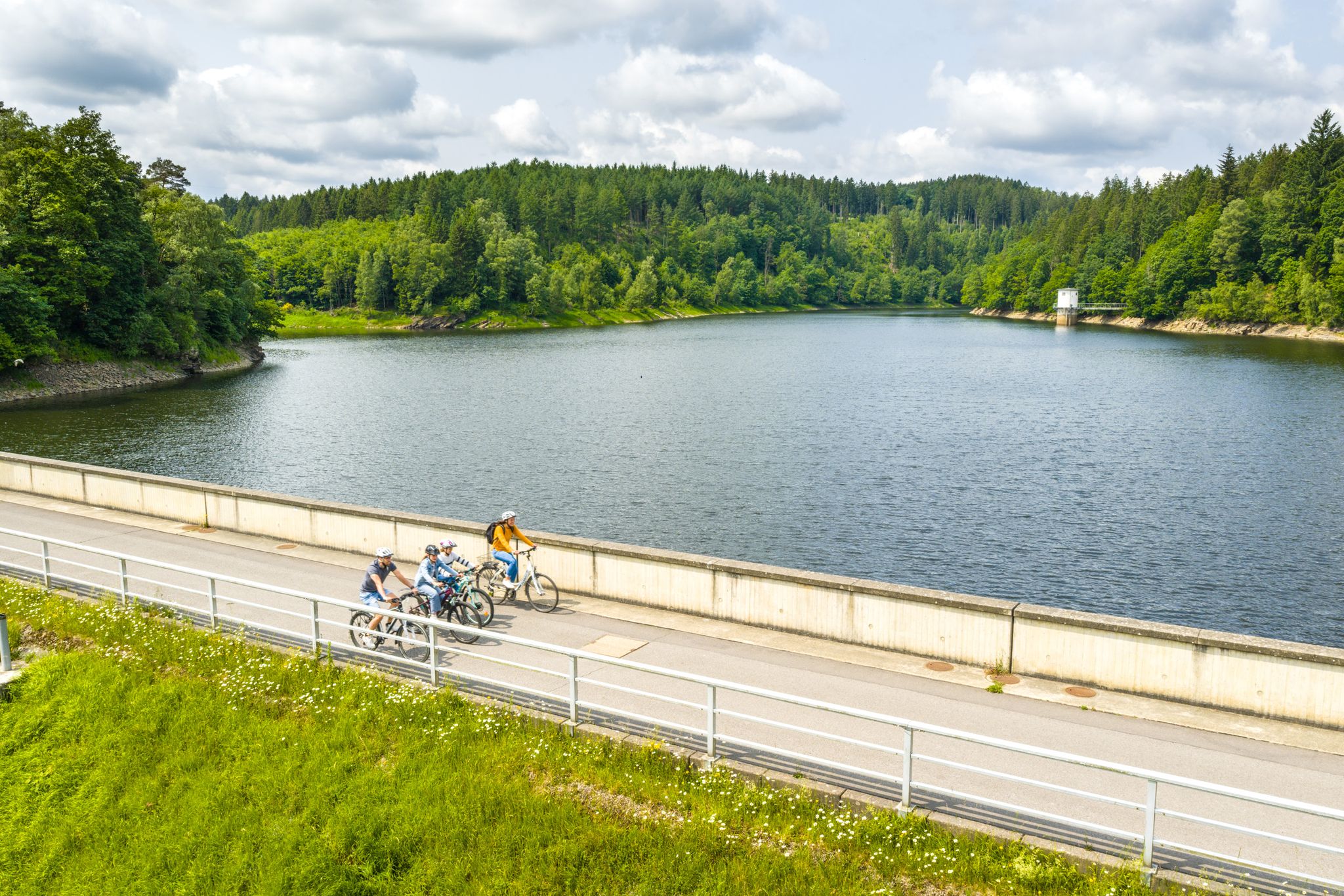
Aachen Time Loops – cycling from the past to the future
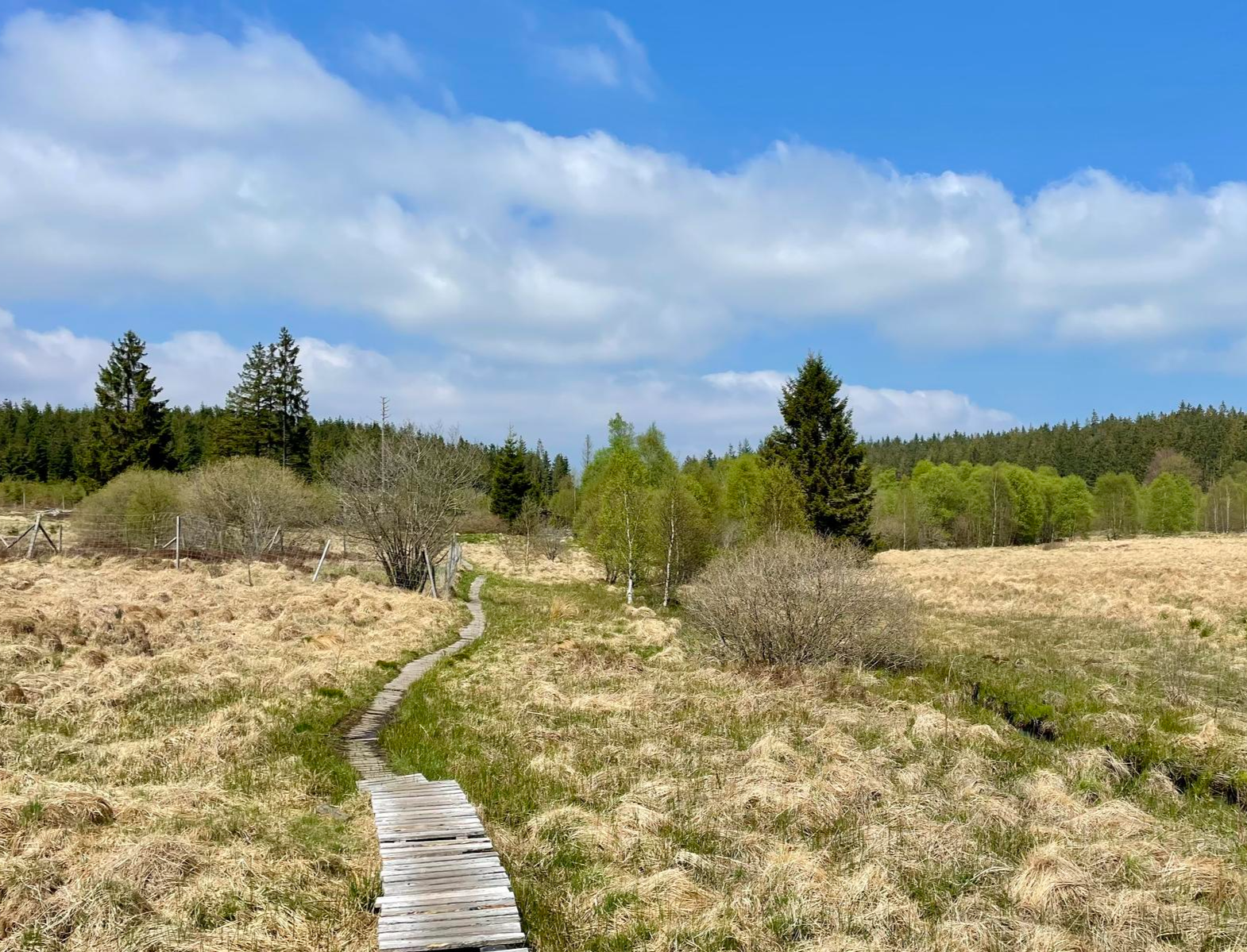
Nature et Histoire à la frontière germano-belge — Chemin du souvenir
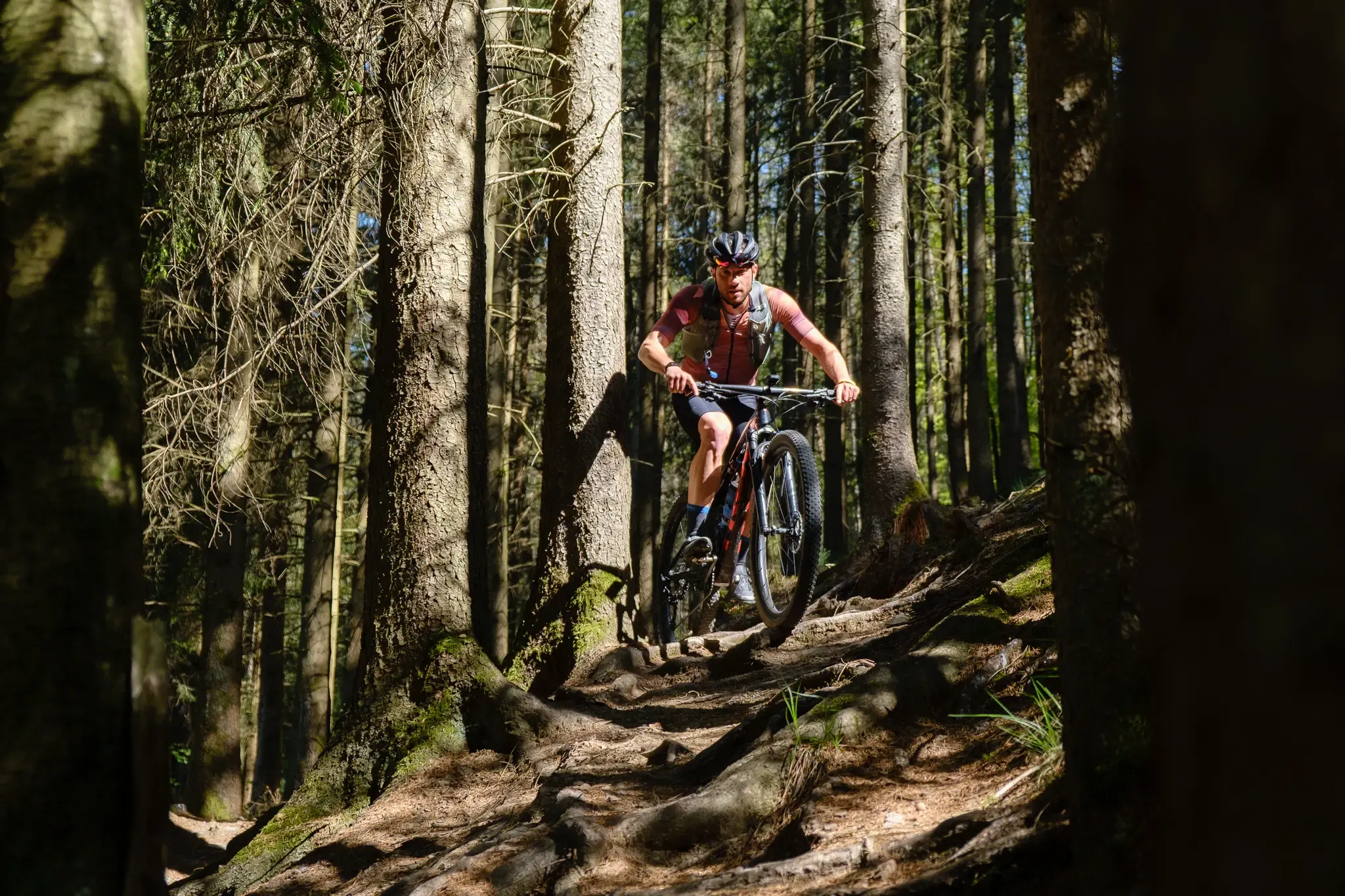
Stoneman Arduenna – old-school mountain biking in East Belgium
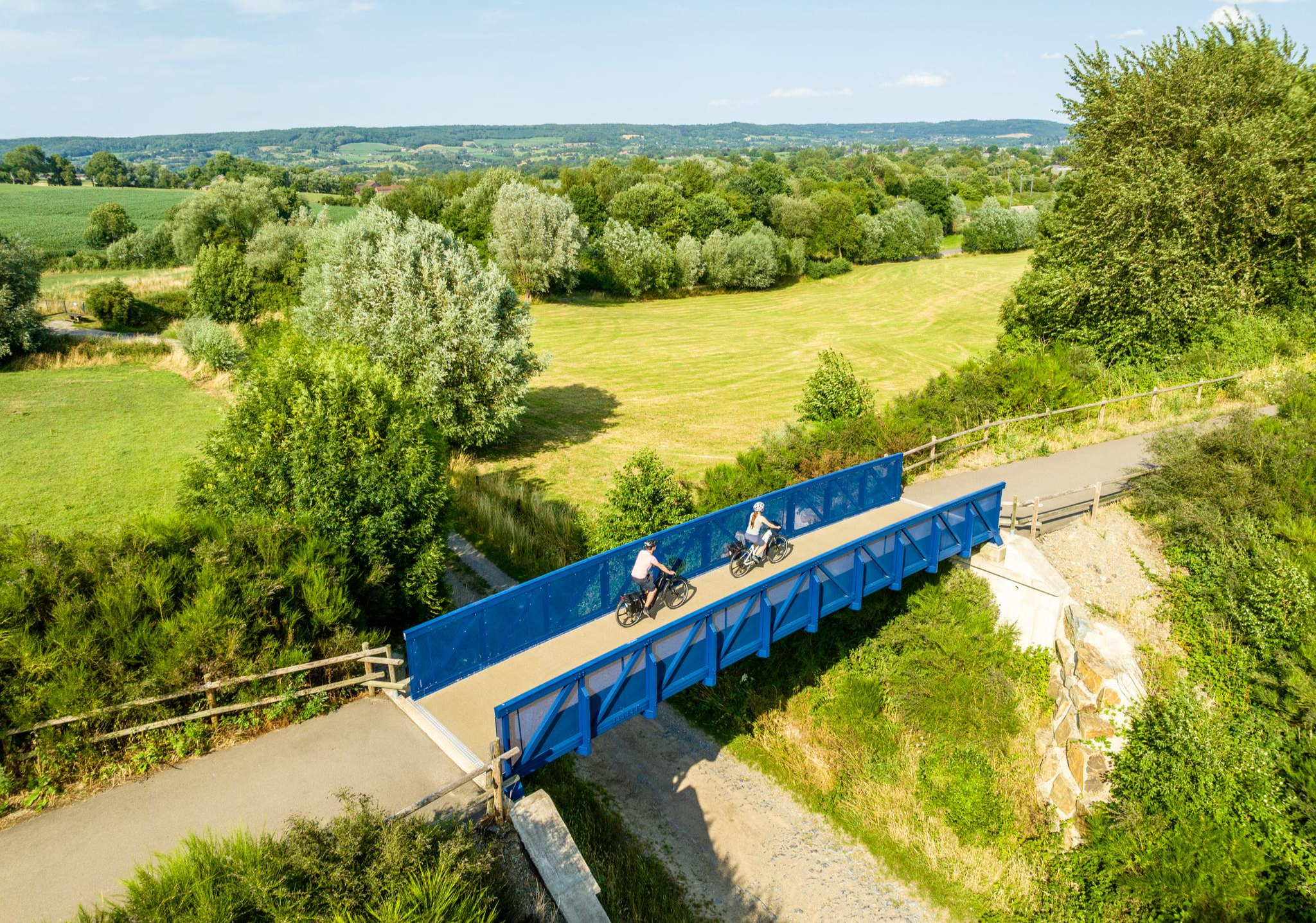
Three countries, one experience – borderless cycling in the Aachen region
Other adventures around Verviers


Tips from the Community

Its on the other side of the goorge re the castle and position on the map is not correct. To be found sligtly further west on the hiking path where a small creek comes down.
0
0

Great spot next to the path to discover.
2
0

Replica of the Grotte de Massabielle in Lourdes.
1
0

This region is home to numerous sinkholes, where flowing surface water from streams disappears into cracks in the chalky subsoil, emerging much lower down in the landscape. The most famous is the Chantoir in Olne. The Ry de Vaux stream disappears into the subsoil here, flowing through an underground cave system and reservoir. It is fed by other surrounding water and re-emerges in several karst springs in Vaux-sous-Olne, 760 meters further and 60 meters lower!
0
0
Also called Château Chrouet, after Dr. Warnier Chrouet, who had it built around 1700. Its facade was kept simple. At the rear, large windows overlooked the green Vesdre valley from the hill. A striking feature of the facade is the 17th-century entrance portal in carved limestone with a canopy (canopy) above it. This was typical of many buildings of that period in Olne and was locally called a "teutê." We also see some on the cemetery portal and the municipal garden, but most have been lost over time. The castle's teutë was embellished with a charming turret.
0
0
The Olne sinkhole, where the Ry de Vaux stream plunges into the subsurface, emerging 60 meters lower in Vaux, at various points, and then reemerging nine days later. It flows through an underground cave system, flowing through other water bodies and a reservoir.
0
0


In the mid-19th century, flooding from the Göhl River posed a major threat to the mine in Bleyberg/Plombières: Water repeatedly penetrated the tunnels and claimed lives. To prevent this, a diversion of part of the river was requested and approved in 1861. By 1862, a tunnel several hundred meters long was built beneath the rock, keeping the Göhl away from the mine. The construction cost approximately 200,000 francs. The tunnel is a technical monument to mining engineering from an era when hazards were deliberately controlled while simultaneously harnessing hydropower. It demonstrates how work-related accidents were prevented while simultaneously harnessing resources.
54
0
Frequently Asked Questions
Which are the most notable caves to visit near Verviers?
The region around Verviers offers a variety of underground experiences. The Caves of Remouchamps are particularly renowned for their unique underground river boat trip. For those interested in industrial history, the Mine entrance and Geul sinkhole — Plombières Nature Reserve and the Oskar Tunnel (Oskarstollen) offer insights into the region's mining past. Additionally, the Grube Auberg Bat Cave Entrance provides a glimpse into a natural bat habitat.
What unique natural features can I expect to see in the caves around Verviers?
The Caves of Remouchamps are famous for their navigable underground river, the Rubicon, and impressive limestone formations like 'The Cathedral' and 'The Palm Tree.' You can also observe fossils of ancient marine life. The Grube Auberg Bat Cave Entrance features a small stream inside and serves as a bat habitat.
Are there historical mining sites among the caves near Verviers?
Yes, the region has a rich mining heritage. The Mine entrance and Geul sinkhole — Plombières Nature Reserve is an industrial and natural site where zinc and lead ores were mined for centuries. The Oskar Tunnel (Oskarstollen), a 500-meter long tunnel, was historically used to transport ore from the 'Schmalgraf' mine.
What is the typical temperature inside the caves, and are they open year-round?
Many caves, like the Caves of Remouchamps, maintain a constant temperature of 8 to 10 degrees Celsius year-round, making them a cool escape in summer and a mild destination in winter. It's advisable to check specific opening hours for each site, but the stable temperature often allows for year-round access.
Are there family-friendly cave experiences near Verviers?
The Caves of Remouchamps offer a unique experience with both walking and a boat trip, which can be engaging for families. The Mine entrance and Geul sinkhole — Plombières Nature Reserve is also categorized as family-friendly, offering a blend of nature and history that can appeal to various ages.
What kind of wildlife can be found in the caves around Verviers?
The Grube Auberg Bat Cave Entrance is specifically noted as a habitat for bats. Other caves, particularly those with less human disturbance, may also host various cave-dwelling species, though specific wildlife sightings can vary.
How long do cave tours typically take near Verviers?
The duration of cave tours varies by site. For instance, the Caves of Remouchamps involve a 1200-meter walk followed by a 700-meter boat trip, which can take a significant portion of time. For historical sites like the Oskar Tunnel (Oskarstollen), exploration might be shorter, depending on how much of the surrounding area you wish to see. It's best to check the specific tour length for each cave you plan to visit.
Are there other significant caves in the broader Ardennes region worth considering?
Beyond the immediate vicinity of Verviers, the broader Ardennes region is home to other renowned caves. These include the famous Caves of Han, known for their immense formations, and the Hotton Caves, unique for their multi-level system and natural charm.
What outdoor activities can I do near these caves?
The region around Verviers offers numerous outdoor activities. You can find excellent options for gravel biking, road cycling, and hiking. Many routes pass through scenic landscapes, including the Parc naturel des Sources and the High Fens, providing opportunities to combine cave exploration with other adventures.
What should I wear when visiting caves in the Verviers region?
Given the constant cool temperatures inside most caves (around 8-10°C), it's advisable to wear warm layers, even in summer. Comfortable, sturdy shoes with good grip are also recommended, as paths can be damp or uneven. A light jacket or sweater will ensure a more comfortable experience.
What do visitors enjoy most about the caves around Verviers?
Visitors frequently appreciate the unique blend of natural beauty and historical significance. The underground boat trip at Remouchamps is a major highlight, offering a tranquil and mysterious experience. The historical mining sites like Plombières provide a fascinating glimpse into the region's industrial past, while the natural formations and bat habitats offer a connection to the local ecosystem.
Is the Artificial Tunnel of the Gueule River a natural cave?
No, the Artificial Tunnel of the Gueule River is not a natural cave. It was dug by humans in 1861 to divert the course of the Gueule river and prevent flooding in the nearby Plombières mines. It's an impressive example of historical engineering blending with the natural landscape.
Most popular routes around Verviers
Most popular attractions around Verviers

Get inspired with the komoot mobile app


Didn’t find what you were looking for?
Discover more caves around Verviers region by region:
Explore more
Extend your search for the best caves by checking out these guides of the top ones around Verviers:
