Top 12 Caves around Thimister-Clermont
Best caves around Thimister-Clermont are found in the surrounding Liège province and the wider Ardennes region. While no caves are directly within Thimister-Clermont, the area offers access to notable underground explorations. These locations feature diverse geological formations and historical sites, providing insights into both natural processes and past human activities. The region's landscape is characterized by its natural features, including forests and river valleys.
Best caves around Thimister-Clermont
- The most popular caves is Mine entrance and Geul sinkhole — Plombières…
Last updated: June 30, 2026
Mine entrance and Geul sinkhole — Plombières Nature Reserve
Highlight • Cave
Translated by Google •
Tip by

Oskar Tunnel (Oskarstollen)
Highlight • Historical Site
Translated by Google •
Tip by

Sign up now to discover places like this
Get recommendations on the best single tracks, peaks, & plenty of other exciting outdoor places.
Sign up for free
Grube Auberg Bat Cave Entrance
Highlight • Cave
Translated by Google •
Tip by

Nutons' Cave
Highlight • Cave
According to legend, nutons are small …
Translated by Google •
Tip by

Sinkhole of Olne (Chantoir de Olne)
Highlight • Cave
Translated by Google •
Tip by

Sign up for free to discover even more caves around Thimister-Clermont.
Sign up for free
Already have an account?
Start today with a free account
Your next adventure awaits.
Login or Signup


Tips from the Community

Great spot next to the path to discover.
2
0

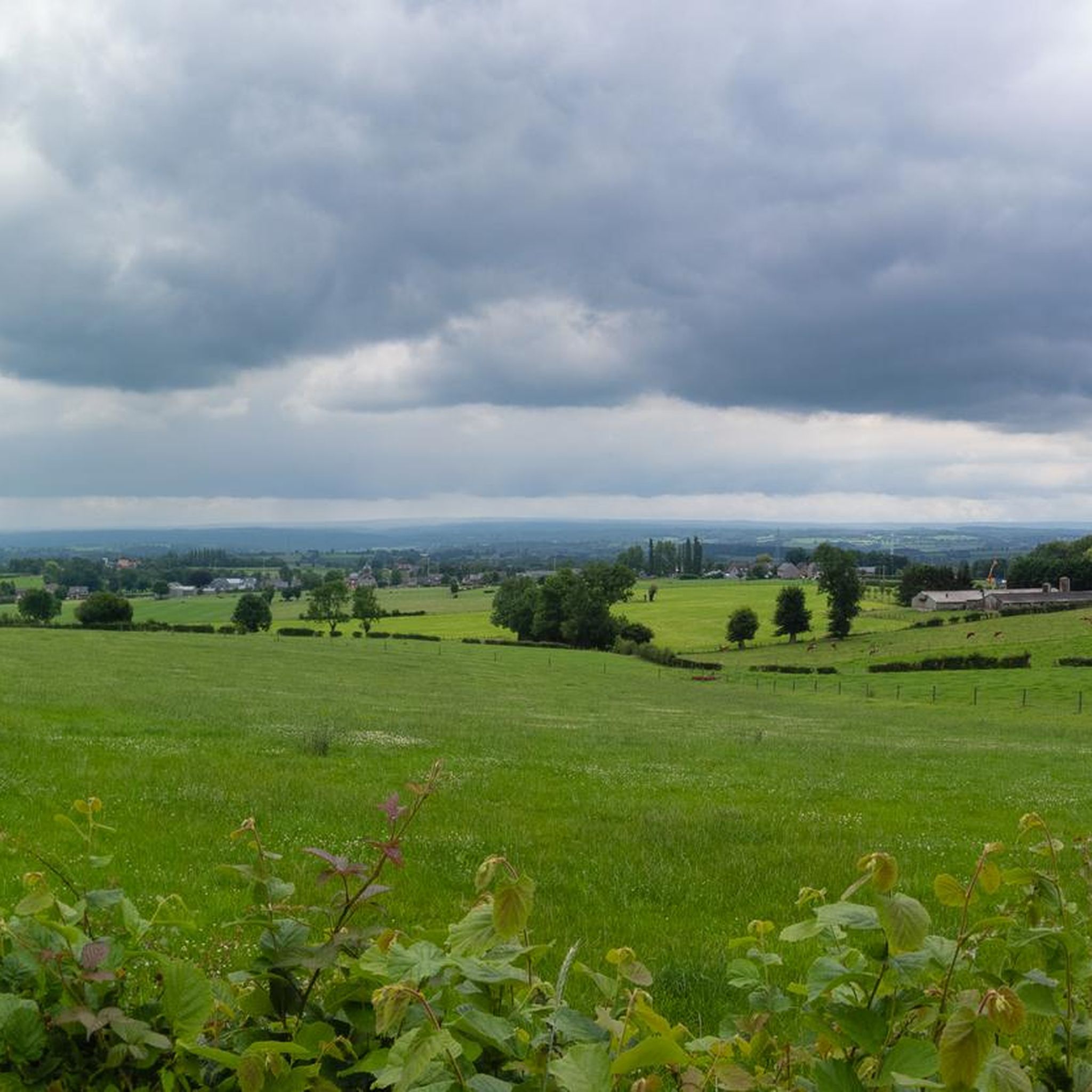
This region is home to numerous sinkholes, where flowing surface water from streams disappears into cracks in the chalky subsoil, emerging much lower down in the landscape. The most famous is the Chantoir in Olne. The Ry de Vaux stream disappears into the subsoil here, flowing through an underground cave system and reservoir. It is fed by other surrounding water and re-emerges in several karst springs in Vaux-sous-Olne, 760 meters further and 60 meters lower!
0
0
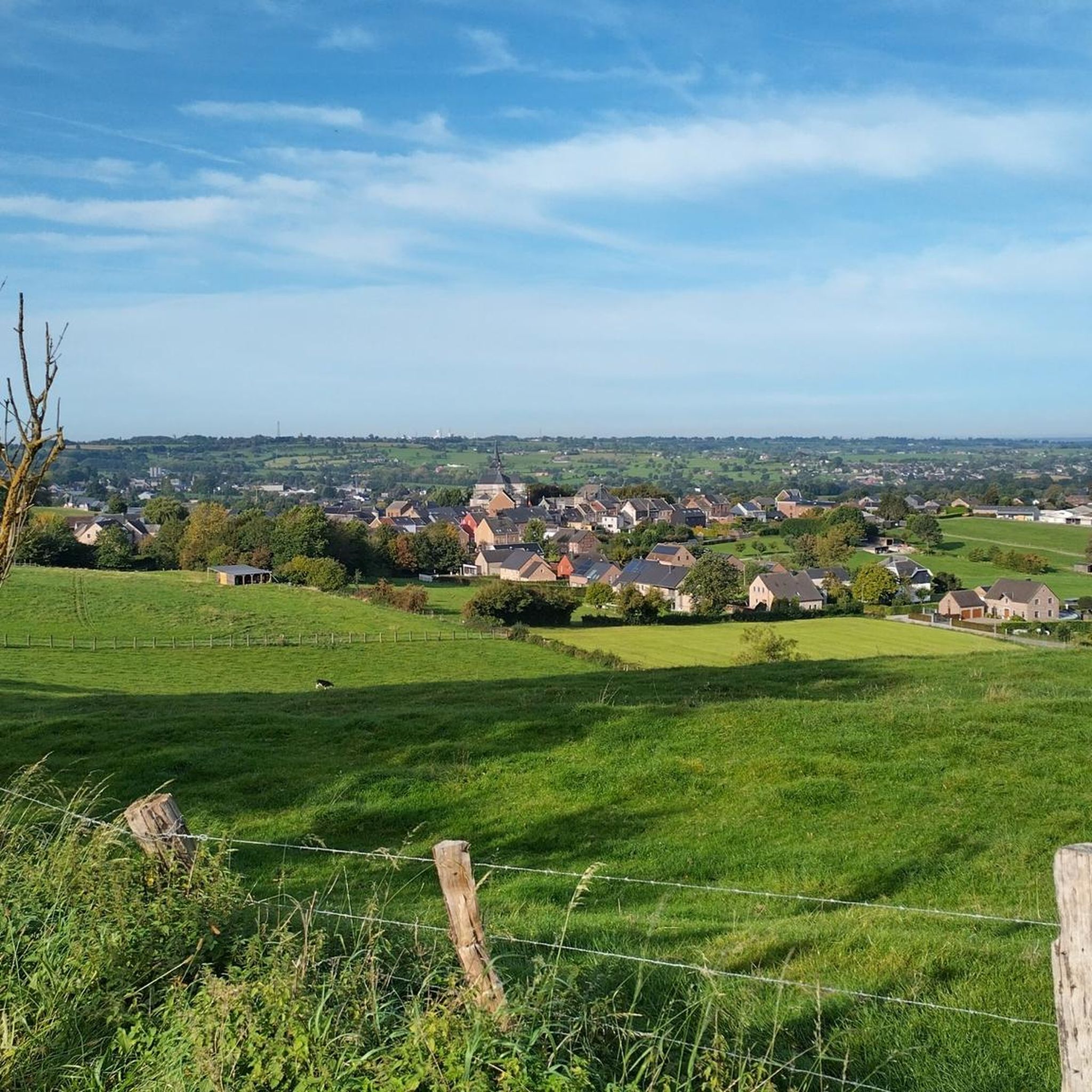
Also called Château Chrouet, after Dr. Warnier Chrouet, who had it built around 1700. Its facade was kept simple. At the rear, large windows overlooked the green Vesdre valley from the hill. A striking feature of the facade is the 17th-century entrance portal in carved limestone with a canopy (canopy) above it. This was typical of many buildings of that period in Olne and was locally called a "teutê." We also see some on the cemetery portal and the municipal garden, but most have been lost over time. The castle's teutë was embellished with a charming turret.
0
0
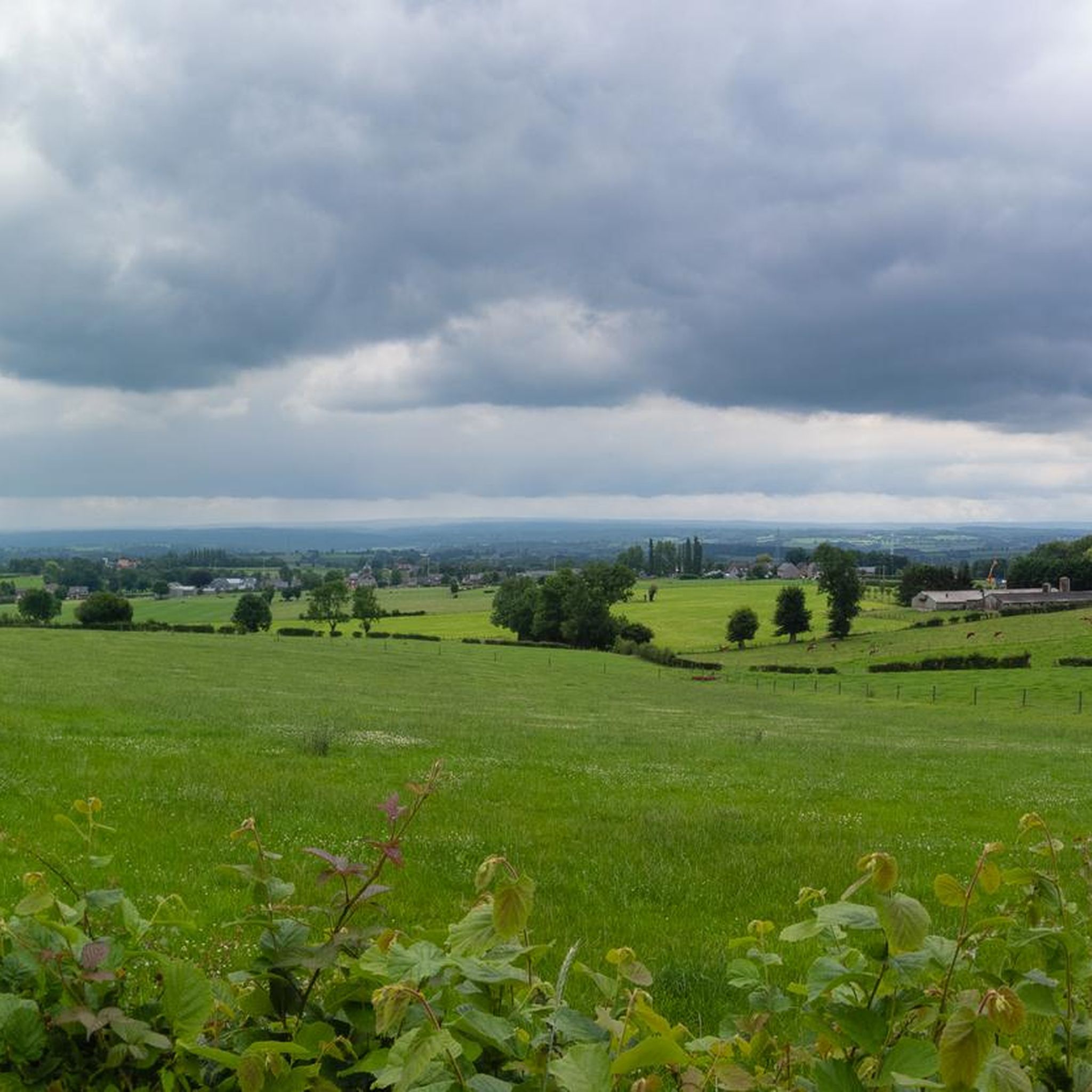
The Olne sinkhole, where the Ry de Vaux stream plunges into the subsurface, emerging 60 meters lower in Vaux, at various points, and then reemerging nine days later. It flows through an underground cave system, flowing through other water bodies and a reservoir.
0
0

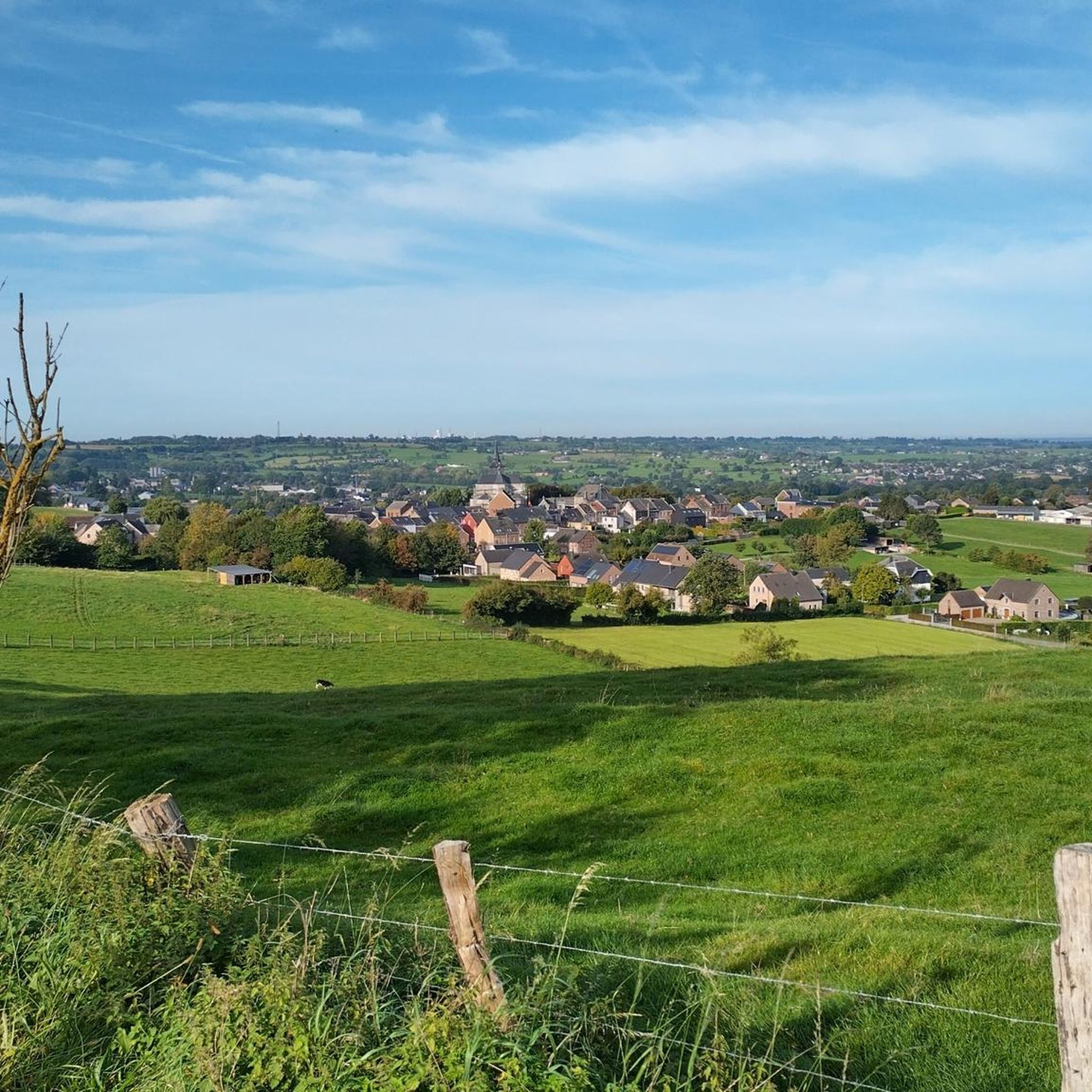
In the mid-19th century, flooding from the Göhl River posed a major threat to the mine in Bleyberg/Plombières: Water repeatedly penetrated the tunnels and claimed lives. To prevent this, a diversion of part of the river was requested and approved in 1861. By 1862, a tunnel several hundred meters long was built beneath the rock, keeping the Göhl away from the mine. The construction cost approximately 200,000 francs. The tunnel is a technical monument to mining engineering from an era when hazards were deliberately controlled while simultaneously harnessing hydropower. It demonstrates how work-related accidents were prevented while simultaneously harnessing resources.
54
0

is currently dry, unfortunately
1
0
Small cave with bat passage..
4
0

Bats hibernate from early November to the end of March. Please leave the animals alone during these five months. Thank you.
2
0
Frequently Asked Questions
What are the most notable caves to visit near Thimister-Clermont?
While there are no caves directly within Thimister-Clermont, the surrounding Liège province and Ardennes region offer several impressive options. The Mine entrance and Geul sinkhole — Plombières Nature Reserve is a popular historical site and cave opening. Further afield, the Caves of Remouchamps are known for their unique underground boat trip, and the Grotte de Comblain offers an educational experience with abundant speleothems.
Are there any family-friendly cave experiences in the area?
Yes, several options are suitable for families. The Mine entrance and Geul sinkhole — Plombières Nature Reserve is listed as family-friendly and offers a glimpse into historical mining. The Grotte de Comblain is particularly well-suited for families, providing an engaging and educational tour about geological formations.
What historical insights can I gain from visiting caves near Thimister-Clermont?
The region's caves often intertwine with its rich mining history. The Mine entrance and Geul sinkhole — Plombières Nature Reserve is part of a former zinc and lead mining operation active for centuries. Similarly, the Oskar Tunnel (Oskarstollen) was historically used to transport ore from the deep Schmalgraf mine. The Artificial Tunnel of the Gueule River also showcases human ingenuity in diverting a river to protect mines from flooding.
Can I see unique natural features or geological formations in these caves?
Absolutely. The Grotte de Comblain is celebrated for its impressive concretions (stalagmites and stalactites) and is considered among the caves with the most speleothems in Wallonia. The Caves of Remouchamps also feature spectacular stalagmites, stalactites, and a 40-meter high 'Cathedral' chamber. The Grube Auberg Bat Cave Entrance, while barred, allows a view of a small stream inside a natural cave.
Are there opportunities for hiking near the caves?
Yes, the region around Thimister-Clermont offers numerous hiking opportunities. You can find various trails, including easy to moderate routes, that explore the natural landscape. For detailed routes and inspiration, explore the Hiking around Thimister-Clermont guide.
What is the best time of year to visit the caves?
Caves generally maintain a constant cool temperature year-round (around 10°C in the Grotte de Comblain), making them a good destination in any season. However, visiting during spring or autumn can be particularly pleasant for combining cave exploration with outdoor activities like hiking or cycling in the surrounding Ardennes region.
Are any of the caves known for their wildlife, particularly bats?
Yes, several caves in the area serve as important habitats for bats. The Oskar Tunnel (Oskarstollen) and the Grube Auberg Bat Cave Entrance are specifically noted as bat habitats. The Grotte de Comblain also functions as a winter habitat for bats, highlighting the ecological significance of these underground environments.
What kind of unique experiences do these caves offer?
The Caves of Remouchamps offer a unique combination of a walking tour and Europe's longest underground boat trip on the Rubicon river. The Grotte de Comblain provides a didactic experience with guided tours focusing on geological education. The Nutons' Cave is associated with local folklore about small, clever beings, adding a mythical dimension to your visit.
Are the caves accessible for people with reduced mobility or dogs?
Accessibility varies by cave. For instance, the Caves of Remouchamps are not accessible to people with reduced mobility, and dogs are not permitted. It's advisable to check specific accessibility information directly with each cave attraction before planning your visit.
What other outdoor activities are available near the caves around Thimister-Clermont?
Beyond hiking, the region offers excellent opportunities for cycling and gravel biking. You can explore various routes that take you through scenic landscapes and past historical sites. Check out the Cycling around Thimister-Clermont guide and the Gravel biking around Thimister-Clermont guide for route ideas.
What do visitors appreciate most about the caves in this region?
Visitors often highlight the unique blend of natural beauty and historical significance. The dramatic geological formations, the insights into the region's mining past, and the opportunity to explore underground environments are frequently praised. The combination of walking and boat tours, as well as the educational aspects, also contribute to a memorable experience.
Where can I find information about parking near the cave entrances?
Specific parking information can vary for each cave or highlight. For sites like the Mine entrance and Geul sinkhole — Plombières Nature Reserve, parking is typically available near the nature reserve. For commercial caves like Remouchamps or Comblain, dedicated parking facilities are usually provided. It's recommended to check the official websites of individual attractions for precise details.
Most popular routes around Thimister-Clermont
Most popular attractions around Thimister-Clermont

Get inspired with the komoot mobile app


Explore more
Extend your search for the best caves by checking out these guides of the top ones around Thimister-Clermont:
