Top 6 Caves around Dison
Best caves around Dison are found within the broader Liège province and Belgian Ardennes, as caves directly within Dison are generally not accessible for tourism. The region is characterized by its limestone geology, which has led to the formation of numerous subterranean features. While the Grotte Bebronne is dangerous and closed to the public, and Nutons' Cave is undeveloped for tourism, the wider area offers several notable caving experiences. These include extensive cave systems and underground rivers, providing insights into…
Last updated: October 3, 2026
Nutons' Cave
Highlight • Cave
According to legend, nutons are small …
Translated by Google •
Tip by

Sinkhole of Olne (Chantoir de Olne)
Highlight • Cave
Translated by Google •
Tip by

Sign up now to discover places like this
Get recommendations on the best single tracks, peaks, & plenty of other exciting outdoor places.
Bridge at the Grotto of Elie
Highlight • Bridge
Translated by Google •
Tip by

Jaminon Cave
Highlight • Cave
Translated by Google •
Tip by

Renoupré Rocks and the Trou des Sottais Cave
Highlight (Segment) • Cave
Translated by Google •
Tip by

Start today with a free account
Your next adventure awaits.

Other adventures around Dison

Tips from the Community

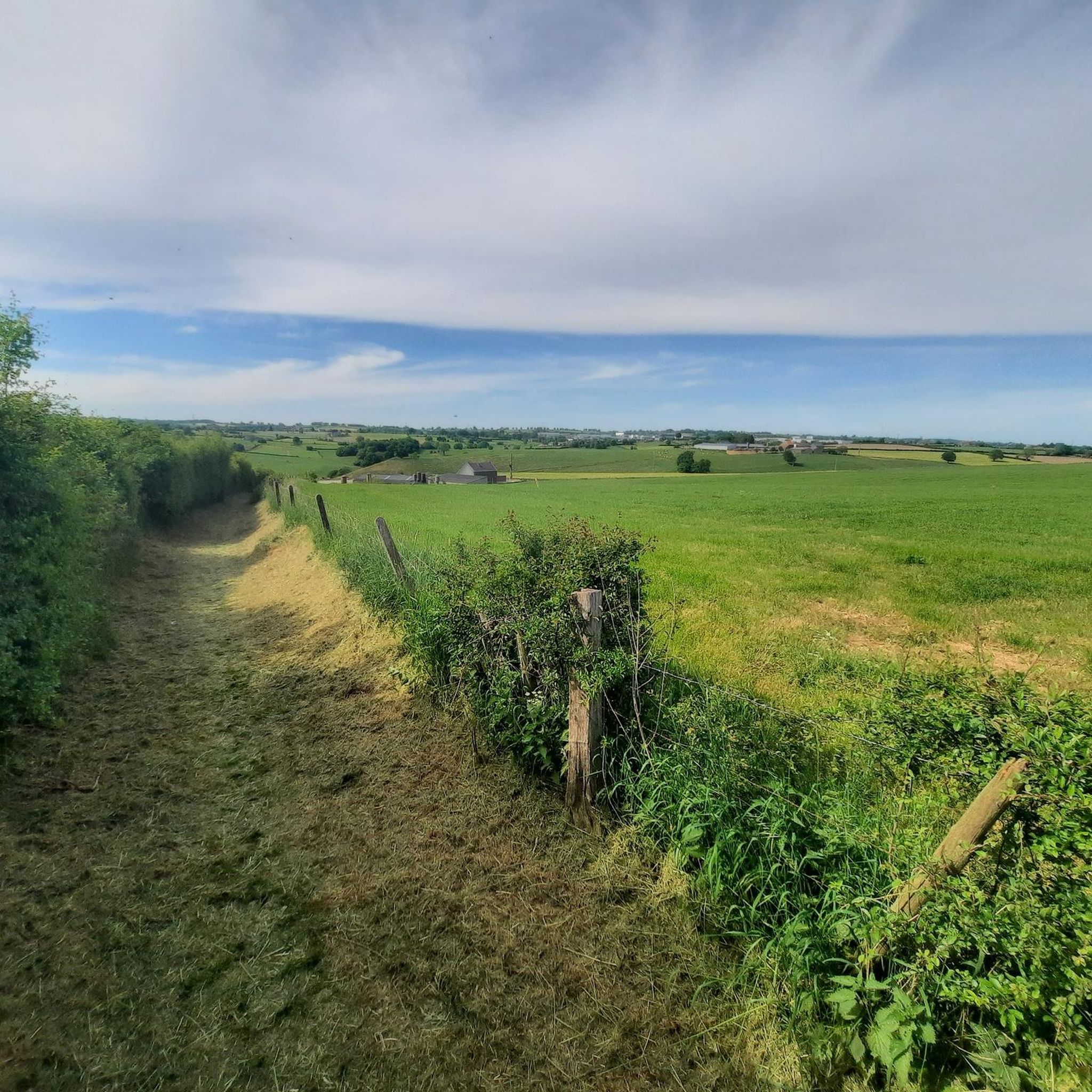
Great spot next to the path to discover.
2
0

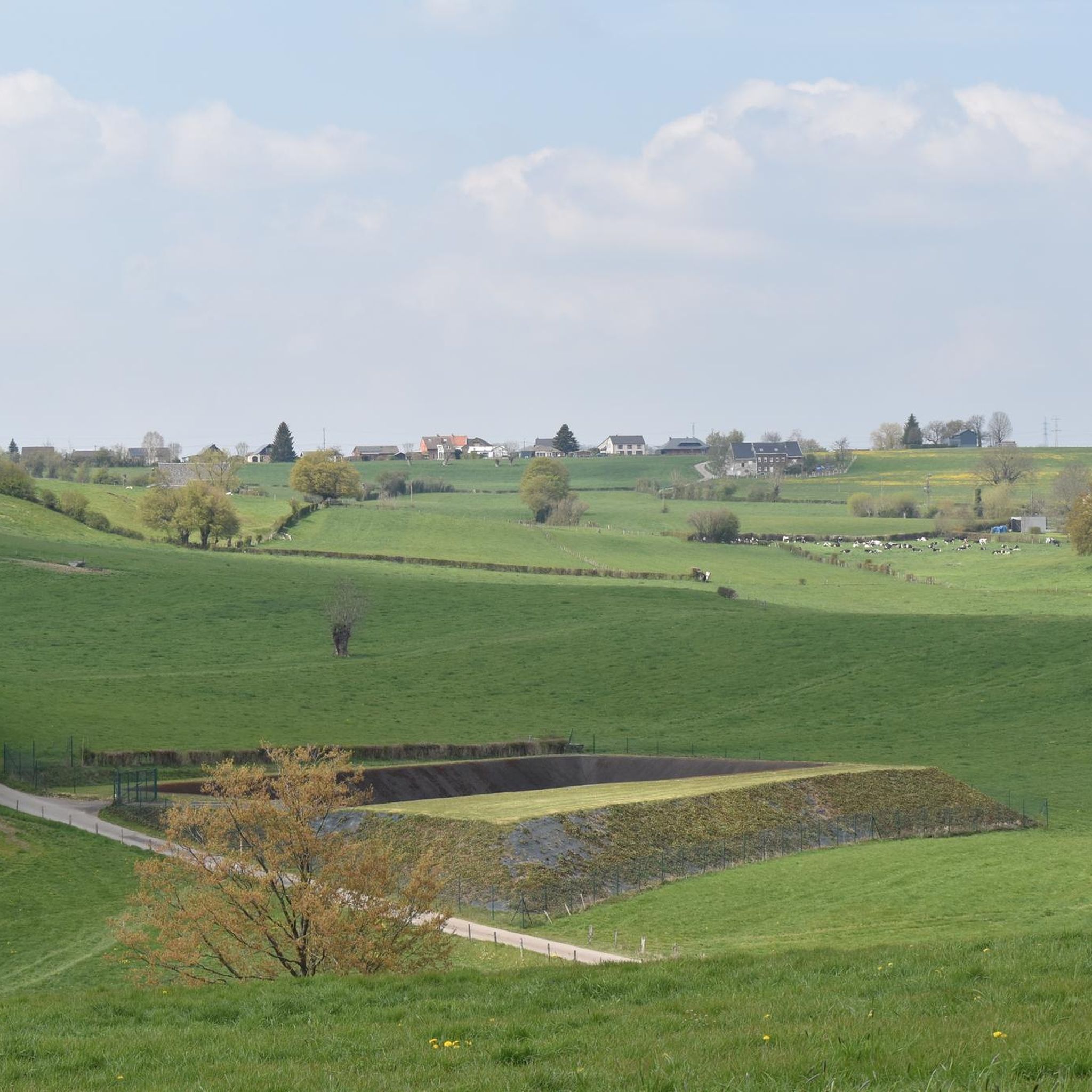
This region is home to numerous sinkholes, where flowing surface water from streams disappears into cracks in the chalky subsoil, emerging much lower down in the landscape. The most famous is the Chantoir in Olne. The Ry de Vaux stream disappears into the subsoil here, flowing through an underground cave system and reservoir. It is fed by other surrounding water and re-emerges in several karst springs in Vaux-sous-Olne, 760 meters further and 60 meters lower!
0
0
Also called Château Chrouet, after Dr. Warnier Chrouet, who had it built around 1700. Its facade was kept simple. At the rear, large windows overlooked the green Vesdre valley from the hill. A striking feature of the facade is the 17th-century entrance portal in carved limestone with a canopy (canopy) above it. This was typical of many buildings of that period in Olne and was locally called a "teutê." We also see some on the cemetery portal and the municipal garden, but most have been lost over time. The castle's teutë was embellished with a charming turret.
0
0
The Olne sinkhole, where the Ry de Vaux stream plunges into the subsurface, emerging 60 meters lower in Vaux, at various points, and then reemerging nine days later. It flows through an underground cave system, flowing through other water bodies and a reservoir.
0
0

is currently dry, unfortunately
1
0

Climbing steeply to the rocks...
6
0
Steep climb to the rock along the cave niche Trou des Sottais. On top of the rock some remains of the ruins of the Site de la Chantoire
3
0

This cave is located on the left bank of the Ruisseau de Villers (La Pancherelle) and is located a little higher up along the hiking trail, in the forests of Saint-Jacques. The "nuton" (or lûton, nûton, gnome in Dutch) is a small creature from the folklore and popular beliefs of the French and Belgian Ardennes. The nuton has the same origins as the gnome, but according to local folklore, caves, caverns and underground passages make up most of its habitat, much like the dwarves of the Germanic world.
6
0
Frequently Asked Questions
Are there accessible caves directly within Dison?
Caves directly within Dison, such as the Grotte Bebronne and Nutons' Cave, are generally not accessible for tourism. The Grotte Bebronne is considered dangerous and closed to the public, while Nutons' Cave is undeveloped for tourist visits, primarily serving as a feature along hiking routes.
What are the best tourist-friendly caves near Dison?
For accessible and tourist-friendly cave experiences near Dison, consider exploring options in the wider Liège province and Belgian Ardennes. Notable choices include the Caves of Remouchamps (known for its underground boat trip), Comblain Cave (offering guided tours and a unique ecosystem), and the extensive Caves of Han-sur-Lesse (a UNESCO Global Geopark site with tram rides and stunning formations).
Can I visit Nutons' Cave near Dison?
While Nutons' Cave is a known landmark along hiking routes in the forests of Saint-Jacques, it is not developed for tourism. There are no guided tours or facilities for general public access. It is primarily associated with local folklore about 'nutons' or small, clever beings.
What is the Sinkhole of Olne?
The Sinkhole of Olne (Chantoir de Olne) is a natural monument where a stream disappears into an underground cavity. The water travels underground for approximately nine days before reappearing 760 meters away in Vaux-sous-Olne. It has been the subject of speleological research.
Are there any caves near Dison suitable for families with children?
Caves directly in Dison are not suitable for families. However, the Caves of Remouchamps and the Caves of Han-sur-Lesse, located further afield in the wider region, are well-equipped for family visits, offering guided tours, accessible paths, and unique experiences like underground boat trips or tram rides.
What kind of geological features can I expect to see in the Dison region's caves?
The Dison region, characterized by its limestone geology, features various subterranean formations. These include sinkholes (like the Sinkhole of Olne), grottoes, and smaller cave niches. In the wider Liège province, you can find extensive cave systems with stalactites, stalagmites, and underground rivers.
Are there hiking trails near the caves around Dison?
Yes, several caves in the Dison area, such as Nutons' Cave and Renoupré Rocks and the Trou des Sottais Cave, are located along hiking routes. You can find various running trails around Dison, including routes that pass by Nutons' Cave, by exploring the Running Trails around Dison guide.
What is the best time to visit caves in the Belgian Ardennes region?
Many tourist caves in the Belgian Ardennes, such as the Caves of Remouchamps and Han-sur-Lesse, are open year-round, though specific hours may vary by season. Visiting during spring or autumn can offer pleasant weather for exploring the surrounding areas. It's always advisable to check the specific cave's website for current opening times before planning your visit.
Are there any caves near Dison that are dog-friendly?
Caves directly in Dison are not suitable for dogs due to their undeveloped nature or safety concerns. For tourist caves in the wider region, policies on dogs vary. For example, the Caves of Han-sur-Lesse generally allow dogs on a leash in the park and on the tram, but not inside the caves themselves. Always check with the specific attraction beforehand.
What other outdoor activities can I do near the Dison caves?
Beyond exploring caves, the Dison area offers various outdoor activities. You can find gravel biking routes, such as those around the Gileppe Dam, by consulting the Gravel biking around Dison guide. There are also numerous running and road cycling routes available in the region.
What should I wear when visiting caves near Dison?
When visiting tourist caves in the wider region, it's advisable to wear comfortable walking shoes with good grip, as paths can be damp or uneven. Even in summer, cave temperatures are consistently cool (often around 10-12°C or 50-54°F), so bringing a light jacket or sweater is recommended.
What is the history behind Jaminon Cave?
The Jaminon Cave, located in a former quarry near Pepinster, was once a popular climbing site. However, it is now closed to the public due to the risk of collapse and for the protection of its biotope and fauna. It has been designated a national nature reserve.
Where can I find information about the Caves of Remouchamps or Comblain Cave?
For detailed information about the Caves of Remouchamps, you can typically find details on regional tourism websites. For Comblain Cave, you can visit visitwallonia.com to learn more about this underground cavity of scientific interest.
Most popular attractions around Dison

Get inspired with the komoot mobile app


Explore more
Extend your search for the best caves by checking out these guides of the top ones around Dison:
