Top 20 Lakes around Lint
Lakes around Lint, located in the Belgian province of Antwerp, offer diverse natural and recreational areas. While prominent natural lakes are not directly within the municipality, the surrounding region features various water bodies, including ponds, former industrial basins, and nature reserves. These areas provide opportunities for walking, wildlife observation, and exploring historical sites. The landscape combines forests, reed fields, and open water, shaped by both natural processes and past human activity.
Best lakes around Lint
- The most popular lakes is…
Last updated: June 16, 2026
Provincial Park De Schorre
Highlight • Natural
Translated by Google •
Tip by

Hoefijzerput
Highlight • Lake
Translated by Google •
Tip by

Sign up now to discover places like this
Get recommendations on the best single tracks, peaks, & plenty of other exciting outdoor places.
Sign up for free
Broek De Naeyer Nature Reserve
Highlight • Natural
Translated by Google •
Tip by
The Putten van Lacourt
Highlight • Lake
Translated by Google •
Tip by
Rivierenhof Boathouse and Rowing Pond
Highlight • Lake
Translated by Google •
Tip by

Sign up for free to discover even more lakes around Lint.
Sign up for free
Already have an account?
Start today with a free account
Your next adventure awaits.
Login or Signup
Tips from the Community

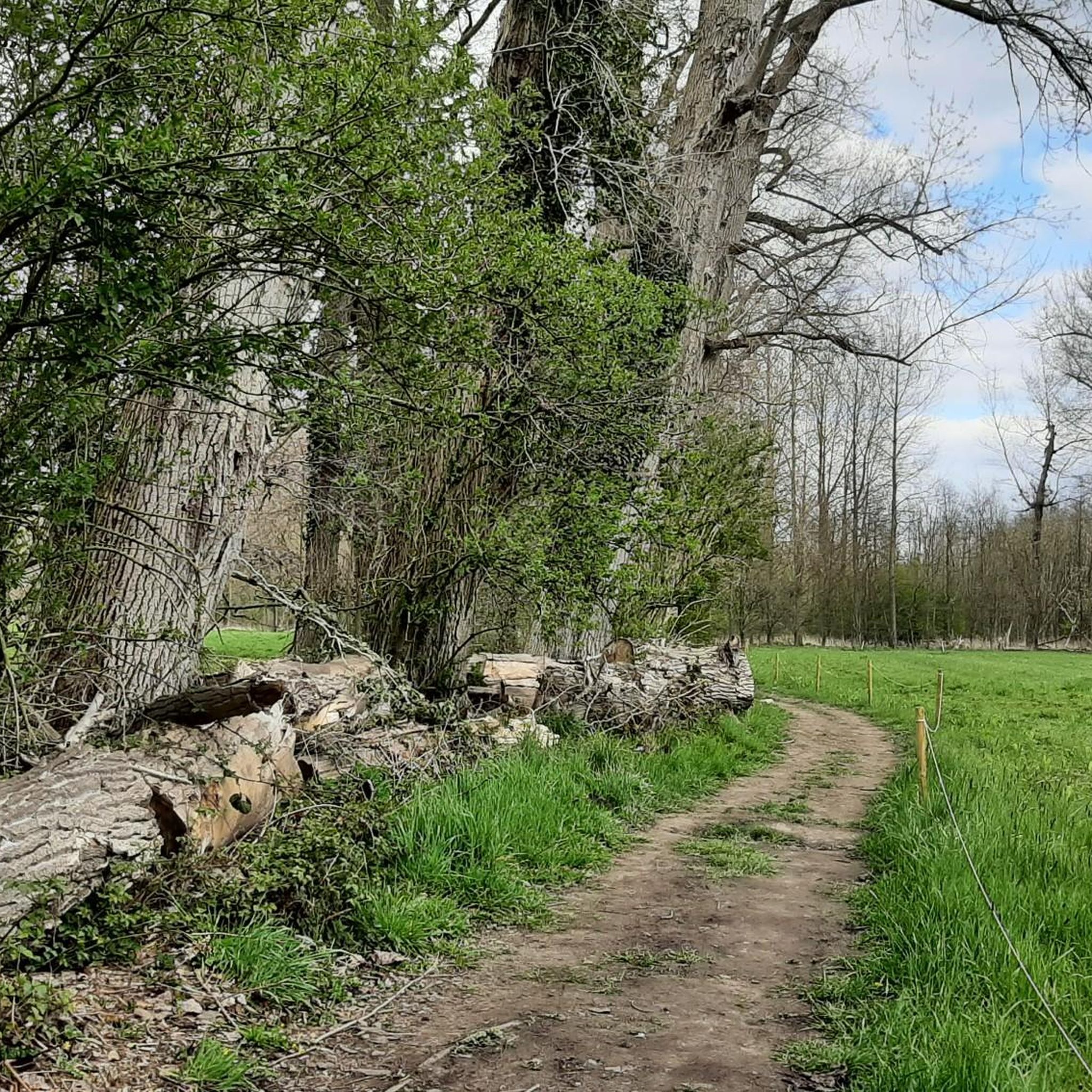
In the 19th and 20th centuries, the Kesselse Heide was a popular location for military exercises. It was used successively by the Belgian army (specifically the Achterbist region), during World War II by German soldiers, and in the post-war period by the Allies. Locals would sometimes "play" with the soldiers as children, participating in exercises such as quickly reassembling a weapon. However, from the early 1950s onward, the fun ended: the start of the Korean War and more frequent exercises led to stricter rules. Perhaps for the best, as the soldiers had access to heavy artillery. The heath contained several gun pits, part of the defense line around Nijlen. The famous "Horseshoe Pit" was one of them. This pit was originally circular and was (possibly) dug during the First World War to wash the soldiers' horses. Later, a small land bridge was added, making the island in the middle accessible. For many locals, it served as a beautiful swimming hole and a place for summer recreation.
4
0

Nice story about rivalry between local youth from surrounding villages
3
0

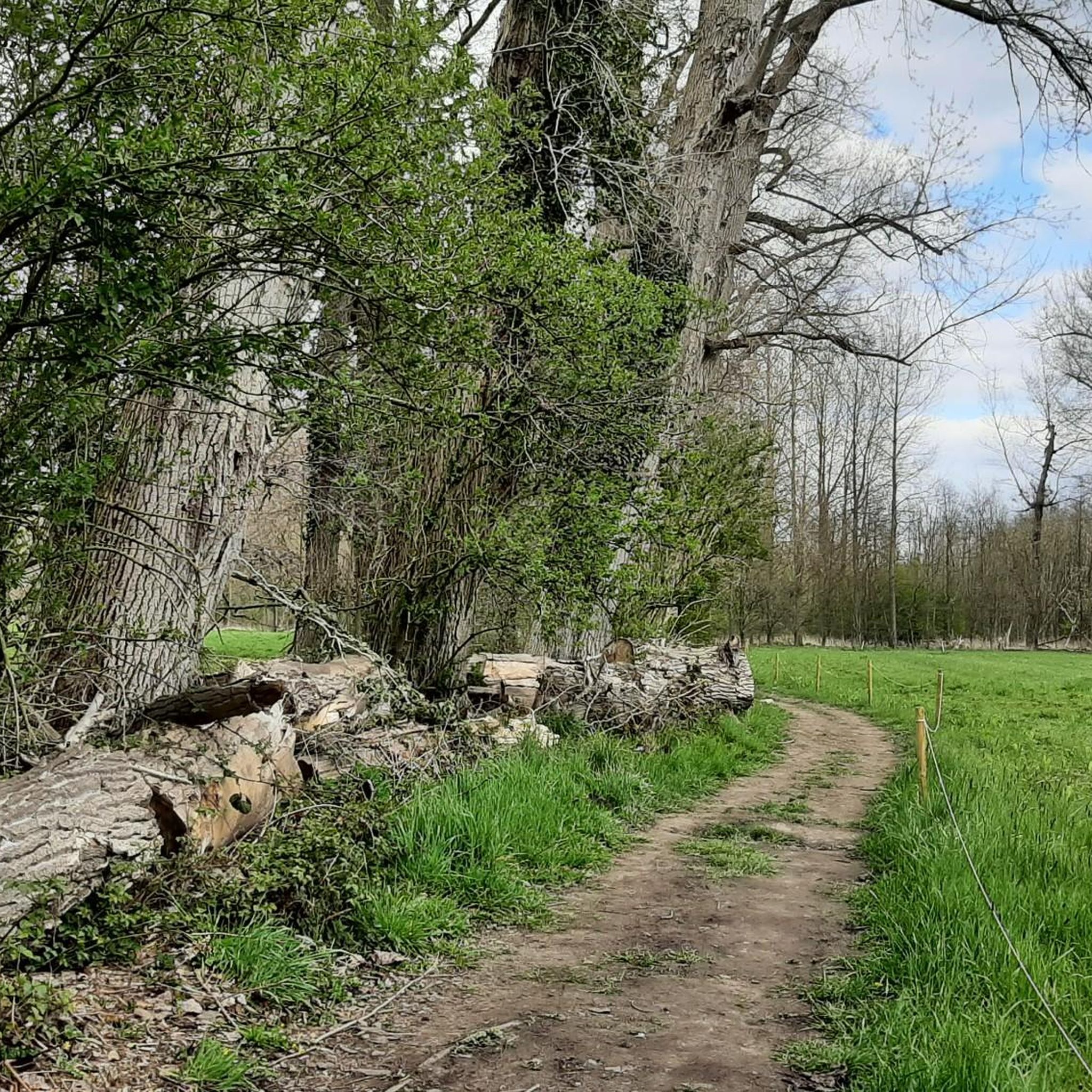
Due to the industrial past, there are a number of safety regulations in this area: THE SLUDGE OF THE PONDS STILL CONTAINS HEAVY METALS. Fish store these toxic substances in their bodies and are therefore certainly not edible. THE PATHS ARE PROVIDED WITH A COVERING LAYER SO THAT YOU DO NOT COME INTO CONTACT WITH POLLUTION. Apart from the paths, we cannot guarantee this. If you do come into contact with soil, it is important to wash your hands very well. Also clean your shoes or boots very thoroughly. DOGS ARE NOT ALLOWED, NOT EVEN ON A LEASH. It is dangerous for your four-legged friend to walk next to the paths because of pollution. Dogs also frighten the animals present (including waterfowl, beavers, otters).
3
0
A paradise for water birds This former industrial area has grown into a true paradise for water birds. Many birds, such as the cormorant, find a breeding ground here. Do you want to admire them up close? Then take a seat in one of our two birdwatching huts and watch the birds without disturbing them.
2
0


Winter lighting, quiet walking
2
0
During the months of June, July and August, the site is largely closed due to Tomorrowland
4
0

It is a beautiful park, with beautiful water features and the Rivierhof castle where you can enjoy a snack and a drink.
3
0
Frequently Asked Questions
What kind of water bodies can I expect to find around Lint?
While prominent natural lakes are not directly within the municipality of Lint, the surrounding region features a variety of water bodies. These include natural ponds, former industrial basins, and lakes within recreational parks, offering diverse natural and recreational areas.
Are there family-friendly lakes or parks to visit near Lint?
Yes, several spots are great for families. Provincial Park De Schorre is highly recommended, offering a large park with ponds, hiking trails, a bike museum, and a café. It's known for being a very nice and shady walking environment, especially with children. Another family-friendly option is Hoefijzerput, which features a large sandy area where children can play, along with rest and picnic benches.
What natural features and wildlife can I observe around the lakes near Lint?
The region offers rich flora and fauna. At Broek De Naeyer Nature Reserve, you can enjoy 66 hectares of forest, reed fields, and open water, with beavers known to have their dens there. The area is also great for birdwatching, with various swimming birds often seen at locations like The Putten van Lacourt.
Are there historical sites or points of interest near the lakes?
Yes, the area combines natural beauty with historical significance. For example, the Pond at Fort III Borsbeek is located near one of the oldest forts of the Great Wall of Antwerp. This fort is free to visit and offers insights into its past, with parts serving as an important hibernation site for bats. You can also discover varied nature around the fort via walking routes.
What outdoor activities can I do near the lakes around Lint?
The region around Lint is excellent for various outdoor activities. You can find numerous routes for jogging, hiking, and cycling. For detailed routes, explore the Running Trails around Lint, Hiking around Lint, and Cycling around Lint guides. Provincial Park De Schorre also offers opportunities for walking, cycling, and even water activities.
Are there easy walking trails around the lakes near Lint?
Yes, there are several easy walking trails. For example, the 'Papendonk Forest boardwalk – Church of the Nativity of Our Lady loop from Lint' is an easy 4.7 km hike. You can find more easy options in the Hiking around Lint guide.
What do visitors enjoy most about the lakes and natural areas around Lint?
Visitors appreciate the diverse natural and recreational areas. Many enjoy the peacefulness of places like Broek De Naeyer Nature Reserve, where they can enjoy birdsong and observe wildlife. The natural surroundings and the presence of various swimming birds at The Putten van Lacourt are also highly valued, especially on weekdays when it's quieter.
Are there facilities like cafes or restrooms available at the lakes?
Yes, at Provincial Park De Schorre, you will find a cozy café and other facilities, making it a comfortable spot for a day out. Other natural areas might have fewer direct facilities, so it's always good to check specific locations beforehand.
What should I be aware of when visiting the nature reserves, especially regarding insects?
When exploring nature reserves like Broek De Naeyer Nature Reserve, which has moist soil, it's advisable to bring insect repellent. The damp conditions can make it a habitat for many mosquitoes.
Can I visit the lakes during different seasons, such as winter?
The natural areas around Lint can be enjoyed year-round. While specific winter hiking conditions might vary, places like Provincial Park De Schorre remain beautiful and accessible, offering a serene experience even when the famous summer festivals are not taking place.
Are there any specific considerations for paths and accessibility around the lakes?
Some paths, particularly in natural areas like The Putten van Lacourt, can be under water during rainy weather, so watch out for conditions. While some parts of Fort Borsbeek are accessible for strollers, the nature walk itself around the fort is generally not accessible for wheelchair users or strollers.
Most popular attractions around Lint

Get inspired with the komoot mobile app


Explore more
Still not found your perfect lake around Lint? Check out the guides of these regions to see even more beautiful places.
