Top 5 Caves around Monte San Giacomo
Best caves around Monte San Giacomo are found within the Vallo di Diano, Province of Salerno, Italy, an area characterized by a significant karst environment. This region is known for its natural cavities, including sinkholes and springs, which contribute to its unique geological landscape. The caves here hold archaeological importance, with evidence of prehistoric human presence and ancient rituals. Monte San Giacomo offers a blend of natural features and historical insights for visitors.
Best caves around Monte San Giacomo
- The…
Last updated: June 30, 2026
Vallivona Sinkhole
Highlight • Cave
Translated by Google •
Tip by

Sanctuary of Madonna della Neve
Highlight • Religious Site
Translated by Google •
Tip by

Sign up now to discover places like this
Get recommendations on the best single tracks, peaks, & plenty of other exciting outdoor places.
Sign up for free
Tunnel leading to the Inghiottitoio di Vallivona
Highlight • Cave
Translated by Google •
Tip by

La Nevera
Highlight • Structure
Translated by Google •
Tip by
Start today with a free account
Your next adventure awaits.
Login or Signup
Other adventures around Monte San Giacomo

Tips from the Community

The Sanctuary of the Madonna della Neve (or Madonna del Cervato) is a suggestive place of worship located at about 1850 meters above sea level on Mount Cervati, in the Cilento National Park, near Sanza. Characterized by a chapel nestled in a natural cave, it is a destination for pilgrimages, especially between the end of July and August 5th, and represents one of the highest and most fascinating peaks in Campania. https://blogcamminarenellastoria.wordpress.com/2022/12/14/il-monte-cervati-e-la-madonna-della-neve/
1
0

A brief explanation of the patronage of 'MARY OF THE SNOW', which visitors don't encounter very often: This takes us far back in church history to the fourth/fifth century, and geographically to Rome. On August 5, 363, the so-called "miracle of the snow" occurred at the site where the Basilica of Santa Maria Maggiore now stands. That is to say, on that day, in the middle of summer, snow lay there in the morning because the Virgin Mary wished to have a church dedicated to her built on that spot. She conveyed this wish in a vision to a wealthy couple – who subsequently initiated and financed the construction – and to the Bishop of Rome, who at that time was Pope Liberius. The Roman church holds the rank of a patriarchal basilica (papal basilica) and is the origin of all churches and chapels with this patronage. In the liturgical calendar of the Catholic Church, August 5th, the feast day of the church's consecration (in the year 432 by Pope Sixtus III), is an optional memorial. Santa Maria Maggiore in Rome was the focus of international attention last year because Pope Francis, who died on Easter Monday 2025, had chosen this church as his final resting place.
0
0
To get to the Vallivona sinkhole you have to go through an artificial tunnel of about 500m. In spring/summer it is possible to cross it with flashlights and with boots or waterproof bags for shoes.
3
0
Here is the info on the Vallivona Affondator: https://www.archeotrekking.net/it/scheda_singola/188-l-affondamento-di-vallivona.html
3
0
Here is the info: https://drive.google.com/file/d/1UlQWiWK45afivZjuXxtYBWe77kqg_A5U/view?usp=drive_link
3
0

The sinker of Vallivona is one of the natural attractions of the Cilento, Vallo di Diano and Alburni National Park. The particular microclimate of this karst sinkhole makes the environment very special. To reach it, it is necessary to go through a tunnel of about 500 meters in the dark and very humid.
1
0
The Sanctuary of the Madonna del Cervato is located near the highest peak in Campania, Monte Cervati. The church is a pilgrimage destination, and in the month of July a procession is held that brings the statue of the Madonna della Neve here.
1
0

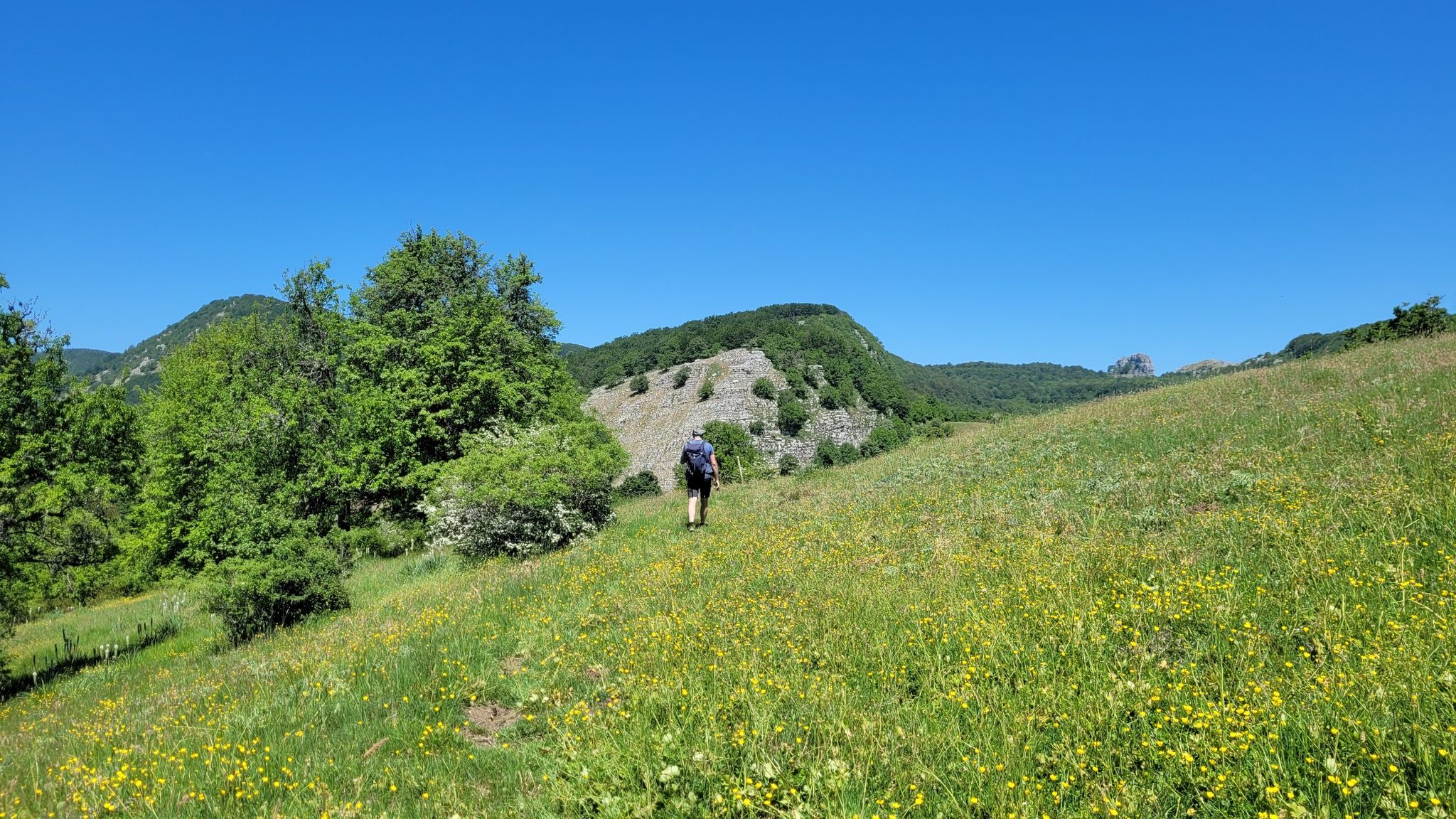
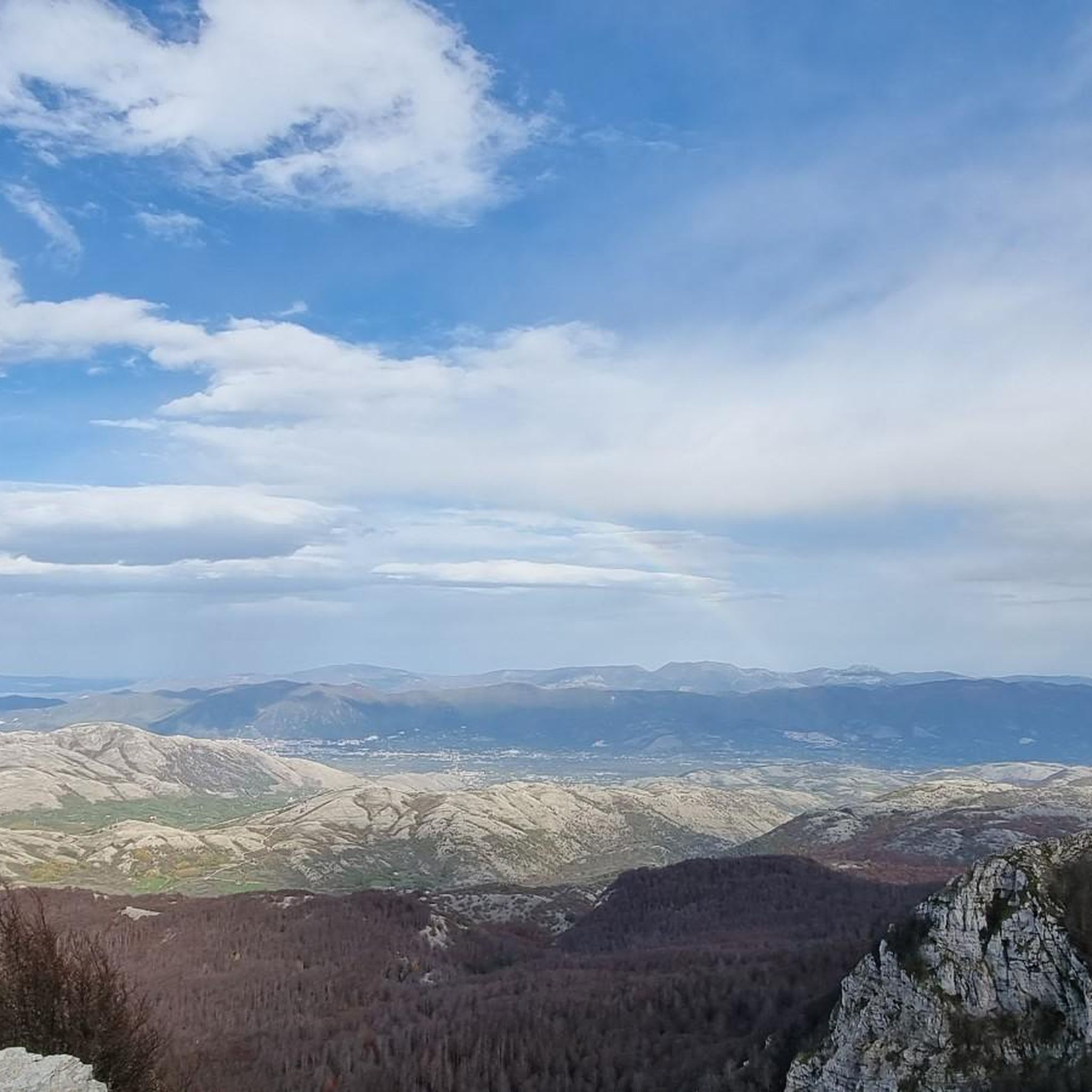
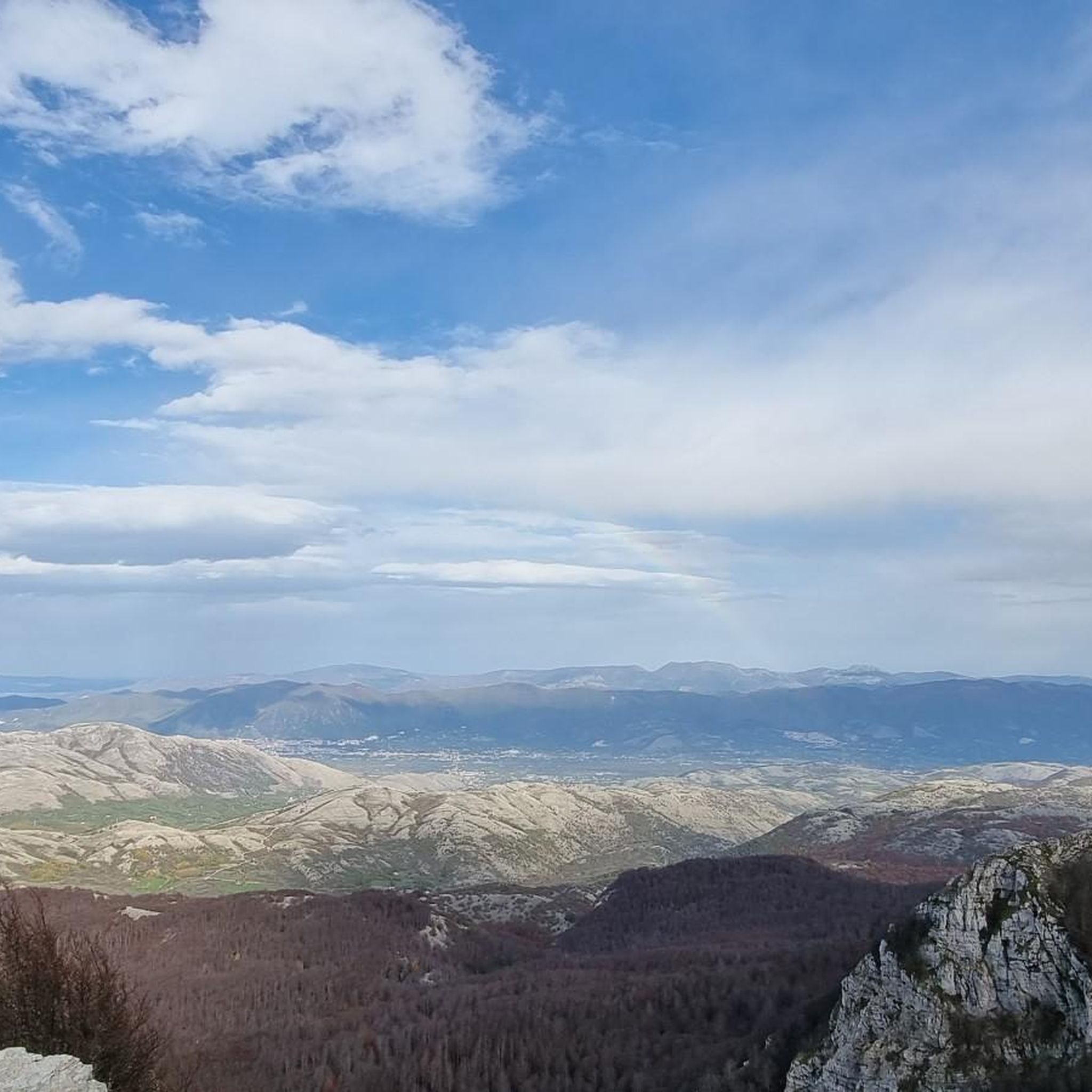
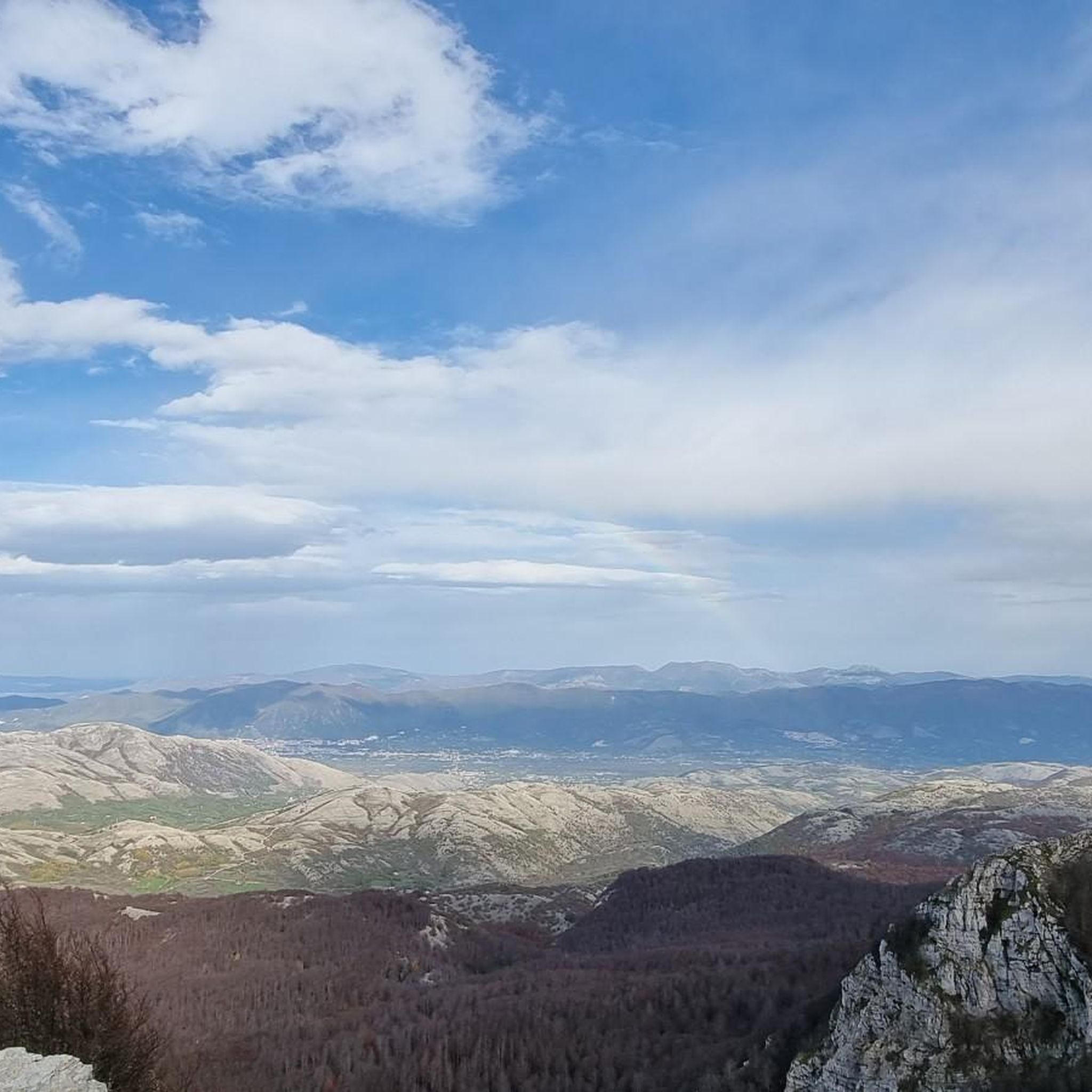
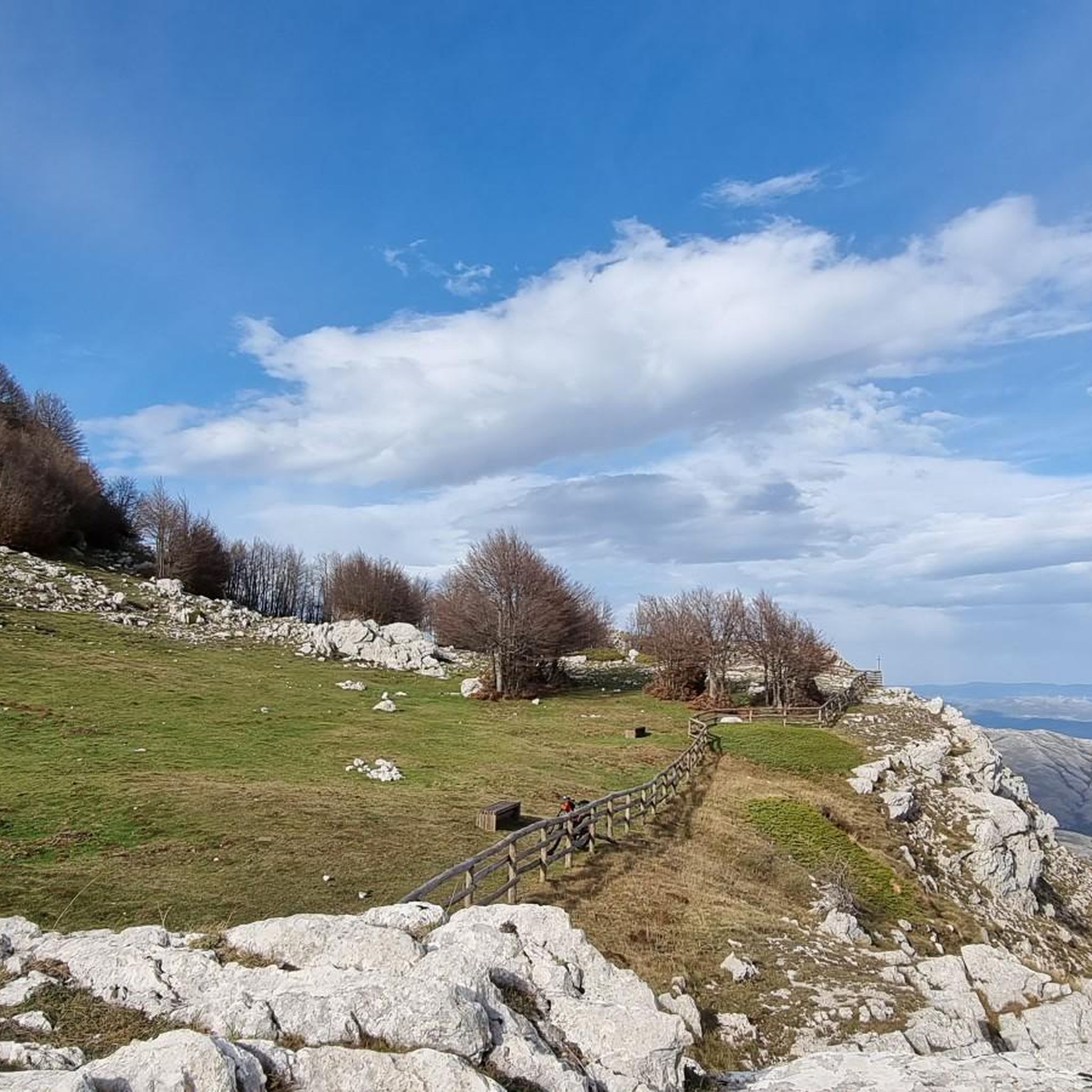
The sanctuary and the cave of the Madonna della Neve are enclosed in a typically karst environment. High jagged rock walls, sinkholes and caves make this place fascinating. This place is absolutely worth a visit, even if you are not a believer.
3
0
Frequently Asked Questions
What are the most significant caves in the Monte San Giacomo region?
The Monte San Giacomo region is home to several notable caves, including the Vallivona Sinkhole, a crucial geological feature of the Cervati massif. Historically and archaeologically, the Grotta dei Vallicelli and the Inghiottitoio di Pian di Varlacarla (also known as Grotta Merola) are particularly significant for their prehistoric and protohistoric findings.
What historical insights do the caves of Monte San Giacomo offer?
The caves in the region provide a rich historical record. The Grotta dei Vallicelli, for instance, shows evidence of human presence dating back 40,000 years, including Neanderthal activity and artifacts from the Mesolithic and Neolithic periods. The Inghiottitoio di Pian di Varlacarla served as a ritual and funerary site during the early and middle Bronze Age, offering insights into ancient practices and beliefs.
Are there any caves with unique natural features or geological importance?
Yes, the region is characterized by a significant karst environment. The Vallivona Sinkhole is a prime example, showcasing a karst environment rich in sinkholes and springs, with an amazing elliptical shape and high naturalistic value inside. La Nevera is another unique karst sinkhole known for its perennial snow presence, historically used for food storage.
Can I explore the caves on my own, or are guided tours recommended?
Some caves, like the Vallivona Sinkhole, involve traversing a 500-meter long tunnel. It is recommended to have flashlights and wear appropriate footwear like boots or waterproof bags for shoes, especially in spring/summer. For sites of archaeological significance like Grotta dei Vallicelli and Inghiottitoio di Pian di Varlacarla, access may be restricted or require specific arrangements due to their delicate nature and ongoing preservation efforts.
What is the best time of year to visit the caves around Monte San Giacomo?
The Sanctuary of Madonna della Neve, which includes a cave, is typically open from the first Sunday of June until the second Sunday of October. For other caves, the spring and summer months might be more accessible, though conditions inside can vary. Always be prepared with proper lighting and footwear.
Are there family-friendly options for exploring caves in the area?
While some caves involve challenging terrain, the general appeal of the region's natural features and historical sites can be engaging for families. For specific family-friendly cave tours or accessible options, it's best to inquire locally, as access to archaeological sites like Grotta dei Vallicelli may be managed for preservation.
What outdoor activities can I do near the caves of Monte San Giacomo?
The area around Monte San Giacomo offers various outdoor activities. You can find numerous road cycling routes, MTB trails, and running trails. These routes often traverse the beautiful karst landscape, offering opportunities to explore the natural surroundings.
What do visitors enjoy most about the caves around Monte San Giacomo?
Visitors appreciate the unique blend of natural beauty and historical significance. The geological formations, such as the Vallivona Sinkhole, and the ancient human history revealed in sites like Grotta dei Vallicelli, are highly valued. The spiritual atmosphere of places like the Sanctuary of Madonna della Neve also draws many.
Are there any religious or pilgrimage sites associated with the caves?
Yes, the Sanctuary of Madonna della Neve, located near Monte Cervati's peak, is a significant pilgrimage destination. This religious building is set within a karst environment and features a small chapel, attracting many faithful, especially during its annual procession in July.
What is the significance of Grotta dei Vallicelli?
Grotta dei Vallicelli is a crucial prehistoric site, providing evidence of human presence from the Middle Paleolithic era, including Neanderthal activity. It offers a unique glimpse into ancient human history, tool-making techniques, and hunting practices in the region. The cave's cool, humid environment is also traditionally used for aging the local 'Caciobrigante' cheese.
What is the Inghiottitoio di Pian di Varlacarla known for?
The Inghiottitoio di Pian di Varlacarla, also known as Grotta Merola, is considered one of the most important protohistoric sites in Cilento. It served as a ritual and funerary site during the early and middle Bronze Age, with findings of hearth remnants, ceramic fragments, and human remains, offering valuable insights into ancient funerary practices.
Most popular routes around Monte San Giacomo
Most popular attractions around Monte San Giacomo

Get inspired with the komoot mobile app


Explore more
Extend your search for the best caves by checking out these guides of the top ones around Monte San Giacomo:
