Top 10 Castles around Monterotondo Marittimo
Best castles around Monterotondo Marittimo are found in this medieval town located in Tuscany's Metalliferous Hills. The region offers a glimpse into its rich past through historical castles and archaeological sites. Characterized by strategic locations and ancient origins, the area provides insights into Etruscan, Roman, and medieval periods. Monterotondo Marittimo's historical significance is evident in its preserved structures and archaeological findings.
Best castles around Monterotondo Marittimo
- The most popular castles is Massa Marittima Historic Center, a historical site that…
Last updated: June 30, 2026
Historic Center of Campiglia Marittima
Highlight • Settlement
Translated by Google •
Tip by

Massa Marittima Historic Center
Highlight • Historical Site
Translated by Google •
Tip by

Sign up now to discover places like this
Get recommendations on the best single tracks, peaks, & plenty of other exciting outdoor places.
Sign up for free
Church of the Most Holy Annunciation (Ruins)
Highlight • Religious Site
Located on a wonderful bike route
Translated by Google •
Tip by

San Silvestro Fortress
Highlight • Castle
Translated by Google •
Tip by

Candeliere Tower
Highlight • Monument
Translated by Google •
Tip by

Sign up for free to discover even more castles around Monterotondo Marittimo.
Sign up for free
Already have an account?
Start today with a free account
Your next adventure awaits.
Login or Signup
Popular around Monterotondo Marittimo
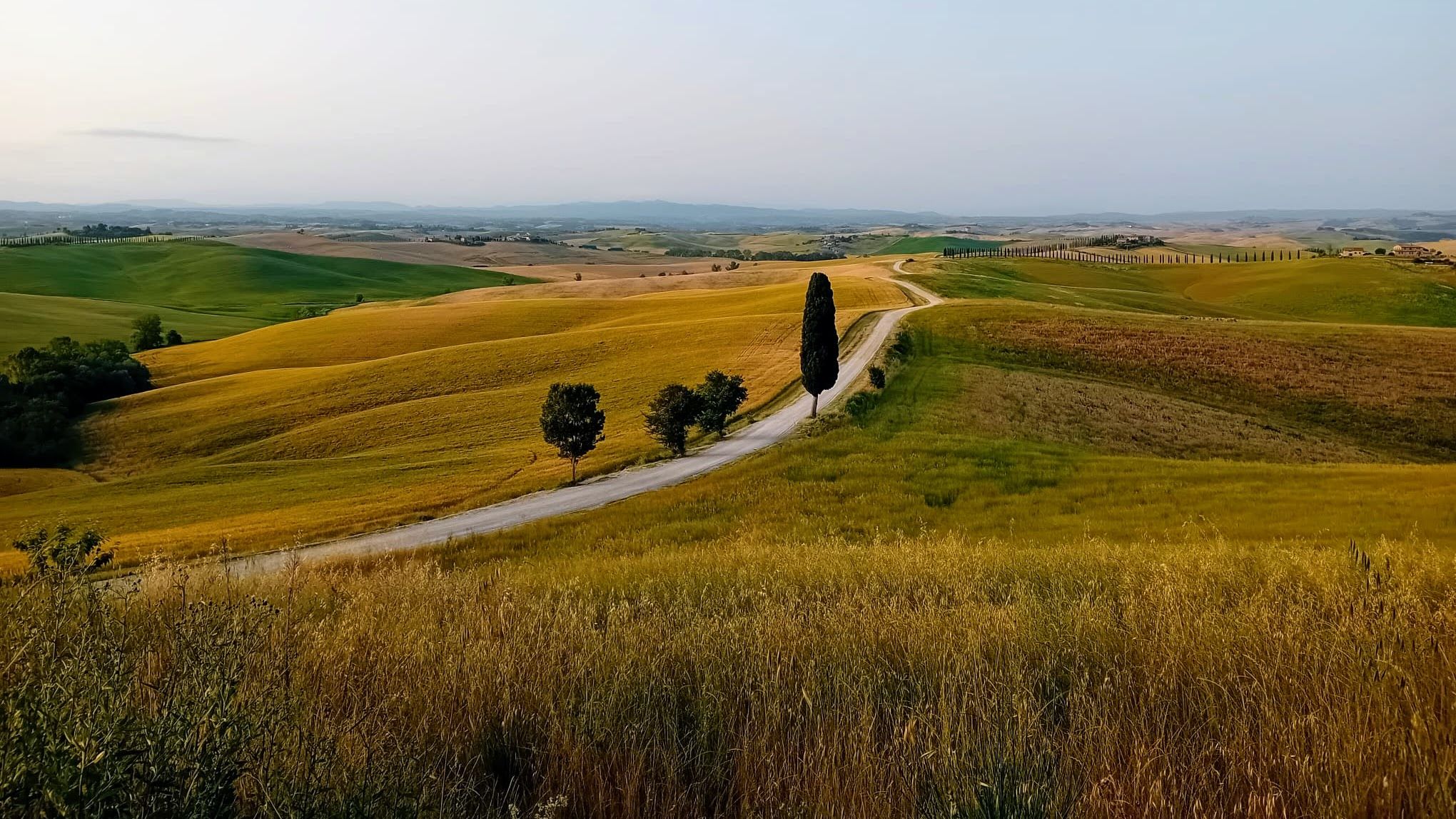
Tuscany by bike – history, cypresses and the Strade Bianche
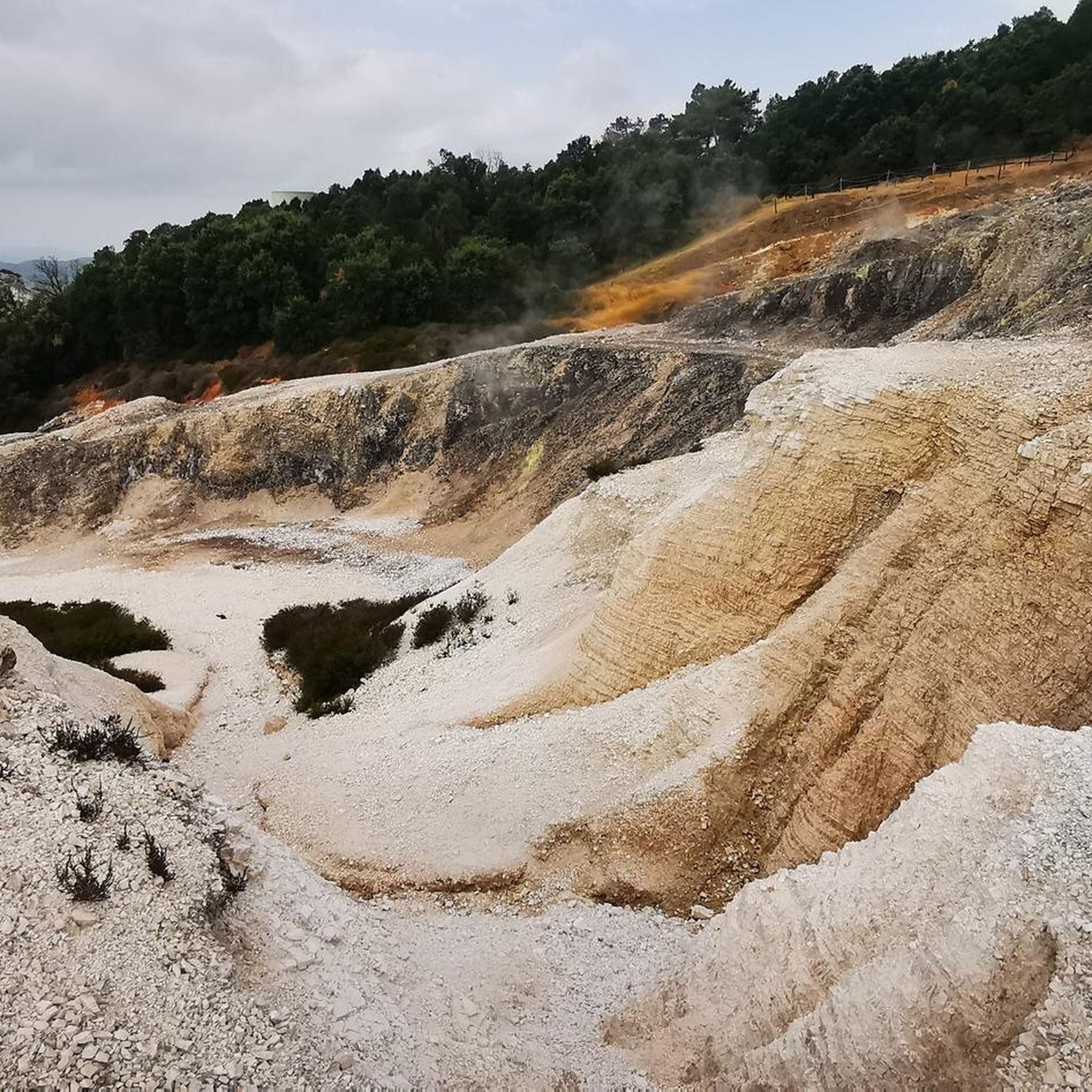
Road Cycling Routes around Monterotondo Marittimo
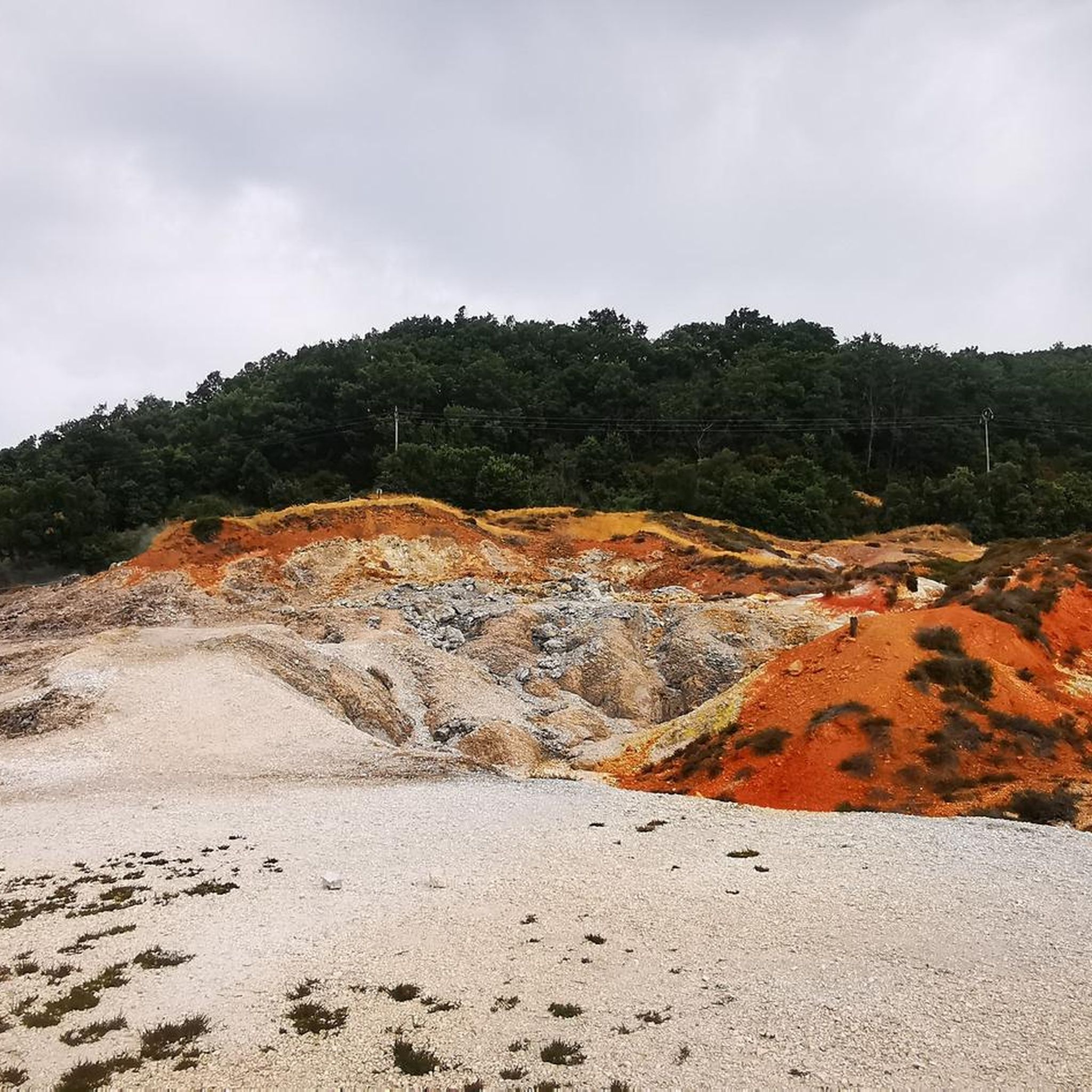
Hiking around Monterotondo Marittimo
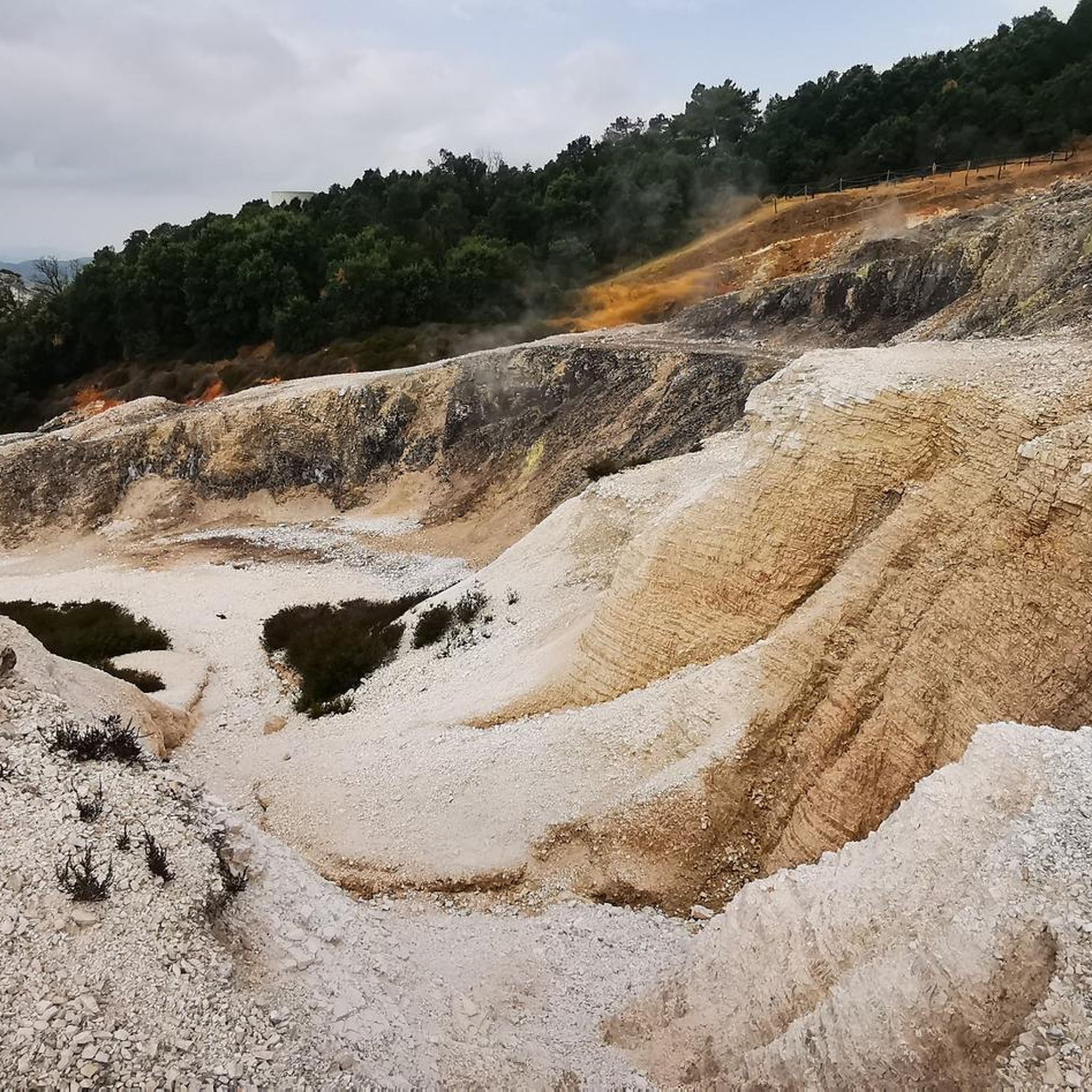
Cycling around Monterotondo Marittimo
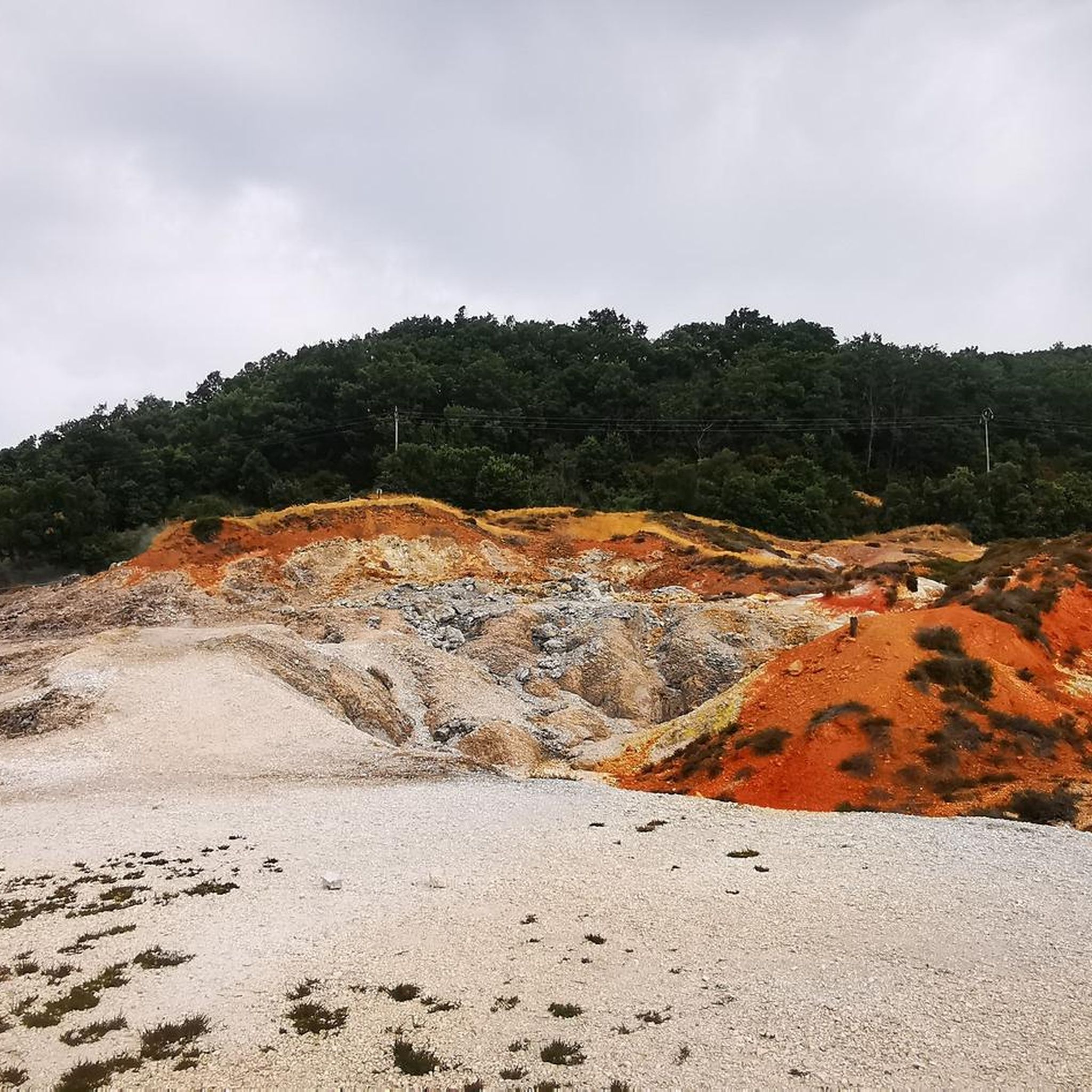
Running Trails around Monterotondo Marittimo
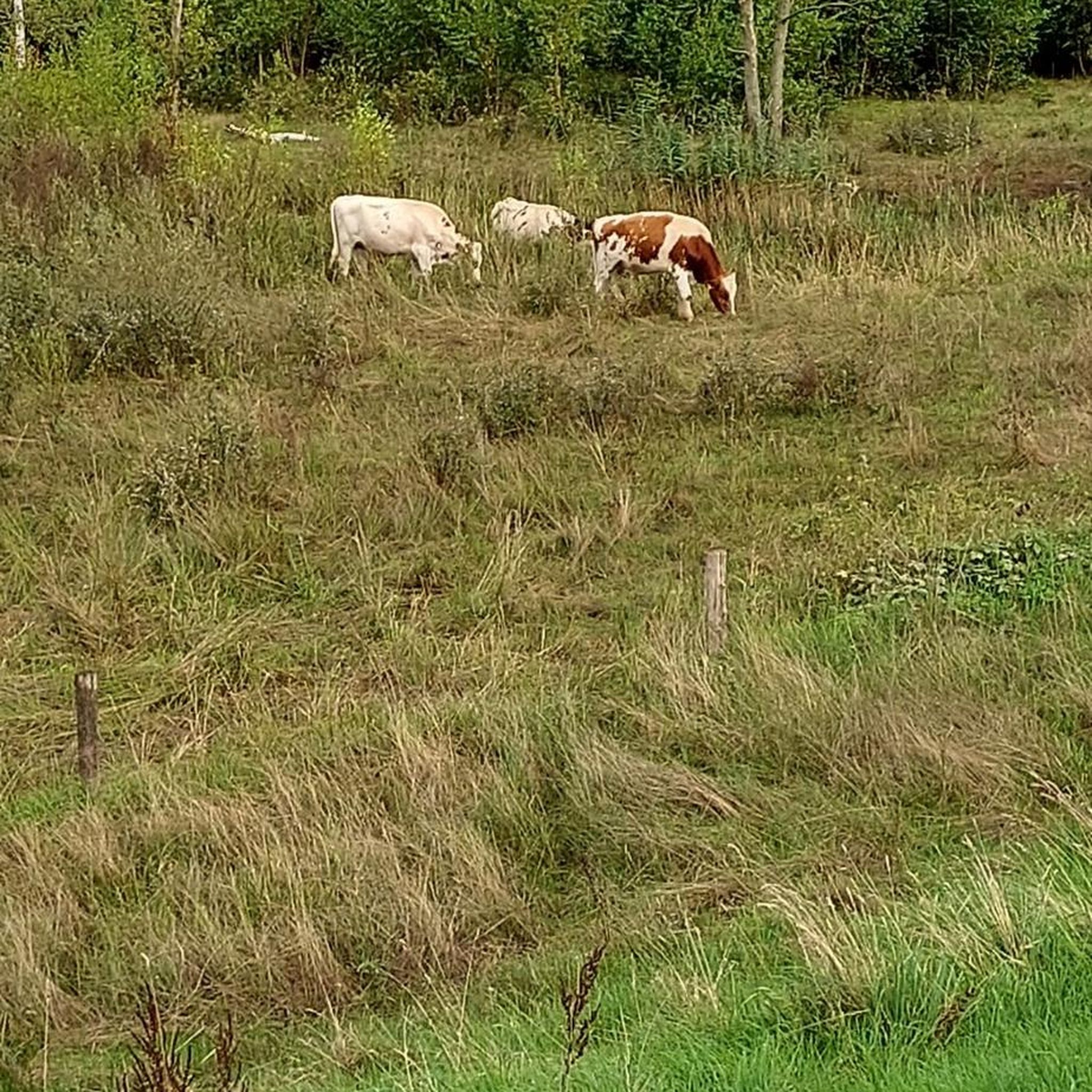
Gravel biking around Monterotondo Marittimo
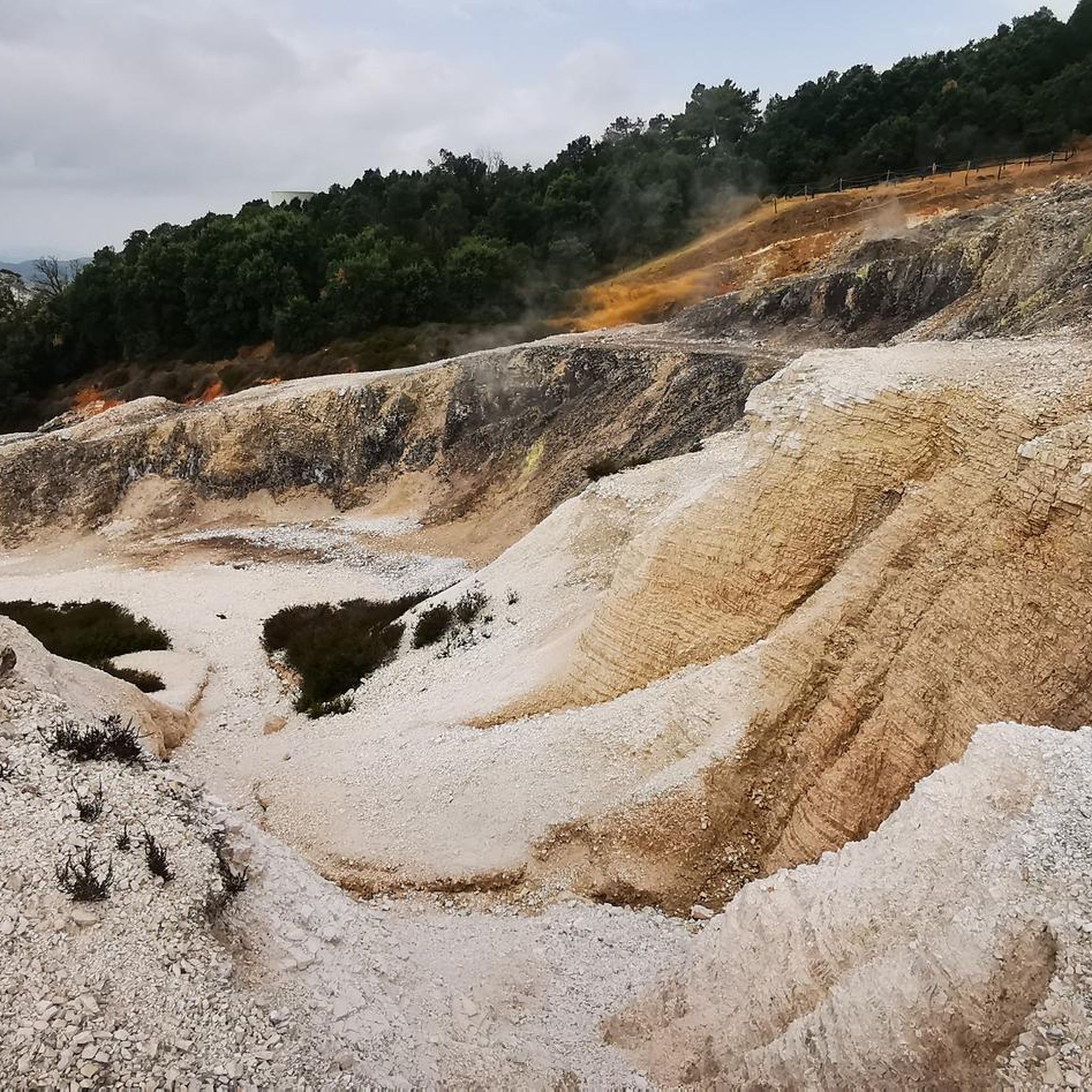
MTB Trails around Monterotondo Marittimo
Other adventures around Monterotondo Marittimo

Tips from the Community

Sassetta (LI), the Church and Fountain of the Annunciation is an ancient religious building located in a wooded valley along the provincial road connecting Sassetta to Suvereto, in the Prata area. The main church of the village is that of Sant’Andrea Apostolo (famous for the rock crystal crucifix). The Church of the Annunciation is a small Romanesque church in a precarious state of preservation, immersed in vegetation. Next to the church, there is still an active water fountain, protected by a small, also degraded, masonry structure.
0
0
The Archaeological Museum is housed in the ancient Palazzo del Podestà (1225), which overlooks the Piazza del Duomo of Massa Marittima. The collection is organized into sections, ordered chronologically from the lower paleolithic to the etruscan age; the main piece of the prehistoric collection is the eneolithic statue-stele of Vado all’Arancio, the only find of its type in Maremma; the etruscan finds come mainly from excavations carried out at the village of Lago dell’Accesa, they are mainly kitchenware, loom weights, fishing weights and bricks; also present are the funerary trousseaux found in the necropolises, especially pottery (figulina clay and bucchero), bronze fibulae, iron pot stands, iron and bronze weapons. On the ground floor, an educational section is set up with a life-size reconstruction of typical caves: a paleolithic and an eneolithic one. Guided tours and educational activities, organization of cultural events and film screenings are available.
1
0
The historic center of Campiglia Marittima is a well-preserved medieval Tuscan village on the Etruscan Coast, perched on a hill with panoramic views. Characterized by cobbled alleys, arches, and ancient walls, it houses the Rocca di Campiglia, the Palazzo Pretorio, the Pieve di San Giovanni, and offers picturesque views, artisan shops, and typical taverns.
0
0
The massive Torre del Candeliere (or clock tower) is 24m high and was built to assert its authority in 1228, a few years after Massa Marittima gained independence as a Free Commune. The building's peculiar name derives from the custom of always keeping a fire lit on its summit, making it resemble a huge candle. In 1413, a bell was placed for the first time, later replaced in 1760 by the current one, weighing about 140kg. The first clock was instead placed on the facade in 1443. The Torre del Candeliere is the quintessential panoramic viewpoint of the town. It is therefore visitable, and through its Sienese Arch, it is possible to access the Fortress, the only stretch of walls still walkable today. The Arch and the Fortress were built after the Tower: with the conquest of Massa by Siena in 1335, the Tower was partially demolished, and then rebuilt about a third lower than the original.
1
0
Massa Marittima is a fortified medieval village located on a hill, known for its beauty and wealth of artistic and architectural heritage. Key attractions include the magnificent Piazza Garibaldi, with the Cathedral of San Cerbone, the Palazzo del Podestà, and the Palazzo Comunale. Other points of interest include the Fonti dell'Abbondanza with its famous fresco of the Tree of Fertility and, in the upper town, the Torre del Candeliere and the Cassero Senese within the medieval walls.
1
0
The Torre del Candeliere is a museum monument that is an integral part of the Massa Marittima Museum System. The tower was erected in 1228 to both monitor the area (as a watchtower) and assert the authority of the Municipality of Massa Marittima, which had recently freed itself from the rule of the Prince-Bishop. The tower was originally a third taller than its current counterpart, the result of Siena's reconstruction following the war that brought it victory over Massa. Another Sienese initiative was the construction of the majestic arch connecting it to the Cassero, built in the center of the city to monitor the still-rebellious Massa Marittima residents, ready to rise up.
1
0
The tower was erected in 1228 to both monitor the territory (as a watchtower) and assert the authority of the Municipality of Massa Marittima, which had recently freed itself from the rule of the Prince-Bishop. The tower was originally a third taller than its current counterpart, the result of Siena's reconstruction following the war that brought it victory over Massa. Another Sienese initiative was the construction of the majestic arch connecting it to the Cassero, built in the center of the city to monitor the Massa Marittima residents, who were still rebellious and ready to rise up.
1
0
Massa Marittima is a municipality located in the southern area of the Colline Metallifere, an area that has been inhabited since prehistoric times, as documented by numerous archaeological finds. The settlement is thought to be of Etruscan origin, but the city's most important period began in the 9th century, when it became a bishop's seat. From then until the 14th century, the city reached its peak splendor, thanks in part to the area's abundant mineral resources.
1
0
Frequently Asked Questions
What historical significance do the castles around Monterotondo Marittimo hold?
The castles in the Monterotondo Marittimo area offer a deep dive into history, spanning Etruscan, Roman, and medieval periods. Sites like the Rocca degli Alberti, a 13th-century fortress with possible 9th-century origins, and the Castello di Cugnano, an archaeological site with roots in the Etruscan era, showcase the region's rich past. Other significant historical sites include San Silvestro Fortress, built to protect mining operations, and the Aldobrandesca Fortress of Suvereto, commissioned by the influential Aldobrandeschi family.
Are there any archaeological sites or ancient ruins to explore near Monterotondo Marittimo?
Yes, the region is rich in archaeological sites. The Castello di Cugnano is a notable archaeological site with a history tracing back to the Etruscan era, continuing through Roman and medieval periods. It's known for its relatively well-preserved circular shape and evidence of ancient metallurgical activities. The Rocca degli Alberti also has origins potentially dating back to the 9th century, with its remnants offering a glimpse into medieval fortification.
What are some of the most popular castles or historical sites to visit in the area?
Among the most popular sites is Massa Marittima Historic Center, a medieval town on a hill offering well-preserved monuments and views. Another must-see is San Silvestro Fortress, a castle from the Middle Ages with tours detailing its history and mining operations. The Aldobrandesca Fortress of Suvereto is also highly regarded for its historical and architectural interest.
Are there family-friendly castles or historical sites suitable for children?
Yes, several sites are suitable for families. Massa Marittima Historic Center is considered family-friendly, with its charming streets and historical atmosphere. San Silvestro Fortress is also recommended for children, especially if combined with the train ride through mountain tunnels that precedes the short hike to the fortress. Drinks and snacks are available nearby.
What is the best time of year to visit the castles around Monterotondo Marittimo?
The region generally enjoys a Mediterranean climate. Spring (April-May) and early autumn (September-October) are often ideal, offering pleasant temperatures for exploring historical sites and outdoor activities without the intense heat of summer. These periods also tend to be less crowded.
Are there good viewpoints near the castles in Monterotondo Marittimo?
Many of the castles and historical sites are strategically located on hills, offering excellent panoramic views. For instance, Massa Marittima Historic Center provides views over the city and region from its fortress. The San Silvestro Fortress also offers scenic vistas. Additionally, the Candeliere Tower in Massa Marittima provides a great view from above, with admission including access to part of the city wall.
What outdoor activities can I do near these castles?
The area around Monterotondo Marittimo is excellent for outdoor enthusiasts. You can find numerous routes for hiking, running, and cycling. For example, there are several hiking trails, including easy loops like the 'Natural Lagoon of the Biancane' or moderate ones like the 'Geothermal Park of Sasso Pisano'. Cyclists can explore cycling routes such as the 'Geothermal Maremma Loop'. There are also running trails, including 'The Smoking Lands between Sasso Pisano and Monterotondo Trail'.
What do visitors enjoy most about the castles and historical sites in this region?
Visitors frequently appreciate the rich history and well-preserved medieval character of the towns and fortresses. The strategic locations often provide stunning panoramic views. Many enjoy the opportunity to explore ancient ruins and learn about the Etruscan, Roman, and medieval past, particularly the mining history associated with sites like San Silvestro Fortress. The charming atmosphere of places like Massa Marittima Historic Center, with its cafes and shops, also receives high praise.
Are there any hidden gem castles or lesser-known historical sites worth visiting?
While not entirely hidden, the Rocca degli Alberti and Castello di Cugnano, located near Monterotondo Marittimo, offer a deeper dive into the region's ancient past beyond the more commonly visited sites. The Rocca, with its 13th-century remnants and strategic hilltop position, and the Castello di Cugnano, an archaeological site with Etruscan origins and a distinct circular shape, provide unique historical insights for those looking to explore further.
How long should I allocate to visit a castle or historical site in the area?
The time needed can vary. For a comprehensive visit to a major site like Massa Marittima Historic Center, including exploring the town, museums, and fortress, you might want to allocate half a day. For a site like San Silvestro Fortress, especially if joining a tour, plan for 2-3 hours. Smaller ruins or viewpoints might only require an hour. Consider combining multiple sites or adding a hike for a full day's experience.
Where can I find more information about Monterotondo Marittimo and its historical attractions?
For additional information about the municipality of Monterotondo Marittimo and its attractions, you can visit the official tourism website: visitmaremmanord.com. For specific details on the Castello di Cugnano, you might find more context at visittuscany.com.
Most popular routes around Monterotondo Marittimo
Most popular attractions around Monterotondo Marittimo

Get inspired with the komoot mobile app


Explore more
Looking for the best castles somewhere else? Discover other guides around Monterotondo Marittimo:
