The best traffic-free bike rides around Monterotondo Marittimo
4.5
(403)
5,924
riders
60
rides
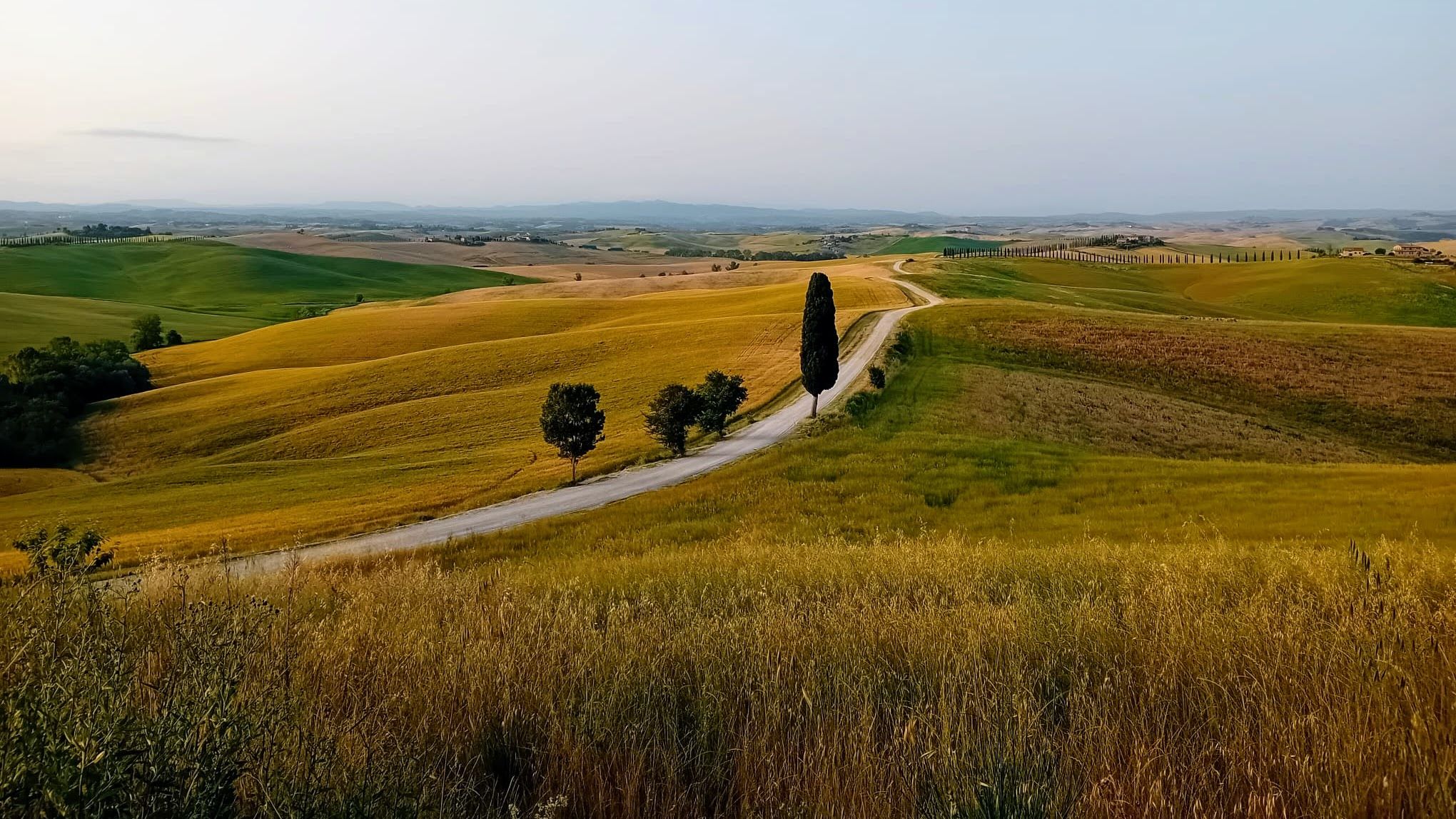
Touring cycling around Monterotondo Marittimo offers routes through a landscape shaped by geothermal activity, diverse terrain, and historical elements. The region features unique geo-naturalistic areas with steam vents and unusual rock formations, alongside extensive Mediterranean shrub and pine forests. Cyclists navigate through the undulating Metalliferous Hills, past centuries-old olive groves, and vineyards. This varied topography provides a range of experiences, from gentle paths to more challenging ascents.
Best no traffic touring cycling routes around Monterotondo Marittimo
- The most popular no…
Last updated: July 14, 2026
4.8
(5)
64
riders
19.8km
01:22
350m
350m
Moderate bike ride. Good fitness required. Mostly paved surfaces. Suitable for all skill levels.
30
riders
Hard bike ride. Very good fitness required. Mostly paved surfaces. Suitable for all skill levels.

Sign up for free
5.0
(3)
19
riders
34.0km
02:47
720m
720m
Hard bike ride. Very good fitness required. Mostly paved surfaces. Suitable for all skill levels.
12
riders
41.7km
03:58
760m
760m
Hard bike ride. Very good fitness required. You may need to push your bike for some segments of this route.
5.0
(2)
10
riders
46.4km
03:56
1,050m
1,050m
Hard bike ride. Very good fitness required. You may need to push your bike for some segments of this route.
Get access to more routes and recommendations from other explorers.
Sign up for free
Already have an account?
Our route recommendations are based on thousands of hikes, rides, and runs completed by other people on komoot.
Start today with a free account
Your next adventure awaits.
Login or Signup
Other adventures around Monterotondo Marittimo

Tips from the Community

The Pieve di San Giusto in Suvereto is one of the most important and fascinating Romanesque buildings in the province of Livorno. Located at the entrance to the medieval village in Piazza Vittorio Veneto, its existence has been documented since 923. The current building, however, dates back to 1189, the year it was rebuilt by the masters Barone Amico and Bono da Calci. It features elements of light limestone alternating with dark bands of a typically Pisan style. The main entrance is flanked by two columns supporting two apotropaic lions. The structure has a single nave with a visible wooden truss ceiling. Inside, an ancient, finely decorated marble baptismal font is preserved. In an internal niche, there are remains of medieval frescoes; on the transept, the epigraph attesting to the completion date (1189) is still legible.
0
0
The Romanesque portal of the Pieve di San Giusto in Suvereto. The facade is decorated with an elegant portal surmounted by a round arch, famous for its carved capitals. Although it existed before the year 1000, the current structure was rebuilt in the 12th century.
0
0
Sassetta (LI), the Church and Fountain of the Annunciation is an ancient religious building located in a wooded valley along the provincial road connecting Sassetta to Suvereto, in the Prata area. The main church of the village is that of Sant’Andrea Apostolo (famous for the rock crystal crucifix). The Church of the Annunciation is a small Romanesque church in a precarious state of preservation, immersed in vegetation. Next to the church, there is still an active water fountain, protected by a small, also degraded, masonry structure.
0
0

Delicious, nice to sit, but expensive in relation.
1
0
At the foot of the Cornate mountains, like a miniature nativity scene, lies the charming village of Gerfalco, a perfect subject for photography and painting enthusiasts. Also a hub of mining exploration and controlled during the Middle Ages by the noble Pannochieschi family, it owes its name to the words ger-Falke, from the Medieval German, meaning "hawk-bearer." The road that encircles the village's perimeter suddenly seems lost in time. The church of San Biagio, consecrated in 1323, watches over the village. It was built with an adjoining convent, now a parish house and summer youth center.
0
0
The Church of San Giusto is the guardian of millennia-old stories and a timeless charm. A majestic church, whose origins date back to between the 9th and 12th centuries, located next to the Church of San Michele Arcangelo, it is not only a sacred building, but a piece of history can be found in every corner. Named after San Giusto, bishop of Volterra, its origins are linked to the legend of the African exiled bishops, San Giusto, San Cerbone, San Fiorenzo, and San Regolo, who landed in the Val di Cornia in the 6th century, leaving an indelible mark throughout the valley. It is no coincidence, in fact, that San Fiorenzo is the patron saint of Campiglia Marittima and the Cathedral of Massa Marittima is dedicated to San Cerbone. The gabled façade, the evocative portal, and the quatrefoil rose window, with its black and white band decoration, are hallmarks of the Tuscan Romanesque style.
0
0
The Parish Church of San Giusto in Suvereto is one of the most interesting Romanesque buildings in the province of Livorno. The church, mentioned as early as 923, was rebuilt in 1189 by the masters Barone Amico and Bono da Calci. The façade features a portal flanked by two columns with lions, a decorated architrave, and a quatrefoil oculus at the top. The interior, with a single nave, features a late-medieval octagonal baptismal font and several frescoes. The bell tower, with its crenellated top, underwent restoration in the 19th century following a lightning strike.
1
0

Great place to stop for a bite to eat.
1
0
Frequently Asked Questions
How many no-traffic touring cycling routes are available around Monterotondo Marittimo?
There are over 65 dedicated no-traffic touring cycling routes in the Monterotondo Marittimo area. These routes offer a variety of experiences, from easier rides to more challenging excursions through the unique Tuscan landscape.
What is the general difficulty level of touring cycling routes in this region?
The routes around Monterotondo Marittimo cater to various skill levels. While there are 4 easy routes, the majority are more challenging, with 20 moderate and 41 difficult routes. This reflects the undulating terrain of the Metalliferous Hills, offering rewarding climbs and descents.
What kind of landscapes can I expect on these no-traffic touring cycling routes?
You'll experience a diverse range of landscapes. Many routes traverse the unique geothermal areas, particularly around the Parco Naturalistico delle Biancane, with its surreal, moon-like terrain and unusual rock formations. You'll also cycle through extensive Mediterranean shrubland, pine forests, and past picturesque vineyards and olive groves characteristic of the Maremma region.
Are there any unique natural features to see along the routes?
Absolutely. The most striking natural feature is the geothermal activity within the Biancane Natural Park. Here, you can witness steam escaping from the ground, boiling water puddles, and colorful mineral deposits. The area's unique geology and flora, adapted to the hot, acidic soils, create a truly otherworldly cycling experience.
What historical or cultural attractions can I visit along the no-traffic touring cycling routes?
The region is rich in history. You can explore the medieval charm of Monterotondo Marittimo itself, with its narrow streets and ancient walls. Nearby, you might encounter remnants of ancient castles like the San Silvestro Fortress or the Aldobrandesca Fortress of Suvereto. The Massa Marittima Historic Center is also a notable highlight in the broader area.
Are there any circular no-traffic touring routes available?
Yes, many of the no-traffic touring routes around Monterotondo Marittimo are designed as loops, allowing you to start and finish in the same location. An example is the challenging "View of Monterotondo – Spaghetti Trail loop from Podernovo," which offers stunning vistas and a significant elevation gain.
Is Monterotondo Marittimo suitable for family-friendly touring cycling?
While many routes in the Metalliferous Hills can be demanding, there are easier options available. For families, it's best to look for routes specifically marked as 'easy' or those with less elevation gain. The region's extensive network of tracks through pine forests can offer gentler, more secluded rides away from traffic.
Can I bring my dog on these touring cycling routes?
Generally, dogs are welcome on many outdoor trails in Italy, especially in natural areas like those around Monterotondo Marittimo. However, it's always advisable to keep your dog on a leash, especially in protected areas or near wildlife, and to ensure they are well-behaved around other cyclists and pedestrians. Check specific route details for any restrictions.
What is the best time of year for no-traffic touring cycling in Monterotondo Marittimo?
Spring (April-May) and Autumn (September-October) are generally the most pleasant times for touring cycling. The weather is mild, and the landscapes are vibrant. Summer can be quite hot, especially in July and August, making early morning or late afternoon rides preferable. Winter offers cooler temperatures but can be damp, though the geothermal areas remain active year-round.
Where can I park my car when starting a no-traffic touring cycle?
Monterotondo Marittimo and surrounding villages typically offer public parking areas. For specific routes, it's best to check the starting point on the individual tour page on Komoot, as many routes begin from accessible locations with designated parking or roadside space. Always ensure you park legally and respectfully.
What do other touring cyclists enjoy the most about touring cycling in Monterotondo Marittimo?
The area is highly rated by the komoot community, with an average score of 4.37 stars from over 220 ratings. Reviewers often praise the unique geothermal landscapes, the challenging yet rewarding climbs through the Metalliferous Hills, and the sense of tranquility found on the no-traffic routes winding through forests and vineyards.
Are there any permits required for cycling these no-traffic routes?
For general touring cycling on the established routes and trails around Monterotondo Marittimo, no specific permits are typically required. However, always respect private property signs and any local regulations, especially within natural parks or protected areas. The focus on developing cycling infrastructure suggests a welcoming environment for cyclists.
Most popular routes around Monterotondo Marittimo
Most popular attractions around Monterotondo Marittimo

Get inspired with the komoot mobile app


Explore more
Browse the best Cycling routes in other regions.
