The best walks and hikes around Monterotondo Marittimo
4.5
(663)
2,356
hikers
19
hikes
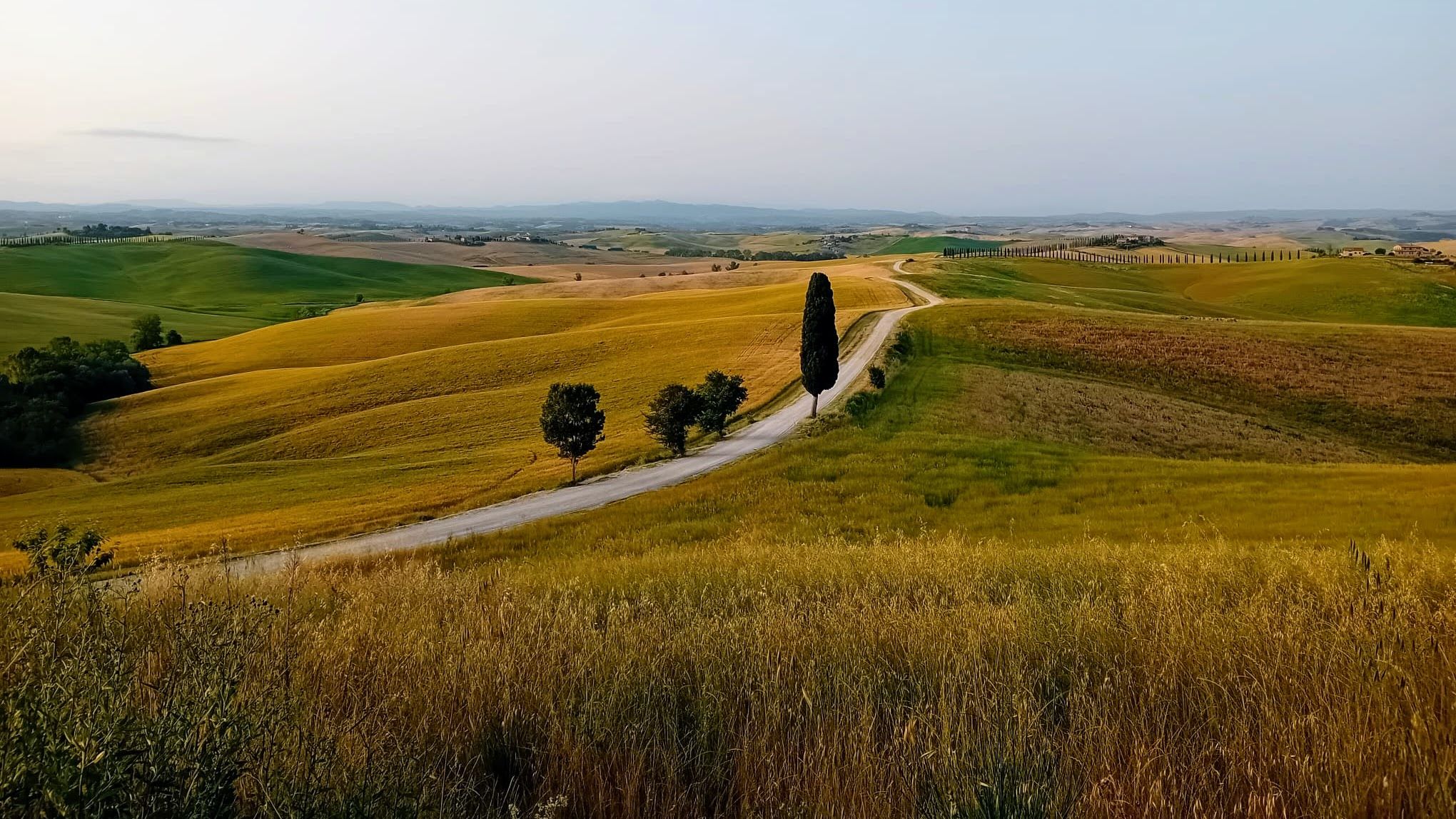
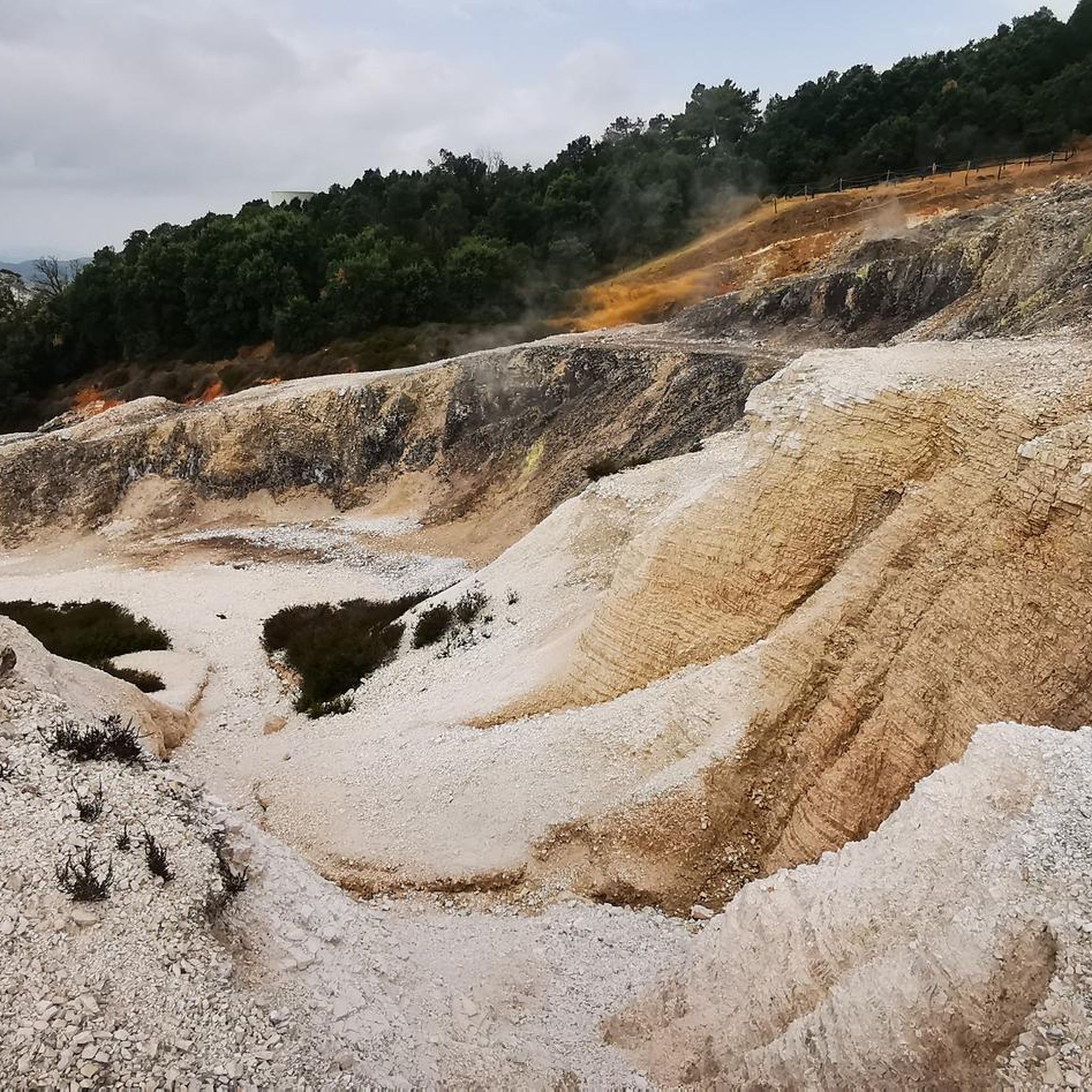
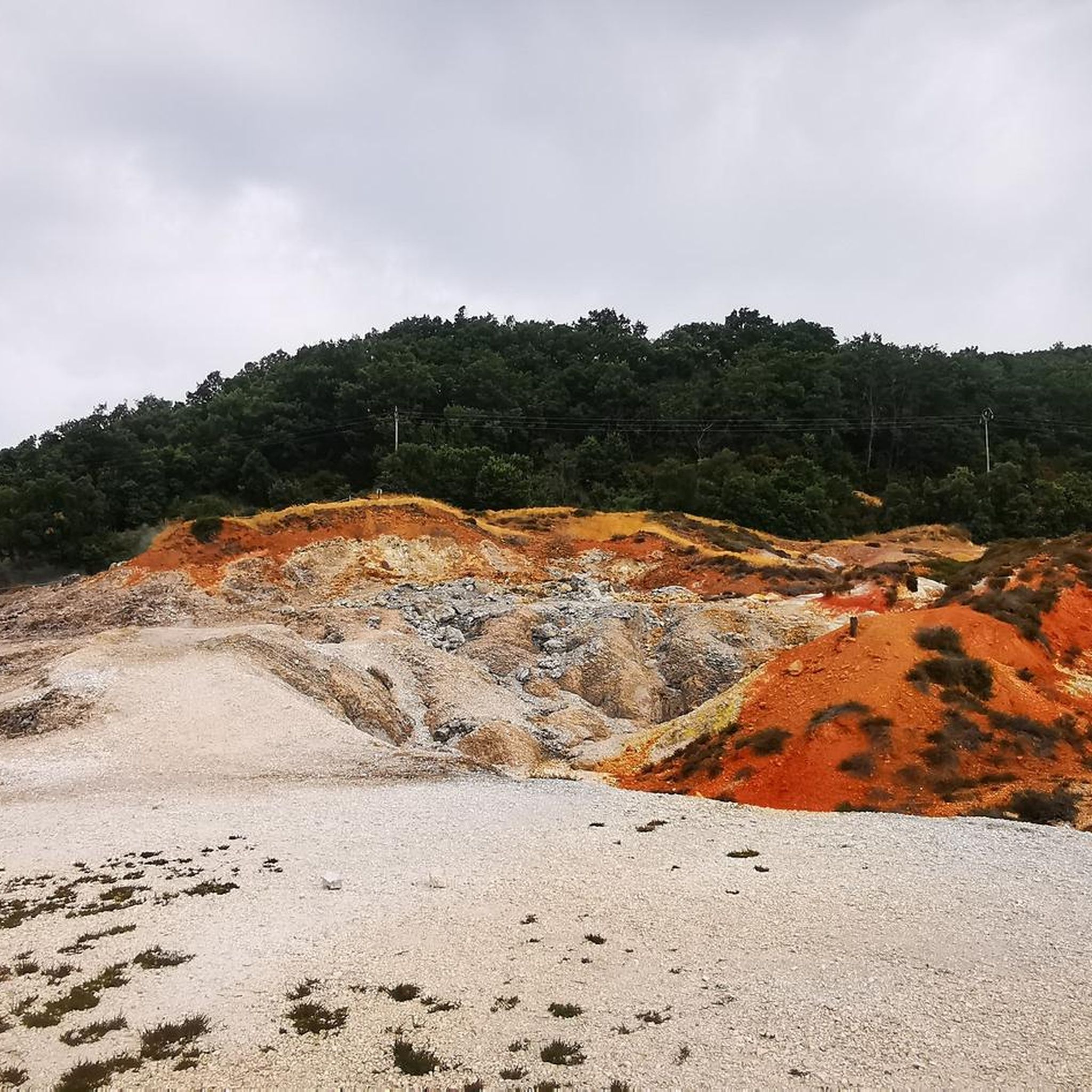
Hiking around Monterotondo Marittimo offers access to a unique geothermal landscape within Tuscany's Metalliferous Hills. The region features active geothermal areas with geysers and fumaroles, alongside diverse woodlands and Mediterranean shrubland. The terrain includes round, conical hills and varied natural features, providing a distinctive hiking environment.
Best hiking trails in Monterotondo Marittimo
- The most popular hiking route is Natural Lagoon of the Biancane – View of the Steaming Fumaroles loop from Monterotondo Marittimo, a 1.5 miles (2.4 km) easy…
Last updated: October 10, 2026
4.9
(34)
165
hikers
Easy hike. Great for any fitness level. Easily-accessible paths. Suitable for all skill levels.
4.9
(12)
44
hikers
Moderate hike. Great for any fitness level. Mostly accessible paths. Sure-footedness required.

4.7
(17)
39
hikers
Moderate hike. Good fitness required. Mostly accessible paths. Sure-footedness required.
4.7
(7)
20
hikers
5.61km
01:41
170m
170m
Easy hike. Great for any fitness level. Easily-accessible paths. Suitable for all skill levels.
5.0
(3)
7
hikers
Moderate hike. Good fitness required. Mostly accessible paths. Sure-footedness required.
Get access to more routes and recommendations from other explorers.
Already have an account?
Our route recommendations are based on thousands of hikes, rides, and runs completed by other people on komoot.
Start today with a free account
Your next adventure awaits.
Popular around Monterotondo Marittimo
Other adventures around Monterotondo Marittimo

Tips from the Community

The Church of San Bartolomeo is located in Sasso Pisano, a hamlet in the municipality of Castelnuovo di Val di Cecina, in the province of Pisa. This place of worship preserves the history and spirituality of the local community, fitting into the evocative geothermal and hilly context of the Val di Cecina.
0
0
Sasso Pisano is a hamlet in the municipality of Castelnuovo di Val di Cecina, located in the province of Pisa, in Tuscany. This charming medieval village stands on a rocky spur in the heart of the Devil's Valley, an area globally renowned for its extraordinary natural geothermal activity.
0
0

The view from Monterotondo Marittimo offers a unique panorama of the Tuscan Metalliferous Hills, stretching between dense green woods, medieval villages, and the volcanic and surreal landscapes of [Parco delle Biancane](index:0.6.1, 0.6.3), characterized by geothermal steam and fumaroles visible from the town's viewpoints.
0
0
Sasso Pisano is a charming medieval village perched on a rocky outcrop in the Devil's Valley, a hamlet of the municipality of Castelnuovo di Val di Cecina (Pisa). This village is famous throughout Tuscany for its extraordinary geothermal nature, characterized by fumaroles, geysers, and spontaneous borax vents that create a fascinating "lunar" landscape.
0
0
Sasso Pisano is one of the most fascinating destinations in the Devil's Valley in Tuscany, famous for its extraordinary natural geothermal manifestations, thermal waters, and characteristic medieval village.
0
0
The village of Sasso Pisano is a charming hamlet in the municipality of Castelnuovo di Val di Cecina, located in the province of Pisa, in the heart of the picturesque geothermal area of Tuscany.
1
0
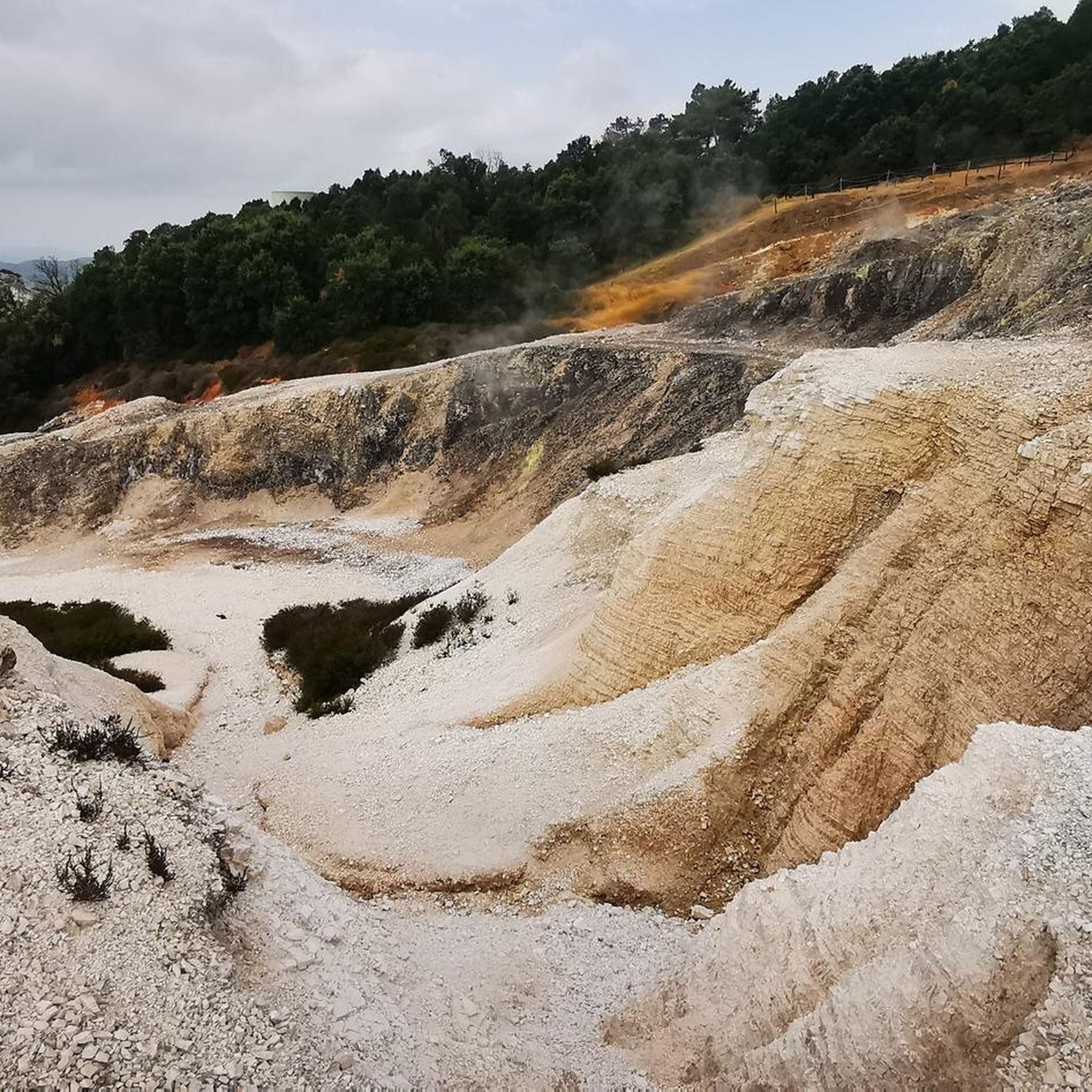
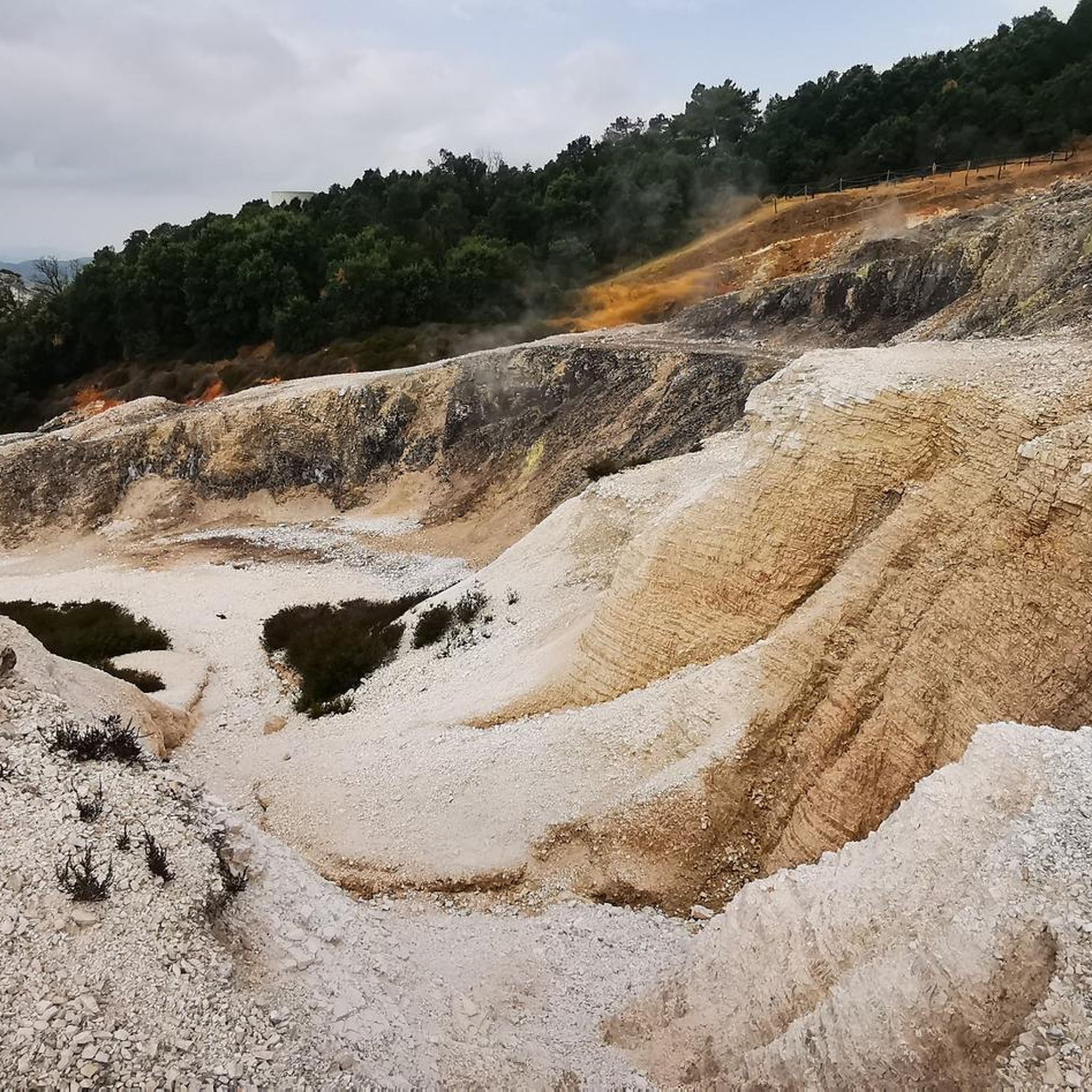
The Biancane Natural Park in Monterotondo Marittimo offers a unique panorama, where the white lunar-like terrain and smoking fumaroles overlook the Tyrrhenian coast. The experience is totally free and can be visited independently. The geothermal phenomenon is concentrated in the spectacular "Valle del Diavolo", located just a few minutes from the town center.
0
0
The Biancane Geothermal Natural Park, located in Monterotondo Marittimo (Grosseto), is an extraordinary protected geosites where geothermal energy surfaces, creating a lunar and surreal landscape nicknamed the "little Iceland of Tuscany". The park gets its name from the pure white color of the rocks, caused by the chemical reactions of sulfurous gases on limestone. Entrance to the park is completely free and it is open 24 hours a day, all year round.
0
0
Frequently Asked Questions
What kind of hiking trails can I expect around Monterotondo Marittimo?
The region offers a diverse network of trails, primarily characterized by its unique geothermal landscape. You'll find routes that wind through active geothermal areas with geysers and fumaroles, as well as paths through lush pine and ancient chestnut woodlands, and Mediterranean shrubland. The terrain often includes round, conical hills, providing varied experiences from easy walks to more challenging routes.
Are there easy hiking options suitable for beginners or families?
Yes, Monterotondo Marittimo has several easy hiking trails. For instance, the Natural Lagoon of the Biancane – View of the Steaming Fumaroles loop from Monterotondo Marittimo is an easy 2.4 km route that takes about 47 minutes, showcasing the unique white reliefs and active fumaroles of the Biancane Natural Park. Another easy option is the View of the Steaming Fumaroles loop from Monterotondo Marittimo, which is 6.0 km long.
Can I find circular hiking routes in the area?
Many of the trails around Monterotondo Marittimo are designed as loops, allowing you to start and end at the same point. Examples include the Natural Lagoon of the Biancane – View of the Steaming Fumaroles loop, the Geothermal Park of Sasso Pisano – View of Sasso Pisano loop, and the View of the Steaming Fumaroles – Natural Lagoon of the Biancane loop. These circular paths make planning your hike convenient.
What unique natural phenomena can I see while hiking here?
The region is famous for its geothermal activity. Hikers can witness geysers, fumaroles, and boiling puddles of water and mud, particularly in areas like the 'Valle del Diavolo' and the Biancane Natural Park. The Biancane are striking white, dome-shaped reliefs formed by chemical reactions, creating a dramatic contrast with the surrounding greenery. You might also encounter 'putizze' (sulfuric gas emanations) and 'mofete' (carbon dioxide emanations).
Are there any historical sites or cultural attractions accessible from the trails?
Yes, the area blends natural beauty with historical elements. You can explore the picturesque medieval town of Monterotondo Marittimo itself, with its ancient walls and the Rocca degli Alberti fortress. Nearby, the Sanctuary of the Madonna del Frassine offers a point of historical and spiritual interest. For a deeper dive into the region's unique geology, the MUBIA Geothermal Museum is located near the Biancane Park.
What do other hikers say about the trails in Monterotondo Marittimo?
The hiking routes in Monterotondo Marittimo are highly rated by the komoot community, with an average score of 4.6 stars from over 550 reviews. Hikers often praise the unique geothermal landscapes, the well-maintained paths, and the opportunity to experience a distinctive natural environment unlike typical Tuscan scenery.
Are there any specific trails that highlight the geothermal features?
Absolutely. Trails like the Natural Lagoon of the Biancane – View of the Steaming Fumaroles loop and the Fumaroles in Valle del Diavolo – Fumarole of Sasso Pisano loop are excellent choices for experiencing the region's active geothermal areas, including fumaroles and the distinctive Biancane landscape.
What kind of wildlife or vegetation might I encounter?
Beyond the stark geothermal areas, the region features diverse woodlands, including extensive pine forests and ancient chestnut groves. You'll also find Mediterranean shrubland extending towards the coast. This variety supports a range of local flora and fauna typical of the Tuscan countryside, though the geothermal zones have their own unique, resilient vegetation.
Are there any lakes or water features near the hiking trails?
Yes, there are several water features in the vicinity. You can find highlights such as the Pond in the Monterotondo Marittimo Geothermal Area, and the larger Lago di Accesa. These offer serene spots and a contrast to the steaming geothermal landscapes.
What is the best time of year to go hiking in Monterotondo Marittimo?
The region offers pleasant hiking conditions for much of the year. Spring and autumn are particularly ideal, with milder temperatures and vibrant natural colors. Even in winter, the geothermal activity can create a unique, atmospheric hiking experience with steam rising from the ground. Summers can be warm, so early morning or late afternoon hikes are recommended during that season.
Are there any castles or fortresses to visit nearby?
Yes, the area is rich in historical fortifications. You can visit the Rocca degli Alberti fortress within Monterotondo Marittimo itself. Further afield, highlights include the Massa Marittima Historic Center, which features historical architecture, and the San Silvestro Fortress.
Most popular routes around Monterotondo Marittimo
Most popular attractions around Monterotondo Marittimo

Get inspired with the komoot mobile app


Explore more
Browse the best Hikes in other regions.
