Top 7 Castles around Aquara
Best castles around Aquara are situated in a historic region of southern Italy, within the Campania region. This area is characterized by its ancient origins and its position within the Cilento, Vallo di Diano and Alburni National Park. The landscape features historic towns, mountainous terrain, and remnants of medieval fortifications, offering insights into its past.
Best castles around Aquara
- The most popular castles is Roccadaspide, a castle that stands out in the panorama of the village perched on the…
Last updated: June 30, 2026
Roccadaspide
Highlight • Castle
Translated by Google •
Tip by

Sicignano degli Alburni
Highlight • Settlement
Translated by Google •
Tip by

Sign up now to discover places like this
Get recommendations on the best single tracks, peaks, & plenty of other exciting outdoor places.
Sign up for free
Archaeological area of Sacco Vecchia
Highlight • Historical Site
Translated by Google •
Tip by
Laurino Ducal Palace
Highlight • Historical Site
Translated by Google •
Tip by
Historic Center of Postiglione
Highlight (Segment) • Historical Site
Translated by Google •
Tip by

Sign up for free to discover even more castles around Aquara.
Sign up for free
Already have an account?
Start today with a free account
Your next adventure awaits.
Login or Signup
Tips from the Community

Unfortunately, it's currently impassable due to rockfall.
0
0

The ruins of Sacco Vecchia are an ancient Lombard village that once stood on the slopes of Mount Motola. The village was abandoned between the 9th and 11th centuries when its inhabitants moved further downstream, where they founded the current village of Sacco. Today there are the remains of the crenellated walls of the castle and of the church of San Nicola.
0
0
The ducal palace of Laurino is a historic building in the center of the town, which was originally a Lombard castle from the 11th century. Today only a few ruins of the walls and towers remain of the castle, and the building rebuilt in the following centuries is used as the seat of the Municipality.
1
0

Sicignano degli Alburni is a small town in the province of Salerno. Part of the municipality is inserted within the boundaries of the Cilento, Vallo di Diano and Alburni National Park. Giusso Castle and the villages of Fontanella, Rupa and San Matteo still have many medieval features: a real leap into history!
3
0
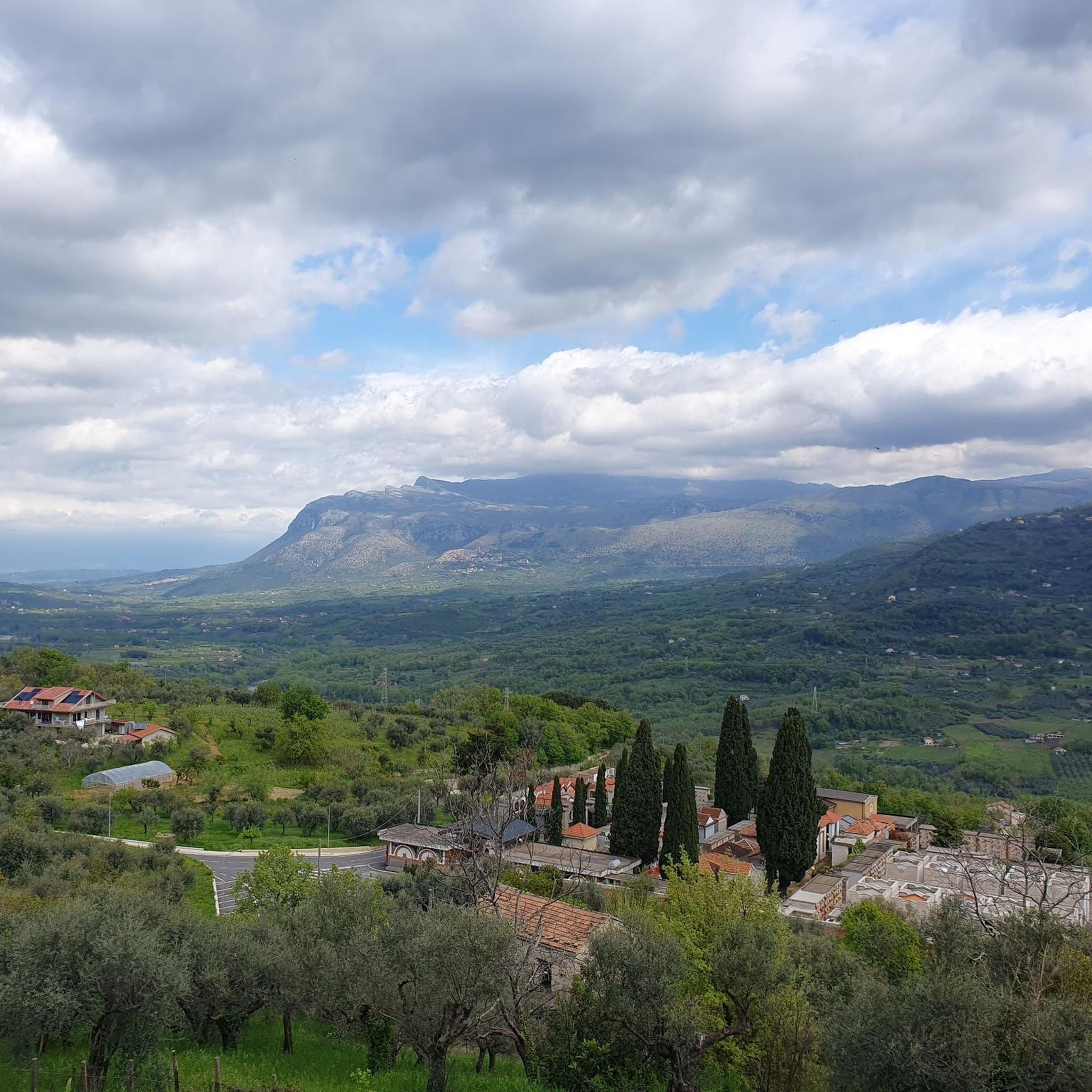
Roccadaspide is the main center of the Valle del Calore. In the panorama of the village perched on the hill, its castle certainly stands out, which dominates the entire valley.
2
0

Postiglione rises on the Alburni mountains and is part of the Cilento, Vallo di Diano and Alburni national park. The origins of Postiglione go back to the tenth century when the inhabitants of ancient Paestum, forced by the incursions of the Saracens and Turkish pirates, to abandon their land, took refuge in this place considered suitable for defense. It is possible to visit the Norman castle of the eleventh century; the parish church of San Giorgio (14th century), built in the Middle Ages; the Sanctuary of the Ss. Annunziata and monastery of the Carmelites dating back to the 16th century; the Chapel of San Rocco (17th century), was built by some survivors of a cholera epidemic in 1656 as a tribute to the Saint; the Chapel of San Vito (16th century), is the oldest chapel in the town.
4
0

Sicignano degli Alburni is an Italian town of 3,181 inhabitants in the province of Salerno in Campania. The municipal territory rises between the Tanagro valley and the Alburni Mountains, and is largely included in the Cilento and Vallo di Diano national park. https://it.wikipedia.org/wiki/Sicignano_degli_Alburni
3
1
Frequently Asked Questions
What kind of historical sites can I explore around Aquara?
Beyond the castles, the Aquara region is rich in history. You can visit the Historic Center of Postiglione, which features a Norman castle from the eleventh century, the 14th-century parish church of San Giorgio, and other chapels. The town of Aquara itself has ancient origins dating back to Roman times, with notable sites like the 11th-century Church of San Nicola di Bari and the ruins of the Benedictine Abbey of San Pietro.
Are there any castles that offer scenic views in the Aquara area?
Yes, several castles provide excellent viewpoints. Roccadaspide is particularly notable, as its castle stands out on a hill, dominating the entire Valle del Calore. The Archaeological area of Sacco Vecchia, with its ancient Lombard village ruins, also offers scenic views from its location on the slopes of Mount Motola.
What is the history behind the castles in Aquara?
The castles in the Aquara region have deep historical roots, often dating back to the 11th and 12th centuries. For example, the Laurino Ducal Palace was originally an 11th-century Lombard castle. The Castello e Residenza Feudale in Aquara, dating to the 12th century, was partially destroyed and rebuilt, serving as a ducal residence and later a baronial palace. These structures reflect the region's past as a fortified area within the Cilento, Vallo di Diano and Alburni National Park.
Can I visit the Castello e Residenza Feudale in Aquara?
The Castello e Residenza Feudale in Aquara is a significant historical landmark dating back to the 12th century. While it has been extensively remodeled over centuries and is now largely a private residence, its exterior and historical context within Aquara's medieval fabric can be appreciated. It features architectural elements like a grand courtyard, frescoes, and a monumental fan-shaped fountain.
Are there any castles near Aquara that are part of a larger historic town?
Absolutely. Sicignano degli Alburni is a small town where Giusso Castle and its surrounding villages of Fontanella, Rupa, and San Matteo retain many medieval features, offering a real leap into history. Similarly, the Historic Center of Postiglione includes an 11th-century Norman castle within its ancient settlement.
What outdoor activities can I do near these castles?
The Aquara region, situated within the Cilento, Vallo di Diano and Alburni National Park, offers various outdoor activities. You can find numerous cycling routes, such as the 'Sant'Angelo a Fasanella – Roccadaspide loop' or 'Roccadaspide – Grotte di Castelcivita loop' for touring bicycles. For mountain biking, explore trails like 'Nelle Gole del Calore' or 'Nel cuore dei Monti Alburni'. Road cycling enthusiasts can enjoy routes like 'La Via Silente: Roccadaspide Loop'. You can find more details on these activities in the cycling around Aquara, MTB Trails around Aquara, and Road Cycling Routes around Aquara guides.
Are there any castles with visible ruins or archaeological significance?
Yes, the Archaeological area of Sacco Vecchia is an ancient Lombard village with castle ruins. Here, you can see the remains of crenellated walls and a church, offering a glimpse into a settlement abandoned between the 9th and 11th centuries. The Laurino Ducal Palace also retains some ruins of its original 11th-century Lombard castle walls and towers.
What is the best time of year to visit the castles around Aquara?
The Cilento, Vallo di Diano and Alburni National Park, where Aquara is located, generally enjoys pleasant weather from spring through early autumn. Visiting during these seasons (April to June and September to October) allows for comfortable exploration of the outdoor castle sites and surrounding historical areas, as well as enjoying any nearby hiking or cycling routes.
Are there any family-friendly options for visiting castles in the Aquara region?
While specific 'family-friendly' designations for individual castles are not always available, exploring the historic centers of towns like Sicignano degli Alburni or Postiglione, which contain castles and medieval features, can be an engaging experience for families. The blend of history and the natural setting of the national park offers opportunities for walks and discovery suitable for various ages.
What should I pack for a visit to the castles around Aquara?
Given the historical nature of the sites and the potential for exploring surrounding areas within the national park, it's advisable to wear comfortable walking shoes. Depending on the season, layers of clothing are recommended, along with sun protection (hat, sunscreen) during warmer months. If you plan to combine your visit with outdoor activities like hiking or cycling, bring appropriate gear and plenty of water.
Are there any hidden gem castles or lesser-known historical sites worth exploring?
Beyond the more prominent sites, the region is dotted with smaller, less-known historical remnants. The Archaeological area of Sacco Vecchia, though currently impassable due to rockfall, represents a fascinating ancient Lombard village with castle ruins that offers a unique historical perspective away from more crowded locations. Exploring the medieval features of towns like Sicignano degli Alburni can also uncover hidden historical details.
Most popular attractions around Aquara

Get inspired with the komoot mobile app


Explore more
Looking for the best castles somewhere else? Discover other guides around Aquara:
