Top 18 Castles around Tresana
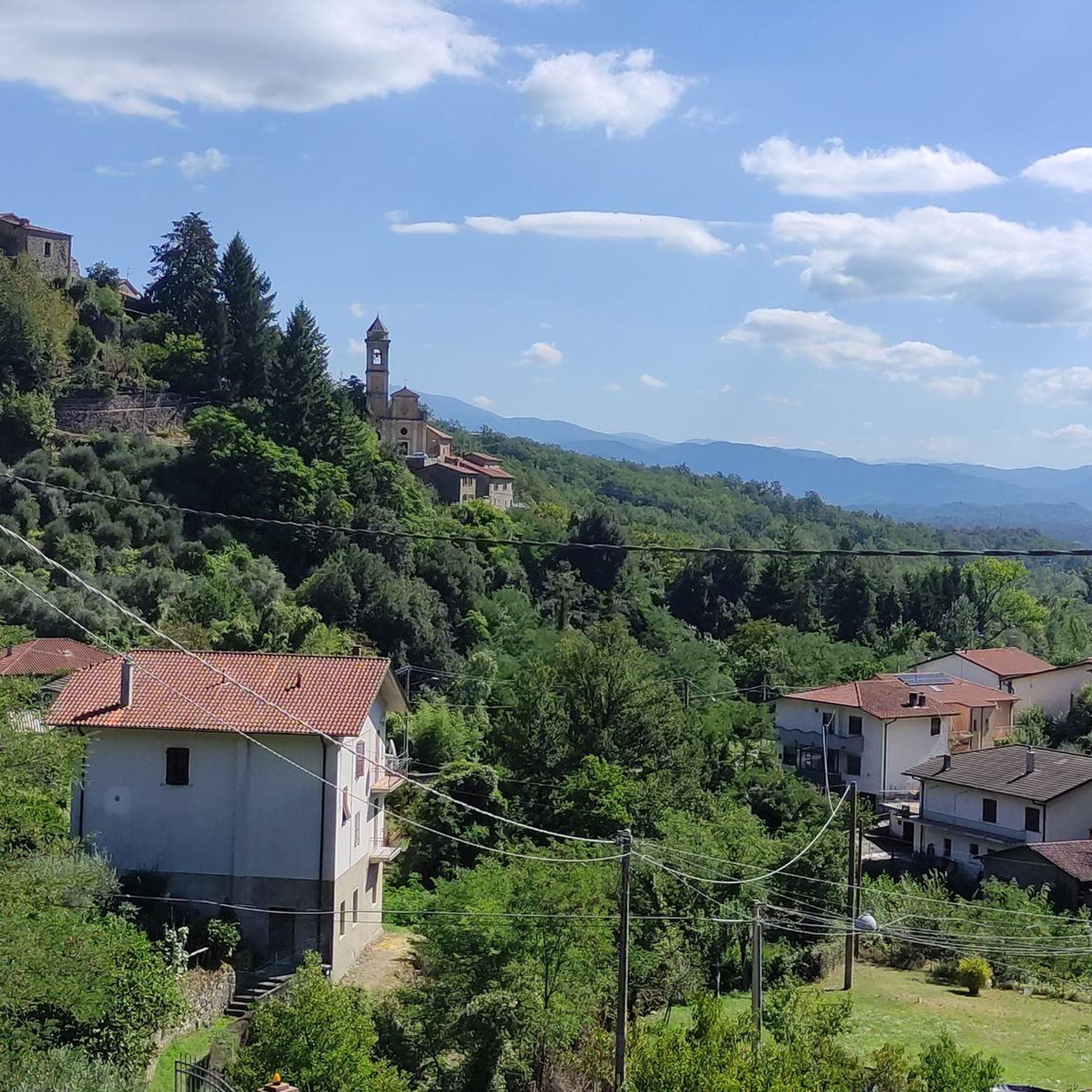
Castles around Tresana offer glimpses into centuries of rich history and strategic importance within the Lunigiana region of Italy. This area is characterized by its historical fortifications, many of which are perched on hills overlooking river valleys. The landscape provides a backdrop for exploring medieval architecture and understanding the region's past.
Best castles around Tresana
- The most popular castles is Vezzano Ligure Old Town, a historical site with a castle that offers a pleasant climb. It is a small…
Last updated: June 29, 2026
Lusuolo Castle and Medieval Village
Highlight • Castle
Translated by Google •
Tip by

Brunella Fortress
Highlight • Castle
Translated by Google •
Tip by

Sign up now to discover places like this
Get recommendations on the best single tracks, peaks, & plenty of other exciting outdoor places.
Sign up for free
Entrance to Malgrate Castle
Highlight • Castle
Translated by Google •
Tip by

Vezzano Ligure Old Town
Highlight • Historical Site
It has a nice little castle at the top, a few bars and …
Translated by Google •
Tip by

Castello di Villa di Tresana
Highlight • Castle
Translated by Google •
Tip by

Sign up for free to discover even more castles around Tresana.
Sign up for free
Already have an account?
Start today with a free account
Your next adventure awaits.
Login or Signup

Tips from the Community

Aula is a fundamental hub of the Via Francigena, it was tormented by the bombings of the Second World War, causing the almost total destruction of its historic center, of which very few vestiges remain. It is located a few kilometers from the border with Liguria, on a narrow strip of land at the confluence of the Magra river and the Aulella stream, a decisive place for the civil and religious life of the entire area before the year 1000. Aulla in that period was already a small village and its importance was linked precisely to its central position along the Via Francigena, both as a pilgrimage road and as a commercial artery. The center of the town had an important role in defending the roads that led from the Lucca area and Liguria towards the Cisa Pass.
0
0
The Brunella Fortress owes its name to the hill on which it was built in the mid-16th century. The fort is a typical example of Renaissance military architecture, designed to defend against firearm attacks. It is an almost square construction with large polygonal struts. What is certain is that the complex represents the most powerful military work in Lunigiana and its strategic position allowed it, in the past, to control all the main routes in the area and the arrivals from the Apennine passes.
0
0
Medieval Castle of 1351. The fortification, which controlled the most important communication routes coming from the Apennines, Cisa and Garfagnana, developed in the 14th century (but its origins are probably older) and on its tower, 25 meters high and crowned by a corbeled patrol embossment, the flag of the Malaspina marquises flew until the 17th century. In addition to performing defensive functions, the castle became a noble residence in 1641, when the central body was transformed into a palace, incorporating the round tower. Despite this, the appearance of Malgrate is that of a classic medieval fortress: the main body is made up of the keep, located on the short side of the rectangular feudal palace and surrounded by walls, equipped with Guelph battlements, slopes and a patrol walkway that seems to date back to the 14th century.
0
0

The construction of the castle probably dates back to the 14th century, when it was erected as a simple quadrangular fortification, entirely in stone with mortar joints. During the 15th century, the structure was expanded with the addition of two cylindrical towers placed diagonally at opposite corners, equipped with slits for firearms, evidence of the evolution of the defensive techniques of the time. The Castle of Villa di Tresana was part of the vast defensive system of the Malaspina, a powerful noble family that dominated Lunigiana. Located along the Via Francigena, the castle had a strategic function in controlling the communication routes and offered hospitality to pilgrims and travellers in transit. Over the centuries, the castle underwent various vicissitudes. In the 17th century it came under the influence of the Medici, while remaining under the control of the Malaspina. Subsequently, it was used as an agricultural building and fell into a state of abandonment. Only recently has it been the subject of careful restoration, which has preserved its original structure and restored its ancient splendor. Currently, the Castle of Villa di Tresana is a private property and is not open to the public. However, it is possible to admire it from the outside, especially during the autumn, when the climbing ivy that covers it takes on suggestive colors, giving the castle a fairy-tale appearance.
0
0

The castle and the village are one of the most interesting examples of the fusion of civil and military medieval architecture. The oldest part of the structure dates from the mid-fourteenth century, when Lusuolo was an independent feudal kingdom. In 1450 the castle fell into the hands of the Genoese, who partially demolished it. Today, the Castle of Lusuolo houses the Museum of the Emigration of the People of Tuscany.
4
0
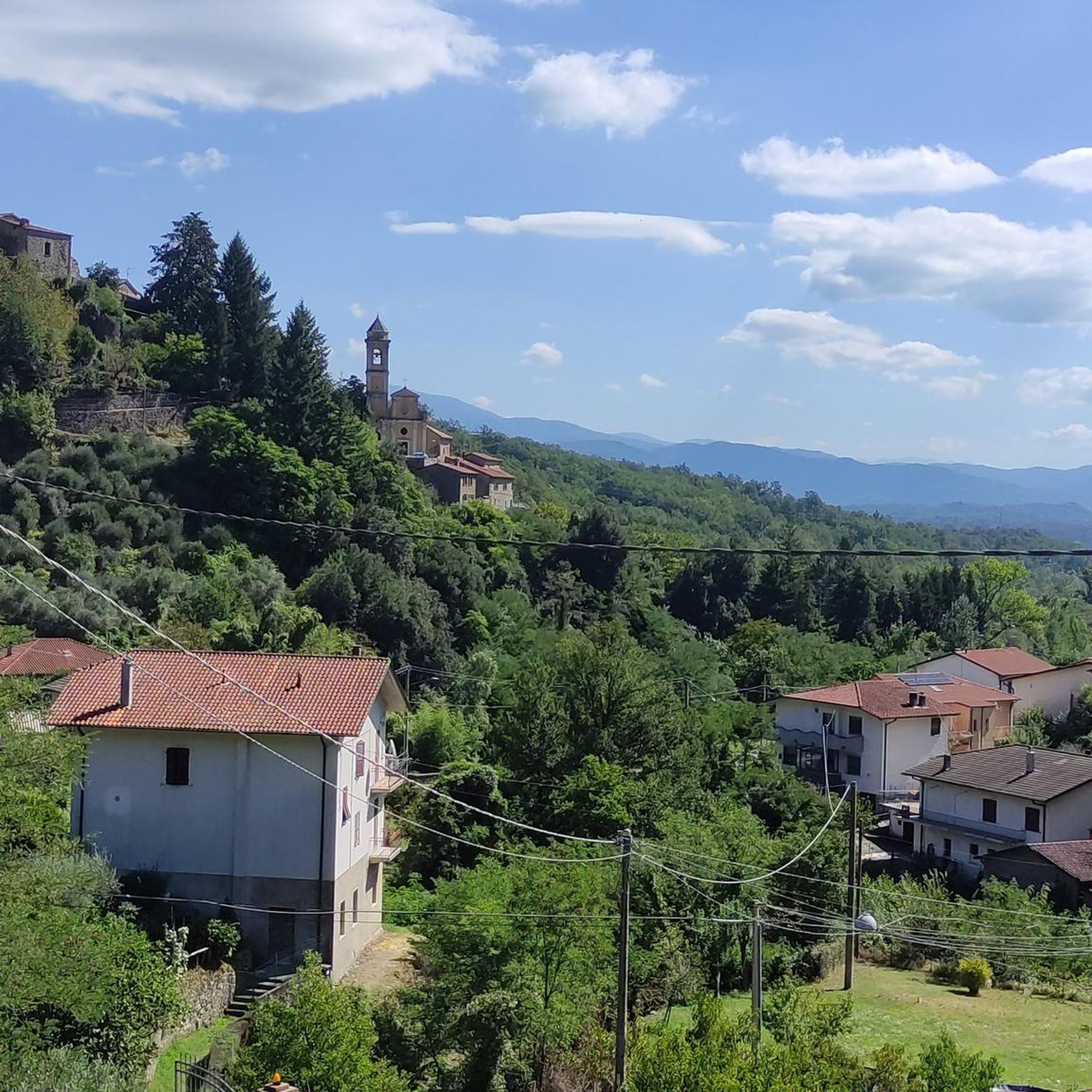
Lusuolo is a characteristic village stretching along the crest of a hill overlooking the right bank of the Magra River, halfway between Villafranca and Mulazzo. The castle and the village are one of the most interesting examples of the fusion of civil and military medieval architecture. The oldest part of the structure dates from the mid-fourteenth century, when Lusuolo was an independent feudal kingdom. In 1450 the castle fell into the hands of the Genoese, who partially demolished it. Today, the Castle of Lusuolo houses the Museum of the Emigration of the People of Tuscany. Due to its strategic position, Lusuolo has often been at the center of major conflicts between the powers contesting control of Lunigiana (Florence, Genoa and Milan) leading to its destruction and reconstruction several times.
4
0

Villa di Tresana Castle ring route. Lunigiana world
0
0

Malgrate Castle is a medieval fortification located in Malgrate, in the municipality of Villafranca in Lunigiana, in the province of Massa Carrara. The castle is mentioned in a document for the first time in 1351, the year of the well-known division between the five sons of the Marquis of Filattiera Niccolò I Malaspina, but it is nevertheless certain that walled structures of a certain importance existed already in the 12th century. The complex, which stands on a hill, dominates the valley of the Bagnone river, a tributary of the Magra, and due to its majesty it was and remains one of the most attractive in Lunigiana.
1
0
Frequently Asked Questions
What historical significance do the castles around Tresana hold?
The castles in the Tresana area, particularly in the Lunigiana region, are rich in history, reflecting centuries of strategic importance. Structures like the Castello di Tresana (also known as Malaspina Castle) date back to around the year 1000 and played a crucial role in controlling vital trade routes. Many castles, including Brunella Fortress, are prime examples of medieval and Renaissance military architecture, designed to defend against various attacks and control the surrounding valleys.
Can I visit the Castello di Tresana (Malaspina Castle)?
Yes, the Castello di Tresana has undergone extensive restoration and can be visited by appointment. Its commanding position offers stunning panoramic views of the Osca river valley and the Apuan Alps. For more details on visiting, you can check resources like Visit Tuscany.
Is the Castello di Villa di Tresana open to the public?
The Castello di Villa di Tresana is currently privately owned and not open to the public for interior visits. However, its well-preserved 14th-century architecture and picturesque appearance, often covered in climbing ivy, make it a compelling sight to view from the exterior, especially during autumn.
Which castles are connected to the historic Via Francigena?
Several castles in the region have historical ties to the Via Francigena. The Castello di Villa di Tresana and the small village around it historically offered shelter to pilgrims and travelers along this ancient route. Additionally, Brunella Fortress is located near Aulla, a fundamental hub of the Via Francigena.
Are there any castles with museums or unique exhibits?
Yes, the Lusuolo Castle and Medieval Village houses the Museum of the Emigration of the People of Tuscany. This offers a unique cultural experience, showcasing the history of emigration from the region within a beautifully preserved medieval setting.
What outdoor activities can I do near these castles?
The area around Tresana offers various outdoor activities. You can find numerous hiking trails, such as the 'Alta Via dei Monti Liguri' or routes around the 'Historic Village of Filetto'. For cycling enthusiasts, there are gravel biking and road cycling routes, including those that follow parts of the Via Francigena. You can explore more options in the Hiking around Tresana or Gravel biking around Tresana guides.
What is the best time of year to visit the castles around Tresana?
The best time to visit the castles around Tresana is generally during spring (April-June) and autumn (September-October). During these seasons, the weather is pleasant for exploring, and the natural scenery, especially with the changing leaves in autumn, enhances the picturesque views of the castles like Castello di Villa di Tresana.
Are there any castles that offer great viewpoints?
Absolutely. The Castello di Tresana is perched atop a hill, offering breathtaking panoramic views extending to the Apuan Alps. Similarly, Brunella Fortress and Entrance to Malgrate Castle are known for their strategic positions that provide excellent vantage points over the surrounding valleys and landscape.
Are there family-friendly castles to visit in the Tresana area?
While specific 'family-friendly' designations aren't always available, castles like Lusuolo Castle and Medieval Village offer an engaging historical experience for all ages, including a museum. The general appeal of exploring medieval fortifications and enjoying the scenic surroundings can be enjoyable for families. Always check specific castle accessibility if visiting with very young children.
What do visitors enjoy most about the castles in this region?
Visitors frequently appreciate the rich history and well-preserved medieval architecture of the castles. The strategic locations often provide stunning viewpoints. For instance, Vezzano Ligure Old Town is praised for its pleasant climb and charming village atmosphere, while Lusuolo Castle is described as a 'beautiful and evocative village' by the komoot community.
Are there easy walks or hikes to reach some of the castles?
Yes, many castles are integrated into charming medieval villages, making them accessible via relatively easy walks. For example, Vezzano Ligure Old Town offers a 'pleasant and pedalable climb'. You can find various hiking routes, including some with easier difficulty grades, in the Hiking around Tresana guide, which can lead to or near historical sites.
What kind of terrain can I expect when visiting castles around Tresana?
The castles in the Tresana area are often perched on hills or elevated positions, typical of the Lunigiana region. This means you can expect varied terrain, including uphill climbs, cobblestone paths within medieval villages, and potentially uneven surfaces. Comfortable walking shoes are highly recommended for exploring these historical sites and their surroundings.
Most popular routes around Tresana
Most popular attractions around Tresana

Get inspired with the komoot mobile app


Explore more
Looking for the best castles somewhere else? Discover other guides around Tresana:
