The 9 Most Amazing Peaks in Corona Forestal
Best mountain peaks in Corona Forestal are situated within the largest protected natural area in the Canary Islands, covering nearly 50,000 hectares around Teide National Park in Tenerife. This expansive park features mystical pine forests, high mountain vegetation, and dramatic volcanic landscapes. It serves as a significant natural habitat for diverse flora and fauna, including endemic species. The region offers varied terrain for exploration, from volcanic summits to forest trails.
Best mountain peaks in Corona Forestal
- The most popular mountain…
Last updated: October 16, 2026
Montaña Negra
Highlight • Volcano
Translated by Google •
Tip by

Izaña (2,330 m) and Teide Observatory
Highlight • Summit
Translated by Google •
Tip by

Sign up now to discover places like this
Get recommendations on the best single tracks, peaks, & plenty of other exciting outdoor places.
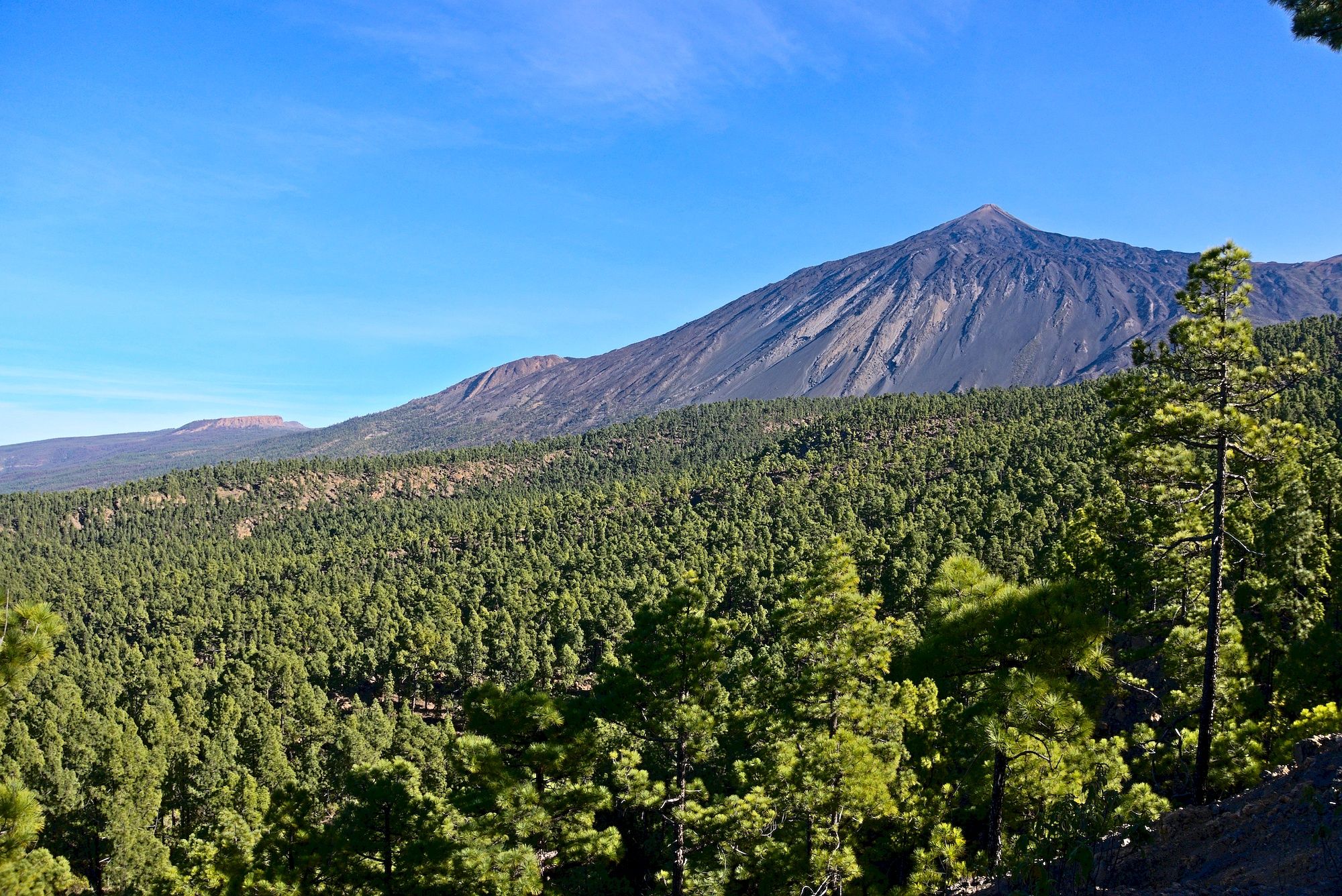
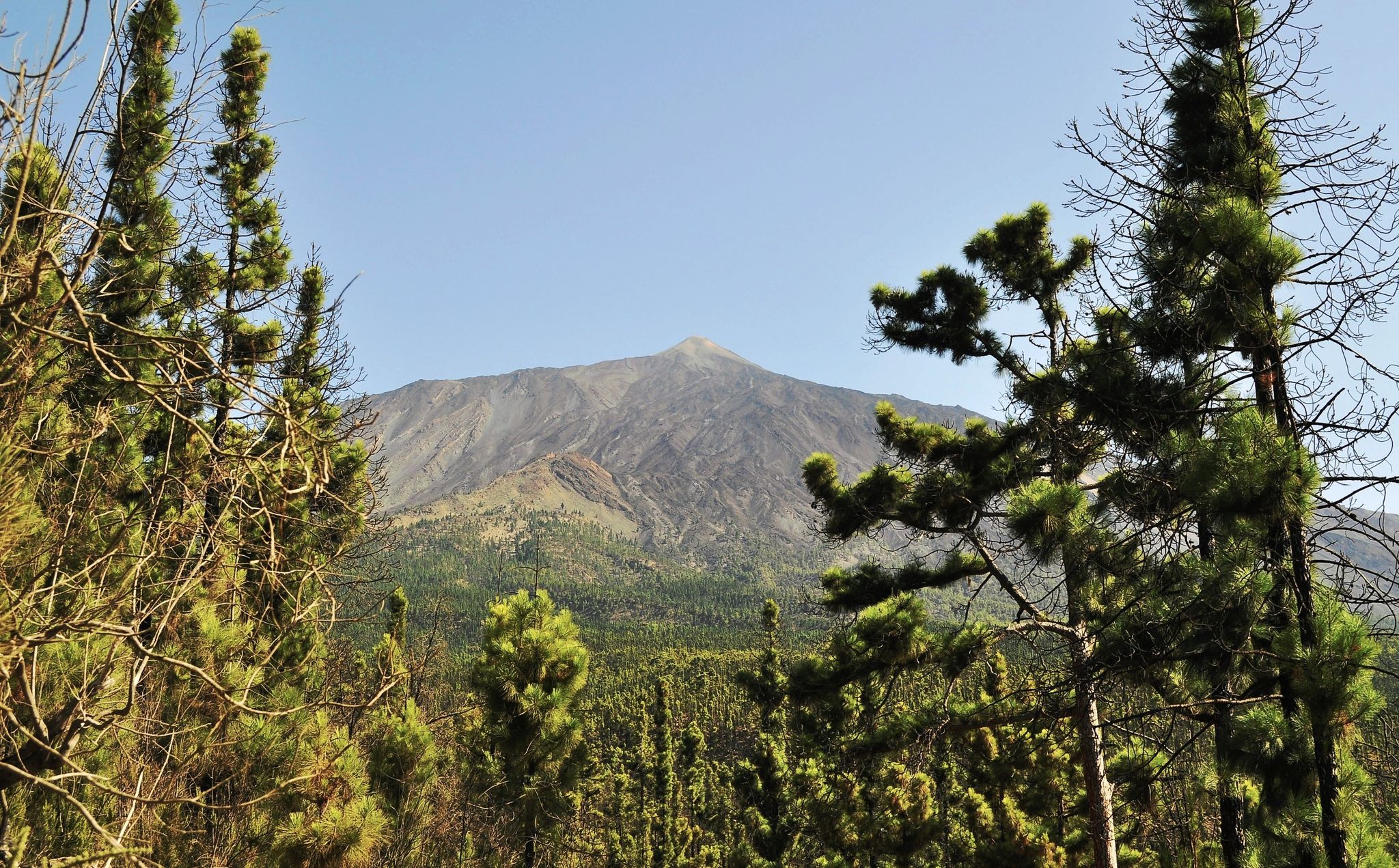
View of Teide from Portillo del Topo
Highlight • Viewpoint
Translated by Google •
Tip by

View of Guajara (2718 m)
Highlight • Viewpoint
Translated by Google •
Tip by

El Sombrero
Highlight • Summit
Translated by Google •
Tip by

Sign up for free to discover even more peaks in Corona Forestal.
Already have an account?
Start today with a free account
Your next adventure awaits.
Popular around Corona Forestal
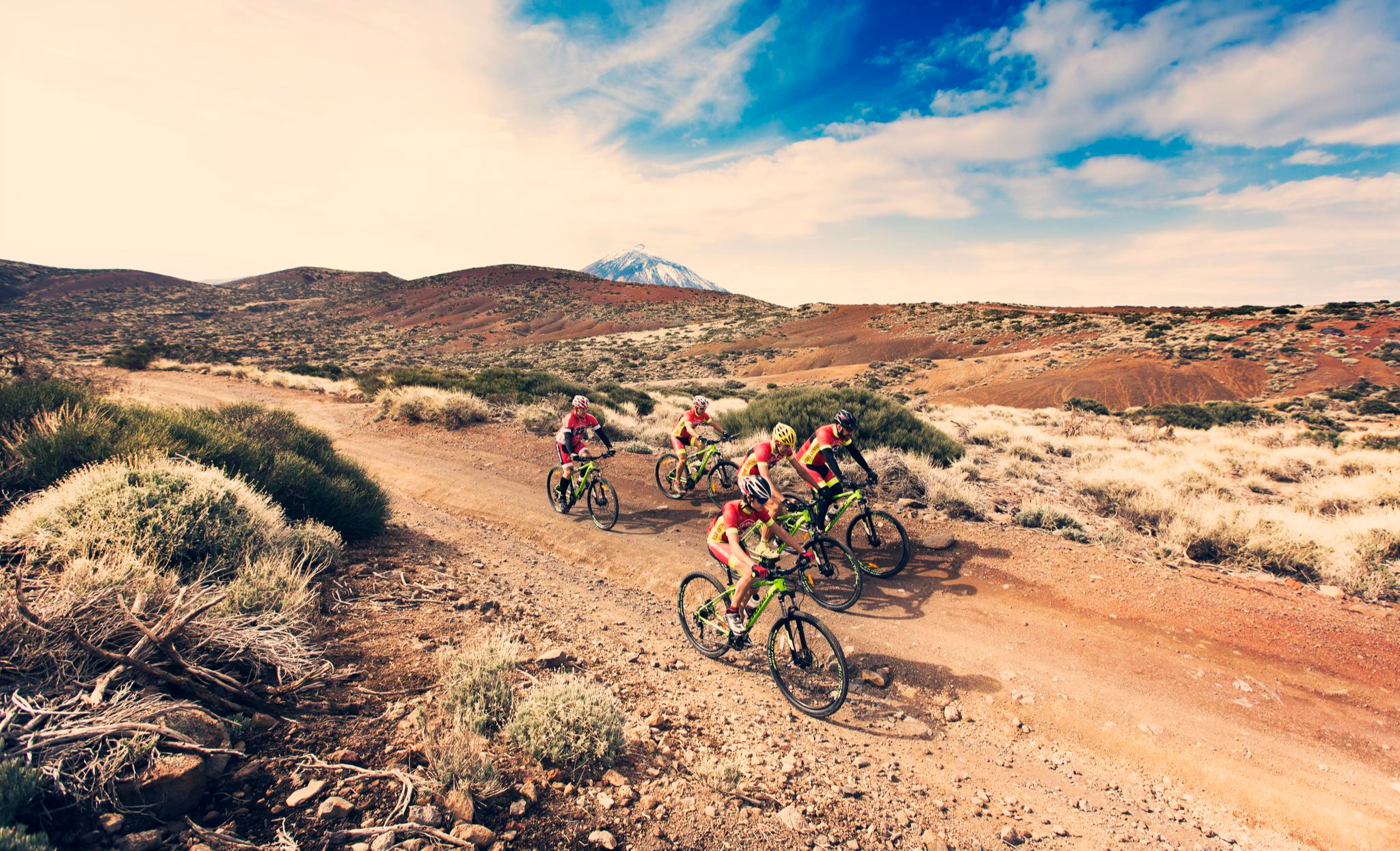
Mountain biking through the wild heart of Tenerife
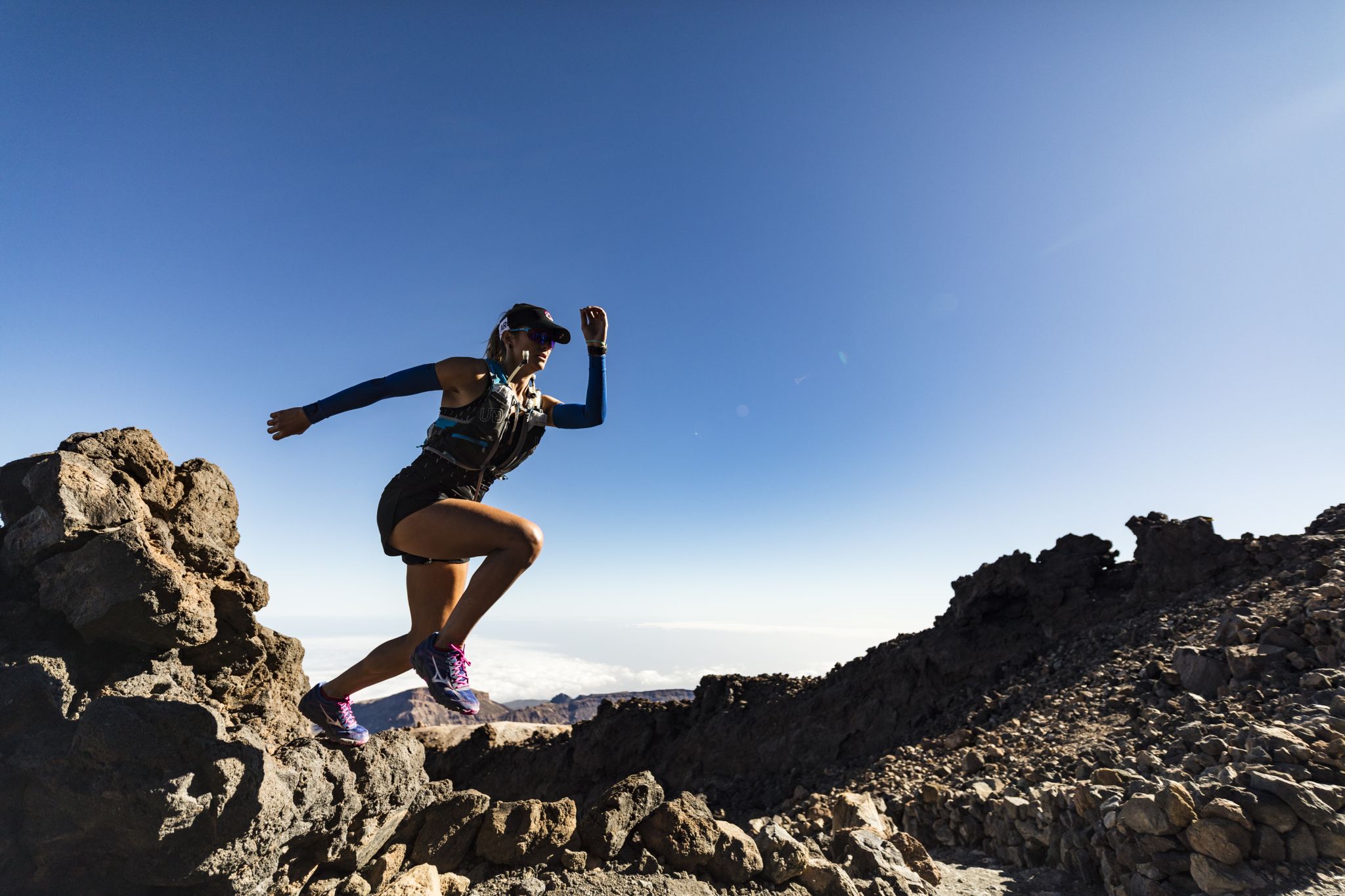
Trail running in Tenerife – dreamy routes between sea and mountain
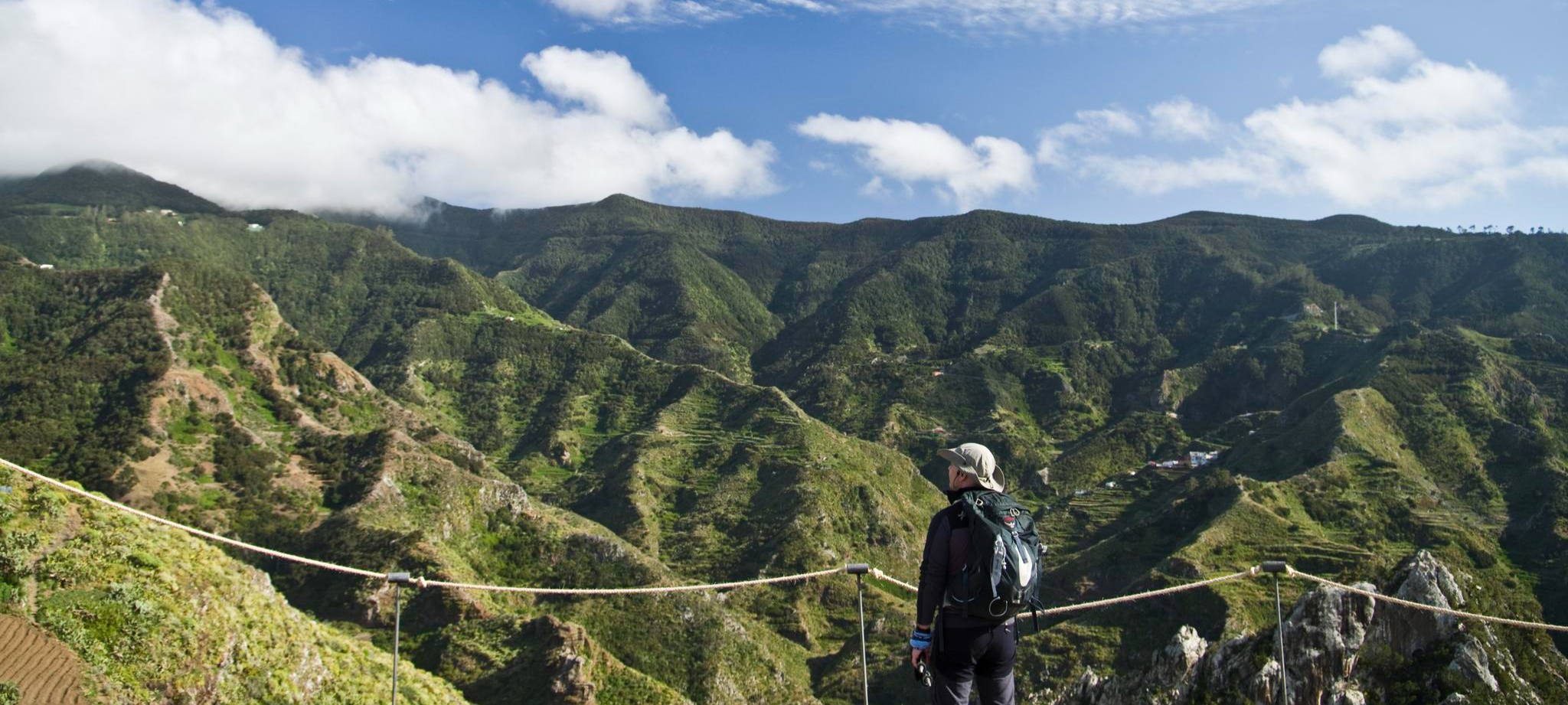
Tenerife's interior – discover fascinating hiking routes
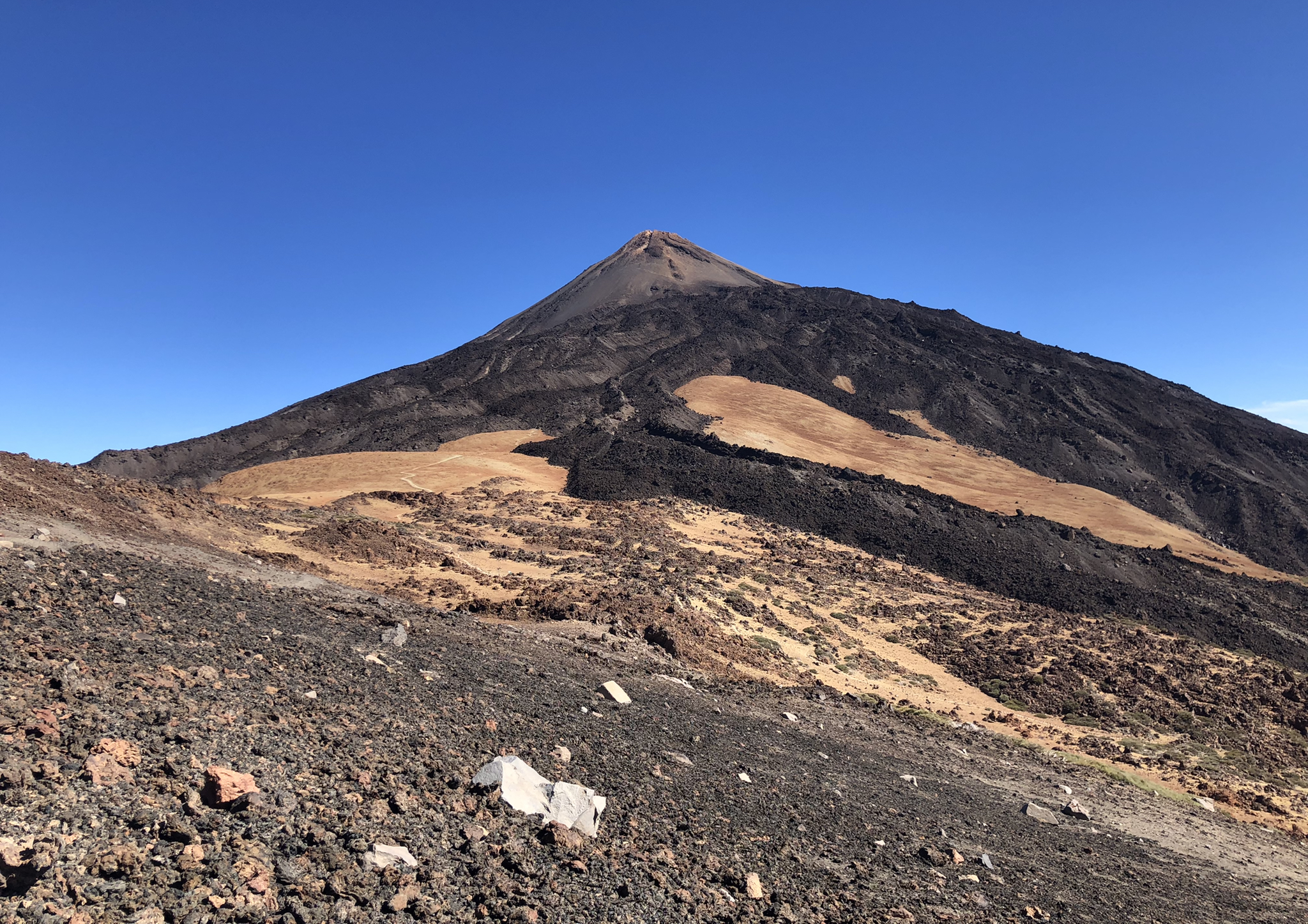
Volcanoes, lava and forests – running in Tenerife
The fantastic forest of Tenerife – northern forest MTB route
An island pilgrimage – Camino de Santiago de Tenerife
Tenerife from north to south – Camino Natural de Anaga-Chasna
Laurel forest to Caldera – hike the Tenerife GR 131 in 5 days
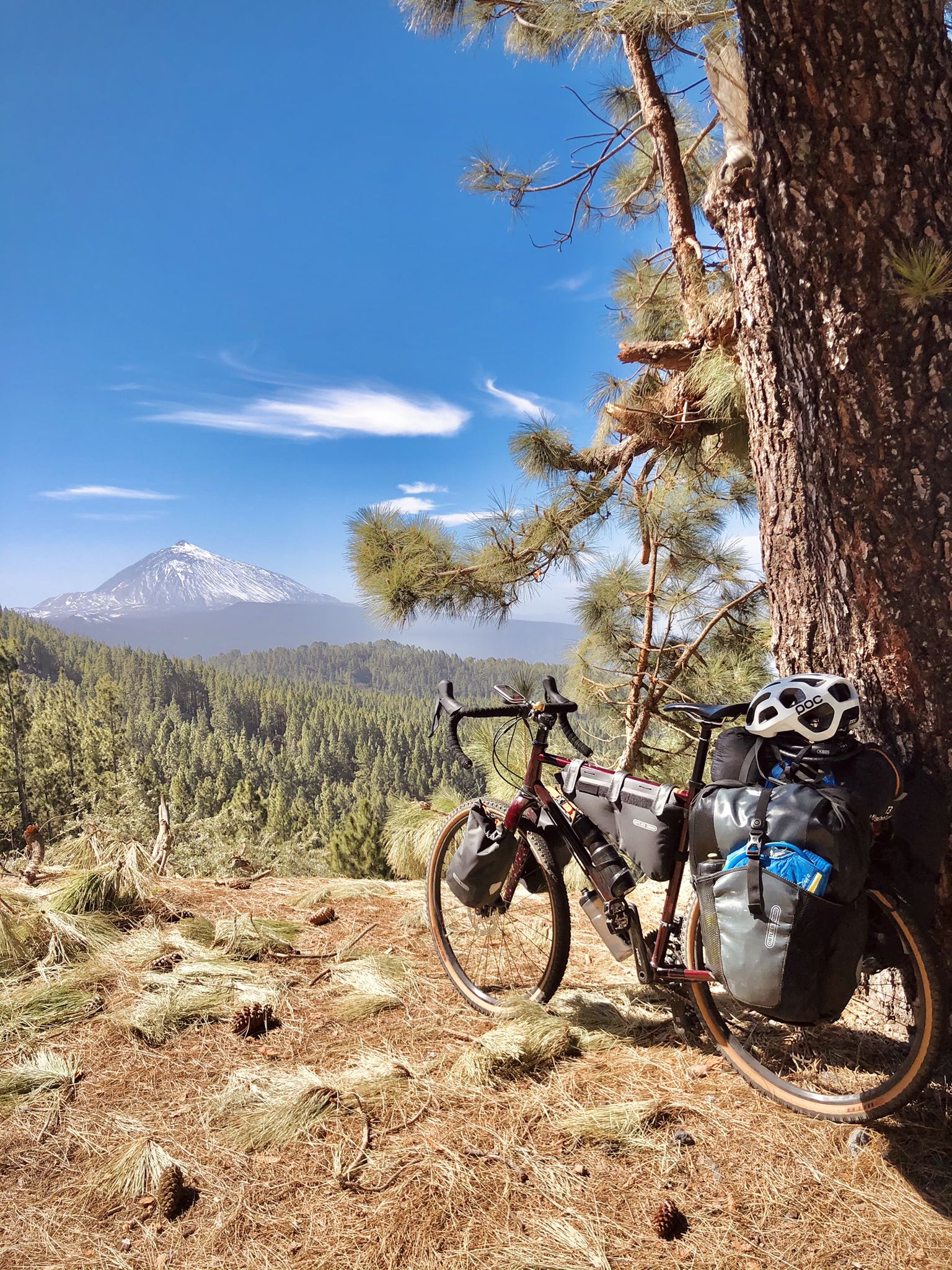
Gravel biking on Tenerife and La Gomera
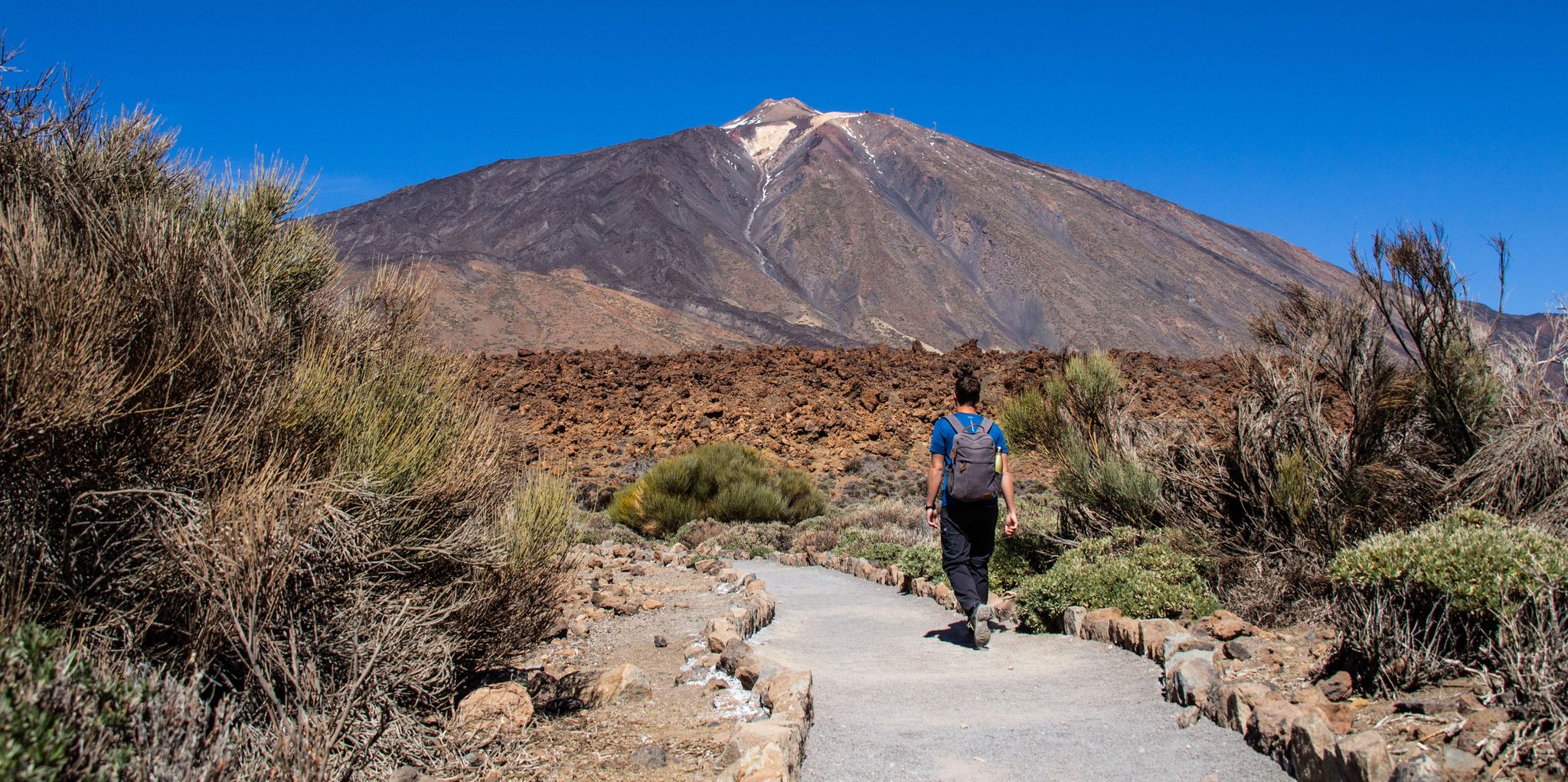
Adventuring in Tenerife — six hiking Tours for every taste
Other adventures in Corona Forestal


Tips from the Community

At the start of the gravel road, there's a sign prohibiting bicycles, but further down you'll see a bicycle path sign, which should be okay. However, there's a sign there indicating when the mouflon hunt is, so be sure to pay attention to that.
0
0

Be sure to plan for a great view
0
0

Mount Izaña is the highest point on Tenerife's main road. It is also right around the corner from the impressive observatory, one of the largest in the world. You can book tickets to visit the observatory, but it is also very interesting to see from a distance.
0
0

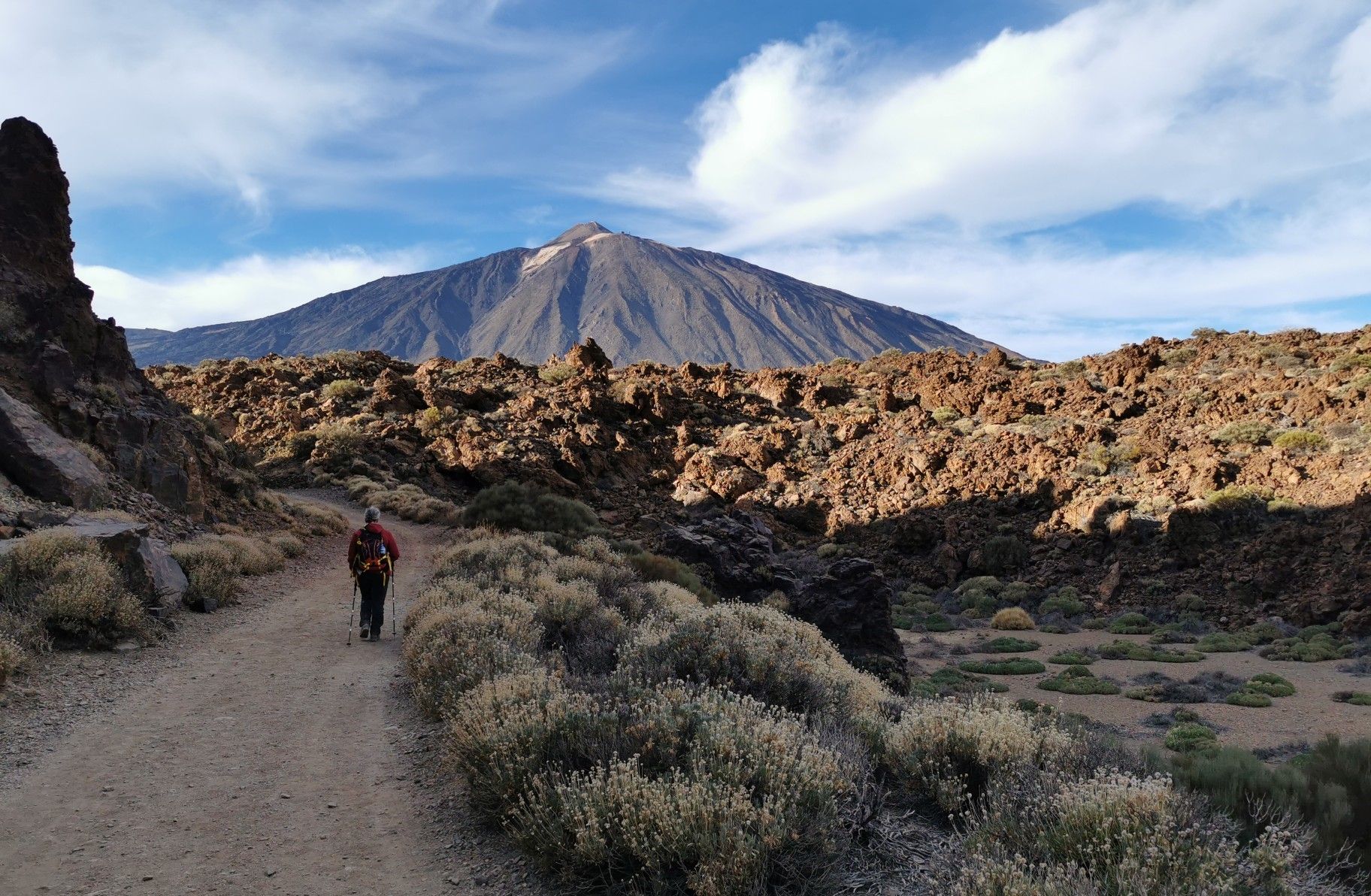
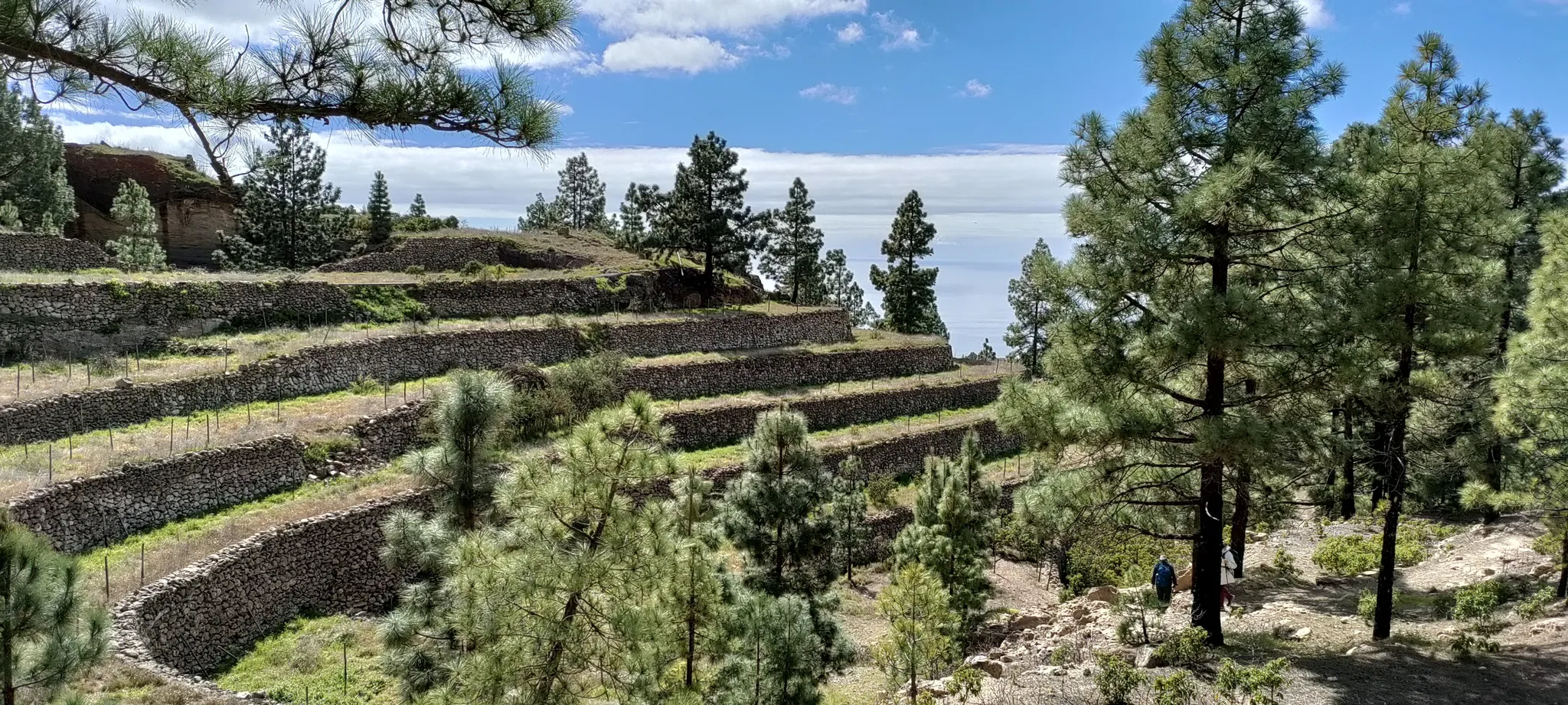
Great path through lava fields and pine forest
1
0

Beautiful view, when it's not foggy, of the Teide, framed by pine trees.
0
0

View of Guajara, it is the third highest peak in Tenerife.
3
0
View of the Montaña Negra volcano - also called Montaña del Estrecho (Volcán Garachico) - erupted in 1706. The eruption lasted nine days and caused extensive damage. The former port city of Garachico is located 8 kilometers as the crow flies from Montaña Negra. Two lava flows about 500 meters wide poured over the place. This was largely destroyed.View of the Montaña Negra volcano - also called Montaña del Estrecho (Volcán Garachico) - erupted in 1706. The eruption lasted nine days and caused extensive damage. The former port city of Garachico is located 8 kilometers as the crow flies from Montaña Negra. Two lava flows about 500 meters wide poured over the place. This was largely destroyed.
5
0

A hike that is always worthwhile. Depending on the season and current weather conditions, there is always something beautiful to discover here. An absolute recommendation - for newcomers as well as old hands on Tenerife.
4
0
Frequently Asked Questions
What are some of the most prominent mountain peaks to explore in Corona Forestal?
Corona Forestal, surrounding Teide National Park, features several remarkable peaks. Montaña Negra stands out with its unique black scree desert contrasting with isolated pines, offering visually striking impressions. Izaña (2,330 m) is home to an observatory and provides clear blue skies even when other parts of the island are cloudy. Additionally, Guajara (2718 m), the third highest peak in Tenerife, offers stunning views of Mount Teide across the caldera.
Do I need a permit to hike to the summit of the highest peaks in Corona Forestal?
Yes, for Pico del Teide, the highest peak in Spain, a special permit is required to access the absolute summit (Telesforo Bravo trail). This permit often needs to be booked months in advance. However, for Pico Viejo and Guajara, no permit is generally required to reach their viewpoints or summits, making them more accessible high-altitude experiences.
What unique natural features can I expect to see on the mountain peaks in Corona Forestal?
The region is rich in volcanic landscapes and unique flora. On Montaña Negra, you'll find an almost black scree desert. Pico Viejo features a massive crater, approximately 720 meters in diameter, and offers views of black lava fields from past eruptions. The entire Corona Forestal is characterized by mystical pine forests and high mountain vegetation, including endemic species, providing a diverse natural habitat.
Are there family-friendly hiking options among the mountain peaks in Corona Forestal?
While some peaks like Pico del Teide involve challenging ascents and permits, many trails within Corona Forestal offer varying difficulties. The pine forests provide cooler air and towering trees, which can be pleasant for families. For specific family-friendly routes, it's advisable to check individual trail descriptions for difficulty ratings and suitability for children.
What are the best times of year to hike the mountain peaks in Corona Forestal?
The Canary Islands generally enjoy a mild climate year-round. However, for hiking mountain peaks, clear days are ideal for panoramic views. The high altitude means temperatures can be significantly cooler than at sea level, especially in winter. Spring and autumn often offer pleasant temperatures and stable weather conditions, though the region can provide clear skies even when coastal areas are cloudy.
What kind of outdoor activities can I do near the mountain peaks in Corona Forestal?
Beyond hiking, Corona Forestal offers excellent opportunities for cycling and running. You can find various routes like the challenging Teide Climb from El Médano for touring bicycles or gravel biking routes like 'Gravel in Tenerife from Aguamansa to La Montañeta'. For runners, there are demanding trails such as 'Arenas Negras – Chinyero'.
Which mountain peaks offer the best panoramic views in Corona Forestal?
Pico del Teide offers unparalleled panoramic views of the entire island of Tenerife and, on clear days, extends to neighboring islands. Pico Viejo provides stunning views of the Las Cañadas caldera, the Atlantic Ocean, and other Canary Islands like La Gomera, La Palma, and El Hierro. Guajara (2718 m) is particularly renowned for its unobstructed views of Mount Teide across the caldera, making it ideal for photography.
Are there less crowded mountain peaks or trails for a quieter experience?
Yes, while Pico del Teide's summit can be very popular due to permit requirements, hiking to Guajara (2718 m) often provides a quieter summit experience. Its moderate to strenuous hike offers incredible views without the same level of crowds or the need for a permit.
What historical significance do some of the peaks in Corona Forestal hold?
Guajara (2718 m) holds historical significance as the site of the first high-mountain observatory worldwide in 1856, with ruins still visible at the summit. Additionally, Izaña (2,330 m) hosts an observatory that has been in operation since 1964, continuing the region's legacy in astronomical observation.
What should I wear when hiking in Corona Forestal, especially in winter?
Due to the high altitude, temperatures can vary significantly. Even in winter, days can be sunny, but evenings and shaded areas will be cold. Layers are essential, including warm clothing, a windproof and waterproof outer shell, and sturdy hiking boots. Sun protection (hat, sunglasses, sunscreen) is also crucial due to the high elevation and strong UV radiation.
Where can I find information about parking near mountain trailheads in Corona Forestal?
Parking information is often available at the start of popular trails or near visitor centers. For example, Montaña Negra is noted for having a large parking lot, making it a convenient starting point for tours. It's always recommended to check specific trail guides or local information for detailed parking instructions before your visit.
What do visitors appreciate most about the mountain peaks in Corona Forestal?
Visitors frequently praise the visually stunning impressions, such as the contrast of the black scree desert with isolated pines at Montaña Negra. The clear blue skies at Izaña, even when other parts of the island are cloudy, are also a highlight. The incredible views of Mount Teide from spots like Portillo del Topo and Guajara are consistently mentioned as rewarding experiences.
Most popular routes in Corona Forestal
Most popular attractions in Corona Forestal

Get inspired with the komoot mobile app


Explore more
See even more amazing summits in Corona Forestal with these guides:
