Top 5 Caves in Sierra Norte De Guadalajara
Best caves in Sierra Norte De Guadalajara are located in a region characterized by diverse landscapes, including mountain ranges and significant geological formations. This area features striking limestone rock formations, river-carved gorges, and ancient caves. The geological processes here have created unique natural sculptures and historical sites. Visitors can explore a variety of subterranean features and rock formations.
Best caves in Sierra Norte De Guadalajara
- The most popular caves is Enchanted City of Tamajón, a natural monument characterized by…
Last updated: October 16, 2026
Enchanted City of Tamajón
Highlight • Natural Monument
Translated by Google •
Tip by

Hoces del Jarama
Highlight • Gorge
Translated by Google •
Tip by

Sign up now to discover places like this
Get recommendations on the best single tracks, peaks, & plenty of other exciting outdoor places.
Prehistoric Cave of Los Torrejones
Highlight • Cave
Translated by Google •
Tip by

Los Enebrales Shelters
Highlight (Segment) • Cave
Translated by Google •
Tip by
Cueva del Tío Remigín
Highlight • Cave
Translated by Google •
Tip by
Sign up for free to discover even more caves in Sierra Norte De Guadalajara.
Already have an account?
Start today with a free account
Your next adventure awaits.
Popular around Sierra Norte De Guadalajara
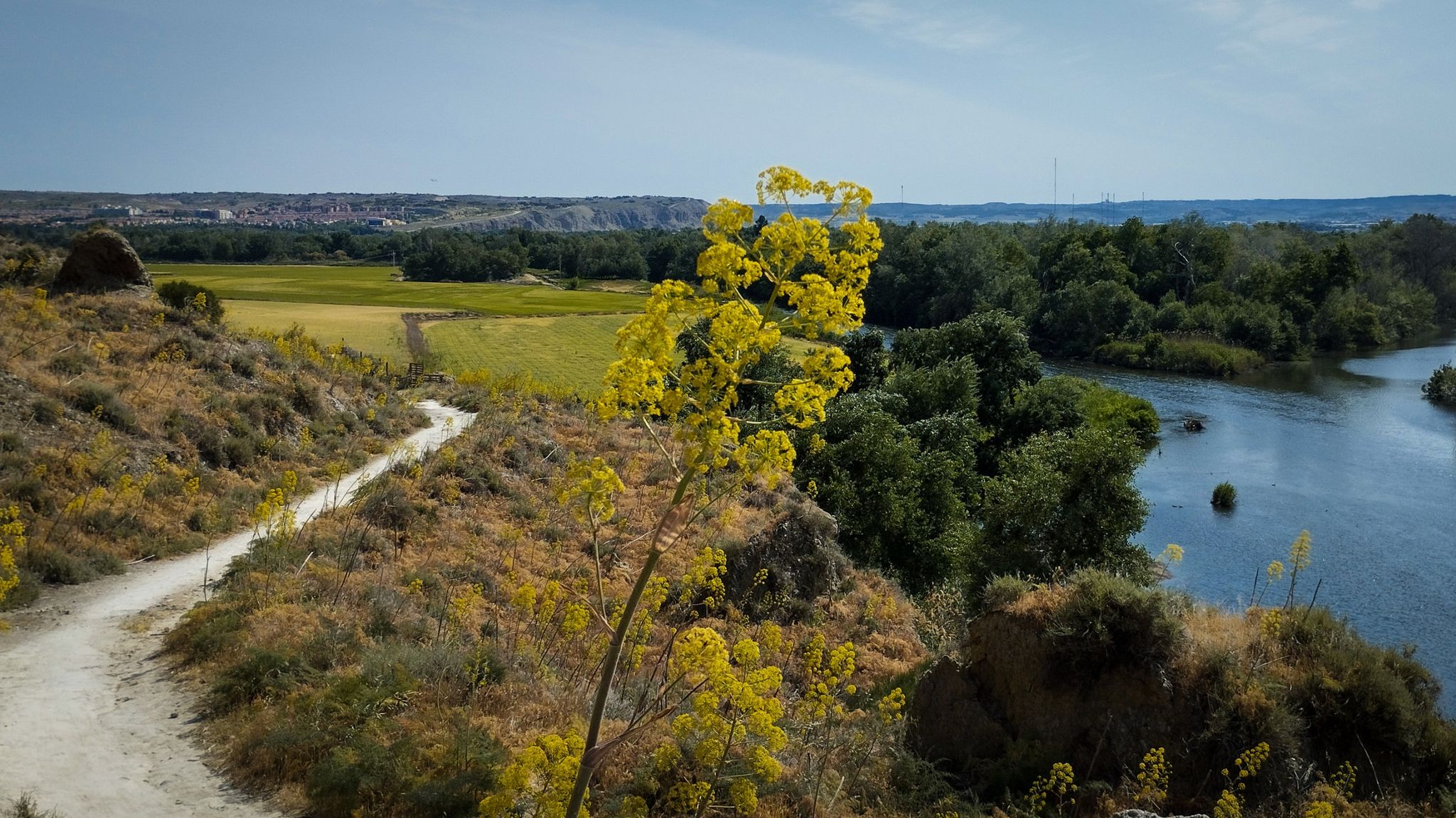
Unexpectedly wild – Jarama on a gravel bike
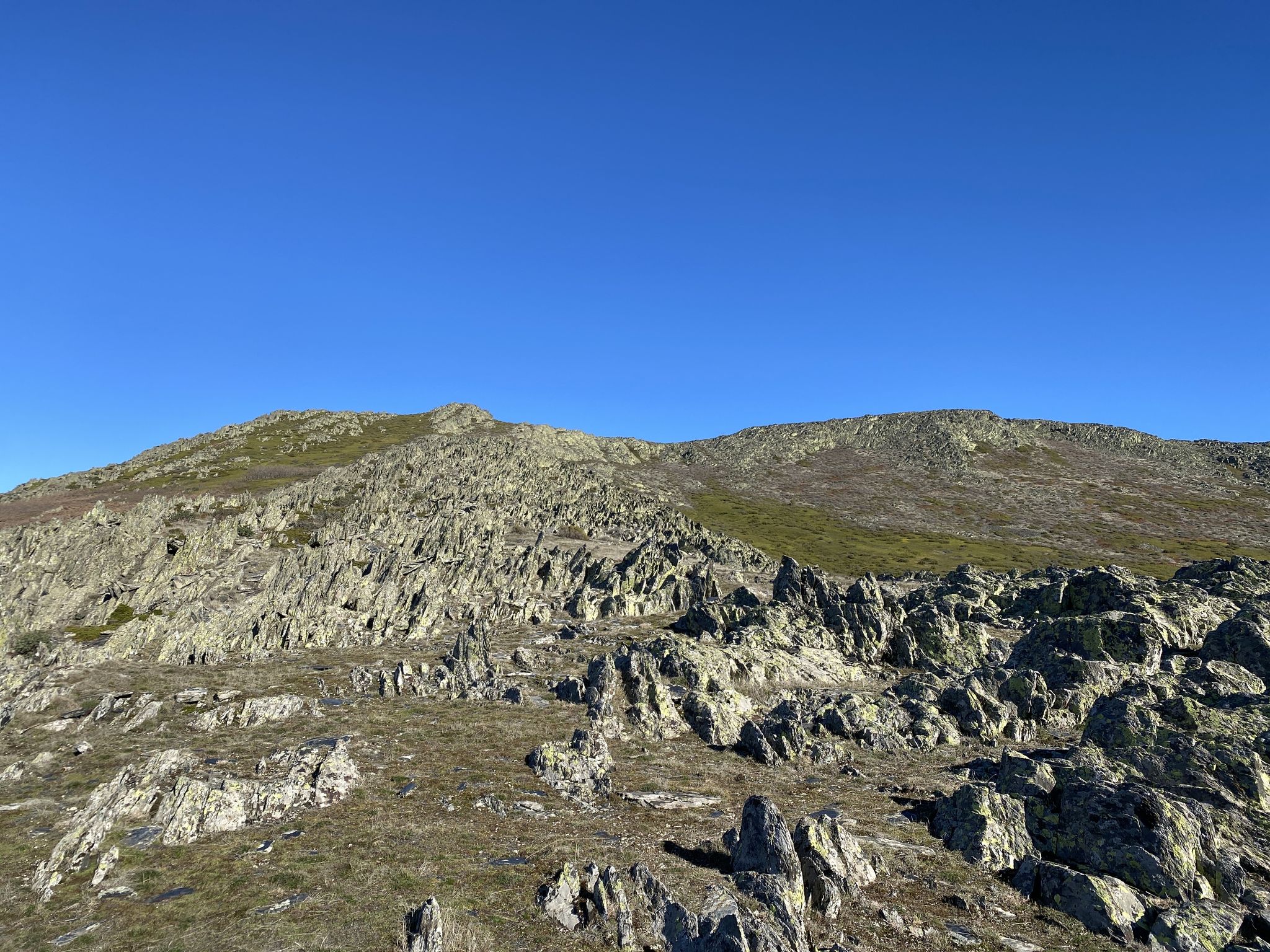
The Black Towns – Sierra Norte de Guadalajara on foot (GR 60)
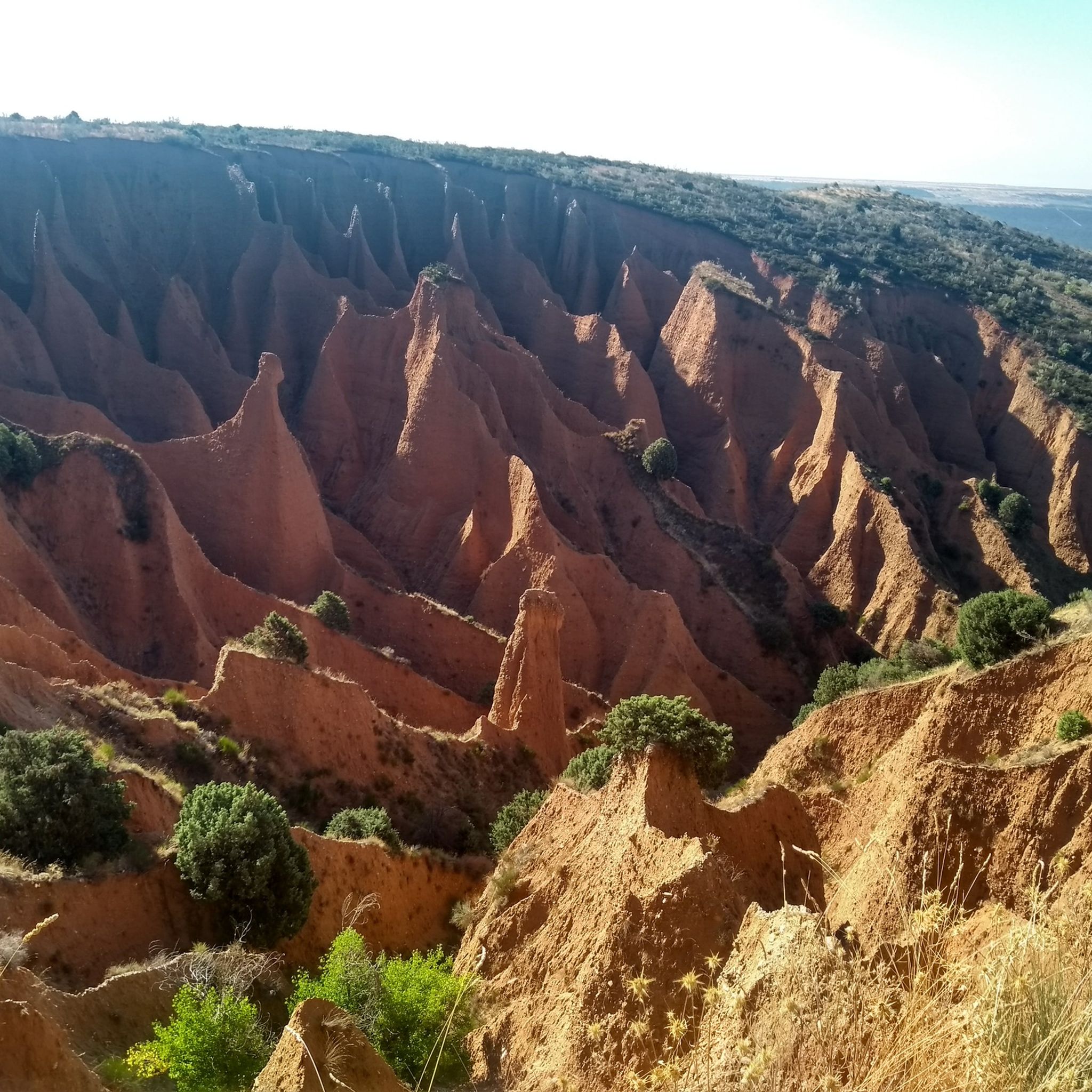
Hiking in Sierra Norte De Guadalajara
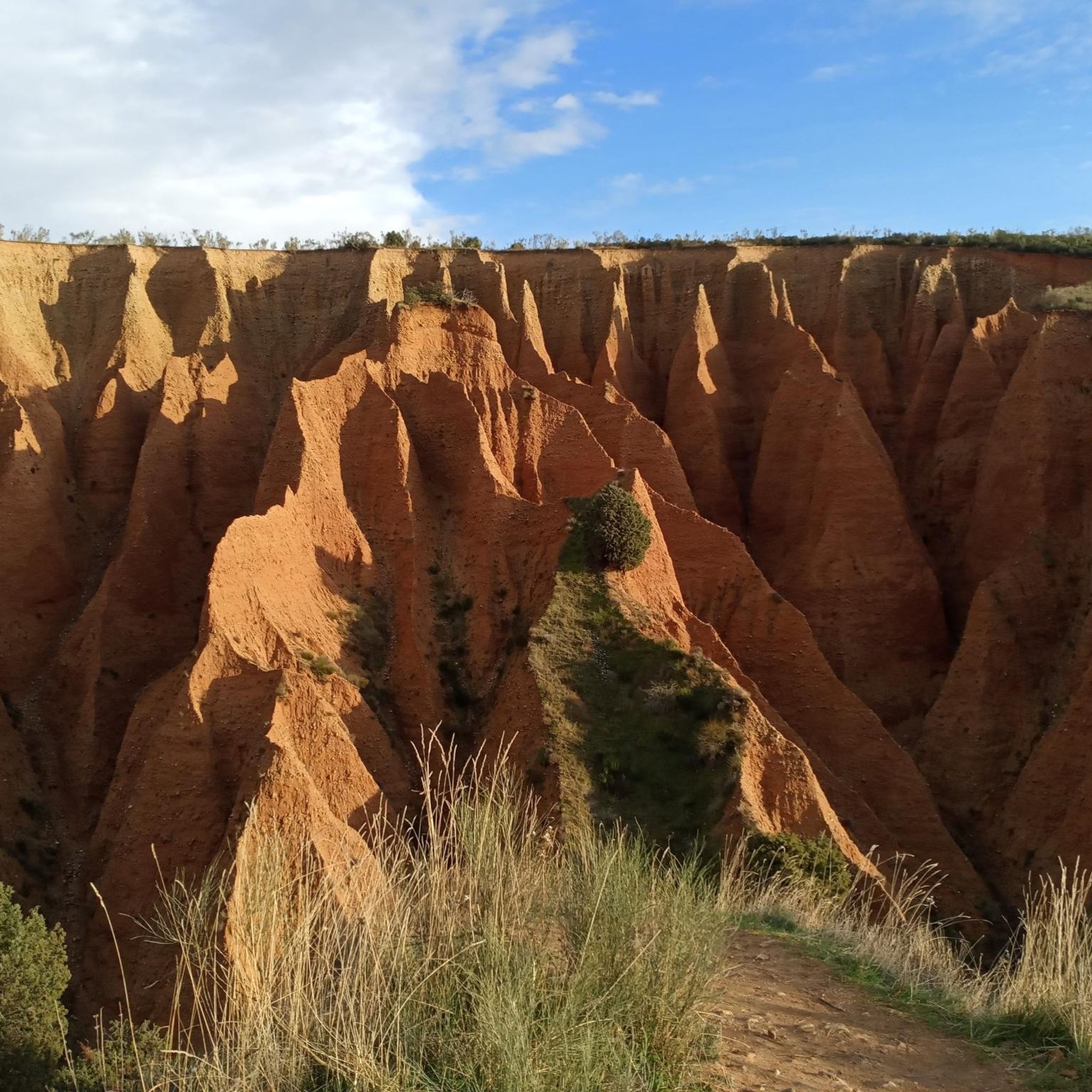
Running Trails in Sierra Norte De Guadalajara
Road Cycling Routes in Sierra Norte De Guadalajara
MTB Trails in Sierra Norte De Guadalajara
Cycling in Sierra Norte De Guadalajara
Gravel biking in Sierra Norte De Guadalajara
Other adventures in Sierra Norte De Guadalajara


Tips from the Community

He also calls from Uncle Remigin. Prehistoric Paleolithic, with many valuable finds from a scientific point of view.
1
0
They are shelters under the rocky cliffs that were inhabited in Prehistory and that have been studied by Archaeologists from the University of Alcalá. The antiquity of use dates back to the Paleolithic, more than 30,000 years ago.
1
0
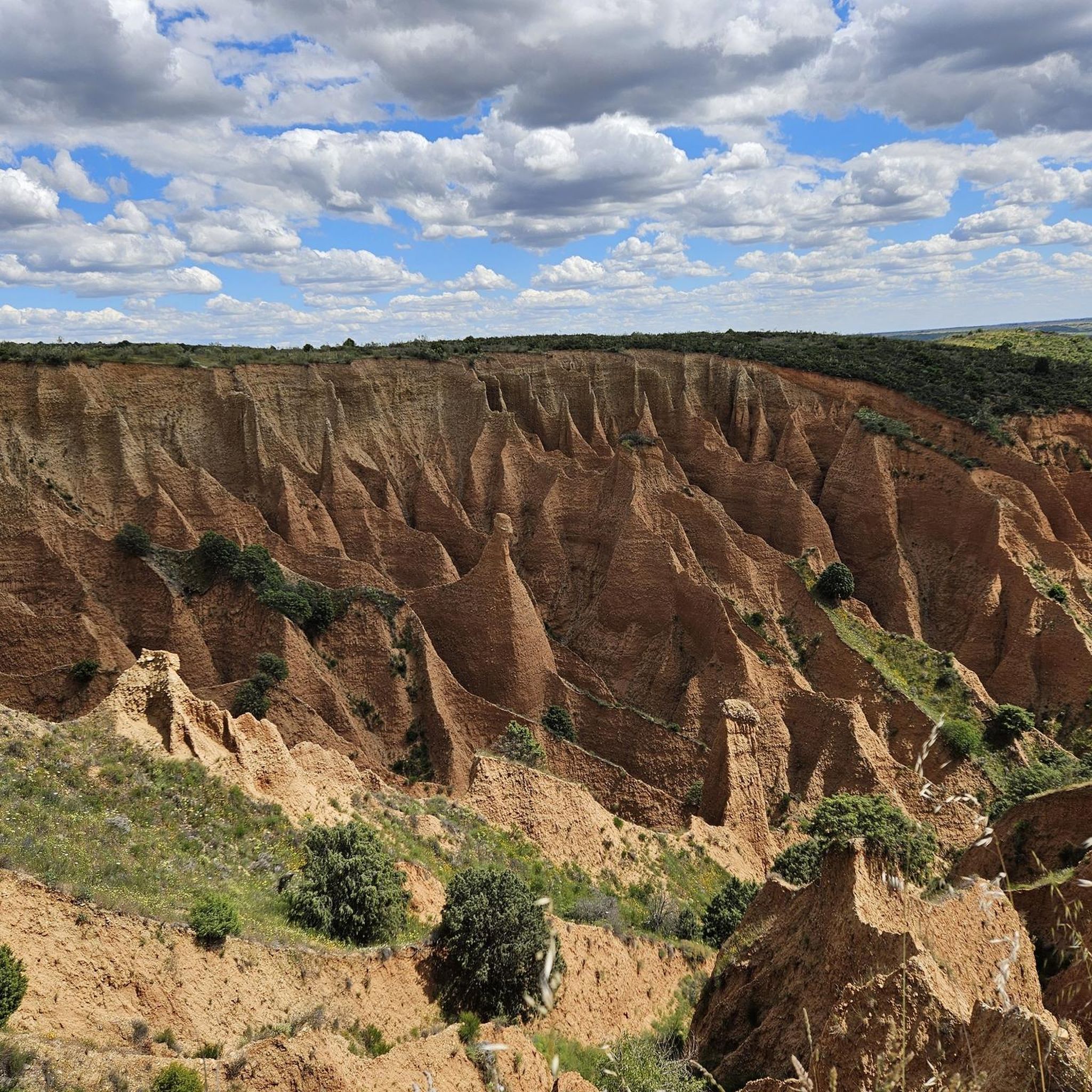
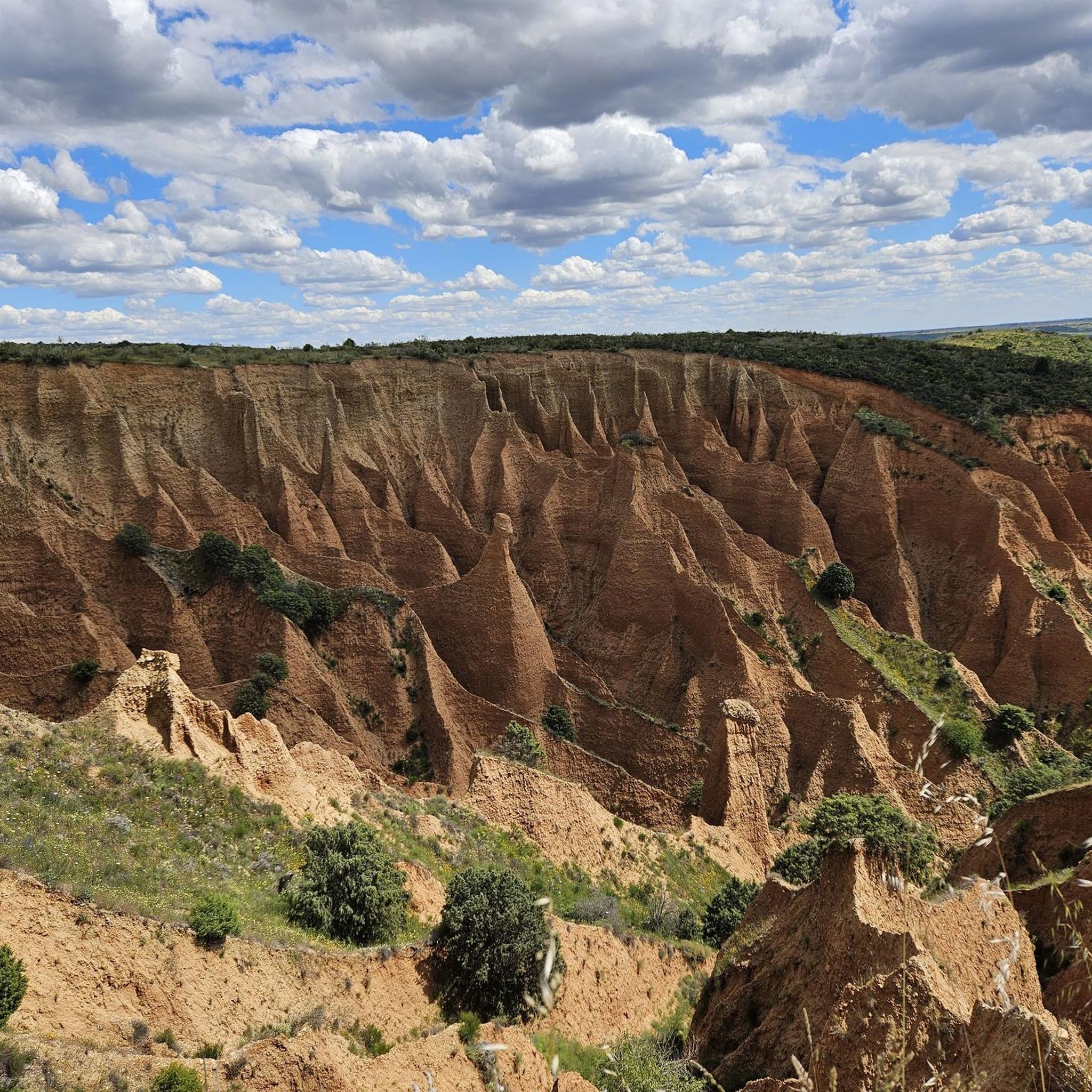
Eroded rocks with shapes of great beauty.
1
0
It is a Cave very well studied by Archaeologists from the University of Alcalá, in which human remains and animal bones from more than 50,000 years ago have been found. It is possibly the oldest place, in the center of the Iberian Peninsula, inhabited by man.
0
0
A good mid-hill path allows you to enjoy the Hoces from El Monasterio de Bonaval to the Medieval Bridge of Valdesotos. In the Caves of the walls, there is a lot of history and prehistory.
1
0

Limestone rock formation with caves, cavities in the rock, rock arches, sinkholes and other formations. Thus, among the rocks and their capricious shapes you will be able to find small caves, bridges to cross and many strange shapes.
2
0

La Hoz del Jarama is a strip of land located between the well-known Cistercian Monastery of Bonaval and the Medieval Bridge (which many call “Roman”) of Valdesotos. In this section, the river twists and its bed is sometimes wedged between large walls of limestone rock.
10
0
Frequently Asked Questions
What kind of geological formations can I explore in Sierra Norte de Guadalajara?
The region is rich in diverse geological features. You can explore striking limestone rock formations, river-carved gorges, and areas with active geological processes. For example, the Enchanted City of Tamajón features numerous caves, cavities, rock arches, and sinkholes, showcasing unique shapes carved by nature. The Aguaspeña Travertine Formation, though not a cave itself, is a unique site where calcareous water creates grottos, cavities, and small caves.
Are there any caves with historical or archaeological significance in the area?
Yes, several caves in the Sierra Norte de Guadalajara and surrounding areas hold significant historical and archaeological value. The Prehistoric Cave of Los Torrejones is a notable archaeological site where human remains and animal bones from over 50,000 years ago have been discovered. Similarly, the Cueva del Tío Remigín is a Paleolithic site with valuable scientific finds. The Hoces del Jarama gorge also contains caves with historical and prehistoric importance.
Which caves are associated with local legends or historical figures?
The region has caves steeped in local lore. The Cueva del Oso, also known as the Caves of the Cid near Anguita, is famously associated with El Cid, a Castilian knight, who local tradition says spent a night there during his exile. These caves are reportedly connected by a 50-meter-long tunnel, adding to their legendary appeal.
Are there any family-friendly options for exploring caves or rock formations?
While specific 'family-friendly' designations for caves are rare, the Enchanted City of Tamajón is an excellent option for families. It's a natural monument with striking limestone formations, small grottoes, and natural bridges that are fun to explore. The Aguaspeña Travertine Formation also features boardwalks and information signs, making it accessible for visitors to witness ongoing geological processes in a safe environment.
What outdoor activities can I do near the caves in Sierra Norte de Guadalajara?
The areas around the caves offer various outdoor activities. You can find numerous hiking trails, including easy options like the 'Climbing area – Enchanted City of Tamajón loop from Tamajón' or the 'Pontón de la Oliva Dam loop from Pontón de la Oliva'. For cycling enthusiasts, there are routes for both touring bicycles and gravel biking. You can explore more options on the Easy hikes in Sierra Norte De Guadalajara, Cycling in Sierra Norte De Guadalajara, and Gravel biking in Sierra Norte De Guadalajara guide pages.
Are there any caves that are easy to access or suitable for beginners?
For easier exploration, the Enchanted City of Tamajón offers an accessible way to experience unique rock formations and small grottoes without requiring specialized caving equipment or experience. Its natural setting allows for casual exploration. The Aguaspeña Travertine Formation also provides boardwalks for easy viewing of its geological features.
What is the best time of year to visit the caves and geological sites?
The Sierra Norte de Guadalajara region is generally pleasant to visit during spring and autumn when temperatures are mild, making outdoor exploration comfortable. Summer can be hot, but mornings and late afternoons are still suitable. Winter visits are possible, but some areas might be less accessible due to weather conditions, and specific cave access might vary.
Do I need permits for caving or exploring specific caves?
For general exploration of accessible natural formations like the Enchanted City of Tamajón or the Aguaspeña Travertine Formation, permits are typically not required. However, for more technical caving or speleology in undeveloped or protected caves, permits might be necessary. It's advisable to check with local authorities or natural park management for specific regulations regarding less-known or more challenging caves.
Can I find ancient caves within villages in the region?
Yes, some villages in the area feature ancient caves. For instance, the village of Mandayona, located near the Camino del Cid, offers ancient caves for exploration alongside the ruins of a historic castle. These provide a glimpse into the historical use of natural shelters by past inhabitants.
Are there any extensive cave systems in the broader region?
While not directly within the Sierra Norte de Guadalajara Natural Park, the town of Brihuega in the Alcarria region (south of the park) is known for its extensive Arab caves. These labyrinthine passages are estimated to be 8-9 kilometers long, though only about 400-500 meters are currently accessible to the public. They offer a unique historical perspective on the region's Moorish past.
What should I wear when visiting caves or exploring rock formations?
When visiting caves or exploring rock formations, it's recommended to wear comfortable, sturdy shoes with good grip, as surfaces can be uneven or slippery. Layers of clothing are advisable, as cave temperatures can be cooler than outside. For more adventurous exploration, a headlamp or flashlight is essential, and protective gear like a helmet might be necessary depending on the cave's nature and accessibility.
What makes the Tajuña River Gorges interesting for cave exploration?
The Tajuña River Gorges, particularly between Anguita and Luzón, are notable for the beautiful landscape sculpted by the river. Over approximately 11 kilometers, the river has carved curious cracks and smaller caves into the rock. This area is recommended for those following the Camino del Cid who wish to enjoy a natural environment with interesting geological features.
Most popular routes in Sierra Norte De Guadalajara
Most popular attractions in Sierra Norte De Guadalajara

Get inspired with the komoot mobile app


Explore more
Extend your search for the best caves by checking out these guides of the top ones in Sierra Norte De Guadalajara:
