Top 7 Caves in Massa-Carrara
Best caves in Massa-Carrara are found within the Apuan Alps of Tuscany, Italy, offering a blend of natural geological formations and significant man-made excavations. This region is renowned for its historical marble quarries, which feature vast underground tunnels and cavernous spaces. Beyond these, Massa-Carrara also presents natural karst systems and historical sites repurposed from natural caves. The area provides insights into both geological processes and centuries of human endeavor.
Best caves in Massa-Carrara
- The most popular caves is Tambura Ridge…
Last updated: October 14, 2026
Tambura Ridge
Highlight • Summit
Translated by Google •
Tip by

Rocca di Tenerano
Highlight • Summit
On its …
Translated by Google •
Tip by

Sign up now to discover places like this
Get recommendations on the best single tracks, peaks, & plenty of other exciting outdoor places.
Equi Terme Village
Highlight • Settlement
Translated by Google •
Tip by

View of the Carrara Marble Quarries from Colonnata
Highlight • Viewpoint
Translated by Google •
Tip by
Monte Folgorito WWII Radio Station Depot Cave
Highlight • Cave
Translated by Google •
Tip by
Ancient Iron Mine of Monte Tambura
Highlight • Cave
Translated by Google •
Tip by

Start today with a free account
Your next adventure awaits.
Popular around Massa-Carrara
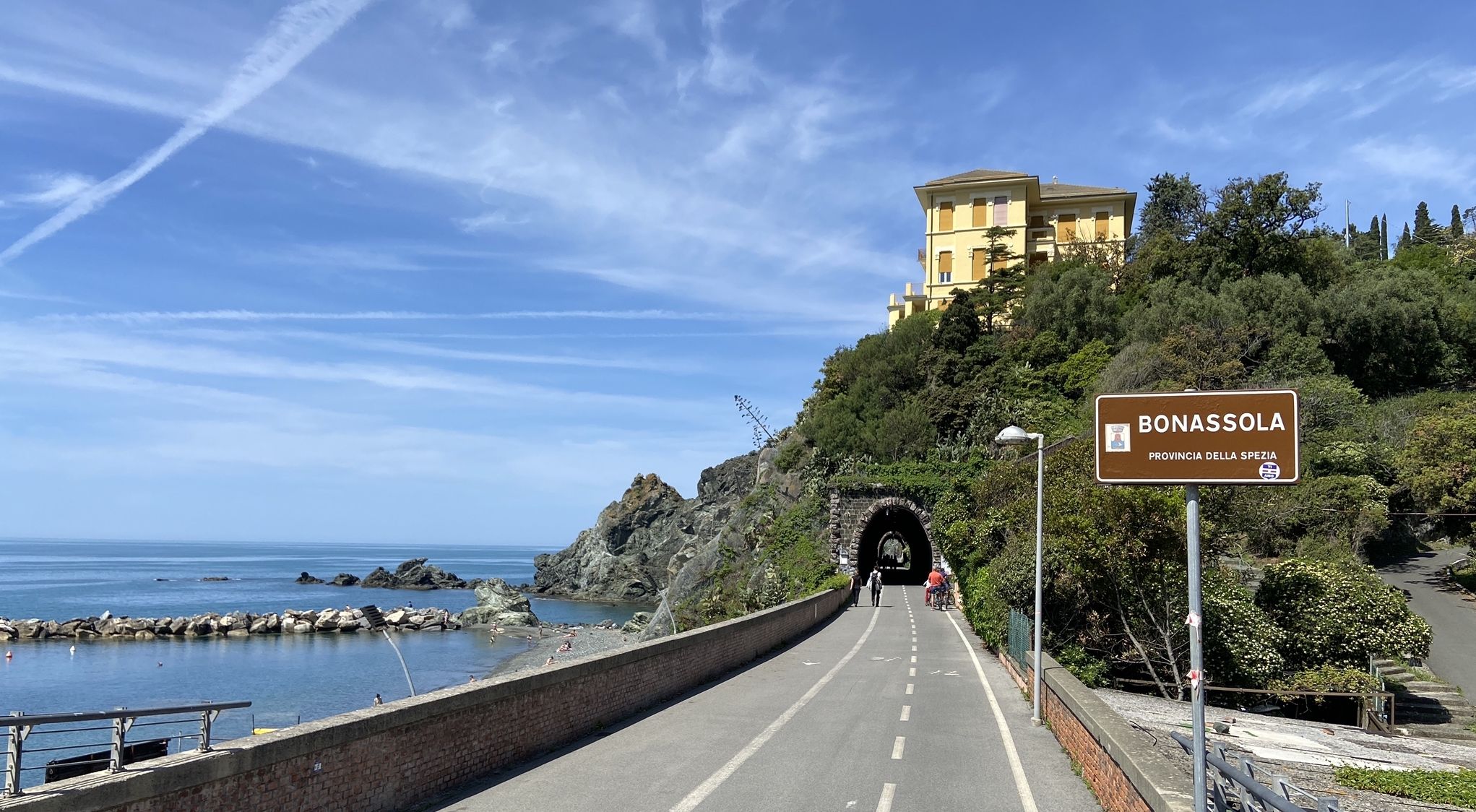
Pedalling to Portofino and the Cinque Terre — sea and mountains
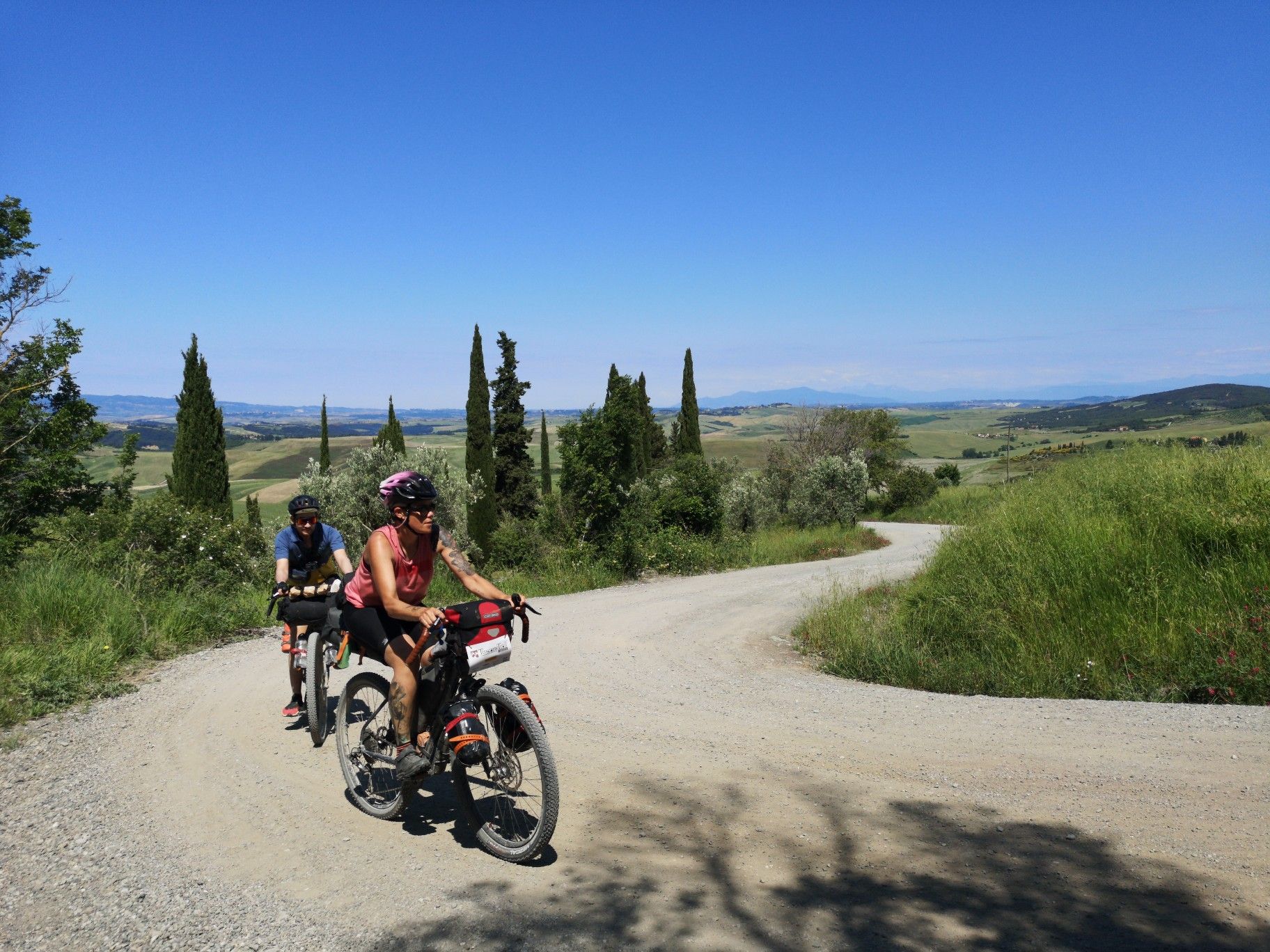
The Tuscany Trail – bikepacking in the heart of Italy
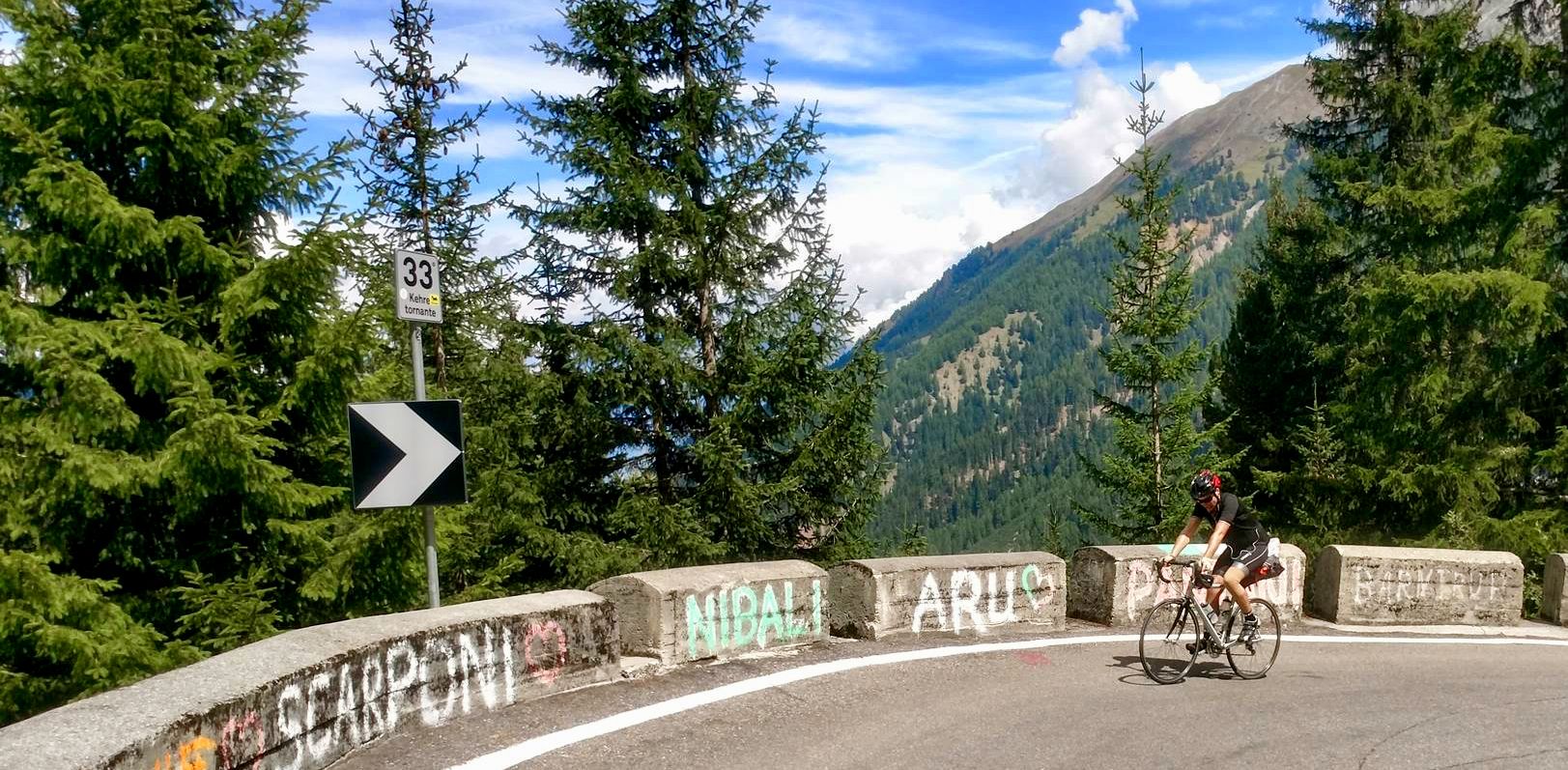
From the mountains to the sea — road cycling in Northern Italy
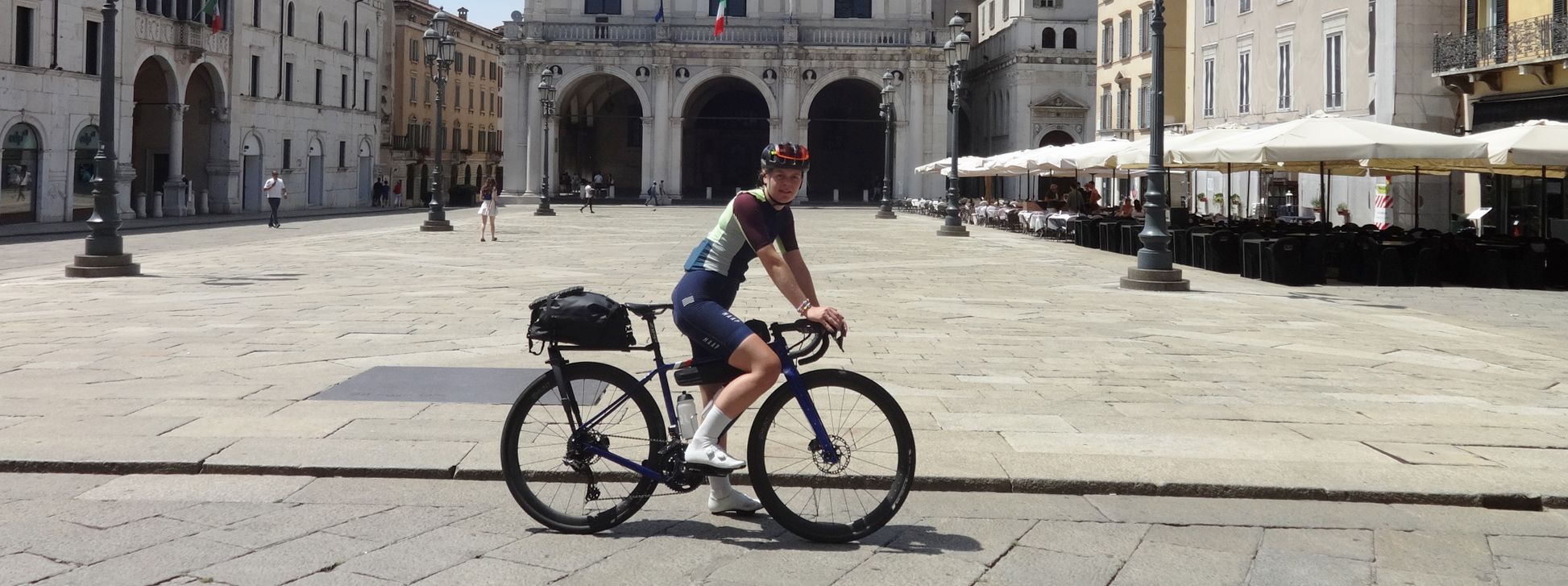
The Pizza Pilgrimage – Milan to Naples, fuelled by pizza
Interiora - A Journey into the Remote Areas of Italy
Berceto to Abetone – Alta Via dei Parchi (part 1)
Mediaeval villages and sublime nature – Lunigiana Gravel
18th-century route from Modena to Massa – Via Vandelli
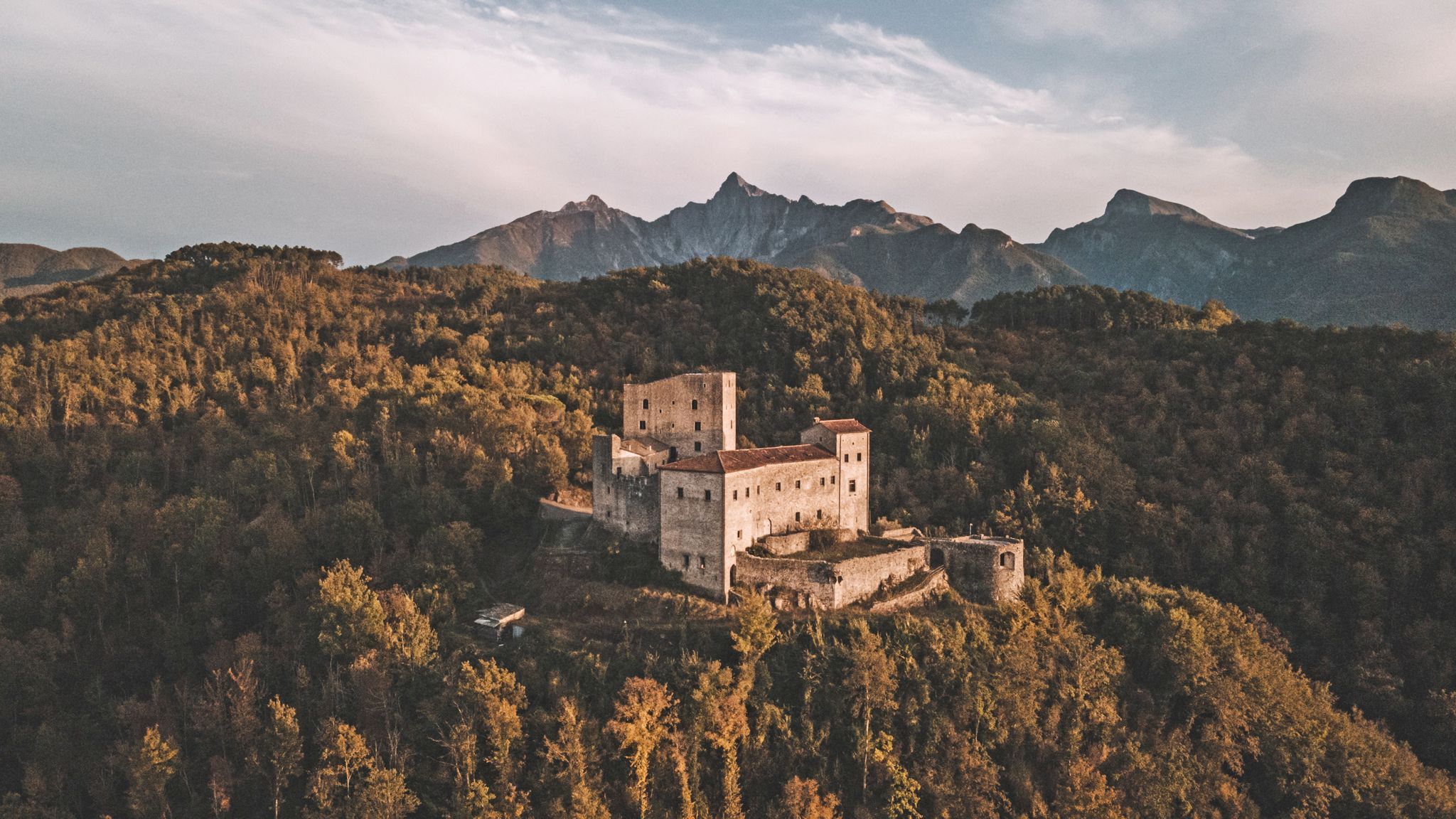
Through history between Lunigiana and Garfagnana – Via del Volto Santo by MTB
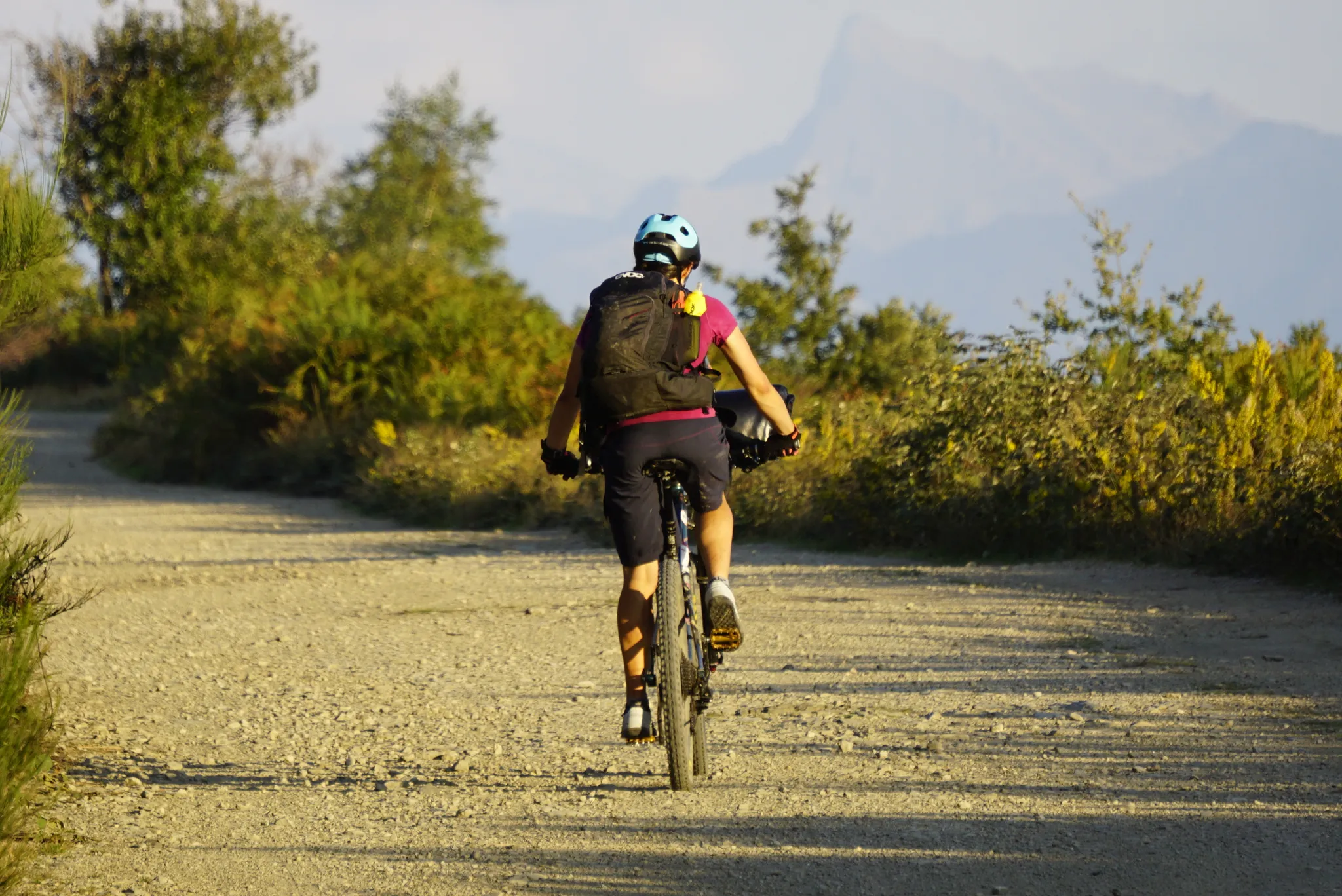
The land of 100 castles – Lunigiana Trail MTB
Other adventures in Massa-Carrara


Tips from the Community

Stunning village nestled in a valley with steep slopes and the pizzo d'uccello in the background. Beautiful river and spa. Spectacular!
1
0


Explore the village of Equi at the beginning or end of the trail! A village perched under the Apuan Alps, where you can stop along the river, discover the famous Equi caves, or have a snack in the local bars and restaurants!
1
0

A village known for its spas, but long forgotten, a pity because there would be the potential to return to life
0
0

It can be seen along the Vandelli.
3
0

Modest relief (1206 meters) in the municipality of Fivizzano at the top of a ridge that develops in a south-easterly direction, clearly visible along the road to Campocecina. On its slopes, towards the Val Saliceto, opens the Grotta della Tecchia or Tecchia di Tenerano. The whole area of the Rocca is home to karst phenomena: the Rocca di Tenerano Complex. It has a total development of 5400 meters and a height difference of 573 with three main entrances. Speleologists are continuing their explorations and studies to connect other caves to the main complex. The ascent to the summit is easy, along traces of the path, starting from a large wooden cross near the nearby Prati di Cardeto and the house of the same name where the paths 184 and 171/40 arrive. From the summit, the view of the sea, the Sagro, Pizzo d’Uccello and the Cresta Garnerone is truly splendid.
4
0
In the last stretch to reach the summit of Monte Folgorito there is this small cave which during the Second World War was used as a deposit for the radio station.
1
0

Frequently Asked Questions
What types of caves can I explore in Massa-Carrara?
Massa-Carrara offers a diverse range, from natural karst systems like the Rocca di Tenerano Complex and the Equi Caves, to historical sites such as the Monte Folgorito WWII Radio Station Depot Cave. The region is also famous for its unique marble quarries, which feature vast underground tunnels and cavernous spaces, offering a blend of natural geology and human engineering.
Are there any historical caves or sites related to the marble industry?
Yes, the region is rich in history. The Carrara marble quarries, though technically not natural caves, are historically significant. Sites like the Fantiscritti Quarries have been active since Roman times, supplying marble for iconic structures and Renaissance art. You can also visit the Monte Folgorito WWII Radio Station Depot Cave, a small cave used during World War II, and the Ancient Iron Mine of Monte Tambura.
What is the best time of year to visit the caves and quarries in Massa-Carrara?
The best time to visit is generally during the spring (April-June) and autumn (September-October) when the weather is mild and pleasant for exploration. Summer can be hot, especially in the quarries, while some natural caves or higher-altitude sites might have limited access or tours during winter months due to weather conditions.
Are there family-friendly options for visiting caves or quarries?
Yes, some experiences are suitable for families. For instance, the View of the Carrara Marble Quarries from Colonnata is categorized as family-friendly, offering stunning panoramas without requiring strenuous activity. Tours of the marble quarries often involve off-road vehicles, which can be an exciting experience for children, and some include local food tastings.
What natural geological features can I expect to see?
Beyond the marble quarries, you can explore natural karst systems. The Rocca di Tenerano Complex is a significant karst system with extensive development, featuring multiple entrances and ongoing speleological exploration. The Equi Caves also offer a chance to explore natural caverns within a charming village setting.
What outdoor activities can I do near the caves and quarries?
The Massa-Carrara region, nestled in the Apuan Alps, offers various outdoor activities. You can find numerous road cycling routes, such as 'The marble caves of Carrara' or 'Passo del Vestito and Alpi Apuane Loop from Carrara'. There are also running trails like the 'Magra River Greenway' and easy hikes, including sections of the 'Via Francigena from Liguria to Tuscany'. For more details, explore the Road Cycling Routes, Running Trails, and Easy Hikes guides for Massa-Carrara.
Are there guided tours available for the marble quarries?
Yes, guided tours are highly recommended for the marble quarries. These often involve off-road vehicles taking visitors high up into active quarries, providing insights into both ancient and modern extraction techniques. Some tours may include visits to underground quarries and opportunities to taste local delicacies like Lardo di Colonnata.
How long does it typically take to visit the main cave attractions?
The duration varies depending on the site. A visit to a natural cave system like the Equi Caves or a guided tour of the marble quarries can take anywhere from 1.5 to 3 hours. Exploring historical sites like the Monte Folgorito WWII Radio Station Depot Cave might be part of a longer hike or exploration.
What should I wear when visiting caves or quarries in Massa-Carrara?
For natural caves, wear sturdy, closed-toe shoes with good grip, as surfaces can be uneven and wet. A light jacket is advisable as cave temperatures are consistently cool. For quarry tours, comfortable clothing and shoes are recommended, as you might be exposed to dust and varying temperatures. Always check with tour operators for specific recommendations.
Is public transport available to reach the cave and quarry areas?
While some areas, like the Equi Terme Village, might be accessible by local public transport, reaching the more remote natural caves or the higher marble quarries often requires a car or booking a guided tour that includes transportation. It's best to check local bus schedules or tour operator details in advance.
Are there any specific permits required for caving in the region?
For casual visits to established tourist caves or guided quarry tours, no special permits are typically required beyond the entrance fee. However, if you plan to engage in advanced speleology or explore undeveloped natural cave systems, especially within the Rocca di Tenerano Complex, you would likely need to be part of an organized speleological group and obtain necessary permissions from local authorities or park management.
Where can I find more information about the Fantiscritti Quarries?
The Fantiscritti Quarries are a prominent part of the Carrara marble region, known for their historical significance and open-air museum. You can find more details about visiting this specific site on the official tourism portal for Tuscany: visittuscany.com.
Most popular routes in Massa-Carrara
Most popular attractions in Massa-Carrara

Get inspired with the komoot mobile app


Didn’t find what you were looking for?
Discover more caves in Massa-Carrara region by region:
Explore more
Extend your search for the best caves by checking out these guides of the top ones in Massa-Carrara:
