Top 11 Caves in Palermo
Caves in Palermo and its surrounding areas present a range of natural formations and historical sites. The region's landscape features coastal caves, archaeological wonders, and significant geological formations. These sites offer insights into ancient civilizations and natural processes.
Best caves in Palermo
- The most popular caves is Grattara Cave, a cave integral to local folklore. According to legend, it is the dwelling place of the Befana, a central figure in an ancient fairy tale.
- Another must-see spot is Sanctuary of Saint Rosalia, a religious building incorporated into a rock face. This 17th-century sanctuary is an ancient place of worship.
- Visitors also love View of the caves of Maidenhair, an archaeological site featuring a necropolis. This complex system of caves is dug directly into the rock.
- Palermo is known for its coastal, archaeological, and historical caves. These sites offer a variety of natural beauty and historical significance to explore.
- The caves in Palermo are appreciated by the komoot community, with more than 200 upvotes and over 70 photos shared by users.
Last updated: October 14, 2026
Sanctuary of Saint Rosalia
Highlight • Religious Site
Translated by Google •
Tip by

Grattara Cave
Highlight • Cave
Translated by Google •
Tip by

Sign up now to discover places like this
Get recommendations on the best single tracks, peaks, & plenty of other exciting outdoor places.
View of the caves of Maidenhair
Highlight • Cave
Translated by Google •
Tip by

Garrone Pass
Highlight • Mountain Pass
Translated by Google •
Tip by

Grotta Perciata
Highlight • Cave
Translated by Google •
Tip by

Cavallazzi Trail
Highlight (Segment) • Trail
Showing Translation
Tip by

Tiberio Gorges
Highlight • Gorge
The gorges take their name from the village of Tiberio, a farmhouse in the municipality of San Mauro with noble origins, today almost uninhabited, while in the past inhabited by a hundred people. The gorges as a whole are about 450 m. long and can be divided into three areas.
The first part, about 100 m., stands out imposingly to the gaze of the visitor just arriving in the riverbed, is full of caves and can be explored on foot; the central part, the most fascinating and evocative, about 250 m. long and even more than 50 m. high, can only be crossed with dinghies because the depth of the water exceeds 8 m. even in summer, halfway there is a large boulder that in the past was used as a secret passage; the last part, about 100 m long, looks like an enchanted lake, a sort of primordial earthly paradise.
The Gole di Tiberio is a geosite of the Madonie Park (classified as G4 in the relevant geological guide) of significant geomorphological and landscape interest. The limestone rocks were formed in the Upper Triassic more than 200 million years ago, while the lifting of the rocks and the consequent formation of the gorge occurred starting from the Miocene, about 23 million years ago. The geosite consists of a fluvial-karst gorge carved by the Pollina river in correspondence with limestone rocks; furthermore, along the walls are visible morphologies linked to fluvial action and karstism.
Source: goleditiberio.com/gole-di-tiberio
Translated by Google •
Tip by

Gurfa Caves
Highlight • Cave
Translated by Google •
Tip by

Grotta del Romito
Highlight • Cave
Translated by Google •
Tip by

Mazzamuto Cave
Highlight • Cave
Tip by

Sign up for free to discover even more caves in Palermo.
Already have an account?
Start today with a free account
Your next adventure awaits.
Popular around Palermo
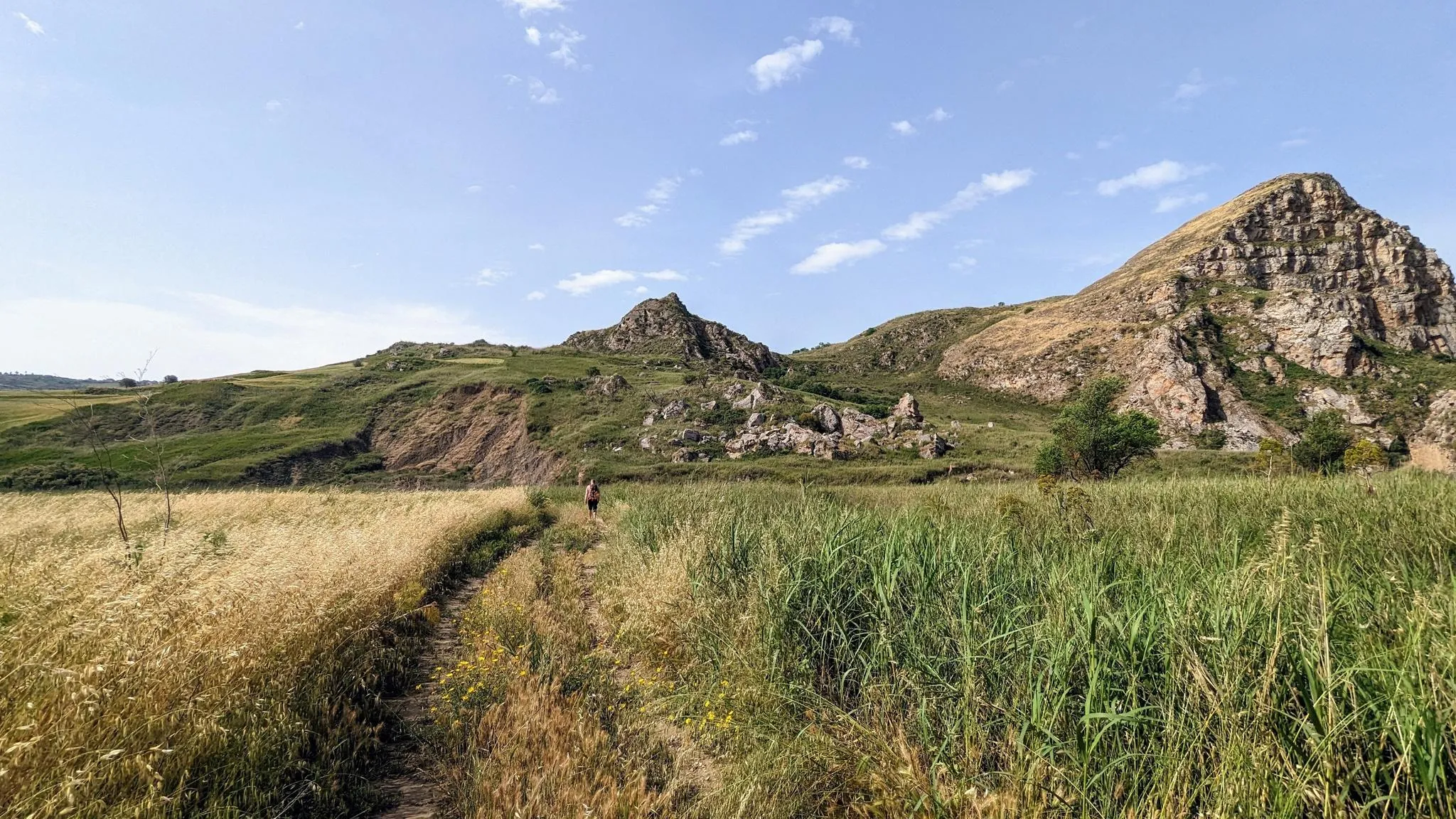
Magna Via Francigena – Sicily between the two seas
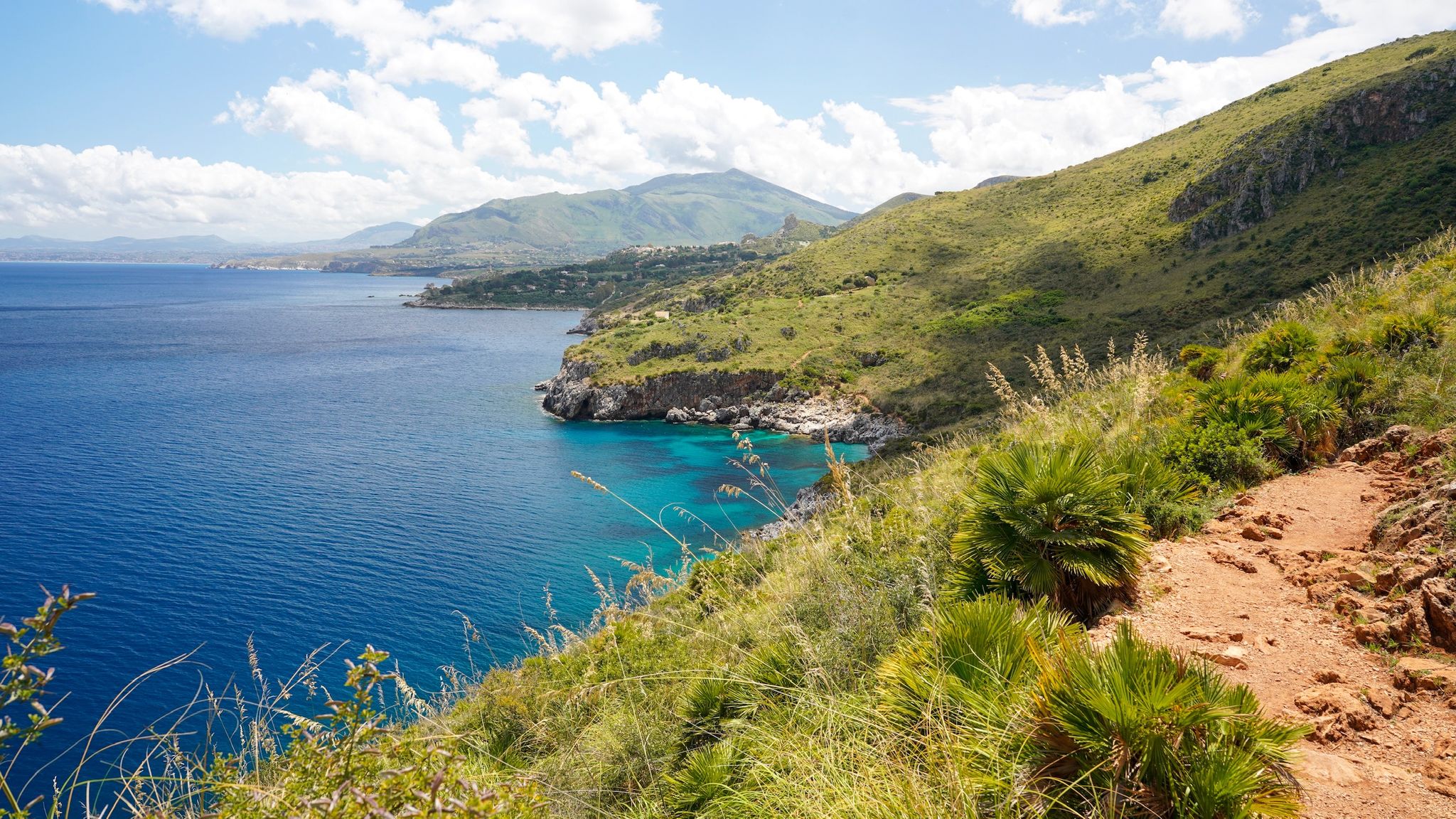
Sentiero Italia – Sicily's natural and artistic treasures
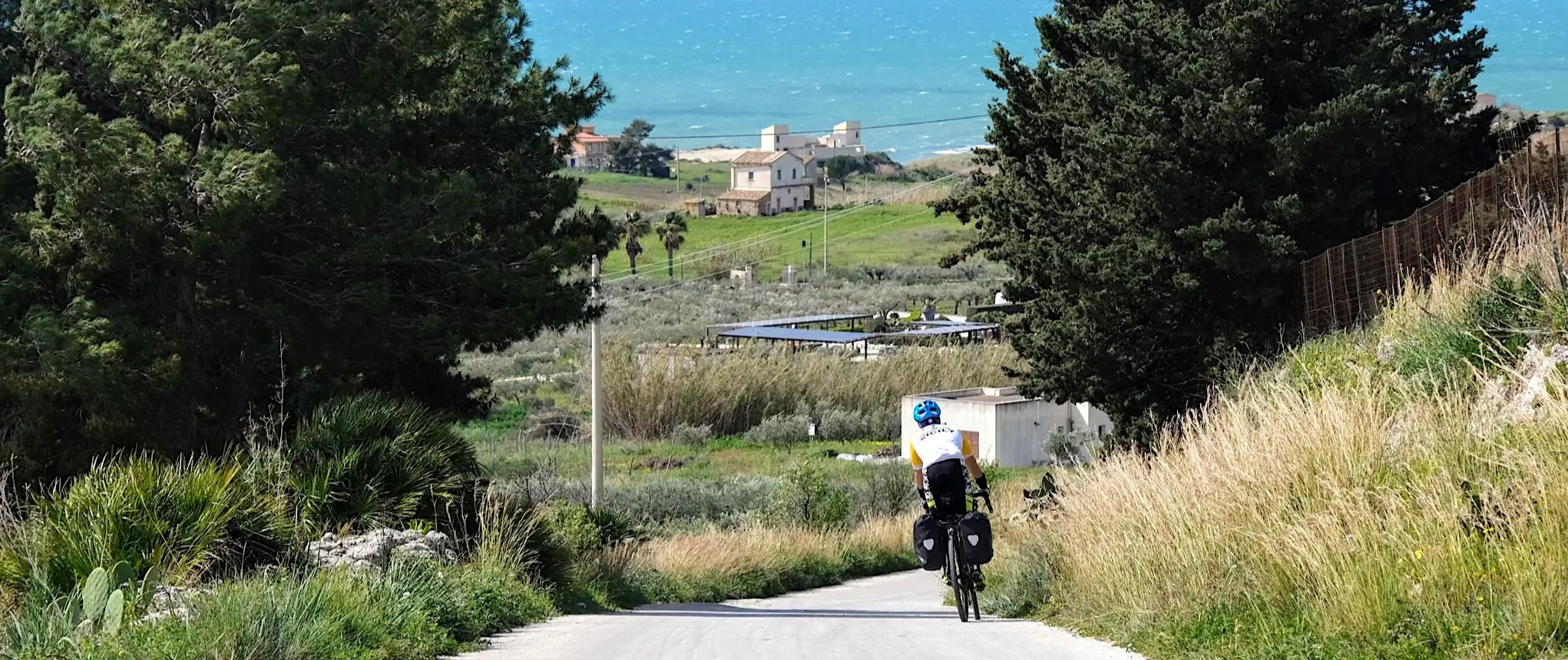
The complete tour of Sicily by road bike
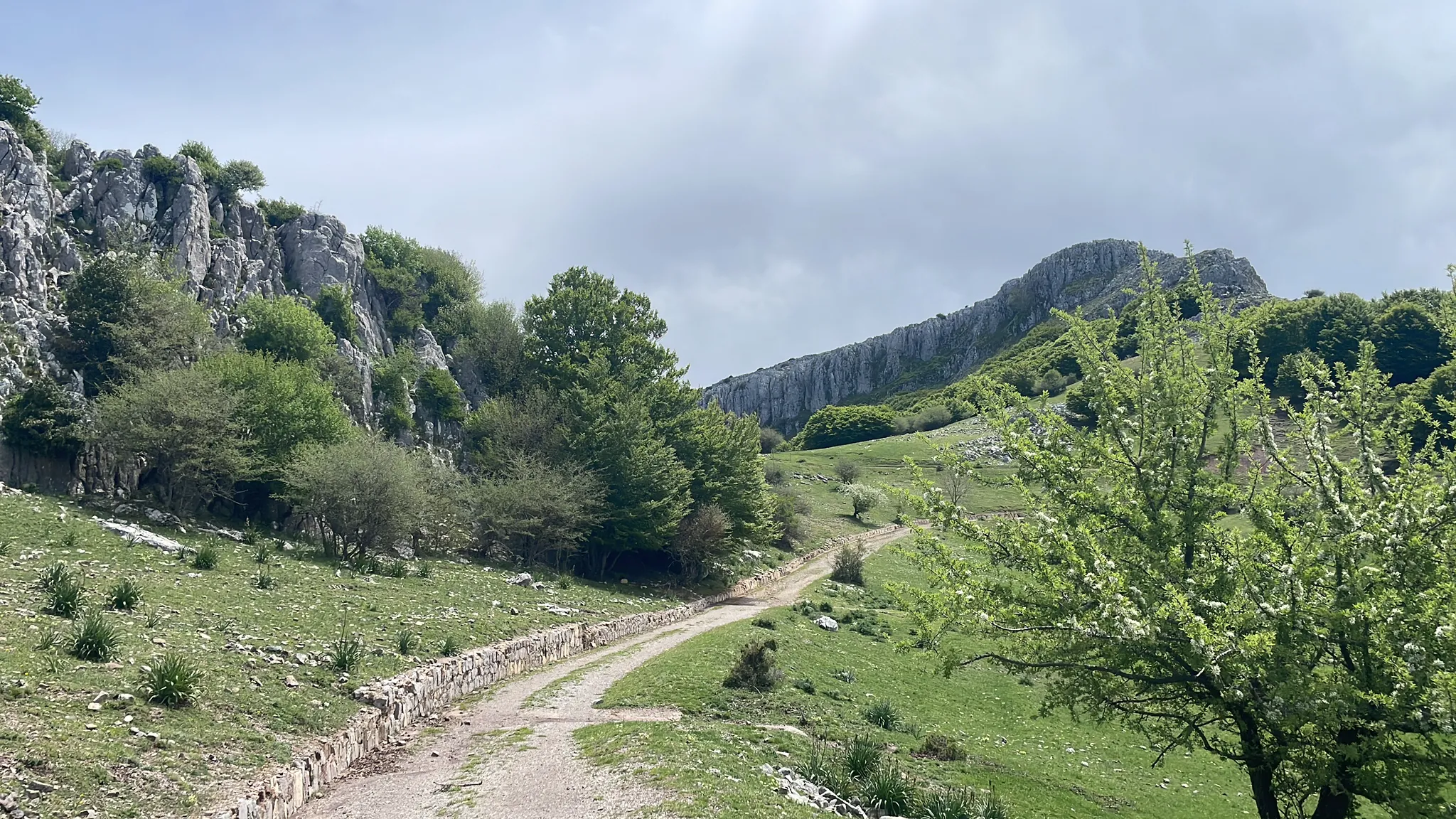
Etna and Madonie mountain bike parks – the Wild Heart of Sicily
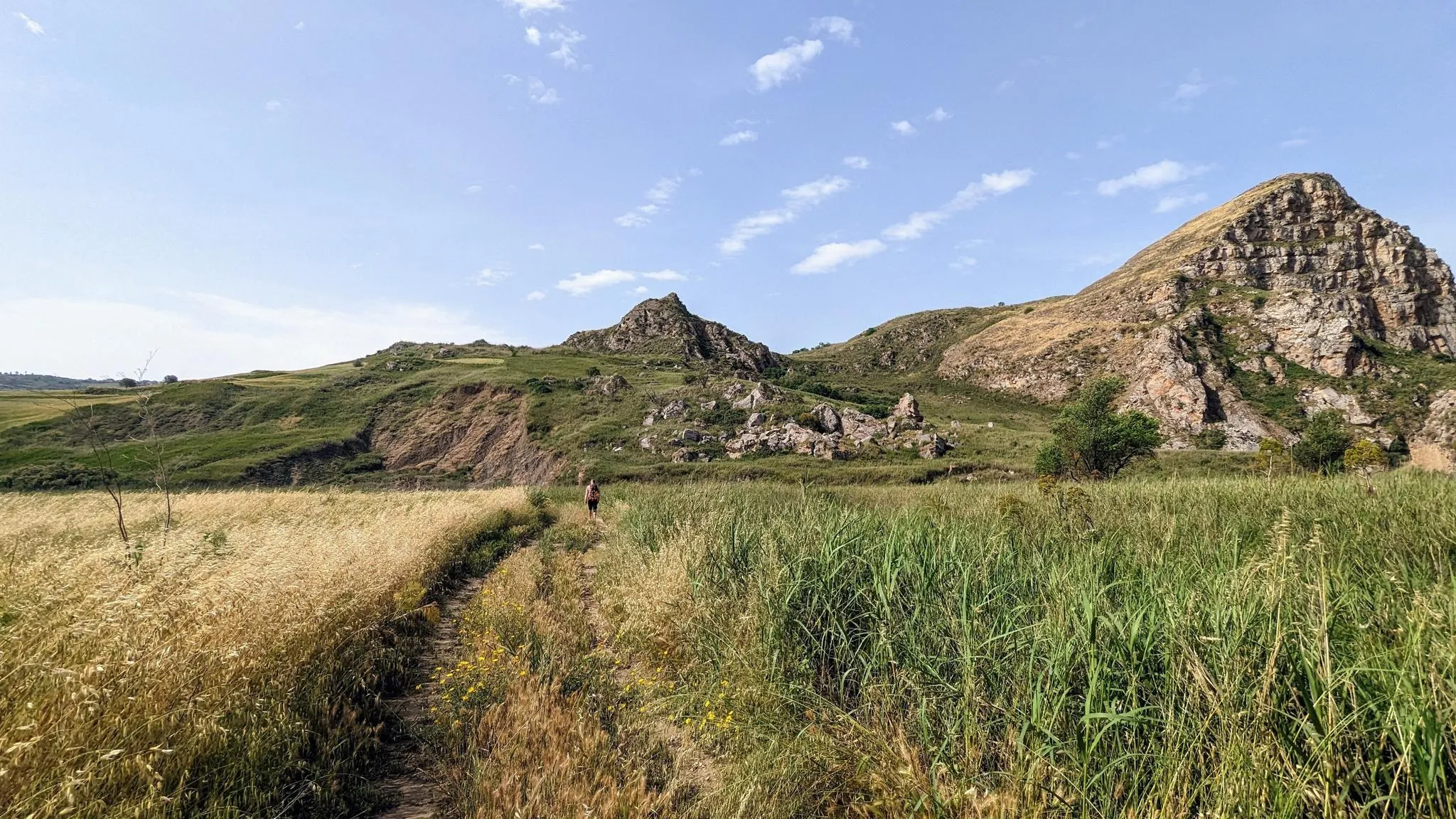
Magna Via Francigena – Palermo to Agrigento
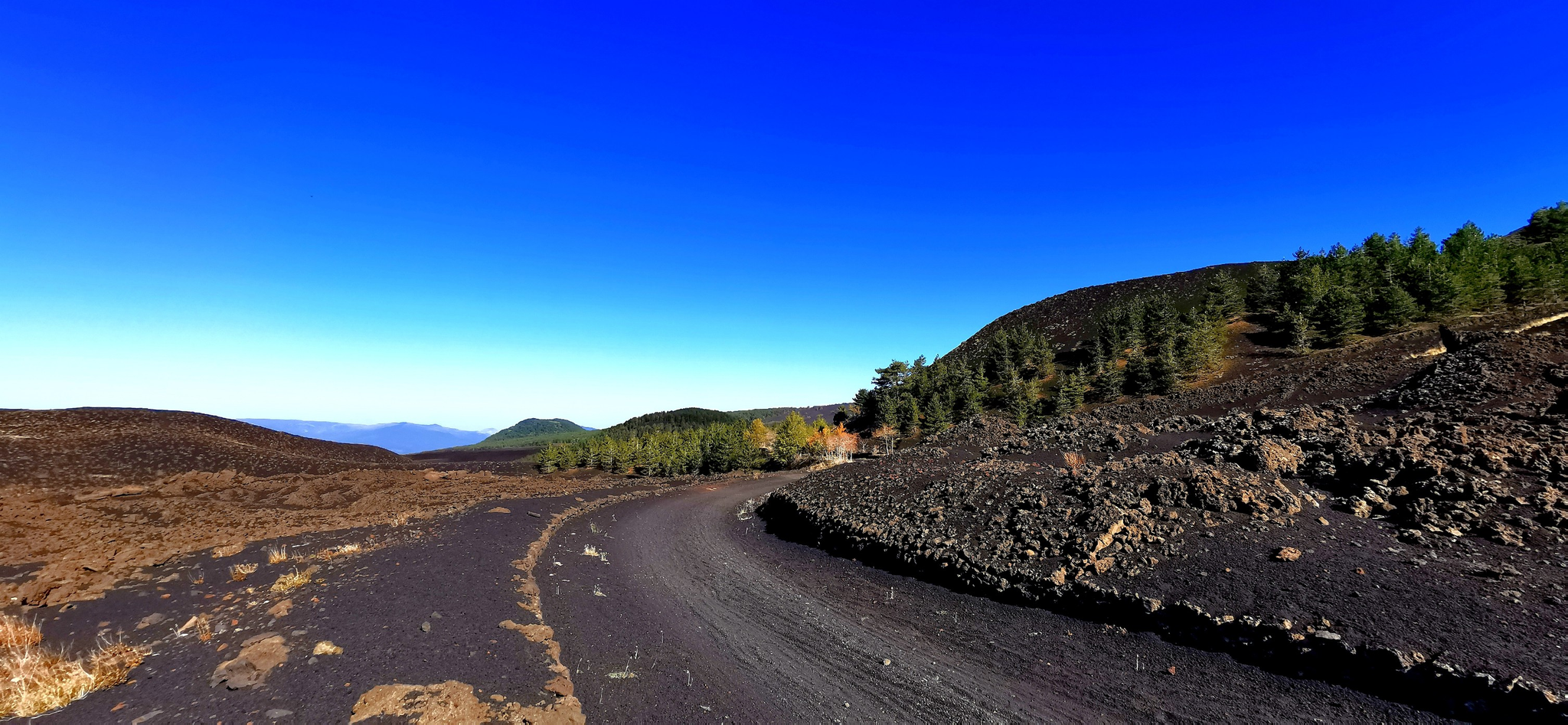
Volcanoes, forests and sea – Parchi della Sicilia cycling route by MTB
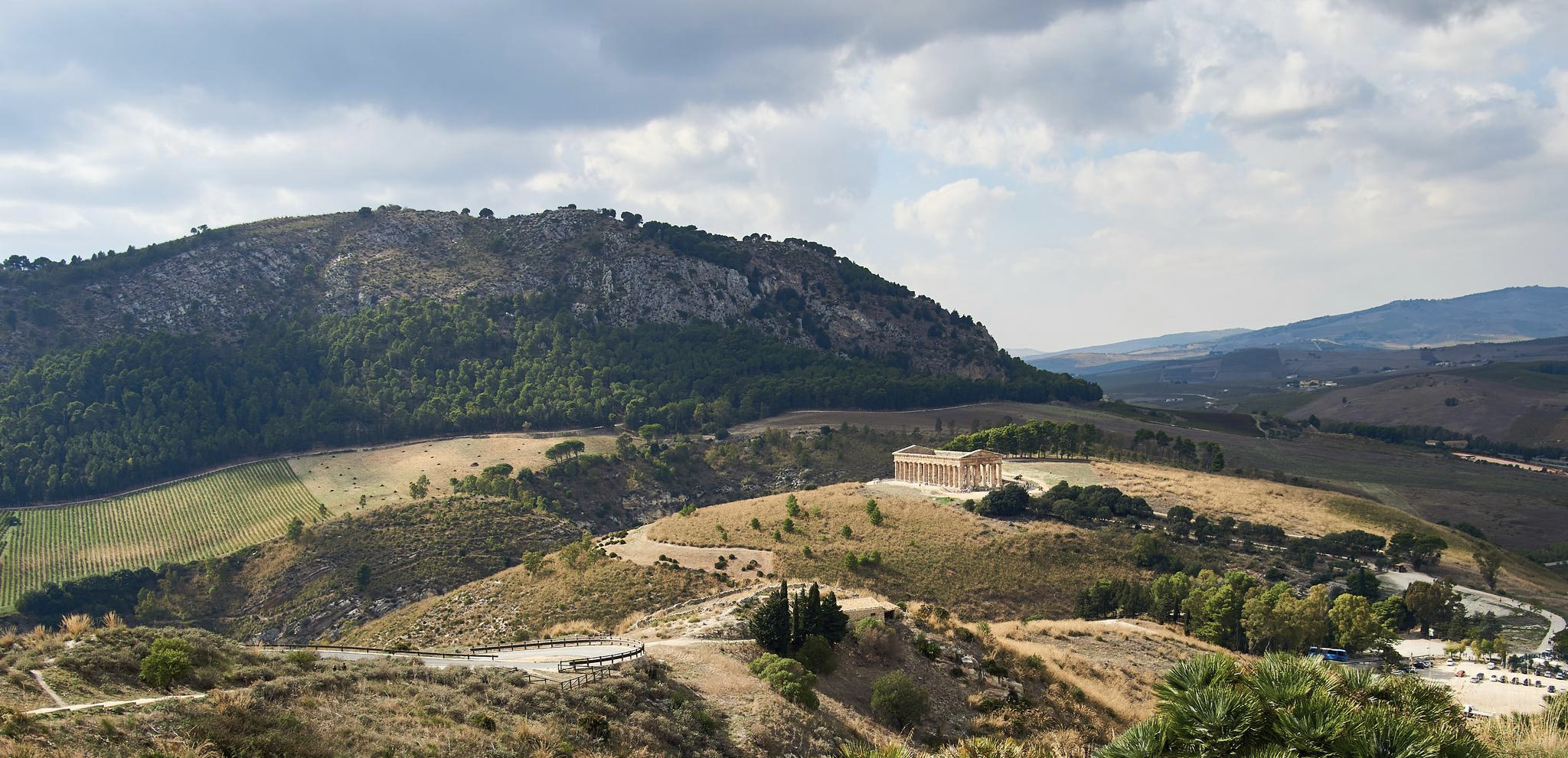
Western Sicily by bike – between flavours and traditions
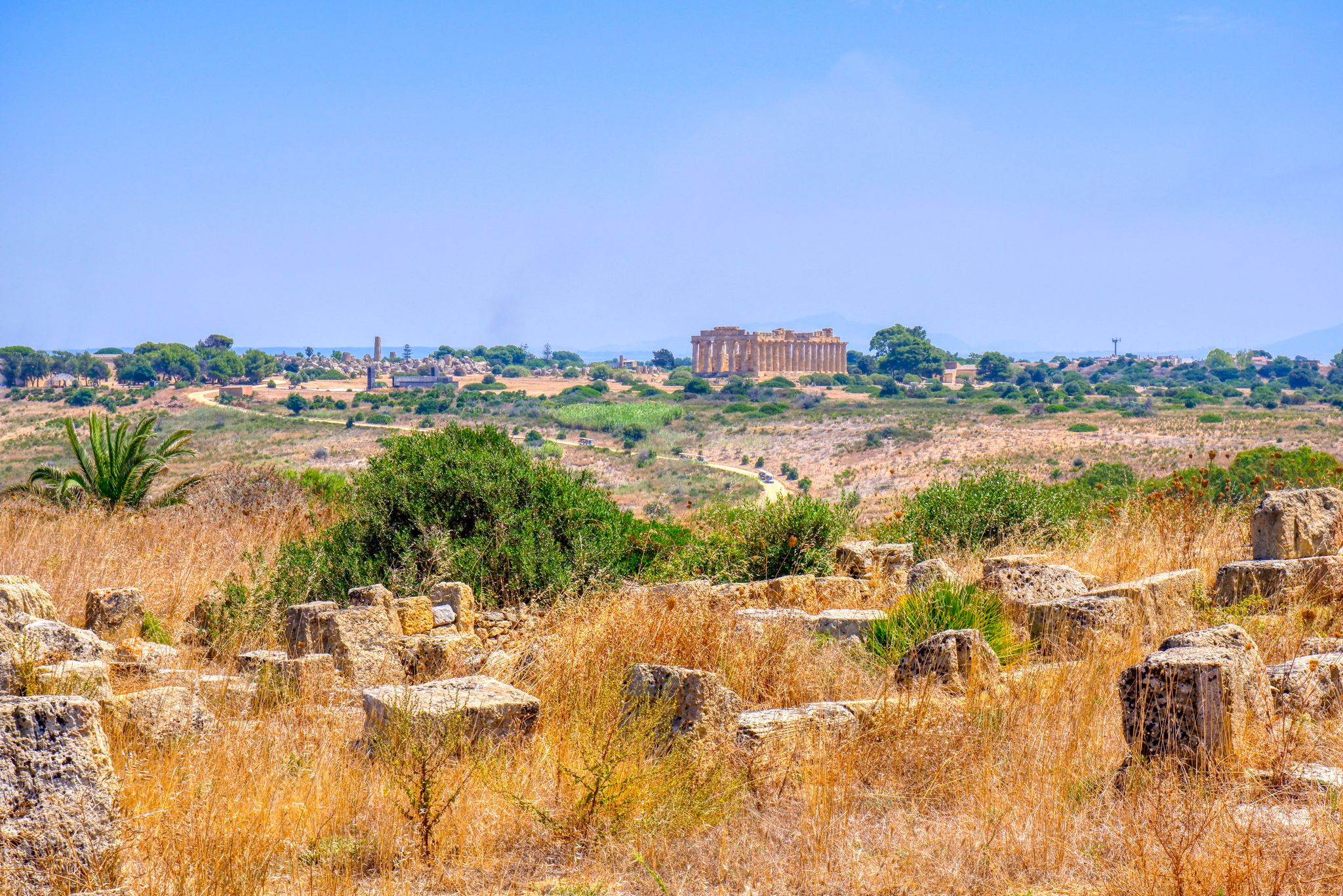
Between nature and history – Western Sicily by bike
From Cape Corsica to Syracuse — three Mediterranean islands
Hiking in Palermo
Other adventures in Palermo


Tips from the Community

According to ChatGPT: a large cave that was once formed by the sea. Remains of dwarf elephants were found in the Grotta Mazzamuto, suggesting that the area was once inhabited by animals that were later isolated.
0
0
You have to climb a steep path to reach the cave, BUT it is worthwhile.
0
0

The sanctuary inside the geotta is very suggestive
0
0

Definitely go to the church! It's a really beautiful grotto.
0
0

A chapel built into a cave, which the hermit dedicated to Saint Rosalie
0
0

Be careful when entering the Garrone cave and it is very slippery from month 09 to month 06, bring a rope with you if you want to go inside the cave itself.
0
0

Beautiful pass at an altitude of 1044 meters. Located on the Sentiero Italia.
6
0

As soon as you arrive at the site you will find the car parking area, campers are not allowed to enter, bring rock shoes and a swimsuit! Once you arrive at the parking lot you can choose to continue on foot to the ticket office (about 1 km downhill) or by shuttle (which I recommend) at a cost of €2.50 return without timetables and very available. Once you arrive you will find a refreshment point, a small bazaar to also buy rock shoes (mandatory), bathrooms, security lockers (€3) ... all that remains to say is enjoy this little paradise!
0
1
Frequently Asked Questions
What kind of natural formations can I expect to see in Palermo's caves?
Palermo's caves offer a diverse range of natural formations. You can find impressive stalactites and stalagmites, as seen in Grotta di Carburangeli. Coastal caves like Grotta della Regina and Grotta dell'Olio feature striking water colors and unique rock formations shaped by the sea. Other caves, such as Grotta Perciata, showcase the raw forces of nature in their structure.
Do Palermo's caves have historical or archaeological significance?
Yes, many caves in and around Palermo are rich in history and archaeological findings. Grotta di Carburangeli is a significant site for prehistoric life, containing findings of Quaternary mammalian faunas and lithic tools. The Caves of Addaura are famous for their Upper Paleolithic rock engravings, though they are currently closed to the public. The View of the caves of Maidenhair is an archaeological site featuring a necropolis dug into the rock, dating back to the Sican people. Additionally, the Gurfa Caves also hold historical importance.
Are there any sea caves accessible for visitors in Palermo?
Yes, Palermo boasts several beautiful sea caves. Grotta della Regina is a coastal gem accessible by sea, often included in boat tours, allowing visitors to swim and snorkel in its clear waters. Grotta dell'Olio, near Capo Gallo, is another sea cave known for its vibrant water colors and is a popular stop on boat excursions.
Are there family-friendly caves to visit in Palermo?
While specific 'family-friendly' designations aren't always available for caves, many can be enjoyed by families depending on the level of adventure desired. Caves accessible by boat, like Grotta della Regina, can be a fun experience. For those interested in folklore, Grattara Cave offers a unique story. Always check accessibility and safety information for individual caves, as some may involve challenging terrain.
What kind of wildlife can be found in Palermo's caves?
Some caves in Palermo are home to unique wildlife. For instance, Grotta di Carburangeli hosts a protected colony of Greater Mouse-eared Bats. Other caves, like Grattara Cave, are known for rich fauna in their surroundings, including thousands of swallows nesting there in spring.
Are there hiking trails that include caves in Palermo?
Yes, there are several hiking opportunities that incorporate caves. For example, you can find routes like the 'Grattara Cave – View of Palermo and Capo Gallo loop from Gratteri' or the 'View of Palermo – View of Mondello and Addaura loop from Abisso della Perciata'. You can explore more options for easy hikes in Palermo on the Easy hikes in Palermo guide.
What should I wear when visiting caves in Palermo?
When visiting caves in Palermo, it's advisable to wear comfortable clothing and sturdy, closed-toe shoes with good grip, as surfaces can be uneven or slippery. Even on warm days, cave interiors can be cooler, so a light jacket or long sleeves might be beneficial. If you plan to explore sea caves, swimwear and water shoes are recommended.
What other outdoor activities can I do near the caves in Palermo?
The region around Palermo's caves offers a variety of outdoor activities. You can find numerous hiking trails, including those in the Mountain Hikes in Palermo guide. Road cycling is also popular, with routes like the 'Monreale and Altofonte Loop from Palermo' available in the Road Cycling Routes in Palermo guide. Many areas also offer opportunities for scenic walks and enjoying viewpoints.
Are there any caves in Palermo known for local folklore or legends?
Yes, Grattara Cave is deeply intertwined with local folklore. According to legend, it is the dwelling place of the Befana ('a Vecchia Strina'), a central figure in an ancient fairy tale. This adds a mystical and cultural dimension to its natural beauty.
Can I visit caves with ancient rock art in Palermo?
The Grotta dell'Addaura is renowned for its significant Upper Paleolithic rock engravings, dating back approximately 14,000-20,000 years. These depict human figures and various animals. However, the Addaura caves have been closed to the public since 1997 due to safety concerns. Artifacts found there are displayed at Palermo's Regional Archaeological Museum.
What is the typical difficulty level for exploring caves in Palermo?
The difficulty level varies greatly among Palermo's caves. Some, like those visited by boat tours (e.g., Grotta della Regina), are generally accessible. Others, such as Garrone Pass, which includes a cave, can be challenging and may require caution due to slippery conditions, especially between September and June. Always check specific details for each cave you plan to visit.
Is there a cave in Palermo with religious significance?
Yes, the Sanctuary of Saint Rosalia is a notable religious building incorporated into a rock face on Monte Pellegrino. This 17th-century sanctuary is an ancient place of worship dedicated to Saint Rosalia, the patron saint of Palermo, offering a unique spiritual experience within a natural setting.
Most popular routes in Palermo
Most popular attractions in Palermo

Get inspired with the komoot mobile app


Didn’t find what you were looking for?
Discover more caves in Palermo region by region:
Explore more
Extend your search for the best caves by checking out these guides of the top ones in Palermo:
