Top 7 Caves around Mengen
Best caves around Mengen are primarily found in the nearby Inzigkofer Park, a significant natural attraction. This area features a blend of geological formations and historical elements, characterized by towering Muschelkalkfelsen (shell limestone rocks) shaped by the Schmeie river. The landscape includes impressive grottos, rock overhangs, and a massive rock gate. These formations originated from sponge reefs in the tropical White Jurassic Sea approximately 150 million years ago.
Best caves around Mengen
- The most popular caves is Inzigkofer caves and…
Last updated: June 27, 2026
Inzigkofer caves and rock gate
Highlight • Natural Monument
Translated by Google •
Tip by

View of the Teufelsbrücke (Devil's Bridge)
Highlight • Viewpoint
Translated by Google •
Tip by

Sign up now to discover places like this
Get recommendations on the best single tracks, peaks, & plenty of other exciting outdoor places.
Sign up for free
Zigeunerfels Cave and Picnic Area
Highlight • Cave
At the base of the rock, where …
Translated by Google •
Tip by

Grottoes of the Princely Park, Inzigkofen
Highlight • Cave
Translated by Google •
Tip by

Bittelschießer Valley
Highlight • Canyon
Translated by Google •
Tip by

Sign up for free to discover even more caves around Mengen.
Sign up for free
Already have an account?
Start today with a free account
Your next adventure awaits.
Login or Signup
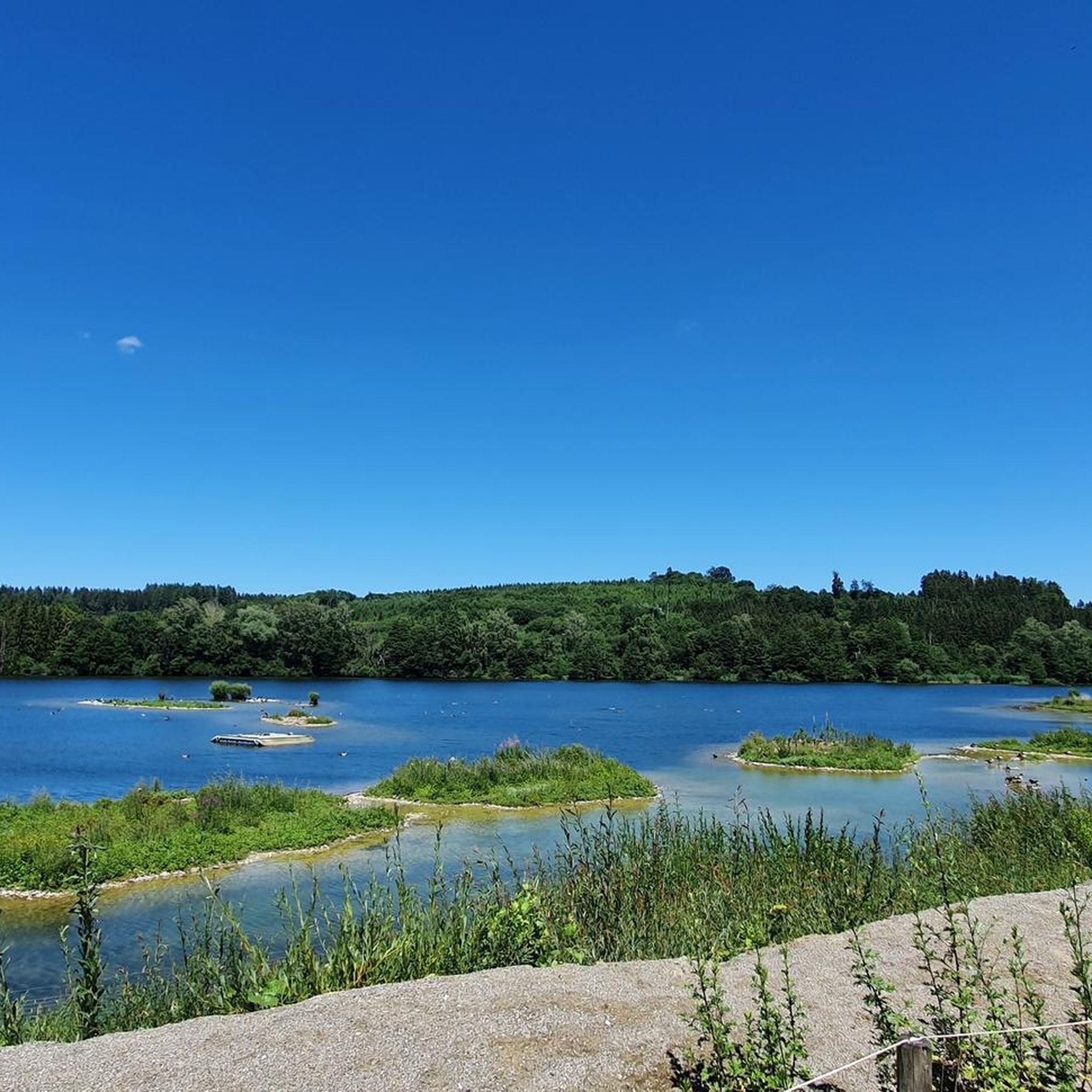
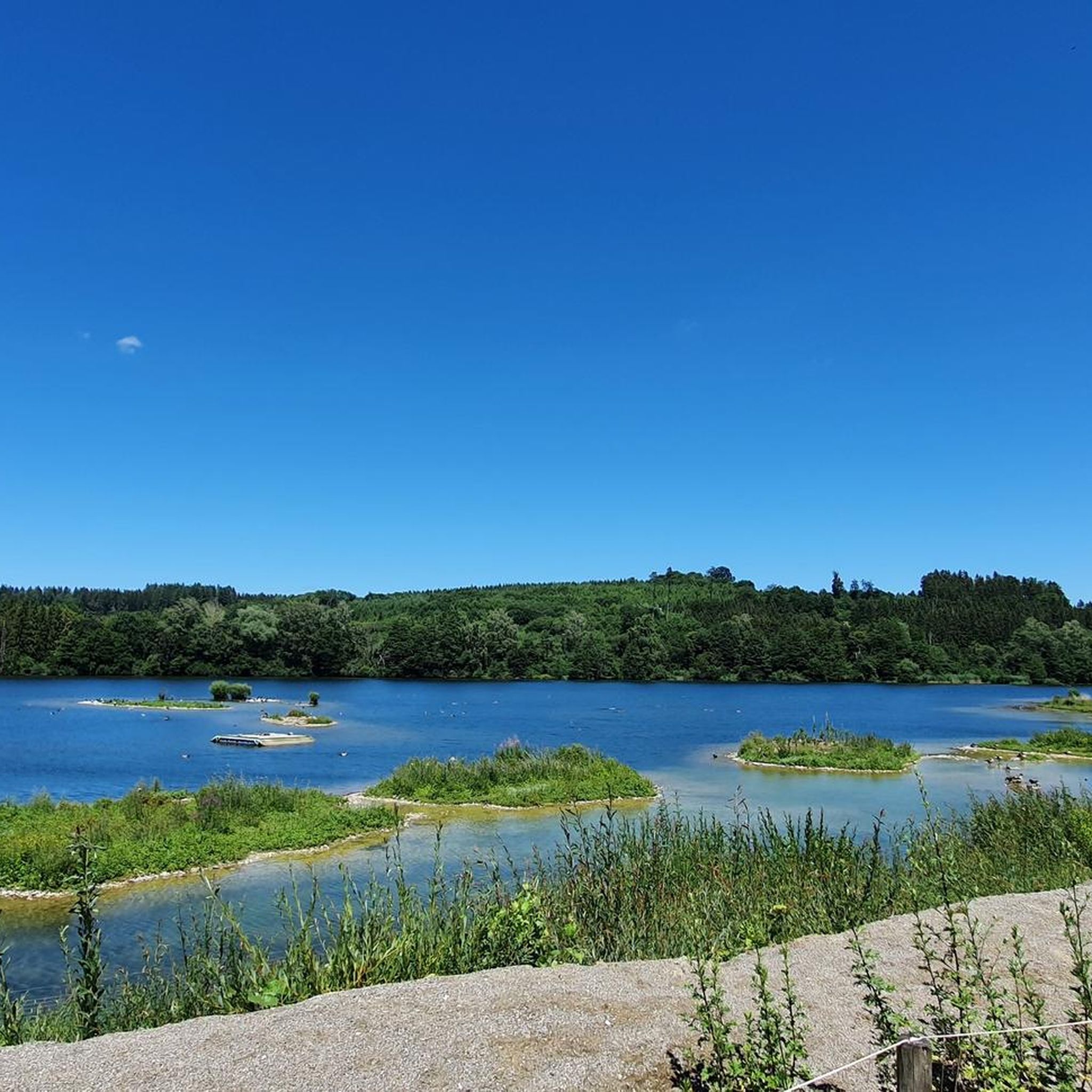
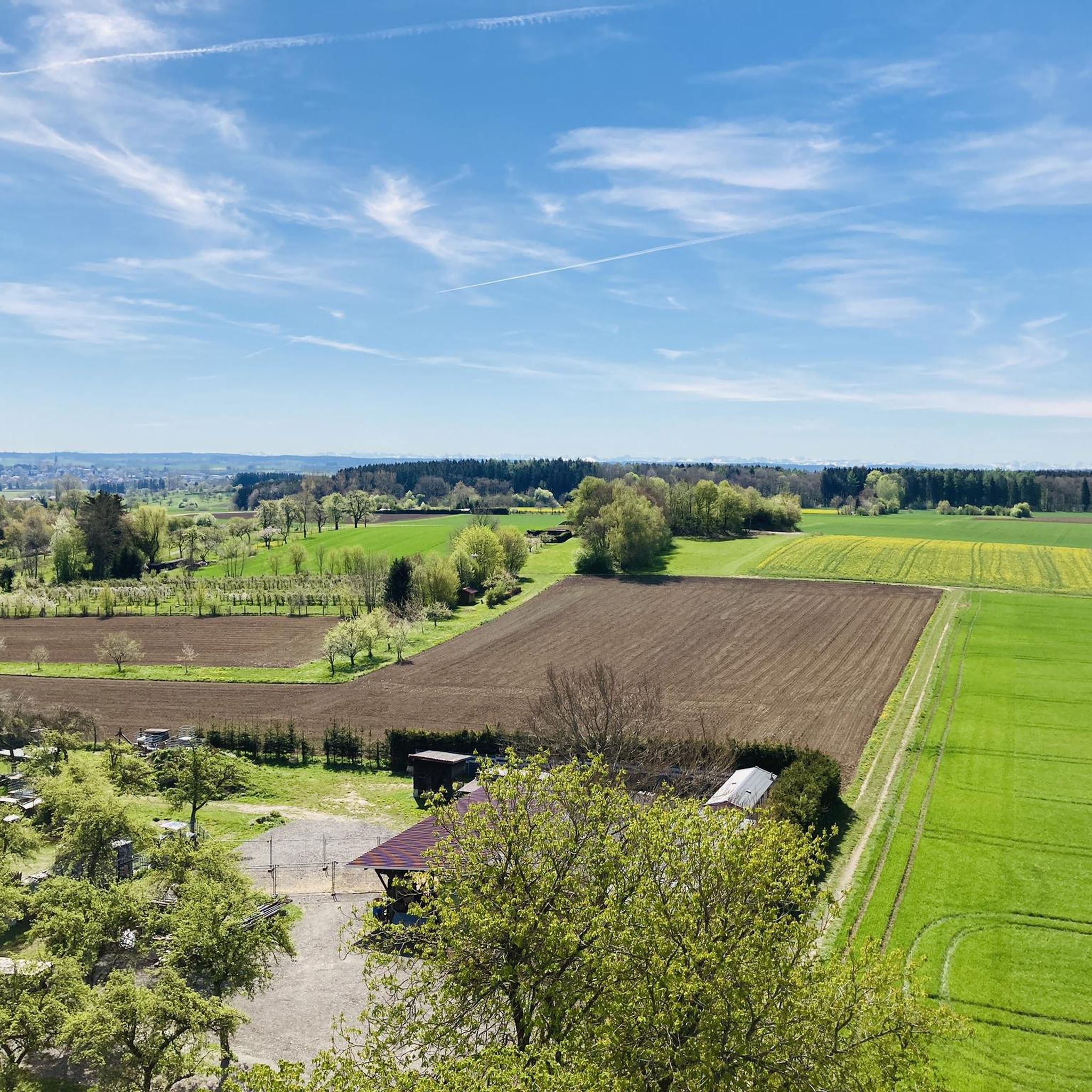


Tips from the Community

The Bittelschießer Täle is a canyon-like, densely wooded breakthrough valley in the lower reaches of the Lauchert, west of Bingen in the Sigmaringen district of Baden-Württemberg. The canyon is only about 400 meters long, 20–60 m wide and up to 30 m high (another 24 m of river sediments down to the rock floor). It is a scenically attractive part of the "Flächenalb" and also a geologically particularly significant Quaternary geotop. From the Middle Ages to the 19th century, the canyon and the Lauchert were also economically and as manorial property significant. The narrow valley is just as popular with hikers and cyclists from far and wide as it is for walks and local recreation for the residents of the surrounding villages. Until the Mindel glaciation (~1 Ma), the Lauchert used its current riverbed, but flowed into the then Upper Danube about five kilometers earlier at "Rückhau", between Hitzkofen and Heudorf, which at that time followed a more northerly route from Scheer to Riedlingen. At the end of the Mindel glaciation, about 900,000 years ago, an ancient Danube broke through the small pass near "Bahnhof Hanfertal" (today part of Sigmaringen-Nord). It shortened its route to Riedlingen by using the Lauchert bed to then continue its then more northerly route to Riedlingen. In the middle Riss glaciation, about 200,000 years ago, glacial masses from the Alpine Rhine Glacier advanced northwards in the area around Sigmaringen in two cold phases via the then Upper Danube. The glacier fan reached its maximum advance in its second cold phase ("Vilsingen-Stand II", location still south of the present-day Danube) near "Hertenstein, Lauchert", Billafingen, Langenenslingen and Riedlingen. The glacial sediments were so thick that the Upper Danube and the Lauchert were dammed. The backwater of the Upper Danube reached at least as far as Tuttlingen, that of the Lauchert probably as far as Hausen an der Lauchert. The Lauchert valley between "Hanfertal" station and Hitzkofen, used by the Upper Danube before the Riss glaciation and further deepened by it, and then completely blocked by moraine debris by the glacial advances, was again freed and used by the Lauchert from glacial debris – with one exception: a large mass limestone rock of the "Liegenden Bankkalk" formation standing in the direct path was not bypassed as before (as, incidentally, also previously by an ancient Danube), .... Source: https://de.wikipedia.org/wiki/Bittelschie%C3%9Fer_T%C3%A4le
0
0

The Bittelschießer Täle is a few meters away from the Fäulesloch hiking parking lot. It is very natural. The path leads along the Lauchert and past numerous rock formations to the Bittelschießer Cave.
0
0


Nice climbing, but be careful not to break anything!
3
0

Beautiful valley along the Lauchert. Beautiful rock formations and a lovely stream!
1
0

Do this tour slowly, otherwise you might miss a lot.
3
0

The Lauchert 🌊 winds its way through the canyon-like Bittelschießer valley. There are small and large caves to explore.
1
0

Rock formations similar to caves invite you to take a break here
4
0
Frequently Asked Questions
What are the main geological features of the caves near Mengen?
The caves and rock formations in the region, particularly around Inzigkofen, are characterized by towering Muschelkalkfelsen (shell limestone rocks). These were shaped by the Schmeie river over millions of years and originated from sponge reefs in the tropical White Jurassic Sea approximately 150 million years ago. Notable features include impressive grottos, rock overhangs, and the massive natural arch known as the Felsentor (Rock Gate).
What is the historical significance of the caves in this region?
The Inzigkofer caves and rock gate, specifically the Princely Grottoes, served as a summer residence for Hereditary Prince Karl Anton von Hohenzollern-Sigmaringen in the 1840s. They were furnished and used for displaying game after hunts. Additionally, the Zigeunerfels Cave and Picnic Area shows evidence of Stone Age hunters, indicating its use as a shelter for millennia.
Are there family-friendly caves to visit near Mengen?
Yes, several caves are suitable for families. The Zigeunerfels Cave and Picnic Area is noted as family-friendly and offers a resting place with a fireplace. The Grottoes of the Princely Park, Inzigkofen are also considered family-friendly, offering exciting and romantic rock formations to explore.
What kind of outdoor activities can I do near the caves?
The area around the caves, especially the Inzigkofer Park, is excellent for hiking. You can find picturesque trails that wind along steep walls and offer views of the Danube floodplain. For more structured routes, consider exploring the easy hikes around Mengen. There are also options for gravel biking and road cycling routes in the wider Mengen region.
What do visitors enjoy most about the caves and surrounding area?
Visitors frequently praise the scenic beauty and wild romanticism of the Inzigkofer Park, where nature, geology, and myth converge. The impressive rock formations, the historic significance of the grottos, and the combination of attractions like the Teufelsbrücke (Devil's Bridge) and Amalienfelsen rock make for a unique and enchanting experience. The area is highly appreciated by the komoot community for its natural wonders.
How accessible are the Inzigkofer caves and rock gate?
The Inzigkofer caves and rock gate are easily accessible. Parking is available at Inzigkofen train station or Nickhof. The site can also be reached by train via Sigmaringen. The paths within the park are well-maintained, though some sections involve stepped paths during steep descents.
Are there any other notable rock formations or caves besides Inzigkofer?
Yes, beyond the main Inzigkofer attractions, you can also visit the Cave at Rappenfelsen, an open cave located above a path and easy to reach. Another area to explore is the Felsenländle Rock Formations and Caves, which features nicely karstified, often very high rocks and is traversed by the signposted Klosterfelsenweg.
What is the best time of year to visit the caves near Mengen?
The Inzigkofer Park and its caves offer scenic beauty throughout the year. However, for hiking and exploring the trails comfortably, spring, summer, and early autumn are ideal. In winter, some paths, especially in areas like Felsenländle, can become very slippery due to ice and snow, requiring extra caution.
Are dogs allowed in the cave areas?
While specific rules for each cave may vary, the Inzigkofer Park, which encompasses many of the notable cave formations, is generally dog-friendly. It's always advisable to keep dogs on a leash, especially in natural monument areas and on busy trails, to protect wildlife and ensure the safety of all visitors.
What should I wear when visiting the caves and rock formations?
Comfortable and sturdy footwear is recommended, especially if you plan to explore the hiking trails around the rock formations. Layers of clothing are also advisable, as temperatures can vary, and caves themselves can be cooler. In autumn, be mindful of slippery conditions due to fallen leaves, particularly when climbing near open caves like the Cave at Rappenfelsen.
Are there any viewpoints or scenic spots near the caves?
Absolutely. The Inzigkofer Park offers numerous viewpoints. From the Känzele viewpoint, you can get impressive views before descending to the grottos. The park also features the imposing Amalienfelsen rock directly on the Danube, providing stunning vistas of the river floodplain. The trails themselves offer beautiful perspectives of the unique rock formations and the surrounding natural landscape.
Most popular routes around Mengen
Most popular attractions around Mengen

Get inspired with the komoot mobile app


Explore more
Extend your search for the best caves by checking out these guides of the top ones around Mengen:
