Top 17 Caves around Taura
Best caves around Taura offer a diverse range of underground experiences, from historical mining tunnels to natural geological formations. This region features a landscape shaped by both ancient natural processes and centuries of human activity. Visitors can explore various subterranean sites, revealing insights into local history and unique natural phenomena.
Best caves around Taura
- The most popular caves is Wismutstolln Visitor Mine, a historical site and cave where parts of a former silver mine can be visited. Guided tours…
Last updated: June 26, 2026
Alte Hoffnung Erbstolln Silver Mine
Highlight • Historical Site
Translated by Google •
Tip by

Leuchtmoos Cave at Totenstein
Highlight • Cave
Translated by Google •
Tip by

Sign up now to discover places like this
Get recommendations on the best single tracks, peaks, & plenty of other exciting outdoor places.
Sign up for free
Jungfernhöhle
Highlight • Cave
Translated by Google •
Tip by

Vaulted Passages at Kaßberg
Highlight • Historical Site
Live music and cabaret
We are open on Saturday, Sunday and public holidays.
Guided tours take place from 2 pm to 5 pm on the hour.
Advance registration under 0371/33 46 056.
Translated by Google •
Tip by

Wismutstolln Visitor Mine
Highlight • Cave
Translated by Google •
Tip by
Sign up for free to discover even more caves around Taura.
Sign up for free
Already have an account?
Start today with a free account
Your next adventure awaits.
Login or Signup
Tips from the Community

Erzbahn and Stolln are different associations. Unfortunately, the Erzbahn cannot enter ❌ the Stolln. Otherwise, it would have to comply with the huge regulations of a mine railway.
0
0

A tunnel about 20 meters deeper to climb into. A great highlight especially for children and adventurous young-at-heart people
0
0

The vaulted passages in the Kaßberg are an underground hollow structure. The structure is not of a mining nature and was used to store wine, beer, and other foodstuffs. The vault was first documented in 1531. For Chemnitz, the underground realm was equivalent to a giant "refrigerator." Seven years later, the mineralogist Georgius Agricola discovered the excavations for himself. He took various rock samples from the beer cellars and conducted investigations. Due to a new brewing and dispensing regulation by the Royal Saxon state government in the 18th century, the brewing of lager beer was discontinued. The Kaßberg cellar fell into increasing disrepair. In the 19th century, the passages were rediscovered, and wine and beer were once again stored. https://www.chemnitz-online.de/gewoelbegaenge-im-kassberg.html
1
0


It is simply a natural cave and not an entrance
1
0

In the Middle Ages, people searched for ore here, but apparently nothing was found. The name of the hill, Totenstein (Dead Stone), probably comes from the dead rock. Today, the protected and rare luminous moss grows in the tunnels.
0
1

Switch still adjustable, tunnel accessible
0
1

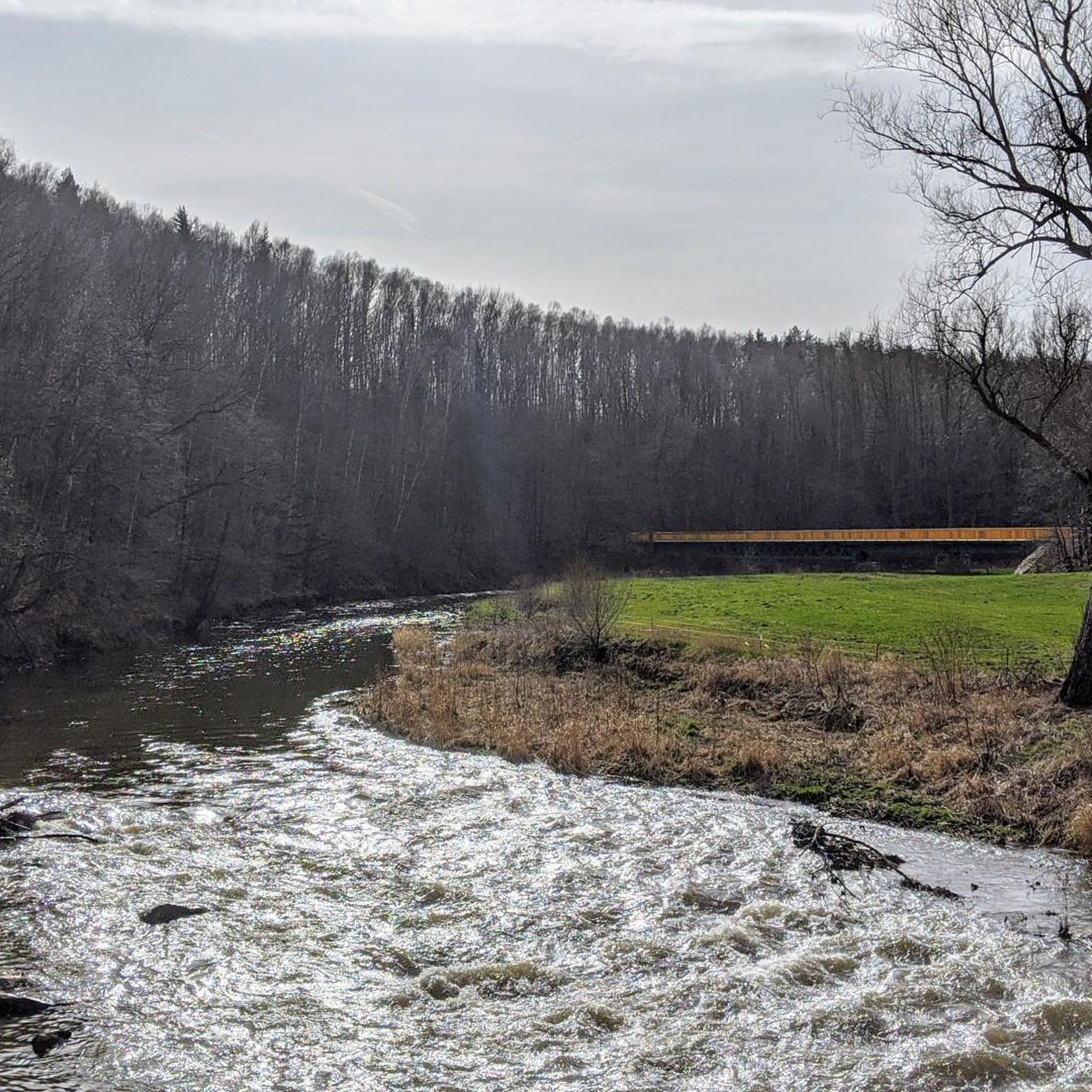
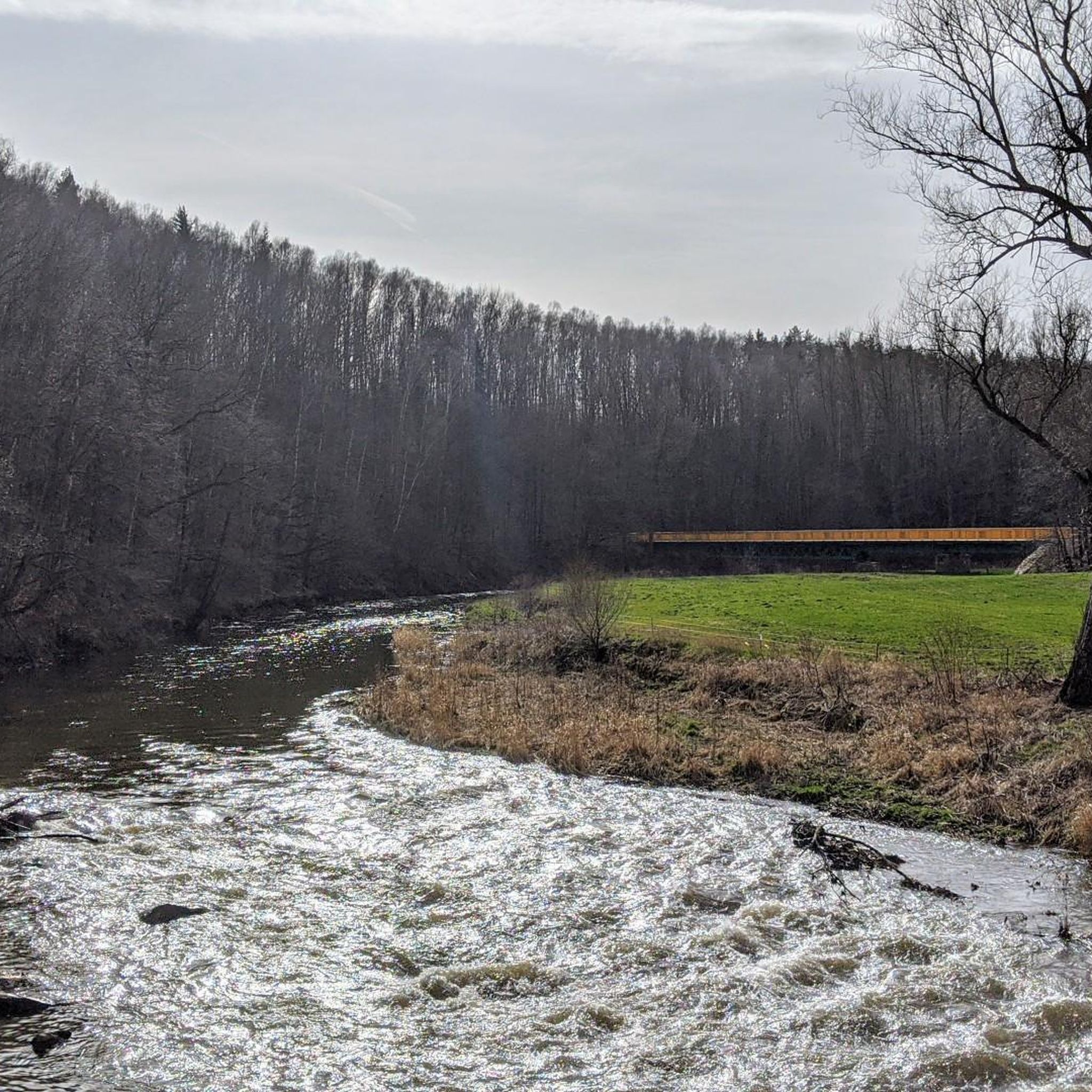
A beautiful zigzag path down, surprisingly this year you can ride it without getting off. The rest of the way to the bridge is unfortunately still made difficult by a few fallen trees, so you have to get off quite often. But it's still a nice ride.
0
1
Frequently Asked Questions
What types of caves can I explore around Taura?
The Taura region offers a mix of historical mining tunnels, natural geological formations, and man-made underground passages. You can find sites like the Wismutstolln Visitor Mine, which is a former silver mine, or the natural Leuchtmoos Cave at Totenstein.
Are there any historical mining caves to visit in the Taura area?
Yes, Taura is known for its rich mining history. You can visit the Wismutstolln Visitor Mine, a former silver mine with guided tours available by appointment. Another significant historical site is the Alte Hoffnung Erbstolln Silver Mine, which features a shaft system dating back to 1695 and begins with a boat trip.
Can I find any natural caves with unique features around Taura?
Absolutely. The Leuchtmoos Cave at Totenstein is a natural cave known for its legendary luminous moss, which once thrived there. Another natural cave is the Jungfernhöhle, which has a fascinating saga associated with it, though the entrance can be quite low.
Are there any man-made underground passages or historical sites besides mines?
Yes, the Vaulted Passages at Kaßberg are a notable historical site with man-made caves. Guided tours offer insights into this interesting and historical place, which also hosts events like beer and wine tastings.
What is the difficulty level for exploring caves in Taura?
The difficulty varies. Some sites like the Wismutstolln Visitor Mine and Alte Hoffnung Erbstolln Silver Mine are generally accessible via guided tours. However, natural caves like the Jungfernhöhle are rated as 'challenging' and may require a headlamp due to low entrances.
Are there family-friendly cave tours or experiences in the Taura region?
Historical sites like the Wismutstolln Visitor Mine and Alte Hoffnung Erbstolln Silver Mine, which offer guided tours, can be suitable for families interested in history and unique experiences. The boat trip at Alte Hoffnung Erbstolln can be particularly engaging for children.
What should I know before visiting the Jungfernhöhle?
The Jungfernhöhle is considered challenging, and its entrance is quite low. It's recommended to bring a headlamp. There's a plaque at the entrance detailing the cave's history and a saga associated with it, making it an exciting place to explore for those prepared for a more rugged experience.
What kind of outdoor activities can I do near the caves around Taura?
Beyond cave exploration, the Taura region offers various outdoor activities. You can find numerous cycling routes, including those along the Chemnitztal Cycle Path, as detailed in the Cycling around Taura guide. There are also easy hiking trails, such as those around Herrenhaide Nature Conservation Station, which you can explore in the Easy hikes around Taura guide.
Are there any specific routes for road cycling near the Taura caves?
Yes, road cycling enthusiasts can find routes like the one offering views of the Lulatsch Tower or longer rides through areas like the Göhren Viaduct. More options are available in the Road Cycling Routes around Taura guide.
What makes the Alte Hoffnung Erbstolln Silver Mine unique?
The Alte Hoffnung Erbstolln Silver Mine is unique because its tour begins with a boat trip into the shaft system, which dates back to 1695. It's an important site in mining history, featuring various historical structures and foundations.
What is the significance of the Wismutstolln Visitor Mine?
The Wismutstolln Visitor Mine is significant for showcasing both high medieval mining activities and more recent uranium prospecting from the 1950s by SAG Wismut. It allows visitors to explore parts of a former silver mine, offering a glimpse into centuries of industrial heritage.
How can I arrange a visit to the Wismutstolln Visitor Mine?
Visits to the Wismutstolln Visitor Mine are typically arranged by appointment. You would need to contact them directly to schedule a guided tour.
Most popular routes around Taura
Most popular attractions around Taura

Get inspired with the komoot mobile app


Explore more
Extend your search for the best caves by checking out these guides of the top ones around Taura:
