Top 20 Lakes in Australia
Best lakes in Australia offer diverse natural features across the continent. This region is characterized by a wide range of landscapes, from ancient cultural sites to vast freshwater bodies and unique geological formations. Australia's lakes provide varied experiences, including opportunities for water sports, hiking, and cultural exploration. Many are significant to Indigenous communities, reflecting a rich cultural heritage.
Best lakes in Australia
- The most popular lakes is Dove Lake, a glacial lake that features a circuit walk around its shoreline. This walk offers views of Cradle Mountain and passes through diverse landscapes including buttongrass plains and temperate rainforest.
- Another must-see spot is Mutitjulu Waterhole, a permanent water source of deep cultural significance to the Aṉangu people. Visitors can view ancient rock art and learn about the Kuniya Tjukurpa story connected to this sacred place.
- Visitors also love Jerusalem Bay, a scenic inlet along the Great North Walk. This sheltered bay is surrounded by steep bush-covered hills and is known for its calm waters and wildlife spotting opportunities.
- Australia is known for its diverse lake types, including glacial lakes, crater lakes, and unique pink lakes. These bodies of water offer a variety of experiences, from swimming and boating to exploring ancient cultural sites.
- The lakes in Australia are appreciated by the komoot community, with over 100 upvotes and 43 photos shared across various highlights.
Last updated: October 12, 2026
Dove Lake
Highlight • Lake
Tip by

Mutitjulu Waterhole
Highlight • Lake
Tip by

Sign up now to discover places like this
Get recommendations on the best single tracks, peaks, & plenty of other exciting outdoor places.
Upper Pool
Highlight • Waterfall
Tip by

Royal Botanic Gardens Melbourne
Highlight • Natural
Tip by
Jerusalem Bay
Highlight • Lake
Tip by
Araucaria Track
Highlight (Segment) • Trail
Tip by
Roma Street Parkland
Highlight (Segment) • Structure
Translated by Google •
Tip by

Crater Lake
Highlight • Lake
Tip by
Lake Eacham
Highlight • Lake
The local Ngadjon -jii people, who call the lake Wiinggina, have oral histories of the eruptions as told here by elder storyteller Warren Cannendo:
"Two young fellas were trying to spear that wallaby. But they missed and hit a flame tree. That’s a sacred tree. The young fellas not supposed to be out hunting. They weren’t initiated. Their elders told them to stay put, not go out hunting. But they didn’t listen. When they pulled their spear out, part of a grub came out with the spear, which was a witchetty grub. They started cutting down that tree to get more grubs. When they cut down that tree, the ground began to shake. Those two fellas had made Yamini (rainbow serpent) angry. Then the sky turned orange, then all these people back at the camp, the earth went from underneath them, sucked them in, whoosh, they all got drowned. Where they were camped became Bana Wiingina (Lake Eacham)."
Tip by

Waterfall Gully
Highlight • Waterfall
Tip by

Sign up for free to discover even more lakes in Australia.
Already have an account?
Start today with a free account
Your next adventure awaits.
Popular around Australia
Around the World in 80 Days
Six Foot Track — An iconic trek across the Blue Mountains
Gravel riding in New South Wales, Australia — Bongil Bongil National Park and beyond
The world's most adventurous cycling passes
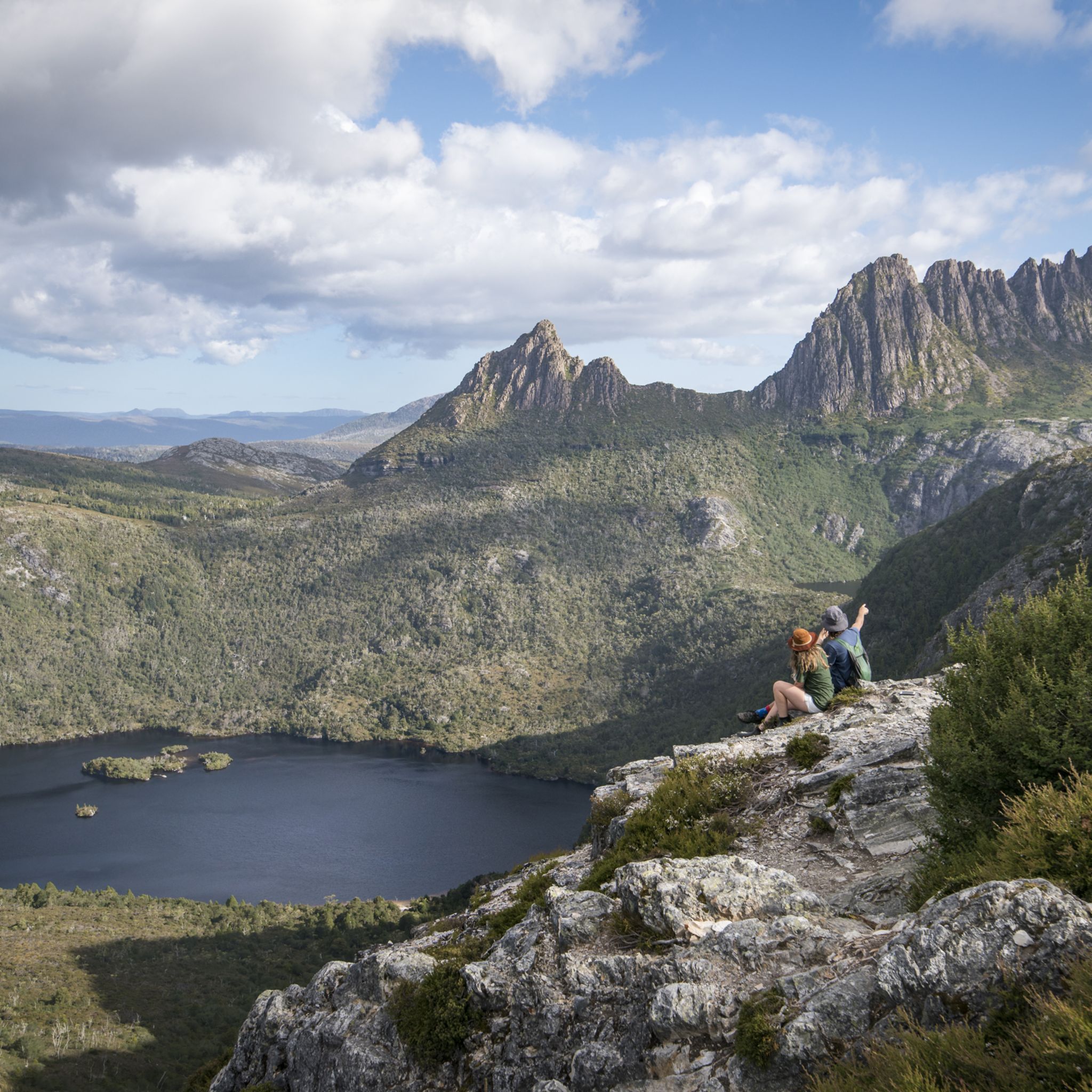
Hiking in Australia
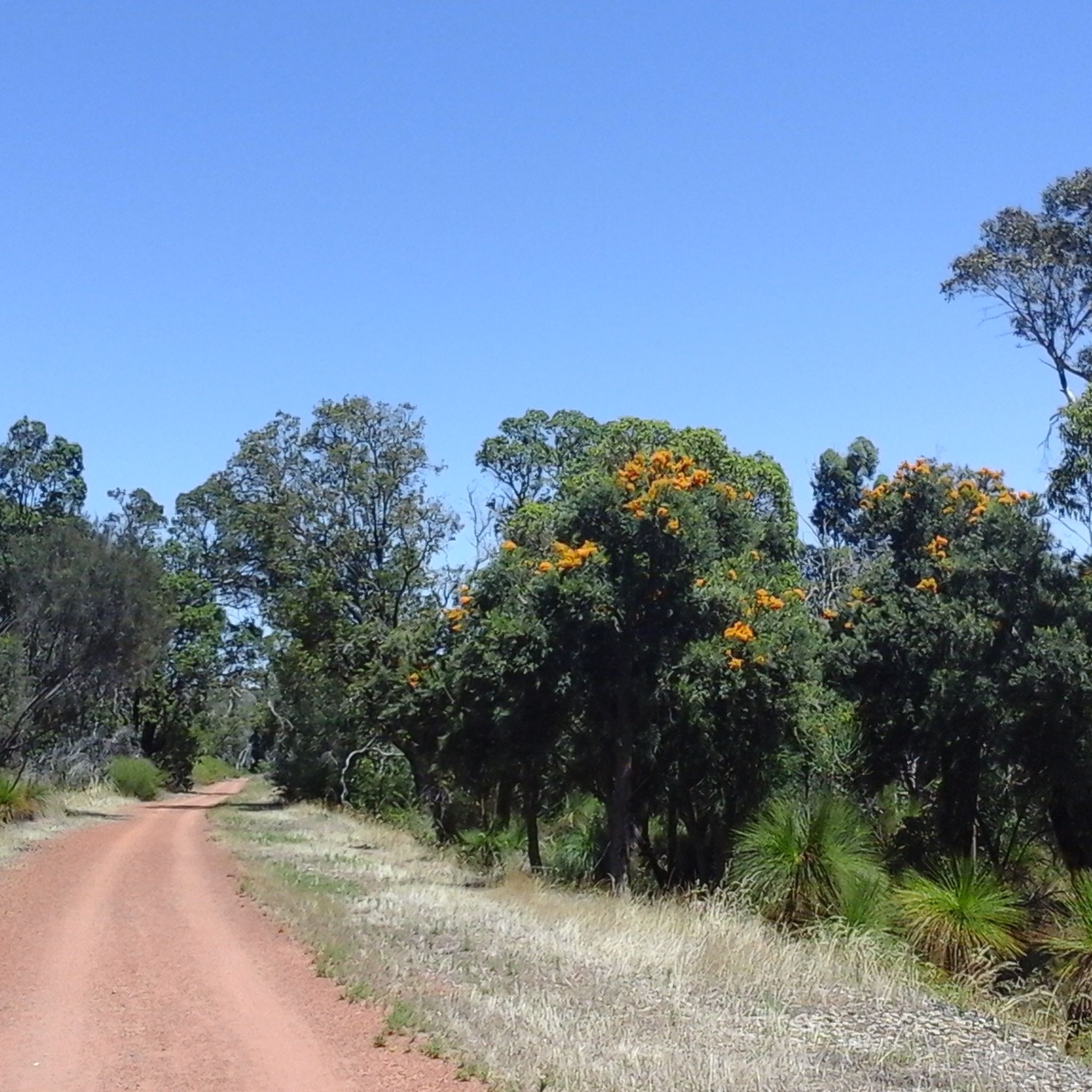
Cycling in Australia
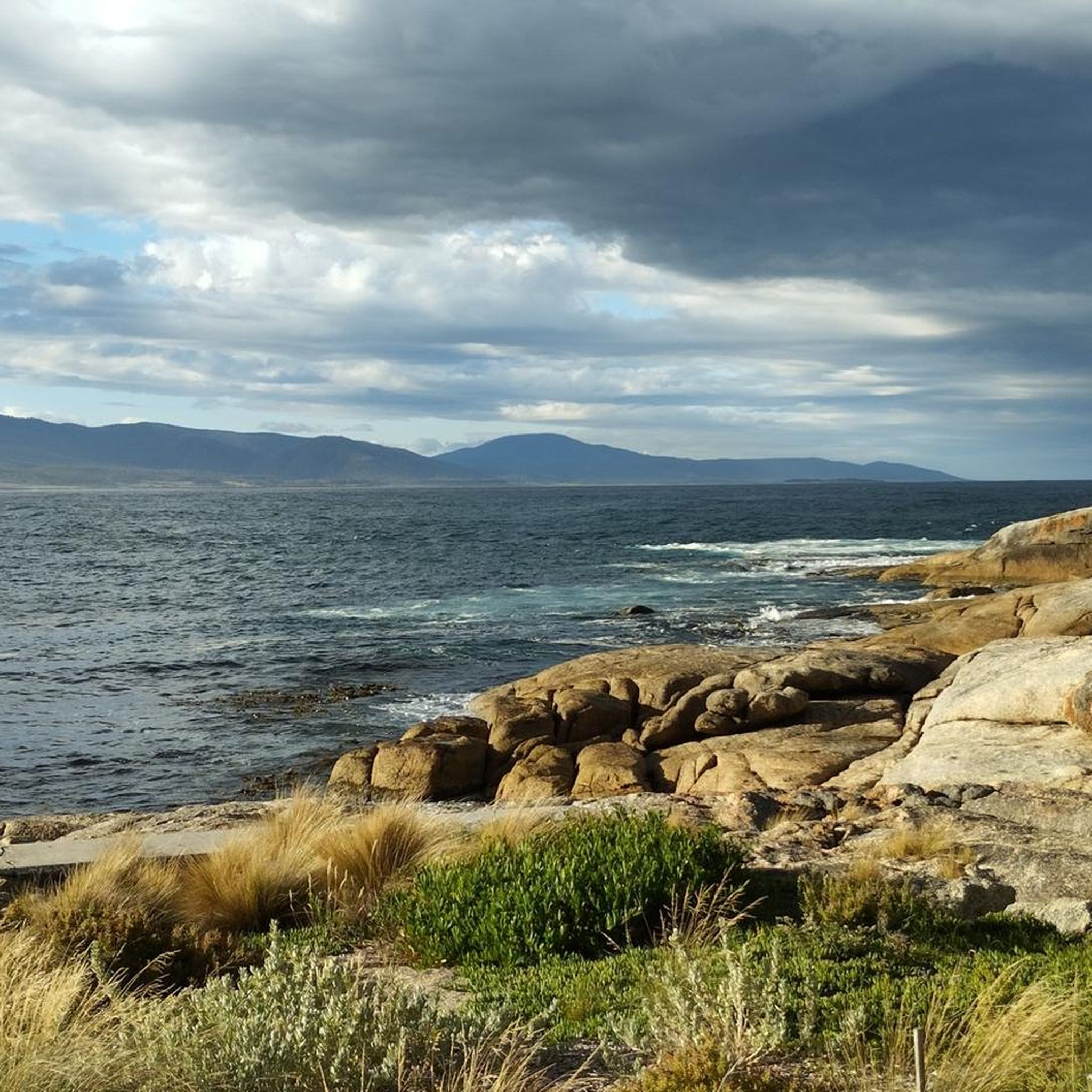
Running Trails in Australia
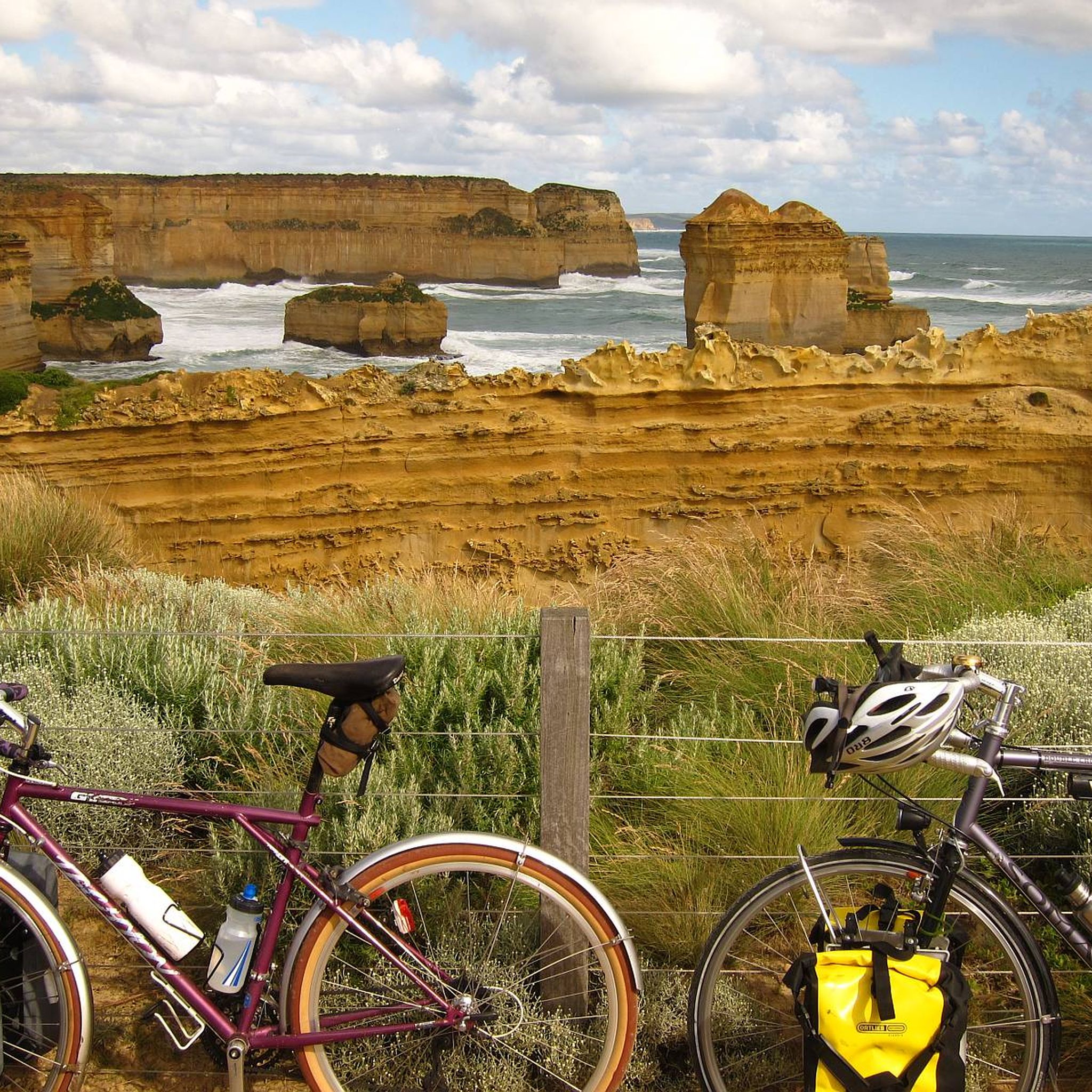
Road Cycling Routes in Australia
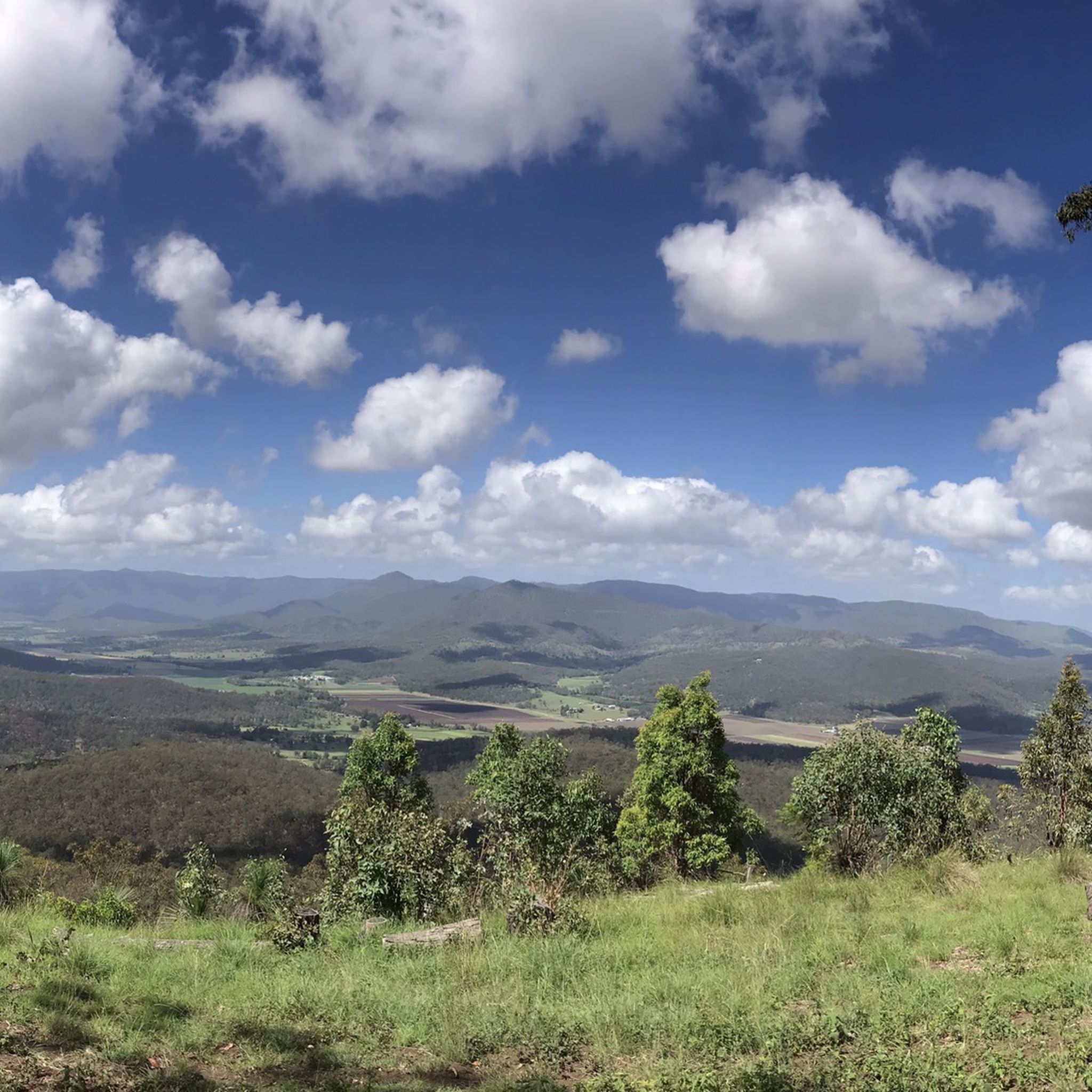
MTB Trails in Australia
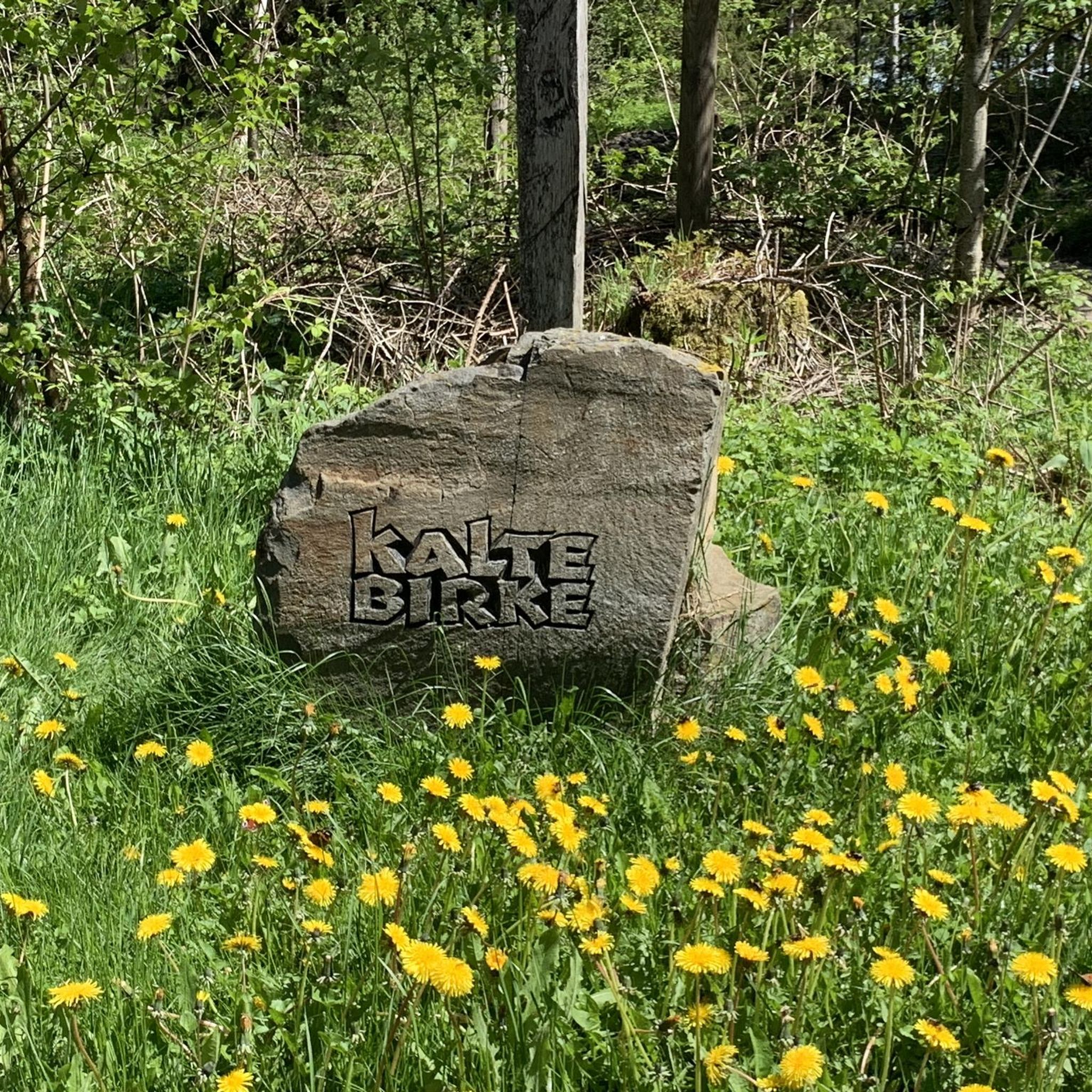
Gravel biking in Australia
Other adventures in Australia


Tips from the Community

Lake Eacham is one of the two lakes that make up Crater Lakes National Park, the other being Lake Barrine. This lake was formed over 9,000 years ago when molten magma heated up the water table until the pressure from the steam broke through the ground in massive explosions. The local Ngadjon -jii people, who call the lake Wiinggina, have oral histories of the eruptions as told here by elder storyteller Warren Cannendo: "Two young fellas were trying to spear that wallaby. But they missed and hit a flame tree. That’s a sacred tree. The young fellas not supposed to be out hunting. They weren’t initiated. Their elders told them to stay put, not go out hunting. But they didn’t listen. When they pulled their spear out, part of a grub came out with the spear, which was a witchetty grub. They started cutting down that tree to get more grubs. When they cut down that tree, the ground began to shake. Those two fellas had made Yamini (rainbow serpent) angry. Then the sky turned orange, then all these people back at the camp, the earth went from underneath them, sucked them in, whoosh, they all got drowned. Where they were camped became Bana Wiingina (Lake Eacham)."
1
0

Crater Lake is a small, picturesque glacial lake nestled beneath Cradle Mountain, surrounded by steep slopes and alpine vegetation. A well-formed walking track leads to the lake from several nearby routes, offering elevated views over the water and surrounding peaks. Its sheltered setting and reflective surface make it a lovely spot to pause and take in the scenery for anyone exploring this beautiful area.
0
0
Upper Pool is a large natural swimming hole above the main waterfall. Surrounded by red sandstone and fed by cascading water, the clear pool is a popular place to swim and relax midway through the walk. From its rocky edges, you can look down over the falls or swim close to the smaller cascades feeding the pool.
0
0

Jerusalem Bay is one of the most scenic spots along the Great North Walk in Ku-ring-gai Chase National Park. The track descends through sandstone bushland and eucalypt forest before reaching the quiet waters of the bay, which forms part of Cowan Creek. Surrounded by steep bush-covered hills, the sheltered inlet feels remote despite being relatively close to Sydney. The calm water and sandy edges make it a peaceful place to rest along the walk, and it’s common to spot fish, waterbirds, and other wildlife around the bay.
0
0
Bordering the Yarra River near the Main Yarra Trail, the Royal Botanic Gardens are one of Melbourne’s most beautiful green spaces. The gardens cover 38 hectares and feature a mix of landscaped lawns, lakes, and collections of native and international plants. Walking paths wind through the gardens, offering quiet spots to relax beneath large trees or beside the water. It’s a peaceful place to take a break from the city, with great views of Melbourne’s skyline rising beyond the greenery.
0
0
Tucked beneath the towering red walls of Uluṟu, Mutitjulu Waterhole is one of the few permanent water sources in the area and a place of deep cultural significance to the Aṉangu people. he waterhole sits below a cave where ancient rock art can still be seen, and interpretive signs along the path explain the Kuniya Tjukurpa story connected to this place. A short detour from the Uluṟu Base Walk leads to a viewing platform overlooking the waterhole, making it one of the most meaningful and memorable stops around the base of the rock.
0
0

Araucaria Track is an easy-to-moderate route that follows the northern shoreline of Enoggera Reservoir that winds through open eucalypt forest with scattered hoop pines before looping a small peninsula and returning the same way. At roughly 5 km return, it typically takes about two hours and is popular for gentle hiking, birdwatching, and enjoying views of the water.
0
0
Frequently Asked Questions
What are some of Australia's most unique lakes?
Australia is home to several unique lakes. For instance, Dove Lake in Tasmania is a glacial lake known for its circuit walk and views of Cradle Mountain. Western Australia features the vibrant pink Hutt Lagoon and Lake Hillier, both famous for their striking hues caused by algae. South Australia's Blue Lake changes color dramatically from blue in summer to grey in winter, while Lake MacDonnell offers a stunning 'Watermelon Avenue' effect with its pink and teal sections.
Are there any lakes in Australia with significant cultural or historical importance?
Yes, many Australian lakes hold deep cultural significance. Mutitjulu Waterhole, located beneath Uluru, is a permanent water source sacred to the Aṉangu people, where visitors can view ancient rock art and learn about the Kuniya Tjukurpa story. Lake McKenzie on Fraser Island (K'gari) is also culturally significant to the Butchulla people.
Which lakes are best for swimming and water sports?
For swimming and water sports, Lake McKenzie in Queensland offers pristine turquoise waters and white silica sand perfect for swimming and snorkeling. Lake Eacham, also in Queensland, is a volcanic crater lake popular for swimming, paddle boating, and bird watching. In Victoria, Lake Eildon provides ample space for wakeboarding, water skiing, boating, kayaking, and swimming with its extensive shoreline. The Cairns Esplanade Lagoon offers a safe, saltwater swimming experience year-round.
Are there family-friendly lakes in Australia?
Absolutely. Many lakes across Australia are ideal for families. Dove Lake in Tasmania, Mutitjulu Waterhole in the Northern Territory, and Narrabeen Lagoon in New South Wales are all listed as family-friendly. The Cairns Esplanade Lagoon is a safe, free, and accessible option for families with amenities like restrooms and showers.
What kind of hiking trails can I find around Australian lakes?
You'll find a variety of hiking trails near Australian lakes. The Dove Lake Circuit in Tasmania offers a walk through buttongrass plains, alpine heath, and temperate rainforest with views of Cradle Mountain. The Jerusalem Bay area, part of the Great North Walk, features trails through sandstone bushland and eucalypt forest. For more extensive options, you can explore various mountain hikes and running trails near many lakes across Australia.
Which lakes are known for their natural beauty and scenic views?
Many Australian lakes are renowned for their natural beauty. Dove Lake offers breathtaking views of Cradle Mountain. Lake McKenzie's turquoise waters and white sands are incredibly picturesque. Kati Thanda-Lake Eyre, when filled, transforms into a spectacular inland sea, and even when dry, its shimmering salt crust is captivating. The Gippsland Lakes in Victoria provide extensive waterways and coastal scenery, including Ninety-Mile Beach.
Are there any lakes suitable for dog walking or pet-friendly activities?
Yes, Narrabeen Lagoon in New South Wales is specifically listed as dog-friendly, making it a great option for walks with your pet. Always check local regulations for specific areas around other lakes, as rules can vary.
What are the best times to visit Australian lakes?
The best time to visit Australian lakes largely depends on the region and the experience you seek. For example, South Australia's Blue Lake is most vibrant in summer when its waters turn a brilliant cobalt blue. Lakes in tropical regions like Queensland (e.g., Lake Eacham) are pleasant during the dry season (winter months) to avoid heavy rains. For hiking around lakes like Dove Lake in Tasmania, spring and autumn often offer milder weather and fewer crowds.
Can I find accessible lakes for visitors with mobility needs?
Yes, some lakes and their surrounding facilities are designed to be accessible. The Cairns Esplanade Lagoon is wheelchair accessible, offering a safe swimming environment with easy access. When planning a visit, it's always recommended to check specific accessibility details for the chosen lake or park.
What kind of wildlife can I expect to see around Australian lakes?
Australian lakes are rich in wildlife. Around Jerusalem Bay, you might spot fish and various waterbirds. Lake Eacham is known for its rainbow fish and diverse birdlife. Lake Argyle, despite being man-made, is home to freshwater crocodiles. Many lakes also attract a variety of native birds and other animals, especially in national parks and protected areas.
Are there opportunities for cycling near Australian lakes?
Yes, many regions around Australian lakes offer excellent cycling opportunities. You can find various road cycling routes that pass by or offer views of lakes. For example, the Gippsland Lakes area in Victoria is popular for cycling along its extensive shoreline. Always check local guides or komoot's route planner for specific trails and their difficulty levels.
Most popular routes in Australia
Most popular attractions in Australia

Get inspired with the komoot mobile app


Didn’t find what you were looking for?
Find the best lakes in Australia per region:
