The 20 Most Amazing Peaks in Australia
Mountain peaks in Australia offer a diverse range of elevations and landscapes. The country features ancient, rolling alpine summits, iconic inselbergs, and coastal ranges. Many of the highest peaks are concentrated in Kosciuszko National Park, while other significant mountains are found across various states. These peaks provide opportunities to experience unique natural features and culturally significant sites.
Best mountain peaks in Australia
- The most popular mountain peaks is Mount Kosciuszko Summit lookout, a summit that marks the highest point in Australia at 2,228 metres, with wide, open views across the Snowy Mountains. It is a popular destination, offering sweeping views and accessible trails.
- Another must-see spot is Uluru (Ayers Rock), a natural monument that is Australia's best-known natural landmark, rising 348 m above the landscape. Guided walking tours offer insights into its flora, fauna, and Dreamtime stories.
- Visitors also love Bluff Knoll Summit, a summit that is the highest peak in southern Western Australia at approximately 1,099 meters above sea level. From the top, expansive views stretch across the Stirling Range and surrounding farmland.
- Australia is known for alpine summits, inselbergs, and coastal ranges. Visitors can explore a variety of mountain peaks, from the high plains of the Snowy Mountains to the arid landscapes of the Flinders Ranges and the tropical rainforests of Queensland.
- The mountain peaks in Australia are appreciated by the komoot community. There are more than 60 upvotes and 40 photos shared by users, showcasing the appeal of these locations.
Last updated: October 12, 2026
Mount Kosciuszko Summit lookout
Highlight • Summit
Tip by

Pinnacle Lookout
Highlight • Viewpoint
Tip by

Sign up now to discover places like this
Get recommendations on the best single tracks, peaks, & plenty of other exciting outdoor places.
Uluru (Ayers Rock)
Highlight • Natural Monument
Translated by Google •
Tip by

Marion's Lookout
Highlight • Viewpoint
Tip by
Mount Coot-tha Lookout
Highlight • Viewpoint
Tip by

Flinders Peak Walk
Highlight (Segment) • Trail
Tip by
Cradle Mountain
Highlight • Summit
Tip by
Mount Taylor summit
Highlight • Summit
Tip by
Mount Gravatt Lookout
Highlight • Viewpoint
Tip by
Mount Bruce summit track
Highlight (Segment) • Trail
Tip by
Sign up for free to discover even more peaks in Australia.
Already have an account?
Start today with a free account
Your next adventure awaits.
Popular around Australia
Around the World in 80 Days
Six Foot Track — An iconic trek across the Blue Mountains
Gravel riding in New South Wales, Australia — Bongil Bongil National Park and beyond
The world's most adventurous cycling passes
Hiking in Australia
Cycling in Australia
Running Trails in Australia
Road Cycling Routes in Australia
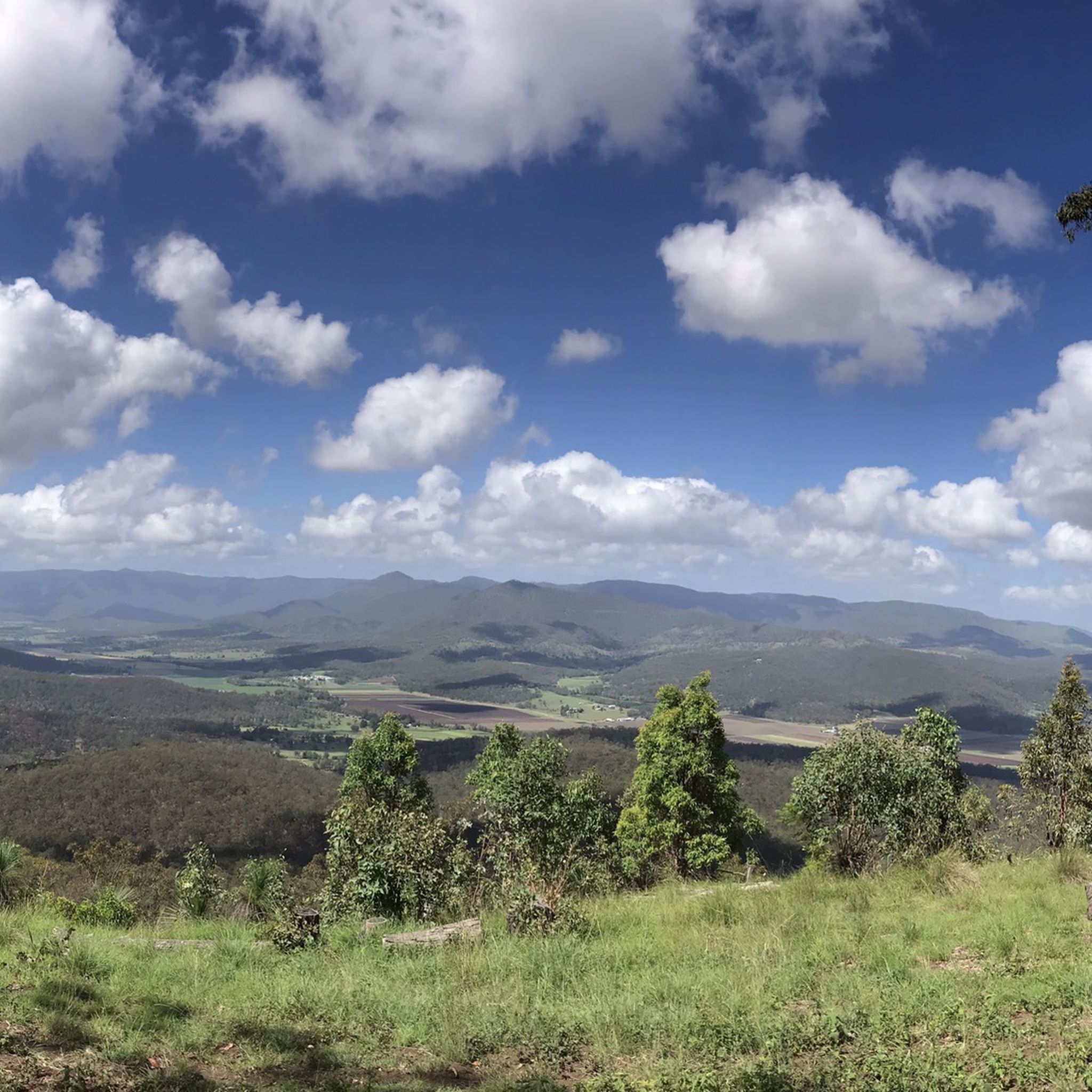
MTB Trails in Australia
Gravel biking in Australia
Other adventures in Australia


Tips from the Community

Mount Taylor rises 856 metres above sea level, with expansive views across Canberra, Black Mountain, the Brindabella Ranges, and the surrounding nature reserves. There is a trig point marking the summit, along with several benches and interpretive signs that help identify many of the landmarks visible from the top, inviting you to stay a while and enjoy the scenery.
0
0
Mount Taylor rises 856 metres above sea level, with expansive views across Canberra, Black Mountain, the Brindabella Ranges, and the surrounding nature reserves. There is a trig point marking the summit, along with several benches and interpretive signs that help identify many of the landmarks visible from the top, inviting you to stay a while and enjoy the scenery.
0
0
Mount Taylor rises 856 metres above sea level, with expansive views across Canberra, Black Mountain, the Brindabella Ranges, and the surrounding nature reserves. There is a trig point marking the summit, along with several benches and interpretive signs that help identify many of the landmarks visible from the top, inviting you to stay a while and enjoy the scenery.
0
0

The Mount Coot-Tha Summit Lookout sits at an elevation of 287 metres above sea level and has breathtaking views across the Brisbane skyline to Moreton Bay. This large viewing platform sits just below the summit at 226 metres. There is a large car park here, access to bushwalking tracks, The Summit Restaurant & Bar, The Summit Café and well maintained public toilets. This area is open all day every day with no admission fees, and is a great place to watch the sun set.
0
0

No Merlot here — the shelf stands empty, quiet, waiting for a bottle that never comes. Kein Merlot hier — das Regal bleibt leer, still, wartend auf eine Flasche, die nie kommt. Pas de Merlot ici — l'étagère reste vide, silencieuse, attendant une bouteille qui n'arrive jamais. No hay Merlot aquí — el estante queda vacío, silencioso, esperando una botella que nunca llega.
0
0
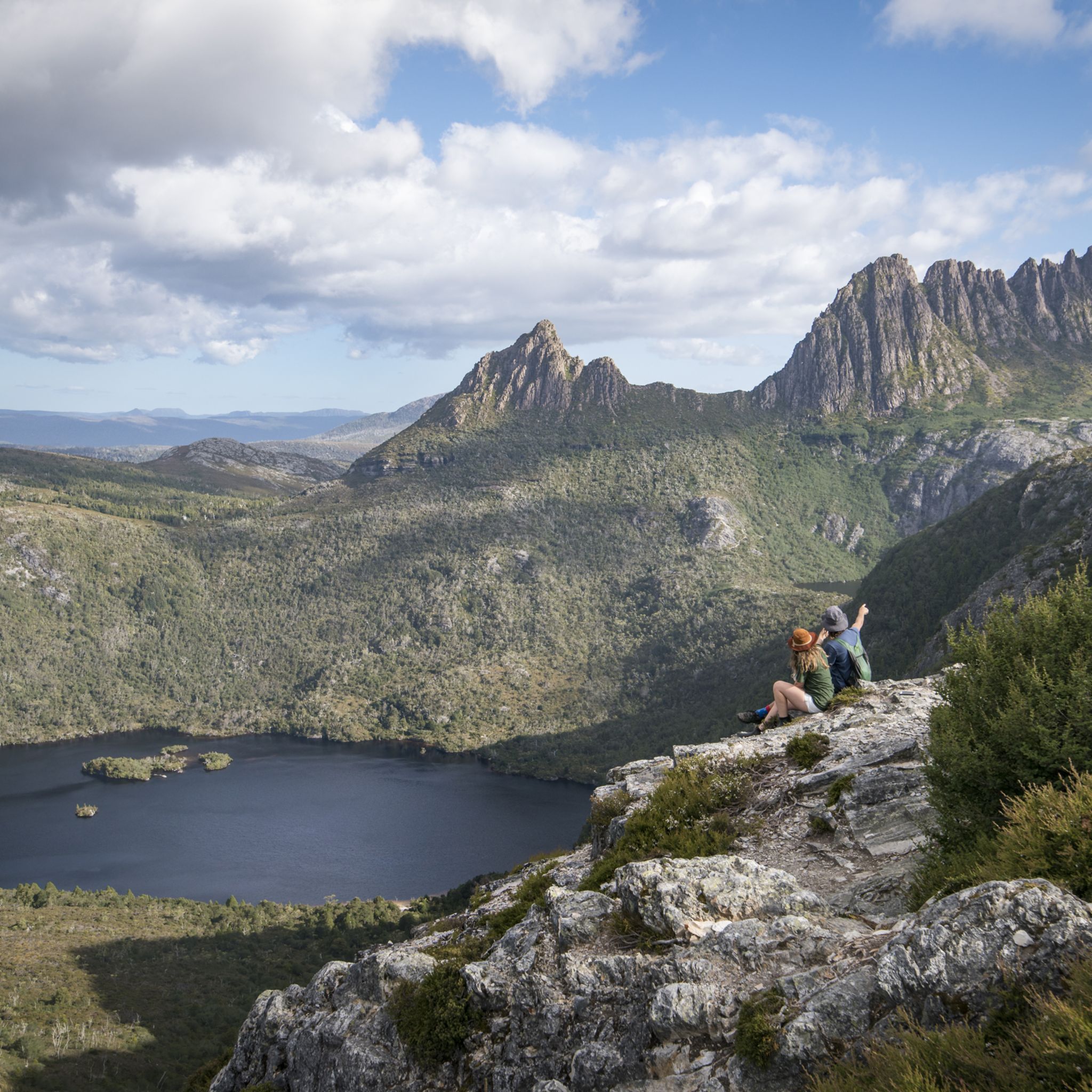
Cradle Mountain is a steep, jagged dolerite peak in Tasmania’s alpine north, where you climb through rocky terrain, subalpine forest, and exposed ridgelines with breathtaking views over Dove Lake and the surrounding peaks. The summit route is a demanding full-day walk that includes sustained uphill sections and scrambling over large boulders, requiring good fitness and careful footing rather than technical climbing gear. Reaching the summit is suitable only for very experienced bushwalkers, and the weather in the area can change rapidly from clear to cold, wet, or even snowy conditions, so you should be prepared for full alpine conditions on short notice.
0
0
Mount Bruce summit track is a challenging return hike that climbs to the summit of Punurrunha (Mount Bruce), the second-highest peak in Western Australia. The track is around 9–10 kilometres return with some relatively steep gradients, loose rock, and exposed scrambling sections, including short rock climbs that, though not technical, do require careful footing. Once you reach the summit, you can enjoy beautiful, expansive views that stretch across the Hamersley Range.
0
0

Mount Kosciuszko Summit Lookout marks the highest point in Australia at 2,228 metres, with wide, open views across the Snowy Mountains. The final stretch from Rawson Pass follows a gradual, exposed path across alpine terrain, where weather can shift quickly. From the top, you’re surrounded by rolling peaks, high plains, and distant ridgelines in every direction. There’s little shelter here, so expect wind even on clear days and allow time to take in the scale of the landscape before heading back down.
0
0
Frequently Asked Questions
Which mountain peaks in Australia are considered the highest or most significant?
Australia's highest mainland peak is Mount Kosciuszko Summit lookout in New South Wales, standing at 2,228 meters. Other significant peaks include Mount Townsend (2,209m) also in Kosciuszko National Park, Victoria's highest mountain Mount Bogong (1,986m), and Tasmania's iconic Cradle Mountain (1,545m).
Are there family-friendly mountain peaks or viewpoints in Australia?
Yes, several peaks and viewpoints are suitable for families. Mount Kosciuszko offers a relatively easy summit trail, with many families reaching the top. Mount Coot-tha Lookout in Brisbane is easily accessible by car and provides panoramic city views. Mount Lofty Summit in South Australia also features visitor facilities and family-friendly trails.
What are the best times to visit Australia's mountain peaks?
The best time to visit depends on the region and desired activity. For the Snowy Mountains (including Mount Kosciuszko), spring (September-November) is ideal for wildflower displays, while summer (December-February) offers accessible hiking. Winter (May-October) brings snow, making it suitable for snow sports. For peaks like Bluff Knoll, be prepared for quick weather changes and cold conditions even in summer. Tropical peaks like Mount Sorrow are best visited outside the wet season.
What kind of natural features can I expect to see around Australian mountain peaks?
Australia's mountain peaks offer diverse natural features. You can find alpine lakes and waterfalls around Mount Kosciuszko, glacial-carved lakes and ancient alpine forests near Cradle Mountain, and unique biodiversity, especially during wildflower season, at Bluff Knoll. The Flinders Ranges offer spectacular arid landscapes dotted with wildflowers, kangaroos, and emus.
Are there any culturally significant mountain peaks in Australia?
Yes, Uluru (Ayers Rock) is Australia's best-known natural landmark and holds immense cultural significance for the Anangu Aboriginal people. Guided walking tours offer insights into its flora, fauna, and Dreamtime stories. Bluff Knoll is also known as Pualaar Miial by the local Indigenous people.
What outdoor activities can I do near Australia's mountain peaks?
Beyond hiking and climbing, you can find various outdoor activities. For instance, there are numerous cycling routes across Australia, including options near mountain regions. You can explore more about cycling in the area on the Cycling in Australia guide. Additionally, many areas offer running trails, detailed in the Running Trails in Australia guide.
Are there challenging hikes for experienced trekkers?
Absolutely. The 12.8km day hike to the summit of Cradle Mountain is considered moderate to challenging, involving some rock scrambling. Victoria's highest mountain, Mount Bogong, features the challenging 16km Staircase Spur route. Mount Gower on Lord Howe Island offers a demanding 14km guided hike with fixed ropes on steep sections, while Mount Sorrow in Daintree National Park provides a challenging tropical rainforest experience.
Where can I find panoramic views of Australian landscapes?
Many peaks offer stunning panoramic views. Mount Kosciuszko Summit lookout provides wide, open views across the Snowy Mountains. From Bluff Knoll Summit, expansive views stretch across the Stirling Range. Flinders Peak offers 360-degree views including Melbourne's CBD and Port Phillip Bay. Mount Lofty Summit provides sweeping views across Adelaide and the Gulf St Vincent coastline.
What is the accessibility like for some of the popular peaks?
Accessibility varies. Mount Kosciuszko's summit trail is relatively accessible, with options like taking the Kosciuszko Express Chairlift from Thredbo for a shorter journey. Mount Coot-tha Lookout is easily reached by car with free parking. However, other peaks like Cradle Mountain and Mount Bogong require more strenuous hiking.
Can I find trails with waterfalls near Australia's mountain peaks?
Yes, many regions offer waterfall hikes. For example, the Waterfall hikes in Australia guide lists routes like the Wonderland Loop Walk and Three Falls Circuit, which are often found in mountainous or hilly areas, providing opportunities to combine peak views with scenic waterfalls.
Are there any dog-friendly mountain trails in Australia?
While many national parks have restrictions on dogs, some areas offer dog-friendly options. For instance, Flinders Peak in the You Yangs Regional Park is known to have dog-friendly trails. Always check local regulations before bringing your pet to ensure compliance with park rules.
What are the weather conditions typically like on Australian mountain peaks?
Weather on Australian mountain peaks can be highly unpredictable and change rapidly, even in summer. High alpine areas like Mount Kosciuszko and Bluff Knoll can be windy and cold, with cloud cover and occasional frost or snow, even outside of winter. It's always advisable to carry extra layers and be prepared for varying conditions.
Most popular routes in Australia
Most popular attractions in Australia

Get inspired with the komoot mobile app


Didn’t find what you were looking for?
Discover Australia’s best peaks and summits by region:
